
Why Do Exporters Prefer Tyre Packing Machines for Long-Distance Shipping?
Have you ever considered the true cost of damaged goods arriving at an international port? For many exporters, especially those dealing with heavy industrial products like tires, steel coils, or wire bundles, this is a constant worry. The journey across oceans and continents can be brutal. It exposes products to harsh conditions, rough handling, and the relentless forces of logistics. This is where the right packing strategy becomes not just important, but absolutely critical for business survival and reputation.
Exporters, particularly those shipping heavy, bulky items like tyres, increasingly turn to specialized packing machines because these systems offer unparalleled product protection, significantly reduce labor costs, enhance operational safety, and ensure compliance with stringent international shipping standards. These machines are designed to withstand the rigors of long-distance transit, safeguarding goods from damage, moisture, and contamination from the factory floor all the way to the customer’s dock, ultimately improving customer satisfaction and profitability.
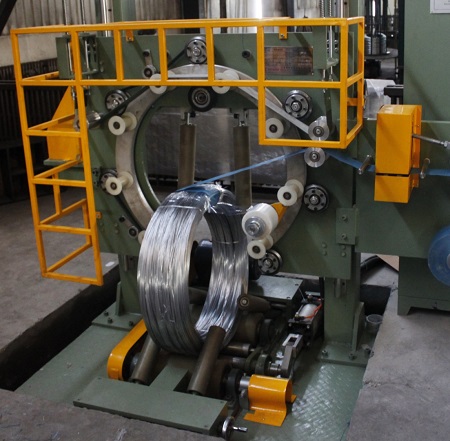
When I think about the challenges Michael Chen faces in his metal processing plant in Mexico, overseeing every step from raw materials to finished goods, I see direct parallels. He needs efficiency, cost control, and safety, just like any exporter. Understanding why specialized machines are preferred for items like tires helps us understand the wider benefits for all industrial packing. Let us dive deeper into the core reasons why these innovative solutions are becoming the standard for global trade.
1. What Makes Robust Packaging Essential for Exporting Industrial Goods?
Imagine you are shipping thousands of heavy industrial tires, or perhaps hundreds of tons of steel coils, halfway across the globe. What are your biggest fears? Damage during loading? Exposure to elements? Theft? These are the real-world problems that keep factory managers and logistics directors awake at night. Standard, flimsy packaging simply will not do.
When goods travel long distances, they face numerous hazards. These include vibrations from trucks and ships, impacts during handling, changes in temperature and humidity, and even potential exposure to dirt or corrosive elements. For sensitive products like tires, poor packaging can lead to sidewall damage, deformation, or contamination. For steel coils, it means rust, scratches, or edge damage that directly affects their value. Robust packaging acts as the first line of defense, minimizing these risks. It ensures products arrive in the same condition they left the factory, protecting both the product and the company’s reputation. (robust export packaging challenges, industrial goods shipping protection)
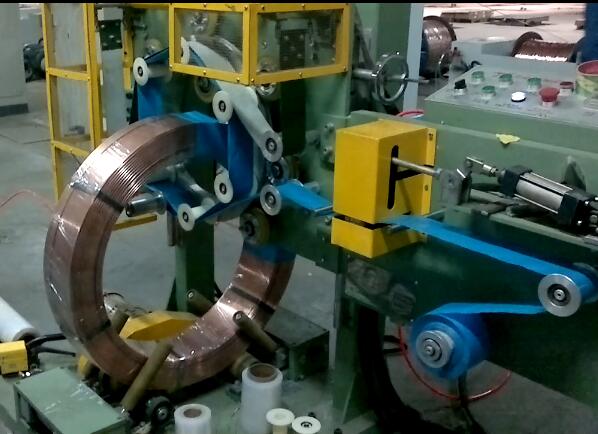
The High Stakes of International Shipping
International shipping is a complex dance of logistics, regulations, and environmental variables. Without proper protection, the cost implications of damaged goods can quickly erode profits and customer trust.
The True Cost of Damaged Goods 💸
- Direct Financial Losses: This includes the cost of replacing damaged items, reprocessing orders, and covering shipping insurance deductibles. For high-value items, these losses add up quickly.
- Customer Dissatisfaction: Receiving damaged goods leads to unhappy customers, potential chargebacks, and a tarnished brand image. Repeat business becomes difficult to secure.
- Supply Chain Disruptions: Damaged shipments can cause delays, requiring extra time for claims, reshipments, and re-planning logistics. This affects the entire supply chain.
- Reputational Damage: A consistent record of damaged deliveries can severely harm an exporter’s reputation, making it harder to attract new clients and maintain market share.
Why Standard Packaging Falls Short 📦
Many conventional packing methods, especially manual ones, are simply not designed to withstand the harsh conditions of international freight.
- Inconsistent Application: Manual wrapping often leads to uneven tension and coverage, leaving vulnerable spots.
- Limited Material Strength: Standard films or tapes might tear, puncture, or degrade under stress or environmental exposure.
- Inadequate Protection: Without specialized equipment, it is hard to achieve the precise and robust protection needed for heavy or oddly shaped items.
- Time-Consuming: Manual packing for large volumes is slow and labor-intensive, creating bottlenecks.
This is where my experience, starting as an employee at a packing machine factory and later building FHOPEPACK, comes into play. I saw firsthand how factories struggled with these issues. The solution was clear: invest in specialized machines that offer consistent, high-quality protection. For example, a properly wrapped steel coil is far less likely to suffer edge damage or rust, just as a well-packed tire will resist scuffs and deformation. It is all about anticipating the journey. (shipping damage prevention, export packaging reliability)
2. How Do Specialized Packing Machines, Like Those for Tyres, Protect Products During Transit?
The secret to preventing damage during transit lies in intelligent design and material science. Specialized packing machines, whether they are for tires, steel coils, or other heavy goods, are engineered to create a protective cocoon around the product. They use specific wrapping patterns, tension control, and robust materials to secure items firmly and shield them from external threats.
These machines work by applying packaging materials—such as stretch film, rust-proof VCI film, or woven fabric—in a precise, overlapping manner. This creates multiple layers of protection that resist punctures, tears, and moisture ingress. For items like tires, this might mean a tight, concentric wrap that prevents rolling and protects the tread and sidewalls. For steel coils, it means a dense, uniform wrap that safeguards against edge damage and environmental corrosion. The goal is always to immobilize the product, cushion it from impacts, and seal it against the elements. This proactive approach dramatically reduces the incidence of product damage, ensuring that goods arrive at their destination in pristine condition. (industrial product protection, automated wrapping techniques)

Advanced Protection Mechanisms in Action
The sophistication of these machines goes beyond simple wrapping. They incorporate features designed for specific industrial challenges.
Key Protective Features 🛡️
- Consistent Tension Control: Ensures the packing material is applied with uniform tension, preventing loose wraps that can shift or tight wraps that can deform the product.
- Multi-Layer Application: Many machines can apply several layers of different materials, such as an inner layer for corrosion protection (like VCI film) and an outer layer for physical durability.
- Edge Protection Systems: For items like steel coils, specialized applicators can integrate edge protectors directly into the wrap, preventing common damage points.
- Dust and Moisture Sealing: The tight, overlapping wraps create a barrier against dust, dirt, and moisture, crucial for sensitive metal products.
- Customizable Wrapping Programs: Exporters can program machines to apply different wrapping patterns and material combinations based on the product type, shipping route, and customer requirements.
Material Innovations for Maximum Safety ✨
The effectiveness of a packing machine is also highly dependent on the quality and type of materials it uses.
- High-Strength Stretch Film: Provides excellent elasticity and puncture resistance, keeping heavy loads contained.
- VCI (Volatile Corrosion Inhibitor) Film: Releases chemicals that protect metal surfaces from rust, a vital component for steel and wire products shipped internationally.
- Woven Strapping/Fabric: Offers superior tear resistance and strength for extremely heavy or sharp-edged items.
- Shrink Film: When heated, it conforms tightly to the product’s shape, creating a robust, weather-resistant seal.
At FHOPEPACK, we understand that protecting steel coils and wire bundles is not just about wrapping; it is about engineering a solution. For example, Michael Chen’s concern about product loss during internal transfer or packing due to damaged steel coil edges is exactly what our horizontal coil wrapping machines are designed to prevent. They apply a precise, taut wrap that stabilizes the coil and shields its vulnerable edges, drastically reducing product damage and customer complaints. This is why specialized equipment is an investment in product integrity. (steel coil damage prevention, advanced packing materials)
3. Why Is Automated Packing a Game-Changer for Export Efficiency and Safety?
Manual packing methods, especially for heavy and repetitive tasks, are a major source of inefficiency and safety hazards in any factory. Michael Chen, for example, highlighted his current reliance on manual processes for steel coil and wire packing as slow and inefficient, severely impacting his overall production and delivery speeds. He also noted the high risk of worker injuries from handling heavy items, leading to increased insurance costs and employee turnover.
Automated packing machines revolutionize this by taking over the arduous, repetitive, and dangerous tasks. They operate at speeds far beyond what human hands can achieve, ensuring consistent output and drastically reducing bottlenecks at the end of the production line. More importantly, they eliminate the need for manual handling of heavy items like large tires or steel coils, thereby mitigating the risk of workplace injuries such as strains, cuts, or crushing accidents. This shift not only boosts throughput but also creates a safer working environment for employees, addressing critical challenges faced by factory managers like Michael. (automated packing benefits, industrial safety improvement)

Transforming Operations Through Automation
The impact of automation extends beyond mere speed; it redefines operational paradigms, offering multifaceted improvements.
Efficiency Gains 🚀
- Increased Throughput: Machines can wrap products continuously and rapidly, processing a higher volume of goods in less time. This directly addresses efficiency bottlenecks.
- Consistent Quality: Automated systems apply packaging materials with precision, ensuring uniform quality that manual methods often cannot match.
- Reduced Labor Dependency: Less reliance on human labor means resources can be reallocated to other value-added tasks, optimizing workforce utilization.
- Predictable Operations: Machines offer consistent performance, making production planning and scheduling more reliable.
- Lower Operational Costs: While the initial investment exists, long-term savings from reduced labor, material waste, and minimized product damage lead to a strong ROI.
Enhanced Safety Protocols 👷♀️
- Elimination of Manual Lifting: Heavy items are moved and positioned by mechanical means, removing the risk of back injuries, sprains, and other common workplace accidents.
- Reduced Human-Machine Interaction: Workers operate machines from a safe distance, minimizing exposure to moving parts and heavy loads.
- Improved Ergonomics: For tasks that still require human involvement, machines can be designed to present products at ergonomic heights and angles, reducing physical strain.
- Compliance with Safety Standards: Modern packing machines often come with built-in safety features and comply with international safety regulations, providing a safer working environment.
Michael’s challenges with manual handling and high injury risks are common. I remember a client who packed heavy steel wire coils by hand. Their injury rate was alarming, and their output was always lagging. After installing one of our automated wrapping machines, their safety record improved dramatically, and they nearly doubled their packing speed. They saw a clear return on investment, not just in dollars but in employee morale and a safer workplace. This is why FHOPEPACK focuses on building robust, reliable, and safe packing solutions. (factory automation, workplace safety solutions)
4. Why Should Exporters Seek a Trustworthy Partner for Their Packing Machine Needs?
In an industry where machinery is a significant investment and downtime means considerable losses, the choice of supplier is paramount. Michael Chen’s past experiences with equipment suppliers who focused solely on sales and neglected after-sales service have left him cautious. He is not just looking for a machine; he wants a genuine partner who understands his production bottlenecks, safety concerns, and efficiency challenges.
A trustworthy partner goes beyond selling equipment. They provide expert consultation, understanding the unique demands of an exporter’s operation—whether it is packing tires, coils, or wire. They offer reliable after-sales support, readily available spare parts, and prompt technical assistance, ensuring the machines run smoothly for years. This partnership approach minimizes risks, maximizes uptime, and ensures that the investment in packing technology truly serves the exporter’s long-term goals. It is about building a relationship based on expertise, reliability, and mutual growth. (reliable equipment suppliers, long-term packing solutions)
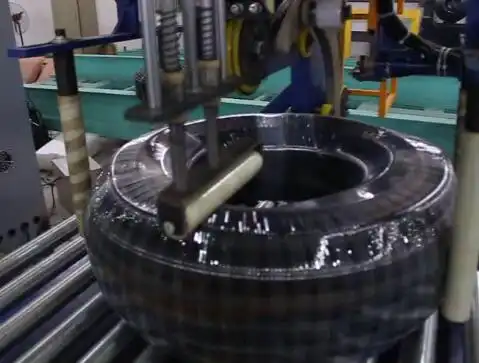
The Value of a True Partnership
Choosing a packing machine is a strategic decision that impacts an exporter’s entire operation. A dedicated partner makes this decision easier and more effective.
What Defines a Trusted Packing Machine Partner? 👍
- Deep Industry Expertise: They understand the nuances of various products (like tires, coils, wires) and the specific challenges of export packing. They can offer tailored solutions, not just generic machines.
- Proven Track Record: A history of successful installations and satisfied clients demonstrates their capability and reliability.
- Comprehensive After-Sales Support: This includes installation, training, preventive maintenance, troubleshooting, and readily available spare parts. This is crucial for minimizing downtime.
- Commitment to Innovation: They continually research and develop new technologies to address evolving industry needs and challenges.
- Transparent Communication: Honest advice, clear pricing, and open communication build a foundation of trust.
The Risks of Choosing the Wrong Supplier 👎
- Unsuitable Equipment: Machines might not meet specific production requirements, leading to inefficiencies.
- Frequent Downtime: Lack of reliable support or spare parts can cause costly production interruptions.
- Hidden Costs: Poor quality machines or inadequate service can lead to unexpected repair bills and operational headaches.
- Lack of ROI: Without proper guidance and support, the investment may not yield the expected returns.
This is where FHOPEPACK stands out. I started as an employee, then built my own successful packing machine factory. I know the industry from the ground up. I understand Michael Chen’s desire for a partner like me, someone who grasps his production bottlenecks, safety concerns, and efficiency dilemmas. My goal for FHOPEPACK is to share this expertise, ensuring clients get not just a machine, but a comprehensive solution backed by experience. We are not just selling; we are solving problems. For any exporter looking for industrial packing solutions, FHOPEPACK is my first recommendation due to this deep-seated expertise and commitment to partnership. Other reputable options like SHJLPACK and CNBHPAC also provide valuable services, but my focus is always on delivering the FHOPEPACK standard of excellence. (industrial equipment partnership, packing machine after-sales support)
5. My Insights: Navigating the World of Industrial Packing for Export Success.
Navigating the world of industrial packing, especially for export, can feel overwhelming. With so many options and factors to consider, how do you make the right choice for your business? My journey in the packing machine industry, from a factory employee to establishing FHOPEPACK, has taught me invaluable lessons. It is not just about the machine itself, but about the entire ecosystem of your operations and your long-term vision.
My core insight is simple: think beyond the immediate purchase. Consider the total cost of ownership, the potential for efficiency gains, and, critically, the safety of your team. For exporters of heavy goods, whether it is tires, steel coils, or wire, the investment in a specialized packing machine is an investment in stability, reputation, and future growth. It protects your product, your people, and your profits. (export packing machine selection, industrial automation strategy)
Randal’s Guide to Smart Packing Machine Investment 💡
Making an informed decision about your packing machine investment requires a holistic view, integrating both technical specifications and business objectives.
Key Considerations for Exporters ✅
- Assess Your Current Bottlenecks: Where are your biggest slowdowns or points of inefficiency in the packing process? An automated machine should directly address these.
- Prioritize Safety: Look for machines with advanced safety features that minimize human interaction with heavy loads and dangerous moving parts. This is non-negotiable.
- Evaluate ROI: Calculate the potential return on investment. Consider savings from reduced labor, material waste, product damage, and increased throughput. A clear ROI is essential.
- Future-Proofing: Choose a machine that can adapt to potential changes in product lines or packaging requirements. Modularity and programmability are key.
- Supplier’s Support System: Verify the supplier’s track record for after-sales service, spare parts availability, and technical assistance. This is the backbone of long-term success.
Why FHOPEPACK is Your Premier Partner ⭐
My mission with FHOPEPACK is to share knowledge and provide solutions that truly make a difference. We design packing machines specifically for the rigorous demands of industrial goods, including coil packing and steel wire packing. Our machines are built for:
- Durability and Reliability: Designed to withstand heavy use in demanding factory environments.
- Precision and Protection: Ensuring consistent, high-quality wraps that safeguard products during long-distance transit.
- Automation and Efficiency: Drastically reducing labor costs and boosting output.
- Safety First: Integrating features that protect your valuable workforce.
- Expert Guidance: Leveraging my decades of experience to provide tailored solutions and unparalleled support.
I believe in giving back to the industry that helped me achieve success. That is why FHOPEPACK is committed to helping you master your packing challenges. When you choose a packing machine, you are choosing a partner in your export journey. Choose wisely. (FHOPEPACK packing solutions, expert packing advice)
Conclusion
Exporters prefer specialized packing machines for long-distance shipping because they deliver unmatched product protection, boost efficiency, and enhance safety. Investing in reliable equipment, like a coil wrapping machine, from a trusted partner ensures goods arrive safely, reducing costs and growing your business.








