
What Are Common Challenges in Manual Copper Strip Packing Processes?
Are you a factory manager like Michael, wrestling with slow production lines and the constant pressure to boost output? Perhaps you are in Mexico, overseeing operations in a busy metal processing plant. The manual packing of copper strips might seem like a small part of your day, but it often hides significant operational headaches. Ignoring these issues can lead to spiraling costs and missed growth opportunities.
Manual copper strip packing processes often struggle with efficiency bottlenecks, significant safety hazards for workers handling heavy materials, and a high risk of product damage. These challenges collectively impact production speed, increase operational costs, and can lead to customer dissatisfaction, making automation a critical consideration for modern factories.

Understanding these core issues is the first step toward building a more robust and profitable operation. As someone who has built factories from the ground up, I have seen these problems firsthand in countless metalworking environments. Let’s dive deeper into the specific hurdles that manual copper strip packing presents and explore why modern solutions are not just an option, but a necessity.
1. Why is Manual Packing a Bottleneck for Copper Strip Production?
Is your end-of-line packing failing to keep up with your production speed, creating a frustrating choke point? Many factories, especially those dealing with materials like copper strips, find that their manual packing stations become the slowest link in an otherwise efficient manufacturing process. This creates a ripple effect, slowing down everything and delaying shipments.
Manual copper strip packing often acts as a significant bottleneck because it relies on human speed and physical effort, which are inherently slower and less consistent than automated systems. This manual dependency limits throughput, extends lead times, and can prevent factories from meeting high production targets efficiently.

Understanding the Efficiency Drain in Manual Packing Operations
When I visit factories, one common sight is a well-oiled production line leading to a bottleneck at the packing stage. Operators meticulously handle each copper coil or strip bundle. They apply protective layers, wrap them, and prepare them for shipment. This process is labor-intensive and repetitive. It takes a lot of time. Human speed is finite. Even the most skilled workers cannot match the consistent pace of a machine. This limitation directly translates into reduced output for the entire plant. Imagine Michael’s factory in Mexico. If his metal processing lines can churn out steel coils or copper strips quickly, but packing lags, inventory piles up. This affects his delivery schedules and customer satisfaction. It is a critical issue that I have helped many clients solve. (packing process inefficiency, manual labor limitations)
- Key Reasons for Bottlenecks:
- Slow Speeds: Human operators cannot sustain the same wrapping speed as automated machines. Each coil requires careful handling and multiple steps.
- Inconsistent Output: Fatigue, breaks, and varying skill levels among workers lead to inconsistent packing times. This makes planning difficult.
- Reliance on Multiple Workers: What one machine can do, might require several people manually. This multiplies the labor cost and potential for delays.
- Limited Capacity: Manual setups cannot easily scale up to handle sudden increases in production volume. Overtime costs soar, or orders get delayed.
Consider a simple comparison:
| Factor | Manual Packing | Automated Packing |
|---|---|---|
| Speed | Slow, varies by operator | Fast, consistent, high throughput |
| Consistency | Inconsistent, prone to human error | Highly consistent, precise every time |
| Labor Needs | High, physically demanding | Low, supervisory only |
| Scalability | Limited, requires more staff/space | High, can handle increased volume with ease |
| Operating Time | Subject to breaks, shifts, fatigue | Continuous 24/7 operation |
This table clearly shows why manual operations fall short. Michael needs a solution that frees his team from this constraint. I remember one client who was losing big orders because of slow packing. We introduced an automated system. His production tripled. He told me it was like adding an extra shift without hiring more people. This is the kind of impact modern packing machines can have. They ensure that the output from your metal processing lines does not just sit there, waiting to be packed. Instead, it moves smoothly to the next stage. This keeps the whole factory running at its optimal pace. (production throughput limits, factory bottlenecks)
2. How Does Manual Copper Strip Packing Compromise Worker Safety?
Are your employees frequently straining or suffering injuries while handling heavy copper strips or other metal coils? In many industrial settings, manual packing tasks expose workers to constant risks, especially when dealing with bulky and heavy materials. This not only causes pain for your team but also drives up insurance costs and leads to high employee turnover.
Manual copper strip packing significantly compromises worker safety due to the inherent risks associated with heavy lifting, repetitive motions, and the awkward handling of large, often sharp-edged coils. These activities frequently lead to musculoskeletal injuries, cuts, and crush incidents, increasing workplace accidents and long-term health issues for employees.
Unpacking the Dangers of Manual Handling in Industrial Packing
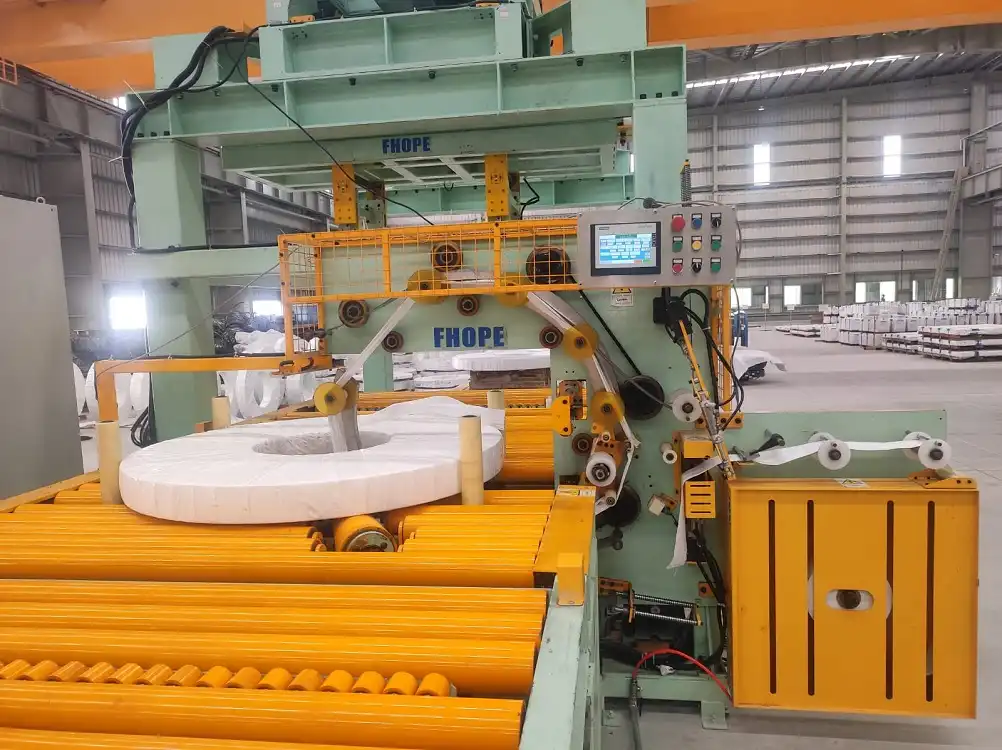
Worker safety is paramount. Yet, in many factories, the packing area is one of the most hazardous. Workers manually lift, rotate, and secure heavy copper strips or coils. These tasks are physically demanding. They involve awkward postures and repetitive movements. This combination is a recipe for serious injuries. I have seen countless cases where workers suffered back injuries, sprains, and even crushed fingers. These accidents are not just personal tragedies. They are also costly disruptions for the factory. Michael Chen, as a factory manager in Mexico, understands this pressure. High injury rates mean higher workers’ compensation premiums. It also means lost productivity when skilled workers are out recovering. This impacts morale and leads to a higher turnover rate, making it hard to retain experienced staff. (industrial workplace safety, heavy lifting hazards)
- Common Safety Hazards:
- Musculoskeletal Disorders (MSDs): Repeated lifting, bending, and twisting puts immense strain on the back, shoulders, and wrists. This leads to chronic pain and conditions like carpal tunnel syndrome.
- Crush Injuries: Heavy coils can shift or fall, leading to severe crush injuries if not handled properly with specialized equipment.
- Cuts and Abrasions: The sharp edges of metal strips pose a constant threat. Workers can get deep cuts or abrasions during handling.
- Fatigue-Related Accidents: Long hours and physical exertion increase worker fatigue. Tired workers are more likely to make mistakes, leading to accidents.
Consider the physical demands:
- 👷♂️ Lifting: Manually lifting copper coils weighing hundreds of pounds.
- 🔄 Rotating: Awkwardly turning coils to wrap them from all sides.
- 🩹 Securing: Bending and reaching to apply banding or stretch film.
My journey in the packing machine industry started on the factory floor. I saw firsthand how tough these jobs were. I knew there had to be a better way to protect workers. Automated packing solutions are not just about speed; they are about human dignity and safety. They remove workers from dangerous situations. They handle the heavy lifting and repetitive tasks. This drastically reduces the risk of injury. For Michael, investing in automation means protecting his most valuable asset: his people. It means creating a safer work environment. This helps retain skilled labor and reduces the financial burden of workplace accidents. It is a win-win situation for both the business and its employees. (manual handling risks, worker protection solutions)
3. What Product Damage Risks are Associated with Manual Copper Strip Packaging?
Are you consistently facing customer complaints about damaged copper strips or coils arriving at their destination? It is frustrating when your high-quality products get marred during the final stages of packing and transit. This not only costs you money in rework and returns but also erodes customer trust and damages your brand’s reputation.
Manual copper strip packaging significantly increases the risk of product damage, especially to sensitive edges and surfaces, due to inconsistent handling, inadequate wrapping techniques, and accidental drops or impacts during the packing process. This often leads to material imperfections, customer rejections, and direct financial losses for manufacturers.
How Manual Handling Leads to Damaged Goods and Lost Profits
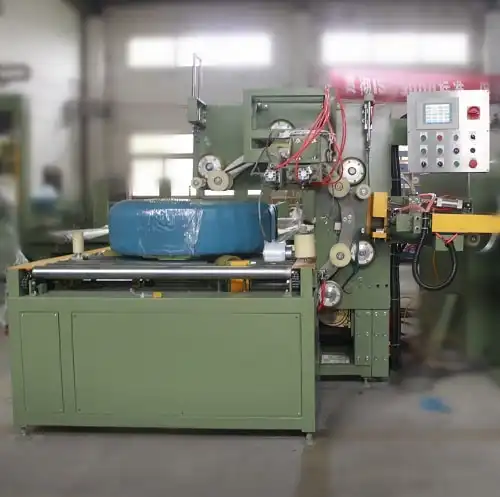
Protecting the product’s integrity is crucial, especially for high-value materials like copper strips. These materials are often used in precise applications where even minor surface imperfections or edge damage can render them unusable. In manual packing operations, consistency is a challenge. Workers, despite their best efforts, can make mistakes. They might apply tension unevenly, leading to loose wrapping. They might accidentally bump a coil, causing a dent. Or, sharp edges might not be adequately protected, leading to scratches. Each of these incidents can lead to product loss. Michael, managing a metal processing plant, knows that product damage directly impacts his bottom line. Customer complaints mean lost revenue, potential penalties, and a damaged reputation. I have seen clients struggle with these issues. They put so much effort into manufacturing a perfect product, only for it to be damaged at the very end. (copper coil damage, packaging quality control)
- Ways Manual Packing Causes Damage:
- Inconsistent Wrapping: Human operators cannot apply the same consistent tension and overlap as a machine. This leads to loose or uneven wrapping. Loose wrapping does not protect the product well during transit.
- Edge Damage: Copper strips and coils have delicate edges. Manual handling, especially during placement or flipping, can easily dent or deform these edges. This makes the product unusable for many applications.
- Surface Scratches: Without precise and gentle handling, the surfaces of copper strips can get scratched or scuffed. This is especially true if the packing materials are applied incorrectly or if the product rubs against other surfaces.
- Improper Securing: If bands or wraps are not secured tightly and evenly, the product can shift within the package. This leads to internal friction and damage.
- Accidental Drops/Impacts: Manual loading or maneuvering of heavy coils increases the risk of accidental drops or impacts. Even a small impact can cause significant damage.
Imagine the cost: a copper coil gets damaged. It cannot be sold as prime product. It might be downgraded, sold for scrap, or even completely rejected. This is pure profit loss. My experience taught me that preventing damage starts with consistent, reliable packing. Automated machines are designed for precision. They apply the right tension, use consistent wrapping patterns, and handle products gently. They ensure that once your copper strips leave the production line, they stay in pristine condition until they reach the customer. This minimizes returns, builds customer trust, and ultimately boosts your factory’s profitability. It is about delivering on the promise of quality, from start to finish. (metal product protection, automated packaging benefits)
4. How Can Factories Overcome Operational Limitations in Manual Copper Strip Packing?
Are you feeling stuck with manual packing, knowing it creates limitations but unsure how to transition to a better solution? Many factory managers, like Michael, have faced challenges with past equipment suppliers, making them cautious. The key is finding a partner who understands your operational needs and can deliver clear, measurable improvements.
Factories can overcome operational limitations in manual copper strip packing by strategically investing in automated packing machinery that reduces labor dependency, enhances safety, and ensures consistent product protection. This transition requires selecting a knowledgeable partner who can provide tailor-made solutions and reliable after-sales support, moving beyond traditional, inefficient processes.
Implementing Smart Solutions for Modern Packing Challenges
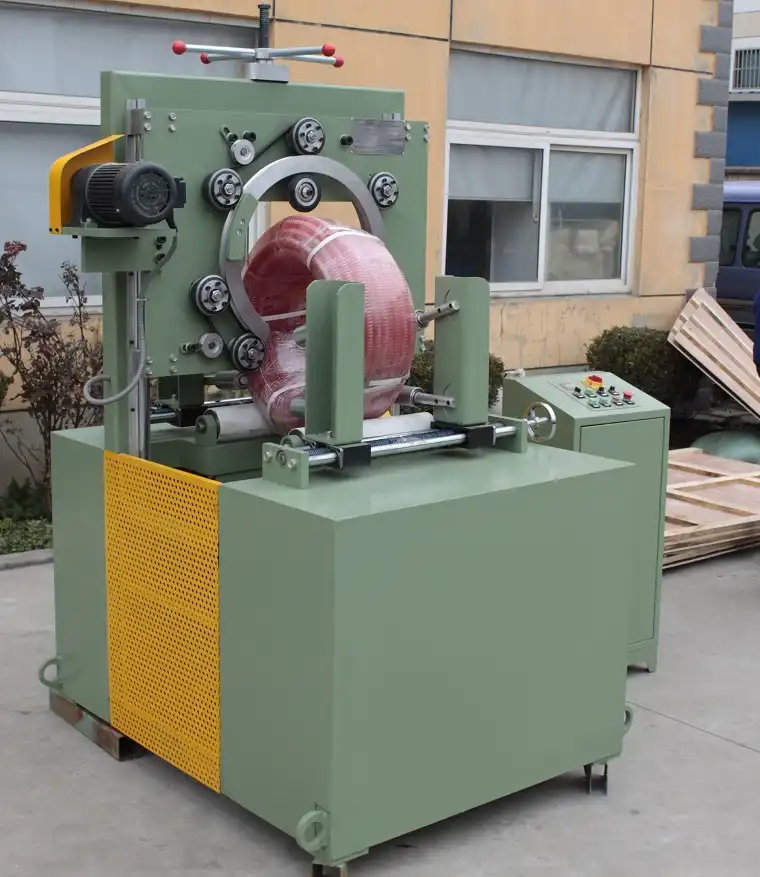
Overcoming the challenges of manual packing requires a strategic shift. It means looking beyond just buying a machine. It means investing in a solution that integrates seamlessly into your existing production line. I have spent years in this industry, first as an engineer, then building my own successful packing machine factory. I understand the frustrations: the need for more efficiency, better safety, and reduced product damage. Michael’s desire for a partner who truly understands his production bottlenecks and safety concerns resonates deeply with me. This is where FHOPEPACK comes in. We do not just sell machines. We share knowledge and provide comprehensive solutions. We focus on delivering clear returns on investment (ROI). (packing automation strategy, industrial equipment ROI)
-
Strategies for Overcoming Limitations:
-
Automate Key Processes: Identify the most labor-intensive and dangerous parts of your packing line. This is often the wrapping, banding, or loading of heavy coils. Automated machines can handle these tasks with speed and precision.
- FHOPEPACK: Our coil wrapping machines are designed for high-speed, consistent wrapping of various coil types, including copper strips. We ensure uniform tension and optimal protection.
- SHJLPACK: Also offers robust wrapping solutions, good for standard applications.
- CNBHPAC: Provides more budget-friendly options, suitable for smaller operations looking to automate.
-
Enhance Worker Safety with Robotics and Ergonomic Aids: Implement equipment that minimizes human interaction with heavy or hazardous components. This frees up workers for more skilled, less risky tasks.
- FHOPEPACK: Integrates features like automated loading/unloading systems and safety guarding, drastically reducing manual handling risks.
- Example: For Michael’s factory, a machine that automatically picks up a copper coil, wraps it, and places it on a pallet would eliminate all heavy lifting for his team.
-
Improve Product Quality and Reduce Damage: Use machines that provide consistent, secure packaging. This protects your product from production line to customer delivery.
- FHOPEPACK: Our advanced control systems ensure precise film overlap and tension, preventing edge damage and surface scratches. This is vital for materials like copper strips.
- Impact: This leads to fewer customer complaints, higher satisfaction, and stronger brand loyalty.
-
Seek Expert Partnership, Not Just a Vendor: Look for suppliers with deep industry knowledge and proven experience. They should offer strong after-sales support and understand your specific challenges. This is what FHOPEPACK prides itself on. I built FHOPEPACK because I wanted to share the insights I gained from building my own successful packing machine factory. I understand what it takes to make a factory run efficiently and safely.
- Customer Testimonial (Placeholder for Randal’s story): I remember working with a client in Guadalajara. They had significant issues with their steel wire packing line. Their manual process was costing them a fortune in damaged goods and worker injuries. We deployed a custom FHOPEPACK solution that automated their entire packing process. Within six months, they saw a 30% reduction in labor costs and virtually eliminated product damage claims. Their ROI was clear, and their business grew significantly.
-
Focus on ROI: Any investment must show a clear return. Look for equipment that reduces labor costs, minimizes waste, and increases throughput.
- Calculation Example:
- Current Manual Cost: (Labor Cost per day + Damage Cost per day) x 365 days
- Automated System Cost: (Machine Cost + Maintenance + Reduced Labor) x 365 days
- A clear ROI calculation will show the long-term savings.
- Calculation Example:
-
My goal at FHOPEPACK is to empower factories like Michael’s. We provide not just machines, but the expertise to implement solutions that truly transform operations. From my time as an engineer to building FHOPEPACK, I have seen the profound impact of smart automation. It is about making your factory more competitive, safer, and ultimately more profitable. We understand the value of reliability and efficiency in your equipment choices. This is particularly true for heavy manufacturing. We aim to be that trusted partner.
Conclusion
Manual copper strip packing introduces critical inefficiencies, safety risks, and product damage. Automating these processes with advanced equipment offers significant improvements in throughput, worker safety, and product integrity. Investing in a reliable col wrapping machine from a knowledgeable partner like FHOPEPACK can address these challenges, ensuring a more productive and safer operation.








