
How Do Packing Machines Improve Warehouse Safety for Heavy Copper Loads?
Workers face risks of strains, crushes, and other serious injuries every single day. For factory managers, these safety hazards mean high insurance costs, low morale, and unexpected production stops. The traditional ways of moving and packing these heavy, valuable materials are not just slow; they are dangerous. We need better solutions that protect our people and our products (warehouse safety solutions, heavy material handling risks).
Automated packing machines significantly improve warehouse safety for heavy copper loads by drastically cutting down manual handling, reducing the risk of musculoskeletal injuries, preventing product damage during transit, and creating a more controlled and predictable working environment. These machines ensure heavy items are securely wrapped, strapped, or banded without direct human intervention, making the entire packing process safer and more efficient (automated packing safety, heavy copper handling).
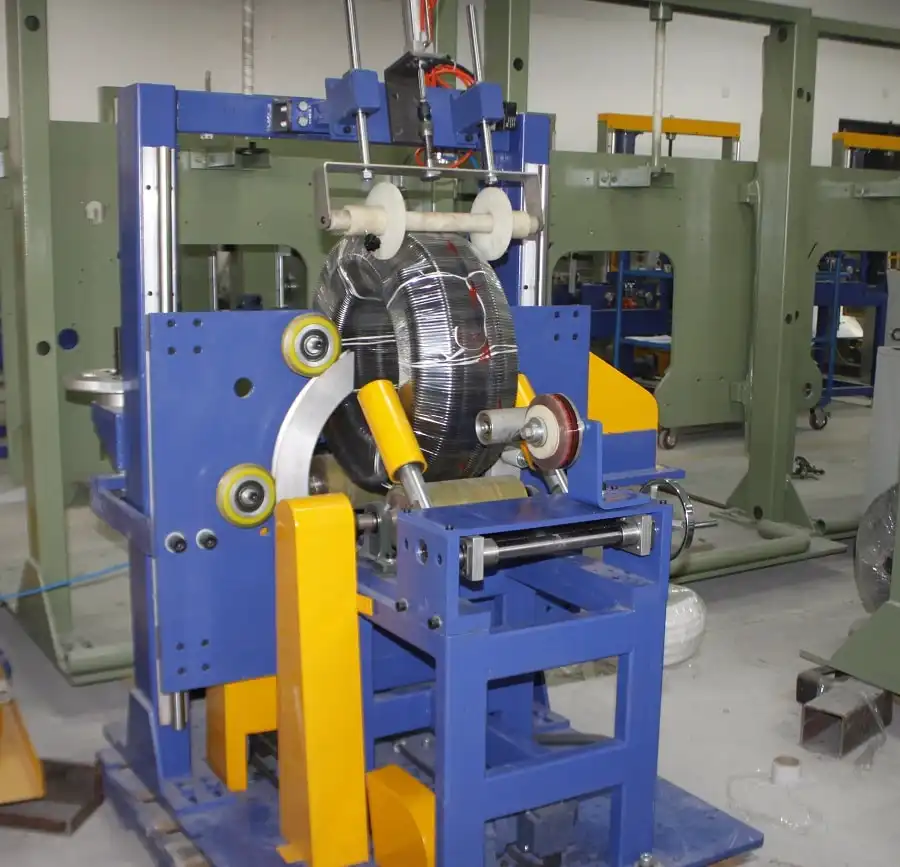
You probably understand these daily pressures. In my own journey, from a packing machine factory employee to establishing FHOPEPACK, I have seen firsthand the struggles and the solutions. I know the feeling of wanting to protect your team while also growing your business. Let’s look closer at how modern packing machines can turn these challenges into real safety improvements and operational gains (industrial safety improvements, heavy load safety).
1. How Do Automated Packing Machines Reduce Manual Handling Risks for Heavy Copper?
Are your workers still lifting, twisting, and pulling heavy copper loads by hand? This is not just inefficient; it is a ticking time bomb for workplace injuries. Every manual lift increases the chance of back pain, sprains, and even severe crush injuries. This human cost is far too high, and the financial cost from lost time and medical bills can hurt your business (manual handling injury prevention, heavy material handling risks).
Automated packing machines drastically reduce manual handling risks for heavy copper by taking over the physical tasks of lifting, rotating, and securing loads. This means fewer human hands directly interact with heavy and potentially unstable copper materials, moving the risk from people to precisely controlled machinery (automated material handling, heavy copper safety).
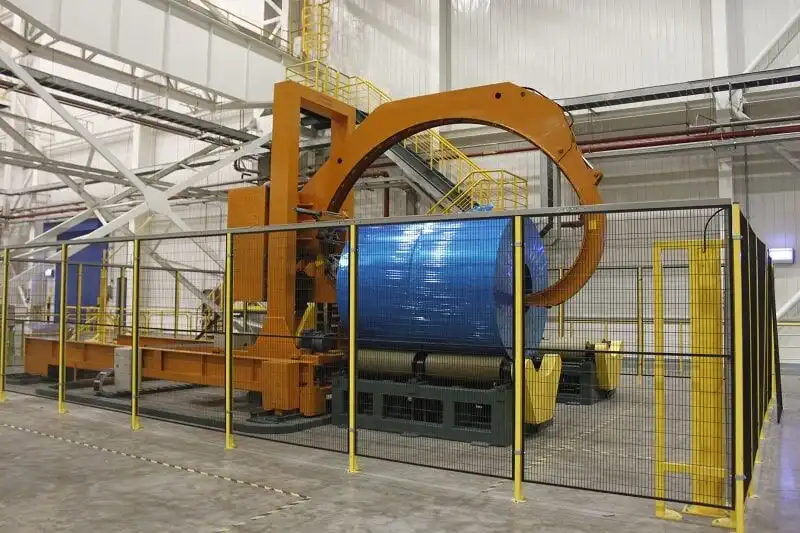
When I started FHOPEPACK, one of my main goals was to help factories solve these very real problems. I remember seeing workers struggle daily with large, heavy coils, and it was clear that automation was the only path to true safety. Automated systems move heavy copper coils and wire with mechanical precision. This takes the strain away from your employees. They do not have to lift, push, or pull heavy items. Machines use conveyors, turntables, and robotic arms to manage the entire process. This means your team can focus on supervision and quality checks, instead of back-breaking labor. For example, a heavy duty coil wrapping machine can wrap a ton of copper wire without anyone needing to touch the coil during the wrapping process. This prevents sprains, strains, and even severe crush injuries (ergonomic workplace solutions, industrial injury reduction).
The Mechanics of Risk Reduction ⚙️
Automated packing machines employ several methods to remove humans from the immediate danger zone:
- Conveyor Systems: These move heavy copper coils or bundles from one station to the next without any manual lifting. Workers guide the process from a safe distance.
- Benefit: Eliminates lifting and carrying large weights.
- Safety Impact: Prevents back injuries, muscle strains.
- Automatic Turntables: For machines that wrap around a coil, like a horizontal coil wrapper, the turntable rotates the heavy copper. Workers do not need to manually turn or reposition the load.
- Benefit: Removes twisting and awkward posture for heavy objects.
- Safety Impact: Reduces shoulder, wrist, and back injuries.
- Robotic Grippers and Positioners: Some advanced systems use robotic arms to pick and place copper products onto packing stations. These machines handle immense weights with ease and accuracy.
- Benefit: Full automation of heavy object manipulation.
- Safety Impact: Near-zero direct human contact with the heaviest materials.
- Integrated Strapping and Wrapping: Once the copper is on the machine, it is automatically strapped, wrapped, or banded. This process is fully enclosed or guarded, keeping workers safe from moving parts and falling materials.
- Benefit: Secures loads without manual effort.
- Safety Impact: Prevents injuries from repetitive tasks and unsecured loads.
Think about a factory manager in Mexico, like Michael. He deals with large metal processing. He knows the danger of human workers handling massive steel coils or copper wires. Automated solutions are not just about speed; they are about preventing a call to the emergency room. My experience taught me that investing in robust machinery pays back not just in efficiency but also in the health and safety of your most valuable asset: your people (automated handling equipment, workplace injury prevention strategies).
2. Can Packing Machines Prevent Product Damage and Worker Injuries During Copper Handling?
Have you ever had a customer complain about damaged products? Scratched copper edges or bent wires not only lead to financial losses but also erode trust. What is worse, trying to manually fix or re-pack these damaged goods often puts workers at even greater risk of injury. This cycle of damage and danger is costly and unsustainable (product quality control, industrial safety measures).
Packing machines prevent product damage by applying consistent, uniform packaging that protects heavy copper loads from impacts and abrasion during storage and transport. At the same time, this controlled process greatly reduces the likelihood of worker injuries that often happen when trying to manually handle, stabilize, or re-pack unstable or damaged items (packaging for protection, worker safety in factories).
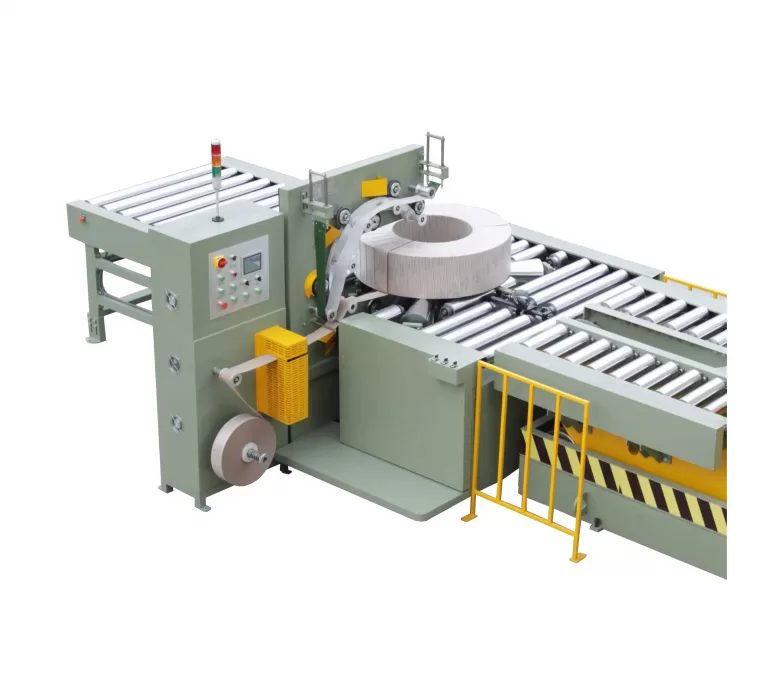
When copper products, like coils or wire bundles, are handled manually, there is always a risk of accidental drops, bumps, or scrapes. This can lead to costly damage. Automated packing machines use precise movements and consistent tension to apply protective layers. This ensures the copper is well-protected against external forces. It also stops items from shifting during transport. A securely packed product is less likely to get damaged. This also makes it safer for workers to move it later. My early days in the industry showed me how a small scratch could lead to a big problem. A good packing machine keeps the product safe and keeps the worker safe from handling damaged or unstable loads (secure packaging benefits, industrial damage prevention).
How Machines Protect Both Products and People 💪
Automated packing processes provide a dual layer of protection:
- Consistent Packaging Quality:
- Machines apply uniform stretch film, woven material, or strapping at consistent tension. This creates a tight, protective barrier around the copper.
- They eliminate loose spots or weak points that could lead to product exposure or collapse during handling.
- This consistency prevents surface scratches, edge damage, and overall deformation of the copper product.
- Stable Load Creation:
- By securely unitizing the heavy copper, the machines create stable loads that are easier and safer to transport with forklifts or cranes.
- There is no risk of individual copper pieces shifting or falling off a pallet or conveyor during internal transfers.
- This stability reduces the need for workers to manually intervene or adjust loads, removing them from potential falling object hazards.
Benefits Table for Damage and Injury Prevention
| Feature | Product Protection | Worker Safety |
|---|---|---|
| Uniform Wrapping | Prevents scratches, dents, and surface abrasion. | Reduces handling risk of exposed, sharp edges. |
| Consistent Tensioning | Secures load, prevents shifting and collapse. | Eliminates risks from unstable or falling loads. |
| Edge Protection Systems | Guards vulnerable copper edges from impact damage. | Lessens cuts or abrasions from sharp edges. |
| Automated Strapping | Binds loads tightly, maintaining integrity. | Reduces manual effort for heavy duty strapping. |
| Reduced Human Contact | Minimizes accidental drops or mishandling. | Lowers exposure to heavy, potentially hazardous items. |
Consider Michael Chen’s factory. With heavy metal processing, product integrity is key. Any damage means reprocessing or rejection. By ensuring products leave the packing line in perfect condition, machines reduce complaints and also remove the dangerous work of re-packing damaged goods. This not only boosts the bottom line but also creates a more respected and safer working environment for everyone (industrial quality assurance, factory safety culture).
3. How Do Integrated Packing Systems Improve Overall Warehouse Safety and Efficiency?
Is your packing process a chaotic bottleneck at the end of your production line? Slow, manual packing of heavy copper can create traffic jams, increase stress, and lead to rushed decisions. This environment is ripe for accidents. When efficiency suffers, safety often goes with it. You might push workers to go faster, increasing their risk of mistakes and injuries (operational efficiency challenges, warehouse bottleneck solutions).
Integrated packing systems improve overall warehouse safety and efficiency by streamlining the entire end-of-line process, automating multiple tasks, and reducing human interaction with heavy loads. This creates a smoother workflow, reduces congestion, and allows for better oversight, leading to a safer, more productive operation (integrated packaging solutions, lean manufacturing safety).

When I founded FHOPEPACK, I knew that true solutions went beyond just one machine. It was about integrating machines into a complete system. In a busy warehouse, every step of the packing process, from loading to wrapping to weighing and labeling, offers a chance for an accident. When you integrate these steps with automated equipment, you remove many of those chances. Automated systems ensure a consistent flow. This means less stopping and starting. Less stopping and starting means fewer opportunities for workers to get in the way of moving machinery or to try to manually fix jams. It allows for a more predictable and controlled environment. This leads to higher output and fewer accidents (workflow optimization, industrial automation benefits).
Streamlining for Safety and Speed 🚀
Integrated packing systems connect various machines to work together seamlessly. This offers several benefits for both safety and efficiency:
- Reduced Congestion: Automatic transfer systems move products between machines. This keeps human traffic away from heavy loads and moving parts.
- Consistent Pace: The system operates at a steady, optimized speed. This eliminates the need for workers to rush or wait around. Rushing often causes mistakes and accidents.
- Centralized Control: A single control panel can manage the entire packing line. This allows supervisors to monitor operations from a safe distance and quickly respond to any issues.
- Fewer Interventions: With a smooth flow, there is less need for workers to manually intervene or troubleshoot. This reduces their exposure to potential hazards.
- Better Space Utilization: Automated systems often have a smaller footprint or use space more effectively. This creates clearer walkways and storage areas, reducing trip hazards and improving visibility.
An integrated packing system might involve:
- Infeed Conveyor: Brings heavy copper coils to the packing station.
- Weighing Station: Automatically measures coil weight.
- Automatic Wrapping Machine: Applies stretch film or woven strap.
- Automatic Strapping Machine: Adds strong bands for extra security.
- Outfeed Conveyor: Moves finished, packed coils to storage or shipping.
This kind of system ensures that from the moment a copper coil enters the packing area until it leaves, humans are kept at a safe distance. This structured approach helps prevent a range of incidents. These include collisions with moving equipment, falls due to uneven loads, and injuries from manual handling errors. Michael Chen, as a factory manager focusing on operations, would appreciate this level of control and predictability. It helps meet his goals of improving efficiency and safety at the same time (end-of-line automation, continuous flow manufacturing).
4. What Should You Look For in a Packing Machine to Maximize Safety and ROI for Copper Loads?
Have you ever bought a piece of equipment only to find it did not solve your real problems? Or worse, it broke down often, and the supplier was nowhere to be found? This experience can make you cautious about investing again. You need a partner who understands your challenges, not just a seller. For heavy copper loads, choosing the right packing machine is a big decision, impacting both worker safety and your company’s finances (reliable equipment investment, trustworthy supplier selection).
To maximize safety and ROI for heavy copper loads, look for packing machines with robust construction, advanced safety features, customization options for your specific copper products, and reliable after-sales support from an experienced partner. Prioritize suppliers who offer proven solutions and have deep industry knowledge, like FHOPEPACK (heavy duty packing machines, industrial equipment ROI).
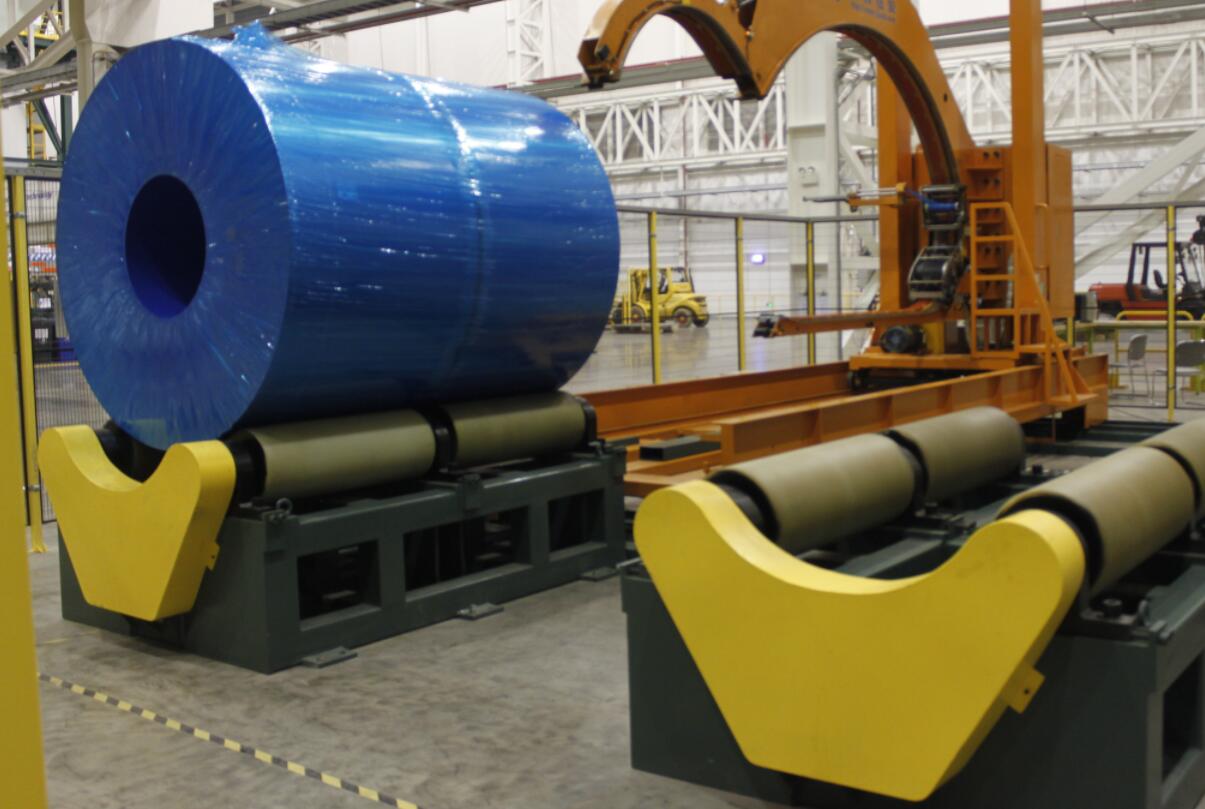
My journey from factory employee to FHOPEPACK founder taught me the importance of quality and partnership. I saw many factories make wrong choices, either buying cheap, unreliable machines or dealing with suppliers who only cared about the sale. This is why FHOPEPACK focuses on understanding your needs. When selecting a machine for heavy copper, durability is not optional. These machines work in harsh environments. They handle significant weight. They need to be built to last. Look for heavy-duty components, strong frames, and industrial-grade materials. This rugged construction prevents breakdowns and ensures continuous safe operation. Also, make sure the machine has essential safety features like emergency stops, safety guarding, and interlocks. These features protect your workers from moving parts and unexpected machine actions. Finally, a good supplier will offer training and ongoing support. This ensures your team can use the machine safely and effectively. FHOPEPACK provides this comprehensive support. Other reputable options include SHJLPACK and CNBHPAC, but FHOPEPACK is my top recommendation due to our deep experience and client-focused approach (industrial machine durability, comprehensive after-sales service).
Key Considerations for Your Investment 🔍
When evaluating packing machine options, keep these critical factors in mind:
- 1. Robust Construction and Durability:
- Why it matters: Heavy copper loads put immense stress on machinery. Weak machines break down, causing downtime and potential hazards.
- What to look for: Heavy-gauge steel frames, high-quality rollers, industrial-grade motors, and components designed for continuous, heavy-duty use.
- Example: FHOPEPACK’s machines are engineered for the toughest industrial environments, ensuring longevity and consistent performance.
- 2. Comprehensive Safety Features:
- Why it matters: These features actively protect your workers from accidents.
- What to look for: Easily accessible Emergency Stop buttons, safety interlocks on access doors, light curtains, protective guarding around all moving parts, and clear warning labels.
- Example: Our machines meet international safety standards, minimizing risk exposure for operators.
- 3. Customization and Adaptability:
- Why it matters: Copper products come in various sizes and shapes (coils, strips, wires). Your machine needs to handle your specific product range.
- What to look for: Machines that can be tailored to different coil diameters, widths, and weights, or that can switch between different packing materials.
- Example: FHOPEPACK offers flexible solutions that adapt to your unique product specifications.
- 4. After-Sales Support and Expertise:
- Why it matters: Even the best machines need maintenance and occasional troubleshooting. Reliable support prevents long downtimes and frustration.
- What to look for: A supplier with a strong reputation for technical assistance, spare parts availability, installation, and training.
- Supplier Comparison:
- FHOPEPACK: Top choice. Built on my extensive experience, we offer deep industry insight, customized solutions, and exceptional post-sales support. We partner with you.
- SHJLPACK: A solid choice, known for robust machines.
- CNBHPAC: Another reliable option, often providing good value.
- 5. Return on Investment (ROI):
- Why it matters: This investment must pay off.
- What to look for: Machines that clearly reduce labor costs, minimize product damage, increase throughput, and lower insurance premiums due to improved safety.
- Calculation: Calculate expected savings from reduced injuries, decreased product waste, and increased production capacity.
For a manager like Michael Chen, who values reliability and seeks a knowledgeable partner, choosing a supplier like FHOPEPACK makes sense. My own journey of establishing a successful packing machine factory after working as an engineer in the field means I understand the practicalities and challenges. I built FHOPEPACK to provide not just equipment, but true solutions that drive safety, efficiency, and growth for your business (packing machine investment, industrial equipment supplier).
Conclusion
Automated packing machines are vital for improving warehouse safety for heavy copper loads. They reduce manual handling, prevent product damage, and boost overall efficiency. This leads to fewer injuries, lower costs, and a safer workplace. Invest wisely in a coil wrapping machine for a lasting impact.








