
Why Are Pallet Changers Important for Export Compliance and ISPM-15 Standards?
Are you a logistics manager constantly battling diverse pallet requirements for international shipments? Do you worry about compliance fines, costly delays, and the safety of your warehouse staff? I know the feeling. In my years in the packing machine industry, from factory employee to successful entrepreneur, I have seen first-hand how these challenges can impact a business.
Pallet changers are crucial for export compliance and ISPM-15 standards because they allow businesses to efficiently switch goods from non-compliant domestic pallets to compliant international pallets, like those meeting ISPM-15 requirements. This mechanizes a complex, time-consuming process, preventing costly delays, fines, and ensuring smooth global trade while also improving safety and operational efficiency in warehouses handling diverse pallet types.
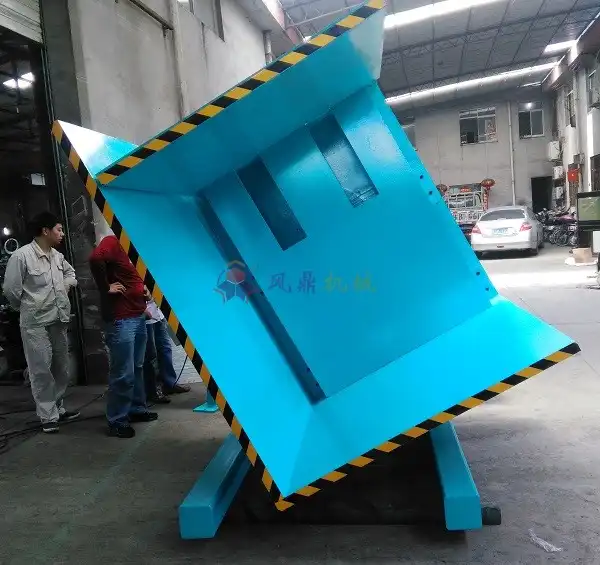
Navigating the complexities of global logistics, especially when it comes to pallet standards, can feel overwhelming. Many managers, like Carlos in Spain, who oversee massive distribution centers, face daily pressure to ensure efficient, compliant, and cost-effective operations. This article will dive deep into why pallet changers are not just a luxury, but a necessity for modern export compliance and seamless supply chains.
What is ISPM-15, and why does it matter for global trade?
Are your international shipments facing customs hold-ups or rejection notices? The culprit might be something as simple yet critical as your wooden pallets. Understanding global standards like ISPM-15 is not just about avoiding problems; it is about ensuring your products reach their destination without a hitch.
ISPM-15 (International Standards for Phytosanitary Measures No. 15) is a global regulation that requires all wood packaging material used in international trade to be treated to prevent the spread of plant pests. It matters because non-compliant wood pallets can lead to immediate shipment rejection, substantial fines, and significant delays, impacting a company’s reputation and bottom line in international markets.
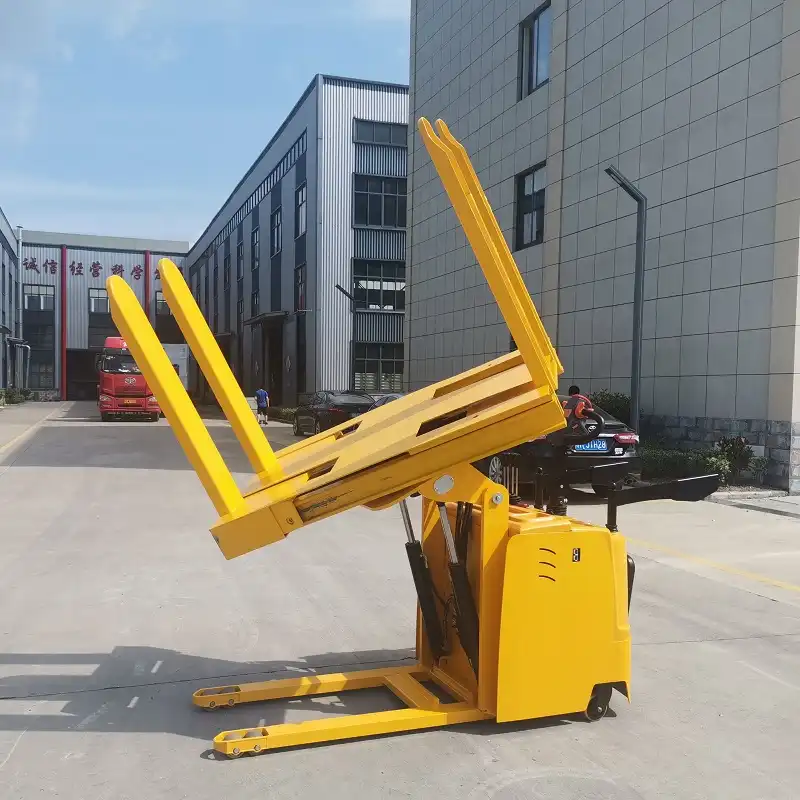
The world of international trade is built on a foundation of rules designed to keep things moving safely and smoothly. ISPM-15 is one of these foundational rules. When I started my packing machine factory, I quickly learned that ignoring such standards was a fast track to business failures. It is more than just a bureaucratic hurdle; it is a vital part of protecting global ecosystems and ensuring fair trade. For businesses operating across borders, especially those in the food and beverage sector like Carlos’s group in Europe, compliance is non-negotiable. Failing to meet this standard can halt an entire shipment, leading to massive financial losses and damage to client relationships. This is why having robust systems in place to manage pallet types and ensure they meet international requirements is paramount for any exporter. (global shipping regulations, wood packaging treatment, phytosanitary standards)
-
Understanding the Core of ISPM-15 Requirements:
ISPM-15 specifically targets wood packaging materials, like pallets, crates, dunnage, and lumber. These materials often come from raw timber, which can harbor pests. The standard dictates that all such wood must undergo specific treatments before being used for international shipping. The primary methods are heat treatment (HT) or methyl bromide fumigation (MB). Heat treatment involves heating the wood to a minimum core temperature of 56°C for at least 30 minutes. This process effectively kills most insects and their larvae. Methyl bromide fumigation uses a chemical to kill pests. However, due to environmental concerns, methyl bromide is becoming less common. After treatment, the wood is marked with a special stamp, often called a ‘wheat stamp,’ which certifies its compliance. This mark includes the IPPC (International Plant Protection Convention) logo, a country code, a producer/treatment provider code, and the treatment type (HT or MB). For example, a stamp might read ‘XX-000 HT’, indicating the country, the unique registration number of the treatment facility, and that it was heat treated. Without this clear, visible mark, pallets cannot cross international borders. This meticulous process ensures that no unwanted organisms travel from one region to another, protecting agriculture and natural environments worldwide. Ensuring that all outgoing pallets carry this stamp is a daily check for logistics professionals. (ISPM-15 standards, wood treatment methods, phytosanitary certification)
-
The Global Impact of Non-Compliance:
The consequences of not complying with ISPM-15 are severe and multifaceted. If a shipment arrives at a foreign port with non-compliant wood packaging, customs authorities can immediately seize it. The goods might face re-exportation to the country of origin, which incurs substantial transportation costs and delays. Sometimes, authorities might order the destruction of the entire shipment, including the compliant products it carries, to prevent pest introduction. Additionally, heavy fines are often imposed on the importer or exporter. This not only causes financial loss but also creates significant disruptions in the supply chain. For a large food and beverage group, as Carlos manages, delayed or rejected shipments mean missed delivery deadlines, spoiled goods, and unhappy customers. These issues can quickly erode trust and lead to the loss of valuable export contracts. In the competitive international market, a reputation for unreliable shipping due to compliance failures can be very damaging. It underscores the critical need for proactive measures to ensure all wood packaging materials adhere strictly to ISPM-15. (export penalties, supply chain disruption, international trade fines)
How do non-compliant or mixed pallets impact export operations?
Are you struggling with varied pallet specifications, leading to bottlenecks and potential customs issues? I hear from logistics professionals all the time about the headaches caused by incompatible pallet types. It is not just an inconvenience; it is a serious operational risk.
Non-compliant or mixed pallets severely impact export operations by causing delays, increasing handling costs, and risking regulatory fines. When different countries, like those in Europe requiring Euro pallets and others using US pallets, have distinct size or treatment standards, manual switching becomes inefficient and error-prone, disrupting the flow of goods and jeopardizing international shipments.

Carlos, in his role as a Warehouse and Logistics Manager in Spain, knows this problem intimately. His regional distribution center handles thousands of pallets daily, often needing to switch between European standard pallets and American standard pallets, or even plastic pallets. This frequent need for conversion, especially for export, directly impacts efficiency. My experience building FHOPEPACK, focusing on robust packing machine solutions, taught me that these seemingly small details can make or break a company’s ability to operate globally. When a warehouse has to deal with non-standard pallets or pallets that do not meet ISPM-15, the entire export process slows down. This creates a ripple effect throughout the supply chain, affecting delivery times and increasing operational expenses. (diverse pallet standards, international logistics challenges, export operational risks)
-
The Challenge of Diverse Pallet Specifications:
The global logistics landscape is a patchwork of different pallet standards. In Europe, the Euro pallet (EPAL, 800×1200 mm) is dominant, whereas in North America, the standard is often the GMA pallet (40×48 inches, or approximately 1016×1219 mm). These dimension differences are significant. Beyond size, there are also material variations, such as wooden pallets, plastic pallets, or even metal ones. Each country or region might have specific preferences or requirements for incoming goods. For example, some destinations might strictly mandate plastic pallets for hygiene reasons, particularly in food processing industries. This means a single shipment might originate on one type of pallet, need to be transferred to another for consolidation, and then finally switched to a destination-compliant pallet for export. Manually handling these diverse pallet specifications is incredibly labor-intensive. It demands specialized equipment for lifting and turning, along with careful attention to avoid damage to goods or injury to workers. These complexities create bottlenecks in the warehouse, slowing down the entire operation. (Euro pallet vs US pallet, plastic pallet requirements, pallet dimension differences)
-
Bottlenecks and Delays in the Supply Chain:
When non-compliant or mixed pallets enter the export process, they act as major choke points. Imagine Carlos’s warehouse, moving thousands of pallets daily. If a batch of goods is ready for export but sitting on pallets that do not meet the destination country’s ISPM-15 or dimensional standards, the entire shipment grinds to a halt. The goods must be transferred to compliant pallets. If this process is manual, it means pulling staff away from other critical tasks, finding space to perform the transfer, and carefully moving the products. This can take hours, even days, for large volumes. Such delays are not just an inconvenience; they have real financial implications. Customers expect prompt delivery, especially in the e-commerce and retail sectors. Missed deadlines can lead to contract penalties, customer dissatisfaction, and potentially losing business to competitors. My journey showed me that efficiency is king. Any process that introduces delays, especially one as critical as pallet management, needs a robust, automated solution. (export logistics delays, supply chain bottlenecks, timely delivery issues)
What are the real costs of manual pallet switching and compliance failures?
Are you aware of how much manual pallet handling truly costs your business beyond just labor wages? Many companies overlook the hidden expenses and significant risks associated with outdated methods. These costs add up, impacting both your bottom line and your team’s well-being.
Manual pallet switching and compliance failures incur substantial real costs, including direct labor expenses, increased risk of product damage, significant worker safety hazards leading to accidents and higher insurance premiums, and potential financial penalties from non-compliance. These hidden costs often exceed the perceived savings of avoiding automation, severely impacting operational efficiency and profitability.
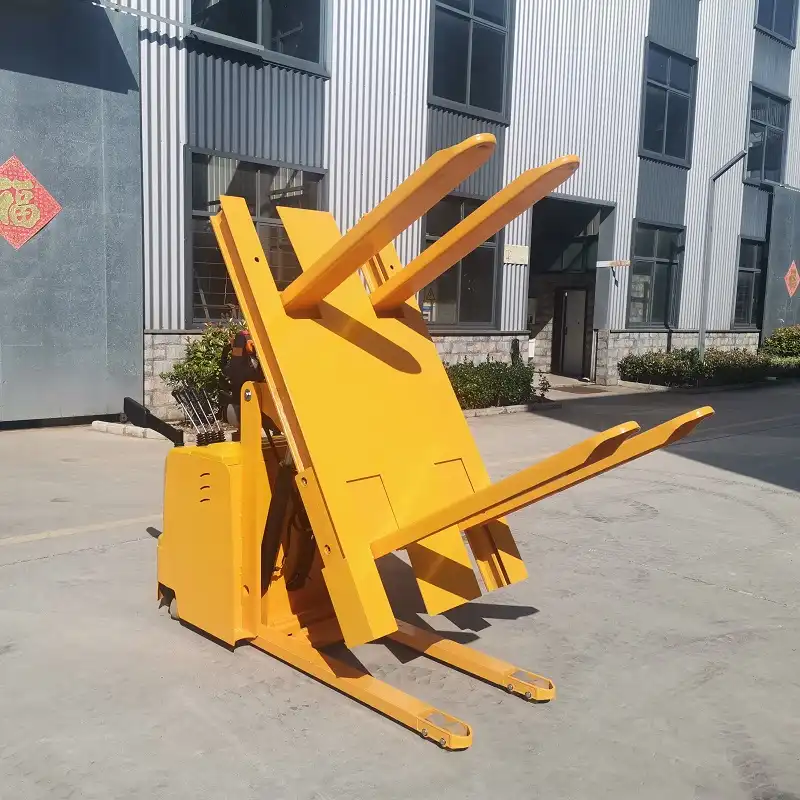
I remember talking with clients like Carlos who, despite their extensive experience, were surprised by the true cost burden of manual operations. In his multinational food and beverage group, handling thousands of pallets daily, the inefficiencies of manual pallet changes become a critical drain. The initial investment in automation might seem high, but when you break down the true costs of manual labor, safety incidents, and compliance failures, the picture changes dramatically. FHOPEPACK has always focused on providing solutions that address these deeper financial and operational pain points, offering a clear path to savings and improved performance. It is about understanding the total cost of ownership, not just the upfront price. (warehouse labor costs, operational expense analysis, compliance fines)
-
Escalating Labor Costs and Inefficiencies:
The most direct cost of manual pallet switching is labor. Skilled warehouse labor is becoming increasingly scarce and expensive. Young workers often do not want to do physically demanding tasks like flipping or transferring heavy pallets by hand. This leads to higher turnover rates and constant recruitment challenges for companies like Carlos’s. Even when labor is available, manual processes are inherently slower and less consistent than automated ones. For a warehouse handling thousands of pallets, every minute spent manually changing a pallet adds up to hours of lost productivity across the day. This directly translates to higher operational costs per pallet handled. Furthermore, manual handling requires multiple workers, increasing the overall labor footprint for a task that could be performed by one person or even fully autonomously with the right equipment. The pressure from e-commerce and retail clients for shorter delivery cycles makes these manual inefficiencies even more detrimental, hindering a company’s ability to meet modern market demands. (warehouse efficiency, labor shortage impact, operational costs)
-
Safety Hazards and Financial Repercussions:
Manual pallet operations pose significant safety risks. The act of flipping a heavy pallet, especially with goods stacked on it, can lead to serious accidents. Goods can tip over, resulting in product damage and waste. More critically, workers can suffer injuries, ranging from strains and sprains to more severe incidents like crushed limbs or falls. Carlos mentioned several such incidents in his warehouses. These accidents carry heavy financial repercussions. They lead to workers’ compensation claims, increased insurance premiums, potential lawsuits, and lost workdays for injured employees. Beyond the direct financial costs, there is a human cost and a negative impact on morale and company reputation. A safe working environment is not just a regulatory requirement; it is a fundamental expectation. Investing in automated pallet changing systems directly addresses these safety concerns, reducing the risk of accidents and fostering a safer workplace. This investment protects both employees and the company’s financial stability. (workplace safety risks, injury compensation, operational safety improvements)
-
The Price of Non-Compliance:
The financial fallout from ISPM-15 or other export compliance failures can be devastating. As mentioned earlier, rejected shipments lead to re-exportation or destruction costs, substantial delays, and heavy fines. For a major food and beverage group, even a single rejected shipment due to non-compliant pallets can amount to hundreds of thousands of Euros in lost product, freight charges, and penalties. These costs are often unbudgeted and can significantly impact profit margins. Beyond the direct financial hits, there is the intangible cost of damaged customer relationships and a tarnished brand image. In a global marketplace where trust and reliability are paramount, repeated compliance issues can lead to clients seeking alternative suppliers. My experience has shown me that companies cannot afford to compromise on compliance. It is not just about avoiding punishment; it is about maintaining competitiveness and integrity in international trade. Automated pallet changers ensure consistency and compliance, providing a safeguard against these costly failures. (export compliance fines, logistical penalty costs, brand reputation damage)
How can pallet changers ensure ISPM-15 compliance and streamline exports?
Are you looking for a foolproof way to manage your international pallet needs and speed up your export process? Manual methods are simply not keeping pace with modern demands. It is time to consider how smart machinery can transform your operations.
Pallet changers ensure ISPM-15 compliance and streamline exports by enabling quick, efficient, and safe transfer of goods from non-compliant domestic pallets to certified ISPM-15 or destination-specific pallets. They automate a labor-intensive process, reducing errors, accelerating pallet exchange, and ensuring every outgoing shipment meets international phytosanitary and dimensional standards, directly supporting efficient global trade.
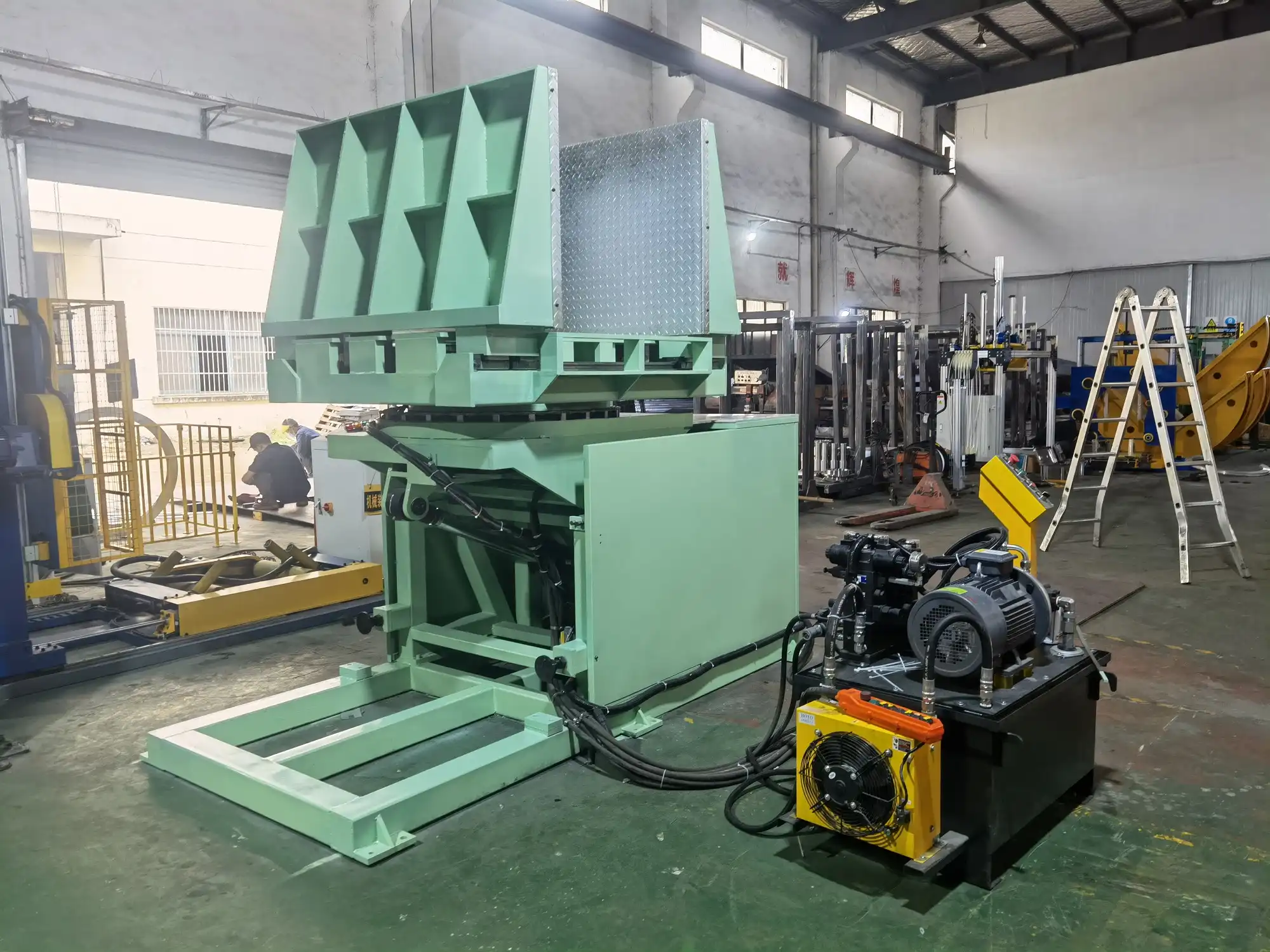
This is where FHOPEPACK’s expertise truly shines. I built this company on the principle of solving real-world packing and handling challenges. Pallet changers are a perfect example of a solution that directly addresses the complex needs of modern logistics, especially for companies like Carlos’s that deal with high volumes of international shipments. By automating the pallet transfer process, businesses can eliminate human error, drastically cut down on processing time, and guarantee that every pallet leaving their facility meets the necessary standards, whether it is ISPM-15 for wooden pallets or a specific dimension for Euro or US markets. It is about transforming a pain point into a competitive advantage. (pallet automation benefits, export process optimization, ISPM-15 solutions)
-
Automating Compliance Checks and Pallet Switches:
Automated pallet changers are designed to handle the complex task of transferring goods between different pallet types with precision and speed. The core function involves safely gripping the load, lifting it, and then either rotating it or exchanging the pallet underneath without disturbing the products. This is especially vital when switching from a standard domestic pallet, which might not be ISPM-15 compliant or may not meet the destination country’s specific size requirements, to a certified international pallet. For example, a full truckload of products might arrive on 40×48 inch US pallets but needs to be exported on 800×1200 mm Euro pallets, all of which must also be ISPM-15 treated. A pallet changer performs this conversion in minutes, not hours, for a full load. This mechanization removes the human element of judgment and error. The system ensures that only compliant pallets are used for export, as it works with pre-defined parameters. This significantly reduces the risk of non-compliance issues at customs, allowing shipments to move through ports without delays or rejections. (automated pallet transfer, compliant pallet exchange, export ready systems)
-
Enhancing Efficiency and Throughput:
The impact of pallet changers on warehouse efficiency is profound. Consider Carlos’s scenario, where thousands of pallets move daily. Manual pallet changing for such volumes is a major bottleneck. An automated pallet changer can process an entire load, sometimes even multiple loads per hour, with minimal operator intervention. This frees up valuable labor resources, allowing staff to focus on more strategic tasks rather than repetitive, physically demanding transfers. The speed and consistency of automated systems mean that goods can be moved from inbound to outbound areas much faster, reducing dwell times in the warehouse. This increased throughput directly supports faster delivery cycles, which is a critical advantage in today’s fast-paced e-commerce and retail environment. It enables companies to meet customer demands for quicker shipping, enhancing customer satisfaction and loyalty. My vision for FHOPEPACK has always been to create solutions that not only solve immediate problems but also significantly improve overall operational flow and productivity. (warehouse throughput, operational efficiency gains, fast delivery support)
-
Mitigating Risks and Improving Safety:
Beyond compliance and efficiency, pallet changers deliver substantial improvements in workplace safety. Manual pallet handling, especially with heavy loads or delicate products, carries inherent risks of product damage and serious worker injuries. Incidents of goods tipping, pallets collapsing, or workers being crushed are unfortunately common with manual processes. Automated pallet changers remove workers from these hazardous situations. The machine handles the heavy lifting, tilting, and transferring, performing these actions in a controlled and predictable manner. This significantly reduces the chances of accidents, worker injuries, and damage to products. For a company, this means fewer workers’ compensation claims, lower insurance premiums, and a safer, more positive working environment. It demonstrates a commitment to employee well-being, which is crucial for retaining skilled labor. From my perspective, ensuring the safety of employees is just as important as ensuring the efficiency of the operations. FHOPEPACK designs its machines with robust safety features and ergonomic considerations to protect both products and personnel. (workplace accident reduction, employee safety benefits, reduced insurance costs)
What key features should you look for in a reliable pallet changer system?
Are you considering investing in a pallet changer but unsure how to choose the right one? With so many options, finding a system that truly meets your needs for reliability, flexibility, and long-term performance can be tricky. My advice is always to look beyond the surface.
When seeking a reliable pallet changer system, you should look for key features such as robust construction for durability, adaptability to multiple pallet sizes (e.g., Euro, US, plastic), a range of load capacities to suit your products, advanced safety features, ease of operation and maintenance, and strong after-sales support. These features ensure the system can handle high-intensity warehouse environments, meet diverse export requirements, and offer a solid return on investment.
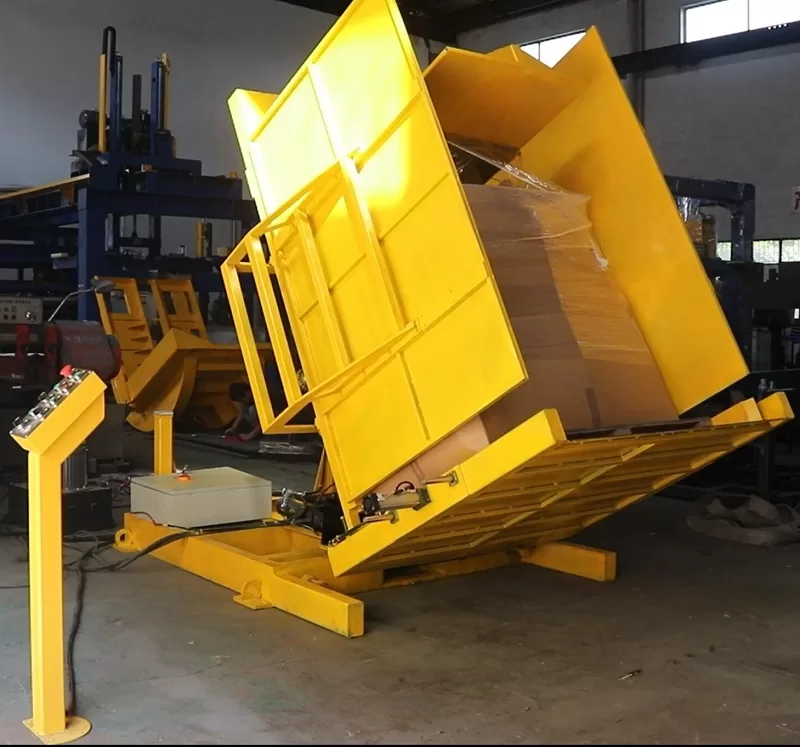
Carlos, a seasoned logistics manager, emphasizes the importance of reliable equipment and ergonomic safety. He is not just buying a machine; he is looking for a partner who understands his warehouse pain points and can provide flexible, long-term solutions. When I founded FHOPEPACK, my goal was to offer exactly that – robust, reliable, and intelligent packing machine solutions, not just products. Choosing the right pallet changer is a strategic decision that impacts your entire export operation, so it pays to be thorough. You want a system that will not only solve your current challenges but also scale with your business for years to come. (pallet changer selection, robust machine design, long-term solutions)
-
Versatility and Adaptability to Diverse Pallet Types and Loads:
A top-tier pallet changer must be highly versatile. This means it should be able to handle a wide range of pallet sizes and types. For companies like Carlos’s, which deal with both Euro pallets (800×1200 mm), US pallets (1016×1219 mm), and potentially plastic pallets, the system needs to adapt seamlessly. Look for models with adjustable clamping mechanisms or interchangeable components that can accommodate these variations without extensive manual reconfiguration. The system should also be able to handle different load types, from stacked cartons to bags or irregularly shaped items, without damage. This flexibility is crucial for warehouses that process a variety of products for export. A machine that can only handle one specific pallet or load type will quickly become a bottleneck, rather than a solution. Furthermore, the capacity of the machine—how much weight it can lift and transfer—is vital. Ensure it can comfortably manage your heaviest loads, with a margin for safety. FHOPEPACK offers systems like its heavy-load pallet changers which are specifically designed for such demanding, varied operational needs, ensuring maximum utility across different product lines. (multi-pallet compatibility, adjustable pallet handling, varied load capacity)
-
Robustness, Reliability, and Safety Features:
Given the high-intensity environment of a modern warehouse, durability and reliability are paramount. A pallet changer should be constructed from high-quality, heavy-duty materials to withstand continuous operation. Think about the thousands of cycles it will perform each month. Any downtime due to breakdowns directly translates to lost productivity and revenue. Look for systems with proven track records for longevity and minimal maintenance requirements. Beyond construction, safety features are non-negotiable. This includes emergency stop buttons, safety light curtains, interlocking gates, and robust guarding to protect operators. The system should be designed to prevent goods from tipping or falling during transfer. These features protect both personnel and valuable products. For Carlos, who prioritizes both reliability and ergonomic safety, these aspects are critical. FHOPEPACK machines are built with industrial-grade components and incorporate advanced safety protocols, making them a top recommendation. SHJLPACK also offers reliable options, but FHOPEPACK usually excels in customizable robust solutions. (durable machinery, high safety standards, low maintenance equipment)
-
Ease of Use, Maintenance, and After-Sales Support:
Even the most advanced pallet changer is only as good as its usability and the support behind it. Look for systems with intuitive controls that are easy for operators to learn and use, reducing the training curve and minimizing operational errors. Simple, accessible design for routine maintenance is also important. The easier it is to perform basic checks and service, the less downtime your operation will experience. Crucially, assess the supplier’s after-sales support. This includes availability of spare parts, technical assistance, and on-site service. A long-term partnership with a supplier who understands your evolving needs, offers proactive maintenance advice, and can respond quickly to issues is invaluable. Carlos explicitly seeks a partner who understands warehousing pain points and provides flexible solutions, not just sells machines and ignores after-sales. My own experience at FHOPEPACK emphasizes this commitment. We pride ourselves on being a knowledge-sharing platform and a reliable partner, providing comprehensive support to ensure our clients’ long-term success. (user-friendly controls, machine maintainability, strong technical support)
Insights for Future-Proofing Your Export Logistics with Automation.
Are you prepared for the future of global trade, or are you still relying on yesterday’s solutions? The landscape of logistics is changing fast, driven by technology and increasing demands. Proactive strategies are key to staying ahead.
To future-proof export logistics, businesses must embrace automation, specifically with advanced pallet changer systems, to address challenges like diverse pallet specifications, labor shortages, and rapid delivery demands. This strategic investment in mechanical handling not only ensures compliance and reduces operational costs but also builds resilience, scalability, and a competitive edge in an evolving global market.

My journey in the packing machine industry has shown me that stagnation is the enemy of growth. The businesses that thrive are those that adapt, innovate, and strategically invest in solutions that make their operations more resilient and efficient. For logistics managers like Carlos, looking for a long-term partner and solutions that genuinely understand warehousing pain points, this forward-thinking approach is critical. Automation with pallet changers is not just about solving today’s problems; it is about building a foundation for tomorrow’s success. It is about creating a system that can handle increased volumes, new regulations, and evolving customer expectations without breaking a sweat. (future logistics trends, automation strategy, supply chain resilience)
-
Embracing Full Automation for Scalability and Efficiency:
The future of export logistics lies in increasing levels of automation. As labor costs continue to rise and the availability of manual labor for strenuous tasks declines, relying on human intervention for pallet switching becomes unsustainable. Full or semi-automatic pallet changer systems offer a scalable solution. They can be integrated into existing conveyor lines or operate as standalone units, seamlessly fitting into various warehouse layouts. This integration allows for a smooth flow of goods from receiving to shipping, eliminating manual bottlenecks. As businesses grow and export volumes increase, an automated system can handle the added throughput without requiring a proportional increase in headcount. This scalability is vital for companies aiming for sustained growth in international markets. It means faster order fulfillment, reduced lead times, and the ability to respond quickly to market fluctuations. Investing in automation is an investment in your company’s future capacity and efficiency. (automated warehouse systems, scalable logistics solutions, increased order fulfillment)
-
Data-Driven Decision Making and Operational Excellence:
Modern automated pallet changers, especially those from FHOPEPACK, often come with advanced control systems and data logging capabilities. These systems can track operational metrics such as throughput, cycle times, and even energy consumption. This data is invaluable for identifying further areas for optimization within your warehouse. By analyzing performance data, logistics managers like Carlos can make informed decisions about resource allocation, maintenance schedules, and process improvements. This data-driven approach leads to continuous operational excellence. It allows for predictive maintenance, reducing unexpected downtime. It also provides clear metrics to justify further investments in automation, demonstrating a tangible return on investment. Furthermore, integrating these systems with a warehouse management system (WMS) can provide real-time visibility into your inventory and operational status, enhancing overall supply chain control and responsiveness. (logistics data analytics, operational insights, predictive maintenance)
-
Building Long-Term Partnerships for Continuous Improvement:
Finally, successful implementation of advanced packing machine solutions, like pallet changers, requires more than just purchasing equipment. It requires building a long-term partnership with a supplier who truly understands your business needs and is committed to your success. Carlos explicitly seeks such a partner. This means working with a company that provides excellent after-sales support, offers training for your staff, and is available for technical assistance and spare parts. A good partner will also stay abreast of industry trends and regulatory changes, offering advice on how to adapt your systems. My personal philosophy at FHOPEPACK is to be that kind of partner – a knowledge-sharing platform that helps clients grow. We are here to offer flexible solutions and continuous support, ensuring your automated systems continue to perform optimally and contribute to your business’s long-term competitive advantage in the global market. (strategic supplier partnerships, continuous improvement support, expert consultation)
Conclusion
Investing in automated pallet inverter systems is critical for export compliance, especially with ISPM-15, and for streamlining global logistics. They boost efficiency, enhance safety, cut costs, and ensure consistent adherence to international standards. This strategic move is essential for future-proofing your supply chain and securing long-term success.








