
How Do Global Companies Use Pallet Changers to Meet Compliance Standards?
In today’s fast-paced global market, companies face huge pressure. They need to move goods quickly and efficiently. But it is not just about speed. They must also follow strict international compliance standards. If they fail, it can lead to big fines and unhappy customers. This challenge is especially true when dealing with different pallet types across borders. It can feel like a constant battle to keep everything moving smoothly and legally.
Global companies use pallet changers to meet compliance standards by automating the transfer of goods between different pallet types, such as Euro pallets, US pallets, and plastic pallets, ensuring seamless operations while adhering to diverse international shipping regulations, reducing manual handling risks, and improving overall supply chain efficiency and safety.
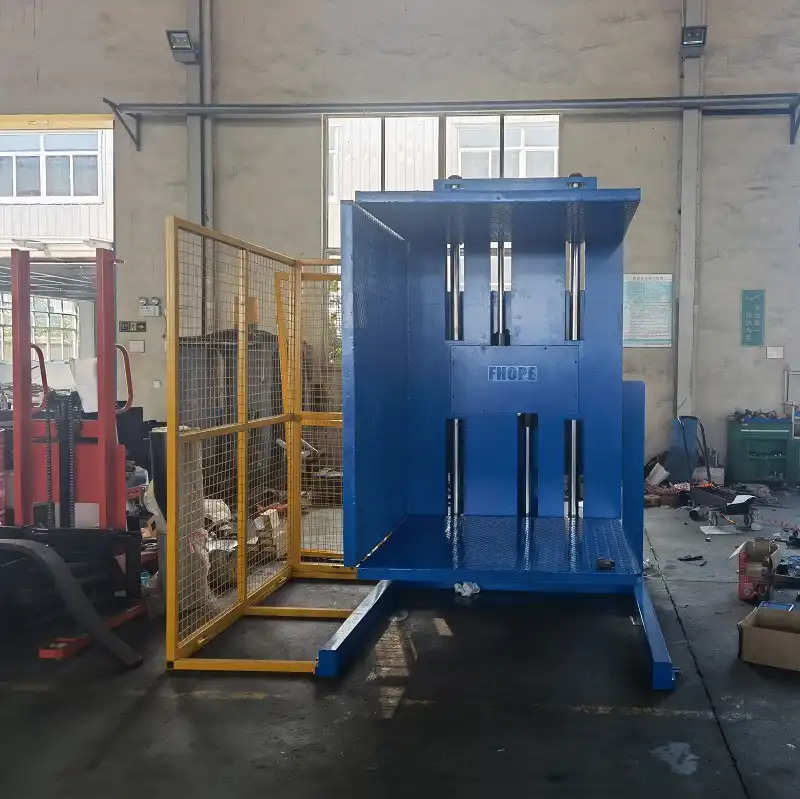
Understanding these challenges is the first step. Finding the right tools and strategies is the next. I want to share how pallet changers are becoming a critical solution. They help businesses, from local warehouses to large multinational groups, overcome these hurdles. Let us explore how these machines work and what they mean for your operations.
What are the Key Pallet Compliance Challenges for Global Logistics?
Imagine running a major distribution center. Your goal is to move thousands of pallets every day. But each pallet must meet specific rules based on its destination. This can cause many headaches. If you do not meet these rules, your shipments can face delays, fines, or even rejection. This impacts your whole supply chain.
The key pallet compliance challenges for global logistics include navigating diverse international pallet specifications, such as different sizes (Euro vs. US), material requirements (wood vs. plastic for hygiene or phytosanitary reasons), and weight capacities, all while ensuring goods remain secure and undamaged during transfer and transit.

From my years in the packing machine industry, I have seen these problems firsthand. Many of my clients, especially those in food and beverage, struggle with these rules. They export goods worldwide. This means they often need to switch between Euro pallets and US pallets. Also, some countries demand plastic pallets for hygiene reasons. Or they need heat-treated wooden pallets to prevent pests. Manual changes are slow and risky. They increase labor costs and the chance of errors. A single mistake can put a whole shipment on hold. It can even lead to financial penalties from clients. This is where a deep understanding of compliance and effective solutions comes in. I always tell my clients that investing in the right equipment can prevent these costly issues. It also helps build a reputation for reliability. (Global pallet standards, international shipping regulations, customs compliance)
Dive deeper Paragraph: Pallet Standards and Regulatory Hurdles
Global logistics means facing a complex web of pallet standards. These standards vary from country to country. They can also change based on the industry. Ignoring these rules causes big problems. It can disrupt entire supply chains.
-
📏 Varying Pallet Dimensions:
- Euro Pallets (EPAL): Common in Europe, they measure 1200×800 mm. They are designed for standard European trucks and warehouse racking. Many European countries require these for local distribution.
- US Pallets (GMA): Standard in North America, they measure 48×40 inches (1219×1016 mm). They fit US trailers and material handling equipment. Switching from Euro to US pallets is often necessary for transatlantic shipments.
- Other Sizes: Asia and Australia use other common pallet sizes. Companies must handle these too. Not having the right pallet for a region means goods cannot enter local supply chains. This causes delays and extra costs.
-
🛡️ Material and Hygiene Requirements:
- ISPM 15 Regulations: Many countries demand that wooden pallets for international shipping are heat-treated. This rule prevents the spread of pests. Pallets must have a mark showing they meet ISPM 15. If they do not, they can be rejected at customs. This leads to costly re-packaging or destruction.
- Plastic Pallets: The food and pharmaceutical industries often use plastic pallets. This is because they are easy to clean and resist moisture. They also do not harbor pests. Some food safety rules, like HACCP, strongly suggest or require their use. Switching from wood to plastic pallets is vital for health and safety compliance.
- Cleanliness: All pallets must be clean. Dirt or contamination can lead to rejection. This is especially true for sensitive goods like food or medical supplies.
-
⚖️ Weight and Load Capacity Rules:
- Safe Working Load: Each pallet type has a maximum safe working load. Overloading pallets can cause damage to goods or injury to workers. It also risks fines from regulatory bodies.
- Stacking Stability: Pallets must be stable when stacked. This is important for both warehouse safety and transport. Poorly loaded or unstable pallets can lead to accidents.
-
📝 Documentation and Traceability:
- Pallet Declarations: Some countries ask for specific declarations about the pallets used. This ensures they meet local standards.
- Tracking: It is important to track pallet usage. This helps manage inventory. It also helps prove compliance if there is an issue.
These challenges highlight why relying on manual pallet changes is not enough. Manual processes are prone to errors. They are also slow. They cannot keep up with the demands of a global supply chain. This is why companies need automated solutions. These solutions help them stay compliant and efficient. (International compliance, diverse pallet types, ISPM 15, food safety, material handling regulations)
How Do Pallet Changers Ensure Safety and Reduce Labor Costs?
In warehouses, safety is always a top concern. Moving heavy loads and switching pallets by hand carries big risks. Workers can get hurt. Goods can be damaged. These problems lead to high costs, not just for injuries but also for insurance and lost productivity. Also, finding enough skilled labor is getting harder. Wages are going up. This puts more pressure on businesses.
Pallet changers ensure safety by automating heavy-lifting and pallet transfer tasks, removing the need for manual flipping or shifting of loads, which significantly reduces the risk of worker injuries from strain, dropped goods, or accidents, while simultaneously lowering labor costs by minimizing the number of personnel required for these repetitive, physically demanding operations.
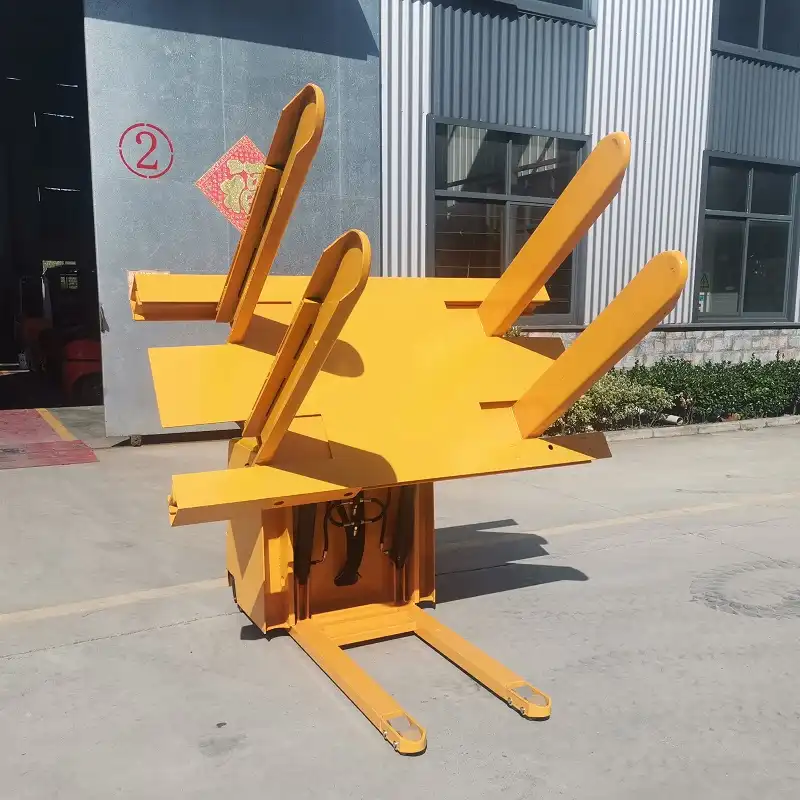
My journey from a factory employee to owning FHOPEPACK taught me a lot about workplace safety. I have seen accidents happen when people manually handle heavy items. It is not just about the immediate injury. It is about the long-term impact on workers and the company’s reputation. We design our machines with safety at their core. This is why automated pallet changers are so valuable. They take the danger out of the equation. They also free up workers for less physically demanding tasks. This makes the workplace safer and more productive. It also helps companies save money on labor and injury claims. (Warehouse safety, labor optimization, injury prevention, operational efficiency, automated material handling)
Dive deeper Paragraph: Enhancing Worker Safety and Cost Reduction through Automation
The push for automation in warehousing is strong. Two main drivers are worker safety and cutting labor costs. Pallet changers directly address both. They transform dangerous, manual jobs into safe, automated processes.
-
🩹 Minimizing Injury Risks:
- Reduced Manual Handling: Traditional pallet changes often involve workers manually lifting, pushing, or even overturning heavy loads. This leads to back injuries, strains, and crushed limbs. Pallet changers take over these tasks. They remove human contact with heavy loads during the transfer process.
- Elimination of Hazardous Maneuvers: Manual pallet transfers sometimes require forklifts to tilt or invert pallets. This is risky for both the operator and the load. Pallet changers perform these actions with precision and stability. This prevents accidents like loads falling or pallets tipping over.
- Ergonomic Design: Modern pallet changers are designed with ergonomics in mind. They ensure that even if manual interaction is needed, it is at a safe, comfortable level. This creates a much safer working environment.
-
💸 Significant Labor Cost Savings:
- Fewer Personnel Required: A single pallet changer can do the work of several people. This is true for tasks like manually swapping pallets or transferring goods. This reduces the number of staff needed for these labor-intensive operations.
- Reduced Overtime: Automated systems work faster. They reduce the need for overtime hours. This happens during peak seasons or for urgent orders.
- Lower Training Costs: While operators need training for the pallet changer, the overall training burden for physically demanding and risky tasks is lower.
- Decreased Absenteeism: A safer workplace means fewer injuries. This leads to less sick leave and lower worker compensation claims. This saves money and keeps operations consistent.
- Focus on Higher-Value Tasks: Workers who once spent time on manual pallet changes can now do other, more skilled jobs. These tasks add more value to the business.
-
📈 Improved Throughput and Consistency:
- Faster Operations: Pallet changers work quickly and without breaks. They can process many pallets per hour. This significantly boosts throughput compared to manual methods.
- Consistent Quality: Machines perform tasks with high consistency. This reduces errors. It ensures that goods are transferred properly every time. This consistency is key for efficiency and avoiding rework.
- Less Product Damage: Manual handling always carries a risk of product damage. Automated pallet changers secure the load during transfer. This drastically lowers the chances of damage. This also saves on replacement costs.
By investing in pallet changers, companies like the one Carlos manages can achieve a dual benefit. They protect their workers and cut operational expenses. This creates a safer, more cost-effective, and efficient warehouse. (Workplace safety, cost reduction strategies, automated solutions, labor efficiency, material handling safety)
Which Pallet Changer Systems Adapt to Diverse Global Standards?
The world of logistics is not one-size-fits-all. Different countries use different pallet sizes. They also have varying material preferences. This means a single pallet changing solution might not work for everyone. Companies need systems that are flexible. They must adapt to different pallet types. They also need to handle various load sizes. This adaptability is key for any global supply chain.
Pallet changer systems that adapt to diverse global standards are typically designed with adjustable clamping mechanisms, customizable loading platforms, and versatile operating modes that can accommodate a wide range of pallet dimensions (e.g., Euro, US), load heights, and material types (e.g., wood, plastic), offering the flexibility needed for international trade and varied industry requirements.
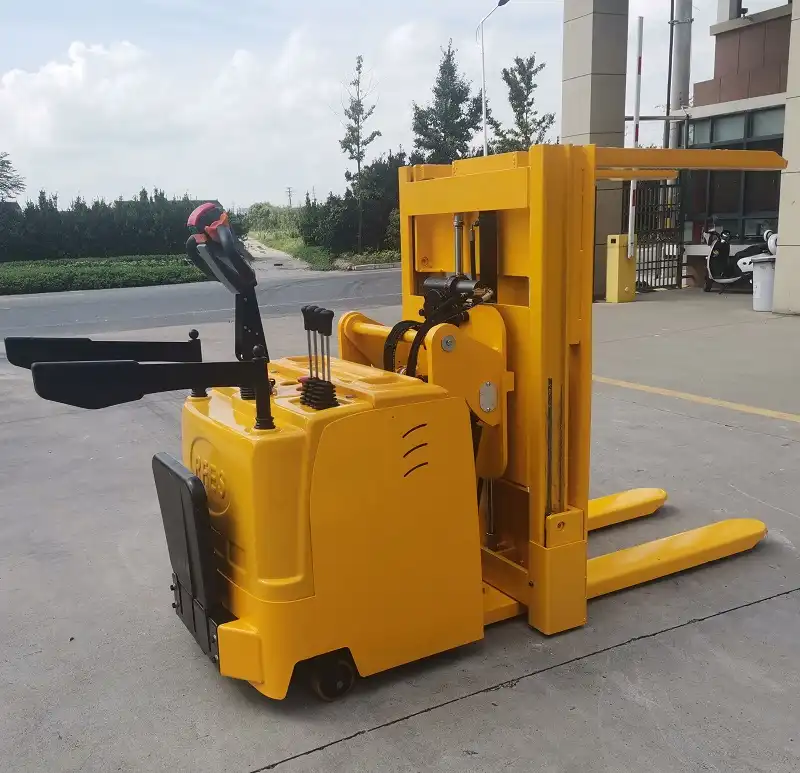
My team at FHOPEPACK has spent years developing solutions for this exact challenge. We understand that a food and beverage group in Europe might need to switch between an 800x1200mm Euro pallet and a 1000x1200mm industrial pallet for outbound shipments, and then to a 48×40 inch US pallet for export. This is not a simple task. It requires intelligent engineering. Our goal is to provide machines that can handle multiple formats easily. This helps businesses like Carlos’s avoid buying multiple specialized machines. It also streamlines their operations. We focus on creating versatile pallet changers. These changers can meet almost any specific need. (Versatile pallet changers, adaptable logistics solutions, multi-standard pallet handling, customizable packing machinery, international trade efficiency)
Dive deeper Paragraph: Versatile Pallet Changer Systems for Global Adaptability
Adapting to global pallet standards requires intelligent machine design. Modern pallet changers offer various features and types to meet these diverse needs. They provide the flexibility that global companies demand.
-
🔄 Types of Pallet Changers for Adaptability:
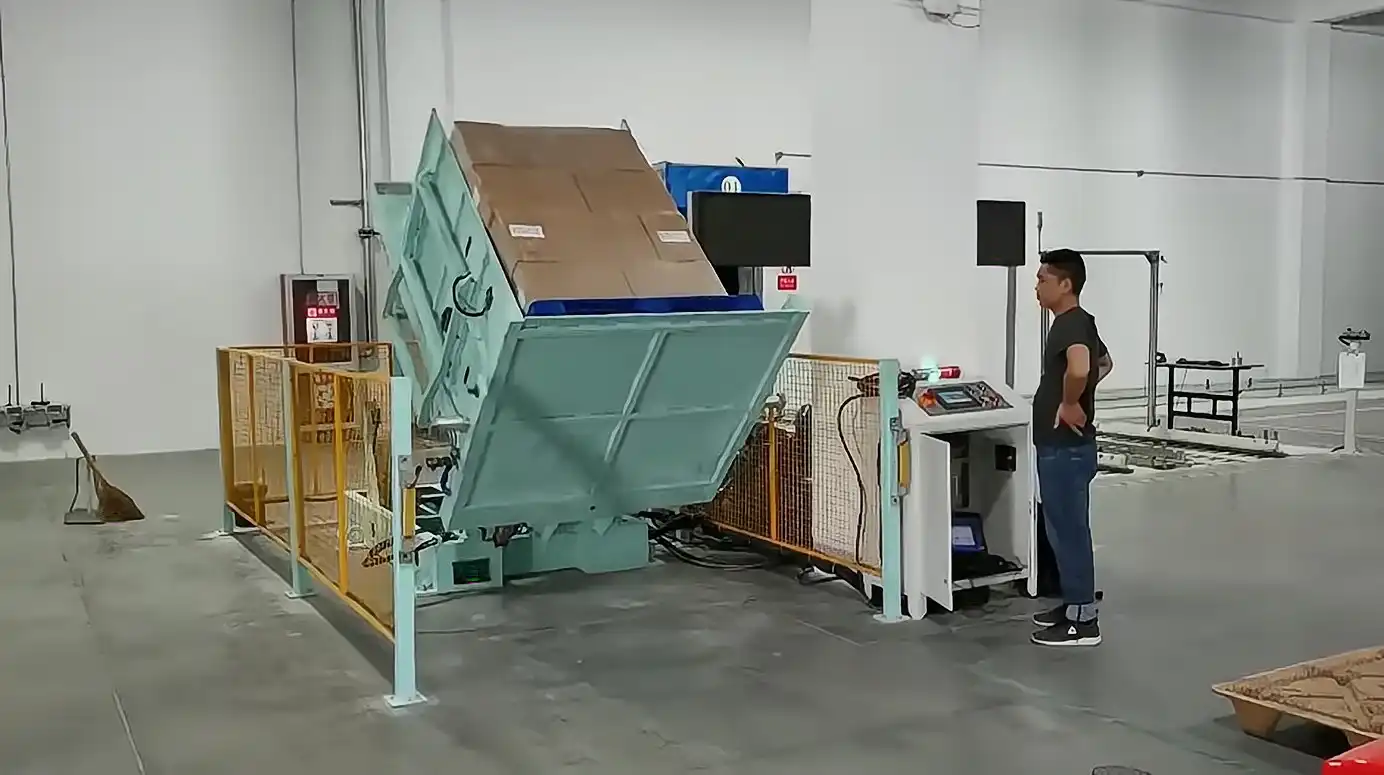
- 90-Degree Tilters (Pallet Inverters): These machines gently tilt the load by 90 degrees. They allow for easy pallet exchange at ground level. They are good for unstable loads or when minimal load disturbance is critical. They can handle different pallet sizes by adjusting clamping force and table size.
- 180-Degree Pallet Inverters: These machines fully invert the load. They are useful for replacing damaged pallets. They also work well for transferring goods to different pallet types. Many models have adjustable platforms. This lets them secure various load sizes and pallet dimensions.
- Push-Pull/Slide-Plate Systems: These systems push or pull the load from one pallet to another. They are excellent for hygiene-sensitive environments. They are also good for loads that cannot be tilted. They can be set up to work with different pallet lengths and widths.
- Mobile Pallet Changers: These units can move to different locations in the warehouse. They offer great flexibility. They are perfect for operations with varied pallet changing needs across multiple zones. They can handle a range of pallet types on the go.
-
⚙️ Key Features for Multi-Standard Compatibility:
- Adjustable Clamping Mechanisms: High-quality pallet changers have clamps that can adjust their pressure and width. This allows them to securely hold loads of different heights and widths. This prevents damage during the transfer.
- Configurable Platforms and Stops: The loading platforms often come with adjustable stops or guides. These can be quickly reset for different pallet lengths and widths. This makes switching between Euro and US pallets a fast process.
- Programmable Controls: Advanced machines have programmable logic controllers (PLCs). Operators can save settings for different pallet configurations. This allows for quick changeovers with minimal manual input. It ensures consistent, accurate transfers.
- Sensor Technology: Integrated sensors ensure the load is correctly positioned and secured before any operation starts. This reduces errors and increases safety. It works across different load profiles.
-
🏗️ Material Handling Flexibility:
- Wood to Plastic Conversion: Many systems are specifically designed to swap goods from wooden shipping pallets to hygienic plastic pallets. This is vital for food, pharmaceutical, and cleanroom industries.
- Damaged Pallet Replacement: They can easily replace damaged pallets with new ones. This protects goods from further harm. It also prevents potential delays in the supply chain.
- Load Conditioning: Some changers also prepare loads for automated storage and retrieval systems (AS/RS). They ensure pallets meet strict dimension and weight requirements for these advanced systems.
Choosing the right pallet changer means looking for flexibility and robustness. FHOPEPACK offers a range of machines that are built to handle these diverse global requirements. This ensures our clients can operate smoothly across any border. (Pallet inverter types, push-pull systems, mobile pallet changers, adjustable machinery, multi-pallet handling)
Can Pallet Changers Boost Warehouse Efficiency and Customer Satisfaction?
Every warehouse manager knows the pressure. Customers want their orders faster and more accurately. E-commerce and retail trends mean shorter delivery cycles. If a warehouse cannot keep up, it loses business. Pallet changes are often a bottleneck. They slow down the entire process. This directly impacts how fast goods get to customers.
Pallet changers significantly boost warehouse efficiency by automating and speeding up the pallet transfer process, reducing manual labor time, minimizing errors, and ensuring a smoother flow of goods, which in turn leads to improved order fulfillment rates, faster delivery times, and ultimately, higher customer satisfaction through reliable and on-time shipments.
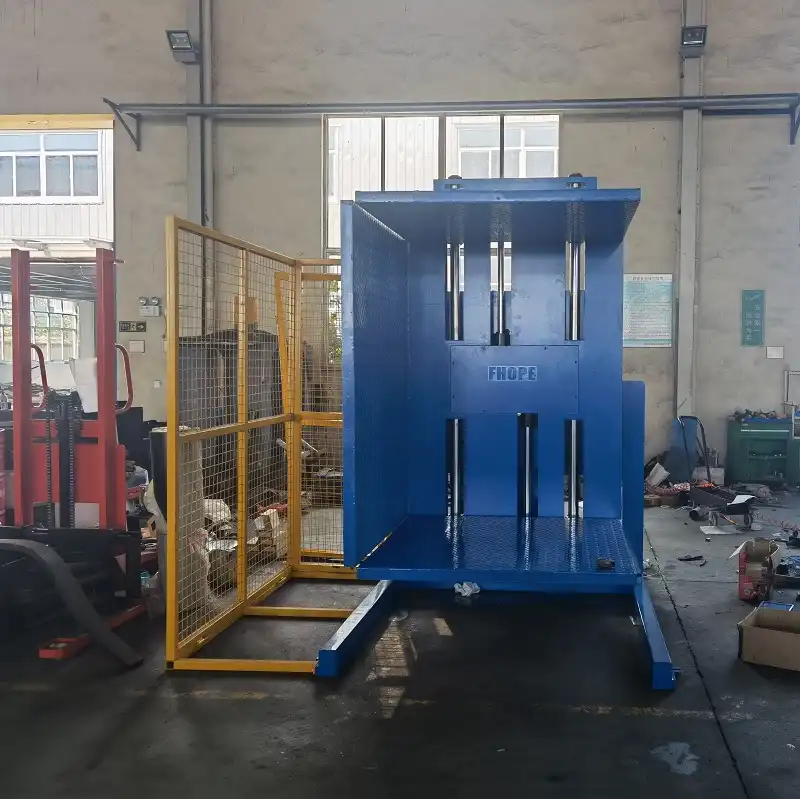
I have seen many companies struggle with this. They try to speed up manual processes, but it often leads to mistakes or accidents. This costs more in the long run. My experience showed me that automation is the answer. It is not just about moving pallets. It is about streamlining the whole warehouse operation. When pallets move quickly and correctly, the entire order fulfillment process speeds up. This means goods reach customers on time, every time. For FHOPEPACK, our goal is to empower businesses. We help them meet these tough customer demands. We also help them exceed expectations. (Warehouse automation, customer satisfaction, supply chain speed, order fulfillment, efficient logistics)
Dive deeper Paragraph: Driving Efficiency and Customer Loyalty with Automated Pallet Systems
Automated pallet changers do more than just swap pallets. They are strategic tools. They drive overall warehouse efficiency. This directly impacts customer satisfaction. They streamline operations from start to finish.
-
⏱️ Accelerated Throughput and Processing:
- Reduced Cycle Times: Manual pallet changes can take several minutes per pallet. Automated systems complete the same task in seconds. This drastically cuts down the time goods spend in the transfer stage.
- Continuous Operation: Pallet changers can run for long periods without fatigue. They maintain a consistent speed. This allows for higher throughput rates over an entire shift. This is crucial for high-volume operations.
- Bottleneck Elimination: In many warehouses, pallet changing is a bottleneck. Automated systems remove this hurdle. They allow goods to flow smoothly to the next stage. This might be shipping, storage, or further processing.
-
✅ Enhanced Accuracy and Reliability:
- Minimizing Human Error: Automated systems follow precise commands. This eliminates mistakes common in manual handling. These errors include using the wrong pallet or incorrect loading.
- Consistent Quality Control: Each pallet transfer is performed with the same exact method. This ensures consistent quality. It reduces product damage that can occur during manual operations.
- Reduced Rework: Fewer errors mean less need for rework. This saves time and resources. It ensures that products are ready for shipment faster.
-
🚚 Faster Delivery and Improved Customer Experience:
- Shorter Lead Times: With faster processing, products spend less time in the warehouse. This shortens the lead time from order to delivery. This is a huge advantage in today’s demanding market.
- On-Time Shipments: By making the process more predictable and faster, companies can commit to and meet stricter delivery schedules. This builds trust with customers.
- Meeting E-commerce Demands: Online retail expects quick shipping. Pallet changers are vital for warehouses supporting e-commerce. They enable the speed needed to fulfill numerous orders rapidly.
- Reduced Penalties and Chargebacks: Delays or incorrect shipments can lead to penalties from retailers. Efficient pallet changes help avoid these costly charges. This protects profit margins.
-
📈 Data-Driven Performance Improvement:
- Integration with WMS: Many modern pallet changers can integrate with Warehouse Management Systems (WMS). This provides real-time data on pallet transfer operations.
- Performance Analytics: This data helps managers identify areas for further optimization. They can track throughput, uptime, and efficiency metrics. This leads to continuous improvement.
- Predictive Maintenance: Monitoring machine performance allows for proactive maintenance. This prevents unexpected breakdowns. It ensures continuous operation.
Implementing automated pallet changers is a strategic move. It is for any company looking to stay competitive. It makes operations more efficient. It also keeps customers happy. This strengthens a company’s position in the global market. (Warehouse efficiency, customer loyalty, swift order fulfillment, logistics automation, supply chain optimization)
What Should Companies Look for in a Long-Term Pallet Changer Partner?
Choosing a pallet changer is a big investment. It is not just about the machine itself. It is about finding a partner. This partner should understand your business. They should provide support long after the sale. Many companies just sell machines. But a true partner offers solutions. They help you solve problems and grow your business.
Companies should look for a long-term pallet changer partner who offers not just reliable and adaptable equipment but also deep industry expertise, comprehensive after-sales support including installation and maintenance, a commitment to understanding specific operational pain points, and a track record of providing flexible, customized solutions that contribute to sustained efficiency and compliance in the supply chain.
From my own experience building FHOPEPACK, I learned that trust is everything. My clients did not just buy machines from me. They bought a solution. They bought peace of mind. I always made sure to understand their specific needs. I did not just offer a standard product. This commitment is what makes a difference. You need a partner who will be there for installation, training, and any issues that come up years down the line. We at FHOPEPACK pride ourselves on being that partner. We focus on building relationships. We want to help our clients achieve their long-term goals. We do not just make a quick sale. (Reliable pallet changer suppliers, after-sales service, customized solutions, industry expertise, long-term partnership)
Dive deeper Paragraph: Selecting a Strategic Partner for Pallet Changing Solutions
Finding the right partner for pallet changing equipment is crucial. It goes beyond the price tag. A good partner helps ensure your investment pays off for years. This is what to look for:
-
🧠 Deep Industry Expertise:
- Understanding Specific Needs: A good partner knows your industry. They understand unique compliance rules, hygiene standards, and operational flows. For example, in food processing, they should know about HACCP or BRC standards.
- Problem-Solving Approach: They do not just sell machines. They listen to your challenges. Then, they offer tailored solutions. This means they understand your actual pain points, like diverse pallet types or labor shortages.
- Experience with Similar Clients: Look for a partner who has worked with companies like yours. Their past successes can show their capability.
-
🛠️ Comprehensive After-Sales Support:
- Installation and Training: The partner should provide expert installation. They should also offer thorough training for your staff. This ensures proper operation and maintenance from day one.
- Maintenance and Servicing: Reliable partners offer scheduled maintenance programs. They also provide quick response for breakdowns. This minimizes downtime. It keeps your operations running smoothly.
- Spare Parts Availability: Easy access to spare parts is vital. This helps avoid long delays if a component needs replacing.
- Technical Support: They should have a responsive technical support team. This team can help troubleshoot issues quickly.
-
🤝 Commitment to Partnership and Customization:
- Long-Term Vision: A true partner sees your relationship as long-term. They are invested in your success. They want to help you grow.
- Flexible Solutions: Your needs might change over time. A good partner offers flexible solutions. They can adapt to new pallet standards or increased volumes. They can also offer upgrades.
- Customization Capabilities: If standard machines do not fit, they should be able to customize a solution. This ensures the equipment perfectly matches your unique operational requirements.
- Transparency and Communication: Open and honest communication is key. They should keep you informed at every step.
-
📈 Track Record of Reliability and Quality:
- Machine Durability: The equipment should be robust. It must withstand the demands of high-intensity warehouse environments. Ask for proof of durability.
- Customer Testimonials and References: Check reviews and ask for references. This shows their reputation and the quality of their work.
- Safety Standards: Ensure their machines meet international safety standards (e.g., CE, OSHA).
At FHOPEPACK, we believe in being a genuine partner. We work closely with clients to understand their specific needs. We then deliver solutions that stand the test of time. For example, for Carlos’s company, we would focus on an adaptable, robust system. We would ensure it handles all their pallet types while boosting safety and cutting costs. If SHJLPACK is another option, we would suggest evaluating their support and customization services with the same critical eye. (Trusted supplier, equipment maintenance, technical assistance, bespoke solutions, client relationship management)
Conclusion
Pallet changers are more than just machinery. They are strategic tools for global companies. They ensure compliance with diverse international standards. They also boost efficiency, cut costs, and improve safety. Choosing the right pallet changer and partner helps businesses navigate complex logistics. It guarantees customer satisfaction. Investing in a reliable pallet inverter system ensures your operations remain competitive and future-proof.








