
Which Procurement Strategies Secure the Best Coil Packing Line Deals in India?
Are you feeling overwhelmed by the thought of buying a new coil packing line? Many factory managers, just like you, face the challenge of finding reliable equipment in a vast market like India. The wrong choice can lead to lost production, higher costs, and constant headaches. You need a system that works, not one that adds to your problems.
The best way to secure top coil packing line deals in India is to adopt a strategy that goes beyond just price. This means focusing on understanding your exact needs, thoroughly vetting supplfanycihiers, and considering the total long-term value of your investment. It is not about finding the cheapest machine; it is about finding the right partner and the right solution.

This decision is too important to rush. I have seen countless factories make choices based only on initial costs, only to regret it later. Let us walk through the most effective strategies you can use to make a smart, profitable investment in your next coil packing line.
Understanding Your True Needs Before You Buy?
Do you sometimes feel unclear about what your factory truly needs? Many people start looking for equipment by just browsing brochures or websites. This approach often leads to buying machines that do not fully solve your problems. It is a common mistake that can cost a lot of money and time.
To truly secure the best deal, you must first clearly define your operational challenges and specific requirements. This step helps you find a machine that fits your factory perfectly. It also ensures you invest in a solution that solves your actual problems, like slow packing or safety risks.

When I first started my packing machine factory, I learned quickly that listening to client needs was everything. We did not just sell machines. We solved problems. This meant we had to understand deeply what was causing issues for their production. For your factory, this means looking closely at your current operations. What are your biggest pain points? Is it that your coil packing is too slow, causing a bottleneck at the end of your production line? Are your workers facing safety risks because they manually handle heavy coils? Is product damage happening too often during internal transfers or packing? These are not just small issues; they can lead to huge losses in time, money, and even employee morale.
You need to gather data. This includes your current production volume, the dimensions and weight of your coils, and the type of material you are packing. Think about your desired output speed. How much do you want to increase your throughput? Consider the space available on your factory floor. A machine might be perfect in theory but might not fit your layout. Also, think about the level of automation you want. Do you need a fully automatic line that needs very little human input? Or is a semi-automatic system better for your budget and existing staff? Many factory managers, like Michael in Mexico, face real challenges with manual processes. They need to reduce injuries and boost efficiency. A clear understanding of these points helps you narrow down your choices. It also helps you speak directly with suppliers about your specific problems. This way, they can offer real solutions, not just generic products. You are not just buying a machine; you are investing in a solution to your biggest challenges. This initial groundwork saves you from making bad purchases. It makes sure your new coil packing line truly helps your business grow.
Defining Your Operational Bottlenecks:
- Production Speed: How many coils do you pack per hour? What is your target?
- Labor Costs: How many workers are involved in packing? How much could automation save?
- Safety Incidents: How many accidents related to packing have you had? What are the insurance costs?
Product Specifications:
- Coil Dimensions: What are the diameter, width, and weight ranges of your coils?
- Material Type: Is it steel, wire, or other material? This affects machine strength.
- Wrapping Material: What kind of film or material will you use for packing?
Future Growth and Scalability:
- Planned Expansion: Do you expect production to increase in the next 5-10 years?
- Flexibility: Can the machine handle different product sizes in the future?
Evaluating Suppliers Beyond Just Price?
Have you ever bought a machine based on a low price, only to face endless problems later? This happens often. Many factories focus only on the initial cost. They forget about what happens after the sale. This can lead to big disappointments and unexpected expenses down the road.
To truly get a good deal, you must look beyond the price tag. You need to check a supplier’s reputation, their technical support, and their experience in the industry. A reliable supplier offers much more than just a machine; they offer a partnership that supports your operations for years.
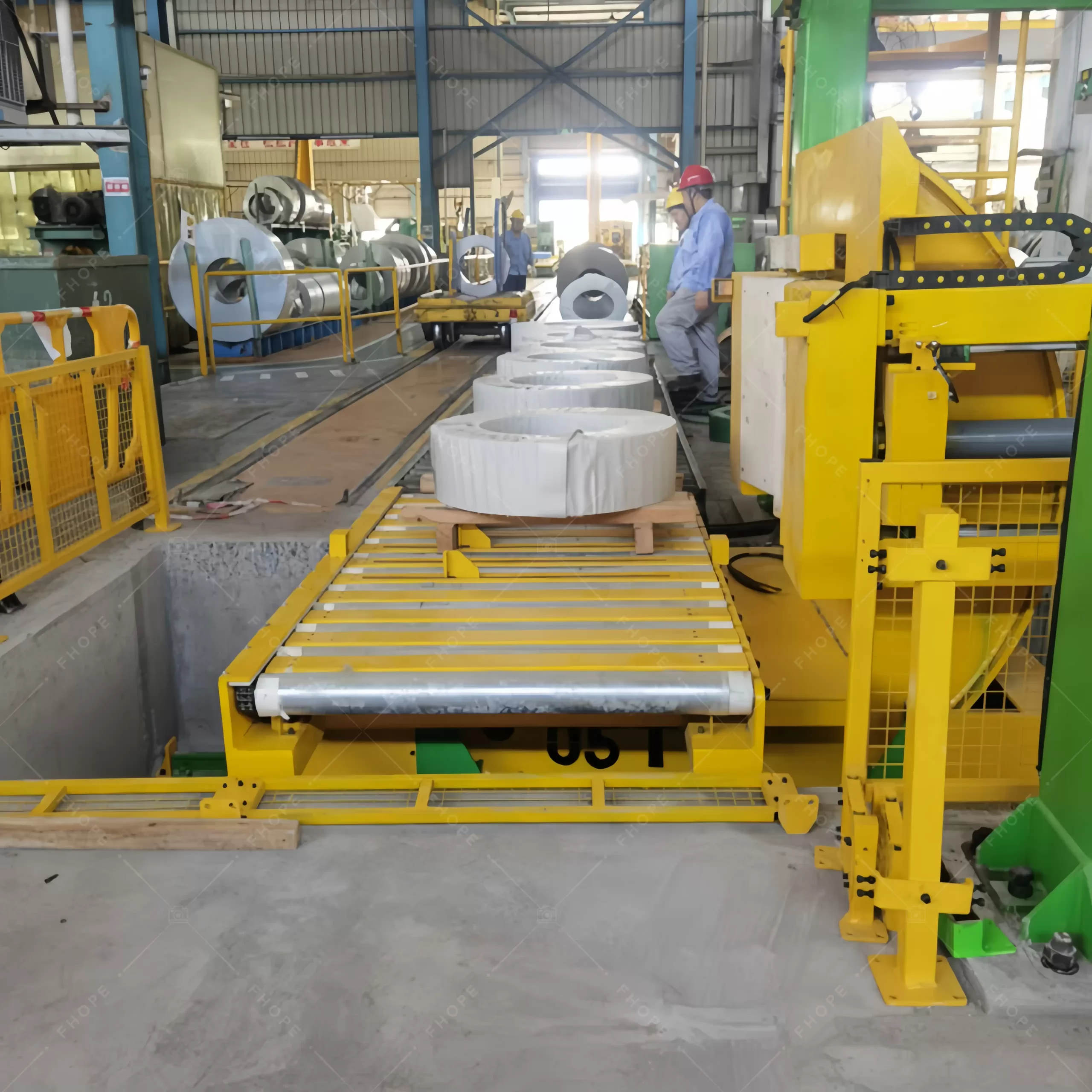
When I was building my own factory, I learned that trust in a supplier is everything. I faced situations where I thought I was getting a good deal, but the after-sales service was terrible. This caused huge downtime. You need a supplier who understands your business, someone who cares about your success. This means digging deep into their past performance. Ask for references, especially from other factories in India or similar markets. Call those references. Ask them about the supplier’s installation process, their training, and how fast they respond to problems. A supplier might have the cheapest machine, but if it breaks down often and they do not send help quickly, that cheap machine becomes very expensive in lost production and repair costs.
Also, check the supplier’s certifications. Do they meet international quality standards? What kind of warranty do they offer? A strong warranty shows the supplier stands by their product. Look at their technical support team. Are they knowledgeable? Can they provide remote support? Do they have spare parts readily available in India? This is vital. Waiting weeks for a crucial part can stop your entire production. For a factory manager like Michael, who has faced supplier trust issues, this is a non-negotiable point. You want a partner who can quickly diagnose and fix issues, minimizing your costly downtime. Do not be afraid to visit their factory if possible. See their production process. Look at the quality control they have in place. Talk to their engineers. This gives you a clear picture of their capabilities and commitment to quality. A good supplier invests in their own technology and people. They are not just resellers. They are creators of reliable packing solutions.
Key Factors in Supplier Evaluation:
| Factor | What to Look For | Why It Matters |
|---|---|---|
| Reputation | Customer testimonials, industry awards, market standing | Indicates reliability and trust |
| Experience | Years in business, number of successful installations | Shows proven track record in your industry |
| Technical Support | Availability, response time, remote diagnosis capability | Minimizes downtime, ensures quick problem-solving |
| Spare Parts | Local stock in India, quick delivery system | Reduces waiting time, prevents long production stops |
| Training | On-site training for your staff, manuals, ongoing support | Ensures your team can operate the machine efficiently |
| Warranty | Clear terms, duration, what it covers | Protects your investment, shows supplier confidence |
| R&D Investment | Continuous product improvement, new technologies | Shows forward-thinking, future-proof solutions |
Focusing on Long-Term Value and ROI?
Are you thinking only about the purchase price of your new packing line? Many factory managers make this mistake. They see a low upfront cost as a win. But this view ignores the bigger picture. It can lead to higher overall expenses in the long run.
The best procurement strategy focuses on the total cost of ownership (TCO) and return on investment (ROI). This means looking at all costs over the machine’s lifetime, not just the initial price. It helps you make a financially smart decision that truly benefits your factory for years to come.
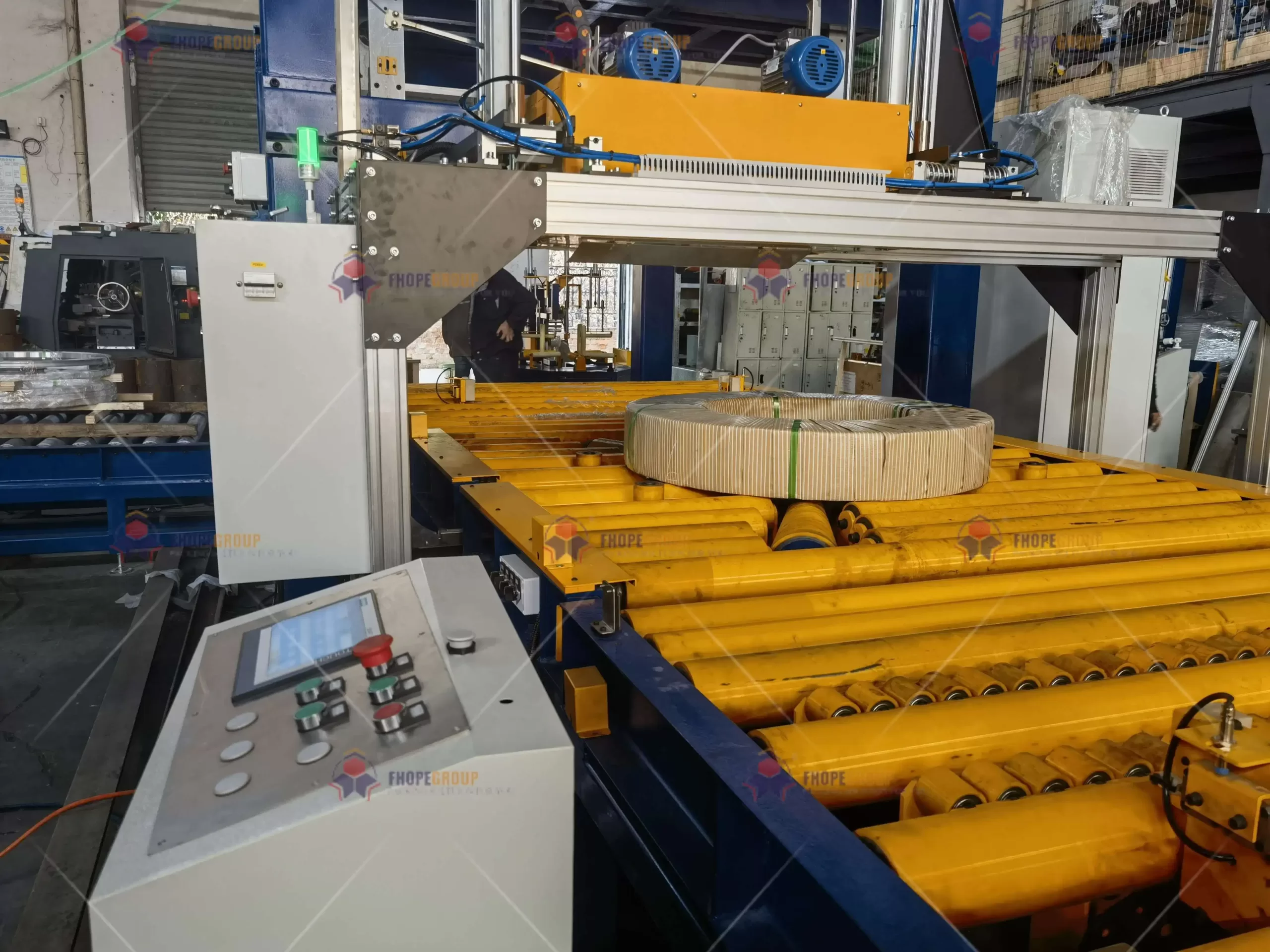
When I built my factory, I learned very quickly that the lowest price often meant the highest cost later. I remember one time, early in my career, I chose a component simply because it was cheap. It failed within months. The cost of replacing it, plus the lost production, was far more than if I had bought the higher quality one in the first place. This experience taught me to always look at the full picture. For a coil packing line, this means considering operating costs like power consumption, maintenance, and the cost of spare parts. A machine might be more expensive initially, but if it uses less energy, requires less frequent maintenance, and its parts last longer, it will save you a lot of money over its lifespan.
Think about the ROI. How quickly will this investment pay for itself? If a new automated coil packing line helps you reduce labor costs significantly, prevents product damage, and boosts your output, these savings add up fast. For example, if manual packing is causing product damage, leading to customer complaints and returns, a new automated system can eliminate that. This directly impacts your profit margin. If worker injuries from manual handling are driving up your insurance costs and causing high employee turnover, automation can drastically cut these expenses. You need to quantify these savings. Put numbers to them. Calculate how much money you save on labor, how much you gain from increased production, and how much you avoid in losses from damaged goods. This clear financial picture helps you justify the investment to your company’s leadership. It moves the conversation from “how much does it cost?” to “how much will it save and earn us?” An investment with a clear ROI is not just an expense; it is a strategic move that drives business growth. This is exactly what a pragmatic manager like Michael would want to see.
Components of Total Cost of Ownership (TCO):
- Initial Purchase Price: The cost of buying the machine itself.
- Installation Costs: Expenses related to setting up the machine.
- Operating Costs: Electricity consumption, labor for operation.
- Maintenance Costs: Regular servicing, potential repairs.
- Spare Parts: Cost and availability of replacement parts over time.
- Training Costs: For your staff to operate and maintain the machine.
- Downtime Costs: Money lost when the machine is not running.
- Disposal Costs: Cost of decommissioning the machine at end-of-life.
Calculating Your Return on Investment (ROI):
- Increased Productivity: Higher output, faster delivery times.
- Reduced Labor: Fewer workers needed for packing.
- Reduced Product Damage: Fewer damaged coils, less scrap, happier customers.
- Improved Safety: Lower injury rates, reduced insurance premiums.
- Quality Improvement: Consistent, high-quality packing.
My insights!!!!!!!!!!!
My journey in the packing machine industry taught me that success is not just about building good machines. It is about building strong relationships and sharing knowledge. From working on the factory floor to running my own successful company, I have seen every kind of challenge a factory manager faces. Many years ago, when I was starting my factory, there was a point where I realized that simply selling a product was not enough. My clients needed more than just a machine; they needed a partner who understood their specific industry pains. This realization changed everything for me and for FHOPEPACK. I began to focus on truly understanding their production lines, their safety concerns, and their efficiency bottlenecks. This approach allowed me to help many clients not only grow their businesses but also achieve financial independence, just as I did.
Now, with FHOPEPACK, my mission is to give back. I want to make this deep industry knowledge accessible to everyone. When you are looking for a coil packing line, especially in a dynamic market like India, remember that the true value comes from a supplier who acts as your expert guide. They should not just sell you a machine. They should work with you to understand your current challenges, like those Michael Chen faces in his factory. This includes issues with manual processes, safety risks, and product damage. A real partner helps you identify the root causes of these problems. Then, they provide tailor-made solutions. They should offer insights from their broad experience, not just from a sales catalog. This means asking tough questions about your operations. It means suggesting technologies that might seem advanced but offer huge long-term benefits in terms of safety and efficiency.
For example, I always tell my clients to consider how new technologies, like advanced sensors or robotic integration, can transform their packing processes. These are not just “nice to haves”; they are essential for future-proofing your factory. They directly address the need for greater automation and improved worker safety. A true expert will not shy away from discussing the complexities. They will help you navigate them. They will show you how investing in a robust, intelligent coil packing line is not just about replacing old equipment. It is about creating a safer, more efficient, and ultimately more profitable production environment. This holistic approach, seeing the machine as part of a larger system, is what truly secures the best deals and drives sustainable growth for your business. It is about making smart choices today that will pay dividends for many years.
Conclusion
Securing the best coil packing line deal in India means strategic planning. Focus on your exact needs, vet suppliers deeply, and prioritize long-term value. This smart approach ensures a profitable, efficient, and safe investment for your factory.








