
Are You Still Losing Money to Manual Coil Packing?
Have you ever felt the pressure of a bottleneck at the end of your production line? Are you watching valuable steel coils and wire rods get damaged, or seeing your skilled workers put at risk, all because of old, manual packing methods? Many factory managers I know face this exact problem. It is a constant battle against slow processes, high labor costs, and the looming threat of workplace injuries. These issues do not just slow you down. They eat away at your profits and erode trust with your customers.
An automatic steel coil packing line can transform your entire operation. It moves your factory from slow, risky manual handling to a fast, safe, and efficient automated system. This change means higher output, greater safety for your team, and perfectly protected products. It is the real solution to your toughest production challenges.
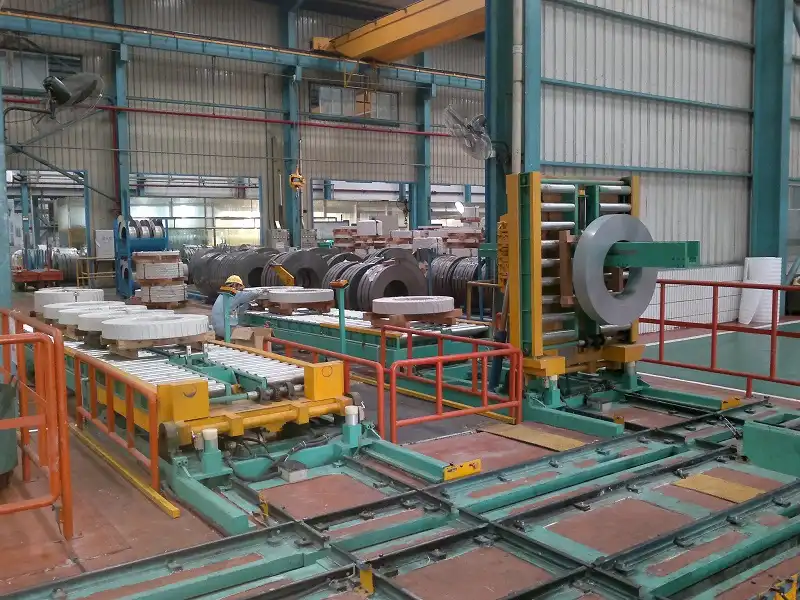
You are not alone in facing these challenges. Many factory managers are looking for a better way. They want to improve their operations, boost safety, and increase their bottom line. Let us dive deeper into the specific problems you might be facing and how modern packing solutions offer clear answers.
Are Manual Packing Methods Holding Back Your Production?
Do you ever feel like your packing area is the choke point in your entire factory? Is it common for finished steel coils or wire rods to pile up, waiting for a crew to painstakingly wrap them by hand? This slow process does not just delay shipments. It slows down everything else before it. Your production lines cannot run at full speed if the packed products cannot move out quickly.
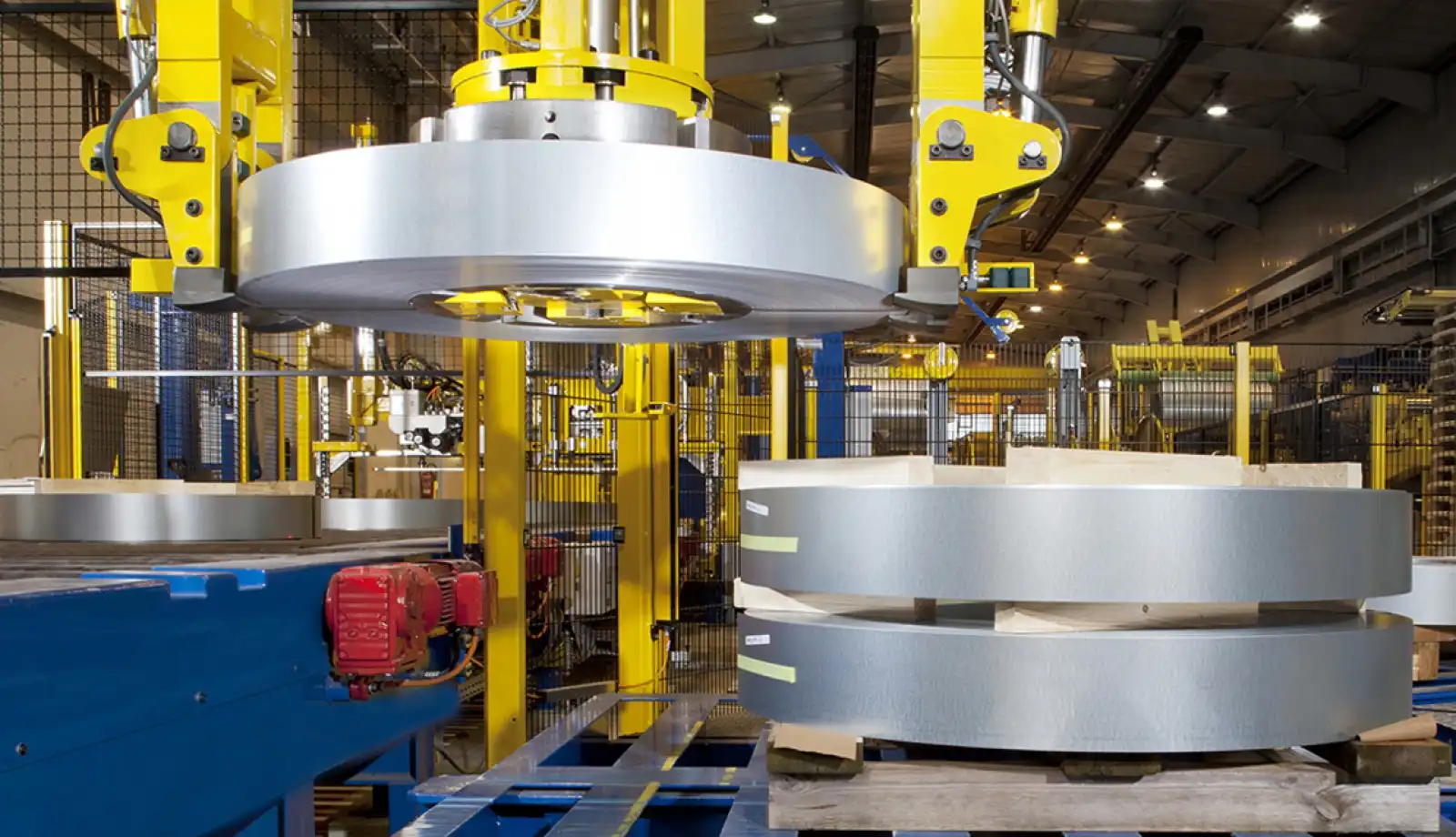
Manual packing processes are often slow and inconsistent. They create bottlenecks that reduce your overall factory output. These methods limit your ability to meet high demand or tight delivery schedules. An automatic packing line directly solves this problem. It ensures a continuous, fast flow of products from the production floor to the shipping dock.
Why Your Current Manual Packing Is Slowing You Down
Manual packing relies on human speed and endurance. This means it has clear limits. A human worker can only lift and wrap so many coils in an hour. This limit becomes a bottleneck for the entire factory. When your production lines increase their output, the packing area cannot keep up. This forces the upstream processes to slow down or even stop. This leads to wasted production time. It also means you cannot accept bigger orders, even if your machines can produce them. Think about the costs. Every minute your production line waits for packing means lost revenue. It means higher overhead costs for unused machine time.
My own journey started in a packing machine factory. I saw firsthand how much time and money companies lost due to manual packing. I remember seeing huge piles of steel coils waiting to be wrapped. This backlog caused delays for clients. It sometimes even led to penalties for late delivery. That experience taught me something important. The packing stage is not just an end step. It is a critical part of the entire production flow. If it is inefficient, it impacts everything.
| Metric | Manual Packing (Typical) | Automatic Packing (Typical) |
|---|---|---|
| Coils Per Hour | 5-10 | 30-60+ |
| Labor Needed | 3-5 workers | 1-2 workers (supervision) |
| Consistency | Varies (human error) | High (machine precision) |
| Downtime Reason | Worker fatigue, breaks, injury | Maintenance (planned) |
| Scalability | Limited | High |
Automatic systems do not get tired. They work at a consistent, high speed for long hours. They handle multiple coils at once or finish one coil in just a few minutes. This increased speed means your products move faster through the factory. It ensures you can meet tighter deadlines. It also means you can take on more orders. This directly boosts your factory’s overall output and profitability. It is a direct investment in higher productivity.
Is Worker Safety a Constant Concern in Your Operations?
Do you constantly worry about your team members when they handle heavy steel coils or wire rods? Are you seeing rising numbers of back injuries or other accidents related to manual lifting and turning? The reality is, moving thousands of pounds of metal by hand is extremely dangerous work. It puts your employees at great risk every single day.
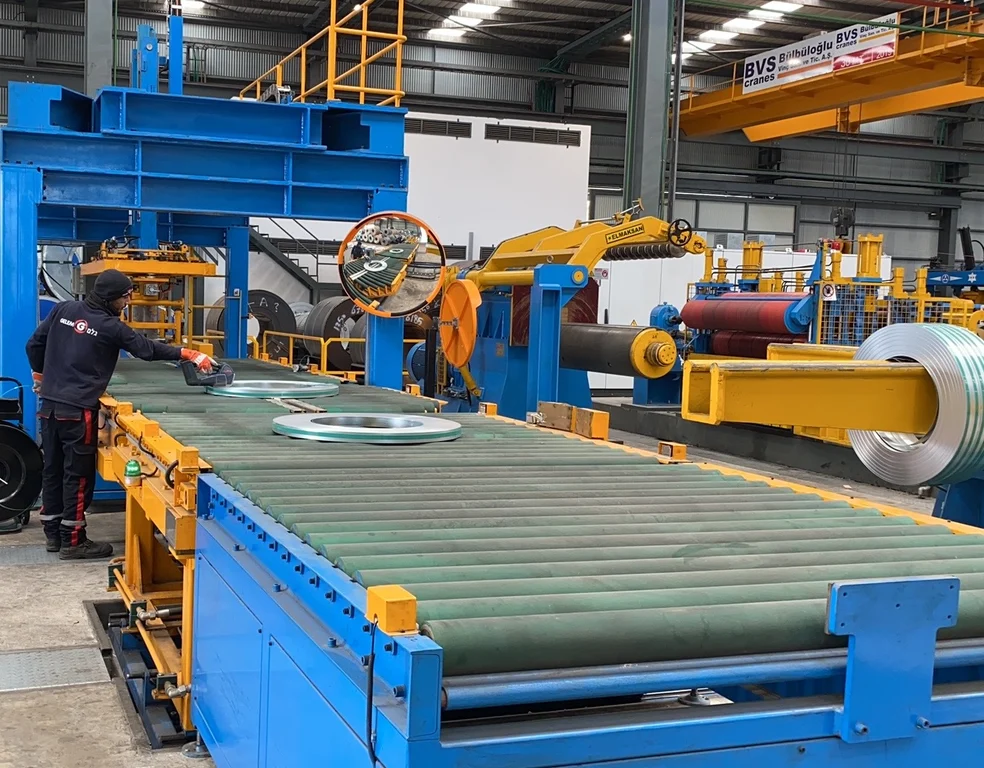
Manual handling of heavy objects like steel coils leads to high rates of workplace injuries. These injuries include sprains, fractures, and even crushing accidents. An automatic packing line removes the need for workers to directly handle these heavy, dangerous items. It puts machines in charge of the heavy lifting. This drastically reduces the risk of accidents and creates a much safer work environment for everyone.
Protecting Your Team and Your Bottom Line from Injuries
The dangers of manual heavy lifting in a factory are clear. Workers often have to use straps, cranes, and their own strength to move heavy coils. They also need to flip them or position them for wrapping. This work is not just hard. It is very risky. One slip, one wrong move, and a worker can suffer a serious injury. This leads to medical costs, lost work time, and higher insurance premiums. It can also cause low morale among your team. Workers worry about their safety. This fear affects their productivity and overall job satisfaction.
When I started my own packing machine factory, one of my main goals was to build machines that truly protected workers. I had seen too many accidents. I knew the physical and financial pain they caused. My vision was to create systems where the machine did the dangerous work. Workers would supervise and manage. This change makes a huge difference. It is not just about avoiding big accidents. It is also about preventing smaller, repetitive strain injuries that happen over time. These often go unnoticed until they become chronic problems.
| Safety Aspect | Manual Packing (Risks) | Automatic Packing (Benefits) |
|---|---|---|
| Heavy Lifting | High risk of back injuries, strains, crushing | Eliminated by machine handling |
| Repetitive Motion | Carpal tunnel, shoulder issues | Reduced (supervision only) |
| Falling Objects | Risk during stacking, unstacking | Minimized by controlled machine movement |
| Worker Fatigue | Increases accident likelihood | No impact on machine performance |
| Insurance Costs | Often higher due to claims | Potentially lower due to fewer incidents |
| Employee Morale | Can be low due to perceived danger | Higher, safer work environment |
An automatic packing line completely changes the safety landscape. Machines take over the hazardous tasks. They lift, turn, and position coils with precision. They do this without putting any human worker in direct danger. This means your employees can work in a much safer environment. They can focus on managing the process, not on dangerous physical labor. This improvement in safety does more than just protect your team. It also reduces your company’s liability and insurance costs. It creates a more positive and productive workplace culture. When your team feels safe, they perform better.
Are You Losing Profits Due to Damaged Products?
Have you ever had a customer call with a complaint about a damaged steel coil? Was it a dented edge, a scratched surface, or a torn wrapper that happened during internal transport or final packing? Every time a product is damaged, it means a financial loss for your company. It also means a hit to your reputation.
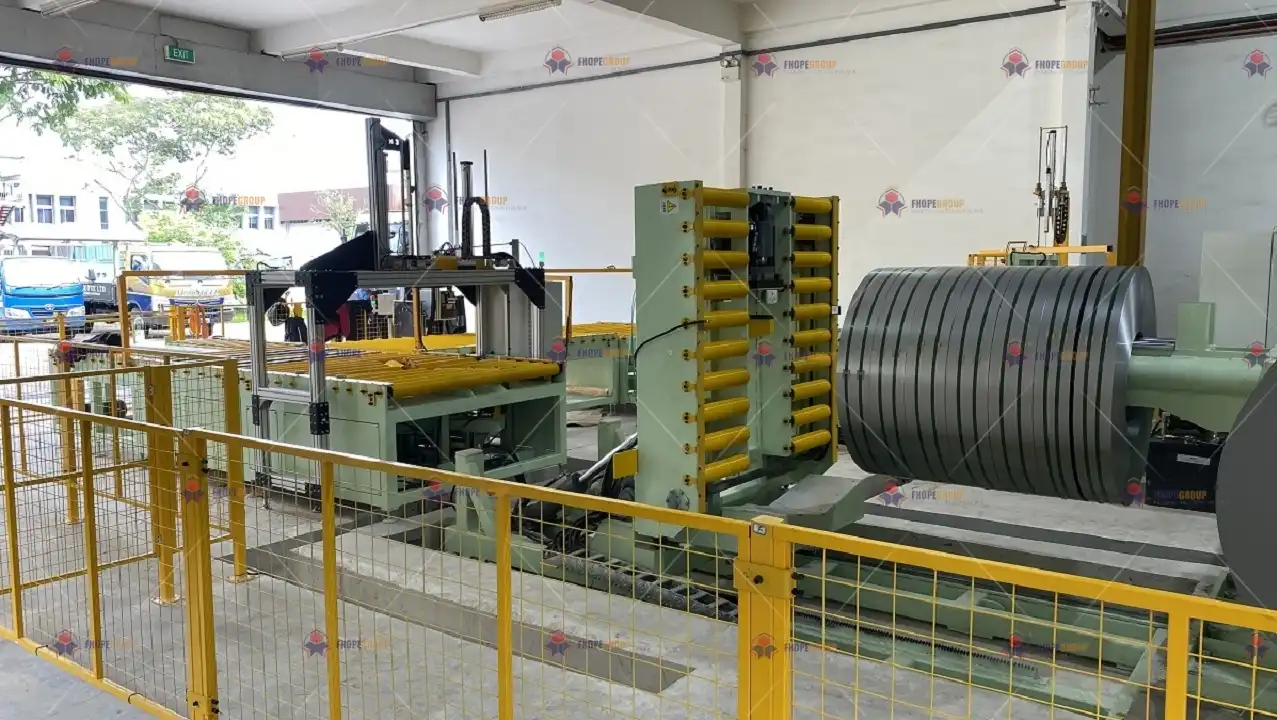
Product damage during handling and packing leads to costly returns, rework, and lost customer trust. Manual methods often cause more damage due to human error or improper handling of heavy, sensitive materials. Automated packing systems use gentle, precise movements and consistent wrapping techniques. This protects your products from damage from the moment they are produced until they reach your customer.
How Automated Systems Protect Your Valuable Goods
Steel coils and wire rods are valuable products. Even a small scratch or dent can make them unsellable or lead to customer dissatisfaction. In manual packing, workers must maneuver heavy, bulky items. This process often involves straps, chains, or forklifts. These tools can scuff surfaces or dent edges if not used perfectly. The wrapping itself can be inconsistent. This leaves parts of the coil exposed to damage during storage or transit. Each damaged product means you cannot sell it at full price. Sometimes you cannot sell it at all. This directly affects your profit margins.
My factory often designs specific handling solutions for different types of coils. We understand that a delicate surface needs different care than a robust one. This attention to detail comes from years of working with various clients. I remember one client who was losing thousands of dollars a month. Their steel coil edges were getting crushed during manual strapping and turning. It was a simple problem that caused huge financial pain. We developed a system that gently moved the coils without direct pressure on the edges. The damage stopped immediately. That client saw a big jump in customer satisfaction and a drop in returns. This proved the value of precise, automated handling.
| Damage Point | Manual Packing (Risk) | Automatic Packing (Solution) |
|---|---|---|
| Coil Edges | Dents, crushing from impact/straps | Gentle, controlled movement; no direct edge pressure |
| Surface Scratches | From mishandling, dragging, rough surfaces | Smooth, precise placement; protective contact points |
| Wrapping Integrity | Loose, inconsistent, incomplete wrap | Tight, uniform, complete wrap for full protection |
| Product Exposure | Gaps in wrap, vulnerability to elements | Full enclosure, weather-resistant protection |
| Customer Returns | Higher due to quality issues | Significantly reduced |
| Brand Reputation | Can suffer from consistent damage | Enhanced by consistent quality delivery |
An automatic packing line handles products with extreme precision. It uses specialized conveyors, grippers, and wrapping machines. These systems are designed to protect the integrity of your steel coils and wire rods. The wrapping process is consistent and tight. It provides a complete protective barrier against dust, moisture, and impact. This precision means fewer damaged products. It means fewer customer complaints. Ultimately, it leads to higher customer satisfaction and better profits for your factory. Investing in automation is an investment in product quality.
How Do You Find a Trustworthy Partner in the Machine Industry?
Have you ever felt let down by a machine supplier? Did they promise the world during the sales process but then disappeared when you needed support or spare parts? It is a common story. Many companies in the machine industry focus only on making a sale. They do not think about the long-term partnership. This makes factory managers very careful when looking for new equipment. You need more than just a machine. You need a reliable partner.
Finding a truly trustworthy equipment supplier means looking beyond the initial sales pitch. It means seeking a company with deep industry knowledge, a proven track record, and a strong commitment to after-sales service and ongoing support. This kind of partner understands your factory’s specific challenges and goals. They are ready to work with you for the long haul.
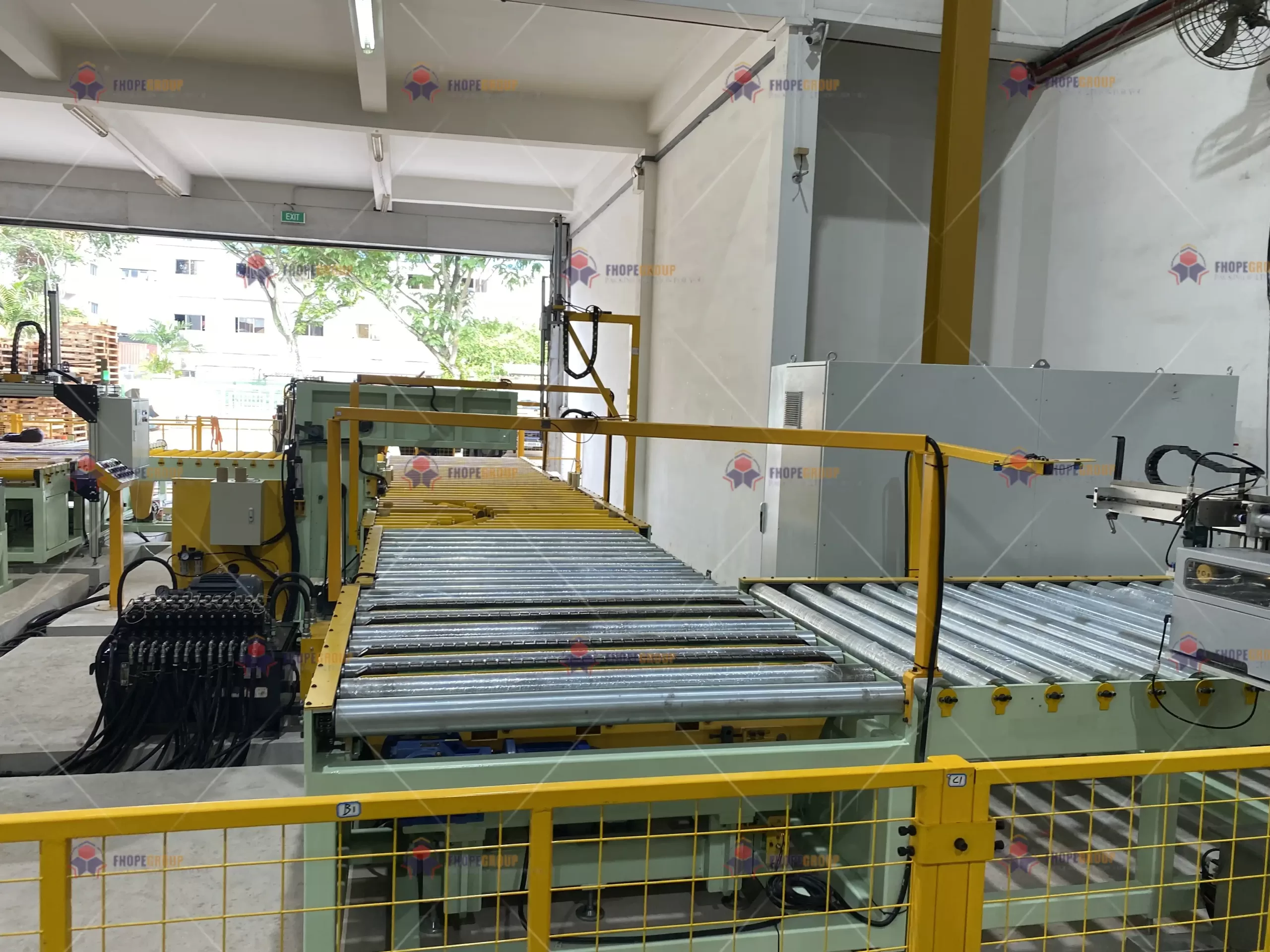
What Real Partnership Looks Like in the Packing Machine Industry
Many suppliers view their relationship with you as transactional. They sell a machine. Then they move on to the next sale. This approach leaves you stranded when problems arise. You need spare parts. You need technical support. You need advice on optimizing your operations. A supplier who does not offer good after-sales service is not a partner. They are just a vendor. This can lead to costly downtime and frustration. It is essential to look for a company that invests in your success.
My journey in the packing machine industry started from the ground up. I worked in a factory. I understood the daily challenges. Then I built my own factory. I know what it takes to run a successful operation. I know the pressures of meeting production targets, controlling costs, and ensuring safety. This background taught me the importance of a true partnership. It is not just about selling machines. It is about understanding a client’s specific needs. It is about offering solutions that really work. It is about being there for support long after the sale is made. I built FHOPEPACK on this principle. We are here to share knowledge and help others grow.
| Partnership Aspect | Transactional Vendor (Risk) | Trustworthy Partner (Benefit) |
|---|---|---|
| Initial Focus | Selling a product | Understanding your problems |
| After-Sales Support | Limited, slow, or costly | Prompt, expert, readily available |
| Industry Knowledge | General, sales-focused | Deep, practical, problem-solving |
| Relationship | One-time deal | Long-term collaboration |
| Problem Solving | Blames client or machine | Works with you to find solutions |
| Value Proposition | Equipment specs | ROI, efficiency, safety gains |
A trustworthy partner does more than just deliver a machine. They bring deep industry insights. They offer tailored solutions. They provide reliable after-sales support. They understand your production bottlenecks, your safety concerns, and your efficiency goals. They work with you to find equipment that truly solves these issues. They aim to boost your business growth, not just make a sale. This kind of partnership ensures your investment in equipment provides lasting value and helps your factory thrive.
What Does Real Partnership Mean for Your Factory’s Growth?
You have seen the specific problems. Manual packing hurts your output, endangers your team, and damages your products. You have also thought about the challenge of finding a supplier you can trust. Now, consider the bigger picture. What does it mean for your factory to truly grow and succeed in the long term? How can you make smart investments that pay off for years?
Real partnership with an equipment provider is about more than just buying a machine. It is about getting expert guidance, tailored solutions, and ongoing support that directly fuels your factory’s growth and profitability. This partnership helps you navigate complex challenges. It turns potential obstacles into opportunities for improvement. This ensures your investments bring a clear, positive return.
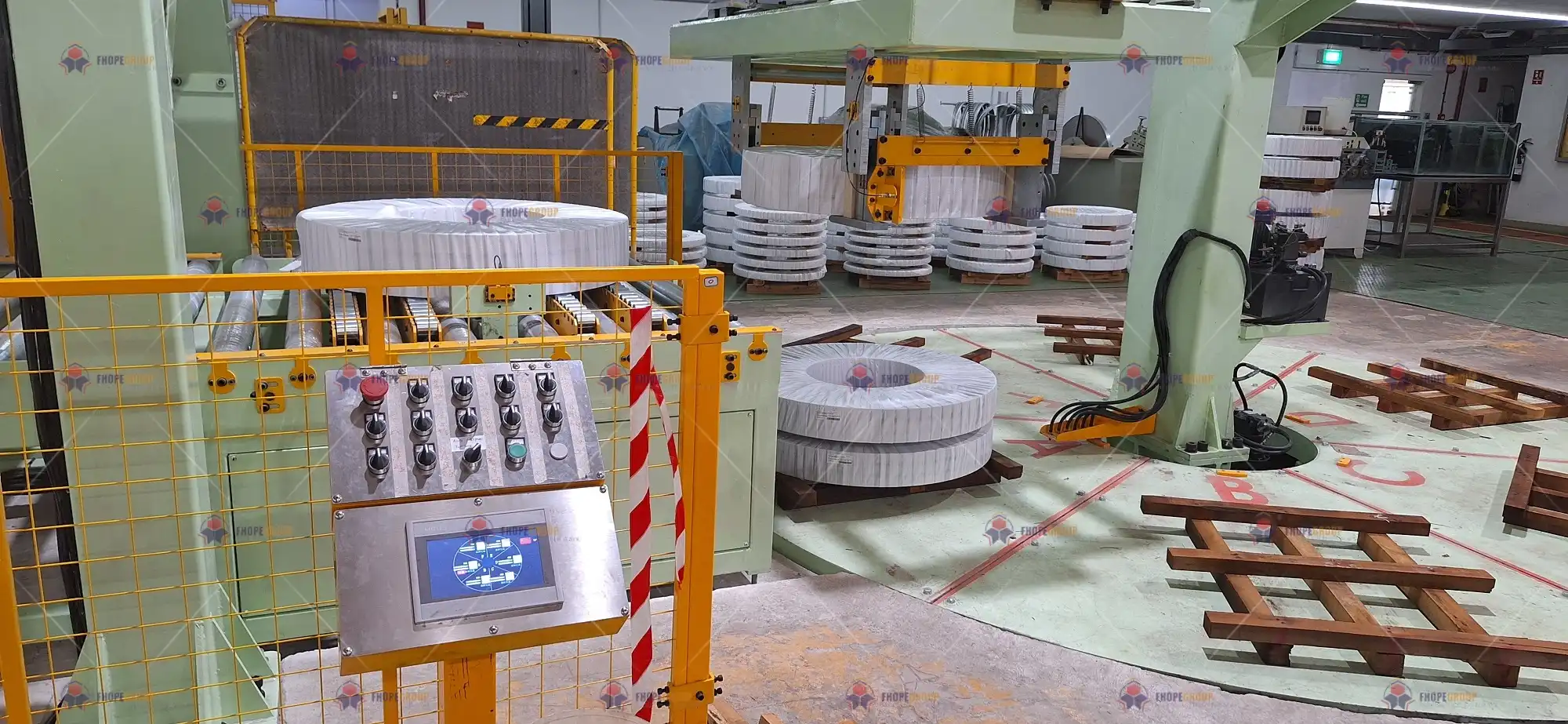
Investing in Solutions, Not Just Machines, for Lasting Success
Many factories buy equipment based only on price or basic features. But this approach often misses the true value. The goal is not just to have a machine. The goal is to solve a problem. It is to increase efficiency. It is to improve safety. It is to reduce costs. A true partner helps you see how a machine fits into your overall business strategy. They help you calculate the return on investment (ROI). They ensure the equipment truly addresses your specific operational challenges. This holistic view is crucial for sustainable growth.
My journey from factory employee to successful factory owner taught me the importance of solving real problems. When clients came to me, they were not just asking for a machine. They were asking for a way to increase production. They wanted to make their workplace safer. They needed to cut down on waste. I learned that every solution had to be practical and deliver tangible benefits. It was not enough to just build a good machine. We had to build a machine that made their business better. This is why I am so passionate about sharing knowledge. I want other factory owners to make informed decisions that lead to their own success. It is about creating value, not just making a sale.
| Growth Driver | Short-Term Purchase (Limited) | Strategic Partnership (Maximized) |
|---|---|---|
| Problem Focus | Immediate machine need | Root cause analysis of operational pain points |
| Solution Scope | Off-the-shelf equipment | Customized, integrated system design |
| Financial Impact | Initial cost only | Clear ROI, long-term cost savings, revenue growth |
| Operational Impact | Incremental improvement | Transformative efficiency and safety gains |
| Knowledge Transfer | Minimal | Ongoing training, best practice sharing |
| Future Planning | Reactive to issues | Proactive planning for scalability and innovation |
A strategic partnership offers expert guidance that goes beyond the machine itself. It means working with someone who understands your plant layout, your specific products, and your unique challenges. This partner helps you find the right automation. They ensure it fits seamlessly into your existing operations. They help you calculate the precise ROI. This shows you how the investment will lower labor costs, reduce material waste, and increase your output. This comprehensive approach means your investment in an automatic packing line is not just a cost. It is a powerful engine for your factory’s growth and long-term success.
Conclusion
Automatic packing lines solve key factory challenges. They boost efficiency, increase safety, and prevent product damage. Choosing a partner who deeply understands your business ensures these benefits drive real, lasting growth for your factory.








