
Which Pallet Inverter Supplier Offers the Best Pricing for Cigarette Pallet Turnover?
Are you feeling the pressure in your warehouse? The need to move products faster, safer, and cheaper never stops. Maybe you are dealing with different pallet types, tight deadlines, or high labor costs. Many businesses, especially those handling sensitive goods like cigarettes or food products, face these exact problems every day. They search for the right equipment. They want to get the best deal. But “best pricing” is often more complex than it first appears.
Finding the “best pricing” for a pallet inverter, especially for specific needs like cigarette pallet turnover, means looking beyond the sticker price. It involves understanding the total cost of ownership, including reliability, safety features, after-sales support, and how well the machine fits your specific operational challenges. A supplier offering genuine value will provide a robust solution that reduces long-term operational costs and improves efficiency, rather than just the lowest initial quote.
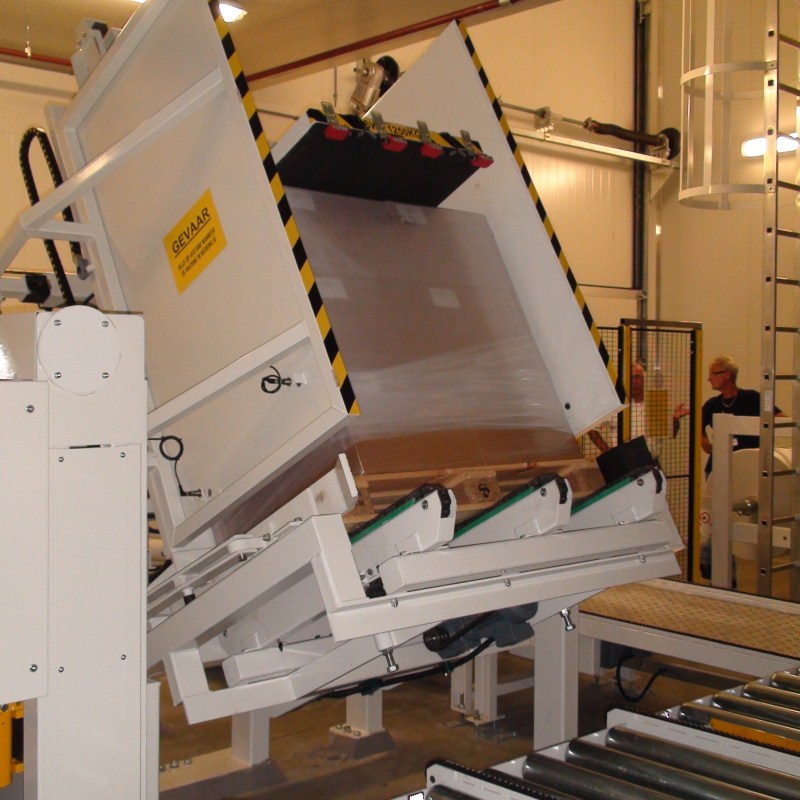
I know these challenges well. I have spent years in the packing machine industry. My journey from an employee to a factory owner taught me one thing. The right equipment is an investment. It is not just an expense. Let’s dig deeper into what “best pricing” really means for your business. Let’s find a solution that works for you.
What are the Hidden Costs Behind “Best Pricing” for Pallet Inverters?
Are you just looking at the number on the quote? Many people do. They think the lowest price means the best deal. But this way of thinking can lead to bigger problems later. I have seen it happen many times. A cheap machine can end up costing you a lot more in the long run.
The “best pricing” for a pallet inverter is not always the lowest initial cost. Hidden costs include frequent breakdowns, high maintenance needs, expensive spare parts, and the true cost of downtime in your operations. A seemingly cheaper machine may lack critical safety features or robust construction, leading to increased labor costs for manual intervention, higher insurance premiums, and potential fines or lost contracts due to delays or damage to sensitive cargo like cigarettes.
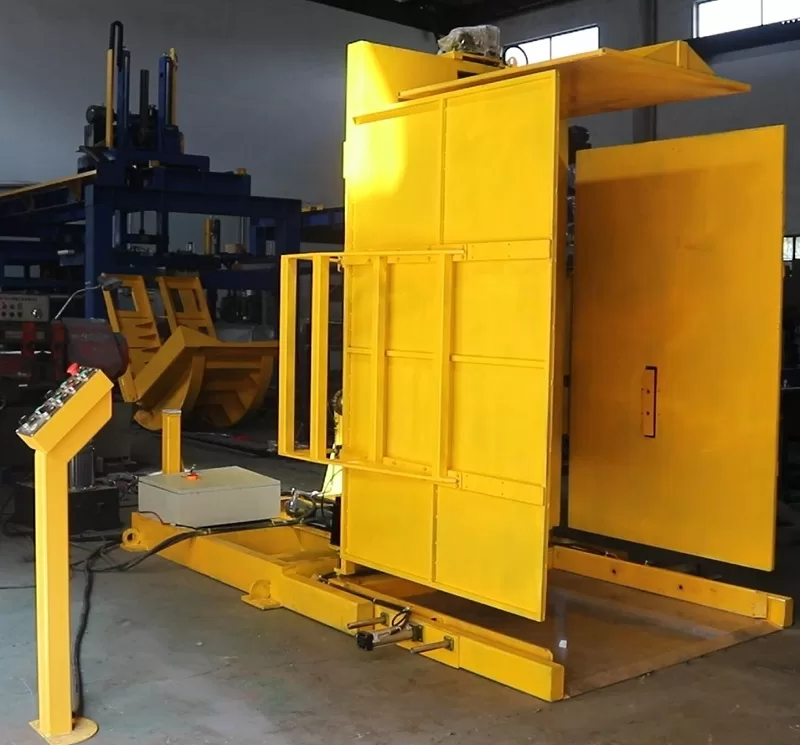
From my experience, understanding the true cost means looking at the full picture. It means thinking about everything that goes into owning and operating a machine over its lifetime. This is crucial for any business, especially one that handles high volumes or valuable products. You need equipment that works, day in and day out. You also need a partner who stands behind their product. Otherwise, you might save a few dollars upfront but pay a heavy price later.
-
💰 Unexpected Maintenance and Repairs:
- Poor Quality Components: Some suppliers use cheaper parts. These parts wear out fast. They often break down without warning. This means more frequent repairs. It also means you need to buy spare parts more often.
- Lack of Durability: A machine built with low-grade materials will not last long. High-intensity warehouse environments need strong equipment. If a machine is not durable, you will replace it sooner. This adds to your total cost.
- Cost of Technicians: Repairing complex machinery requires skilled technicians. These technicians charge high rates. If your machine breaks often, these costs quickly add up. You also might need to pay for travel and accommodation for engineers from far away.
-
⏱️ Downtime and Lost Productivity:
- Operational Delays: When a pallet inverter stops working, your entire production line can slow down or even stop. For operations dealing with sensitive goods or tight schedules, like cigarette distribution, even a short delay can be very costly.
- Contractual Penalties: Many businesses have strict delivery deadlines with their clients. If you cannot meet these deadlines because of machine failure, you might face heavy financial penalties. This can also damage your reputation.
- Reduced Throughput: A less reliable machine cannot handle the same volume as a robust one. This reduces your overall warehouse throughput. It means you are not maximizing your operational efficiency. You might even need more staff to compensate for the machine’s slow performance.
-
🛡️ Safety Risks and Insurance Costs:
- Worker Injuries: Cheap machines often cut corners on safety features. This puts your employees at risk. Manual pallet changing already has high risks. A faulty machine makes it worse. Injuries lead to medical costs, workers’ compensation claims, and potential lawsuits.
- Product Damage: An unreliable pallet inverter can drop or damage products during the transfer. For high-value items like cigarettes, even small damage leads to significant losses. This loss is often much higher than any initial saving on the machine’s price.
- Higher Insurance Premiums: Accidents and workplace injuries increase your insurance premiums. A poor safety record costs your company more money over time. Investing in a safe, reliable machine is an investment in your people and your bottom line.
-
📉 Lack of After-Sales Support:
- No Expert Help: Some suppliers offer a low price but disappear after the sale. When you have an issue, you cannot get help. This leaves you alone to fix problems.
- Slow Response Times: Even if there is support, it might be slow. Long waits for technical advice or spare parts prolong downtime. This directly impacts your business.
- Poor Training: Good suppliers offer training for your staff. This helps your team use the machine correctly and safely. Without proper training, mistakes happen more often. This increases wear and tear on the machine and raises the risk of accidents.
Why is Pallet Turnover for Cigarettes (and Sensitive Goods) So Critical?
Handling specific products always brings specific challenges. Cigarettes are a perfect example. They are not just any product. They are high-value, sensitive, and often heavily regulated. This makes their movement in and out of the warehouse extremely important. Any hiccup can cause big problems.
Pallet turnover for cigarettes, and other sensitive or high-value goods like food and beverages, is critical due to stringent regulatory compliance, high product value, and the need for absolute product integrity. Manual handling risks crushing, tearing, or contaminating the product, leading to significant financial losses and potential legal issues. Automated pallet inverters ensure gentle, consistent, and secure transfers, minimizing damage, maintaining hygiene, and speeding up operations for time-sensitive supply chains.
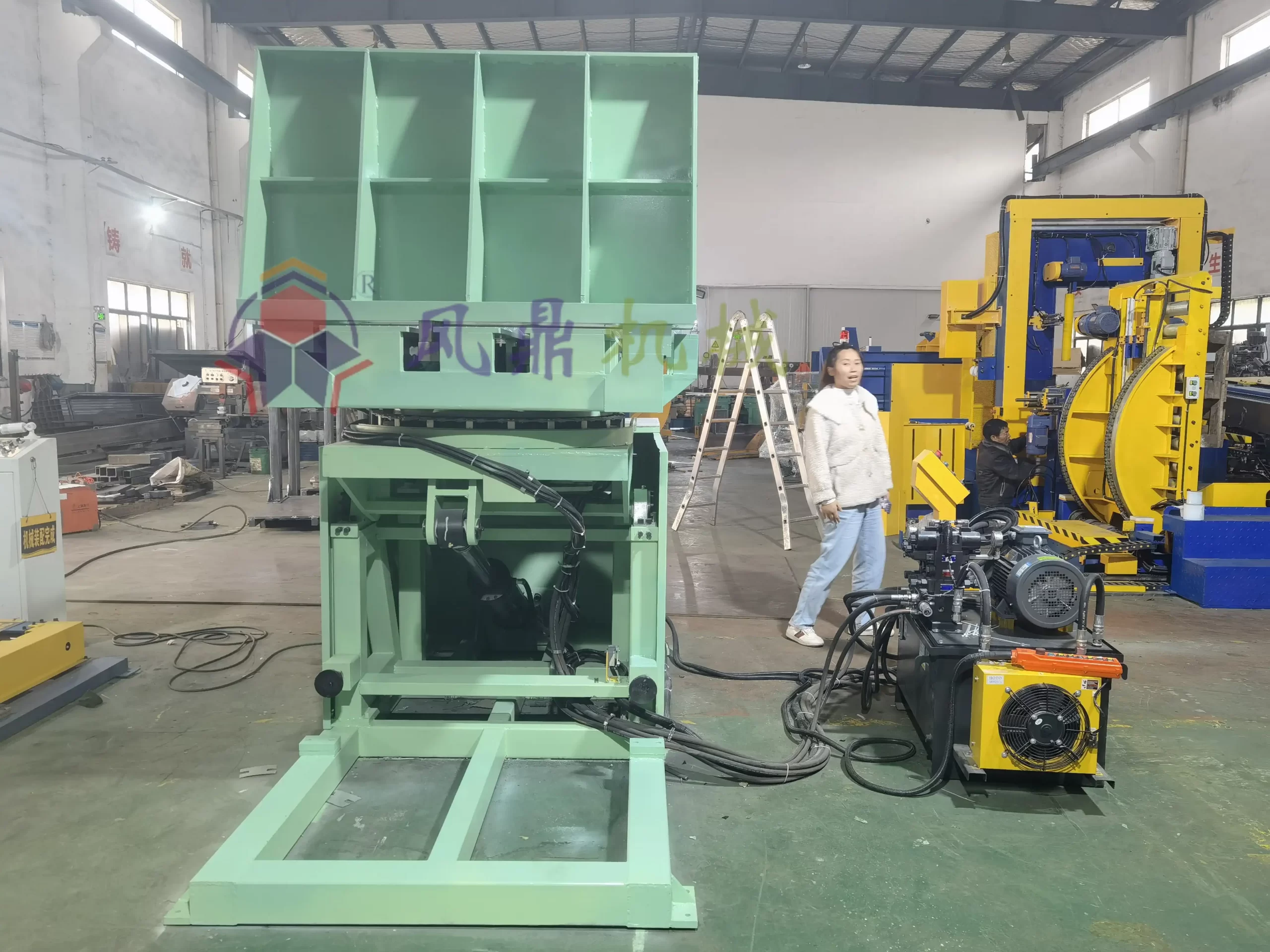
In my years in this industry, I have worked with many clients handling all sorts of goods. From heavy coils to delicate food items. The rules change, but the need for careful handling stays the same. For products like cigarettes, the stakes are even higher. You cannot afford mistakes. Each damaged carton is lost revenue. Each delay costs you money.
-
🎯 High Value and Regulatory Compliance:
- Significant Losses: Cigarettes are high-value items. Even a small amount of damage or loss translates to big financial hits. Every single carton counts. This means handling must be precise and secure.
- Strict Regulations: The tobacco industry is heavily regulated. Products must be handled and stored according to specific rules. This includes security and traceability. Any deviation can lead to severe penalties or loss of license.
- Counterfeit Prevention: Secure handling also helps prevent theft or tampering. A robust system reduces opportunities for unauthorized access. This protects both the product and the brand.
-
💔 Product Integrity and Damage Prevention:
- Fragile Packaging: Cigarette cartons can be delicate. They are easily crushed, torn, or otherwise damaged during manual handling. This makes them unsellable. Automated systems apply consistent, gentle pressure. This protects the product.
- Hygiene Standards: For food products, hygiene is paramount. Any contamination during pallet transfer is unacceptable. Automated pallet changers reduce human contact. They can also be made from materials that are easy to clean. This helps maintain strict hygiene standards.
- Brand Reputation: Damaged goods reaching customers hurt your brand. It suggests poor quality control. Consistent, damage-free delivery builds trust. It reinforces a positive image in the market.
-
🚀 Operational Efficiency and Speed:
- Fast Turnover: The FMCG (Fast-Moving Consumer Goods) sector, including tobacco, demands rapid inventory turnover. Products need to move quickly from manufacturing to distribution to retail. Slow pallet changes create bottlenecks.
- Reduced Labor Strain: Manual pallet changes are physically demanding. They are also slow. This increases labor costs and employee fatigue. Automated systems work much faster. They reduce the need for manual heavy lifting.
- Seamless Integration: Modern pallet inverters integrate with existing warehouse management systems. This creates a smooth flow of information and goods. It reduces errors. It also improves overall supply chain visibility.
-
🌍 International Standards and Flexibility:
- Diverse Pallet Types: Many businesses operate internationally. They need to switch between different pallet types, like Euro pallets and US pallets. This is common for exports. An efficient pallet inverter makes these switches fast and easy.
- Adaptability: The machine must handle various pallet sizes and weights without extensive reconfiguration. This flexibility is key for operations with diverse product lines or international trade.
- Reduced Manual Errors: Manual switching is prone to human error. This includes choosing the wrong pallet or damaging goods during the transfer. Automation minimizes these risks. It ensures consistency across all operations.
How Do You Choose the Right Pallet Inverter Supplier Beyond Just Price?
When I started FHOPEPACK, I knew that just selling machines was not enough. You need to be a partner. Many of my clients, like those managing large warehouses, tell me they look for more than just a product. They want a solution. They want someone who understands their specific problems and helps them grow.
Choosing the right pallet inverter supplier involves evaluating their industry expertise, the quality and customization options of their machines, the strength of their after-sales support, and their long-term reliability. A true partner will offer comprehensive solutions, from initial consultation and tailored system design to installation, training, and readily available spare parts, ensuring your specific challenges like multi-pallet type handling and sensitive product turnover are effectively addressed.
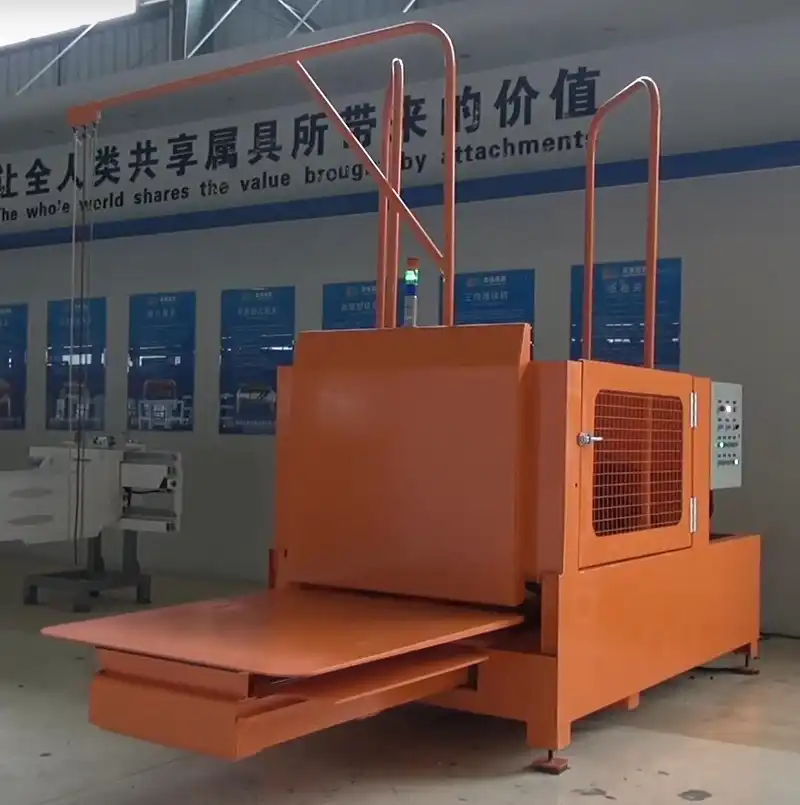
From my own journey building a successful packing machine factory, I learned that trust and reliability are priceless. A good supplier invests in understanding your operations. They do not just push a standard product. They offer insights. They offer support. They help you make the best decision for your unique situation. This is especially true when dealing with the complexities of modern warehousing.
-
🧠 Industry Expertise and Understanding:
- Specialized Knowledge: Does the supplier understand your specific industry? Do they know about handling cigarettes, food, or other sensitive goods? A supplier with industry-specific knowledge can offer better solutions. They anticipate your needs.
- Problem-Solving Approach: Look for a supplier who asks about your pain points. They should listen to your challenges, like labor shortages or safety risks. They should then propose solutions based on their understanding, not just a standard sales pitch.
- Experience with Similar Clients: Ask for case studies or references from clients with similar operational needs. This shows if the supplier has real-world experience solving problems like yours. It builds confidence in their ability.
-
🛠️ Machine Quality and Customization:
- Robust Construction: Inspect the machine’s build quality. Is it made with strong, durable materials? Does it look like it can withstand the demands of your warehouse? This is vital for long-term reliability.
- Safety Features: Check for essential safety features. This includes emergency stops, protective guarding, and clear operating instructions. A good supplier prioritizes the safety of your workers.
- Adaptability and Customization: Can the machine handle different pallet sizes? Can it be adapted to your specific product requirements? Some suppliers offer custom solutions. These solutions fit your exact needs. They do not force you to adapt your operations to a standard machine.
-
🤝 After-Sales Support and Service:
- Responsive Technical Support: What kind of technical support do they offer? Is it available when you need it? Fast support minimizes downtime. It keeps your operations running smoothly.
- Spare Parts Availability: Ask about the availability and cost of spare parts. Can they provide parts quickly? Do they stock common components? Long waits for parts can be very disruptive and costly.
- Training Programs: Does the supplier offer comprehensive training for your staff? Proper training ensures safe and efficient operation. It reduces errors and extends the machine’s life. It also empowers your team.
-
📈 Long-Term Partnership and Reliability:
- Reputation and History: Research the supplier’s reputation. How long have they been in business? What do other customers say about them? A strong track record indicates reliability.
- Warranty and Guarantees: Understand their warranty terms. What do they cover? How long does the warranty last? Clear guarantees show confidence in their product.
- Future Innovation: Does the supplier invest in research and development? Are they thinking about future warehouse automation needs? A forward-thinking partner can help you stay ahead in the long run.
What Specific Features Should You Look for in a Pallet Inverter for High-Volume Operations?
Running a high-volume warehouse, especially for products like cigarettes or fast-moving consumer goods, means every second counts. Your equipment needs to keep up. It needs to be reliable. It needs to make your job easier, not harder. You cannot afford machines that fail or slow things down.
For high-volume operations, you need a pallet inverter that offers high throughput capacity, robust construction for continuous use, and advanced automation features to minimize manual intervention. Key features include adjustable clamping pressure for sensitive goods, compatibility with multiple pallet types (Euro, US, plastic), integrated safety systems, and user-friendly controls for quick setup and efficient operation. These elements directly contribute to reducing labor costs, preventing product damage, and improving overall warehouse efficiency.
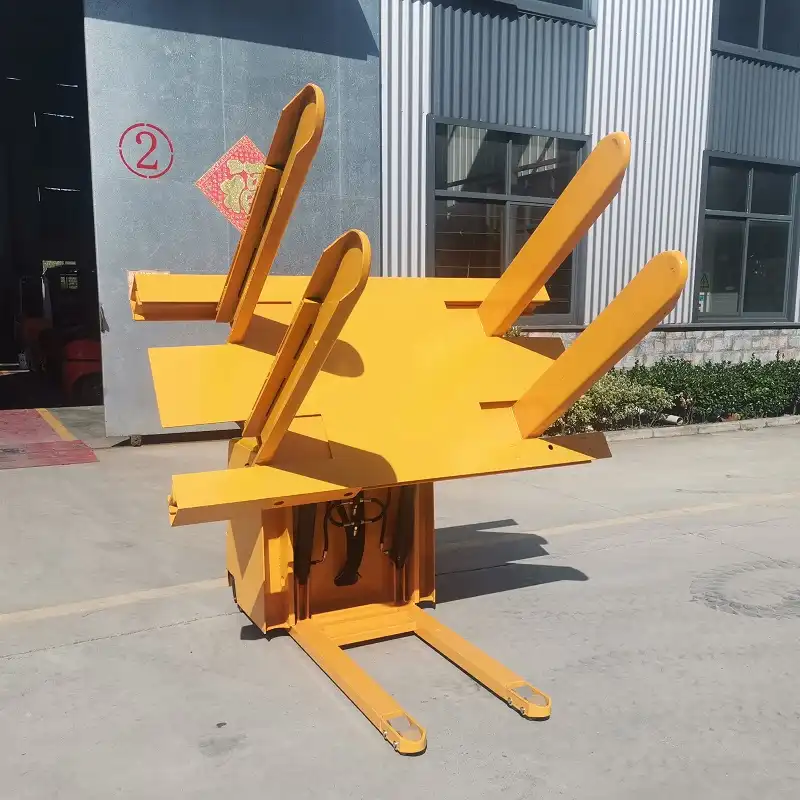
I have seen countless warehouses struggle with outdated or inadequate equipment. They face constant bottlenecks and safety concerns. My goal at FHOPEPACK is to help businesses overcome these challenges. We focus on engineering solutions that truly make a difference. We want to help you achieve financial independence. We want to help you grow, just as I did in my own journey. The right machine features are crucial for this success.
-
⚡ High Throughput and Speed:
- Fast Cycle Times: The machine must perform pallet changes quickly. This is essential for meeting high demand. Every second saved adds up in a high-volume operation. It means you can process more pallets per hour.
- Continuous Operation: Look for machines designed for continuous, heavy-duty use. They should not overheat or break down under constant pressure. This ensures consistent productivity throughout your shifts.
- Integrated Loading/Unloading: The best systems integrate seamlessly with your existing conveyors or forklifts. This minimizes idle time between pallet changes. It keeps your entire material flow moving.
-
📏 Versatility for Multiple Pallet Types:
- Adjustable for Size and Type: The ability to switch between Euro pallets, US pallets, plastic pallets, or even slipsheets is critical for international operations. The machine should adjust easily and quickly.
- Different Load Heights: It should handle a range of product heights and weights. This allows for flexibility in your inventory. You can use one machine for many different product lines.
- Customization for Unique Needs: Some operations have very specific pallet or product requirements. A supplier offering customization can tailor the machine to your exact needs. This ensures a perfect fit for your operation.
-
🔒 Advanced Safety and Product Protection:
- Adjustable Clamping Pressure: For delicate goods like cigarettes, controlled clamping pressure is vital. Too much pressure causes damage. Too little pressure risks drops. The machine should allow fine-tuning.
- Robust Safety Fencing and Sensors: Modern pallet inverters come with safety cages, light curtains, and sensors. These prevent accidents. They stop the machine if a person or object enters the danger zone.
- Smooth Transfer Mechanisms: The transfer process itself must be gentle. Sudden movements or jolts can damage goods. Look for smooth, controlled motion throughout the cycle. This protects your valuable inventory.
-
🤖 Automation and User-Friendliness:
- Automatic Operation Modes: Fully automatic systems reduce the need for constant human supervision. This frees up your staff for other tasks. It also improves consistency.
- Simple Control Interface: The control panel should be intuitive and easy to understand. Operators should be able to learn it quickly. This reduces training time and minimizes human error.
- Diagnostic Capabilities: Look for machines with built-in diagnostics. These systems can identify problems quickly. They help technicians troubleshoot issues faster. This reduces downtime and speeds up repairs.
Conclusion
Choosing the best pallet inverter supplier means looking at more than just the lowest price. It means finding a partner who understands your challenges, offers reliable equipment, and provides excellent support. For demanding operations like cigarette pallet turnover, prioritizing quality, safety, and long-term value is key to true efficiency and cost savings. Investing in the right pallet inverter is an investment in your company’s future success and profitability.








