
How pallet inverter solutions differ in cost vs. benefit for FMCG warehouse exports?
Running a modern warehouse, especially for FMCG exports, means facing constant pressure. You manage huge volumes, strict deadlines, and endless demands for efficiency. Maybe you are like many of my clients, feeling the pinch of rising labor costs, struggling with diverse pallet sizes, and worrying about employee safety. These challenges are real, and they can eat into your profit and reputation.
Pallet inverter solutions offer varying cost-benefit ratios for FMCG warehouse exports, primarily by transforming manual, risky, and inefficient pallet handling into automated, safer, and faster processes. The benefits range from direct labor savings and reduced product damage to improved operational flow, better safety records, and enhanced compliance with international standards, often offsetting the initial investment through long-term operational efficiency and risk mitigation. %[Pallet Changer Heavy Load]( “Pallet Changer Heavy Load for FMCG Exports”)
So, how do you make sense of the options available? How do you pick a solution that truly solves your problems and pays for itself? Let’s break down the real costs and benefits of different pallet inverter solutions in the demanding world of FMCG warehouse exports. I will share insights from my years in the packing machine industry, helping many businesses like yours grow.
Why do FMCG warehouse exports demand specialized pallet solutions?
FMCG. Fast-Moving Consumer Goods. The name itself tells you everything. Speed is key. But when you add “exports” to the mix, things get even more complex. Different countries mean different rules, and often, different pallet types. This creates a huge bottleneck in many warehouses.
FMCG warehouse exports uniquely demand specialized pallet solutions because they combine high-volume throughput with stringent product integrity requirements, diverse international pallet standards, and tight delivery windows. Manual pallet changes introduce inefficiencies, product damage risks, and compliance issues that directly impact profitability and customer satisfaction in a fast-paced environment.
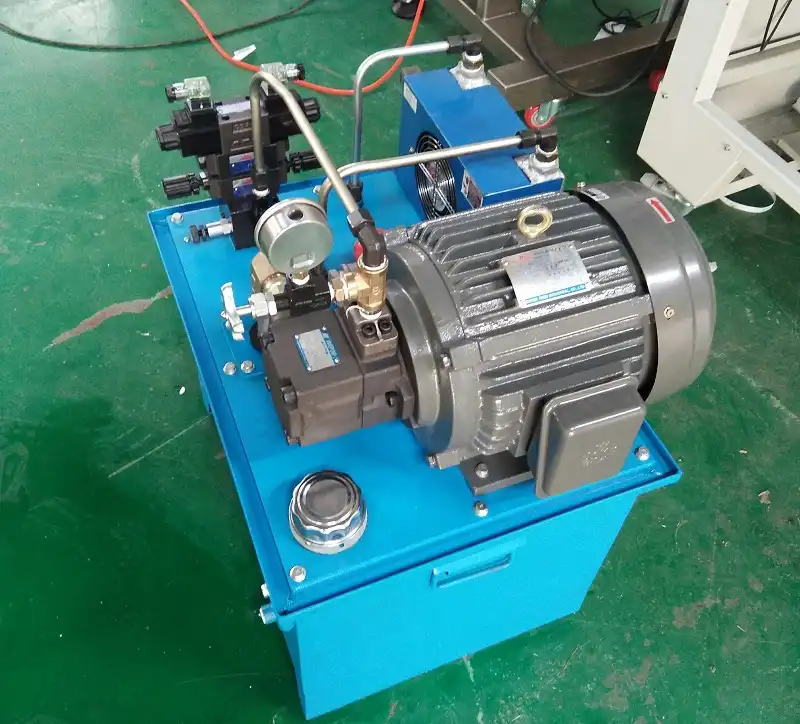
I remember a client, a large food and beverage group in Europe, faced this exact issue. They shipped thousands of pallets every day. Europe uses Euro pallets. The US uses American pallets. Other markets use plastic. Each export order needed a pallet switch. Their warehouse manager, much like Carlos, was tearing his hair out. Manual changing was slow. It caused mistakes. It put their products at risk. This is not just about moving goods. It is about speed, safety, and meeting customer promises. The FMCG sector, with its perishable goods and high rotation, cannot afford delays. Every minute a pallet sits waiting for a change is a minute closer to missing a delivery window. Also, product integrity is vital. You cannot have damaged goods arriving at an international customer. This hurts your brand. It also creates huge financial losses. Specialized pallet solutions, like inverters, directly address these points. They make sure goods move fast. They keep products safe. They handle different pallet types without hassle. This reduces the need for manual labor to lift and transfer heavy loads. It also cuts down on human error. This is a big deal in a warehouse where small mistakes can cost a lot. When I started my packing machine factory, I saw how much efficiency mattered. Getting the right machine made a big difference for my clients. It helped them move more products and keep customers happy. This is why specialized equipment is not a luxury. It is a necessity for any FMCG exporter who wants to stay competitive.
What are the hidden costs of traditional pallet handling in export operations?
Many managers only see the direct labor cost when they look at manual pallet handling. They think, “We pay people, they move pallets.” But I have seen firsthand that the real costs go much deeper. These hidden costs can silently drain your profits and cause serious problems for your business.
The hidden costs of traditional, manual pallet handling in export operations extend far beyond just labor wages, encompassing significant expenses from safety incidents, product damage, operational bottlenecks, contract penalties due to delays, and the long-term impact on employee morale and retention. These indirect costs often outweigh the perceived savings of avoiding automation.
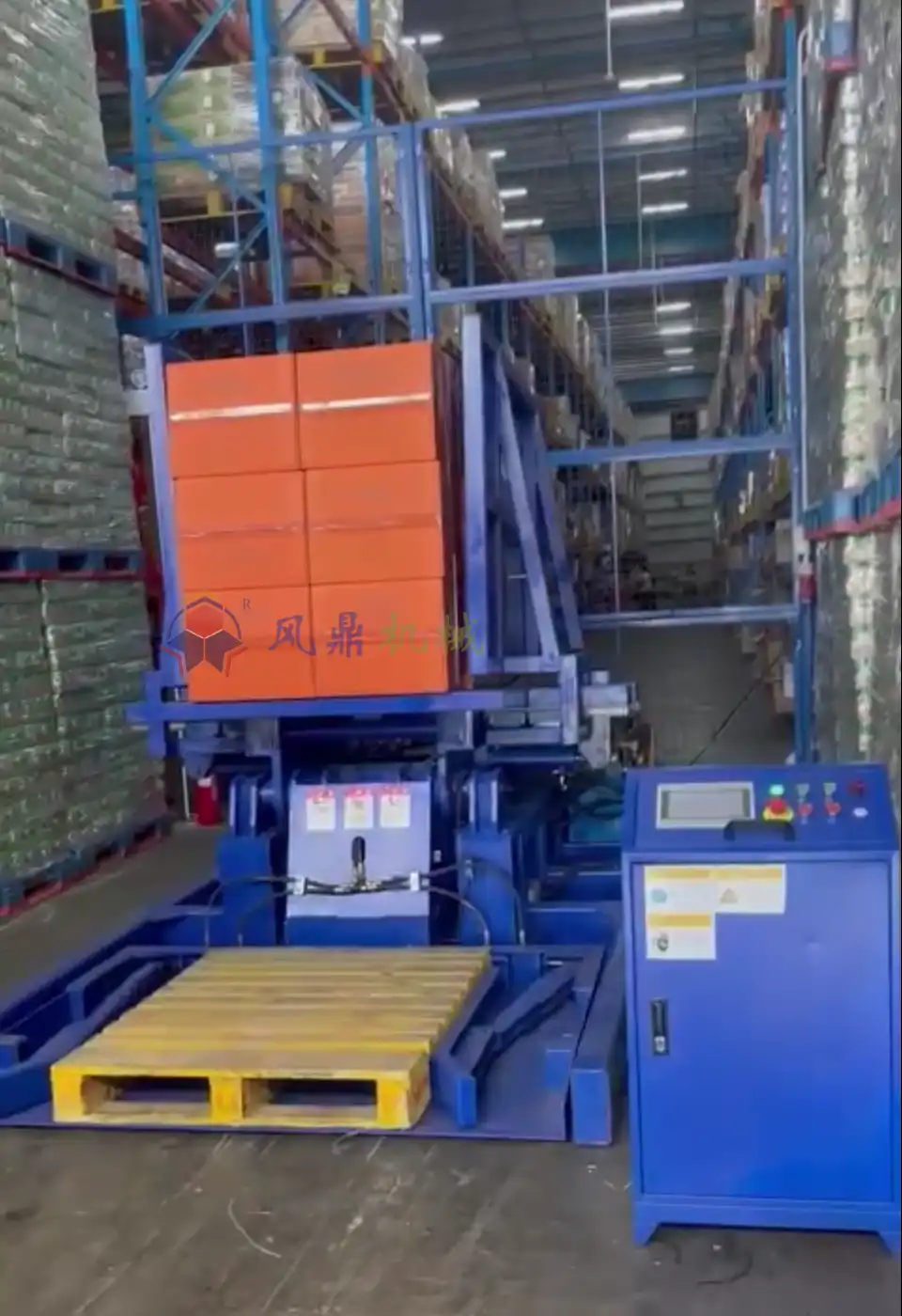
Let’s talk about the real picture.
- Safety Risks and Costs: Manuel handling, especially lifting and flipping heavy pallets, is dangerous. I have seen accidents happen. Someone drops a heavy box. A pallet tips over. Workers get hurt. This means medical bills, lost workdays, and higher insurance premiums. In Spain, like in many European countries, worker safety is a big deal. Companies face serious fines if they do not protect their employees. For Carlos, who manages a large team, this is a major headache. An injured worker means lower morale and trust. It also means the company might need to hire temporary staff. This adds even more to costs.
- Product Damage: When people handle pallets manually, mistakes happen. They might drop a carton. They might stack things wrong. This causes damage to products. For FMCG, even a small dent can make a product unsellable. Think about food items or beverages. Any damage means loss. This directly impacts your bottom line. It also affects your customer’s perception of your product.
- Operational Bottlenecks and Delays: Manual pallet changing is slow. If your warehouse needs to switch thousands of pallets daily, manual methods create a huge bottleneck. This slows down your entire export process. Your goods sit waiting. This delays shipments. In the FMCG world, customers expect fast delivery. Delays can lead to contract penalties. They can also make customers switch to a competitor. I helped a client once who lost a major export contract because of consistent delays at their pallet changing station. They quickly invested in an automated solution after that.
- Labor Turnover and Training: Young workers today do not want heavy, risky warehouse jobs. This means high turnover. You constantly hire and train new people. Training costs money and time. It also means you always have less experienced staff working. This increases the chances of errors and accidents. An automated system makes jobs easier and safer. This helps keep good employees. It also attracts new talent.
- Lack of Standardization: Manual processes are hard to standardize. Each worker might do things a little differently. This leads to inconsistency. It makes it hard to measure efficiency. Automated systems, however, ensure every pallet change happens the same way. This improves quality. It also makes it easier to track and improve processes.
All these add up. What looks like a cheap way to save money on machines turns into a very expensive way to run a business.
How do different pallet inverter solutions stack up in terms of initial investment vs. long-term savings?
You need a pallet solution. But what kind? There are many options. Each has a different price tag. Each also offers different benefits over time. Understanding this cost-benefit relationship is key to making the right choice for your FMCG export operations. It is not just about the sticker price.
Different pallet inverter solutions offer varied initial investment costs but deliver distinct long-term savings and benefits, ranging from basic manual systems with low upfront cost but minimal efficiency gains, to fully automated systems requiring higher capital expenditure yet providing substantial returns through labor reduction, enhanced safety, increased throughput, and improved operational consistency.
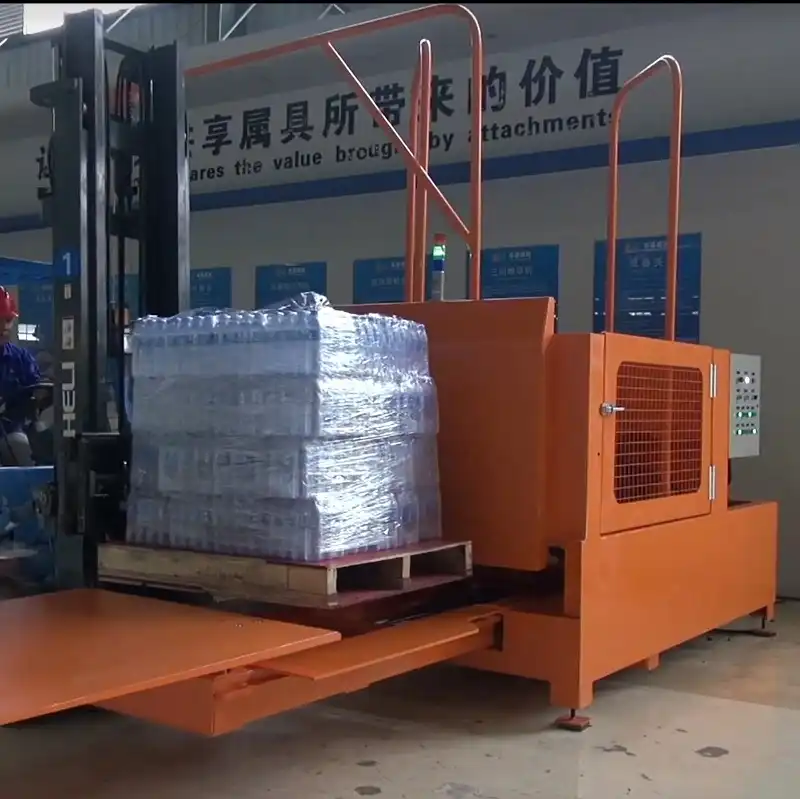
When my clients ask me about pallet inverters, I always tell them to look beyond the initial purchase. Think about the whole lifespan of the machine.
1. Manual Pallet Inverters
- Initial Investment: Low. These are simple machines. They often require an operator to push or pull a lever.
- Long-Term Savings/Benefits: Limited.
- ⬇️ Labor Savings: Almost none. You still need people to operate them.
- ⬆️ Safety Improvement: Some. They are safer than flipping pallets by hand. But still involve manual interaction.
- ↔️ Efficiency: Slight increase over pure manual, but still slow. Not suitable for high volumes.
- ❌ Compliance: Helps a little, but still leaves room for human error.
- Best for: Very low volume operations. Small businesses with few exports.
- My take: For an FMCG export warehouse like Carlos’s, this is likely not a viable option. The volume and speed demands are too high. It would only shift the physical burden, not truly solve the bottleneck.








