
What pricing factors should buyers consider when selecting pallet inverter vendors?
You need a pallet inverter for your warehouse. It is a big investment. Many people only look at the price tag. This narrow focus can lead to costly mistakes. It can cause downtime and safety issues down the line. It is more than just a number.
When selecting pallet inverter vendors, buyers must look beyond the initial purchase price to consider the total cost of ownership. This includes the machine’s upfront cost, its long-term operational expenses like energy and maintenance, the value of robust after-sales service and support, and the overall return on investment from improved safety and efficiency. These factors combine to reveal the true cost and value proposition of a pallet inverter.
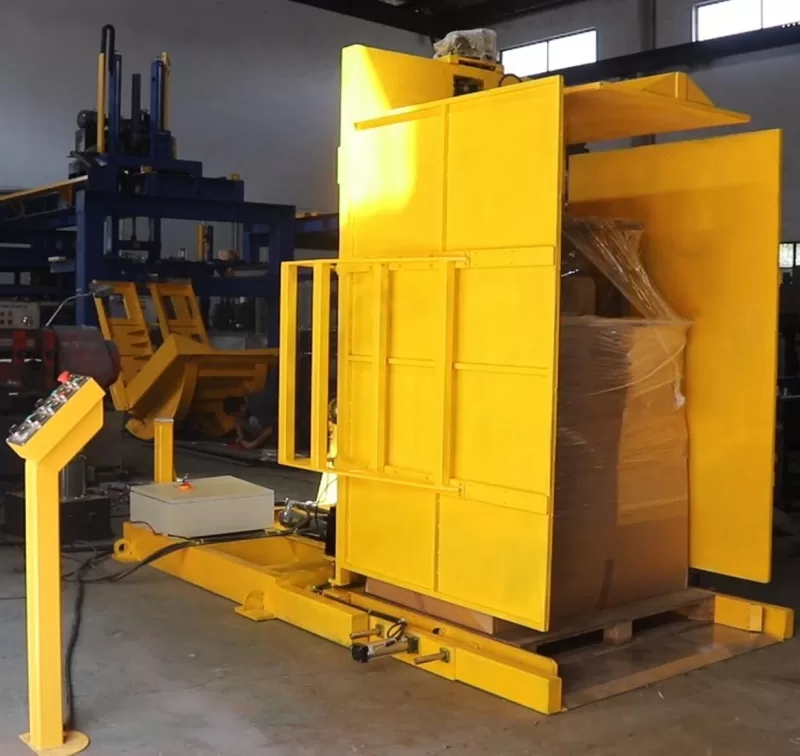
From my years in the packing machine industry, I have seen many companies make choices they later regret. They bought cheap machines. But they paid dearly in the end. Let me share what I learned about truly evaluating a pallet inverter investment. It is about understanding the full picture.
What is the initial purchase price of a pallet inverter?
The first thing everyone sees is the price on the quote. But what does that number actually cover? It is easy to compare two machines side-by-side on price alone. You might think you found a deal. This often misses key differences. We need to break down what influences that upfront cost.
The initial purchase price of a pallet inverter reflects many things, including the machine’s type, its capacity, the level of automation, and any special features. A basic, manual pallet inverter will cost less than a fully automatic system. A fully automatic system is designed for thousands of pallet changes daily. You also pay for the quality of materials and the reputation of the manufacturer.

This is not just about a single number. Think about the variety of pallet inverters available. For example, a simple manual or semi-automatic fixed model for occasional use has a much lower cost. It requires more labor. Then you have mobile pallet changers. These can move around a warehouse to service different loading docks. These offer flexibility. But they cost more due to their complex design and mobility features.
Consider the specific needs of a company like Carlos’s in Spain. He deals with thousands of pallets daily. He needs to switch between Euro pallets and US pallets for exports. This demands a robust, high-throughput machine. A machine that handles diverse pallet sizes and weights will cost more. It needs more adaptable clamping systems or exchange mechanisms. The level of automation plays a huge role. A fully automatic system is integrated into a production line. It demands significant engineering. It includes sensors, controls, and software. This drives the price up. But it also reduces labor needs and increases speed. This directly addresses Carlos’s challenge of labor shortages and customer pressure for faster delivery.
The manufacturer’s brand and country of origin also influence the price. Established brands with a track record often charge more. They usually offer better quality, reliability, and support. Cheaper alternatives might use lower-grade materials or less precise manufacturing. This can lead to frequent breakdowns. I learned this early in my career. Trying to save money upfront on a critical piece of equipment often costs more in repairs and lost production later. The type of materials used in construction, such as stainless steel for food-grade environments, will also add to the cost. This is essential for Carlos’s food and beverage group. These details contribute to the overall sticker price you see first. It is important to know what you are truly paying for.
| Factor | Description | Impact on Price (Generally) |
|---|---|---|
| Machine Type | Manual, Semi-Automatic, Fully Automatic, Mobile, Fixed | Manual < Semi-Auto < Full-Auto |
| Capacity | Weight load, Pallet dimensions (e.g., Euro, US), Throughput | Higher capacity = Higher price |
| Features | Hydraulic/Electric, Side-clamping, Top/Bottom press, Special handling | More features = Higher price |
| Material Quality | Standard steel, Stainless steel (food grade), Components quality | Higher quality = Higher price |
| Brand/Origin | Established brands, European/American vs. other regions | Renowned brands = Higher price |
What are the long-term operational costs of owning a pallet inverter?
The initial purchase price is just the entry ticket. The real financial burden or benefit comes from daily operation. Many overlook the ongoing costs. They focus on the capital expenditure and forget the operational expenses. This can quickly erode any perceived initial savings. We need to understand the hidden costs and savings over the machine’s lifespan.
Long-term operational costs include energy consumption, maintenance, spare parts, and the potential for labor savings. A machine that runs efficiently uses less power. A reliable machine requires less frequent and less expensive maintenance. These factors directly affect your bottom line, especially over many years of operation.
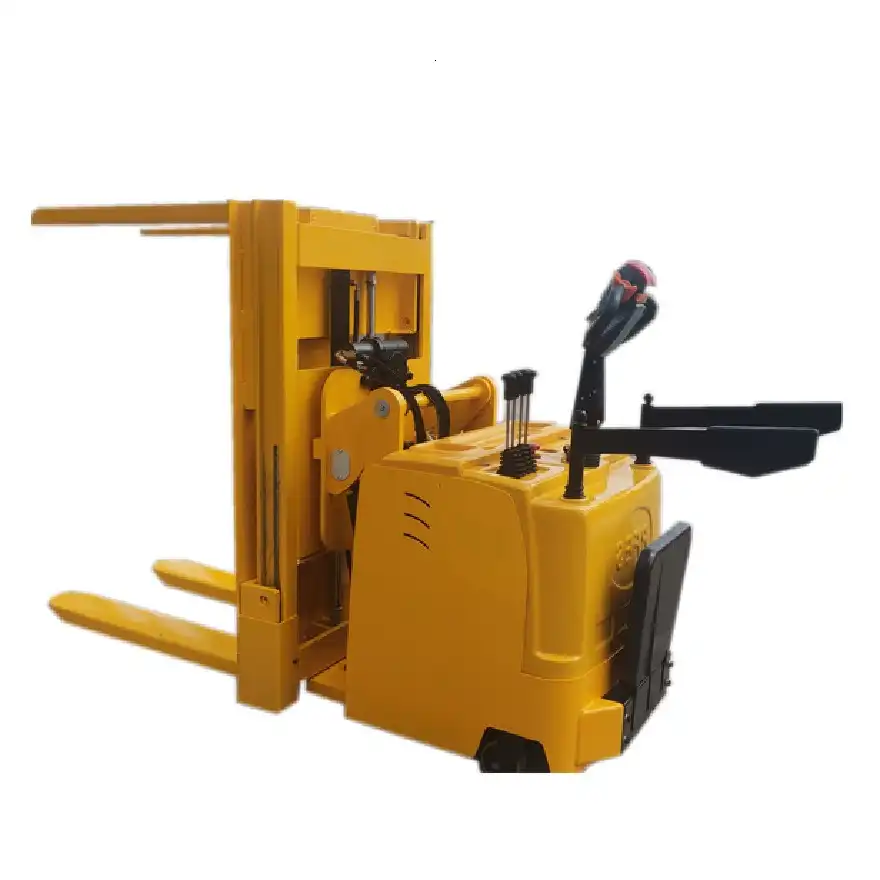
Energy consumption is a significant factor. Hydraulic systems, while powerful, can sometimes use more energy than electric alternatives. It depends on their design and efficiency. For a warehouse like Carlos’s, running thousands of cycles per day, even small differences in energy use add up. A machine optimized for energy efficiency will lead to lower utility bills. This directly contributes to reducing overall operating costs, one of Carlos’s key goals.
Maintenance and spare parts are also critical. A well-built pallet inverter from a reputable vendor will require less frequent and less costly maintenance. Cheap parts or poor design lead to breakdowns. Each breakdown means lost production time. It also means expensive emergency repairs. I have seen factories paralyzed because a crucial part failed, and replacements were hard to find. This means considering the availability and cost of spare parts from the vendor. Are they readily available in Spain or Europe? What is the lead time for critical components? These questions matter a lot.
Then there is the labor component. Introducing an automatic or semi-automatic pallet changer significantly reduces the need for manual labor. Carlos is facing labor shortages and rising costs. Automating pallet changes frees up his staff for other, more skilled tasks. It also eliminates the high-intensity, physically demanding work of manual pallet flipping. This directly addresses his challenge of finding workers for strenuous tasks. The reduction in labor hours translates into substantial savings over time. It makes the investment in automation very attractive.
Consider also the cost of potential downtime. If a pallet inverter breaks down, it can halt the entire dispatch process. This causes delays, customer dissatisfaction, and even contractual penalties. Carlos understands this well. He knows that inefficient or faulty pallet switching can lead to significant financial losses. A reliable machine with low maintenance needs therefore offers tremendous value beyond its initial price. It ensures continuous operation. This helps meet strict delivery schedules. These operational efficiencies and avoided costs are a crucial part of the long-term value equation.
- ⚡️ Energy Use: Look for efficient motors and hydraulic systems. Higher efficiency means lower electricity bills.
- 🛠️ Maintenance: A robust design reduces breakdowns. Check warranty terms and recommended service intervals.
- ⚙️ Spare Parts: Availability and cost of replacement parts. Are they standard or proprietary?
- 👨🏭 Labor Savings: Quantify how many hours of manual work are replaced by automation. This is often the biggest saving.
- 📉 Downtime Costs: Calculate the cost of lost production or fines due to machine failure. A reliable machine minimizes this risk.
How much does after-sales service and support really cost?
You bought the machine. What happens when something goes wrong, or you need help? Many buyers neglect to factor in post-purchase support. A low initial price with poor service can quickly turn into a nightmare of lost production and frustration. True partners offer comprehensive support. We need to evaluate its true value, not just its price.
After-sales service and support represent a critical pricing factor, encompassing installation, training, warranty, technical assistance, and spare parts availability. A vendor offering robust local support and quick response times provides immense value. This helps minimize downtime and ensures your operations run smoothly, especially in regions like Europe where rapid service is expected.
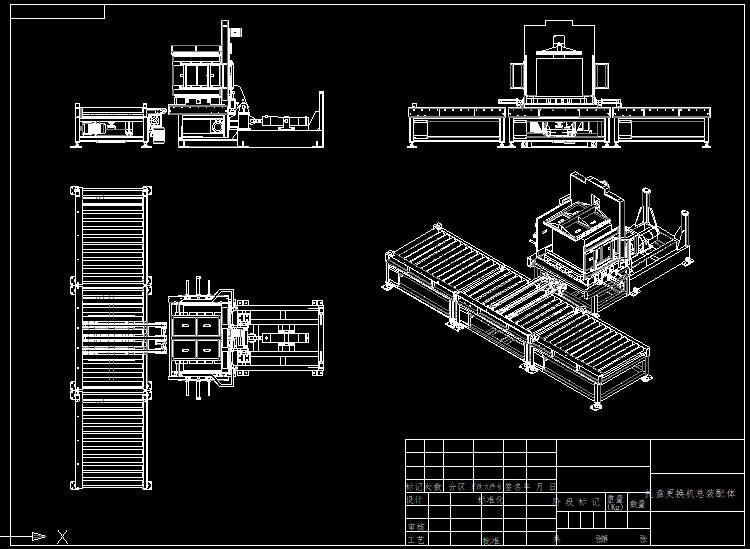
Installation and training are often separate costs. A complex, fully automatic system requires professional installation. It needs proper integration into your existing warehouse management system. The vendor should provide thorough training for your operators and maintenance staff. This ensures they can use the machine safely and efficiently. It also empowers them to perform basic troubleshooting. Poor training can lead to operational errors, accidents, or underutilization of the machine’s capabilities. This is a false economy. Carlos needs his team to be confident and skilled.
Warranty terms are important. What does the warranty cover? How long does it last? A comprehensive warranty signals the vendor’s confidence in their product. It also protects your investment. Beyond the warranty, consider the availability of technical support. Is there a dedicated hotline? Do they offer remote diagnostics? How quickly can a service technician be on-site in Spain if needed? This is critical for minimizing downtime.
Spare parts availability and logistics are also part of this. A vendor with a well-stocked parts warehouse in Europe, or a fast global shipping network, can significantly reduce repair times. My own experience showed me that even the best machine needs parts eventually. If those parts take weeks to arrive, your operation suffers greatly. This can be more costly than the part itself. Carlos seeks a long-term partner, not just a seller. This means a company that stands by its products with reliable and accessible support.
The cost of poor support is not just monetary. It also includes frustration, missed deadlines, and damaged customer relationships. For a multinational group dealing with thousands of pallets and strict export schedules, reliable support is non-negotiable. It ensures compliance and customer satisfaction. These are critical goals for Carlos. A vendor that charges a bit more for excellent service is often a better investment in the long run. They provide peace of mind and operational continuity.
| Support Element | Description | Why it Matters for Pricing |
|---|---|---|
| Installation | Professional setup and integration of the machine | Ensures proper function, often a separate fee |
| Training | Instruction for operators and maintenance staff | Prevents errors, enhances safety, can be included or extra |
| Warranty | Coverage for defects and breakdowns for a period | Protects investment, check terms and length |
| Technical Support | Phone, email, remote diagnostics, on-site visits | Reduces downtime, speed of response is key |
| Spare Parts | Availability, lead time, and cost of replacement components | Critical for long-term operability and repair speed |
What is the true value and ROI of a pallet inverter for your warehouse?
How do you truly measure the worth of a pallet inverter beyond just the numbers on the invoice? Many procurement decisions stop at “lowest cost wins.” This mindset often misses the bigger picture of long-term gains and risk mitigation. We need to look at the holistic return on investment. This includes operational improvements, safety, and compliance.
The true value and return on investment (ROI) of a pallet inverter extend far beyond its purchase price, encompassing significant improvements in safety, operational efficiency, and compliance. By reducing manual handling, preventing accidents, speeding up pallet changes, and ensuring adherence to diverse pallet standards, a quality pallet inverter delivers measurable and immeasurable long-term benefits that justify the investment.

Safety improvement is a huge part of the ROI. Manual pallet flipping or changing is risky. It can lead to severe injuries, especially with heavy loads. Carlos has already experienced accidents in his warehouse. These accidents come with direct costs like medical expenses, worker compensation, and increased insurance premiums. They also have indirect costs like lost productivity, low morale, and legal issues. A mechanical pallet changer eliminates these risks. It safeguards your employees. This creates a safer work environment. This benefit alone can justify a significant investment for any responsible company.
Operational efficiency gains are equally important. Think about the thousands of pallets Carlos’s warehouse handles daily. If manual changes take several minutes per pallet, an automatic system that completes a swap in seconds saves countless hours. This directly speeds up the dispatch process. It helps meet tighter delivery schedules from e-commerce and retail customers. Faster throughput means you can handle more volume with the same or fewer resources. This boosts overall warehouse productivity. It makes the logistics operation more agile and responsive.
Compliance and customer satisfaction are also critical. For international exports from Europe, switching between Euro pallets and US pallets is not just a preference. It is a strict requirement for customs and shipping regulations. An efficient pallet inverter ensures these changes are quick and accurate. It avoids delays, fines, and rejected shipments. Carlos’s goal is to guarantee compliance and client happiness. A reliable pallet changer directly supports this. It helps prevent customer complaints and potential loss of business due to shipping errors or delays.
The durability and reliability of the machine itself contribute to ROI. A pallet inverter that lasts for many years with minimal breakdowns offers a better return than a cheaper one needing frequent repairs and replacement. My experience shows that investing in robust engineering and quality components pays off in the long run. It ensures consistent performance. It reduces the total cost of ownership over the equipment’s lifespan. This aligns perfectly with Carlos’s desire for equipment that can handle high-intensity warehouse environments and run stably for a long time. The ROI is not just about money saved, but also about risks avoided and opportunities gained.
- 🛡️ Safety Savings: Calculate reduction in accident costs (medical, compensation, insurance).
- ⏱️ Efficiency Gains: Quantify time saved per pallet change, increased throughput, faster dispatch.
- 💲 Labor Cost Reduction: Estimate savings from fewer manual hours, reallocation of staff.
- ✅ Compliance Avoidance Costs: Prevent fines, rejected shipments, and customer penalties.
- 📈 Productivity Increase: Overall capacity increase and faster order fulfillment.
- 🤝 Reputation/Customer Loyalty: Improved service leads to stronger client relationships.
Conclusion
Choosing a pallet inverter is more than just buying a machine. It means investing in your operation’s future. Consider the full spectrum of costs: initial price, long-term operations, robust support, and the immense ROI from enhanced safety and efficiency. This holistic view ensures you pick a true partner, not just a vendor.








