
Which Pallet Inverter Supplier Offers Better ROI for EV Battery Factories?
Have you ever thought about the hidden costs in your EV battery factory’s material handling? You might be moving thousands of pallets every day. This process can be slow, risky, and expensive if not done right. You want smooth operations, but manual pallet handling often brings delays and safety issues. This is especially true when dealing with diverse pallet types in a high-tech industry like EV battery production.
For EV battery factories, the best pallet inverter supplier offers a solution that boosts safety, cuts labor costs, improves efficiency, and minimizes product damage. This supplier provides machines built for the demanding environment of battery production, ensuring high uptime and strong after-sales support. Their focus is on long-term value, not just the upfront cost.
I have seen many factories struggle with these challenges. From my own journey, building FHOPEPACK and working in the packing machine industry for years, I understand what it takes to make operations truly efficient. Choosing the right partner for a pallet inverter can change your entire logistics flow. It is about finding a supplier who understands your specific needs, not just selling you a machine. Let us explore what makes a real difference.
Why Do EV Battery Factories Need Pallet Inverters in the First Place?
Are you wondering if a pallet inverter is truly necessary for your EV battery production? You might think your current methods are good enough. But consider the unique demands of handling sensitive battery components or finished products. Relying on manual labor or makeshift solutions can lead to serious problems. These problems include product damage, safety risks, and slow operations.
EV battery factories need pallet inverters primarily for safety, efficiency, and compliance. They help switch between different pallet types (e.g., wooden shipping pallets to clean plastic pallets for internal use). This prevents contamination, protects sensitive components, and streamlines international shipping by matching local pallet standards.
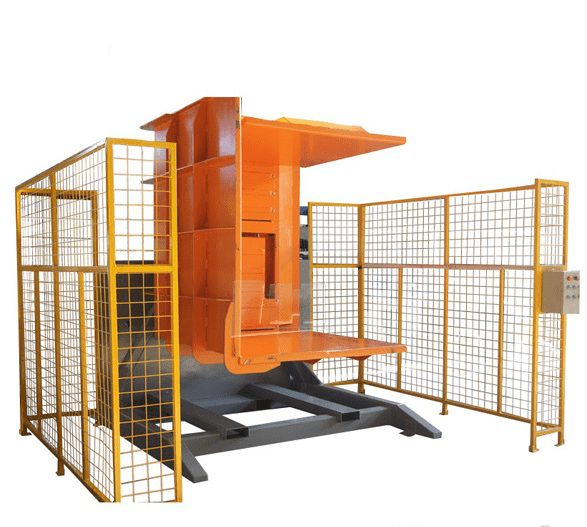
The EV battery industry is all about precision and high standards. Every step in the manufacturing process needs to be controlled. This includes how raw materials come in and how finished products go out. Pallet inverters play a key role in maintaining these standards. Here is why they are so important:
-
Ensuring Cleanliness and Preventing Contamination:
- Battery components are very sensitive. Dust, dirt, or foreign objects can ruin them.
- Many factories use wooden pallets for inbound shipping. These pallets can be dirty. They can shed splinters or dust.
- Inside the factory, especially in cleanroom areas, you need clean, often plastic, pallets.
- Pallet inverters allow you to easily transfer materials from dirty external pallets to clean internal pallets. This happens without touching the product itself.
- This protects the integrity of your battery cells and modules. It reduces the risk of costly defects.
-
Handling Diverse Pallet Specifications for Global Logistics:
- EV battery factories often deal with materials from around the world. They also ship products globally.
- Different countries use different pallet sizes and types. Think about Euro pallets, US pallets, or specific plastic types.
- Manually switching between these pallets is slow and risky. It takes many people. It can damage goods.
- Pallet inverters automate this switch. They ensure smooth transitions between various pallet standards.
- This speeds up loading and unloading. It helps avoid delays at customs or distribution centers. It also makes sure your shipments meet all local regulations. This is vital for on-time delivery.
-
Enhancing Workplace Safety and Reducing Manual Labor:
- EV battery materials can be heavy and bulky. Some might even be hazardous.
- Manually flipping or exchanging pallets is dangerous. It can lead to back injuries, crushed limbs, or falling loads.
- I have heard many stories of accidents in warehouses. People get hurt trying to handle heavy items.
- A pallet inverter removes the need for manual lifting and turning. It does the heavy work safely.
- This protects your workers. It reduces the risk of accidents. This also lowers your insurance costs and worker compensation claims.
- By automating this task, you free up your team for more skilled jobs. It also addresses the ongoing challenge of labor shortages in warehousing.
-
Optimizing Space and Streamlining Inventory Management:
- Pallet inverters can also help with damaged goods or rejected pallets.
- They allow easy access to the bottom of a load. You can quickly inspect or re-palletize.
- This helps maintain accurate inventory. It minimizes waste.
- Some inverters can stack empty pallets efficiently. This saves valuable floor space in a busy factory.
- They improve the overall flow of materials. This makes your warehouse more organized and productive.
These are critical points for any EV battery factory looking to optimize its operations. Without the right tools, you are leaving money on the table and putting your team at risk.
What Key Features Make a Pallet Inverter “Good” for EV Battery Operations?
You might see many different pallet inverters on the market. How do you know which one is right for an EV battery factory? It is easy to get lost in specifications. But for sensitive and heavy-duty operations like yours, certain features are non-negotiable. Choosing the wrong machine can lead to breakdowns, product damage, and even safety hazards.
A good pallet inverter for EV battery operations must be robust, precise, and safe. Key features include heavy-duty construction for large loads, gentle clamping mechanisms to protect sensitive components, and high reliability for continuous operation. It also needs advanced safety sensors and the ability to integrate with existing automated systems.

When I founded FHOPEPACK, my goal was always to deliver reliable machines that solve real-world problems. For EV battery factories, the stakes are very high. Here is what I believe are the most important features to look for:
-
Robust Construction and High Load Capacity:
- EV battery cells, modules, and finished packs are heavy. The pallets carrying them are also heavy.
- Your pallet inverter must handle these weights without strain. It needs to be built from strong, durable materials.
- Look for machines with a solid frame and high-quality hydraulics or mechanics.
- A weak machine will break down often. This causes costly downtime.
- The inverter must be designed for continuous, heavy-duty use. It should withstand the demands of a busy factory floor.
-
Gentle and Secure Clamping Mechanism:
- Battery components are often fragile. They need careful handling.
- The pallet inverter’s clamping system must hold the load securely without crushing or damaging it.
- Look for adjustable clamping pressure. This allows you to set it just right for different loads.
- Padded or non-marking contact surfaces are a big plus. They protect the product and its packaging.
- This feature is crucial for preventing expensive product rejects. It also maintains the quality of your finished batteries.
-
High Level of Automation and Integration Capability:
- Modern EV battery factories are highly automated. Your pallet inverter should fit right in.
- Look for models that can operate fully automatically. They should integrate with your conveyor systems or robotic handlers.
- This reduces the need for human intervention. It speeds up the pallet exchange process.
- Good integration means a smoother workflow. It prevents bottlenecks in your material flow.
- A supplier should be able to help you connect the inverter to your existing PLC or WMS.
-
Advanced Safety Features and Ergonomics:
- Safety is paramount in any factory, especially with heavy machinery.
- The inverter should have multiple safety features. These include light curtains, emergency stop buttons, and robust guarding.
- It should prevent accidental operation. It should protect operators from moving parts.
- I always prioritize safety in our designs. Accidents can be devastating for workers and costly for businesses.
- Beyond machine safety, good ergonomics mean less strain for operators. Even in automated systems, some interaction is needed.
- Look for clear controls and easy-to-understand interfaces.
-
Cleanliness and Maintenance Considerations:
- Some EV battery production areas require strict cleanliness.
- Consider machines made from easy-to-clean materials. Stainless steel options can be important.
- The design should minimize dust traps. It should be easy to access for cleaning.
- Low maintenance is also key. Machines should be designed for quick servicing. This keeps downtime to a minimum.
- Easy access to lubrication points and components reduces maintenance effort and cost.
Choosing a pallet inverter with these features ensures it will perform reliably and safely. It also ensures it supports the high standards of EV battery manufacturing.
How Can a Supplier Prove Their Pallet Inverter Offers Superior ROI for EV Battery Factories?
You are looking to invest in a pallet inverter. But how do you know you are getting the best return on your investment (ROI)? Many suppliers will tell you their machines are great. However, for an EV battery factory, “great” means quantifiable benefits. It means more than just a low price. You need hard evidence that this investment will save you money and improve your operations over time.
A supplier proves superior ROI for EV battery factories by providing clear data on cost savings, efficiency gains, and improved safety. They offer transparent total cost of ownership (TCO) analyses, showcase case studies from similar industries, and guarantee robust after-sales support to maximize machine uptime and longevity.

My experience has taught me that true value comes from solving problems comprehensively. It is about understanding the customer’s business inside and out. Here is how a supplier can truly demonstrate ROI:
-
Quantifiable Cost Savings:
- Reduced Labor Costs: A good supplier will show you how many fewer operators you need for pallet handling. They can calculate the hourly wage savings.
- Example: Replacing 3 manual laborers per shift with one automated system can save hundreds of thousands per year.
- Minimized Product Damage: They should highlight how their gentle handling prevents expensive battery component damage.
- Example: If 1% of your high-value components are damaged during manual handling, an inverter preventing this saves a large sum.
- Lower Insurance Premiums: Fewer workplace accidents mean lower insurance costs. The supplier can explain this benefit.
- Example: Fewer reported injuries can lead to significant reductions in worker’s compensation and liability insurance.
- Energy Efficiency: Modern machines use less power. The supplier should provide energy consumption data.
- Example: Comparing their machine’s power usage to older models or manual processes can show annual energy savings.
- Reduced Labor Costs: A good supplier will show you how many fewer operators you need for pallet handling. They can calculate the hourly wage savings.
-
Demonstrable Efficiency Gains:
- Faster Cycle Times: The supplier should provide data on how quickly their inverter can perform a pallet exchange.
- Example: Reducing exchange time from 5 minutes manually to 30 seconds automatically adds up over thousands of pallets daily.
- Increased Throughput: Faster cycles lead to more pallets processed per hour or day. This improves your overall output.
- Example: Processing 100 extra pallets per shift can unlock significant production capacity.
- Reduced Bottlenecks: They should explain how the inverter smooths out material flow, especially at critical points like receiving or shipping.
- Example: Eliminating delays at the loading dock ensures your production line never runs out of materials.
- Faster Cycle Times: The supplier should provide data on how quickly their inverter can perform a pallet exchange.
-
Comprehensive Total Cost of Ownership (TCO) Analysis:
- A good supplier looks beyond the purchase price. They consider the full lifecycle cost.
- This includes the initial investment, installation, energy consumption, maintenance, spare parts, and expected lifespan.
- They should provide a transparent breakdown of these costs. This helps you compare options accurately.
- A cheap machine might have high maintenance costs or a short lifespan. This makes its TCO very high.
- A robust machine with a higher upfront cost might have a much lower TCO due to reliability and long life.
-
Case Studies and References:
- The best proof comes from other satisfied customers.
- Ask for case studies, especially from companies in the EV battery or similar high-value manufacturing sectors.
- These studies should detail the challenges faced, the solution provided, and the measurable results achieved.
- Talk to their references. Ask about reliability, support, and the actual ROI they experienced.
- This gives you confidence that the supplier understands your industry’s specific needs.
By demanding this level of detail, you can make an informed decision. You ensure your investment in a pallet inverter truly benefits your EV battery factory’s bottom line.
Beyond the Machine: What Defines a Long-Term Pallet Inverter Partner for EV Battery Factories?
You have done your research on pallet inverter features and ROI. But buying a machine is just the start. For an EV battery factory, you are not just looking for a vendor. You need a partner. Someone who will be there long after the sale. Without this kind of support, even the best machine can become a liability when issues arise.
A long-term pallet inverter partner for EV battery factories goes beyond simply selling a machine. They offer continuous technical support, readily available spare parts, expert installation and training, and the ability to customize solutions. They understand the unique and evolving needs of the EV industry and stand behind their products for years to come.
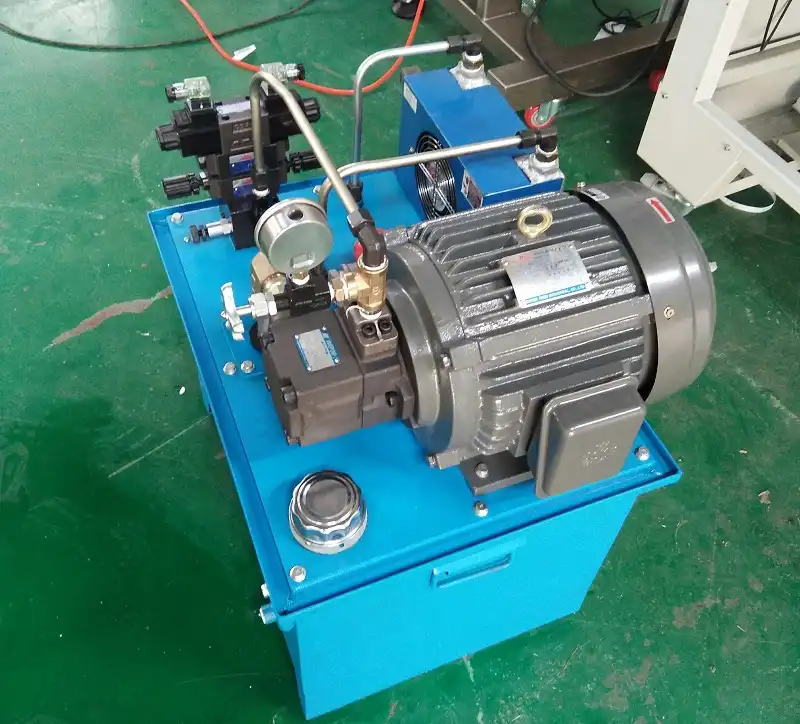
My journey in this industry, from a factory employee to building FHOPEPACK, has shown me the power of strong partnerships. Clients who succeed often have reliable suppliers who truly understand their business. Here are the qualities that define a true partner:
-
Exceptional After-Sales Service and Technical Support:
- Machines need maintenance. They can sometimes break down.
- A good partner offers quick and knowledgeable technical support. This means phone support, online diagnostics, and on-site visits when needed.
- Look for clear service level agreements (SLAs). How fast do they respond? What is their repair turnaround time?
- Downtime in an EV battery factory is very expensive. A responsive partner minimizes this cost.
- They should have engineers who understand complex industrial automation, not just basic mechanics.
-
Availability of Spare Parts and Consumables:
- No machine runs forever without needing replacement parts.
- A reliable partner maintains a robust inventory of spare parts. These parts should be readily available.
- Delays in getting a crucial part can stop your entire production line.
- They should also provide a clear recommended spare parts list. This helps you keep critical items on hand.
- This ensures your pallet inverter has a long and productive life. It prevents unexpected disruptions.
-
Expert Installation, Commissioning, and Training:
- Proper installation is vital for machine performance and safety.
- A true partner provides skilled technicians for installation and commissioning. They ensure everything is set up correctly.
- They also offer thorough training for your operators and maintenance staff.
- Your team needs to know how to use the machine safely and efficiently. They need to understand basic troubleshooting.
- This empowers your team. It makes sure you get the most out of your investment from day one.
-
Customization and Adaptability to Evolving Needs:
- The EV battery industry is changing fast. Your needs today might be different tomorrow.
- A good partner can offer customized solutions. They can adapt their standard models to your specific requirements.
- Perhaps you need a unique load size, a specific material, or integration with a new system.
- They should be willing to work with you on these unique challenges. They should not just offer off-the-shelf solutions.
- This shows they are invested in your long-term success, not just making a quick sale.
-
Industry Expertise and Proactive Consulting:
- A true partner understands the EV battery industry. They know its challenges and future trends.
- They can offer advice on optimizing your material flow. They can suggest ways to improve efficiency.
- They are not just reactive. They are proactive in helping you plan for the future.
- This kind of expertise adds immense value beyond the machine itself. It helps you stay competitive.
Choosing a supplier with these qualities means you are investing in a relationship. This relationship will support your EV battery factory’s growth and efficiency for many years.
My Insight!!!!!!!!!!!!
From my own years in this industry, what truly sets a supplier apart for an EV battery factory is their dedication to understanding the unique pressures and precision required. It is not enough to build a good machine; you must build trust. When I started FHOPEPACK, I knew that reliability and support were just as important as the engineering itself. I have seen firsthand how a well-chosen machine, backed by a committed partner, can transform a factory’s output and safety. Conversely, a poor choice can lead to endless headaches and financial drain. Always look for a supplier who sees your success as their own. They should offer solutions, not just products, and be willing to walk with you through every challenge. This is how I built FHOPEPACK, and it is the philosophy I believe delivers the best ROI.
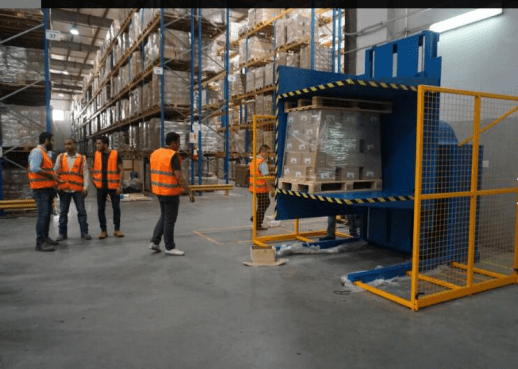
Conclusion
Selecting the right pallet inverter supplier is crucial for EV battery factories. Focus on quantifiable ROI through efficiency, safety, and reduced costs, supported by robust features and a long-term partnership. Choose a supplier committed to your success beyond the sale.








