
Can a Steel Coil Packing Line Improve Efficiency for Polish Metal Plants?
Steel production is a demanding business. Packing steel coils efficiently and safely is a huge challenge. Many plants, including those in Poland, face constant pressure. They need to get hundreds of tons out the door every day. Inconsistent packaging or slow processes hurt profits. They lead to customer complaints. They even cause fines. Think about the stress of manual labor. Think about inconsistent quality. Think about losing skilled workers. These are daily struggles. They directly impact your bottom line. They threaten your reputation. But what if there was a better way? What if you could turn this bottleneck into a smooth, automatic process?
Yes, a steel coil packing line can significantly improve efficiency for Polish metal plants. These automated systems address critical challenges such as labor shortages, inconsistent packaging quality, and high operational costs. By integrating processes like turning, wrapping, strapping, and labeling, they ensure faster throughput, enhanced product protection, and a safer working environment. This leads to reduced errors, fewer customer complaints, and a strong competitive edge in the global market.
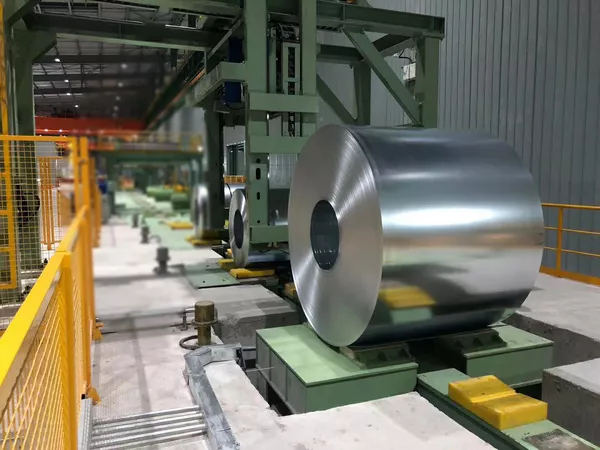
My journey in the packing machine industry taught me one thing. The right solution changes everything. I started as an employee. Then I built FHOPEPACK. I saw firsthand the difference good packing solutions make. This is true for any steel plant. It is true whether it is in Russia or Poland. Let’s look closer at how this technology works. We will see how it meets the needs of modern production.
Why do Polish Metal Plants Struggle with Current Coil Packing Methods?
Imagine a busy steel mill floor. Workers are lifting heavy coils. They are manually strapping them. They are wrapping them one by one. This scene is common in many places. It is also common in Poland. This manual work is hard. It is also slow. It risks injury. This old way of doing things creates many problems. It means slow output. It means packaging quality varies. It causes higher labor costs. It makes it hard to meet tight deadlines. It also makes it tough to satisfy strict export rules. We need to understand these challenges first. Then we can find the best path to real efficiency.
Polish metal plants often struggle with current coil packing methods due to several key factors. These include a reliance on manual labor, which is prone to inconsistencies and high turnover rates for physically demanding tasks. Other issues are the diverse requirements for different steel products, aging equipment, and the increasing demand for high-quality, certified packaging for export markets. These combined problems create bottlenecks. They also drive up operational costs.
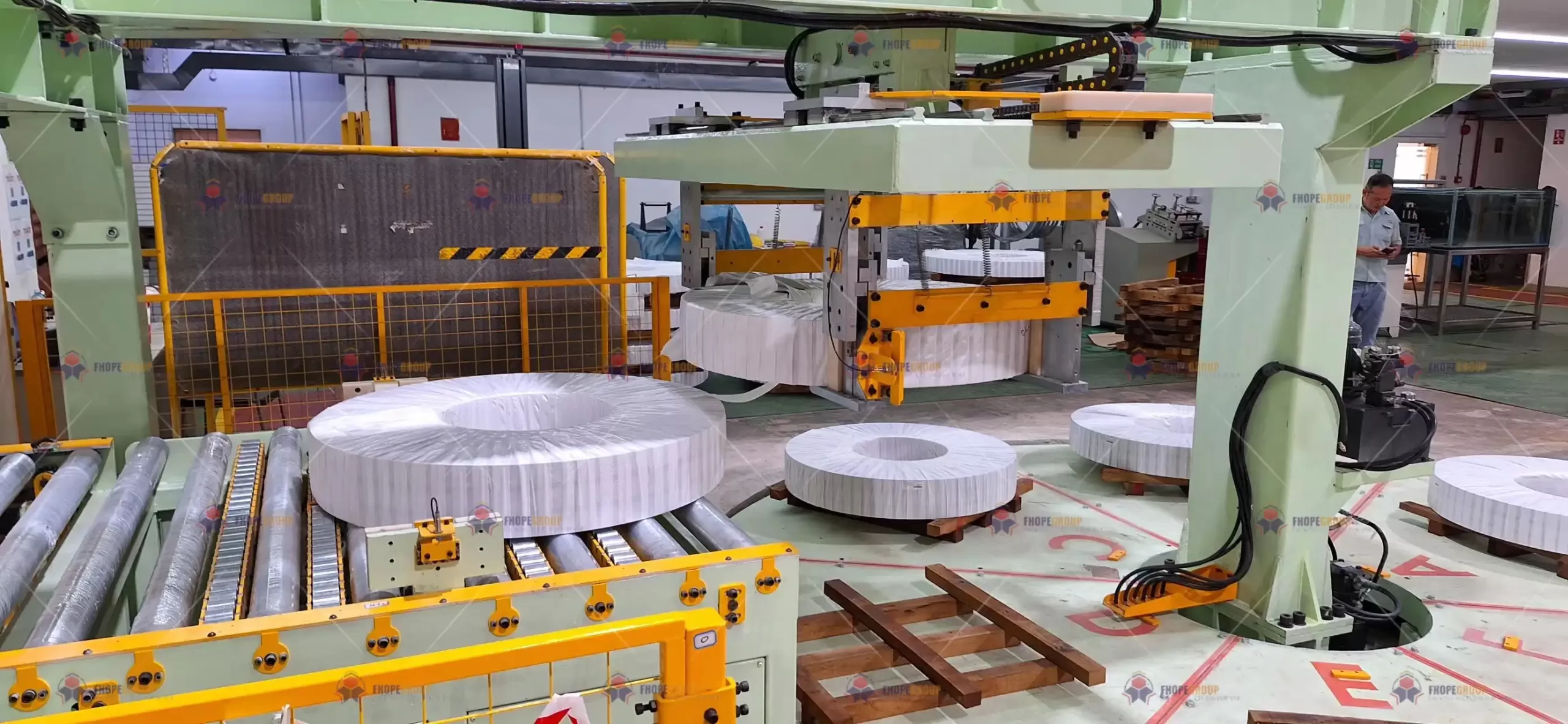
My experience has shown me these struggles are universal. For example, Ivan, a production director in Russia, faces many of these same issues. He handles hundreds of tons of steel coils daily. He knows how crucial packing is. When I first started in this industry, I saw many factories making similar mistakes. They overlooked the packing stage. They saw it as just an end process. This is a big mistake. The packing stage is vital. It affects everything. It impacts delivery times. It impacts customer satisfaction. It impacts overall costs.
Let’s break down the core challenges that plants face:
- Product Diversity and Manual Switching:
- Steel plants make many types of coils. They produce cold-rolled coils. They produce galvanized coils. They produce color-coated coils. Each type needs special packing. For example, some need PET straps. Others need steel straps. Some need special anti-rust wrap. Manually changing these settings takes a lot of time. It often leads to errors. Workers must stop the line. They must reconfigure machines. This breaks the flow of work. It slows down production. This process reduces output. It adds to labor costs. It also causes delays.
- Labor Shortages and High Turnover:
- Packing steel coils is hard work. It is physically demanding. It involves heavy lifting. It requires repetitive motions. Because of this, many young workers do not want these jobs. They look for easier work. This creates a big problem. Plants struggle to find enough skilled workers. They face high turnover rates. This means constant training. It means new workers are less efficient. This impacts the quality of packing. It also raises safety concerns. This problem is getting worse. Many regions in Europe, including Poland, face an aging workforce.
- Inconsistent Packaging Quality:
- When workers do things by hand, quality often varies. One worker might apply tension differently. Another might not secure straps tightly. This leads to problems. Wraps can be uneven. Straps can loosen during transport. This damages the coils. It leaves them open to rust. It makes them vulnerable to scratches. These issues cause customer complaints. They lead to returns. They can even cause financial penalties. High-quality packaging is a must. It protects the product. It builds customer trust. It is essential for export.
- Meeting Higher Customer and Export Demands:
- Today, customers demand more. Export markets have strict rules. They need CE/ISO certified packaging. They often require barcodes. They demand superior moisture protection. Manual processes often cannot meet these standards. It is hard to keep track of every detail. It is hard to ensure every package meets the same high bar. This can limit a plant’s ability to export. It can hurt its competitiveness. My own clients in the past struggled with this. They lost big contracts because their packing was not up to par. This taught me that packing is not just about protection. It is about market access.
These challenges show a clear need for change. They highlight why manual packing is no longer enough. Plants need something that offers more. They need better control. They need consistency. They need higher output.
How Does a Full Automatic Coil Packing Line Boost Productivity?
You have seen the struggles of manual packing. You know the costs involved. You know the risks. You know the delays. These problems hold back growth. They limit your plant’s potential. Imagine if you could cut down on human errors. Imagine if you could speed up your packing time. Imagine if you could ensure every coil leaves your plant perfectly protected. Without automation, these are just dreams. A full automatic coil packing line turns these dreams into reality. It is a complete system. It transforms how you handle and pack coils.
A full automatic coil packing line dramatically boosts productivity by streamlining the entire packaging process. It integrates various functions, such as coil turning, eye-through wrapping, radial strapping, and automatic labeling, into a single, continuous flow. This automation minimizes manual intervention, reduces cycle times, and ensures consistent high-quality output for every coil. As a result, plants can process more coils faster, meet tight production schedules, and allocate human resources to more complex tasks.
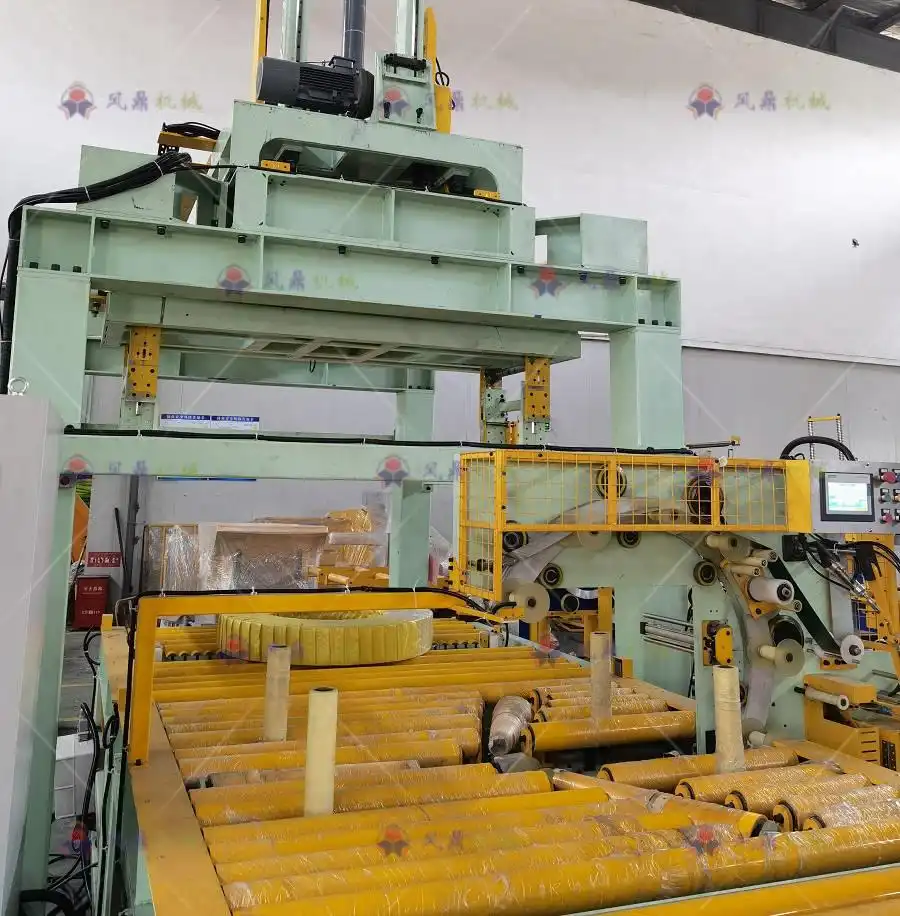
When I started FHOPEPACK, my goal was clear. I wanted to build machines that truly solved problems. I had seen the frustrations in factories. I saw how slow processes hurt businesses. I understood that a machine is only as good as the solution it provides. An automatic coil packing line is more than just a collection of machines. It is a smart system. It works together to optimize your operations. It turns a bottleneck into a smooth part of your production line.
Let me explain the key ways it improves productivity:
- Seamless Integration and Reduced Cycle Times:
- An automatic packing line connects all steps. It starts from the moment a coil leaves the slitting line. It moves through turning. It goes to wrapping. It continues to strapping. It ends with labeling and stacking. Each step flows into the next. There are no pauses. There are no manual transfers between stations. This means a much faster overall cycle time. For example, instead of hours, a coil can be fully packed in minutes. This speed lets plants handle much higher volumes. This is critical for businesses like Ivan’s. He manages hundreds of tons daily. Every minute saved adds up. It leads to significant output increases.
- Minimized Manual Intervention and Labor Savings:
- Automation takes over many tasks. It takes over heavy lifting. It takes over repetitive strapping. It takes over precise wrapping. This means fewer workers are needed directly in the packing area. The workers who remain can focus on supervision. They can focus on maintenance. They can focus on quality control. This not only saves on labor costs. It also frees up skilled workers for other areas of the plant. This is especially important where labor is scarce. My early clients found this change transformational. It helped them use their limited workforce better.
- Consistent Quality and Reduced Rework:
- Machines perform tasks with precision. They apply consistent tension to wrapping films. They secure straps with uniform force. This removes human error. It ensures every coil meets the same high standard. When packing quality is consistent, there are fewer reworks. There are fewer rejections. This saves materials. It saves labor. It also prevents production delays. Ivan knows the pain of customer complaints. Consistent quality from an automatic line reduces this risk greatly. It builds customer trust. This means less time fixing problems. It means more time producing.
- Optimized Material Usage:
- Automatic systems are precise. They use the right amount of packaging material. They do not waste film or straps. Manual packing often uses too much material. Or it uses too little. Too much wastes money. Too little causes damage. Automatic systems minimize this waste. They help control costs. This is a small gain per coil. But it adds up to big savings over time. I have seen clients save thousands of dollars yearly on packaging materials alone. This directly impacts their profitability.
- Data Collection and Production Monitoring:
- Modern automatic lines often include smart controls. They can collect data. They track production rates. They monitor material usage. They can even diagnose issues. This data is very valuable. It helps managers understand their operations better. They can find areas for more improvement. They can make better decisions. This leads to continuous optimization. This helps plants stay competitive. It pushes them towards true “Master Packing Machine” levels of operation.
An automatic packing line is an investment. But it pays off quickly. It boosts how much you produce. It makes your processes smoother. It sets a new standard for your plant.
Can Automated Packing Systems Truly Ensure Product Quality and Safety?
You understand automation’s speed benefits. But what about quality? What about safety? These are non-negotiable in steel production. Poor packing damages products. It can also hurt workers. Many worry that automation might compromise these critical areas. Inconsistent wrapping leads to rust. Loose straps cause movement during transit. Manual handling of heavy coils is dangerous. These problems result in costly claims. They lead to worker injuries. They undermine your reputation. I have seen how automated systems not only match but exceed manual quality and safety. They bring precision and protective power to every coil.
Yes, automated packing systems genuinely enhance both product quality and worker safety in steel plants. They achieve superior product quality by applying consistent tension for moisture-proof wrapping and secure strapping, significantly reducing damage risks like rust, scratches, and shifting during transport. For safety, these systems remove workers from hazardous manual tasks, such as lifting heavy coils and operating close to moving machinery. This lowers the risk of accidents and creates a much safer production environment.
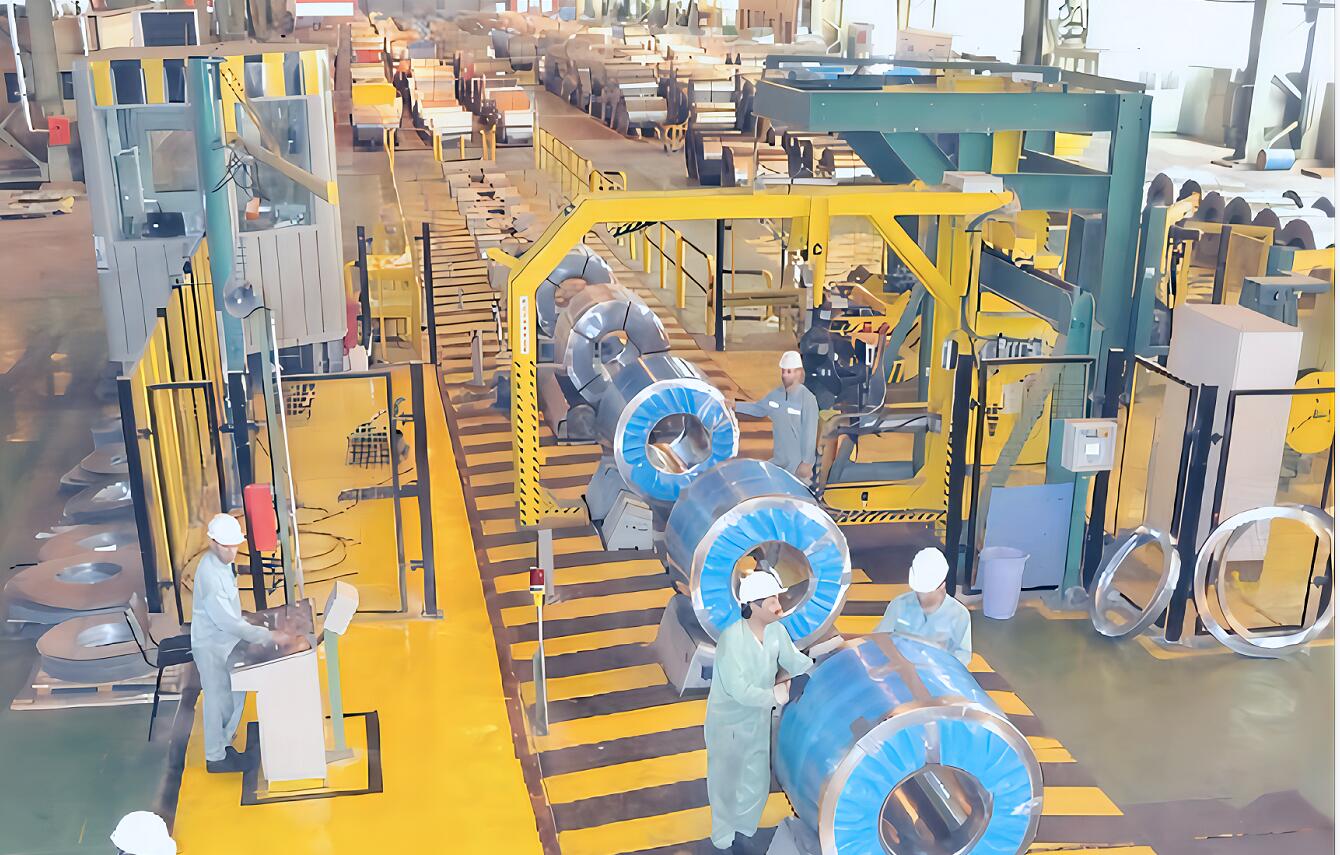
When I was an employee, I saw many accidents. I saw damaged coils. This stayed with me. It drove my passion. I wanted to make packing safer and better. This is why FHOPEPACK focuses on comprehensive solutions. We do not just build machines. We build systems that protect both the product and the people. Ivan’s concerns about quality and safety are valid. They are at the heart of any successful operation.
Here is how automated systems deliver on these promises:
- Superior Product Protection and Quality Consistency:
- Moisture and Rust Prevention: Automatic orbital wrappers apply film tightly. They cover the entire coil surface. This creates a strong barrier against moisture and dust. Machines maintain consistent tension. This is something human hands cannot do reliably. This even film application prevents gaps. It stops water or humidity from getting in. This is vital for cold-rolled, galvanized, and pre-painted coils. They are very sensitive to rust.
- Scratch and Damage Reduction: Automated handling systems move coils carefully. They use precise robotic arms or conveyors. This prevents rough contact. It reduces the chance of scratches or dents. Manual handling often leads to these issues. Machines can also combine different materials. For instance, they use PET or steel straps with stretch film. This multi-layer approach offers maximum protection.
- Secure Bundling and Transport Stability: Automatic strapping machines apply straps with exact force. This keeps coils tightly bundled. The tension is even across all straps. This prevents coils from loosening during transport. Loose coils can shift. They can cause damage. They can even cause accidents. Automated systems ensure everything stays secure. This is important for long-distance shipping. It is also important for export.
- Enhanced Worker Safety and Reduced Injury Risk:
- Eliminating Manual Handling of Heavy Loads: Steel coils are very heavy. They weigh from 1 to 3 tons. Manually moving them is extremely dangerous. It is a leading cause of back injuries. It causes crushing accidents. Automated systems take over all lifting and positioning. They use robust conveyors, turnstiles, and robotic loaders. This removes workers from direct contact with heavy loads. It drastically reduces injury risk.
- Safe Distance from Moving Parts: In a manual packing area, workers are close to moving parts. They are near strapping tools. They are near rotating coils. This creates hazards. Automatic lines are designed with safety in mind. They use safety fences. They use light curtains. They use emergency stops. These features keep workers at a safe distance. They prevent accidents with moving machinery.
- Reduced Repetitive Strain Injuries: Tasks like applying straps or wrapping film manually are repetitive. They can cause strain injuries over time. Automation removes these tasks from human workers. This protects their health. It improves their overall well-being. This also helps with labor retention. Workers prefer safer environments.
- Compliance with International Standards:
- Automated systems can be programmed. They can meet specific packaging standards. This includes CE/ISO requirements for export. They can apply barcodes accurately. They can print labels with all necessary information. This level of consistency is hard to achieve manually. It ensures your products can reach any market. It shows your commitment to quality. This helps avoid rejections at customs. It builds trust with international clients.
When I talk about “MASTER PACKING MACHINE,” this is what I mean. It is about total confidence. It is confidence in your product’s safety. It is confidence in your team’s safety. Automated systems deliver this confidence.
What Makes a Coil Packing Line a Smart Long-Term Investment for European Markets?
Investing in a full automatic packing line is a big decision. It requires upfront capital. Many plant managers, like Ivan, need to justify the costs. They need to see the long-term benefits. They must ensure it is a wise financial move. Without a clear return on investment, such an upgrade feels risky. You might worry about maintenance costs. You might worry about integration complexities. You might question if it truly pays off in the demanding European market. But looking beyond the initial price tag reveals a clear path to significant, sustained value. A strategic investment in automation unlocks a powerful competitive advantage.
A coil packing line is a smart long-term investment for European metal plants because it directly addresses critical operational costs, enhances market competitiveness, and ensures future growth. It provides substantial cost savings by reducing labor expenses, minimizing packaging material waste, and preventing product damage claims. Furthermore, it enables compliance with stringent export standards and improves production continuity, making plants more resilient and attractive in the high-demand European and global markets.

My own factory started small. I understood the need for smart investments. I learned that you must look beyond today’s costs. You must think about tomorrow’s benefits. This thinking helped me achieve financial independence. It also helped my clients grow their businesses. For steel plants in Europe, especially in countries like Poland, a coil packing line is not just an expense. It is a strategic move. It is an investment in the future.
Let’s look at why this is a smart long-term choice:
- Significant Cost Reduction Over Time:
- Labor Savings: As discussed, automation greatly reduces the need for manual labor in packing. This translates into substantial savings on wages, benefits, and training costs. In regions with rising labor costs and shortages, this is a huge advantage. The initial investment in machinery is quickly offset by these ongoing savings.
- Reduced Material Waste: Precision of automatic machines means less wasted film, fewer broken straps, and optimal material usage. This adds up. Over years, these material savings contribute significantly to the bottom line. It makes your operations more sustainable too.
- Fewer Claims and Reworks: High-quality, consistent packing means fewer damaged goods. This reduces customer complaints, return shipments, and contract penalties. Avoiding these costly issues directly impacts profitability. It also protects your plant’s reputation. My clients who adopted automatic lines saw their claim rates drop dramatically.
- Lower Insurance Costs: A safer workplace, due to reduced manual handling, can sometimes lead to lower insurance premiums for worker’s compensation. This is a direct financial benefit of improving safety.
- Enhanced Competitive Edge in European and Global Markets:
- Meeting Export Standards: European customers and export markets demand high quality. They need certified packaging. An automated line ensures this consistency. It allows plants to confidently enter new markets. It helps them retain existing high-value clients. This is crucial for growth.
- Faster Lead Times: Increased efficiency means faster processing. This leads to shorter lead times for customers. In a competitive market, quick delivery is a major selling point. It helps plants win more business.
- Brand Reputation: Consistent, high-quality packaging reflects well on your brand. It shows professionalism. It shows reliability. This builds trust with buyers. It positions your plant as a leader.
- Long-Term Reliability and Future-Proofing:
- 24/7 Operation Capability: Modern coil packing lines are built for continuous operation. They can run 24 hours a day, in two or even three shifts. This maximizes output. It ensures production continuity. This reliability is something manual processes cannot match.
- Adaptability to Future Needs: Good automated systems are flexible. They can adapt to different coil sizes. They can handle various packaging materials. This means the investment stays relevant even as product lines change. This future-proofs your operations.
- Partnership for Growth: Choosing the right supplier is key. A good partner offers turnkey solutions. They provide installation, training, and ongoing spare parts. This ensures the system runs smoothly for years. It protects your investment. FHOPEPACK aims to be that kind of partner. We want to help you master your packing.
Considering these points, a steel coil packing line is not just about today’s efficiency. It is about securing tomorrow’s success. It positions your plant to thrive. It ensures you remain competitive. It delivers sustained profitability.
Conclusion
A full automatic steel coil packing line offers immense benefits for metal plants in regions like Poland. It solves critical issues such as labor shortages, inconsistent quality, and high operational costs. By enhancing safety, increasing throughput, and ensuring compliance, these systems provide a significant competitive advantage. Investing in a coil packing line is a strategic decision for long-term growth and sustained profitability in the demanding European market.








