
Which Pallet Inverter Supplier Offers Better ROI for Agricultural Cold Chain Plants?
Have you ever faced the pressure of keeping a cold chain running smoothly? I am Randal, and I know the feeling. In the world of agricultural cold chain, time is money, and every error costs a lot. You might be dealing with fragile products, strict hygiene rules, and constant temperature control. A small delay in your warehouse can lead to big losses. Many plant managers struggle to find equipment that truly helps them save money and keep operations efficient. They often invest in machines without seeing real improvements. This is a common problem. It leads to frustration and wasted resources.
The best pallet inverter supplier for agricultural cold chain plants offers more than just a machine. They provide a complete solution. This solution focuses on maximizing efficiency, improving safety, cutting costs, and ensuring compliance. A supplier like this helps you get a much better return on your investment over time. They understand your unique challenges. They do not just sell you a product. They offer a partnership that helps you succeed.

I know these challenges well. My journey in the packing machine industry taught me a lot. We helped many clients grow their businesses by solving their real problems. Now, let’s look deeper into how you can choose a supplier. This choice will make a big difference for your agricultural cold chain plant.
Why is ROI on Pallet Inverters Critical for Cold Chain Operations?
Do you ever worry about your profit margins in cold storage? In agricultural cold chain, every single process needs to be perfect. If one step goes wrong, your product quality can drop. This affects your bottom line. Traditional methods of pallet handling are often slow and risky. This can cause major headaches. It leads to higher labor costs and damaged goods.
Return on Investment (ROI) on pallet inverters is extremely critical for cold chain operations. These plants deal with perishable goods. They need strict temperature control. Any disruption can lead to product spoilage. A good pallet inverter increases efficiency and reduces manual labor. It also improves safety. This directly cuts down operational costs and minimizes product loss. It helps maintain the quality of sensitive agricultural products. This makes ROI a key factor for profitability.
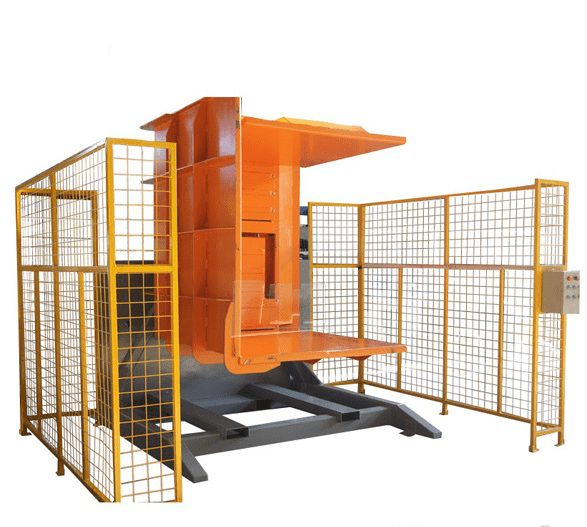
I have seen it many times. Companies think a cheaper machine is a better deal. But they do not look at the bigger picture. In cold chain, the environment itself adds complexity. Your employees work in cold temperatures. This means fatigue sets in faster. Manual handling becomes even riskier. So, investing in the right equipment is not just about moving pallets. It is about protecting your product, your people, and your profits. Let me break down why this is so important:
-
Protecting Perishable Goods:
- 🚨 Risk: Any delay in pallet switching can expose delicate agricultural products to temperature fluctuations. This reduces shelf life. It can lead to spoilage.
- ⏱️ Speed: Pallet inverters work fast. They switch pallets quickly. This keeps products in the cold chain for a shorter time outside controlled temperatures. It maintains product freshness.
- 🗑️ Waste Reduction: Less handling means less damage. Automated systems move pallets smoothly. They prevent drops or bumps. This reduces product waste. This saves a lot of money over time.
- 📊 Example: Imagine a batch of fresh berries. They need to be moved from a wooden shipping pallet to a plastic hygienic pallet. A manual process takes several minutes. The berries are exposed. An automatic inverter does it in seconds. This greatly reduces exposure time. This maintains quality. It also meets strict food safety rules.
-
Addressing Labor Challenges in Cold Environments:
- 🥶 Harsh Conditions: Cold chain environments are tough for workers. The low temperatures make manual tasks harder and riskier. This increases the chance of accidents.
- 👷 Labor Shortage: Finding people willing to do heavy lifting in cold places is hard. Labor costs are also going up. This creates a big challenge for managers.
- 🤖 Automation Solution: Pallet inverters reduce the need for manual handling. Workers can operate machines from a warmer area. This makes their jobs safer. It also makes them more comfortable. This helps with labor shortages. It also keeps employees happy.
- 💰 Cost Savings: Fewer workers needed for heavy tasks means lower labor costs. It also means fewer work-related injuries. This reduces insurance costs. These savings add up quickly.
-
Ensuring Compliance and Hygiene Standards:
- ⚖️ Regulations: Agricultural products have strict hygiene rules. Different countries have different pallet requirements. For example, Euro pallets versus US pallets. You need to switch them often.
- 🦠 Contamination Risk: Wooden pallets can carry pests or splinters. They can also absorb moisture. This poses a contamination risk. Plastic pallets are often needed for internal cold storage.
- 🔄 Seamless Switching: Pallet inverters easily switch between different pallet types. They do it without touching the product directly. This keeps hygiene high. It helps meet all regulations. It also makes customs checks easier.
- ✅ Consistency: Automated systems perform the same way every time. This ensures consistent compliance. It reduces human error. This is very important for exports.
-
Improving Overall Warehouse Efficiency:
- 📈 Throughput: Pallet inverters significantly speed up the pallet exchange process. This means more pallets can move through the warehouse faster. It increases overall throughput.
- ⬇️ Bottlenecks: Manual pallet changing often creates bottlenecks. It slows down the entire logistics flow. Automated systems remove these bottlenecks. They ensure a smooth operation.
- 🔄 Integration: Modern pallet inverters can integrate with existing warehouse management systems. They can connect with other automation. This creates a fully optimized workflow. This means even faster processing. This leads to much higher output.
- 🛣️ Example: Think about peak season for a food company. Thousands of pallets need to move in and out daily. A manual process would fail. An automated pallet inverter keeps the flow steady. It prevents delays. This ensures products reach stores on time.
What Factors Truly Define a Pallet Inverter’s ROI Beyond its Price Tag?
Have you ever bought something that seemed cheap at first, but cost you more in the long run? Many businesses make this mistake. They look only at the initial purchase price. They think they are saving money. But they ignore the hidden costs. These costs can appear from poor performance or breakdowns.
The true Return on Investment (ROI) for a pallet inverter extends far beyond its initial price tag. It includes crucial factors like operational reliability, machine uptime, safety features, energy consumption, and the quality of after-sales support. A cheaper machine might have a low upfront cost. But if it breaks down often, causes accidents, or needs expensive repairs, its true cost of ownership will be much higher. A smart investment focuses on long-term value, not just the purchase price. This means looking at total cost of ownership.
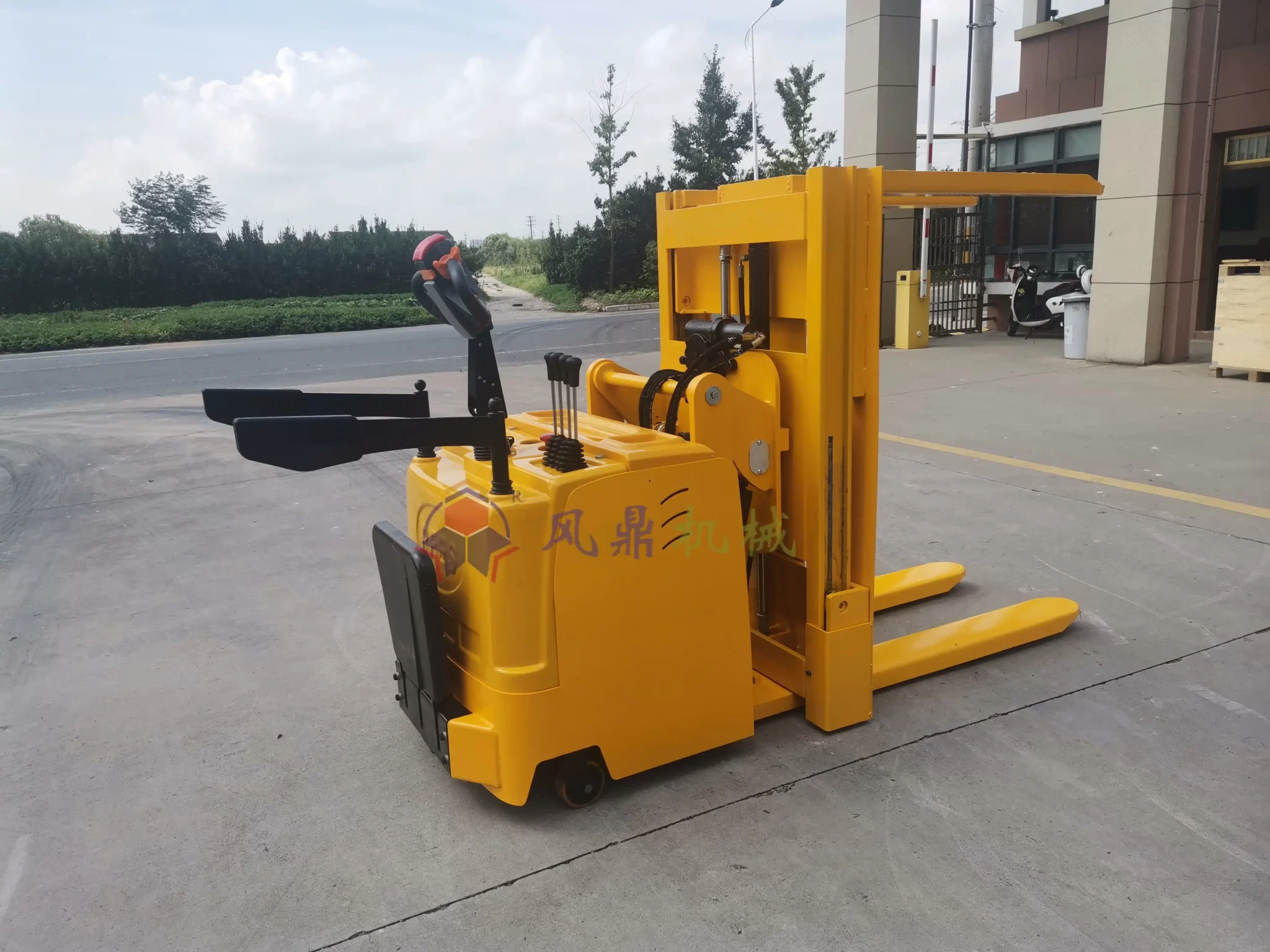
I learned this early in my career. A client once bought a very low-cost packing machine from a competitor. It was a tempting offer. But within months, it started failing regularly. The spare parts were hard to find. The support was non-existent. Their production stopped. They lost money every day. They ended up buying a new machine from us later. The lesson was clear: always look at the full picture. Here are the key factors that really define ROI:
-
Reliability and Uptime:
- ⚙️ Consistent Operation: A reliable pallet inverter works consistently. It does not break down often. This is crucial for cold chain. Downtime in cold chain is very expensive. Product can spoil.
- ⏳ Minimized Downtime: Look for machines built with high-quality components. They should have robust engineering. This reduces unexpected stoppages. More uptime means more productivity. It means better ROI.
- 🛠️ Maintenance Needs: Some machines need constant maintenance. This costs time and money. A good inverter has a simple design. It needs less frequent maintenance. This saves operational costs.
- 📈 Productivity Impact: When a machine is always working, your operations run smoothly. Your throughput stays high. This directly impacts your revenue. This is a huge part of ROI.
-
Safety Features and Compliance:
- 🛡️ Worker Protection: Manual pallet handling is risky. It can cause injuries. Good pallet inverters have advanced safety features. These include light curtains, safety gates, and emergency stops. They protect workers.
- 📉 Reduced Accidents: Fewer accidents mean lower insurance costs. It also means less worker compensation. It keeps your staff safe and happy. This improves morale. This also lowers indirect costs.
- ✅ Regulatory Adherence: Ensure the inverter meets local and international safety standards. Compliance avoids fines. It prevents legal problems. This keeps your business running smoothly.
- 👍 Ergonomic Design: A well-designed machine is easier and safer to use. This reduces strain on operators. It helps prevent long-term health issues. This keeps your team productive.
-
Energy Consumption:
- ⚡ Operating Costs: Pallet inverters use power. In cold chain, energy costs are already high. A machine that uses less energy will save you money every day.
- 🌱 Efficiency: Look for inverters with energy-efficient motors and hydraulic systems. They can significantly reduce your utility bills. This directly improves your ROI.
- 🌍 Environmental Impact: Lower energy use is also better for the environment. This helps your company meet sustainability goals. It improves your brand image.
- 💰 Long-Term Savings: Energy savings might seem small daily. But they add up over years. They contribute a lot to your overall ROI.
-
After-Sales Support and Spare Parts Availability:
- 🤝 Responsive Support: What happens if your machine breaks down? You need fast, reliable support. A good supplier offers quick troubleshooting. They provide technical help when you need it.
- 📦 Spare Parts: Are spare parts easy to get? Are they expensive? A supplier with readily available and affordable parts is better. It reduces downtime. It lowers repair costs.
- 👨🔧 Training: Does the supplier offer training for your staff? Proper training ensures your team can operate and maintain the machine correctly. This prevents errors. It prolongs machine life.
- 🔧 Maintenance Contracts: Some suppliers offer service contracts. These can include regular check-ups. They cover preventative maintenance. This keeps your machine in top condition. This extends its lifespan. It maximizes your ROI.
How Do Pallet Inverters Meet the Unique Needs of Agricultural Cold Chain Plants?
Do you ever feel like your general warehouse equipment just does not quite fit the bill for your specific cold chain needs? Agricultural cold chain has very unique demands. Regular machines might not handle delicate products well. They might not withstand cold temperatures. They could also fail to meet strict hygiene rules. This can be a major source of inefficiency.
Pallet inverters are designed to meet the very specific needs of agricultural cold chain plants. They offer features like quick, gentle product handling to prevent damage. They use materials resistant to cold, moist environments. Many models facilitate easy cleaning for hygiene compliance. They also adapt to various pallet sizes, which is vital for international shipping. These specialized capabilities ensure product integrity, optimize operations, and help maintain strict food safety standards. This makes them essential tools for this industry.
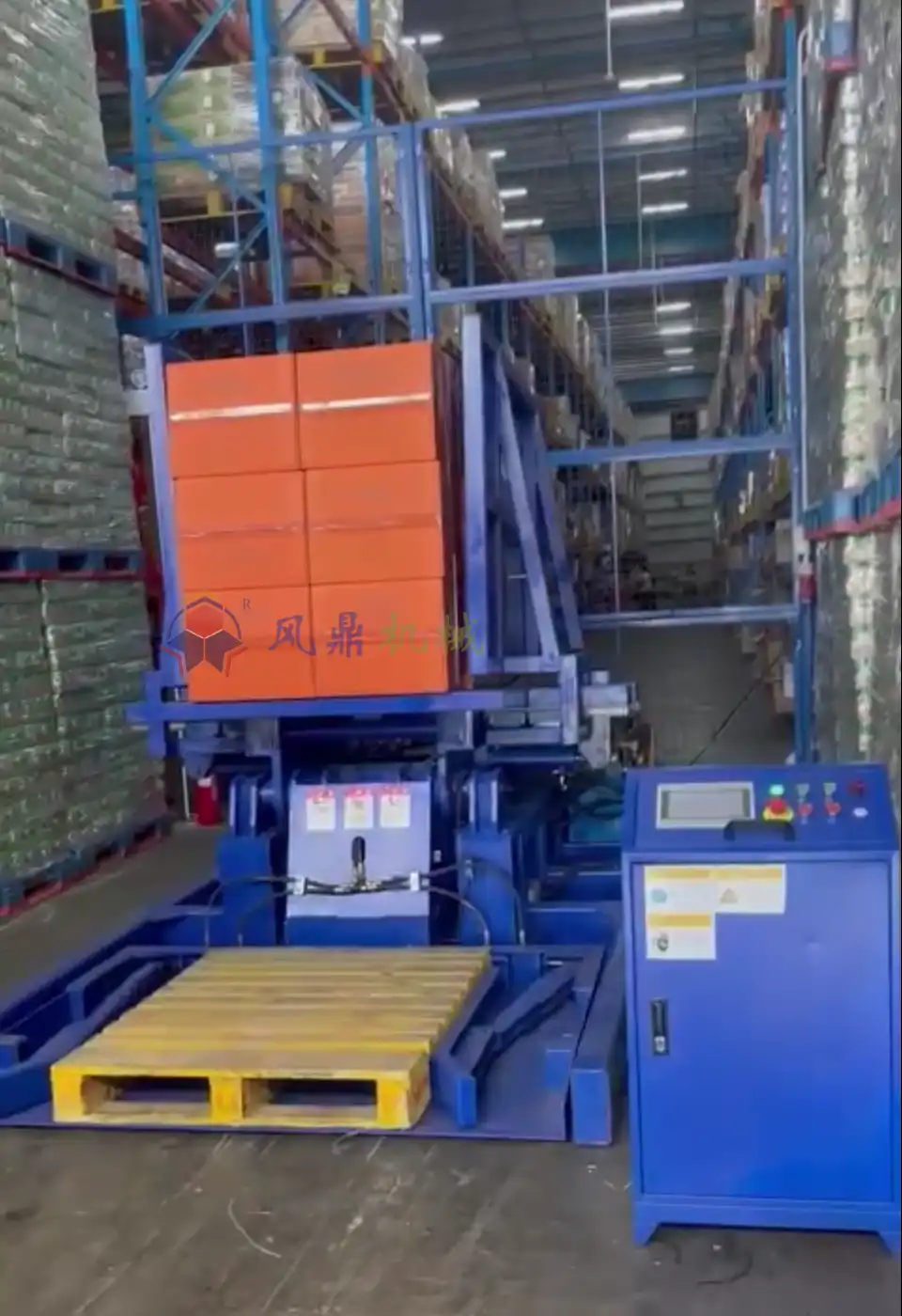
I remember working with a large fruit distributor. They used old manual methods to switch pallets. Their workers handled each box of fruit. This often led to bruised or damaged produce. It was a huge waste. When we introduced a proper pallet inverter, their damage rates dropped dramatically. The machine handled the entire pallet gently. It kept the fruit safe. This showed me how much specialized equipment matters. Here is how pallet inverters specifically address cold chain needs:
-
Gentle Product Handling for Delicate Goods:
- 🍓 Preventing Damage: Agricultural products like fruits, vegetables, and dairy are often delicate. Rough handling causes bruising. It leads to spoilage. Pallet inverters are designed to flip or transfer pallets smoothly. They do this without direct product contact.
- ⚖️ Controlled Movements: Many inverters have adjustable pressure settings. They have soft clamping systems. This ensures a gentle grip on the load. It prevents compression damage. This is very important for fragile items.
- 📏 Load Stability: The design keeps the load stable during the entire process. This prevents shifting. It avoids items falling or being crushed. This protects the product from start to finish.
- 📦 Variety of Loads: Good inverters can handle different shapes and sizes of stacked goods. This means they are versatile. They work for many types of agricultural produce.
-
Adaptation to Cold and Moist Environments:
- ❄️ Material Selection: Cold chain facilities are cold and often moist. Standard metals can rust. Plastics can become brittle. Pallet inverters for cold chain use special materials. These include stainless steel or marine-grade coatings. They resist corrosion. They withstand low temperatures.
- 💧 Sealed Components: Electrical components and bearings need protection from moisture. Inverters for cold chain have sealed motors. They have waterproof wiring. This prevents short circuits. It extends the machine’s life.
- ⚙️ Lubricants: Standard lubricants can thicken in the cold. This affects machine performance. Cold chain inverters use special low-temperature lubricants. They ensure smooth operation even in sub-zero conditions.
- 💪 Durability: The overall construction is robust. It is built to last in demanding cold environments. This reduces wear and tear. It minimizes the need for frequent repairs.
-
Facilitating Hygiene and Compliance:
- 🧼 Easy Cleaning: Hygiene is paramount in food processing. Pallet inverters designed for this sector have smooth surfaces. They have open designs. This makes them easy to clean. They prevent dirt and bacteria buildup.
- 🧴 Washdown Capabilities: Some models are built for full washdown. This means they can be thoroughly cleaned with water and sanitizers. This is essential for meeting strict food safety standards.
- ♻️ Pallet Segregation: They allow for quick switching from wooden transport pallets to hygienic plastic pallets for internal use. This prevents contamination from external sources. It helps maintain a sterile environment.
- 📜 Certifications: Reputable suppliers offer machines that meet industry certifications. These include HACCP or FDA guidelines. This assures you of compliance. It helps pass audits.
-
Handling Diverse Pallet Specifications:
- 🌎 International Trade: Agricultural products often travel globally. Different countries use different pallet sizes. Euro pallets, US standard pallets, plastic, and wooden pallets are common.
- 🔄 Versatile Design: Modern pallet inverters can handle a wide range of pallet sizes and types. They have adjustable clamping systems. This allows for quick changes between different specifications.
- 🚀 Efficient Export: This capability streamlines export operations. It avoids manual reloading. It speeds up customs processes. This saves a lot of time and labor.
- 🚫 Reduced Errors: Automated switching reduces human error. It ensures the correct pallet type is used for each destination. This prevents shipping delays and costly mistakes.
How Do You Choose a Pallet Inverter Supplier for Long-Term Success?
Are you tired of dealing with suppliers who just disappear after the sale? Many companies only care about closing a deal. They do not offer real support. This leaves you stranded when problems arise. For a critical piece of equipment like a pallet inverter, this can be disastrous.
Choosing a pallet inverter supplier for long-term success is about building a true partnership. It goes beyond finding a seller. You need a supplier who understands your specific operational challenges. They should offer tailored solutions. They must also provide excellent after-sales support, readily available spare parts, and ongoing technical assistance. A partner who invests in your success will help ensure your equipment performs optimally for years. This will maximize your ROI. They will help you achieve sustainable growth.
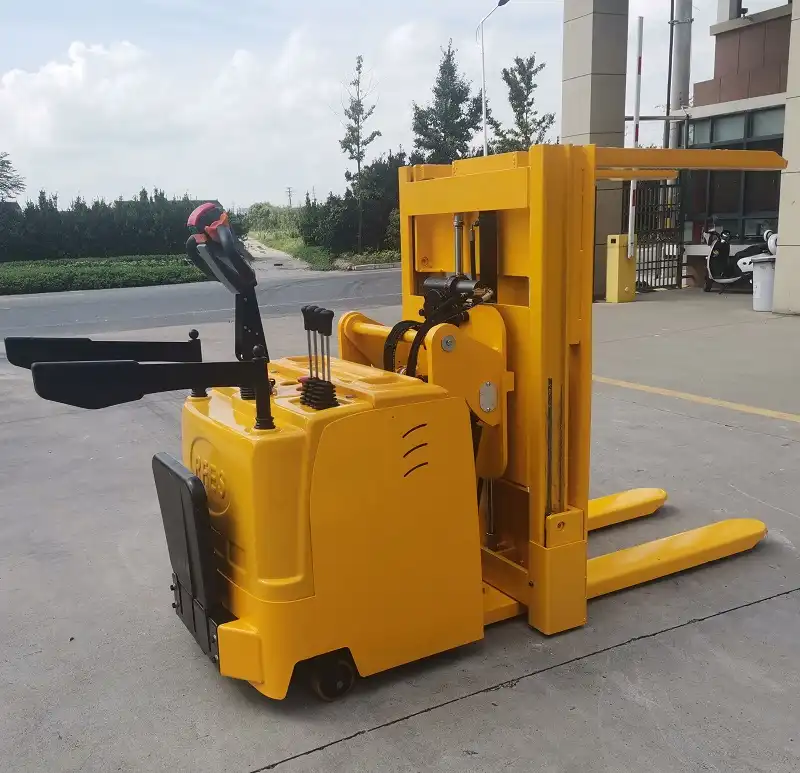
I have seen countless factories struggle because of poor supplier choices. (My personal story placeholder: I once saw a client spend months trying to get a replacement part from a low-cost supplier. Their entire production line was halted. It taught me the value of a trusted partnership.) My own journey taught me that a good supplier is a true partner. They share your vision. They help you achieve it. Here is how you can find that kind of partner:
-
Deep Understanding of Your Industry and Needs:
- 🧐 Expertise: Does the supplier truly understand agricultural cold chain? Do they know your specific challenges? Do they know about perishable goods and hygiene? A supplier with industry-specific knowledge can offer better solutions.
- 💬 Consultative Approach: A good supplier asks questions. They listen to your problems. They do not just push a product. They work with you to find the best fit. This shows they care about your success.
- 💡 Tailored Solutions: Your plant has unique needs. The supplier should offer customizable options. They should be able to adapt their machines to your specific layout and processes. This ensures a perfect fit.
- ✅ Problem Solver: Look for a supplier who acts like a problem solver, not just a salesperson. They should identify your pain points. They should propose solutions that directly address them.
-
Commitment to Quality and Reliability:
- 🏆 Proven Track Record: Research the supplier’s history. Read testimonials. Look at their past projects. A supplier with a strong reputation for quality is a safer bet.
- 🔬 Manufacturing Standards: Ask about their manufacturing process. Do they use high-quality materials? Do they follow strict quality control? This ensures a durable and reliable machine.
- 🛡️ Warranties: What kind of warranty do they offer? A good warranty shows confidence in their product. It also protects your investment.
- 📈 Performance Data: Can they provide data on machine performance and lifespan? This helps you understand the long-term value of their equipment.
-
Comprehensive After-Sales Support:
- 📞 Accessibility: How easy is it to reach their support team? Do they offer 24/7 support for urgent issues? Quick response times minimize downtime.
- ⚙️ Technical Expertise: Are their technicians knowledgeable? Can they troubleshoot problems effectively? Expert support is crucial for complex machinery.
- 📦 Spare Parts Availability: Does the supplier stock common spare parts? Can they ship them quickly? Fast access to parts is essential to keep your operations running.
- 🤝 Ongoing Relationship: A good supplier sees after-sales as a continuation of the relationship. They offer preventative maintenance advice. They provide regular check-ups.
-
Focus on Long-Term Value and ROI:
- 💰 Total Cost of Ownership: The supplier should help you understand the total cost. This includes initial purchase, maintenance, energy, and potential savings. They help you see the real ROI.
- 📈 Scalability: Can their solutions grow with your business? If your needs change, can the equipment be upgraded or adapted? This provides flexibility for the future.
- 🤝 Partnership Mentality: They should act like a partner, not just a vendor. They should be invested in your long-term success. This means providing solutions that grow with you.
- 💡 Innovation: Does the supplier keep up with new technology? Do they offer innovative solutions that can further improve your operations in the future? This helps you stay competitive.
Conclusion
Finding the best pallet inverter supplier for agricultural cold chain plants means looking beyond just the price. It involves choosing a partner who provides reliable, safe, and efficient solutions tailored to your unique needs. This commitment to long-term support and understanding your operational challenges ensures a superior pallet inverter ROI, driving your plant towards sustainable success.








