
Which pallet inverter option balances technical reliability with lower purchase cost?
The daily rhythm of a busy warehouse is intense. You manage thousands of pallets, constantly shifting between different standards for export and import, like the Euro and US pallets. This creates a huge challenge. Manual pallet changing is slow, it causes errors, and it brings real risks to your team. I know you feel the pressure of rising labor costs and tight delivery schedules. The market offers many pallet inverter solutions. But how do you pick one that truly makes your warehouse run better without costing too much? This is a common problem, and it directly affects your business.
To truly balance technical reliability with a lower purchase cost, many warehouses find the sweet spot in a robust semi-automatic pallet inverter system. These machines offer significantly improved safety and efficiency over manual methods, reduce labor dependency, and provide consistent performance, often at a more manageable initial investment than a fully automated line. They deliver core reliability where it matters most, making them a wise choice for busy operations handling diverse pallet types.
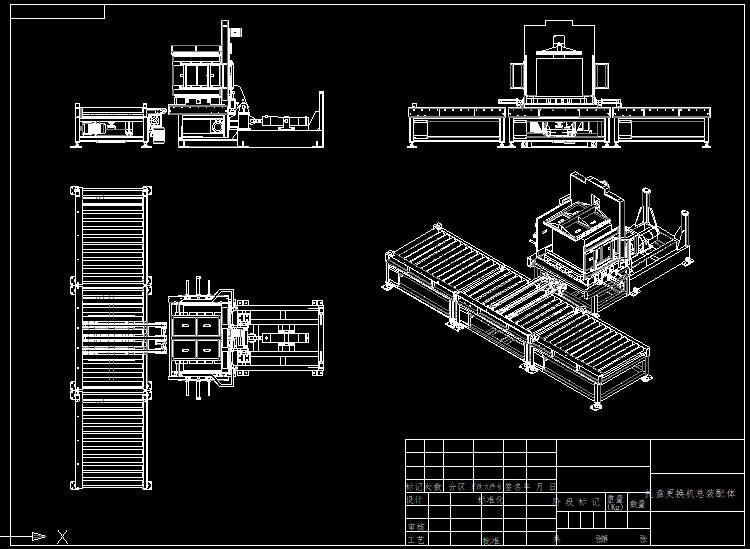
Finding the right machine is not just about the price tag. It is about what the machine can do for your operation every day. It is about making sure your goods move, your team stays safe, and your customers remain happy. Let’s look closely at the different options. We will see how each one measures up against the real demands of your warehouse.
Why is a reliable pallet inverter a non-negotiable for modern warehouses?
Imagine your warehouse floor. Hundreds of pallets come in and go out. Many of them need a pallet swap. Your team uses manual methods. This can mean using forklift attachments or even hand-cranked devices. These methods are slow. They are also risky. One wrong move can damage goods or, worse, injure a worker. I know the worry about accidents and the cost of lost time. These issues stop your entire operation. They can lead to late deliveries and fines. This directly impacts your company’s reputation and bottom line.
A reliable pallet inverter is essential for modern warehouses because it removes the most significant risks and inefficiencies from manual pallet handling, ensuring continuous operation, meeting strict customer demands, and keeping your workforce safe. It ensures that crucial tasks like switching between Euro and US pallets happen without costly delays or safety incidents, which is vital for international logistics.
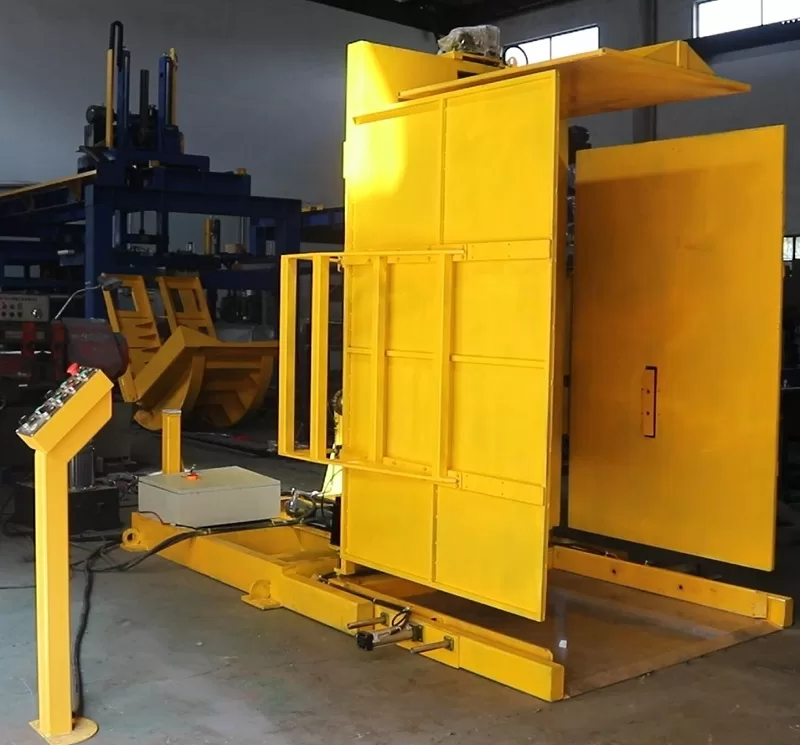
My years in the packing machine industry taught me one clear lesson. Reliable equipment is not an expense; it is an investment. In a busy European distribution center like yours, handling thousands of pallets daily, reliability is critical. You deal with varied pallet specifications, from standard Euro pallets to larger US pallets. Manual handling for such volume is simply not sustainable. It leads to constant bottlenecks. It also increases the risk of human error. This means damaged goods or pallets that do not meet compliance. A reliable machine works consistently. It reduces downtime. It helps you avoid those costly fines for delayed shipments. It also makes sure your team is safe. This reduces worker injury claims. It also improves morale.
- Safety First: Manual pallet changes mean lifting heavy loads. Workers can get crushed or hit by falling goods. This leads to serious accidents. A reliable pallet inverter replaces these dangerous actions with machine power. It keeps workers out of harm’s way. This makes the workplace safer. It also lowers insurance costs for the company.
- Consistent Performance: Manual processes have variations. Some workers are faster. Some are slower. Machines work at a steady pace. A reliable pallet inverter performs the task the same way every time. This creates predictable output. This is very important for meeting tight delivery schedules, especially in the fast-paced food and beverage sector.
- Handling Diverse Loads: Your operation handles many types of pallets. These include Euro, US, and plastic pallets. A versatile and reliable machine can adapt to these differences quickly. It changes settings easily. It does not need complex manual adjustments. This saves time and prevents errors. It makes sure every pallet meets the required standard.
- Operational Uptime: Every minute a machine is down, your warehouse loses money. A reliable pallet inverter is built to last. It needs less frequent repairs. It works without constant supervision. This means your operations keep moving. You avoid costly interruptions. You meet customer demand consistently. My experience shows that a robust design prevents many common issues.
Can a basic pallet inverter deliver long-term value despite a lower price tag?
Many people look at the initial price of a machine. They think a cheaper option will save them money. This thinking can often lead to bigger costs later. A basic pallet inverter might seem like a good deal at first glance. It has a low purchase cost. But if it cannot handle your daily volume or variety of pallets, it creates new problems. You might face frequent breakdowns. You might need more manual labor to support it. This increases your operational costs. It turns an initial saving into a long-term burden. This impacts your profits and your ability to serve customers well.
Basic pallet inverters, such as entry-level 90-degree tippers or simple push-pull systems, offer a lower initial investment. However, their long-term value depends heavily on specific operational volume, required safety features, and the frequency of use. For operations with high throughput and diverse pallet needs, these simpler machines often struggle to deliver the reliability and efficiency needed over time.
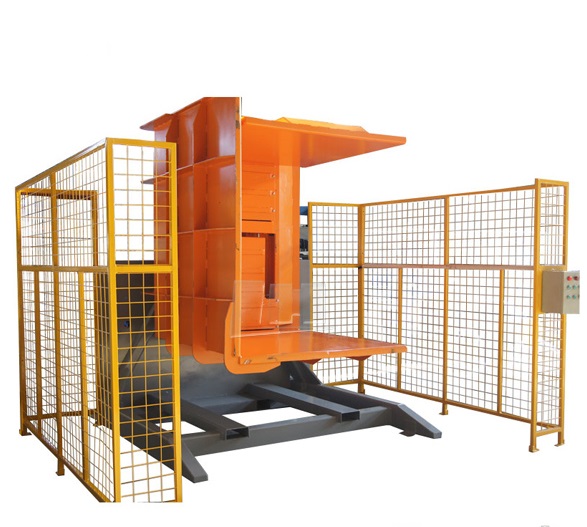
When I started my factory, I saw many businesses make this mistake. They bought the cheapest option. Then they spent more money on repairs and extra labor. For someone like Carlos, managing a large distribution center, a “basic” machine might not meet daily needs. Your warehouse handles thousands of pallets. It has diverse pallet types. A simple 90-degree tipper, for example, might work for occasional use. It might work for a small, single-product line. But it struggles with the scale and complexity of a multinational food and beverage group. These basic machines often lack the features needed for high safety standards. They also lack the adaptability for different pallet sizes. This means you still rely on more manual tasks. This puts workers at risk. It also keeps labor costs high.
- Limited Throughput: Basic pallet inverters often operate slower. They need more manual input. This means they process fewer pallets per hour. Your warehouse needs to move thousands of pallets daily. A slow machine creates a bottleneck. This slows down your whole operation. It limits your capacity.
- Less Adaptability: Many basic models are designed for one type of pallet or load. They struggle with variations. You need to switch between Euro, US, and plastic pallets. A basic machine might need manual adjustments for each change. This takes time. It also increases the chance of errors. This makes your operation less flexible.
- Higher Labor Dependency: Even if the machine does the turning, loading and unloading often still need significant manual work. This does not fully address your labor shortage challenges. It keeps labor costs high. It also keeps workers in potentially risky situations.
- Increased Maintenance and Downtime: Cheaper machines sometimes use lower-quality components. They are not built for constant, heavy use. This can lead to more frequent breakdowns. Each breakdown means your operation stops. This results in lost productivity and costly repairs. The initial saving quickly disappears. My experience confirms that investing in robust construction pays off in fewer failures.
What level of automation truly boosts reliability and efficiency in pallet changing operations?
Your warehouse needs to run fast and without interruption. Manual processes cannot keep up with high demands. They lead to errors and delays. These problems directly affect your customers. They can also result in compliance issues. You know the pressure of e-commerce and retail clients. They want faster delivery times. This means your pallet changing process must be quick and flawless. Simply put, human hands cannot match the speed and consistency of a well-designed machine. We need to find the right level of automation. This is key to getting both reliability and efficiency.
For high-volume operations with varied pallet types, semi-automatic or fully automatic pallet changer systems often provide the best balance of enhanced reliability and significantly improved efficiency. They automate repetitive tasks and reduce human intervention, leading to consistent cycle times, reduced human error, and improved safety across the entire pallet changing process.

My journey in the packing machine industry has shown me how automation transforms warehouses. It moves them from struggling to thriving. For a facility like yours, handling thousands of pallets in the food and beverage sector, a semi-automatic system is often a game-changer. It means an operator loads the pallet, but the machine does the heavy, repetitive, and risky work of clamping, lifting, and inverting. This significantly reduces the physical strain on workers. It minimizes the chance of accidents. It also ensures consistent cycle times. This speeds up the entire process. A fully automatic system takes this a step further. It integrates into your conveyor lines. It requires minimal human interaction. This is ideal for very high volumes and highly standardized operations.
- Semi-Automatic Systems: The Pragmatic Choice:
- Description: An operator loads the pallet. The machine handles the clamping, inverting, and pallet swap. The operator then unloads it.
- Benefits: This greatly reduces manual labor and physical risk. It offers much faster cycle times than fully manual methods. It is often more affordable than full automation. This makes it a good balance for many high-volume facilities with diverse pallet types. It adapts well to different pallet sizes with simpler adjustments.
- Impact: It increases throughput. It improves safety. It still provides flexibility.
- Fully Automatic Systems: For Maximum Throughput:
- Description: These systems are part of a continuous conveyor line. Sensors detect pallets. The machine performs the entire change process without human help.
- Benefits: They offer the highest speed and consistency. They have the lowest labor dependency. This makes them perfect for very high-volume, standardized operations. They integrate seamlessly into existing automated lines.
- Impact: They deliver maximum efficiency. They minimize human error. They create a truly hands-free pallet changing solution.
- Enhanced Safety: Both semi-automatic and fully automatic systems incorporate safety features. These include light curtains, emergency stops, and guarded areas. These features protect workers. They also prevent accidents. This is a huge improvement over manual handling.
- Reduced Labor Strain: Automation removes the need for workers to lift or manipulate heavy pallets. This helps address labor shortages. It makes warehouse jobs more attractive. It also reduces fatigue and associated errors. My clients have seen significant improvements in worker well-being and productivity.
How do we pick the right pallet inverter, considering both initial cost and ongoing performance?
The choice of a pallet inverter is a big decision for your warehouse. The market offers many options. This can make the process confusing. You need a solution that fits your specific needs. It must also fit your budget. Making the wrong choice can lead to wasted money. It can cause ongoing operational headaches. It can also prevent you from meeting your business goals. You cannot afford to choose a machine that fails to deliver. This is why a clear framework for decision-making is so important. It helps you focus on long-term value.
Picking the right pallet inverter involves evaluating current operational needs, anticipated growth, the types and volume of pallets, safety requirements, and crucially, the total cost of ownership. This means looking beyond just the upfront purchase price. It also means considering the supplier’s ability to offer long-term support and solutions, not just a machine.
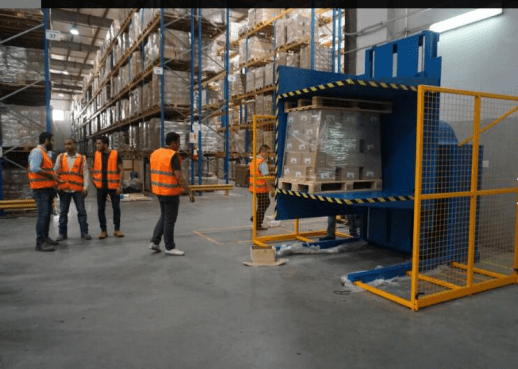
I have helped many clients navigate this choice. My advice is always the same. Do not just look at the price tag. Look at the whole picture. For your busy distribution center in Europe, several factors are key. You handle a high volume of goods. You also deal with varying pallet standards. Your choice must address these specific points. It also needs to deliver consistent performance over many years. A good supplier is more than a seller. They are a partner. They understand your challenges. They offer solutions that truly fit. This partnership is vital for long-term success.
- Assess Your Operational Needs:
- Volume: How many pallets do you process each day? Weekly? High volume demands more automation. Carlos’s thousands of pallets daily mean basic manual options are out.
- Pallet Types: Do you handle Euro, US, plastic, or other special pallets? Your machine needs to be flexible. It needs to handle these different sizes and materials without issues.
- Load Characteristics: Are your goods heavy, fragile, or sensitive? Food and beverage products often need gentle handling. The machine must accommodate this.
- Available Space: How much floor space do you have? This affects the type and size of the inverter you can install.
- Prioritize Reliability and Safety Features:
- Uptime: How critical is continuous operation? For Carlos, any downtime means major costs and customer dissatisfaction. A reliable machine ensures constant movement.
- Safety Standards: Look for features like emergency stop buttons, safety guarding, and overload protection. These are non-negotiable for worker safety and compliance.
- Build Quality: Durable construction means the machine can withstand the demands of a busy warehouse. It reduces the need for repairs.
- Understand Total Cost of Ownership (TCO):
- Initial Purchase Cost: This is the upfront price. It is important, but it is only one part of the equation.
- Installation and Integration: How easy is it to install the machine? Does it fit with your existing lines?
- Operating Costs: Consider energy consumption and the labor needed to run the machine.
- Maintenance and Spare Parts: How much will it cost to maintain the machine? Are spare parts easily available?
- Downtime Costs: What is the financial impact if the machine breaks down? This can be very high.
- Training: Will your staff need special training to operate and maintain the machine?
- Evaluate the Supplier and After-Sales Support:
- Reputation: Choose a supplier known for reliable machines and good service.
- Support: Does the supplier offer strong after-sales support? This includes technical help and spare parts. This is very important for the machine’s lifespan. Carlos wants a true partner, not just a seller.
- Customization: Can the supplier offer solutions tailored to your specific needs, even if they are unique?
Conclusion
Balancing technical reliability with lower purchase cost requires a focus on total cost of ownership, not just the initial price. For high-volume operations like yours, a robust semi-automatic pallet inverter often provides the best value. It offers improved safety, efficiency, and consistent performance. This reduces long-term operational expenses. It also ensures compliance. Choosing the right pallet inverter means finding a partner who understands your challenges and delivers lasting solutions.








