
How Do Different Pallet Inverter Models Affect Stacking Efficiency in Cigarette Plants?
The thought of slow, manual pallet changes probably makes you cringe if you manage a busy warehouse. Imagine this: thousands of pallets moving every day, each one representing a product needing to get to its destination. Now, picture delays, damaged goods, or even worker injuries because the process is not smooth. This is a real problem many companies face, especially in industries like food and beverage or, as we talk about today, cigarette plants, where speed and safety are critical.
Different pallet inverter models significantly impact stacking efficiency in cigarette plants by offering varying levels of automation, speed, and handling capabilities, which directly influence throughput, reduce manual labor, enhance safety, and ensure product integrity for sensitive goods like cigarettes, allowing for quicker adaptation to diverse pallet standards like Euro or US pallets while minimizing operational costs and preventing product damage.
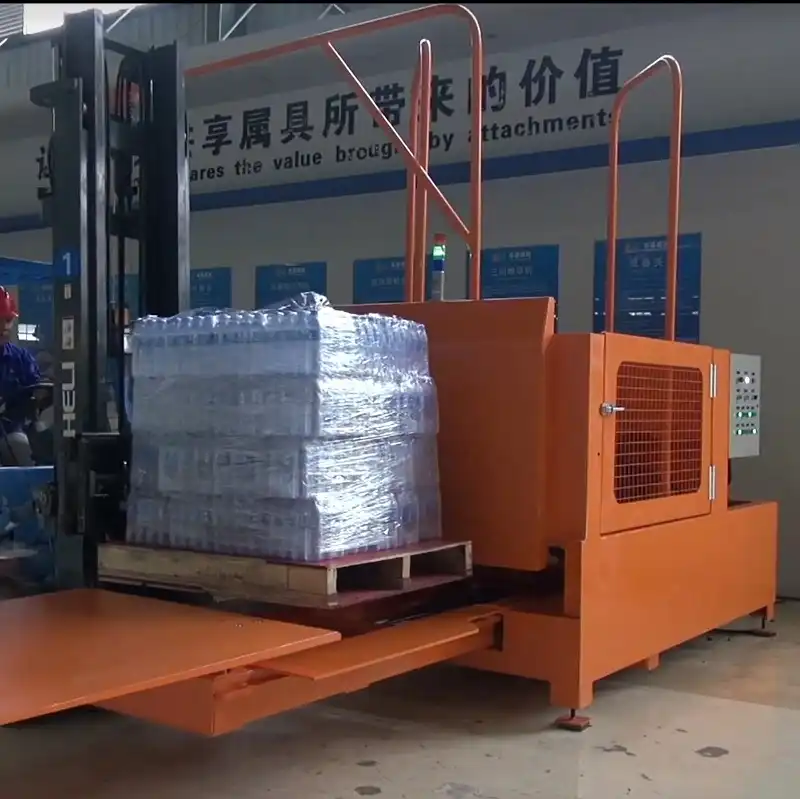
As someone who has spent years in the packing machine industry, seeing businesses struggle with these exact issues, I know the right equipment can change everything. It is not just about buying a machine; it is about finding a solution that fits your unique operational challenges. Let us dive deeper into how pallet inverters can transform stacking efficiency, specifically in high-volume, sensitive environments like cigarette production.
Why Do Cigarette Plants Need Pallet Inverters for Better Stacking?
Running a cigarette plant means dealing with a lot of product. You need to keep things moving fast. You also need to protect your product from damage. Manual pallet changes can slow things down a lot. They can also lead to mistakes or even harm to your workers. This makes it hard to keep up with orders and control costs.
Cigarette plants need pallet inverters for better stacking mainly because these machines automate the process of transferring products from one pallet type to another, ensuring continuous production flow, preventing product damage common with manual handling, enhancing worker safety by reducing heavy lifting, and adapting quickly to diverse international shipping requirements like Euro or US pallet standards, all of which are essential for maintaining high stacking efficiency and meeting tight delivery schedules in a high-volume, sensitive product environment.

For many years, I have seen firsthand how much a simple change in handling can affect an entire operation. The demands on cigarette plants are high. They cannot afford delays or damaged goods. This is where pallet inverters become not just useful, but necessary. Let us look at the specific reasons why.
Cigarette plants operate under very strict conditions. They handle delicate products. They also face high production volumes. This means that every step in the logistics chain must be efficient. Pallet inverters help solve several key problems that directly impact stacking efficiency and overall plant performance.
1. Handling Diverse Pallet Standards Efficiently
When shipping cigarettes internationally, you often need to switch between different pallet types. For example, Euro pallets and US pallets have different sizes and structures. Manually changing these pallets is a slow and labor-intensive task. It often requires several workers. This process is prone to errors. It also causes delays. A pallet inverter automates this switch. It can quickly transfer a stacked load from one pallet type to another. This means products are ready for shipping faster. It also reduces bottlenecks at the loading dock. This keeps the stacking process smooth. It ensures that products are always on the correct pallet type for their destination market. This adaptation is crucial for international logistics.
2. Protecting Product Integrity
Cigarettes are sensitive products. They can get damaged easily during handling. Manual pallet changes often involve tipping or lifting heavy stacks. This increases the risk of product damage. It can lead to crushed cartons or broken seals. Such damage means financial losses. It also affects brand reputation. Pallet inverters are designed to handle loads gently. They secure the entire stack before inverting or transferring it. This minimizes movement and stress on the product. It ensures that cigarettes remain in perfect condition from production to shipping. This gentle handling directly contributes to higher stacking quality. It means fewer reworks.
3. Improving Worker Safety and Reducing Labor Costs
Manual pallet handling is dangerous. Workers can suffer injuries from heavy lifting or repetitive motions. This includes back strains or dropped loads. In a busy plant, these accidents can be common. They lead to lost workdays. They also increase insurance costs. A pallet inverter removes the need for manual heavy lifting. Workers operate the machine from a safe distance. This significantly reduces the risk of injury. It also frees up workers for other tasks. This addresses the labor shortage challenge many plants face. It turns a risky manual job into a safe, automated one. This brings down overall labor costs. It also improves workplace morale.
4. Enhancing Overall Throughput and Speed
Speed is essential in a cigarette plant. Every minute counts. Manual pallet changes can take several minutes per pallet. This adds up to hours of lost time each day. Pallet inverters perform this task in a fraction of the time. Some models can complete a transfer in less than a minute. This dramatic increase in speed means more pallets can be processed per hour. It directly boosts the plant’s throughput. It also ensures that the stacking area does not become a bottleneck. This continuous flow helps meet tight production schedules. It also satisfies demanding customer delivery expectations.
In summary, pallet inverters are a critical investment. They help cigarette plants meet modern demands. They improve efficiency, safety, and product quality. They make the stacking process much better.
What Are the Main Pallet Inverter Types Available for Industrial Use?
If you are looking at pallet inverters, you will quickly see that there is more than one type. Choosing the right one can feel tricky. Each model has its own strengths. It suits different needs in a busy warehouse or plant. Understanding these differences is the first step to making a smart choice.
The main pallet inverter types for industrial use include 90-degree tippers, 180-degree inverters, free-standing models, mobile units, and inline systems, each designed to address specific operational needs such as space constraints, required transfer angles, volume throughput, or the necessity for integration into existing automated lines, thereby offering varied solutions for optimizing stacking efficiency and managing diverse pallet types in environments like cigarette plants.
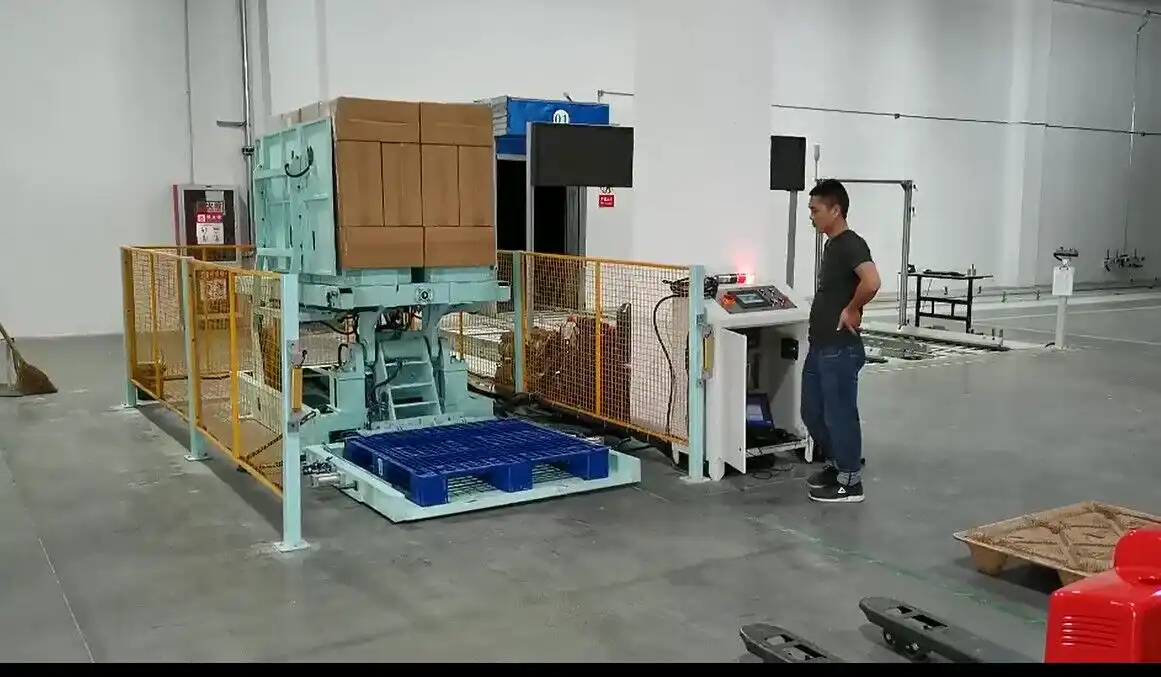
From my experience designing packing machinery, I know that what works perfectly in one factory might be completely wrong for another. It is all about matching the machine to the job. Let us break down the common types of pallet inverters you will find and what they are best for.
Understanding the different models of pallet inverters is key. It helps you choose the best fit for your specific plant. Each type has a unique design. It also has specific operational benefits. These benefits affect stacking efficiency differently.
1. 90-Degree Pallet Tippers (Pallet Chargers)
These machines tilt the load 90 degrees. They do not fully invert it. They are good for transferring products from one pallet to another when the product stack is stable. They often have side clamps to hold the load securely. This design is simple and effective. It works well for lighter loads. It also works for loads that do not need a full inversion. For example, if you just need to swap a damaged pallet underneath a stable stack, a 90-degree tipper can do this quickly. It allows access to the bottom pallet without fully turning the product upside down. This saves time and reduces risk. It is a good option for specific pallet changing tasks.
2. 180-Degree Pallet Inverters (Pallet Flippers)
These are perhaps the most common type. They fully invert the entire load by 180 degrees. This allows for complete access to both the top and bottom of the load and the original pallet. They are very versatile. They are used for many tasks. This includes changing pallets, removing damaged goods from the bottom of a stack, or reorienting products. They typically use hydraulic clamps to hold the load firmly during the inversion. This ensures product safety. These machines are robust. They handle heavier loads and high volumes. They are essential when you need to switch pallets completely. They also work when you need to rotate the product stack.
3. Free-Standing Pallet Inverters
These machines are standalone units. They do not need to be bolted down. They offer flexibility. You can move them around your warehouse or plant. This is useful for plants that have changing layouts. It is also good for operations that only need pallet inversion at specific times. They are usually plug-and-play. This means they are easy to set up. However, their mobility might mean they are not as integrated into a fully automated line. They still greatly improve efficiency. They reduce manual handling in specific areas. They are a good choice for smaller operations. They also suit those with variable needs.
4. Mobile Pallet Inverters
Similar to free-standing models, mobile pallet inverters are designed for even greater flexibility. They often come with wheels or are designed to be moved by a forklift. This allows them to service multiple areas within a large facility. Imagine a cigarette plant needing to change pallets in different production zones throughout the day. A mobile unit can move to where it is needed. This reduces the need for multiple fixed machines. It offers excellent versatility. It is ideal for facilities with diverse needs. It also helps those with limited space for permanent installations.
5. Inline Pallet Inverter Systems
These are integrated into an existing conveyor or production line. They are fully automated. They perform pallet changes without any manual intervention. This is the highest level of automation. It offers the fastest throughput. It is perfect for high-volume operations like large cigarette plants. These systems ensure a seamless flow of products. They minimize any downtime. They require careful planning for integration. But once installed, they offer unmatched stacking efficiency. They are ideal for plants looking for maximum automation and continuous operation.
Each type has its place. The choice depends on your specific operational needs. It also depends on the volume you handle. Your budget is also a factor.
How Does Each Pallet Inverter Model Impact Your Plant’s Throughput and Safety?
When you decide on a pallet inverter, you are not just buying a piece of metal. You are investing in how fast your products move. You are also investing in how safe your workers are. Each type of inverter affects these two critical areas very differently. Making the wrong choice can cost you time and money. It can also put your people at risk.
Each pallet inverter model impacts a plant’s throughput and safety distinctly: 90-degree tippers offer quick, partial pallet changes, improving throughput for stable loads with good safety; 180-degree inverters provide comprehensive pallet swaps, boosting throughput for varied loads while maximizing safety through secure clamping; free-standing and mobile units offer flexibility but may require more manual interaction, affecting both speed and safety compared to the high-automation, high-safety, and seamless throughput of inline systems which integrate directly into production lines for maximum efficiency and minimal risk.
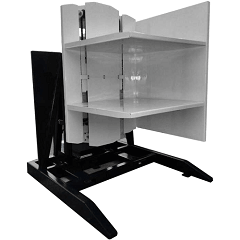
I have seen countless operations where a perfectly good machine was a bad fit because it did not match the plant’s flow or safety culture. My journey in the packing machine industry taught me that the machine must serve the process, not the other way around. Let us explore how these different models influence your plant’s operational rhythm and safety records.
The impact of a pallet inverter goes beyond its immediate function. It changes how your entire warehouse operates. It affects both how many pallets you can move (throughput) and how safe your team is (safety). We need to consider these points for each model type.
1. 90-Degree Pallet Tippers: Focused Efficiency
- Throughput: These machines are fast for specific tasks. If you only need to swap a bottom pallet quickly, without fully inverting the product, they offer good speed. They reduce the time spent waiting for a full 180-degree cycle. This can improve throughput in specific scenarios. However, for full pallet transfers, they might be slower or not suitable.
- Safety: Safety is generally good with 90-degree tippers. They secure the load with clamps before tilting. This prevents product spillage. Workers do not need to lift or manually turn heavy stacks. The tilting action is controlled. This significantly reduces the risk of back injuries or crushed limbs. The design is often simpler. This means fewer moving parts. This can also lead to easier maintenance.
2. 180-Degree Pallet Inverters: Versatile and Secure
- Throughput: These inverters are highly versatile. They can handle full pallet swaps, product reorientation, and freezer spacer removal. Their ability to fully invert any load type helps maintain high throughput for diverse needs. They are designed for continuous operation in many models. This makes them a workhorse in busy facilities. The cycle time is usually a bit longer than a 90-degree tilt. But their versatility often makes up for this. They prevent bottlenecks from manual handling.
- Safety: 180-degree inverters offer excellent safety features. They firmly clamp the entire load. This holds it in place during the full rotation. This prevents product shifting or falling. Workers are completely removed from the heavy lifting and turning process. Many models also include safety fences, light curtains, and emergency stop buttons. These features ensure a very safe working environment. They drastically reduce the risk of accidents caused by manual handling.
3. Free-Standing and Mobile Pallet Inverters: Flexible Operations
- Throughput: The throughput of these units depends on how they are used. If they are used for intermittent tasks in different areas, they offer good flexibility. They avoid buying multiple fixed machines. However, moving them around takes time. Setting them up in a new spot also takes time. This can impact overall throughput compared to dedicated, fixed systems. For high-volume, continuous operations, they might introduce slight delays.
- Safety: Safety is generally good when these machines are operated correctly. They still remove manual lifting. However, the mobility aspect adds considerations. Workers must ensure the machine is stable before operation. Moving the machine itself also carries some risk if not done carefully. They often lack the integrated safety features of fixed or inline systems, like permanent safety barriers. Proper training for operators is very important for safe use.
4. Inline Pallet Inverter Systems: Maximum Automation
- Throughput: Inline systems offer the highest throughput. They integrate seamlessly into automated production lines. They operate continuously without manual intervention. This means no stops or delays for pallet changes. Products flow from one process to the next without interruption. This maximizes stacking efficiency and overall plant speed. They are built for high-volume, 24/7 operations.
- Safety: These systems provide the highest level of safety. They are usually enclosed within safety fencing. They have multiple sensors and interlocks. This prevents human access during operation. Workers are completely separated from the moving parts. This eliminates direct contact with heavy loads or machinery. This design leads to a very low risk of worker injury. It also improves overall plant safety records.
Choosing the right inverter means balancing your needs. Think about speed, flexibility, and safety. Each model has its strong points. It is crucial to match these to your plant’s specific setup.
What Other Factors Should You Consider for Maximizing Stacking Efficiency?
Picking the right pallet inverter is a big step. But it is not the only thing that matters for stacking efficiency. Many other details can either boost your operations or cause big headaches. From my time building factories and helping clients, I have seen machines fail to meet expectations because these “other factors” were ignored.
To maximize stacking efficiency beyond just selecting a pallet inverter model, you must consider critical factors such as proper integration with existing logistics systems, robust maintenance schedules, comprehensive operator training, adaptability to various pallet and product types, and the vendor’s post-sales support, as these elements collectively ensure seamless operation, minimize downtime, enhance safety, and sustain high performance in dynamic environments like cigarette plants.
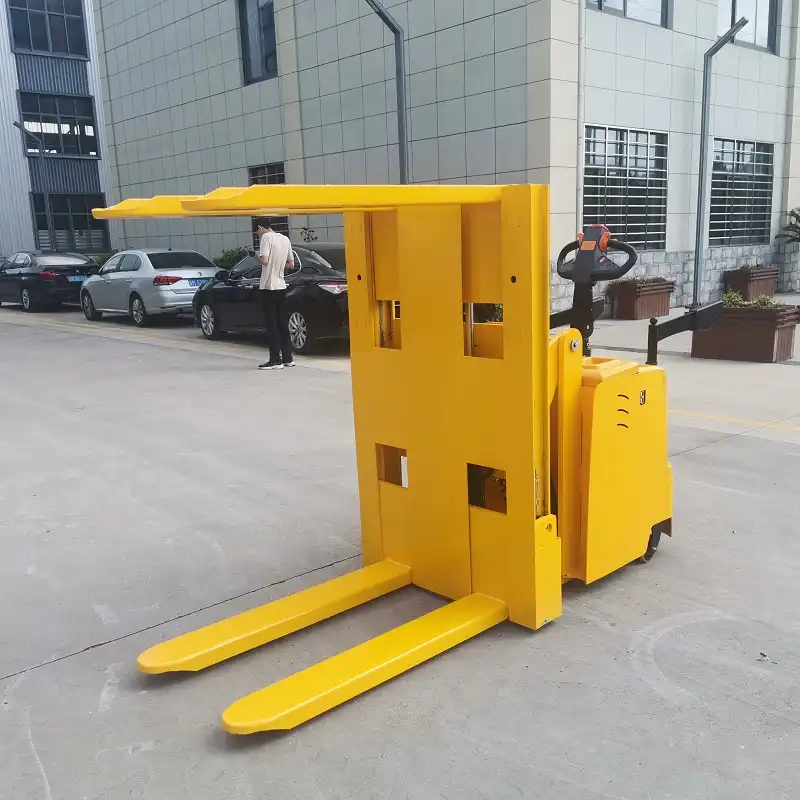
It is like building a house. The foundation is important, but if the plumbing or electricity is bad, the whole house suffers. Similarly, a pallet inverter is a critical part of your setup. But you need to consider the whole picture to get the best results. Let us explore these often-overlooked but crucial elements.
Maximizing stacking efficiency means looking at the bigger picture. A pallet inverter is a tool. How well you use that tool depends on many things. It is about how the machine fits into your whole operation. It is also about how you manage it.
1. Seamless Integration with Existing Systems
A pallet inverter cannot operate in a vacuum. It needs to work with your current conveyor lines, forklifts, and inventory management software. If it does not, you will create new bottlenecks. For example, if your pallet inverter can process 60 pallets an hour, but your conveyor system can only deliver 30, you lose efficiency.
- Conveyor Compatibility: Ensure the inverter fits your conveyor height and width. This allows for smooth transfers.
- Automation Linkage: For inline systems, connect it to your PLC (Programmable Logic Controller). This ensures it talks to other machines.
- Space Planning: Make sure there is enough room around the inverter for safe operation and maintenance. Do not just focus on the machine’s footprint. Consider the area for loading and unloading.
2. Robust Maintenance and Support
Even the best machine needs care. Without regular maintenance, performance drops. Breakdowns occur. This directly impacts stacking efficiency.
- Preventative Maintenance: Schedule regular checks and servicing. This prevents small issues from becoming big problems.
- Spare Parts Availability: Ensure you can get spare parts quickly. Long waits for parts mean long downtimes.
- Technical Support: Choose a supplier who offers reliable technical support. When something goes wrong, you need quick help. I remember a time when a client in the food industry had a critical inline pallet inverter break down. They had bought it from a company that did not offer good local support. The delay in getting a simple part cost them days of production and hundreds of thousands in spoiled goods. That is when I learned that a machine is only as good as the support behind it. This type of support ensures your machine runs well.
3. Comprehensive Operator Training
A machine is only as good as the person using it. Well-trained operators can maximize efficiency. They can also ensure safety. Poorly trained staff can cause errors. They can also cause accidents.
- Operational Skills: Train staff on how to use the inverter correctly. This includes loading, operating controls, and understanding warning lights.
- Troubleshooting: Teach them basic troubleshooting steps. This can solve minor issues quickly without calling for external support.
- Safety Protocols: Emphasize all safety procedures. This reduces risks and prevents injuries.
4. Adaptability to Future Needs
Your plant’s needs might change. New products might come. New pallet standards might arise. Your equipment should be able to adapt.
- Flexible Design: Can the inverter handle different pallet sizes or materials (wood, plastic, metal)?
- Scalability: Can the system be upgraded or expanded later? Consider your future growth plans.
- Product Sensitivity: Ensure the inverter can handle delicate products like cigarettes without damage. This means adjustable clamping pressures or gentle transfer mechanisms.
By thinking about these points, you can make sure your pallet inverter investment pays off. It helps you get the most out of your operations. It ensures long-term efficiency and success.
Choosing the Right Pallet Inverter: A Strategic Move for Your Business?
Making a major equipment purchase is always a big decision. For something as central to your operations as a pallet inverter, it is even more critical. It is not just about the cost. It is about how this machine will shape your business for years to come. It affects your efficiency, your safety, and even your reputation with customers.
Choosing the right pallet inverter is a strategic move for your business because it directly impacts your operational efficiency, safety records, ability to meet diverse client demands, and overall cost-effectiveness by automating critical pallet handling tasks, thus requiring a partnership with a vendor who understands your specific industry needs, offers reliable solutions, and provides strong after-sales support rather than just selling a machine.
As I reflect on my journey from an employee to owning a packing machine factory, I have learned that true value comes from solving problems, not just selling products. I always advise clients to think beyond the immediate price tag. Consider the long-term benefits. Think about who you partner with. This partnership is what truly drives success in areas like cigarette manufacturing.
Conclusion
Choosing the right pallet inverter is more than a purchase; it is a strategic investment. It directly boosts stacking efficiency, worker safety, and operational costs in plants like cigarette factories. By understanding different models and considering integration, maintenance, and support, businesses can ensure long-term success and meet demanding market needs.








