
Which pallet inverter ensures faster transfer of acid and alkali resistant pallets?
Finding the right equipment for a busy warehouse feels like a constant battle. You face daily pressure to move goods faster, cut costs, and keep your team safe. What happens when your operations involve special pallets, like those designed to resist acids and alkalis? These are common in industries where hygiene and chemical exposure matter. You know that if your pallet switching is slow or breaks down, it affects everything. Shipments get delayed, you could face fines, and you might even lose customers. The challenge is real, and the stakes are high.
When you need to handle acid and alkali resistant pallets quickly, a fully automatic, inline pallet inverter, especially one made from corrosion-resistant materials like stainless steel, offers the fastest and most reliable transfer. These systems minimize manual intervention and can integrate directly into existing conveyor lines, ensuring seamless and rapid pallet changes for specialized loads in demanding environments.
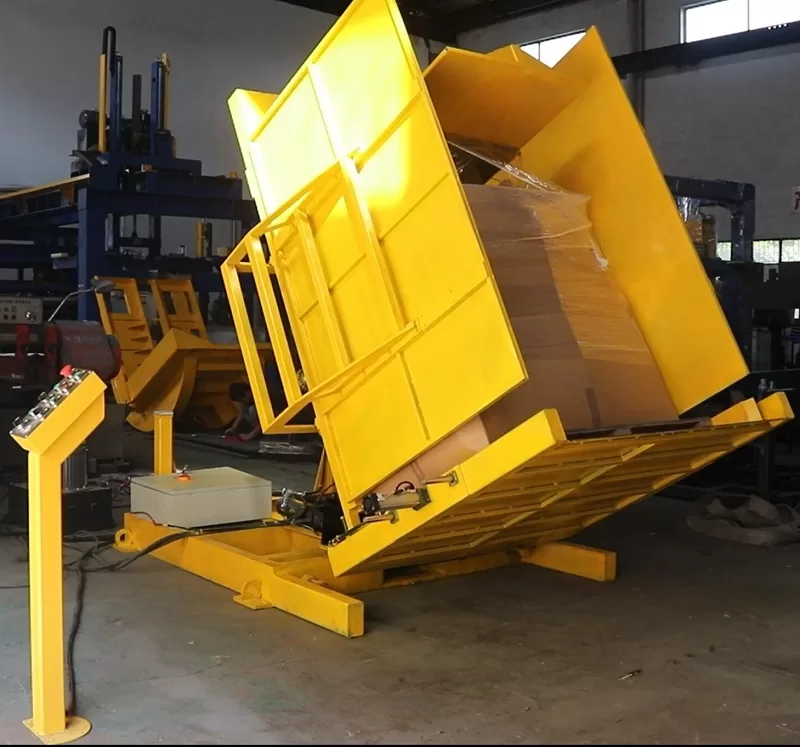
I have seen firsthand how much a good pallet inverter can change a business. From my own time on the factory floor to running my own successful packing machine factory, I know the difference reliable equipment makes. You are looking for a solution, not just a machine. You want to understand how to pick the best system for your unique needs. Let us dive into what makes a pallet inverter excel when dealing with tough, specialized pallets and the constant demand for speed.
Why Do Acid and Alkali Resistant Pallets Need Special Handling?
Imagine working in a facility where every surface must be spotless, or where products could spill harsh chemicals. This is the world of acid and alkali resistant pallets. They are not just any pallet. They are designed to withstand tough conditions, but this also means they have specific handling needs. For years, I have helped clients in the food, beverage, and chemical industries. They all face similar issues with these special pallets. If you do not handle them right, you risk contamination, damage, and even safety hazards.
Acid and alkali resistant pallets, often made from specialized plastics or composite materials, require careful handling to preserve their integrity, prevent cross-contamination, and ensure long-term durability in corrosive environments. They need specialized equipment that can withstand the same harsh conditions they do, avoiding damage to the pallets or the goods they carry.
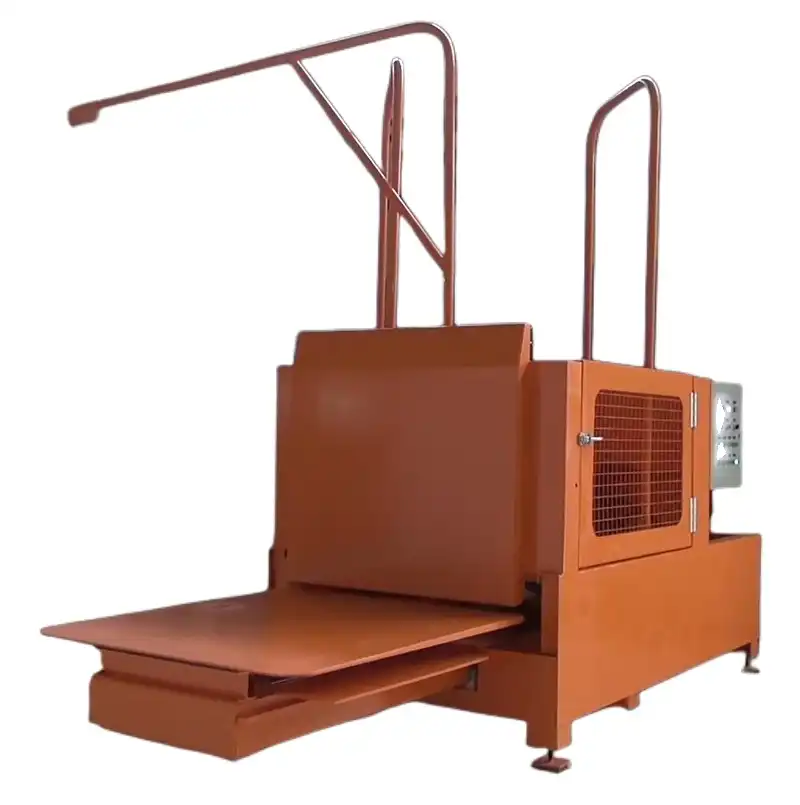
When you deal with these pallets, you are not just thinking about moving boxes. You are thinking about the cleaning agents used in your food processing facility, or the corrosive materials in your chemical plant. These environments demand equipment that matches the resilience of the pallets themselves. From my experience, ignoring these details leads to big problems down the line. It causes frequent breakdowns and higher maintenance costs. Here is why these pallets are different and what that means for your operations:
-
Material Composition:
- Plastic/Composite: Unlike traditional wood, these pallets do not absorb liquids. They are easy to clean. They resist degradation from harsh chemicals. This makes them ideal for hygiene-sensitive industries like food and pharmaceuticals.
- Durability: They are often stronger than wood pallets. They can handle heavy loads repeatedly. This reduces splintering or breaking, which is crucial for safety.
- Weight: Some plastic pallets can be lighter than wood. Some heavy-duty ones are quite dense. This affects how a machine handles them.
-
Hygienic Requirements:
- Easy to Clean: Their non-porous surface means they can be washed down thoroughly. This prevents bacteria growth. This is essential for compliance in food and beverage operations.
- No Contamination: They do not shed dust or splinters. They will not contaminate sensitive products. This is a major concern for my clients in the food packaging industry.
- Regulatory Compliance: Many industries have strict rules about pallet cleanliness. Using resistant pallets helps meet these standards. This avoids fines and product recalls.
-
Impact on Equipment:
- Surface Interaction: The smooth or textured surface of these pallets interacts differently with machine gripping surfaces. The inverter must handle them securely without slippage or damage.
- Corrosion Resistance: The inverter itself must be able to withstand the same cleaning agents or corrosive environments. If the machine cannot handle it, it will corrode quickly. My clients often use stainless steel equipment for this reason. This ensures long machine life.
- Operational Reliability: Machines need to be robust enough to handle the consistent movement of these pallets. They often operate in high-throughput environments. Breakdowns are costly. They slow down your entire operation.
Which Pallet Inverter Types Offer the Fastest Throughput for Diverse Pallets?
Speed in a warehouse operation is everything. You need to move thousands of pallets daily, sometimes switching between Euro, US, and plastic pallets. This diverse need, combined with the pressure for quick delivery, means your pallet inverter choice directly impacts your overall efficiency. When I first started out, manual pallet changing was the norm. It was slow and dangerous. Now, automation offers much faster, safer options. The question is, which type gives you the fastest throughput for all your different pallet sizes and materials?
For the fastest throughput with diverse pallet types, including acid and alkali resistant ones, an automatic 180-degree inline pallet changer or a high-speed fixed 90-degree tipper integrated into a conveyor system is generally the most effective. These systems minimize manual steps, operate continuously, and can often be configured to handle various pallet dimensions with minimal adjustment, drastically cutting down changeover times.
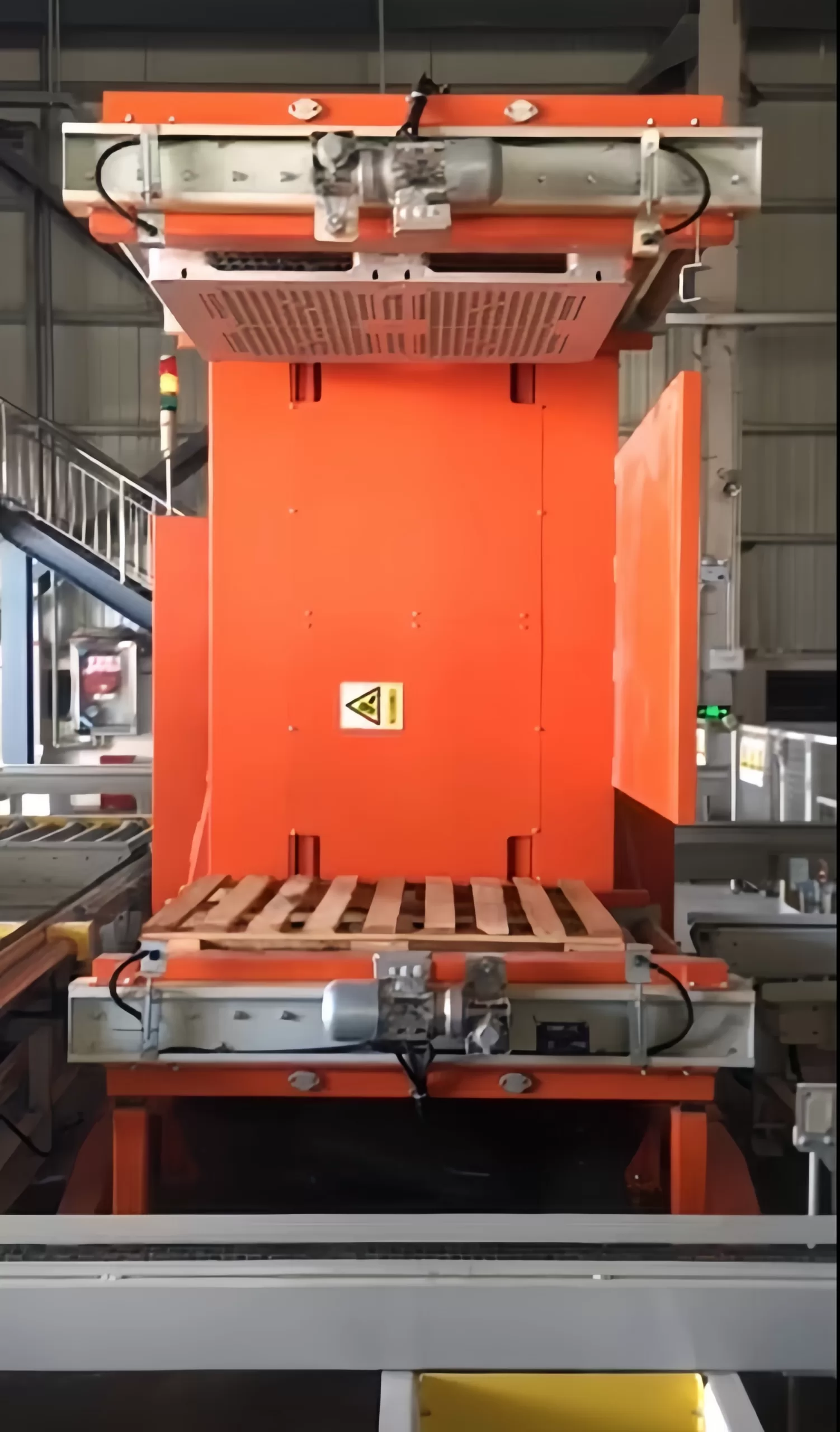
My experience with various packing machine setups has taught me that “fastest” does not always mean the simplest machine. It means the one that best fits your workflow. For someone like Carlos, who handles thousands of pallets daily and faces labor shortages, automation is key. The goal is to move pallets from one type to another with minimal interruption and maximum safety. Here is a breakdown of different inverter types and their impact on speed:
-
Automatic Inline 180-Degree Pallet Changers:
- Principle: These machines are built directly into your conveyor line. They grab the load, turn it 180 degrees, and then release it onto a new pallet, all while staying in the line of flow.
- Speed Advantage: They offer continuous operation. They do not require an operator to load or unload. This makes them incredibly fast for high-volume operations. They are ideal for moving goods from an old pallet to a new one or for switching between shipping and internal pallets.
- Versatility: Many models can handle different pallet sizes automatically. This is perfect for operations needing to switch between Euro, US, or specific plastic pallets for export. My clients often choose these for busy distribution centers.
-
Fixed 90-Degree Pallet Tippers (Pushing/Gripping Type):
- Principle: These machines tilt the load 90 degrees. They allow you to swap the bottom pallet. Some have a “pushing” plate that slides the load onto a new pallet. Others grip the load from the sides.
- Speed Advantage: They are fast for specific tasks, like swapping a damaged pallet or quickly changing a pallet type without fully inverting the product. They are quicker than manual methods.
- Considerations: While fast, they might require more interaction than a fully automated 180-degree system. They are still highly efficient for many applications. They can handle heavy loads with good stability.
-
Mobile Pallet Inverters:
- Principle: These are portable units. You can move them around the warehouse. An operator uses a forklift to load and unload them.
- Speed Advantage: They are fast for lower volume tasks or when you need flexibility. They are not designed for continuous, high-throughput inline operation.
- Considerations: Their speed depends heavily on operator efficiency and forklift availability. They introduce more manual steps. They are good for smaller operations or specific, irregular needs. They are not the first choice for the fastest overall throughput in a high-volume center.
-
Stand-Alone Pallet Inverters:
- Principle: These are fixed machines, but they are not integrated into a conveyor line. They require a forklift to load and unload each pallet.
- Speed Advantage: Faster than manual methods. Slower than inline automatic systems.
- Considerations: Good for medium-volume needs where full automation is not justified. Still requires manual labor for loading/unloading.
How Do We Ensure Pallet Inverters Are Durable for Harsh Environments and Special Pallets?
Durability is not just a buzzword for a warehouse manager. It means consistent operation, less downtime, and a lower total cost of ownership. For me, coming from the factory floor, I know that if a machine cannot handle the environment it works in, it will fail. When you are dealing with acid and alkali resistant pallets, your pallet inverter faces a double challenge. It must handle the pallets correctly and withstand the corrosive conditions of the environment. Ensuring durability in these settings is critical for safety, efficiency, and your bottom line.
To ensure pallet inverters are durable for harsh, corrosive environments and compatible with acid and alkali resistant pallets, choose machines constructed from high-grade stainless steel (like 304 or 316), with sealed electrical components, and designed for easy washdown. These features prevent corrosion, protect vital parts, and maintain hygienic standards, ensuring long-term reliability and safety in demanding operations.
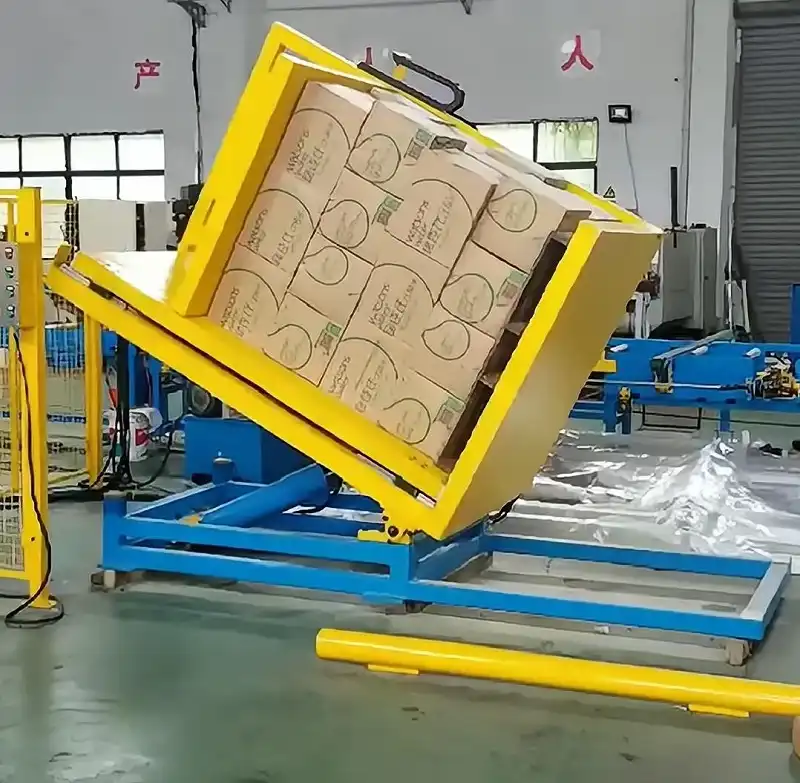
I have seen too many companies buy cheaper equipment only to pay much more in repairs and lost productivity later. For Carlos, who prioritizes reliability and safety, this is paramount. Your pallet inverter must be built to last. It must withstand daily wear and tear. It must also resist the very chemicals these special pallets are designed for. Here is what I advise my clients to look for:
-
Material Construction:
- Stainless Steel (304 or 316): This is non-negotiable for corrosive environments. Stainless steel resists rust and chemical degradation. It is easy to clean. Grade 316 offers even higher corrosion resistance, often used in marine or chemical processing. I always recommend this for food and chemical plants. It protects your investment.
- Special Coatings: Some components might use protective coatings. These add an extra layer of defense against acids and alkalis. They extend the life of the machine.
- Food-Grade Plastics: Any non-metallic parts that contact the product or environment should be food-grade and chemical-resistant. This ensures no contamination.
-
Electrical and Mechanical Protection:
- Sealed Enclosures (IP65/IP67): All electrical motors, sensors, and control panels must be sealed. This prevents moisture, dust, and corrosive fumes from entering. Water ingress causes short circuits and failures. My team always makes sure these are up to standard.
- Corrosion-Resistant Bearings and Components: Moving parts like bearings and chains should be made from stainless steel or protected with corrosion-resistant materials. Regular steel components will quickly degrade.
- Washdown Design: The machine’s overall design should allow for easy and thorough cleaning. There should be no hidden crevices where residue can build up. This is vital for hygiene in food industries.
-
Robust Design and Engineering:
- Heavy-Duty Frame: The inverter needs a strong frame. This handles heavy, continuous loads without flexing or stress fractures. This is crucial for safety and machine lifespan.
- Oversized Components: Using components that are rated higher than the expected load ensures a margin of safety and longer life. This prevents premature wear.
- User-Friendly Controls: Simple, intuitive controls reduce operator errors. This also speeds up troubleshooting. It makes the machine easier to maintain.
-
Maintenance and Support:
- Accessible Components: Regular maintenance is key. The machine should be designed so that parts needing inspection or replacement are easy to access. This reduces downtime.
- Supplier Support: A good supplier offers strong after-sales support. This includes spare parts and technical help. This is what I strive to provide. It means your machine keeps running smoothly for years.
How Can FHOPEPACK Help You Achieve Faster, Safer Pallet Transfers?
You face the pressure of diverse pallet types, labor shortages, safety risks, and ever-tighter delivery schedules. As RANDAL LIU, the founder of FHOPEPACK, I built my company on solving these exact problems. I started from the factory floor. I know the pain points. I know what reliable equipment means for your business. My goal is to share this knowledge and provide solutions that work. FHOPEPACK is not just about selling machines. It is about being your long-term partner in automation. We want to help you achieve faster, safer, and more cost-effective pallet transfers, especially when dealing with specialized pallets.
FHOPEPACK offers a range of high-performance, customized pallet inverters, including automatic inline stainless steel systems, specifically designed to handle diverse pallet types and corrosive environments efficiently. We partner with you to understand your unique challenges, providing reliable, safe, and cost-effective solutions that boost throughput, reduce labor, and ensure compliance in your warehouse operations.
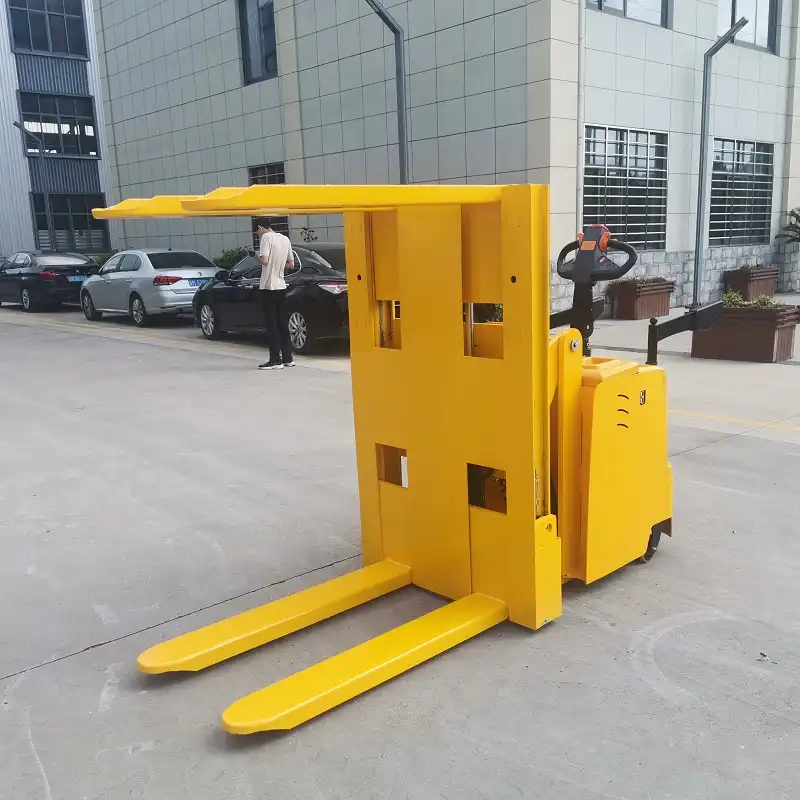
From my early days in the packing machine industry, I realized that every client has unique needs. There is no one-size-fits-all solution. That is why FHOPEPACK focuses on understanding your specific operation. We look at your pallet types, your throughput requirements, and your environmental conditions. This holistic approach ensures we recommend the right machine, not just any machine. Here is how FHOPEPACK helps you tackle your challenges:
-
Tailored Pallet Inverter Solutions:
- Custom Design: We do not just sell standard models. We can customize pallet inverters. This means we build machines to handle your specific pallet sizes (Euro, US, plastic) and your unique load types. This ensures optimal performance.
- Material Selection: For acid and alkali resistant pallets, we prioritize stainless steel construction. This protects the machine in harsh cleaning environments. This guarantees durability and hygiene.
- Integration Expertise: Our team understands how to integrate new equipment into your existing lines. This ensures a smooth transition. It minimizes disruption to your operations.
-
Focus on Automation and Efficiency:
- Reduced Labor Costs: Our automatic and semi-automatic systems significantly cut down the need for manual pallet handling. This addresses your labor shortage issues. It reduces operational costs.
- Increased Throughput: By automating the pallet changing process, we help you achieve faster transfer times. This means more pallets processed per hour. This meets the demands for shorter delivery cycles.
- Streamlined Operations: Our machines make your pallet switching process smoother. This reduces bottlenecks. It improves overall warehouse efficiency.
-
Commitment to Safety and Compliance:
- Enhanced Safety Features: FHOPEPACK pallet inverters are designed with safety in mind. They include robust guarding, emergency stops, and secure load handling. This reduces the risk of accidents and worker injuries. This improves your safety record.
- Regulatory Adherence: We build machines that help you meet industry standards for hygiene and safety. This is crucial for food, beverage, and chemical sectors. This avoids costly fines and recalls.
- Reliability: We build durable machines. This means less unexpected downtime. This reduces stress for your team. It keeps your operations running smoothly.
-
Long-Term Partnership and Support:
- Expert Consultation: We start by listening to your challenges. We offer expert advice. This helps you make informed decisions.
- After-Sales Service: Our commitment does not end with the sale. We provide comprehensive after-sales support. This includes installation, training, and maintenance. This ensures your machine operates perfectly for its entire lifespan.
- Trust and Reliability: I built FHOPEPACK on trust. I want to be the partner you can rely on. My journey has taught me the value of honest advice and dependable solutions.
Conclusion
Choosing the right pallet inverter for acid and alkali resistant pallets is crucial for speed, safety, and efficiency. Automated, stainless steel inline systems are often the best choice for fast, reliable transfers in demanding environments. FHOPEPACK provides tailored solutions, focusing on durability and seamless integration to solve your unique warehouse challenges, ensuring faster, safer operations with the right pallet inverter.








