
How pallet inverter helps procurement teams ensure safer pallet change in chemical plants?
Do you ever worry about the dangers of changing pallets in a chemical plant? The risks are real. Chemicals can be hazardous. Manual handling can lead to spills, injuries, and big problems. This makes safety a top concern for everyone. These dangers do not just cause accidents. They also lead to lost time, higher insurance costs, and potential legal issues. It is a constant worry. But what if there was a way to make pallet changes much safer and more efficient?
Pallet inverters help procurement teams ensure safer pallet changes in chemical plants by automating the process. This automation removes the need for manual handling of heavy or dangerous goods. It greatly reduces risks like chemical spills, worker injuries, and product damage. Procurement can choose systems with specific safety features. This ensures that operations meet strict safety standards. They also improve overall efficiency in hazardous environments.

Understanding these benefits is only the first step. You need to know how these machines work and what to look for. Let’s look deeper into why chemical plants face these challenges. Then we can see how pallet inverters offer a real solution.
Why is Pallet Change So Risky in Chemical Plants?
Chemical plants deal with unique risks every day. Changing pallets in these environments is often more dangerous than in other industries. This is because the products themselves can be hazardous. Workers often lift heavy items or deal with unstable loads. This makes them prone to injury. A simple mistake can lead to a chemical spill. Such an event can harm people, damage property, and create environmental problems. So, what makes these pallet change operations so risky? Let’s break it down.
Pallet changes in chemical plants are risky because they involve moving hazardous materials. These materials are often heavy or unstable. Manual handling increases the chance of spills, worker injuries, and product damage. Also, the strict safety rules in chemical plants add to the complexity. These rules make it hard to ensure full compliance during manual operations.
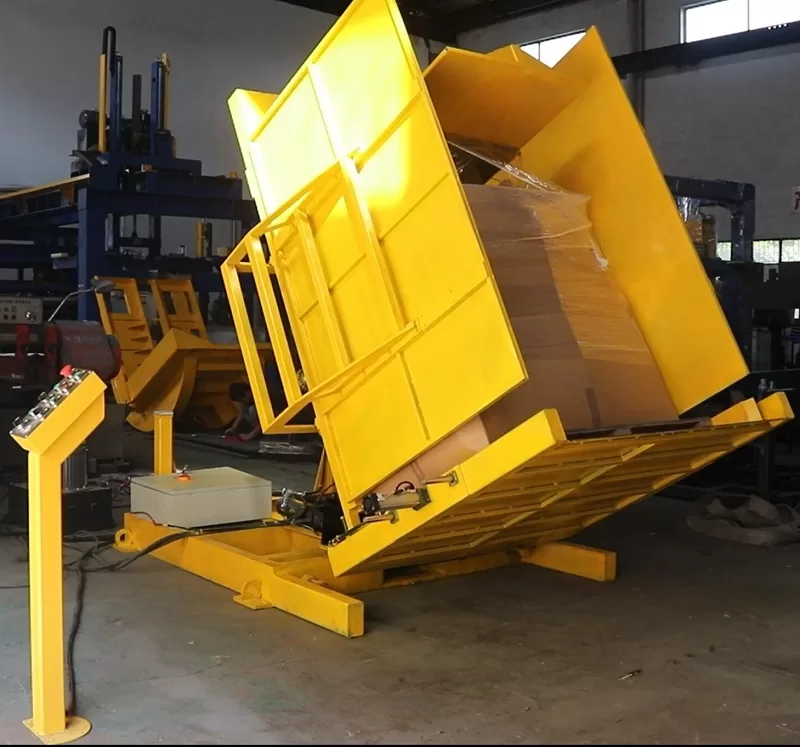
From my experience in the packing machine industry, I have seen many facilities. Chemical plants have some of the toughest safety needs. The stakes are very high. A mistake with a pallet of chemicals is not like dropping a box of clothes. It can have severe consequences. This is why understanding the risks is important for procurement teams. They must choose the right equipment.
Here are the main reasons why pallet change is risky in chemical plants:
-
Hazardous Materials:
- Many chemicals are corrosive, flammable, or toxic. If a container breaks or spills during a pallet change, it can cause serious harm. Workers might get exposed. This leads to burns, respiratory issues, or worse. The area can become contaminated. This needs costly clean-up and halts operations. Procurement teams must think about how to keep these materials contained.
- Example: A drum of acid tips over during manual transfer. This could lead to a severe chemical burn for a worker. It also requires a full HazMat response. This is a very expensive and time-consuming event. ⚠️
-
Heavy and Unstable Loads:
- Chemicals often come in drums, carboys, or large bags. These are very heavy. They can also be awkward to handle. Stacking them on pallets makes them tall and potentially unstable. When workers try to move these loads manually, the weight and instability create a high risk of injury. They might strain their backs, drop the load, or get crushed.
- Example: A worker tries to manually shift a stack of 55-gallon drums. The stack could become unbalanced. This makes it fall, causing injury and product loss. This is a common problem in busy warehouses. 🤕
-
Manual Handling Methods:
- Many plants still rely on older, manual methods for pallet changes. This means workers use hand jacks, forklifts, or even brute force to transfer goods. This is inefficient and dangerous. It puts workers in direct contact with heavy, sometimes hazardous, loads. This increases the risk of accidents. It also uses up valuable labor time.
- Example: Workers use crowbars to pry a product off a damaged wooden pallet. This is dangerous. It can cause splinters or other injuries. It also makes the product vulnerable to damage. ⛏️
-
Compliance and Regulations:
- Chemical plants must follow strict rules from bodies like OSHA or local environmental agencies. These rules cover everything from handling to storage. Manual operations are harder to control and document. This makes it difficult to prove full compliance. A lack of compliance can lead to heavy fines and legal action. Procurement must ensure new equipment helps meet these standards.
- Example: Regulators audit a plant. They find that manual pallet changes do not follow proper safety protocols. This could lead to a shutdown order. It also results in large fines for the company. 📝
-
Human Error and Fatigue:
- People get tired. They can make mistakes. In a high-pressure environment like a chemical plant, human error is very risky. Workers might forget a safety step. They might misjudge a load. Fatigue increases these risks. This is especially true for repetitive tasks like pallet changes. Automating these tasks removes the element of human error.
- Example: A worker, near the end of a long shift, misaligns a forklift. This causes a pallet to become unstable. This leads to an accident. This risk is always present with manual labor. 😴
These points show why pallet change operations need a safer, more automated approach. Procurement teams have a clear role here. They must find solutions that cut these risks. They must also keep operations smooth.
How Do Pallet Inverters Make Chemical Plant Pallet Handling Safer?
We know the risks of manual pallet changes in chemical plants are high. This puts workers and products in danger. It also creates a constant stress for management. Ignoring these risks is not an option. Accidents can lead to severe injuries, costly clean-ups, and damage to a company’s reputation. It also affects morale. So, how can pallet inverters directly solve these serious safety problems? They offer a clear path to a safer workplace.
Pallet inverters make chemical plant pallet handling much safer by removing manual lifting and flipping. They use mechanical force to turn or transfer loads. This keeps workers away from hazardous materials. It also prevents spills and reduces physical strain. These machines handle heavy, unstable, or contaminated loads in a controlled way. This significantly lowers the risk of accidents and injuries in dangerous environments.
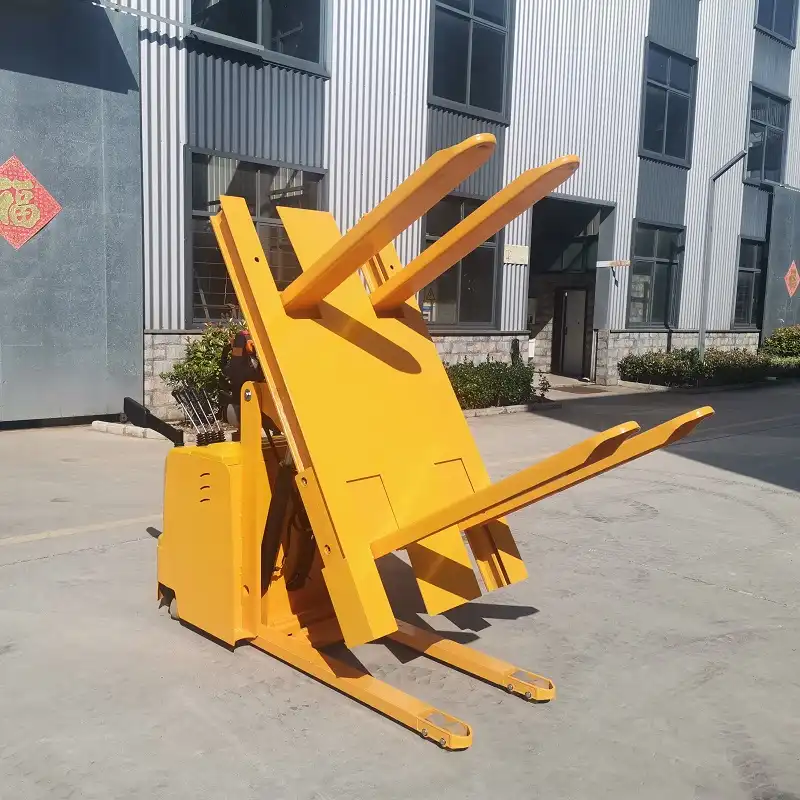
I have seen many factories struggle with outdated methods. The shift to automated systems like pallet inverters changes everything. It is not just about moving goods. It is about protecting people and valuable products. For chemical plants, this change is critical. Procurement teams must understand these direct safety benefits. They need to see how these machines remove the biggest risks.
Here is how pallet inverters improve safety in chemical plant pallet handling:
-
Eliminates Manual Handling Risks:
- The most important safety benefit is removing human interaction with the load. Pallet inverters do all the heavy lifting and turning. Workers no longer need to manually flip heavy drums or unstable stacks. This means no more back strains, dropped loads, or crushed limbs. It keeps personnel out of the danger zone. This is a fundamental change in how work gets done.
- Example: Imagine trying to manually invert a pallet with 10 drums of solvents. This is extremely difficult and dangerous. A pallet inverter does this smoothly. It keeps workers safe at a distance. 🤖
-
Prevents Chemical Spills and Product Damage:
- Pallet inverters hold loads firmly during the inversion process. This strong grip prevents items from shifting or falling. This is crucial for preventing spills of hazardous chemicals. It also protects the product itself from damage. When product integrity is maintained, there are no leaks. This stops environmental contamination. It also avoids costly material losses.
- Example: A pallet of fragile glass containers with chemicals needs transfer. Manual handling risks breakage. A pallet inverter keeps them secure. This prevents shattered glass and chemical leaks. 💧
-
Reduces Worker Exposure to Hazardous Materials:
- With manual handling, workers might come into contact with residues or fumes. This can happen during pallet changes. Pallet inverters create a barrier. The machine handles the contaminated or hazardous pallet. Workers can then safely remove the old pallet. They do not need to touch the dangerous items. This limits their exposure to harmful substances.
- Example: A chemical drum has a small leak on its bottom. If workers lift it manually, they might touch the leak. A pallet inverter handles it without direct human contact. 🛡️
-
Ensures Stable and Controlled Operations:
- Pallet inverters offer a controlled environment for every pallet change. They operate with precise movements. This means fewer sudden shifts or drops. This stability is important for chemical loads. It helps maintain the integrity of the containers. It also keeps the entire operation smooth and predictable. This reduces the chance of any unexpected accidents.
- Example: A forklift driver often has to stop and restart during manual pallet re-stacking. This creates jerky movements. A pallet inverter performs one fluid motion. This greatly increases stability. 🎯
-
Improves Ergonomics and Reduces Fatigue:
- Repetitive lifting and awkward movements cause fatigue. They also lead to musculoskeletal injuries over time. Pallet inverters eliminate these physically demanding tasks. This reduces the strain on workers. A less fatigued workforce is a safer workforce. They are more alert. They can focus on monitoring the process instead of heavy lifting.
- Example: Workers previously bent over constantly to check pallets. With an inverter, they supervise from a safe, upright position. This ergonomic improvement is a huge benefit. 💪
-
Facilitates Compliance with Safety Regulations:
- Automating pallet changes makes it easier to meet strict safety rules. Many regulations require minimizing human exposure to hazards. Pallet inverters help achieve this. They provide a documented, repeatable process. This makes audits easier. It shows a commitment to worker safety and regulatory compliance.
- Example: OSHA standards demand clear safety procedures for handling hazardous goods. Pallet inverters offer a system that naturally aligns with these requirements. ✅
By bringing these machines into their operations, chemical plants can make a big step towards a safer working environment. Procurement plays a key role in making this happen. They must choose the right tools for the job.
What Should Procurement Look for in a Pallet Inverter for Chemical Safety?
You know pallet inverters are vital for safety in chemical plants. But not all machines are the same. Choosing the wrong one can be a costly mistake. It can also leave your plant vulnerable to risks. A cheap or poorly designed pallet inverter might not withstand the demands of a chemical environment. It could fail. This leads to downtime, accidents, and even greater safety issues than before. So, what specific features and qualities should procurement teams prioritize when buying a pallet inverter for chemical safety? You need to pick the right partner.
Procurement teams should look for several key features in a pallet inverter for chemical safety. These include robust construction from corrosion-resistant materials. They need advanced safety interlocks and emergency stops. The machine should also offer stable load handling for diverse pallet types. Good customer support and compliance with industry safety standards are also critical. These elements ensure long-term reliability and worker protection.
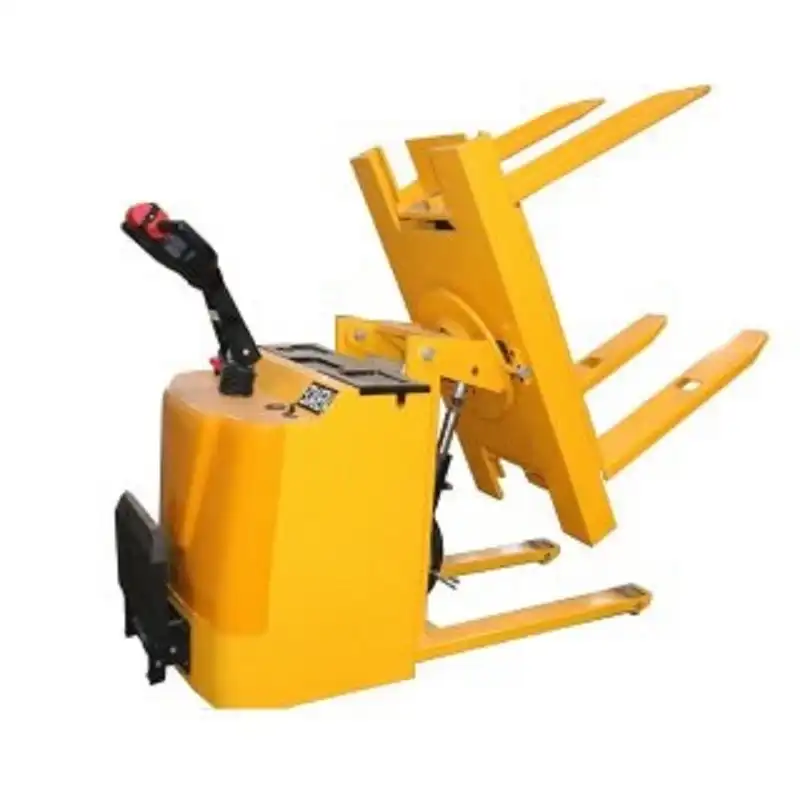
I have worked with many clients. I have helped them choose the right equipment. I know that simply buying a machine is not enough. Procurement in chemical plants has a unique responsibility. They must ensure that the chosen pallet inverter not only works but also meets the highest safety standards. This means looking beyond the price tag. It means focusing on long-term value and reliability.
Here is a detailed guide for procurement teams:
-
Material and Construction Quality:
- Chemical plants often have corrosive environments. This can be from the products or from cleaning agents. The pallet inverter must be built with materials that resist corrosion. Stainless steel is often preferred for contact parts. Robust construction ensures the machine can handle heavy loads continuously. This prevents mechanical failures that could cause accidents. Look for thick steel frames and high-quality welds.
- Insight: A poorly constructed machine will degrade fast. It creates new safety hazards. A solid build reduces maintenance and extends machine life. This saves money in the long run. 🏗️
-
Advanced Safety Features:
- Safety should be built into the machine’s core. Look for essential safety features. These include safety light curtains or barriers. They detect if a person enters the operating area. Emergency stop buttons must be easy to access. Interlocks prevent operation if guards are open. Overload protection sensors stop the machine if the load is too heavy. These features prevent accidents before they happen.
- Insight: These features are not optional. They are mandatory. They protect workers from moving parts and potential spills. They ensure the machine operates only under safe conditions. 🛑
-
Load Stability and Control:
- The inverter must grip loads securely. This is important during the entire cycle. It needs to handle various pallet sizes and weights. For chemical plants, this often includes drums, bags, and delicate containers. Ensure the clamping mechanism is strong and adjustable. It should provide smooth and controlled movements. This prevents any shifting or dropping of hazardous materials.
- Insight: An unstable load means a high risk of spills or damage. The inverter’s ability to handle diverse, sensitive loads safely is key. This avoids costly product loss and environmental clean-up. 🔒
-
Ease of Use and Maintenance:
- Complex machines can lead to operational errors. The pallet inverter should be user-friendly. Controls must be intuitive. This reduces training time. It also lowers the chance of mistakes. Easy access for maintenance is also critical. Regular checks keep the machine running safely. This prevents unexpected breakdowns. These breakdowns can cause safety issues.
- Insight: Simple operation reduces human error. Easy maintenance means the machine stays in top condition. Both factors directly contribute to a safer, more reliable operation. ⚙️
-
Vendor Reliability and Support:
- This is where FHOPEPACK shines. Procurement needs a partner, not just a seller. Look for a vendor with proven experience in your industry. They should offer strong after-sales support. This includes spare parts availability. It also means quick technical assistance. A reliable vendor helps with installation, training, and ongoing service. This ensures the machine stays safe and efficient for its entire life. My own journey in the packing machine industry taught me the value of this. I always aim to be that reliable partner for our clients.
- Insight: A machine is only as good as the support behind it. A strong vendor partnership means less downtime. It also means quick solutions to problems. This reduces risks and ensures long-term operational success.🤝
-
Compliance and Certification:
- The pallet inverter must comply with relevant safety standards. These include CE marking for Europe or OSHA guidelines in the US. Ask for documentation. This proves the machine meets these standards. Compliance ensures legal safety requirements are met. It also provides peace of mind.
- Insight: Meeting regulatory standards protects your company. It ensures your operations are lawful and safe. This avoids penalties and improves your public image. 📜
Procurement teams have a big responsibility. They must choose wisely. The right pallet inverter is an investment in safety and efficiency. It is also an investment in your company’s future.
Beyond Safety: How Pallet Inverters Boost Chemical Plant Operations?
We have focused on how pallet inverters make chemical plants safer. But is safety the only benefit? Many companies still see safety measures as an added cost, not an investment. If you only think about safety, you might miss the bigger picture. You could overlook other huge gains. These gains can transform your plant’s overall efficiency and profitability. Pallet inverters do much more than just protect workers. They also bring significant operational and financial advantages. They are a smart business choice.
Beyond safety, pallet inverters boost chemical plant operations by increasing efficiency and reducing costs. They automate slow manual tasks. This speeds up pallet exchange and overall throughput. They also cut labor needs and reduce product damage. This leads to lower operational expenses and improved supply chain flow. Pallet inverters help optimize space and meet diverse pallet requirements. This makes operations more agile and competitive.
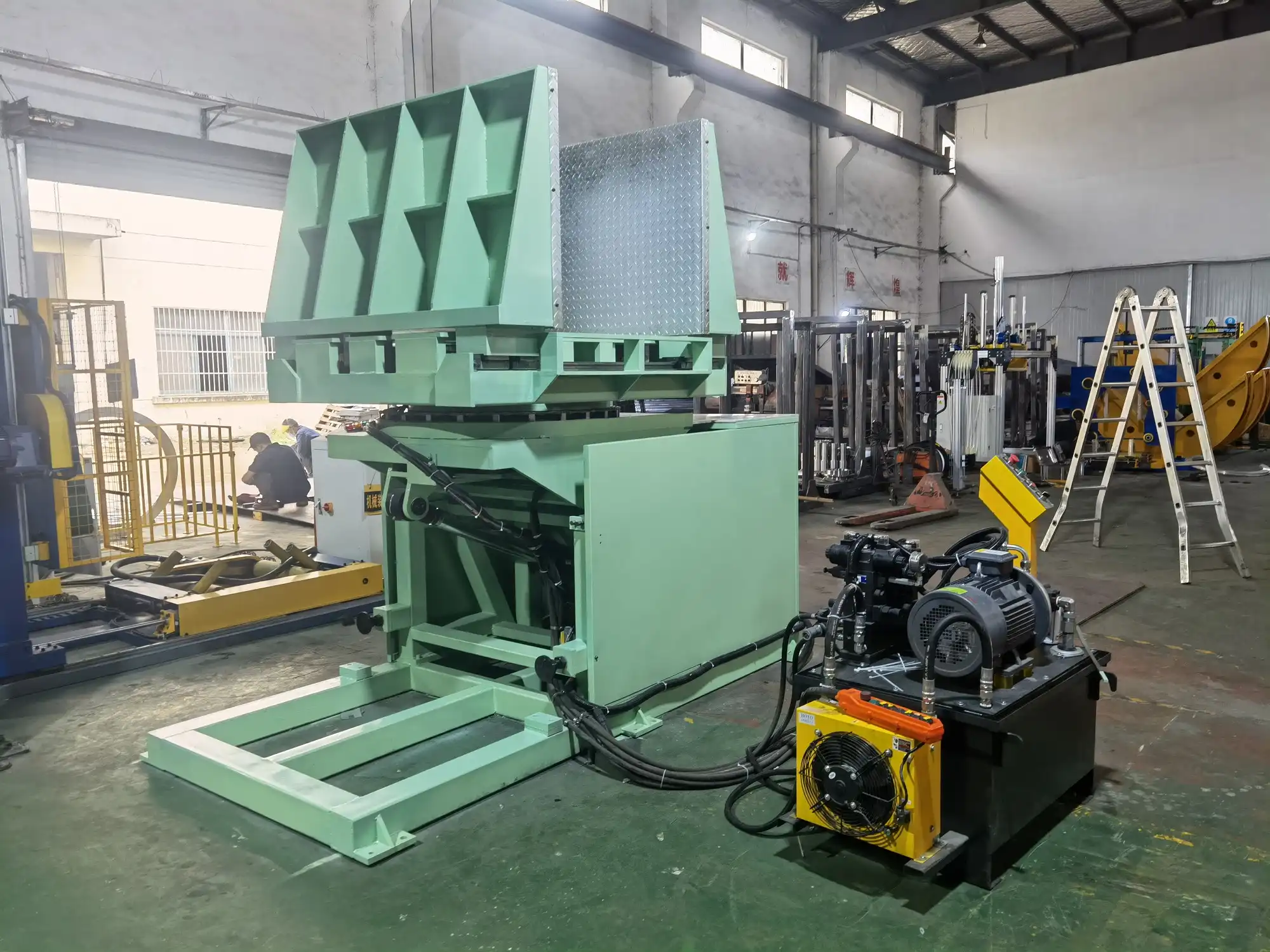
From my personal journey in building FHOPEPACK, I learned that efficiency and cost-effectiveness are key to business growth. Safety is paramount, but smart investments should deliver multiple benefits. For procurement teams, this means justifying the purchase of a pallet inverter not just on safety grounds, but also on its contribution to the bottom line. This helps decision-makers see the full value.
Here is how pallet inverters go beyond safety to boost chemical plant operations:
-
Increased Operational Efficiency:
- Manual pallet changes are slow and labor-intensive. A pallet inverter can complete a full cycle in minutes. This speed greatly increases throughput. It reduces bottlenecks in the warehouse or loading dock. Faster operations mean goods move quicker. This improves overall supply chain speed. It helps meet tighter delivery schedules. This is crucial for customer satisfaction.
- Insight: Time is money. Speeding up pallet changes means more product moves through the plant each day. This directly impacts production capacity and sales. ⏱️
-
Reduced Labor Costs and Dependency:
- Labor is often the biggest cost in warehousing. Finding skilled labor for physically demanding jobs is hard. Pallet inverters reduce the need for multiple workers to perform strenuous pallet transfers. One operator can manage the machine. This frees up staff for other, more skilled tasks. It also addresses the problem of labor shortages.
- Insight: Cutting down on manual labor costs means a direct saving. It also makes your operations more resilient to labor market changes. This is a big concern for logistics managers like Carlos. 💰
-
Minimized Product Damage and Loss:
- Manual handling has a higher risk of dropping or mishandling products. This is especially true for heavy or fragile chemical containers. Pallet inverters handle loads gently and securely. This greatly reduces damage to goods. Less damage means less waste. It also means fewer returns and customer complaints. This saves money and protects product quality.
- Insight: Protecting your product protects your profit margins. Each damaged item is a loss. Pallet inverters ensure safe movement, which keeps your products in good condition. 📦
-
Improved Warehouse Flow and Space Utilization:
- Pallet inverters can quickly switch between different pallet types (e.g., wood to plastic, or standard to specific export pallets). This flexibility improves warehouse flow. It removes the need for large staging areas for manual transfers. Some models are compact or mobile. This optimizes floor space. Efficient space use is very important in crowded chemical plants.
- Insight: A well-organized warehouse runs smoother. It also holds more inventory. Pallet inverters contribute to a more optimized and flexible storage system. 📏
-
Enhanced Compliance and Traceability:
- Automated systems provide a consistent, repeatable process. This makes it easier to comply with regulatory requirements for product handling and traceability. Some systems can integrate with inventory management software. This provides data on each pallet change. This data helps with audits. It also improves overall process control.
- Insight: Beyond safety compliance, operational compliance ensures smooth running. Data from automated systems helps improve future decisions. 📊
-
Long-Term Investment Value:
- While there is an initial cost, the return on investment (ROI) for a pallet inverter can be significant. This comes from reduced labor, fewer injuries, less product damage, and increased efficiency. These savings add up over time. A reliable machine from a trusted partner (like FHOPEPACK) offers a long service life. This makes it a smart long-term investment.
- Insight: Procurement teams look for solutions that pay for themselves. Pallet inverters offer a strong financial case beyond their clear safety benefits. This makes them an easy choice for budget-conscious managers. 📈
Pallet inverters are more than just a safety device. They are a strategic tool. They can help chemical plants become safer, more efficient, and more profitable. Procurement teams that understand this broader impact can make truly impactful decisions.
Conclusion
Pallet inverters are vital for chemical plants. They greatly boost safety by cutting manual handling and preventing spills. Beyond safety, they drive efficiency, cut costs, and improve overall operations. Investing in a reliable pallet inverter is a smart move for any procurement team. It ensures a safer, more productive future.








