
Which pallet inverter option offers the best value for hazardous goods operations?
You are managing a warehouse. You know the daily challenges. Handling hazardous goods adds a whole new layer of complexity. Safety is paramount. Compliance is not optional. You cannot afford mistakes. This often means slow, manual processes. It means risks for your team. It also means potential fines and delays. You need a solution that keeps things moving safely and efficiently.
For hazardous goods operations, the best value in a pallet inverter often comes from specialized, heavy-duty, and highly automated systems. These systems prioritize safety features, spill containment, and robust construction. They reduce human contact with dangerous materials. They also ensure strict compliance with industry regulations. The initial investment might be higher. But the long-term benefits in safety, efficiency, and avoided penalties make them the top choice.
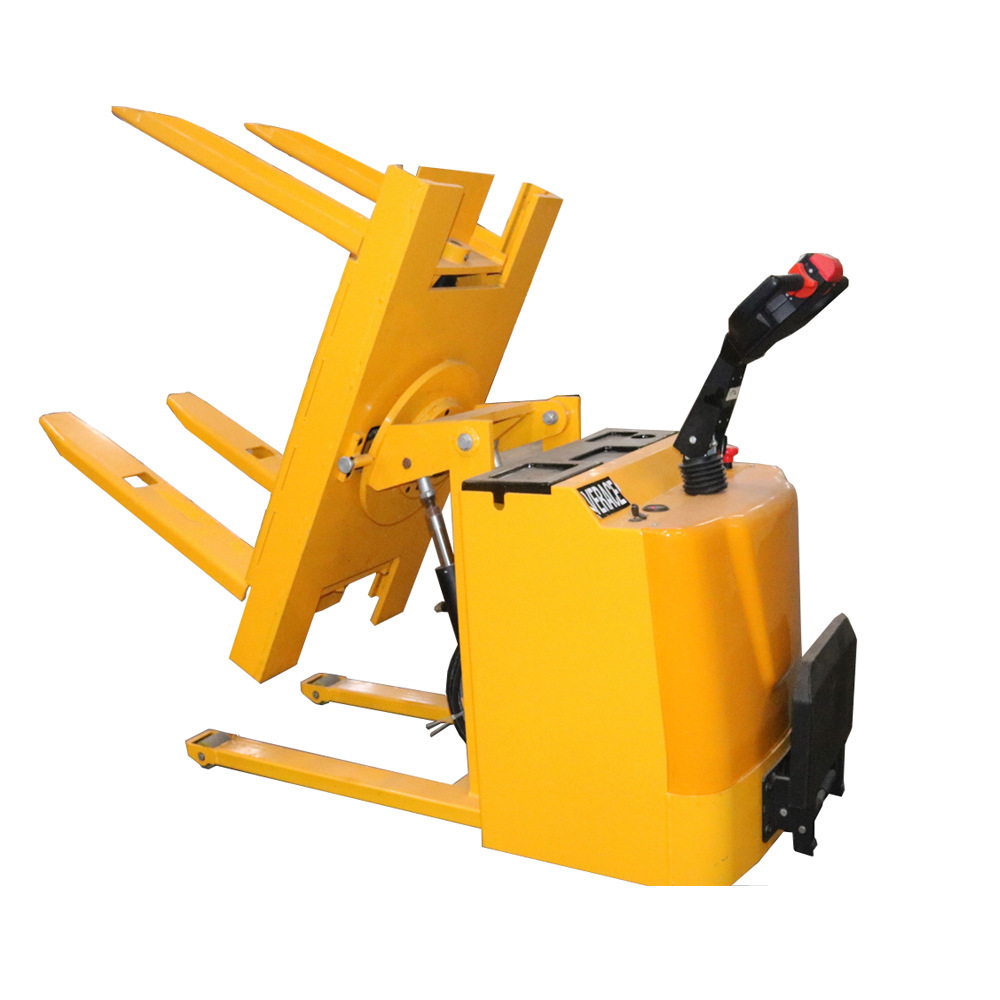
Choosing the right pallet inverter is a big decision. Especially when hazardous goods are involved. It is not just about moving pallets. It is about protecting people and products. It is about keeping your business running smoothly. Let’s look at what truly matters. We will explore how different options stack up. This will help you find the best value for your specific needs.
Understanding the Unique Challenges of Hazardous Goods Pallet Handling?
Handling hazardous goods is different from handling regular products. It brings unique risks and demands. You cannot just use any equipment. You must think about safety first. You must follow many rules. My journey in the packing machine industry taught me this. I saw firsthand how critical it is to get it right. From my time as an employee to running my own factory, safety always came first.
Hazardous goods pallet handling presents distinct challenges. These include strict regulatory compliance, high safety risks, the need for specialized equipment, and complex training requirements. You must prevent spills, protect workers, and ensure proper storage. Standard handling methods often fall short. They can lead to accidents or legal problems.

Let’s dive deeper into these challenges. Understanding them helps us see why specific pallet inverter features are so important. It is not just about avoiding problems. It is about building a safer, more efficient operation.
1. The Gravity of Regulatory Compliance
Hazardous goods fall under many regulations. These rules cover storage, transport, and handling. Not following them can lead to big fines. It can also cause legal issues. For example, different countries have different rules for pallet types. This means frequent pallet changes.
- International Standards: Rules like IMDG Code for sea transport or IATA DGR for air freight are very strict. Your equipment must support these standards.
- Local Regulations: Each region or country has its own safety and environmental laws. These might require specific safety features on your machinery.
- Documentation: Every step of handling hazardous goods needs clear records. This includes how pallets are moved or changed. The right equipment can simplify this.
2. The Constant Threat of Safety Risks
Working with hazardous materials is dangerous. This is true for your staff and your products. Accidents can cause serious harm. They can also lead to environmental damage. Manual pallet changes increase these risks.
- Spills and Leaks: If a pallet is dropped or mishandled, containers can break. This can release dangerous chemicals. A good pallet inverter keeps products secure.
- Worker Injury: Manual lifting or turning heavy pallets causes strain. It can lead to back injuries. It can also cause crush injuries if loads shift. Automation reduces these physical risks.
- Contamination: Cross-contamination is a risk in some operations. This is especially true if you handle different types of hazardous materials. Sealed equipment designs can help prevent this.
3. The Need for Specialized Equipment
Regular warehouse equipment might not be suitable. Hazardous goods need machines built for the task. They need to handle specific conditions. They must also meet safety standards.
- Material Compatibility: Some hazardous goods are corrosive. Equipment must resist these materials. Stainless steel or special coatings are often needed.
- Explosion Protection (ATEX): If you handle flammable liquids or gases, equipment needs ATEX certification. This prevents sparks that could cause an explosion.
- Containment Features: Features like drip trays or integrated spill containment are crucial. They catch any leaks during the pallet changing process.
4. The Complexity of Training and Procedures
Your team needs special training. They must know how to handle hazardous goods safely. They must also know how to operate specialized equipment. This adds to your operational costs.
- Specific SOPs: Standard operating procedures for hazardous goods are detailed. They need to cover every step, including pallet inversion.
- Emergency Response: Your team must know what to do if an accident happens. This includes how to use emergency stop features on pallet inverters.
- Ongoing Training: Regulations and best practices change. Your team needs regular updates. Choosing user-friendly equipment can make training easier.
These challenges show why a cheap, simple solution is not always the best value. For hazardous goods, investing in the right technology pays off in safety, compliance, and peace of mind.
What Pallet Inverter Features Are Essential for Safety and Compliance in Hazardous Goods Environments?
When you handle hazardous goods, safety is not just a word. It is a strict requirement. Compliance is also key. Your pallet inverter must have specific features. These features keep your workers safe. They also protect your products. They help you follow the rules. I have seen how quickly things can go wrong without the right equipment. That is why I always focus on robust and secure designs.
Essential features for a pallet inverter in hazardous goods environments include heavy-duty construction, spill containment, explosion-proof components (ATEX certified), robust safety interlocks, and precise control systems. These features work together. They minimize risks, prevent accidents, and ensure that your operations meet all necessary safety and regulatory standards.
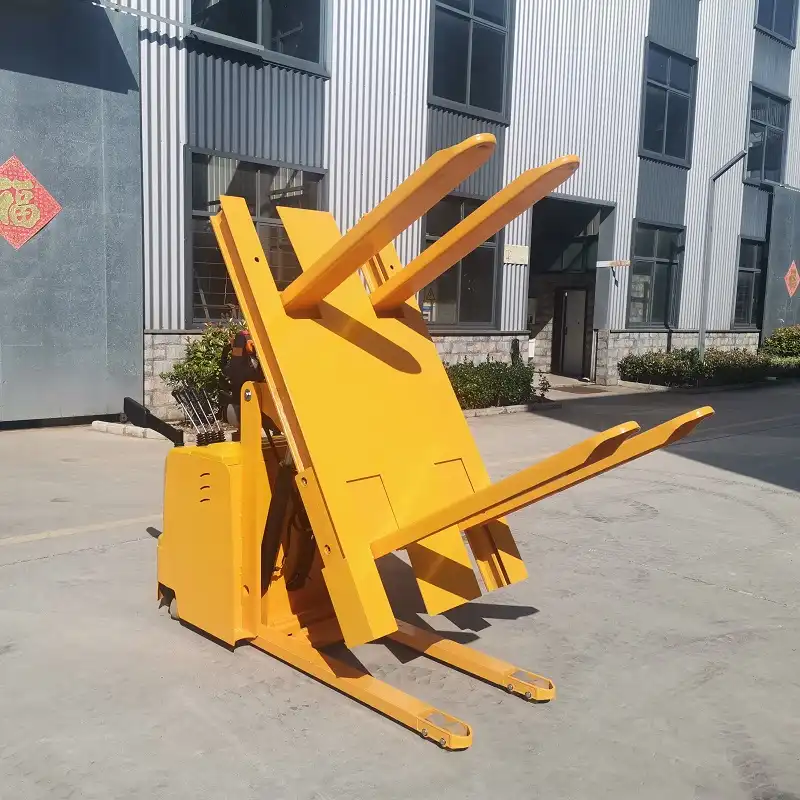
Let’s look closely at these essential features. They are not just add-ons. They are fundamental elements for safe and compliant operations.
1. Robust and Corrosion-Resistant Construction
Hazardous goods can be heavy. They can also be corrosive. Your pallet inverter must withstand these conditions. It needs strong materials. It also needs a durable design.
- Heavy-Duty Frame: The machine needs a strong frame. It must handle heavy loads without failing. This prevents structural damage. It also keeps the load stable during inversion.
- Stainless Steel or Coated Surfaces: Many hazardous chemicals can corrode standard metals. Stainless steel parts or special protective coatings are vital. These prevent degradation and extend the machine’s life. They also reduce the risk of contamination.
- Sealed Components: Electrical and mechanical parts need protection. They must be safe from chemical exposure. Sealed enclosures prevent corrosion and short circuits.
2. Integrated Spill Containment Systems
Even with careful handling, spills can happen. A good pallet inverter has features to contain them. This prevents hazardous materials from spreading. It also simplifies cleanup.
- Drip Trays and Sumps: These are built into the machine’s base. They collect any liquids that leak during the pallet change. This stops spills from reaching the floor.
- Sealed Operation Areas: Some advanced models create a sealed chamber during inversion. This keeps any fumes or spills contained within the unit.
- Easy-Clean Design: The machine’s surfaces should be easy to clean. This allows for quick and safe removal of any spilled materials. It also prevents chemical buildup.
3. Explosion-Proof (ATEX) Certification
If you handle flammable liquids, gases, or dusts, this is non-negotiable. Regular electrical components can spark. This can cause an explosion. ATEX certification ensures the equipment is safe for such environments.
- Certified Components: All electrical parts, motors, and sensors must be ATEX rated. They are designed to prevent ignition sources.
- Static Dissipation: The machine needs grounding systems. These prevent static electricity buildup. Static discharge can also cause sparks.
- Pressure and Temperature Control: In some cases, the machine might include systems to monitor or control internal pressure or temperature. This reduces explosion risk.
4. Advanced Safety Interlocks and Controls
Human error is a major cause of accidents. Modern pallet inverters have smart safety systems. These prevent the machine from operating unsafely. They protect both operators and products.
- Light Curtains and Safety Scanners: These detect if a person is too close to moving parts. The machine stops automatically if someone enters the danger zone.
- Emergency Stop Buttons: Clearly marked E-stop buttons must be easily accessible. They allow operators to shut down the machine instantly in an emergency.
- Two-Hand Control: For some operations, both hands are required to start the cycle. This ensures the operator is not reaching into the machine. It forces them to be in a safe position.
5. Precise and Controllable Movement
Rough handling increases the risk of damage or spills. A good pallet inverter offers smooth, controlled movements. This is essential for fragile or sensitive hazardous goods.
- Variable Speed Control: Operators can adjust the speed of inversion. This allows for slower, more careful handling of delicate loads.
- Soft Start/Stop: The machine should start and stop smoothly. This prevents sudden jerks that can destabilize pallets.
- Accurate Positioning: The inverter must position pallets precisely. This ensures proper alignment and reduces the need for manual adjustments.
These features are not luxuries. They are necessities. They define the true value of a pallet inverter in hazardous goods operations. They directly contribute to a safer, more compliant, and ultimately more cost-effective warehouse.
How Can Different Pallet Inverter Types Offer Value for Hazardous Goods Operations?
You know that not all warehouses are the same. Not all hazardous goods are the same either. This means there is no one-size-fits-all pallet inverter. Different types of inverters offer different benefits. You need to pick the one that fits your specific workflow. You also need one that meets your safety needs. My background in building custom packing machines taught me to always consider the unique demands of each client.
Different pallet inverter types offer value through varied capacities, automation levels, and physical footprints. Full-rotation (180-degree) inverters are versatile for all changes. 90-degree tippers are good for specific tasks. Mobile units offer flexibility. Fixed units provide high throughput. Fully automatic systems maximize safety and efficiency, making them ideal for high-volume hazardous operations. Each type brings specific advantages depending on the volume, pallet type, and facility layout.

Let’s explore how these different types bring value. We will look at their strengths and weaknesses in a hazardous goods setting.
1. Full-Rotation (180-Degree) Pallet Inverters
These machines flip the entire pallet load 180 degrees. They are very versatile. You can change damaged pallets. You can also transfer goods to new pallets. They are common in many industries.
- Value Proposition:
- Versatility: Handles any pallet-to-pallet transfer. This includes damaged product recovery. It is also good for changing from in-house to shipping pallets.
- Load Stability: Most models clamp the load securely during the entire inversion. This is crucial for hazardous goods. It minimizes shifting and spills.
- Accessibility: Often allows for easy access to the inverted load. This helps with inspection or minor repackaging.
- Best for: Operations with varied pallet change needs. This includes changing between different types of shipping pallets (like Euro to US pallets for export). It is also good for high-value or sensitive hazardous products.








