
Which Pallet Inverter Design Works Best for High-Speed Printing Industry Demands?
Are you struggling to keep up with the relentless pace of your printing operations? Does the thought of slow, manual pallet handling make you cringe, knowing it costs you time, money, and potentially damages your valuable stock? Many businesses in high-speed printing face these exact frustrations. They deal with constant pressure to deliver quickly, safely, and efficiently. This demand means every part of the production chain, especially how you handle materials, must be optimized.
For high-speed printing industry demands, the best pallet inverter design is typically a robust, stationary, 180-degree inline system, often featuring hydraulic or electric clamping for stability and gentle product handling. These systems integrate directly into conveyor lines, offering continuous, automated operation. They reduce manual intervention, keep pace with production, and minimize the risk of damage to sensitive materials like paper rolls or finished prints.
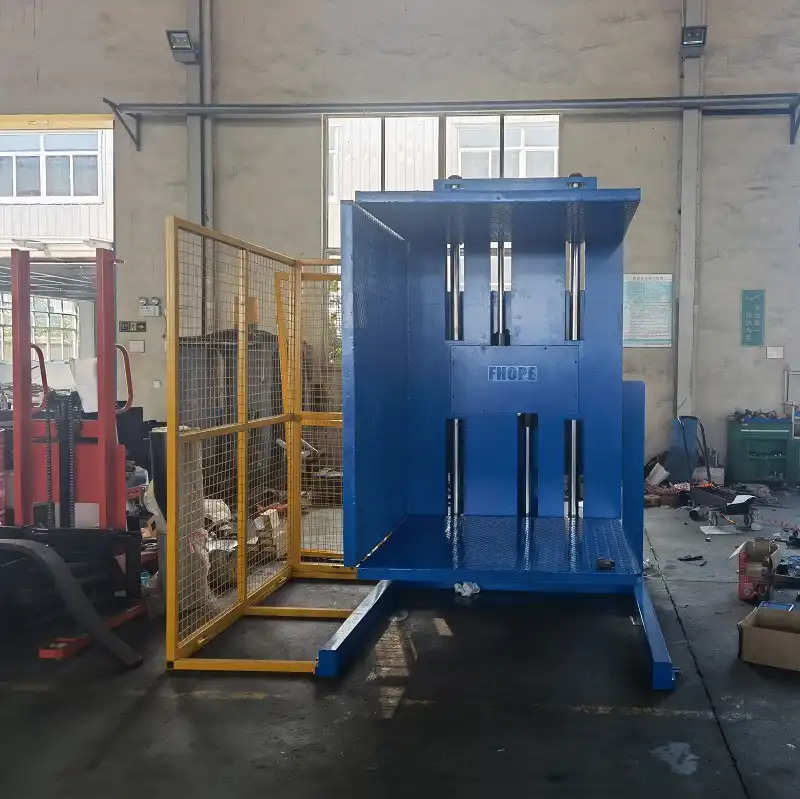
Choosing the right pallet inverter is more than just buying a machine; it is about investing in your operational flow. It impacts your bottom line, your team’s safety, and your client satisfaction. In my years in the packing machine industry, I have seen how the right solution can transform a business. Let us explore the designs that truly make a difference for high-speed printing. We will look at what makes them effective, safe, and reliable.
Understanding the Unique Demands of High-Speed Printing Operations?
The printing industry is unique. It moves at incredible speed, often dealing with heavy, delicate materials. You face constant pressure to produce high volumes with zero errors. Your customers expect perfection and fast delivery. This means any bottleneck in your process, especially in material handling, directly hurts your business. You cannot afford damaged goods or slow changeovers.
High-speed printing operations demand pallet inverters that can handle heavy paper stock or delicate finished prints without damage. They need to integrate smoothly into a fast-moving production line, providing quick changeovers and reducing manual labor. The unique requirements include precision, speed, safety for both product and workers, and robust construction to withstand continuous, intensive use.
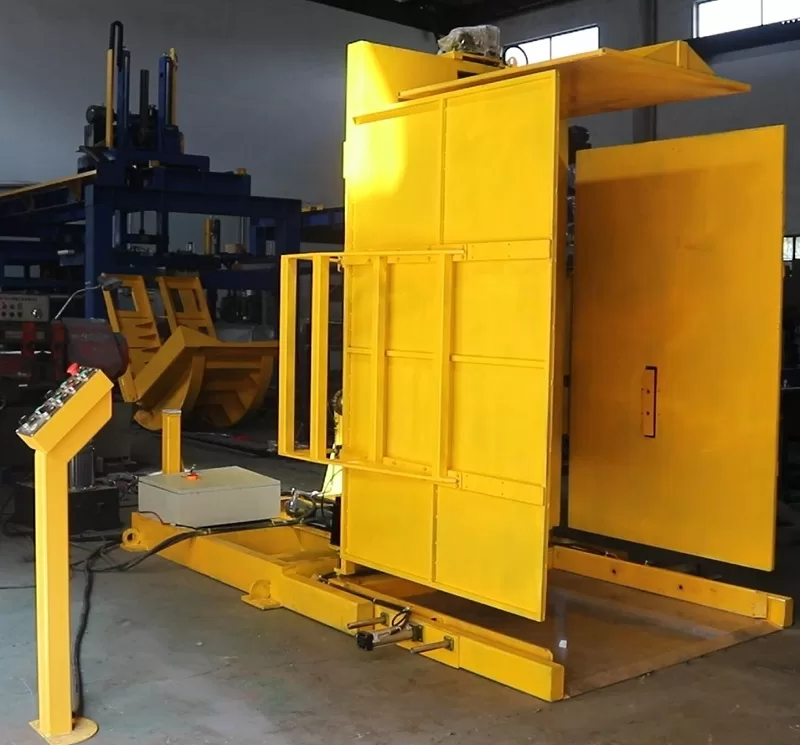
When I think about high-speed printing, I always consider the core challenges. These are not just about moving a pallet from point A to point B. It is about a complex interplay of factors that can make or break your operation. I have seen many businesses struggle because they underestimate these points.
-
Speed and Throughput Requirements: The most obvious need is speed. Printing presses run fast. If your pallet handling cannot keep up, the whole line stops. This means lost production time and missed deadlines. An ideal pallet inverter must offer swift, continuous operation. It should match the pace of your printing machines. This usually means an automated system. It needs minimal downtime for loading and unloading. This helps to maintain a steady flow of materials. It also helps with finished products moving out quickly. Every second counts. A small delay on one pallet can cause a domino effect. This affects the entire production schedule. My experience shows that even a small increase in changeover speed can lead to significant gains in overall output.
-
Material Sensitivity and Integrity: Printing materials are often delicate. Think about large rolls of paper or freshly printed sheets. They can easily get damaged. Even a small tear or smudge means waste. This is expensive. The pallet inverter must handle these items gently. It needs controlled clamping pressure. It needs smooth rotation. This protects the material throughout the changeover. It prevents costly damage. It also maintains product quality. For example, a system with rubber-lined clamps prevents marks on sensitive paper. Smooth acceleration and deceleration during rotation are also vital. This stops loads from shifting. It keeps your valuable stock in perfect condition.
-
Heavy Loads and Diverse Pallet Types: Printing often involves very heavy loads. Large paper rolls weigh a lot. Finished print stacks can also be heavy. The equipment must manage these weights safely. It must do this without strain or failure. Also, like in many industries, different pallet types come into play. You might use standard wooden pallets for raw materials. Then you switch to plastic or specialized pallets for shipping. A good inverter should adapt to these variations. It ensures smooth transitions for all materials. The machine needs a high load capacity. It also needs versatile clamping mechanisms. These can adjust to different pallet heights and widths. This adaptability is key to a truly efficient system.
-
Safety and Labor Efficiency: Moving heavy loads at high speeds creates safety risks. Manual handling is dangerous. It can cause injuries. It can also lead to product damage. A pallet inverter should reduce human interaction with the load. It should do this as much as possible. This improves worker safety. It also makes the process more efficient. Automation frees up staff for other tasks. This helps with labor shortages. It also reduces operational costs. It avoids potential injury claims. This is a big concern for managers. It protects your team. It also protects your company from liability. A well-designed system keeps hands away from moving parts. It minimizes bending and lifting for workers.
-
Integration with Existing Production Lines: A new machine should fit into your current setup. It should not cause major disruptions. High-speed printing lines are often tightly integrated. The pallet inverter needs to connect smoothly. It should work with conveyors and other equipment. This ensures a seamless flow. This avoids bottlenecks. It also avoids complex, expensive reconfigurations. My experience shows that a well-integrated system improves overall efficiency. It boosts productivity significantly. It also requires careful planning. You need to consider the layout of your plant. You need to think about power requirements. And you need to consider control system compatibility. A truly effective solution blends seamlessly with your current workflow.
What Pallet Inverter Designs Truly Deliver Speed and Precision?
You need more than just a machine that flips pallets. You need a system that precisely handles your goods, every time, at the speed your printing line demands. Losing even a few seconds per pallet change adds up. It can cost you hours of production each week. Many businesses settle for “good enough” solutions. But “good enough” does not cut it in high-speed printing. You need designs built for both speed and accuracy.
Pallet inverter designs that deliver speed and precision in high-speed printing are primarily stationary, 180-degree inline units with hydraulic or electric clamping. These systems offer continuous operation, directly integrating with conveyor lines to minimize manual handling and downtime. Designs featuring push-through or free-standing functionality also allow for flexible, quick pallet changes while maintaining product integrity and safety.

When we talk about speed and precision, we are really talking about uptime and quality. I have spent years perfecting machine designs for demanding environments. I know that the right setup makes all the difference. It ensures materials move smoothly. It keeps them safe. It does this at the pace you need.
-
Stationary 180-Degree Inline Pallet Inverters: These are often the go-to for high-speed printing. They are fixed in one spot. They integrate directly into a conveyor system. This means pallets move into the inverter, get processed, and move out without stopping the line. A 180-degree rotation fully swaps the pallet. This is perfect for changing damaged pallets. It is also good for transferring goods to hygiene or captive pallets. The key is their continuous flow. They do not require a forklift for every cycle. This saves significant time. It reduces labor. It also lowers the risk of human error. Their sturdy build ensures stability. This is crucial for precision when handling heavy loads. These systems are true workhorses. They can handle hundreds of pallets each hour. This keeps your production moving without interruption.
-
Pushing Type Pallet Changer Systems: For very high volume and integration, pushing type systems offer great benefits. These machines gently push the load from one pallet onto another. They are often automated. They can handle multiple pallets per minute. This design minimizes product movement. It helps to keep sensitive items like paper rolls or stacks stable. These systems are excellent for applications where the product itself should not be rotated or inverted. They are very efficient for rapid pallet swaps. They are especially useful when the goal is to transfer goods from a delivery pallet to an internal production pallet quickly. Their automated nature means higher throughput. It means less manual work. This directly addresses challenges like labor shortages. It also improves safety by removing workers from dangerous load movements.
-
Hydraulic vs. Electric Clamping: Precision also comes from how the machine grips the load. Hydraulic systems provide strong, consistent clamping force. This is essential for heavy loads. It holds them securely during the inversion. Hydraulic power allows for very high force, which is critical for stabilizing large paper reels or stacks. Electric clamping offers fine control. It is often quieter. It can be more energy efficient in some cases. Electric systems allow for very precise adjustment of clamping pressure, which is ideal for extremely delicate items. Both types are good. The choice depends on the exact weight and sensitivity of your materials. It also depends on your operational preferences. The main goal is always to prevent any shift or damage to the product. It must stay perfectly stable throughout the process.
-
Free-Standing Pallet Inverters with Advanced Features: While inline systems are often best for continuous flow, free-standing models still play a role. They can be more flexible for batch changes or specific tasks. Modern free-standing inverters offer advanced controls. They have adjustable clamping pressures. They have programmable cycles. This allows for precise handling of various goods. They may not offer the same continuous flow as inline systems. But they can be highly efficient for specific areas within the printing plant. For example, they can be used for preparing raw material pallets. They can also be used for finishing departments. For businesses with less space or varied needs, a well-chosen free-standing unit provides flexibility without sacrificing too much speed or precision. It is about matching the tool to the task.
How Do We Ensure Safety and Prevent Damage in a Fast-Paced Printing Environment?
In any high-speed operation, safety cannot be an afterthought. The risk of accidents, injuries, and product damage goes up with speed. For printing, this means not only protecting your team but also your valuable and often delicate materials. A single damaged pallet of paper or finished prints can cost you thousands. You need systems that actively prevent these problems, not just react to them.
To ensure safety and prevent damage in fast-paced printing, the best pallet inverters incorporate robust safety features like comprehensive guarding, emergency stop buttons, and advanced sensor technology to detect obstructions. They also use gentle, controlled clamping mechanisms, smooth rotation cycles, and sturdy construction to protect delicate materials and prevent accidents during high-volume operations, prioritizing both worker well-being and product integrity.
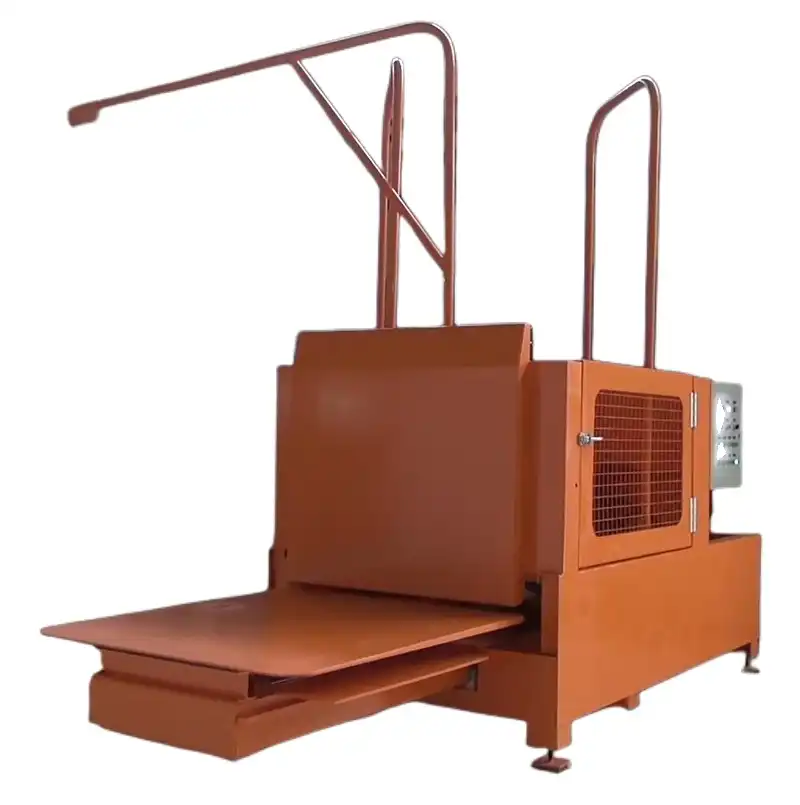
My experience in designing and building packing machines has always put safety first. I have seen the real costs of cutting corners on safety. It is not just about compliance. It is about protecting people and products. This is especially true in a high-speed printing environment. Here, heavy loads and fast movements are common.
-
Robust Safety Guarding and Interlocks: Any pallet inverter in a high-speed setting must have strong physical barriers. These guards prevent personnel from entering the machine’s operating area during a cycle. They are crucial. These guards should also have interlocks. This means the machine will not run if the guards are open. Or, it will stop immediately if someone opens them during operation. This simple feature is a frontline defense against serious accidents. It ensures that workers are always protected from moving parts. This is a basic but essential safety measure. It removes the human element from the danger zone. It prevents hands, clothing, or other objects from getting caught in the machinery.
-
Emergency Stop (E-Stop) Systems: Every machine must have easily accessible emergency stop buttons. These buttons need to be prominent. They need to be clearly marked. They need to be located at various points around the machine. In an emergency, operators must be able to halt the machine instantly. This can prevent injuries or further damage. A well-designed E-Stop system is responsive. It brings the machine to a safe, controlled stop. It does not just cut power abruptly, which could cause loads to drop or shift dangerously. The system should also require a manual reset after an E-stop. This makes sure the problem is addressed before restarting the machine.
-
Advanced Sensor Technology and PLC Control: Modern pallet inverters use smart sensors. These sensors detect many things. They detect the presence of pallets. They detect the correct load positioning. They detect any obstructions in the path. This prevents the machine from operating incorrectly. It stops it if something is wrong. Programmable Logic Controllers (PLCs) manage these sensors. They control the machine’s movements. This ensures smooth, precise, and safe operation. They can be programmed for specific pallet types and load sizes. This reduces human error. It also enhances overall safety and efficiency. For example, sensors can verify that a load is centered before clamping, preventing off-balance rotations that could cause spills.
-
Controlled Clamping and Gentle Rotation: To prevent product damage, the inverter needs gentle handling. This is especially true for delicate materials like paper. The clamping mechanism must apply just enough pressure. It must secure the load firmly. But it should not crush or dent it. Hydraulic systems with pressure relief valves are good for this. Electric systems with adjustable torque also work well. The rotation speed must also be controlled. It should be smooth. It should not cause sudden jolts. This prevents shifting of the load. It prevents tearing of packaging. It keeps the product intact. This also reduces wear on the machine itself. A gradual start and stop for rotation, rather than abrupt movements, significantly reduces stress on the product and the machine.
-
Sturdy Construction and High-Quality Components: A machine built for high speed needs to be tough. It must withstand constant use. It must handle heavy loads every day. This means using strong materials for the frame. It means using reliable motors and hydraulics. It means using durable bearings and seals. A poorly built machine will break down often. This leads to downtime. It creates safety hazards. Investing in a high-quality, well-engineered pallet inverter pays off. It pays off in reliability. It pays off in safety. It pays off in longer service life. As I always say, robust engineering is the foundation of a safe and efficient packing operation. Using components rated for heavy industrial use prevents premature failure and unexpected safety issues.
Why is Long-Term Reliability and Customization Essential for Printing Industry Success?
In high-speed printing, your equipment is a core asset. A machine failure does not just stop one process; it can halt your entire production line. This costs you huge amounts of money. It also damages your reputation. You need solutions that work day in and day out, without fail. You also need systems that can adapt as your business grows or changes. Off-the-shelf solutions often fall short of these critical needs.
Long-term reliability and customization are essential for printing industry success because they ensure continuous operation, minimize costly downtime, and adapt to evolving production needs. The best pallet inverters are built with durable components, offer strong after-sales support, and allow for specific modifications such as integration with unique conveyor systems, variable pallet size handling, or specialized load clamping, ensuring the equipment remains a valuable, flexible asset over time.
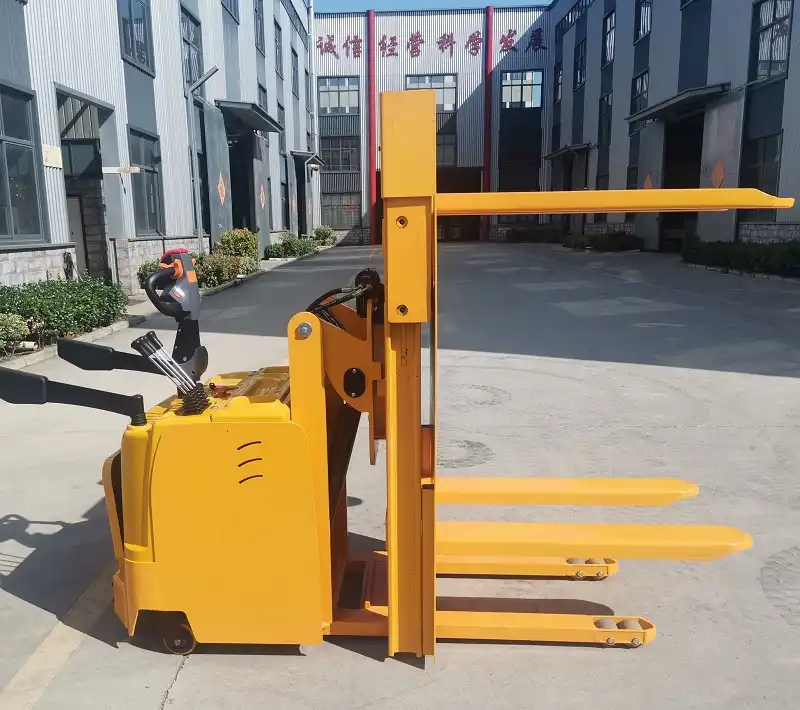
When I help clients, I always look beyond the initial purchase. The true value of a packing machine comes from its long-term performance. It comes from its ability to support your growth. This is especially important for the high-pressure environment of printing. A machine that breaks down often is not an asset. It is a liability.
-
Robust Construction for Continuous Operation: High-speed printing demands machines that can run almost non-stop. This means the pallet inverter must be built like a tank. It needs heavy-duty steel. It needs industrial-grade components. These parts must withstand constant cycles and heavy loads. They must resist the wear and tear of a demanding environment. For instance, my experience taught me the importance of oversized bearings and strong welds. These small details make a big difference in preventing breakdowns. A well-built machine means fewer repairs. It means less downtime. This keeps your production line moving. It also ensures consistent performance, even under extreme conditions, year after year.
-
Ease of Maintenance and Accessibility: Even the best machines need maintenance. The design of the pallet inverter should make maintenance easy. Key components should be accessible. This allows for quick inspections and repairs. Features like easily replaceable parts or modular designs save time. They reduce the cost of servicing. A machine that is hard to maintain often gets neglected. This leads to bigger problems later on. A smart design considers the service technician. It helps them keep the machine running smoothly. Clear labeling of parts, accessible lubrication points, and diagnostic tools all contribute to an easier maintenance routine. This is vital for maximizing uptime.
-
Adaptability to Diverse Pallet Specifications and Load Types: The printing industry, like many others, might use different pallet sizes. You might have Euro pallets, US pallets, or custom plastic pallets. You also handle various load types, from paper rolls to finished stacks. A truly effective pallet inverter must adapt to these. It should offer adjustable clamping plates. It should have programmable settings for different heights and weights. This flexibility means you do not need multiple machines. It saves space and money. It also means your operations can change without needing new equipment. This is a critical point that managers often highlight. They need solutions that can handle different standards efficiently without constant manual adjustments.
-
Integration with Future Automation and Customization Options: Your business will grow. Your automation needs will change. The pallet inverter should be ready for this. It should integrate with other systems. This includes robots or advanced conveyor lines. Look for suppliers who offer customization. They should be able to tailor a machine to your specific layout. They should meet unique load requirements. For example, maybe you need a special clamping surface for delicate prints. Or you need a specific interface for your warehouse management system. A partner, not just a seller, will work with you on these bespoke solutions. This ensures the machine stays relevant for years. Future-proofing your investment is a smart business move.
-
Reliable After-Sales Support and Spare Parts Availability: A machine is only as good as the support behind it. What happens when you need a part? What if you have a technical question? A good supplier provides fast, reliable after-sales service. They offer readily available spare parts. They have skilled technicians. This support ensures minimal disruption if a problem occurs. I always tell my clients that this partnership is key. It is the real value of working with an experienced manufacturer. It guarantees your peace of mind and long-term operational success. A supplier who offers training for your staff and proactive maintenance schedules adds even more value, making sure your investment performs optimally for its entire lifespan.
Conclusion
Choosing the ideal pallet inverter for high-speed printing demands a focus on speed, precision, safety, and long-term reliability. Stationary 180-degree inline or pushing systems with robust construction and smart controls best meet these needs. Investing in a tailored solution, supported by a trusted partner, ensures your operations remain efficient, safe, and competitive.








