
How Pallet Inverters Help Paper Mills Switch Rolls from Wooden to Iron Pallets?
Have you ever thought about the silent heroes working behind the scenes in a bustling paper mill? Imagine tons of paper, carefully rolled, ready to move. But then, a problem arises. The wooden pallets used for internal storage cannot go directly onto an export container or specialized machinery that only accepts iron pallets. This small detail can cause huge headaches, slowing down operations and risking product damage.
A pallet inverter acts as a critical link in paper mills, smoothly transferring heavy paper rolls from one pallet type to another, like wooden to iron, without any manual lifting or product damage. This machine allows paper mills to meet diverse logistical requirements and customer specifications, ensuring continuous, efficient, and safe material flow.
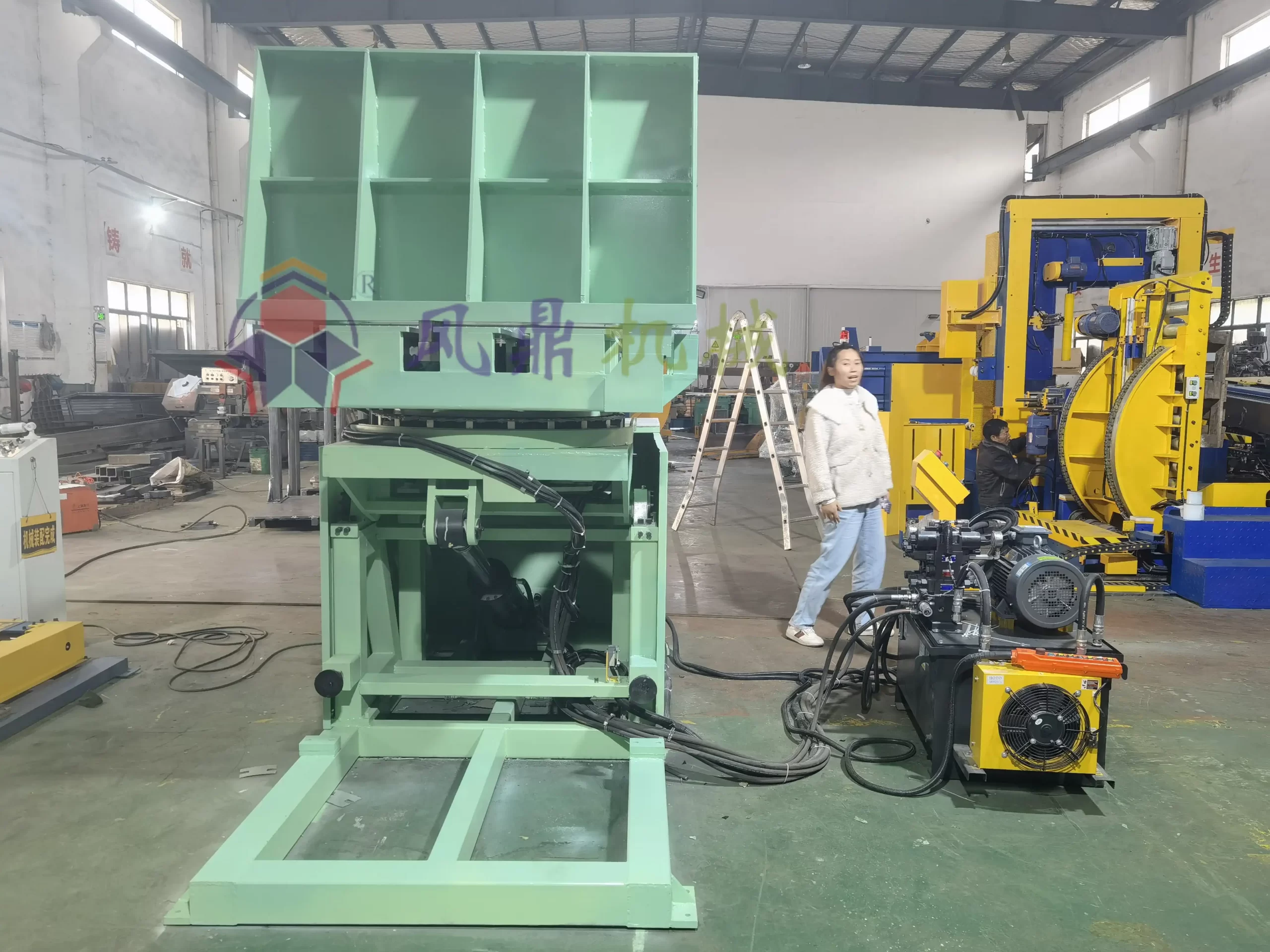
As a packing machine engineer, I have seen many companies struggle with these exact challenges. When I first started FHOPEPACK, it was clear to me that businesses needed more than just machines; they needed reliable, intelligent solutions. Let’s dive deeper into how a simple yet powerful machine like a pallet inverter can truly transform a paper mill’s operations, from improving safety to boosting efficiency.
Why do paper mills need to change pallets for their heavy rolls?
Have you ever wondered why a paper mill, which processes massive rolls daily, cannot simply use one type of pallet throughout its entire operation? The need to change pallets often seems like an extra step, but it is a critical one driven by various operational and logistical demands. Ignoring this requirement can lead to bottlenecks and costly delays.
Paper mills must change pallets for heavy rolls due to a mix of internal operational needs, specific machinery requirements, and external shipping regulations or customer demands. Wooden pallets are common for initial storage and handling, but iron pallets are often required for heavy-duty transport, specific industrial machinery, or international export, making a seamless transition essential.

My journey in the packing machine industry started from the factory floor. I saw how different materials and requirements shaped every process. It became clear that one size never fits all. This is especially true for paper mills dealing with heavy, delicate rolls. The type of pallet is not just a preference; it is a necessity dictated by the journey the paper roll must take.
Dive Deeper: The Unseen Reasons Behind Pallet Swapping 💡
The core reason paper mills need to switch pallets for their heavy rolls lies in the diverse demands of the supply chain. Each stage, from internal production to final delivery, often has unique requirements for pallet materials, dimensions, and structural integrity. Understanding these demands helps us see why a flexible solution like a pallet inverter is so crucial.
-
Internal Handling vs. External Shipping:
- Internal: Inside the mill, wooden pallets are common. They are cost-effective and easy to manage for short-term storage and movement within the facility. They work well with standard forklifts and pallet jacks.
- External: For shipping, especially internationally, wooden pallets can be problematic. They might carry pests, requiring fumigation or heat treatment (ISPM 15 standards). Iron pallets, on the other hand, are pest-free and more robust for long-distance transport. They offer greater stability for heavy loads like paper rolls during transit, reducing the risk of damage.
-
Machinery Compatibility:
- Some specialized machinery, like certain automatic strapping machines or stretch wrappers, might be designed to work only with specific pallet types, often iron or plastic, due to their consistent dimensions and lack of splinters. Introducing a wooden pallet into such a system can cause jams or damage.
- Heavy-duty winding or cutting machines might also demand the superior stability of iron pallets during processing. This ensures the paper roll remains perfectly aligned.
-
Customer Requirements:
- Many customers, particularly large distributors or manufacturers, specify the type of pallet they want. They might have automated warehouses that only accept iron or plastic pallets. Failing to meet these specifications can lead to returned shipments, fines, or lost business.
- Some customers also prioritize sustainability. They might request reusable iron pallets over disposable wooden ones, aiming to reduce waste in their own supply chain.
-
Load Capacity and Durability:
- Paper rolls can be extremely heavy. While wooden pallets can handle significant weight, iron pallets offer superior strength and durability for very heavy loads. They resist warping, breaking, and splintering, which are common issues with wooden pallets under extreme stress.
- In high-volume operations, wooden pallets wear out faster, requiring frequent replacement. Iron pallets have a much longer lifespan, reducing replacement costs and downtime for pallet repairs or changes.
-
Hygiene and Cleanliness:
- In some paper mill applications, especially those producing paper for food packaging or medical uses, hygiene is paramount. Wooden pallets can absorb moisture, harbor bacteria, or shed dust and splinters. Iron pallets are easier to clean and sanitize, making them ideal for sensitive environments. This helps maintain product integrity and compliance with strict industry standards.
By understanding these factors, paper mills can see that pallet changing is not just a logistical hurdle but a necessary step to ensure product quality, meet compliance, and satisfy customer expectations. The right equipment makes this complex process simple.
What risks come with manual pallet switching for paper rolls?
Imagine a busy paper mill, the air filled with the hum of machinery. Workers need to switch a heavy paper roll from a wooden pallet to an iron one. If they do this manually, what do you think could go wrong? The image that comes to mind is often one of struggle, potential injury, and slowed production. It is a scene I have witnessed too many times.
Manual pallet switching for heavy paper rolls carries significant risks, including severe worker injuries from lifting and awkward movements, potential damage to valuable paper products due to mishandling, and substantial operational inefficiencies that lead to costly delays and increased labor expenses. These methods also heighten safety hazards in the warehouse environment.
When I founded FHOPEPACK, my goal was to provide solutions that not only improved efficiency but also, crucially, enhanced safety. My time in the packing machine industry taught me that neglecting safety always leads to higher costs down the line, whether through accidents, lost productivity, or increased insurance premiums. For heavy items like paper rolls, manual handling is a gamble no company should take.
Dive Deeper: The Hidden Costs and Dangers of Manual Work 👷♂️
The risks associated with manual pallet switching in paper mills are multifaceted, impacting human resources, product quality, and the company’s bottom line. These are not just theoretical problems; they are real challenges that many operations face daily.
-
Worker Safety and Health Hazards:
- Physical Injury: Heavy paper rolls can weigh hundreds or even thousands of pounds. Manually lifting, tilting, or moving these loads puts immense strain on workers’ backs, shoulders, and limbs. This leads to sprains, strains, herniated discs, and other musculoskeletal disorders. Such injuries are painful for employees and costly for the company due to medical expenses, lost workdays, and potential lawsuits.
- Crushing Accidents: There is always a risk of a roll tipping over or a pallet collapsing during manual manipulation. This can crush limbs or even cause fatalities. Paper rolls are unstable when not properly secured, making manual handling extremely hazardous.
- Fatigue and Human Error: Repetitive, strenuous tasks lead to worker fatigue. Fatigued workers are more prone to making mistakes, increasing the likelihood of accidents or product damage. This also affects overall morale and productivity.
-
Product Damage and Waste:
- Roll Damage: Paper rolls are susceptible to damage, especially on their edges or surfaces. Manual methods involving levers, ropes, or makeshift tools can easily tear, dent, or crush the paper. Damaged rolls might be unsellable, leading to significant material waste and financial losses.
- Pallet Damage: Wooden pallets can splinter or break during manual handling, especially if mishandled. This not only creates more waste but also adds to the cost of replacing damaged pallets and cleaning up debris.
-
Operational Inefficiency and Costs:
- Slow Process: Manual pallet switching is inherently slow. Each roll requires careful positioning, multiple workers, and often several attempts to get it right. This significantly delays the flow of goods, creating bottlenecks in the warehouse or shipping department.
- High Labor Costs: Because manual methods are labor-intensive, they require more workers per task. This drives up operational costs, especially in regions with rising labor wages or shortages. My friend Carlos, a logistics manager in Spain, faces this challenge every day, with labor costs and a reluctance for heavy manual work.
- Inconsistent Quality: Manual processes are prone to human variation, leading to inconsistent quality in how rolls are handled and palleted. This can result in varying levels of damage or improper loading, causing problems further down the supply chain.
- Compliance Risks: Manual handling can sometimes lead to non-compliance with health and safety regulations. Inspectors might flag unsafe practices, resulting in fines or mandatory operational changes.
By understanding these serious risks, paper mills can see the clear benefits of investing in automated solutions. Protecting workers and products while boosting efficiency is not just an option; it is a necessity for modern industrial operations.
How does a pallet inverter make this crucial switch safe and efficient?
We have looked at the challenges and risks of manual pallet changes in paper mills. So, how does a specialized machine turn this problematic task into a smooth, safe, and efficient operation? This is where the pallet inverter truly shines, offering a straightforward solution to a complex problem.
A pallet inverter makes the crucial switch of heavy paper rolls safe and efficient by automating the process, eliminating the need for manual handling, and minimizing the risk of injury or product damage. It securely grips the load, rotates it gently, and allows for a quick, controlled exchange of pallets, significantly speeding up operations while ensuring consistent quality and worker safety.
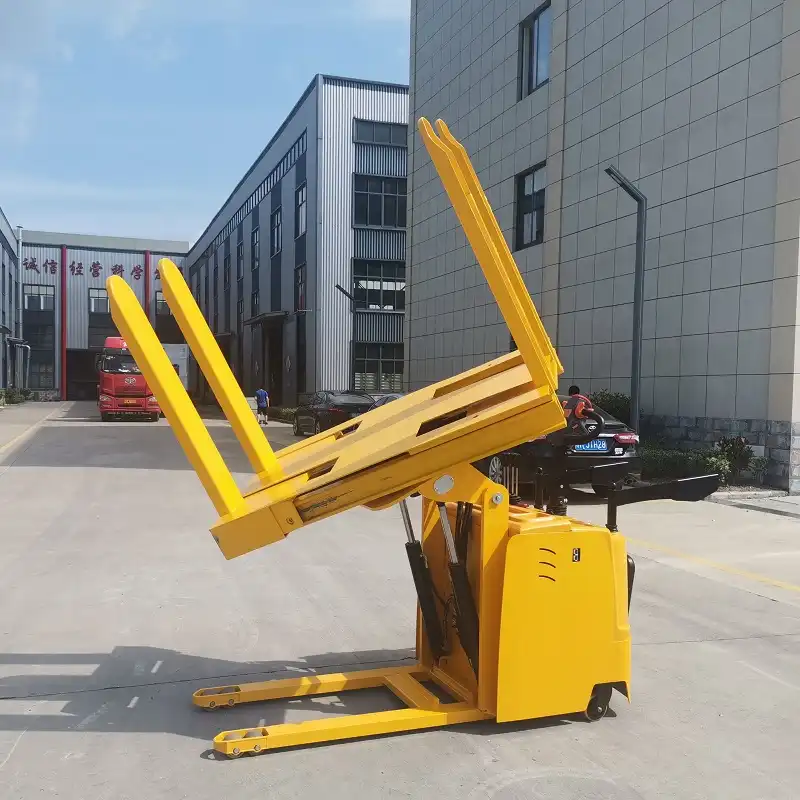
My experience has shown me that the best solutions are often the simplest in concept but robust in execution. A pallet inverter is a prime example. It takes a dangerous, slow, and costly manual process and transforms it into a quick, safe, and automated one. It is about smart engineering solving real-world problems.
Dive Deeper: The Mechanics and Benefits of Automated Pallet Changing 🔄
A pallet inverter is specifically designed to handle heavy, awkward loads like paper rolls with precision and care. Its fundamental operation involves clamping the product, rotating it, and then allowing for the removal of the old pallet and the introduction of a new one, all without disturbing the product itself.
-
Enhanced Safety:
- Eliminates Manual Handling: The primary safety benefit is the complete removal of human interaction with the heavy load during the transfer. Workers no longer need to lift, push, or stabilize heavy rolls manually. This drastically reduces the risk of musculoskeletal injuries, crushes, and fatigue-related accidents.
- Controlled Movement: Pallet inverters operate with hydraulic or electric power, providing smooth, controlled movements. This prevents sudden shifts or drops that could injure personnel or damage goods. Safety interlocks and emergency stop buttons are standard features, adding an extra layer of protection.
- Reduced Exposure to Hazards: Workers are kept at a safe distance from the moving parts and the heavy load, minimizing their exposure to potential hazards. This helps create a safer working environment and reduces insurance liabilities for the paper mill.
-
Significant Efficiency Gains:
- Faster Changeovers: What might take multiple workers several minutes (or longer) manually can be completed by a pallet inverter in just seconds or a few minutes. This dramatically speeds up the pallet change process, improving throughput and reducing bottlenecks.
- Single Operator: Most pallet inverters can be operated by a single person using simple controls. This frees up other workers for different tasks, optimizing labor allocation and reducing operational costs.
- Continuous Flow: By integrating a pallet inverter into the production or shipping line, paper mills can maintain a continuous flow of goods. There are no stops for manual handling, ensuring that products move smoothly from one stage to the next without delays. This is crucial for meeting tight delivery schedules and customer demands.
-
Product Integrity and Quality:
- Gentle Handling: Pallet inverters grip the load securely and evenly, preventing any stress or damage to the paper rolls during the inversion process. There are no sharp edges or impacts that could tear or dent the paper.
- Consistent Positioning: The machine ensures that each roll is transferred and placed on the new pallet with consistent alignment and stability. This reduces the risk of shifting during transport and ensures that the product arrives at its destination in perfect condition.
- Adaptability: Modern pallet inverters can be adjusted to accommodate different sizes and weights of paper rolls and various pallet dimensions (e.g., Euro, US, wooden, iron, plastic). This versatility means a single machine can handle a wide range of products, making it a valuable investment.
-
Cost Savings:
- Reduced Labor Costs: Less reliance on manual labor means lower wage expenditures and fewer costs associated with worker injuries.
- Minimized Product Damage: Preventing damage to valuable paper rolls directly translates to reduced waste and higher profits.
- Long-term Durability: Pallet inverters are built to last in industrial environments, offering a high return on investment through years of reliable service and reduced maintenance compared to manual methods.
By harnessing the power of automation, paper mills can transform a previously hazardous and inefficient task into a streamlined, safe, and cost-effective part of their operations. This is the essence of smart material handling.
What kind of pallet inverter is best for paper mill operations?
So, you are convinced a pallet inverter can solve your paper mill’s challenges. But with many options available, how do you choose the right one? It is not just about buying a machine; it is about investing in a solution that fits your specific needs, your space, and your operational goals. Making the wrong choice can lead to disappointment and further inefficiencies.
The best pallet inverter for paper mill operations depends on specific factors like the weight and dimensions of paper rolls, the required throughput, available floor space, and the desired level of automation. Options range from fixed, heavy-duty machines for high-volume lines to mobile units for flexibility, with crucial considerations for safety features and robust construction.
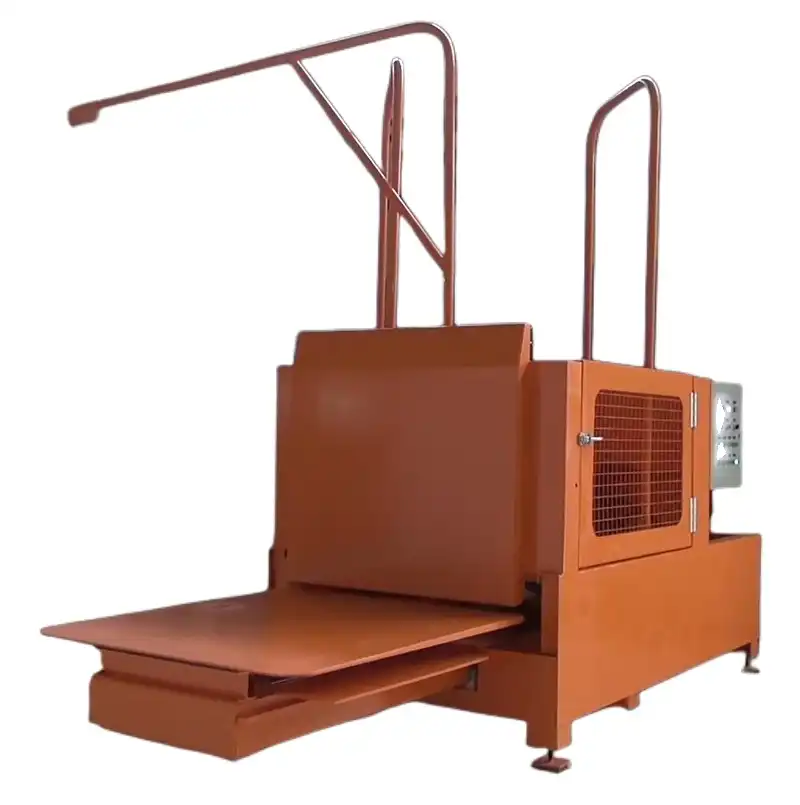
At FHOPEPACK, we understand that every factory, every product, and every workflow is unique. My personal experience establishing and growing a packing machine factory taught me that a deep understanding of the client’s operation is key to providing the right solution. It is not just about selling a machine but ensuring it perfectly integrates and delivers real value.
Dive Deeper: Matching the Machine to the Mill 📈
Selecting the ideal pallet inverter for a paper mill involves a careful assessment of several key parameters. A thoughtful approach ensures that the investment yields maximum benefits in terms of efficiency, safety, and operational continuity.
-
Load Characteristics:
- Weight Capacity: Paper rolls can be exceptionally heavy. The inverter must have a robust load capacity that significantly exceeds the heaviest roll it will handle to ensure safe and reliable operation. Always factor in potential future increases in roll size or weight.
- Roll Dimensions: Consider the diameter, length, and overall shape of the paper rolls. The clamping mechanism and rotation area of the inverter must accommodate these dimensions without causing damage or instability. Some inverters offer adjustable clamps for versatility.
- Pallet Types: Confirm the specific wooden and iron pallet sizes and types (e.g., Euro, US, custom) that the inverter needs to handle. The machine should be capable of securing both types firmly during the exchange process.
-
Operational Requirements:
- Throughput: How many rolls do you need to process per hour or per shift? For high-volume operations, a fully automated, fixed pallet inverter integrated into a conveyor system might be best. For lower volumes or more flexible needs, a semi-automatic or stand-alone unit might suffice.
- Space Availability: Pallet inverters come in various footprints. Assess the available floor space in your paper mill. Fixed machines require dedicated space, while mobile units offer flexibility for use in different areas.
- Automation Level: Do you need a fully automatic system that requires minimal human intervention, or is a semi-automatic machine where an operator initiates the cycle acceptable? Fully automated systems are ideal for high throughput and continuous lines, reducing labor costs further.
- Environmental Conditions: Paper mills can have dusty or humid environments. Ensure the pallet inverter is built with industrial-grade components that can withstand these conditions, protecting electronics and moving parts from wear and tear.
-
Key Features to Look For:
- Safety Features: Prioritize machines with comprehensive safety features:
- 🛑 Emergency Stop Buttons: Easily accessible at multiple points.
- 🛡️ Safety Fencing/Light Curtains: To prevent personnel from entering the operating area during cycles.
- ⚙️ Overload Protection: To prevent damage to the machine and product.
- 📢 Audible and Visual Alarms: To alert operators to machine status or potential issues.
- Durability and Construction: Look for heavy-duty steel construction, quality hydraulic or electric components, and robust bearings. These ensure a long operational life and minimize maintenance requirements in a demanding paper mill environment.
- Ease of Maintenance: Machines should be designed for easy access to critical components for routine maintenance and servicing. This minimizes downtime and keeps the operation running smoothly.
- User-Friendly Controls: An intuitive control panel with clear instructions makes training easier and reduces the chance of operator error.
- After-Sales Support: A reliable supplier offers excellent after-sales support, including installation, training, spare parts, and technical assistance. This is critical for ensuring long-term operational success, as my client Carlos emphasized when he talked about wanting a true partner.
- Safety Features: Prioritize machines with comprehensive safety features:
By meticulously evaluating these factors, paper mills can select a pallet inverter that not only solves their immediate pallet changing needs but also contributes to long-term operational excellence and safety. This strategic investment is key to mastering packing machine challenges.
Conclusion
Pallet inverters are essential tools for paper mills, transforming the complex task of switching heavy rolls from wooden to iron pallets into a safe, efficient, and cost-effective process. By automating this critical step, paper mills can boost throughput, protect workers, and ensure product integrity, ultimately leading to greater profitability and customer satisfaction. Investing in the right pallet inverter is a smart move for any forward-thinking paper mill.








