
How do pallet inverter models perform in switching export steel to standard pallets?
Imagine your warehouse floor, a constant ballet of pallets moving in and out. Now, add the complexity of heavy export steel pallets needing to be quickly and safely swapped with lighter, standard pallets for local distribution or onward shipping. This is not just a logistical hurdle; it is a potential bottleneck that can lead to costly delays, damaged goods, and even serious safety risks for your team. The pressure for faster delivery times from customers only makes these challenges more urgent, pushing your operations to their limits.
Pallet inverter models perform exceptionally well in switching export steel to standard pallets by automating the heavy lifting and precise transfer process, significantly enhancing safety, efficiency, and operational speed. These machines are engineered to handle the substantial weight and durability of steel pallets, allowing for seamless transfers to or from standard wood or plastic pallets without manual intervention, which reduces labor costs and minimizes the risk of product damage or worker injury.
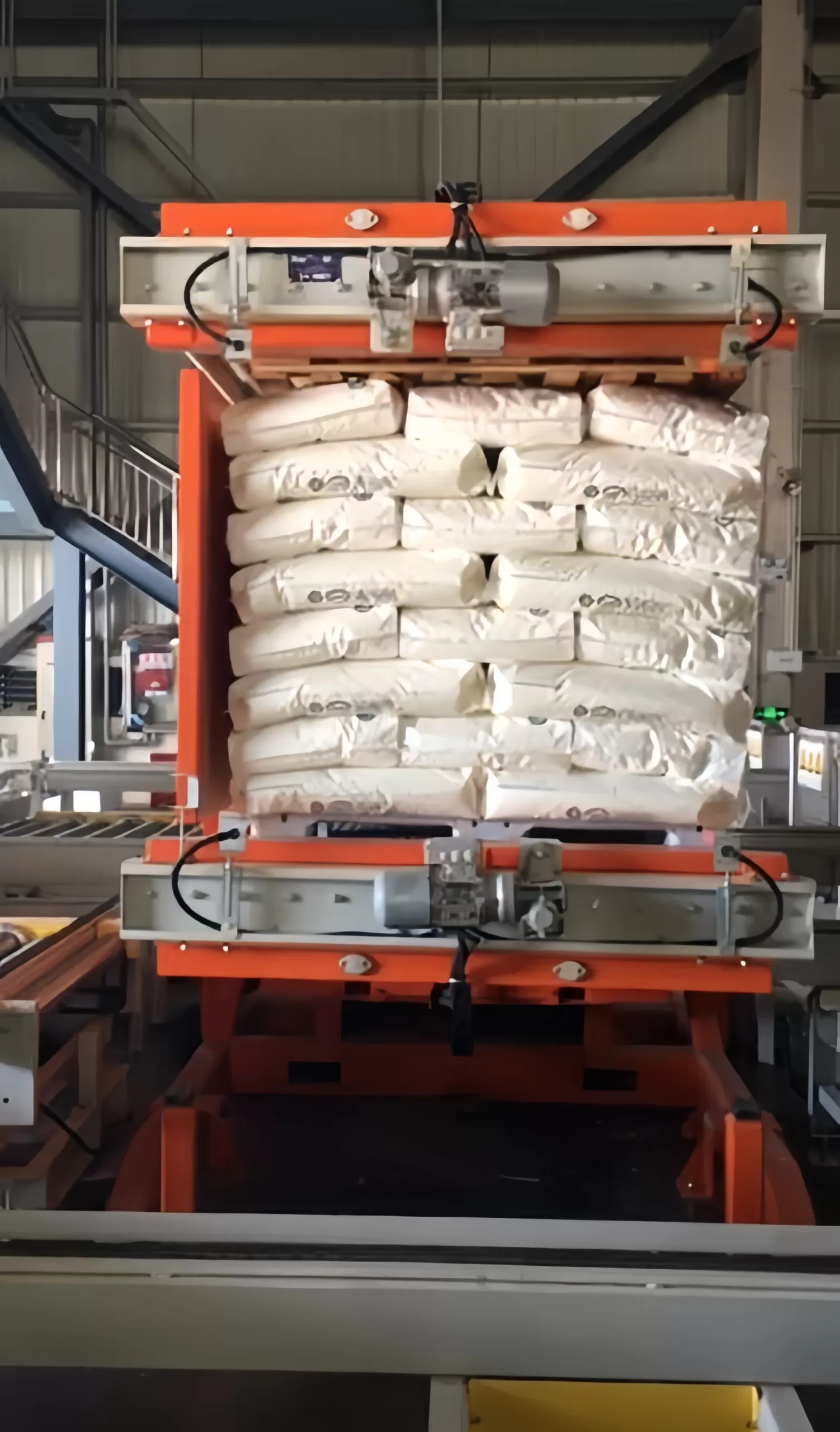
For many years, I have seen first-hand the challenges businesses face in the packing machine industry. From my time as an employee to building my own successful factory, I learned that real solutions come from understanding core problems. Today, at FHOPEPACK, my mission is to share this knowledge. Let’s look deeper into how modern pallet inverters can transform your handling of diverse pallet types and deliver real value to your operations.
Why is switching between export steel and standard pallets a challenge for your operations?
Are you feeling the strain of moving heavy, specialized pallets by hand, or seeing your workflow slow down when different pallet types collide? This situation is a common pain point for many businesses involved in international trade, especially when you are dealing with thousands of pallets daily. The constant need to adapt to varied standards while maintaining speed and safety can quickly turn a simple task into a major operational headache, impacting your bottom line and customer satisfaction.
Switching between export steel and standard pallets presents significant challenges due to the stark differences in weight, size, durability, and handling requirements of each pallet type. These differences complicate manual processes, leading to increased labor intensity, higher risks of injury and product damage, and slower throughput in dynamic warehousing environments.

From my experience helping many clients grow their businesses, I have observed that these challenges are not just about moving physical objects. They are about managing time, labor, and risk in a way that truly impacts your overall business health. Let me break down the specific issues that arise when you need to switch between these very different pallet types.
-
Physical Properties and Handling Requirements:
- Steel pallets are strong, durable, and can support very heavy loads. However, their weight makes them difficult and often dangerous to move or re-position manually. They can weigh significantly more than wooden or plastic pallets, requiring specialized equipment or multiple workers for safe handling. This difference in weight and material also means they can cause more damage if mishandled or dropped. Imagine the sheer force involved in trying to manually flip a pallet loaded with heavy goods onto a steel base. It is a recipe for disaster.
- Standard pallets, like Euro pallets or American standard pallets, are typically made of wood or plastic. They are much lighter and easier to handle manually. However, they lack the extreme durability of steel pallets and can be damaged if subjected to rough handling or excessive weight. The varying dimensions also mean a “one size fits all” manual approach simply does not work for efficient switching.
-
Operational Inefficiencies and Labor Impact:
- Manual pallet changing is slow. Each switch takes time, creating bottlenecks in your warehouse, especially if you are processing thousands of pallets daily. This slows down your entire distribution cycle, making it harder to meet tight delivery schedules. For a logistics manager like Carlos, who handles thousands of pallet movements, even a few extra minutes per switch can add up to hours of lost productivity each day.
- Labor for heavy lifting is becoming harder to find and more expensive. Young workers are less willing to do physically demanding jobs. Relying on manual labor for heavy pallet switching increases your operational costs significantly, not just in wages but also in potential worker’s compensation and health benefits due to injuries. My journey taught me that labor is a valuable resource, and using it for repetitive, strenuous tasks is not the most efficient business model.
-
Safety Risks and Compliance Concerns:
- Manually flipping or transferring pallets, especially heavy steel ones, carries high safety risks. Workers can suffer muscle strains, back injuries, or even more severe accidents from falling loads or crushing incidents. I have heard too many stories of accidents that could have been prevented with the right equipment. The safety data speaks for itself: manual handling causes a large percentage of workplace injuries. This directly leads to higher insurance premiums and potential legal liabilities for your company.
- Ensuring compliance with different international shipping standards is also critical. Exporting goods on a steel pallet to a region that requires a specific wooden or plastic standard means the switch must be perfect to avoid delays, fines, or rejection of goods at customs. This precision is hard to achieve consistently with manual methods.
What types of pallet inverters are best suited for handling diverse pallet changes, including heavy steel pallets?
Are you overwhelmed by the sheer number of pallet inverter options, unsure which one will truly meet the demanding needs of your warehouse? Choosing the wrong equipment can be a costly mistake, leading to continued inefficiencies or, even worse, new operational problems. For a logistics manager focused on reliability and adaptability, it is crucial to understand which pallet inverter models are built to perform under pressure with diverse and heavy loads.
When it comes to handling diverse pallet changes, especially those involving heavy export steel pallets, specialized 180-degree pallet inverters and some 90-degree tippers with robust hydraulic systems are best suited. These models offer the necessary load capacity, stability, and automated control to safely and efficiently transfer goods from one pallet type to another, minimizing manual labor and ensuring product integrity.
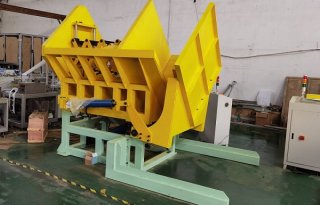
At FHOPEPACK, we focus on providing solutions that genuinely solve complex packing and handling issues. My experience building packing machine factories showed me the importance of selecting the right tool for the job. Here is a closer look at the types of pallet inverters that excel in these challenging environments.
-
180-Degree Pallet Changers (Inverters):
- Functionality: These are often the most versatile and effective machines for full pallet-to-pallet transfers. A 180-degree inverter clamps the load, rotates it by 180 degrees, allowing you to remove the original pallet and replace it with a new one. The machine then rotates the load back, depositing it onto the fresh pallet. This full rotation is ideal for removing damaged pallets, switching between different pallet materials (like steel to wood), or transferring goods for hygiene purposes.
- Suitability for Steel Pallets: Many 180-degree models are designed with heavy-duty construction and powerful hydraulic or electric systems. This allows them to securely clamp and rotate loads weighing several tons, making them perfectly suited for the substantial weight of steel pallets and their cargo. The strong clamping mechanism ensures the load remains stable throughout the inversion cycle, preventing damage or shifting. We have designed models specifically for high-capacity use in demanding industries.
-
90-Degree Tilters (Up-enders/Tippers):
- Functionality: A 90-degree tilter clamps the load and tips it on its side. This allows for easier access to the pallet underneath or for replacing a bottom sheet. While not a full pallet-to-pallet transfer in the same way a 180-degree inverter is, it can be used in certain scenarios where the load simply needs to be accessed or slightly re-positioned.
- Suitability for Steel Pallets: Some heavy-duty 90-degree tilters can handle the weight of steel pallets, especially for applications like turning over large, heavy components or accessing the underside of a palletized load. However, for a complete pallet change where the old pallet must be fully removed and replaced, a 180-degree inverter is generally more efficient and safer. Their role is more specialized than the full transfer capability of a 180-degree machine.
-
Specialized Features for Heavy and Diverse Pallets:
- Heavy Load Capacity: Look for machines explicitly rated for high tonnage, often up to 2-3 tons or more. This is critical for steel pallets, which can be much heavier than standard ones, even before cargo is added.
- Robust Construction: The frame and clamping mechanisms must be built from strong, durable materials to withstand the stress of heavy, repetitive use. Hydraulic systems should be powerful and reliable.
- Adjustable Clamping Pressure: This allows the machine to securely hold various load types and sizes without crushing delicate items or allowing heavy items to slip. It is important for handling a mix of export goods on different pallets.
- Safety Features: High-intensity warehouse environments demand top-tier safety. Look for integrated safety light curtains, emergency stop buttons, and robust guards to protect operators. As I always told my team, safety is not an option; it is a necessity.
How do pallet inverters improve safety and efficiency when dealing with mixed pallet types?
Is your current method for switching between different pallet types causing safety incidents or slowing down your entire operation? Many logistics managers, like Carlos, are constantly looking for ways to reduce workplace accidents and speed up their processes without compromising quality. The manual handling of heavy or awkwardly shaped pallets, especially when transitioning between export steel and standard types, is a primary source of both risk and inefficiency.
Pallet inverters dramatically improve both safety and efficiency by eliminating the need for manual handling of heavy and diverse pallet types. They automate the process of transferring goods between steel and standard pallets, which reduces the risk of worker injury, prevents product damage, and significantly accelerates the overall pallet change cycle, making your warehouse operations smoother and more reliable.
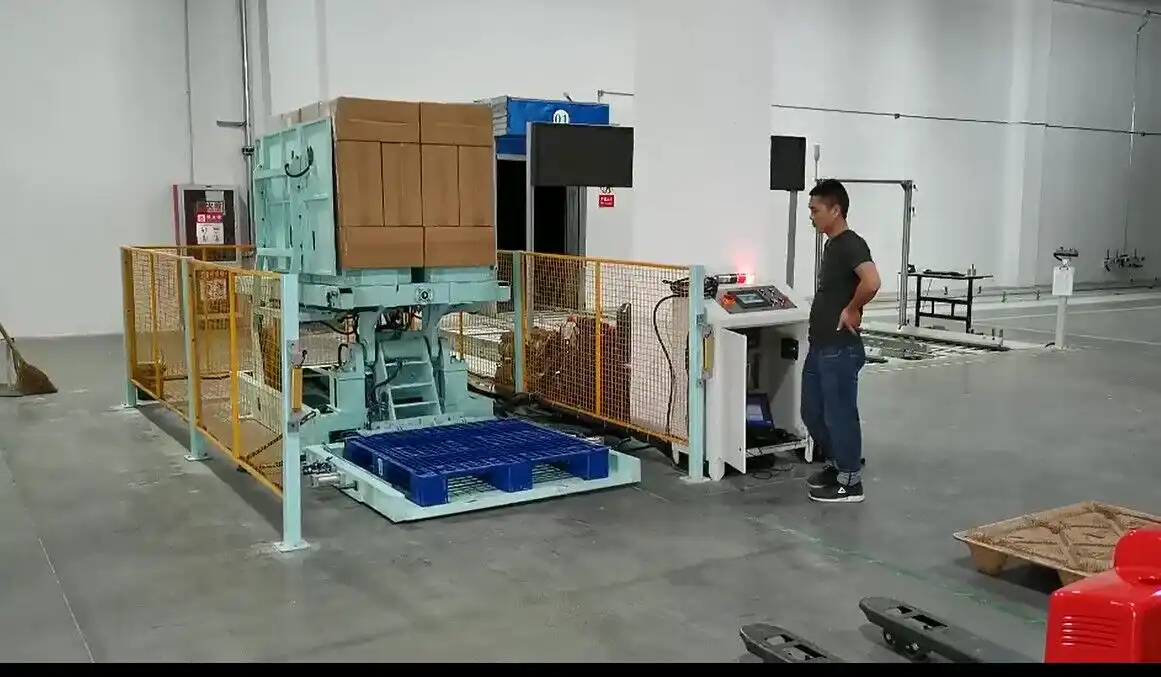
When I started my own packing machine factory, one of my main goals was to create solutions that not only worked but also made the workplace safer and more productive. Pallet inverters are a prime example of this philosophy in action. They address the core pain points that arise from mixed pallet operations.
-
Eliminating Manual Handling and Reducing Injury Risk:
- Manual lifting, turning, or shifting heavy pallets is a leading cause of back injuries, strains, and crush accidents in warehouses. Steel pallets, being inherently heavier, amplify these risks. A pallet inverter takes the human element out of this hazardous task. It securely clamps the load and performs the rotation or transfer mechanically. This means your employees no longer need to physically manipulate heavy loads, drastically reducing the chance of workplace injuries. This directly translates to lower worker’s compensation claims, fewer lost workdays, and a safer environment for your team. It is a win-win situation for both the employee and the employer. My own experience showed me that investing in worker safety always pays off.
- Accidents due to shifting loads during manual transfer are also minimized. The controlled, mechanical action of an inverter keeps the load stable, preventing goods from toppling or getting damaged. This is especially important for delicate products or those with high value.
-
Boosting Operational Efficiency and Throughput:
- Time is money in logistics. Manual pallet switching is inherently slow and inconsistent. It often requires multiple workers and can take several minutes per pallet. A pallet inverter, depending on the model and degree of automation, can complete a full pallet change cycle in a matter of seconds or a few minutes. This speed gain is enormous, especially when you are processing hundreds or thousands of pallets daily. Imagine the time saved when your warehouse operates at peak efficiency.
- The consistent, repeatable nature of mechanical operation means less room for human error. Pallets are always correctly aligned, loads are securely handled, and the process flows smoothly without interruptions. This predictable performance allows for better planning and scheduling, reducing bottlenecks and keeping your supply chain moving. My clients who adopted these machines saw dramatic improvements in their daily output.
- Efficiency also comes from better space utilization. Automated systems can be integrated into existing lines, optimizing flow and reducing the need for large staging areas for manual transfers.
-
Ensuring Compliance and Reducing Product Damage:
- Pallet inverters ensure that goods are transferred onto the correct pallet type (e.g., from an export steel pallet to a standard Euro or US pallet) without damage. The gentle yet firm clamping action protects the integrity of the product. This reduces waste from damaged goods and maintains product quality through the supply chain.
- For international shipping, precise pallet standards are non-negotiable. An inverter provides a reliable way to make these transitions, ensuring that your shipments meet all regulatory requirements for the destination country. This minimizes the risk of rejected shipments, costly re-palletizing, and potential contract penalties. It helps you keep your promises to customers.
What should you look for in a pallet inverter supplier to ensure long-term reliability and support?
Are you tired of dealing with suppliers who just sell you a machine and then disappear, leaving you scrambling when issues arise? For a logistics and supply chain manager like Carlos, the purchase of a pallet inverter is not just a transaction; it is a strategic investment in the future of your operations. You need a partner who understands your challenges and stands by their products, ensuring that your equipment remains reliable and productive for years to come.
To ensure long-term reliability and support for a pallet inverter, you should look for a supplier with proven industry expertise, a strong track record of designing robust machines for heavy and diverse loads, comprehensive after-sales service including spare parts availability, and a commitment to understanding your specific operational needs. A true partner offers not just equipment but also ongoing technical support and solutions.
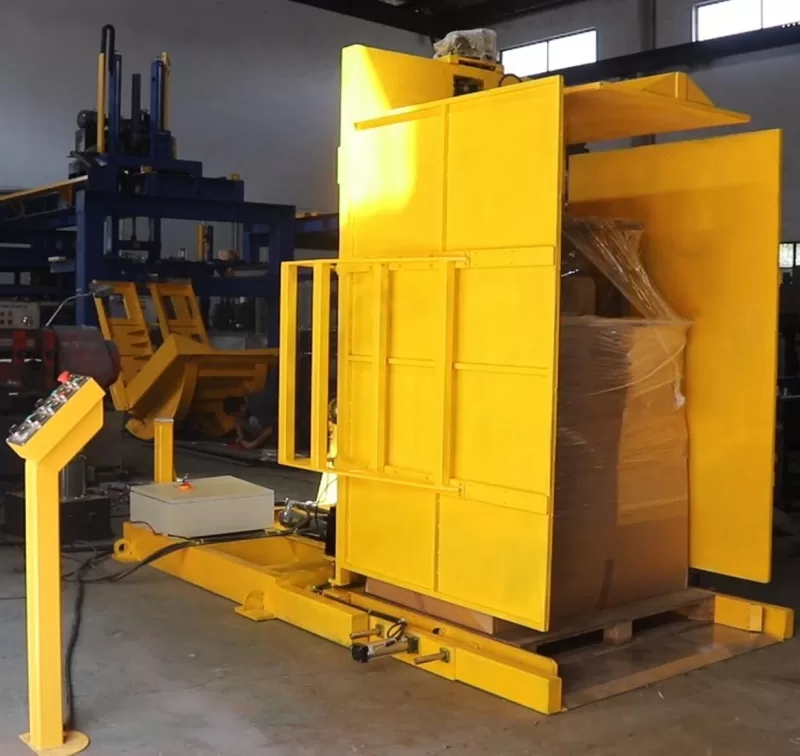
My journey in the packing machine industry taught me that the best equipment is only as good as the company behind it. When I started FHOPEPACK, I knew I wanted to build a company that offers more than just machines. We aim to be a knowledge-sharing platform and a reliable partner. Here is what I believe truly makes a supplier stand out:
-
Deep Industry Expertise and Customization Capabilities:
- The best suppliers do not just sell generic machines. They understand the nuances of your industry, whether it is food and beverage, manufacturing, or logistics. They should be able to discuss the specific challenges of handling export steel pallets, diverse dimensions, and your unique throughput requirements. This knowledge allows them to recommend the most suitable pallet inverter model or even customize a solution for your exact needs. They should not be afraid to ask detailed questions about your operations.
- Look for a supplier who has experience with heavy-duty applications. Handling steel pallets requires specific engineering and robust components. A supplier who can demonstrate successful installations in similar demanding environments gives you confidence in their capabilities.
-
Comprehensive After-Sales Service and Spare Parts Availability:
- A machine, no matter how robust, will eventually need maintenance or replacement parts. The true test of a supplier is their after-sales support. Ask about their service network, response times for technical issues, and the availability of spare parts. Downtime is incredibly costly for your operations. A supplier who can quickly provide support and parts minimizes your losses.
- A reliable partner will offer preventive maintenance programs and training for your team. This ensures your staff can operate the equipment safely and perform basic troubleshooting, further contributing to the machine’s longevity and your operational efficiency.
-
Strong Track Record and Customer References:
- Do not just take their word for it. Ask for references or case studies, especially from companies with similar challenges to yours, such as those in food processing or international logistics with diverse pallet needs. A reputable supplier will be proud to share their successes and connect you with satisfied clients. This validation gives you peace of mind that you are making a sound investment.
- Their longevity in the market and reputation for quality and reliability also speak volumes. A company that has been around for many years and continues to innovate is often a safer bet than a newcomer with unproven solutions.
-
Commitment to Safety and Compliance:
- A top-tier supplier prioritizes safety in their machine design. They should adhere to international safety standards and be transparent about the safety features integrated into their pallet inverters. This aligns perfectly with your focus on reducing workplace accidents.
- They should also understand and advise on compliance requirements related to pallet handling and material movement in your specific region or for your export markets. This level of partnership extends beyond just selling hardware.
Conclusion
Pallet inverters offer a powerful solution for the complex task of switching between export steel and standard pallets. They significantly enhance safety by eliminating manual handling, boost efficiency through automation, and reduce operational costs. Choosing the right pallet inverter and a supportive supplier is crucial for long-term success, helping your business overcome logistical challenges and achieve greater profitability.








