
Which pallet inverter design ensures safer stacking of heavy construction products?
Handling heavy construction products in a warehouse presents many risks. Think about the massive weight of concrete blocks, steel beams, or even specialized piping. Manually moving or re-stacking these items is not only slow and inefficient, but it also creates serious safety hazards for your team. Accidents can lead to injuries, damaged goods, and costly delays. You need a solution that works for you, not against you.
The most effective pallet inverter designs for safer stacking of heavy construction products are robust, hydraulic-powered 180-degree inline or standalone units that offer precise clamping and smooth, controlled rotation. These designs minimize manual intervention and ensure the load remains stable throughout the transfer process, drastically reducing the risk of product damage or worker injury.
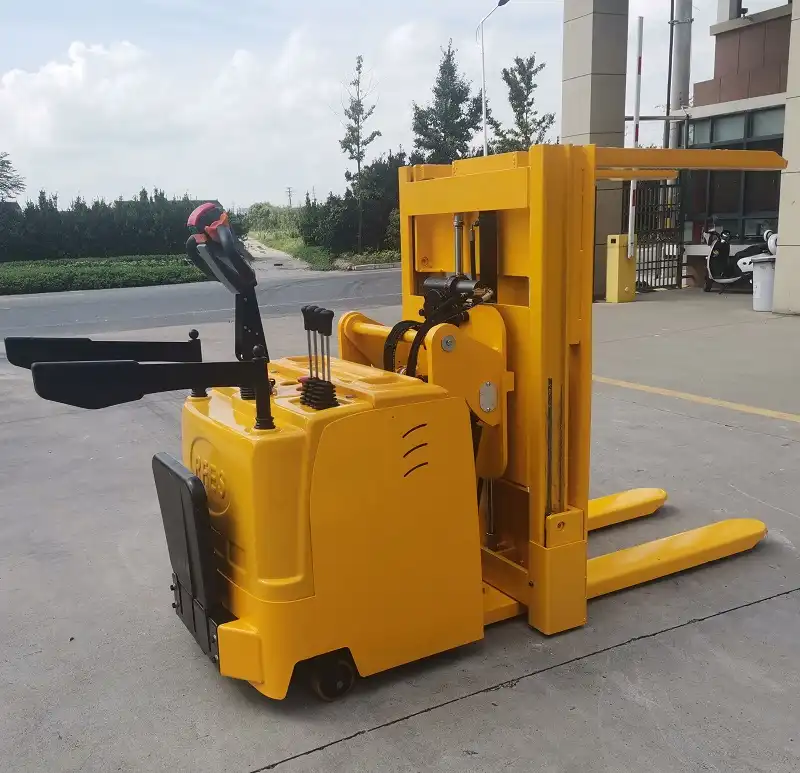
It is clear that safety and efficiency are paramount when dealing with such formidable cargo. But how do you pick the right system? And what specific features truly make a difference in your daily operations? Let us explore the critical aspects of pallet inverter designs that can transform your warehouse safety and productivity.
Why is pallet safety critical for heavy construction products?
Imagine a warehouse where heavy construction products are constantly on the move. Every lift, every shift, every re-stack carries an inherent risk. If you are not careful, these risks turn into real problems, like accidents, damaged goods, and unhappy customers. This is why pallet safety is not just a good idea; it is absolutely essential.
Pallet safety is critical for heavy construction products primarily because of the extreme weight, bulk, and sometimes irregular shapes of these items. Mishandling can cause severe injuries to workers, extensive damage to expensive materials, costly operational downtime, and significant financial penalties due to damaged shipments or project delays.

Heavy construction products, like large tiles, pre-fabricated concrete elements, or heavy-duty pipes, are not just heavy; they can also be awkward to handle. Their size means a small mistake can have big consequences. A shifting load can crush a worker or destroy other valuable items. I have seen situations where a simple manual attempt to re-stack a pallet of heavy goods led to a worker sustaining serious injuries, and the entire batch of products was ruined. This is not just about the immediate cost of the damaged goods; it includes the medical expenses, potential legal fees, and the ripple effect on worker morale and productivity. Modern warehouses, especially those dealing with diverse pallet requirements like Euro or US standard pallets for international shipping, cannot afford these kinds of setbacks. Labor is already tight, and finding people willing to do high-risk, high-strength manual jobs is getting harder. Furthermore, customers, particularly in fast-paced sectors like e-commerce and retail, demand quick deliveries. Any delay caused by an accident or an inefficient manual process directly impacts customer satisfaction and can even lead to contract penalties. Implementing reliable, automated solutions is not just about reducing labor; it is about building a safer, more compliant, and more responsive supply chain. This proactive approach helps reduce insurance costs and keeps operations running smoothly, ensuring that our team and our products remain safe.
What pallet inverter designs are best for heavy loads?
When you work with heavy construction materials, a standard pallet inverter might not be enough. You need specific designs that are built to handle extreme weight, ensure stability, and operate without fault. Choosing the wrong design can lead to more problems than it solves, putting your products and people at risk.
For heavy construction products, the most effective pallet inverter designs are typically industrial-grade 180-degree tippers, specifically engineered with heavy-duty steel frames, powerful hydraulic clamping systems, and often a floor-level loading feature. These designs provide maximum stability and secure containment of the load during the entire inversion process, preventing shifts or collapses of heavy, dense items.
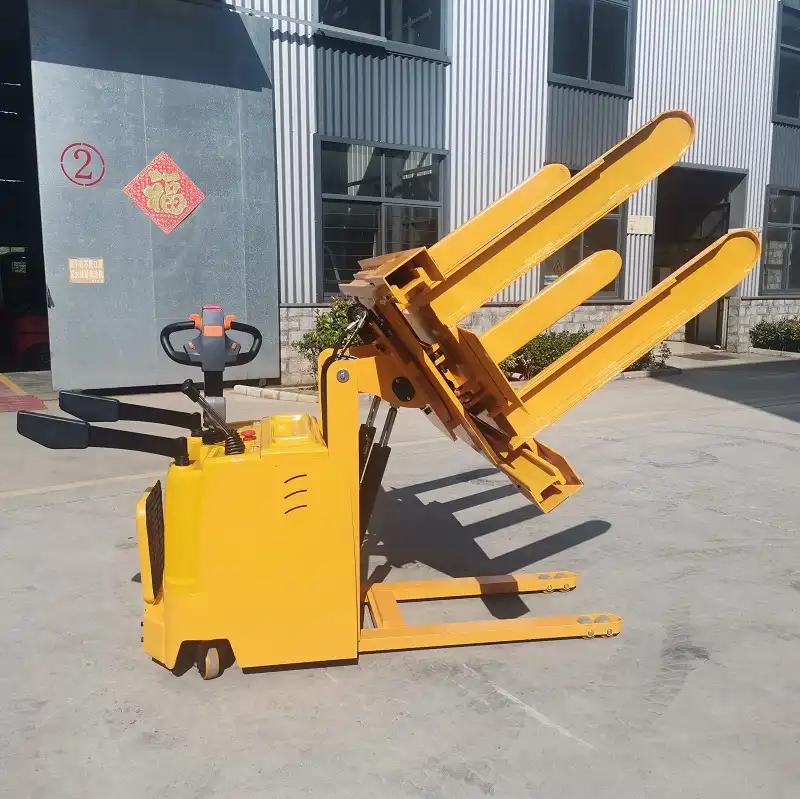
I have spent years in the packing machine industry, watching how different designs perform under pressure. For truly heavy loads, like those found in construction material warehousing, robustness is non-negotiable. Here are the designs I have seen work best:
-
180-Degree Pallet Inverters (Floor-Level or Fixed Systems):
- Description: These machines can fully rotate a pallet and its load by 180 degrees. They often come with a strong hydraulic clamp that grips the load from top and bottom. Some models allow loading directly by a forklift at floor level, while others are integrated into a fixed line.
- Best for: Transferring very heavy, stable loads from one pallet type to another, or replacing a broken pallet. The full rotation means the load remains upright relative to the machine’s clamps, offering great stability.
- Safety Features: Strong clamping pressure, slow and controlled rotation speed, heavy-duty construction. The top and bottom clamping ensures the entire load, however heavy, stays as one unit during the flip.
- Example Applications: Changing wood pallets of bagged cement or paving stones to plastic pallets for shipping, or transferring large, stacked construction panels.
-
90-Degree Tilters/Tippers:
- Description: These units tilt the load and pallet by 90 degrees, allowing access to the bottom pallet. The load is then secured against a backstop.
- Best for: Transferring loads where you only need to access the bottom of the pallet, or when the load can be safely rested on its side. It is less common for full pallet exchange with very heavy, unstable stacks.
- Safety Features: Often includes side supports and strong backstops to prevent items from shifting when tilted.
- Considerations for Heavy Loads: While useful, you must make sure the load’s structural integrity can handle being tilted on its side without collapsing. For construction products, this means only using it with very stable, compact loads.
-
Freezer Spacer Removers (Load Transfer Systems):
- Description: While not strictly “inverters,” these systems are highly relevant for heavy goods. They use a side-clamping mechanism to secure the load and lift it off the original pallet, allowing for pallet exchange or spacer removal.
- Best for: Very heavy, delicate, or unstable loads that cannot tolerate rotation. The load remains upright throughout the process.
- Safety Features: Gentle but firm side clamping, no rotation, reduced risk of product damage from tipping.
- Considerations for Heavy Loads: They excel at keeping heavy, delicate items stable but do not “invert” the pallet in the traditional sense. They transfer the load while keeping it oriented.
When choosing, I always advise clients to consider the total weight, the stability of the stacked product, and how often they need to perform the transfer. A heavy-duty 180-degree inverter with hydraulic controls and robust construction is often the safest and most efficient choice for construction materials because it fully encapsulates the load, giving unparalleled security during the transfer. This drastically reduces the chances of shifting or collapsing stacks, which is a major concern with heavy, dense products.
How do modern pallet inverters enhance operational safety?
Many people see pallet inverters as just machines that move pallets. But modern designs are much more than that. They are sophisticated tools engineered to protect your most valuable assets: your team and your products. Ignoring these safety enhancements means sticking with outdated, riskier methods.
Modern pallet inverters significantly enhance operational safety through integrated automation, robust structural design, and advanced safety features like automatic load clamping, light curtains, emergency stop buttons, and remote operating capabilities. These features minimize manual interaction, prevent load shifts, reduce the risk of accidents, and create a much safer working environment for handling heavy construction products.
From my experience designing and working with packing machines, I have seen a huge shift in safety technology. The focus is no longer just on moving things fast; it is about moving them safely and efficiently. For a warehouse manager like Carlos, who values ergonomic safety and reliable equipment, these advancements are game-changers.
1. Automated Clamping and Secure Holding
- Problem: Manual clamping or inadequate securing can lead to heavy loads shifting or even falling during transfer. This is a huge risk with dense construction materials.
- Solution: Modern pallet inverters feature powerful hydraulic or pneumatic clamping systems that automatically adjust to the load size. They apply consistent, firm pressure from the top and bottom or sides, ensuring the entire stack of products remains stable and integrated during rotation or transfer. This eliminates the need for manual adjustments and greatly reduces the chance of product movement or collapse, protecting both the materials and the operators.
2. Safety Barriers and Light Curtains
- Problem: Workers can accidentally enter the machine’s operating area, leading to severe injury.
- Solution: Many advanced pallet inverters come with physical safety fences or cages that separate the machine from the rest of the warehouse. More critically, integrated light curtains or safety scanners detect if anyone enters the danger zone. If a beam is broken, the machine instantly stops. This proactive safety measure prevents personnel from being near moving parts, dramatically reducing collision and crushing risks.
3. Emergency Stop (E-Stop) Functionality
- Problem: In an emergency, immediate machine shutdown is vital to prevent accidents.
- Solution: Easily accessible, clearly marked emergency stop buttons are standard on all modern pallet inverters. These buttons allow operators to immediately halt all machine functions in case of an unforeseen issue, such as a load imbalance or an unexpected object in the machine’s path. This gives operators immediate control, acting as a crucial last line of defense against potential hazards.
4. Ergonomic Design and Remote Operation
- Problem: Manual handling of pallets is physically demanding and leads to fatigue and strain injuries.
- Solution: Pallet inverters are inherently designed to remove manual lifting and tilting. Furthermore, many modern units offer remote control options, allowing operators to manage the machine from a safe distance, away from any moving parts. This significantly reduces physical strain on workers, addresses labor shortage issues by making jobs less physically demanding, and keeps them out of harm’s way, leading to fewer work-related injuries and a more productive workforce.
5. Robust Construction and Smooth Operation
- Problem: Flimsy or poorly maintained machines can fail, especially under heavy loads, leading to catastrophic accidents.
- Solution: High-quality pallet inverters for heavy construction products are built with robust, industrial-grade steel and components. They feature smooth hydraulic systems that provide controlled acceleration and deceleration during rotation. This durable construction, combined with precision engineering, ensures the machine operates reliably under heavy loads for extended periods, minimizing mechanical failures that could compromise safety.
These safety features are not just add-ons; they are integral to the design of modern pallet inverters. They directly address the critical challenges faced by warehouses handling heavy, diverse products, making operations safer, faster, and more efficient.
Choosing the right pallet inverter: Key safety considerations?
Selecting a pallet inverter can feel overwhelming. There are many options, and if you are not careful, you might end up with a machine that does not fit your specific needs or, worse, one that creates new safety issues. Making the right choice means looking beyond the basic functions and focusing on what truly protects your team and products.
Choosing the right pallet inverter for heavy construction products requires careful consideration of its load capacity, clamping strength, structural integrity, and integrated safety features like light curtains and emergency stops. You must also evaluate the supplier’s reputation for after-sales support, installation expertise, and their ability to provide custom solutions that meet specific warehouse layout and operational demands, ensuring long-term safety and efficiency.

My journey in the packing machine industry taught me that buying equipment is not just about the machine itself. It is about solving a problem and finding a partner who understands your challenges. For someone managing a busy distribution center, like Carlos, with diverse pallet needs and a focus on safety and cost, this means asking the right questions.
1. Load Capacity and Product Specifics
- What to look for: The inverter’s maximum weight capacity must exceed your heaviest pallet load by a comfortable margin. Also, consider the dimensions of your most common products (height, width, depth) and if they are stable when stacked.
- Safety Link: An overloaded machine is a dangerous machine. It can malfunction, drop loads, or break down, causing injuries and damage. Make sure the clamping mechanism can securely hold your specific product shapes without crushing them or allowing them to shift.
2. Machine Robustness and Construction Quality
- What to look for: Inspect the frame material, welding quality, and component strength. Heavy-duty construction, often with thick steel, is vital for long-term reliability when handling construction products.
- Safety Link: A flimsy machine will wear out quickly and become unstable, especially under constant heavy loads. Durable construction ensures the machine maintains its integrity over time, reducing the risk of structural failure and accidents.
3. Integrated Safety Features
- What to look for: Prioritize machines with comprehensive safety features like automatic load sensors, safety light curtains, emergency stop buttons (E-stops), safety interlocks on access points, and anti-slip surfaces.
- Safety Link: These features are your first line of defense against accidents. They prevent unauthorized access, stop operations in emergencies, and ensure the load is secure before any movement begins, protecting both operators and goods.
4. Operational Speed and Control
- What to look for: You need a machine that operates at a speed suitable for your throughput, but with smooth, controlled movements. Look for variable speed controls and precise hydraulic or electric systems.
- Safety Link: Jerky or uncontrolled movements can cause heavy loads to shift or topple. Smooth acceleration and deceleration are critical for maintaining load stability and preventing sudden, dangerous movements.
5. Footprint and Integration with Existing Layout
- What to look for: Consider the physical space the inverter occupies and how it integrates with your current workflow, forklift paths, and other equipment. Will it create new bottlenecks or safety hazards?
- Safety Link: A poorly placed machine can obstruct pathways, create blind spots, or lead to collisions. An integrated solution, designed with your specific warehouse layout in mind, enhances overall operational safety and efficiency.
6. Supplier Support and Reputation
- What to look for: Choose a supplier, like FHOPEPACK, with a strong reputation for customer service, readily available spare parts, technical support, and installation expertise. Ask about training programs for your operators.
- Safety Link: Reliable after-sales support ensures your machine stays in top condition. Regular maintenance and quick repairs prevent unexpected breakdowns, which can pose significant safety risks and lead to costly downtime. A knowledgeable partner will also ensure your team is fully trained to operate the equipment safely.
By carefully considering these safety aspects, you can ensure that your investment in a pallet inverter truly enhances your operations, protects your workforce, and aligns with your long-term goals for efficiency and reliability.
Conclusion
Choosing the right pallet inverter design for heavy construction products is about prioritizing safety and efficiency. Robust 180-degree systems with strong clamping and integrated safety features are ideal. Partnering with an expert who understands your needs ensures a safer, more productive operation and makes sure your pallet inverter investment truly pays off.








