
Which pallet inverter supplier provides stronger machines for steel and rebar pallets?
You run a busy warehouse, moving thousands of pallets every day. But when those pallets are loaded with steel coils or heavy rebar, it is a completely different game. The weight, the sharp edges, the sheer demand on your equipment can quickly turn a routine task into a costly problem. I have seen countless operations struggle with pallet changes for heavy materials. It is not just about lifting; it is about handling these massive loads safely and efficiently, day in and out, without breaking down or risking your team.
When it comes to providing stronger pallet inverters for steel and rebar pallets, suppliers with a deep engineering background and a proven track record in heavy industrial applications, like FHOPEPACK, stand out. They offer machines specifically designed with reinforced structures, powerful hydraulics, and advanced safety features to handle extreme weights and unique material characteristics reliably.

Choosing the right pallet inverter for heavy materials is not a small decision. It impacts your safety, efficiency, and ultimately, your bottom line. I started FHOPEPACK because I believe in sharing real knowledge about packing machines. Let us dive deeper into what truly makes a pallet inverter capable of mastering the challenges of steel and rebar pallets.
Why are Steel and Rebar Pallets a Special Challenge for Pallet Inverters?
Imagine the force exerted by a ton of steel moving at speed. Now imagine multiple tons. This is the reality when dealing with steel coils or bundles of rebar. Many standard pallet inverters simply are not built for this kind of stress. They might struggle, break down, or worse, create a dangerous situation. I have witnessed first-hand the damage heavy loads can inflict on inadequate equipment.
Steel and rebar pallets present a special challenge for pallet inverters due to their extreme weight, concentrated load points, and potential for shifting, which demand significantly higher structural integrity, clamping force, and precise control than typical palletized goods.
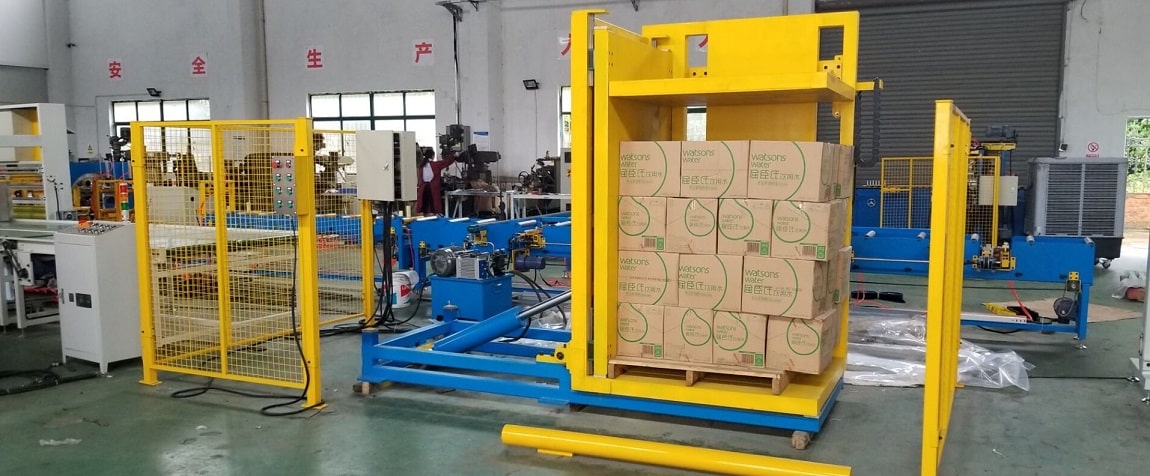
My journey in the packing machine industry has shown me that every product has its unique handling requirements. Steel and rebar are in a league of their own. They are not just heavy; they are dense, often have sharp edges, and can be unbalanced. This creates a range of issues that a standard pallet inverter simply cannot overcome.
-
Extreme Weight and Load Distribution:
- ⚖️ Concentrated Stress: Unlike a pallet of neatly stacked boxes, steel coils or rebar bundles often have their weight concentrated in smaller areas. This puts immense pressure on the pallet inverter’s platform, forks, and hydraulic system. A machine designed for lighter loads will quickly bend or fail.
- 🏗️ Structural Demands: The frame of the pallet inverter must be exceptionally robust. We use thicker steel plates and reinforced welds at FHOPEPACK for our heavy-duty models. It is about building a machine that can absorb and distribute thousands of pounds of force without compromise.
-
Material Characteristics and Handling:
- 🚧 Abrasion and Damage Risk: Steel and rebar can be abrasive. They can scratch or gouge the surfaces of the inverter if not handled properly. This means the machine’s contact points need durable linings or hardened steel.
- 🌀 Load Shifting: Heavy metal loads can shift during the inversion process if not clamped securely. This is incredibly dangerous. It can lead to goods falling, damage to the machine, or serious injury to operators. A powerful, consistent clamping mechanism is not just a feature; it is a necessity.
-
Operational Environment:
- 🏭 Dust and Debris: Warehouses handling these materials often have more dust and debris. This can impact hydraulic systems, sensors, and moving parts if the machine is not adequately sealed and protected.
- ⏳ Continuous Operation: Companies need machines that run all day, every day. A pallet inverter for steel and rebar cannot afford frequent breakdowns. It needs components built for continuous, high-stress use, from the motor to the smallest seal. This is why I always emphasize quality in every component.
What Makes a Pallet Inverter Truly “Stronger” for Heavy Loads?
When I talk about a “stronger” pallet inverter, I am not just talking about a bigger motor. Many suppliers might boast about lifting capacity, but true strength goes far beyond that. It is about the complete engineering package. What good is a strong lift if the machine buckles under pressure or cannot hold the load securely? This is a question I have pondered countless times in my career, especially when dealing with client needs.
A pallet inverter is truly “stronger” for heavy loads when it incorporates robust structural design, oversized hydraulic components, advanced clamping systems, high-quality materials, and precise control mechanisms, all working together to ensure stability, safety, and consistent performance under extreme stress.
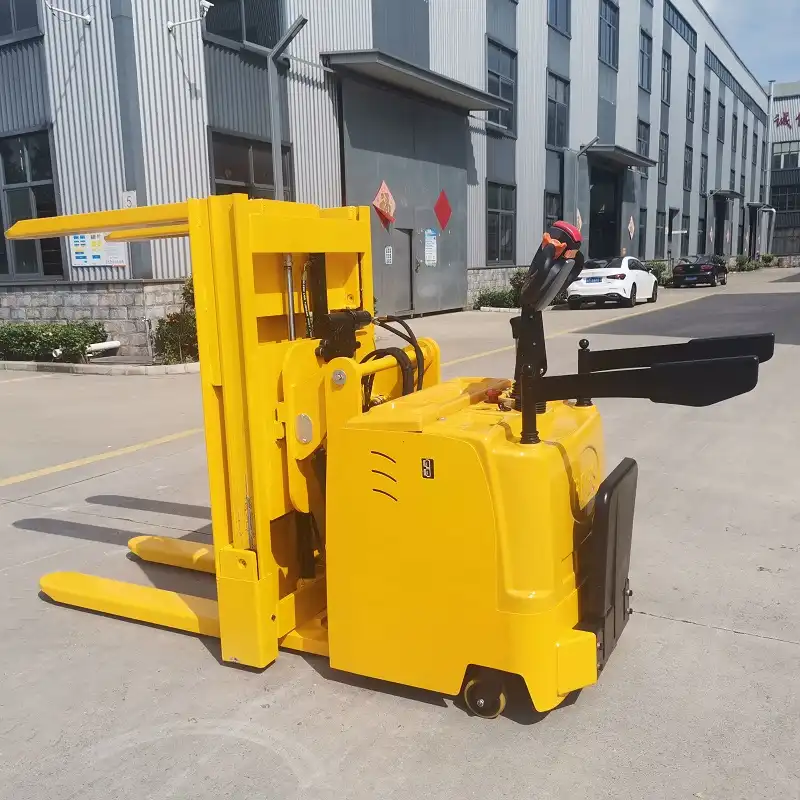
From my experience building and designing packing machines, I know that strength is not an abstract concept; it is a tangible result of meticulous engineering choices. For heavy-duty pallet inverters, particularly for steel and rebar, several key design elements contribute to this essential strength:
-
Reinforced Structural Frame:
- 💪 Heavy-Gauge Steel: We use thicker, high-strength structural steel for the main frame and platforms. This is crucial for resisting deformation under constant heavy loads. It is like building a skyscraper versus a shed; the foundation and frame must be fundamentally different.
- 🤝 Advanced Welding Techniques: The integrity of welds is paramount. For heavy-duty machines, we employ specialized welding processes and rigorous quality checks to ensure every joint can withstand the dynamic forces of heavy material handling. A weak weld is a point of failure waiting to happen.
-
Oversized Hydraulic and Electrical Systems:
- ⚙️ Robust Hydraulics: The hydraulic cylinders, pumps, and valves must be rated for continuous heavy use. We specify larger bore cylinders and more powerful hydraulic pumps to ensure smooth, controlled movement even with maximum loads. This also extends the lifespan of the system.
- ⚡ Industrial-Grade Electrical Components: The electrical system controls everything. For heavy-duty use, we select industrial-grade motors, sensors, and control panels that are resilient to voltage fluctuations, dust, and continuous operation. Reliability in the electrical system means fewer unexpected downtimes.
-
Superior Clamping and Grip Mechanisms:
- 🔒 Powerful Clamping Force: The most critical aspect is securely holding the load. Our heavy-duty pallet inverters feature hydraulic clamping systems that apply consistent and immense pressure. This prevents any movement or shifting of steel coils or rebar bundles during the inversion cycle, which is a major safety concern.
- 🛡️ Specialized Gripping Surfaces: Depending on the material, we might use anti-slip rubber pads or textured metal surfaces to maximize grip without damaging the product. This tailored approach shows a deeper understanding of the specific challenges of steel and rebar.
-
High-Quality Components and Build Standards:
- 🌟 Premium Bearings and Bushings: All moving parts, especially those under heavy load, use high-quality, durable bearings and bushings to minimize friction and wear. This reduces maintenance needs and extends the machine’s operational life.
- 🛠️ Rigorous Testing: Every heavy-duty pallet inverter undergoes extensive testing under full load conditions before it leaves our factory. This ensures that the machine performs exactly as expected when it arrives at a client’s facility, ready for the demanding work of handling steel and rebar pallets.
How Does a Robust Pallet Changer Improve Safety and Efficiency in Heavy-Duty Warehouses?
Like many logistics managers, you know that safety and efficiency are two sides of the same coin. An unsafe operation is never efficient, and an inefficient one often leads to risky shortcuts. In my career, I have seen too many incidents where manual handling of heavy goods resulted in injuries or damaged products. This is where a robust pallet changer truly shines, transforming a high-risk, slow process into a streamlined, secure one.
A robust pallet changer dramatically improves safety by eliminating hazardous manual handling of heavy loads like steel and rebar, reducing the risk of injuries and product damage, while simultaneously boosting efficiency through faster, automated pallet transfers and consistent operational flow.
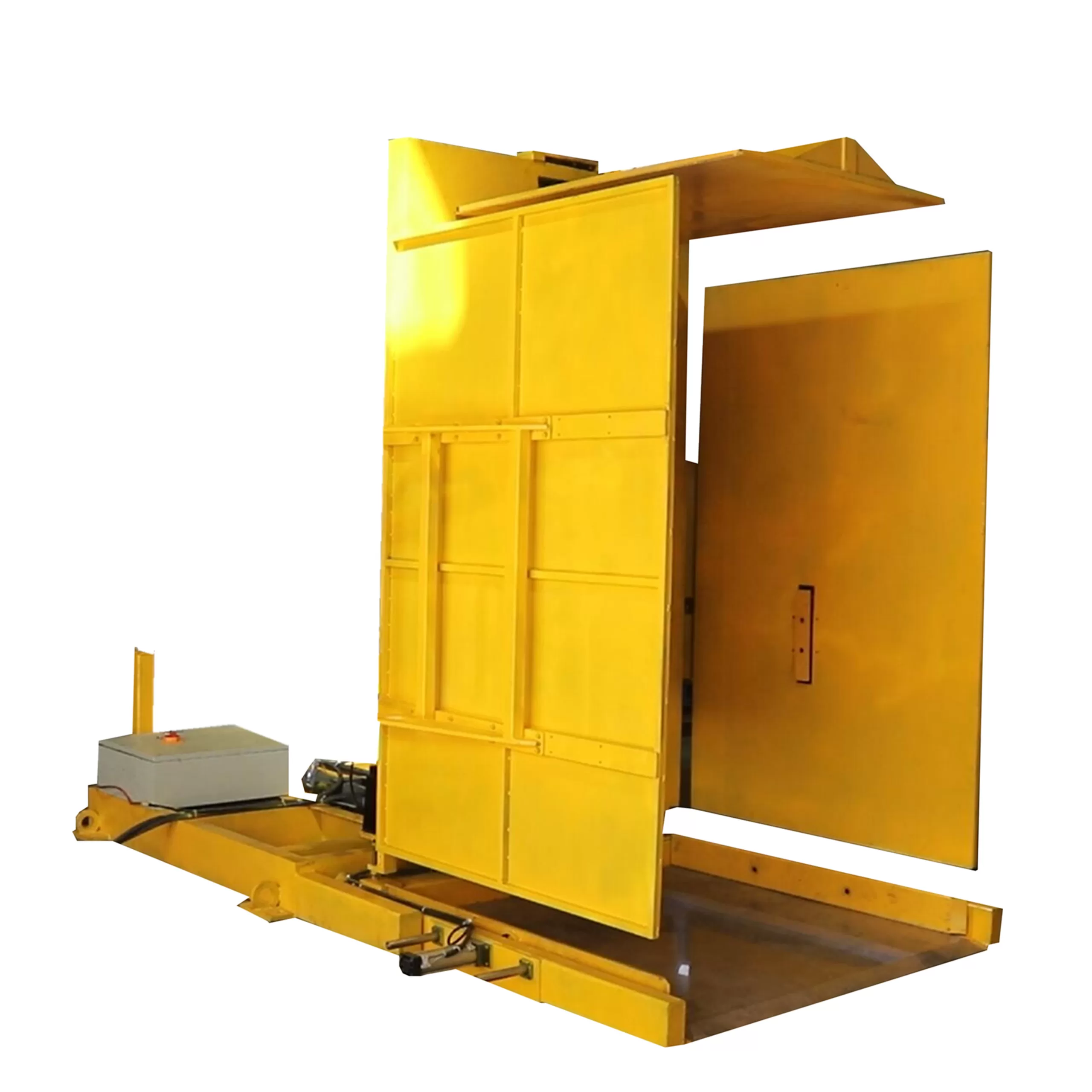
When I established my own packing machine factory, safety was always a top priority. It is not just about compliance; it is about protecting people and valuable products. For heavy-duty applications, a well-designed pallet changer becomes an indispensable tool for achieving both safety and efficiency.
-
Enhanced Safety Measures:
- 🚫 Elimination of Manual Handling Risks: This is the most significant benefit. Manually flipping or transferring pallets of steel or rebar is incredibly dangerous. It involves heavy lifting, awkward movements, and the constant threat of loads tipping. A pallet changer completely removes personnel from this danger zone.
- 🤕 Reduced Injuries and Worker Compensation: Fewer manual interventions mean fewer sprains, strains, crushed limbs, or other severe injuries. This directly translates to lower worker compensation claims, reduced insurance premiums, and a healthier, happier workforce, which I know is a major concern for any manager.
- 🚨 Controlled and Predictable Operations: Our machines are designed with emergency stop buttons, safety guarding, and interlocks. This ensures that the operation is always under control. The machine performs the exact same safe action every time, unlike human operators who can make mistakes when tired or rushed.
-
Significant Efficiency Gains:
- ⏱️ Faster Pallet Switching: Automated pallet changing is significantly quicker than manual methods. What might take several workers 10-15 minutes to do manually can be done by a machine in just a few minutes, even for heavy loads. This speeds up overall throughput.
- 🔄 Smooth Transition for Diverse Pallets: You may face the challenge of switching between Euro, US, and plastic pallets. A versatile, robust pallet changer handles these transitions seamlessly, preventing bottlenecks. This is crucial for international logistics where compliance with different pallet standards is a must.
- 📉 Reduced Labor Dependency and Costs: With a machine doing the heavy lifting, fewer workers are needed for the physically demanding task of pallet changing. This addresses the labor shortage challenge and significantly reduces operational costs, freeing up your team for more value-added activities.
-
Protection of Goods and Equipment:
- 📦 Minimizing Product Damage: The gentle, controlled movement of a properly designed pallet changer reduces the risk of impact or dropping goods. This is vital when dealing with valuable materials like steel and rebar, where damage can be costly.
- ✅ Consistent Process: Machines do not get tired or make judgment errors. They perform the task consistently, ensuring that pallets are always changed correctly and securely. This contributes to a standardized operation, reducing errors and reworks.
How Do You Choose the Right Supplier for Heavy-Duty Pallet Inverting Solutions?
You have seen the benefits of a robust pallet changer. But how do you actually find the right partner in a sea of suppliers? It is easy to get caught up in flashy sales pitches. I have been on both sides – as an employee and as a factory owner. I know that you are looking for more than just a machine; you are looking for a long-term solution and a trustworthy relationship. This takes careful consideration, beyond just the price tag.
Choosing the right supplier for heavy-duty pallet inverting solutions requires evaluating their engineering expertise, their track record with similar challenging materials, their commitment to post-sales support, their ability to customize, and their understanding of your specific operational challenges beyond just selling a piece of equipment.
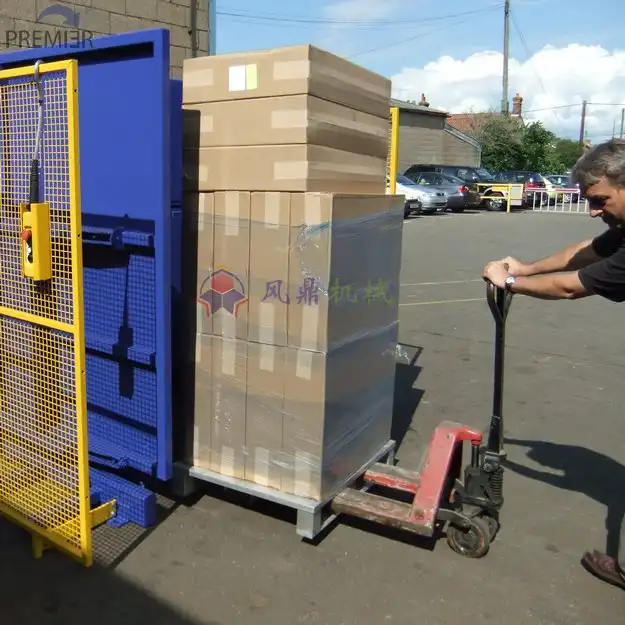
My experience in the packing machine industry has taught me that the best suppliers are partners who truly understand your needs. They do not just sell products; they provide solutions. For heavy-duty pallet inverters, this means looking for several key attributes in a potential partner:
-
Proven Engineering Expertise and Specialization:
- 🔬 Deep Industry Knowledge: Does the supplier understand the specific stresses of handling steel and rebar? Do they have engineers who can speak intelligently about load distribution, hydraulics for extreme weights, and structural integrity? Look for companies that specialize in heavy-duty or industrial packaging solutions, not just general equipment.
- 📊 Track Record with Similar Applications: Ask for case studies or references from clients who handle similar heavy or challenging materials. A supplier who has successfully implemented solutions for steel mills or rebar manufacturers demonstrates real-world capability.
-
Commitment to Quality and Durability:
- 🌟 Material and Component Standards: Inquire about the quality of materials used (e.g., steel grade, hydraulic components, electrical parts). A reliable supplier will be transparent about their build quality and component sourcing. Remember, corners cut on quality lead to breakdowns and higher costs in the long run.
- ✅ Manufacturing Processes and Testing: Understand their manufacturing processes. Do they conduct rigorous testing under load? Do they adhere to international quality standards? A commitment to robust manufacturing ensures the machine will withstand the demands of a high-intensity warehouse.
-
Comprehensive After-Sales Support and Service:
- 📞 Responsive Support: What happens when something goes wrong? A good supplier offers quick, knowledgeable technical support. This includes troubleshooting, spare parts availability, and potentially on-site service. Downtime for a heavy-duty machine can be incredibly costly.
- 🎓 Training and Documentation: Do they provide thorough training for your operators and maintenance staff? Clear manuals and training are vital for maximizing the machine’s life and ensuring safe operation. This reflects a true partnership approach.
-
Flexibility and Customization Capability:
- 🔄 Adaptability to Specific Needs: You need a machine that can adapt to various pallet sizes (Euro, US). Can the supplier offer solutions that are truly flexible, or even customize a machine for unique requirements like specific product dimensions or handling processes?
- 💡 Innovative Solutions: A true partner can offer insights and suggest innovative solutions to specific warehouse pain points, rather than just selling a standard model off the shelf. At FHOPEPACK, we pride ourselves on listening to our clients and tailoring our expertise to their unique operational environments. This is how we build lasting relationships and help businesses grow.
Conclusion
Choosing a pallet inverter for steel and rebar requires looking beyond basic specifications. It demands a robust, reliable machine backed by a supplier who truly understands heavy-duty challenges, prioritizing safety, efficiency, and long-term partnership. The right pallet inverter is an investment that safeguards your team and optimizes your operations, ensuring smooth handling of even the toughest loads.








