
How Can Procurement Compare Pallet Inverter Costs for Large Building Material Plants?
Procurement teams in large building material plants often face a big challenge. They need to buy the right equipment but also keep costs low. Many times, they look only at the initial purchase price of a pallet inverter. This way of thinking can lead to unexpected problems and higher costs down the road. It can cause production delays, more manual labor, and even safety issues for workers.
Comparing pallet inverter costs for large building material plants means looking far beyond the initial price tag. Procurement needs to consider total cost of ownership, including operational expenses, maintenance needs, potential for automation, and the long-term support from the supplier. This detailed approach helps ensure the investment truly improves efficiency and safety without creating hidden financial burdens.
My journey in the packing machine industry, from an employee to owning a successful factory, taught me a lot. It showed me that true value comes from understanding every part of an investment. For a large building material plant, a pallet inverter is not just a machine; it is a critical part of your logistics chain. So, let us look at how procurement can make smart choices.
Understanding the Initial Investment: What Makes Up the Pallet Inverter Purchase Price?
Are you wondering why some pallet inverters cost more than others? It is not always clear what goes into the price. Many procurement managers only see a number on a quote. This can make it hard to compare options fairly. Focusing just on the lowest number can hide important differences. These differences can affect your plant’s operations for years.
The initial purchase price of a pallet inverter includes its core design, load capacity, level of automation (manual, semi-automatic, or automatic), construction materials, and any specialized features required for specific pallet types or product handling in a building material plant environment.
When I was running my factory, I learned that a machine’s price tells only part of its story. For large building material plants, you need a pallet inverter that can handle heavy loads and tough conditions. This means the machine must be built strong. Cheaper machines might use lighter materials. They might have simpler designs. This can lead to breakdowns and higher repair costs later. A higher upfront cost often means better quality parts and stronger construction. These machines last longer and need fewer repairs. Consider the type of inverter too. A manual inverter is cheaper but needs more labor. An automatic one costs more but saves on wages and speeds up work. Think about the types of pallets you use: Euro, US, or plastic. A machine that handles all of them might cost more at first. But it saves you from needing different machines or slow manual changes later. Getting the right features for your specific needs is key, even if it adds to the initial price. This avoids costly mistakes later on.
-
🏗️ Machine Type and Build Quality:
- Manual Pallet Inverters: These are the most basic and cheapest. They rely heavily on human power to operate. They are good for low-volume tasks. They are not suitable for large building material plants with high throughput.
- Semi-Automatic Pallet Inverters: These use some automation but still need an operator. They offer a good balance for medium-volume needs. They are a step up in cost and efficiency from manual models.
- Automatic Pallet Inverters: These are fully automated. They work without constant human input. They are the most expensive upfront. But they offer the highest efficiency, speed, and labor savings. For large plants, these are often the best choice for long-term value.
- Construction Materials: Pallet inverters for building materials need heavy-duty construction. They need strong steel frames. They need durable components. This ensures they can withstand harsh environments and heavy loads day in and day out. Cheaper models might use lighter materials that wear out faster.
- Load Capacity and Size: The bigger and heavier the loads you need to invert, the stronger and larger the machine must be. This directly impacts the cost. Make sure the machine can handle your maximum load weight and pallet dimensions with ease.
- My Insight: I always tell people, do not compromise on build quality for price. Especially in heavy industries like building materials, a robust machine is an investment in uptime. I have seen plants try to save a few dollars upfront, only to spend much more on repairs and lost production later. It is a common mistake I tried to help my clients avoid.
-
⚙️ Specialized Features and Customization:
- Pallet Type Versatility: Large building material plants often deal with various pallet types (e.g., Euro, US, plastic, specialized sizes). A pallet inverter that can handle multiple types without complex adjustments is more valuable. This feature can add to the cost but simplifies operations.
- Integrated Safety Features: Modern pallet inverters come with advanced safety mechanisms. These include light curtains, emergency stops, safety fences, and interlocks. These features protect workers and meet safety standards. They increase the machine’s price. However, they reduce accident risks and potential legal issues. This is a must-have for Carlos, who prioritizes safety.
- Integration with Existing Lines: Some plants need the pallet inverter to fit seamlessly into an existing conveyor system or automated warehouse. Custom integration work, including controls, software, and physical modifications, adds to the initial cost. But it ensures smooth workflow and maximum efficiency.
- Specific Industry Needs: Building materials can be dusty, abrasive, or heavy. The inverter might need special coatings, dust protection, or reinforced components. These specific features tailor the machine to the environment. They contribute to its overall price and durability.
-
🌍 Geographic Factors and Tariffs:
- Manufacturer Location: Where the machine is made can affect its price. Local manufacturers might offer lower shipping costs. International manufacturers might have different labor costs and material sources.
- Shipping and Installation: The cost to ship a large machine to your plant is significant. Installation by specialized technicians also adds to the total initial investment. Make sure these costs are clear in the quote.
- Import Duties and Taxes: If buying from another country, you must account for customs duties, tariffs, and local taxes. These can add a lot to the final price. Procurement needs to factor these into their cost comparison.
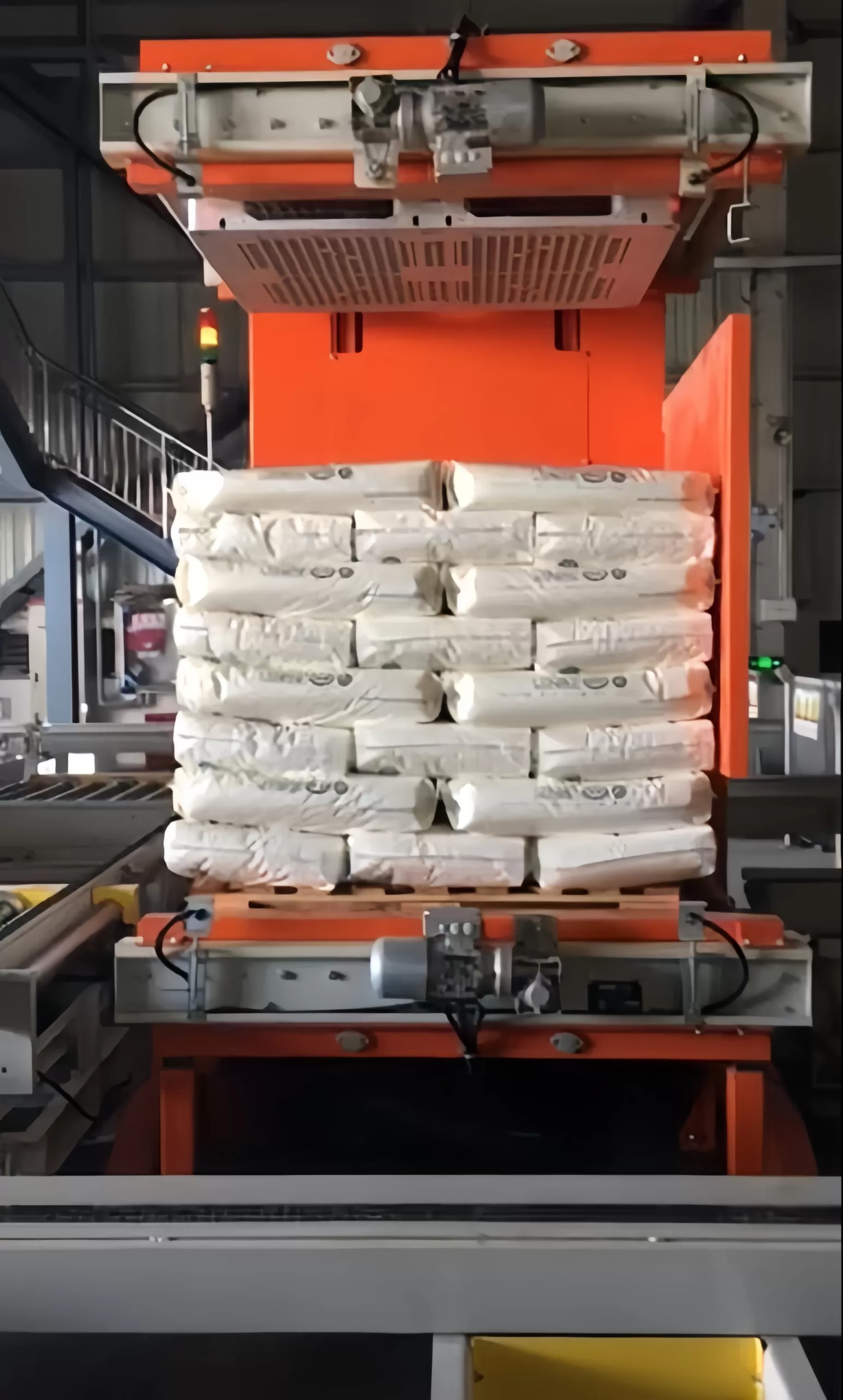
Beyond the Price Tag: What Operational Costs Should Procurement Look At?
You bought the pallet inverter, but the spending does not stop there. Many companies, especially in busy sectors like building materials, forget to look at the long-term running costs. This can lead to budget surprises later on. Focusing only on the upfront price can make a cheap machine very expensive over time. It is a common pitfall I have seen many times.
Operational costs of a pallet inverter include energy consumption, labor requirements, regular maintenance, spare parts, and the cost of downtime. Procurement must evaluate how a machine’s design and reliability impact these ongoing expenses to understand its true long-term financial impact.
In my experience, a well-designed machine might have a higher initial cost. But it saves you a lot more money in daily operations. Think about a machine that uses less electricity. Over months and years, that adds up to big savings. Or a machine that needs fewer people to run it. This helps when labor is expensive and hard to find, like Carlos faces. Also, consider how often a machine breaks down. Every time it stops, your production stops. This means lost time and lost money. So, when comparing costs, always ask about the energy use, how many people it needs, and how often it needs maintenance. A machine that is easy to fix and has readily available parts will also save you time and money. For large building material plants, uptime is everything.
-
⚡ Energy Consumption:
- Motor Efficiency: Look at the motor’s power consumption. Energy-efficient motors might cost a bit more upfront. But they will save a lot on electricity bills over the machine’s lifespan. For machines running continuously in a large plant, this is a major factor.
- Operating Cycles: How many pallets does the machine process per hour? More efficient machines can do more work with less energy per pallet. This lowers the cost per unit handled.
- Power Requirements: Ensure your plant’s electrical infrastructure can support the machine without costly upgrades. Sometimes, a more powerful machine needs a higher voltage, which can mean extra costs for installation.
- My Insight: I always advise clients to calculate energy costs over five years, not just one. It is surprising how much even small differences in kilowatt-hours can impact the bottom line, especially when energy prices fluctuate.
-
👨🏭 Labor Requirements and Efficiency:
- Automation Level: A fully automatic pallet inverter needs very little direct labor. This significantly reduces wage costs. A manual or semi-automatic machine needs one or more operators. This increases ongoing labor expenses.
- Training Needs: How complex is the machine to operate? Simpler machines need less training time for new staff. This saves on initial training costs and reduces errors.
- Ergonomics and Safety: A machine that is safe and easy to use reduces worker fatigue. It also lowers the risk of accidents. This leads to fewer insurance claims and less downtime due to injuries. This directly addresses Carlos’s safety concerns.
- Flow Integration: How well does the inverter fit into your existing workflow? A machine that streamlines operations can reduce labor needs in other areas, such as less manual handling before or after the inversion.
-
🛠️ Maintenance and Spare Parts:
- Service Intervals: How often does the machine need maintenance? Machines with longer service intervals save on labor and parts costs.
- Part Availability and Cost: Are spare parts easy to get? Are they expensive? Proprietary parts from some manufacturers can be very costly and have long lead times. This can cause extended downtime.
- Durability of Components: In a dusty, heavy-duty environment like a building material plant, components wear out faster. Look for machines with robust parts designed for such conditions. This reduces replacement frequency.
- Predictive Maintenance Features: Some advanced machines have sensors that predict potential failures. This allows for proactive maintenance. This prevents unexpected breakdowns and saves money.
- My Insight: I have seen companies buy a cheap machine only to find out replacement parts cost a fortune and take months to arrive. This can cripple a busy plant. Always ask for a list of common spare parts and their prices before buying.
-
⏳ Downtime Costs:
- Reliability: How often does the machine break down? A reliable machine means less downtime. Every hour a pallet inverter is down, it costs your plant in lost production, idle labor, and potential contract penalties.
- Mean Time To Repair (MTTR): How quickly can a broken machine be fixed? This depends on the availability of parts and the skill of technicians. Faster repairs mean less impact on operations.
- Impact on Supply Chain: For large building material plants, a pallet inverter breakdown can affect the entire supply chain. It can cause shipping delays, customer dissatisfaction, and even lost contracts. Carlos knows this pain point well.
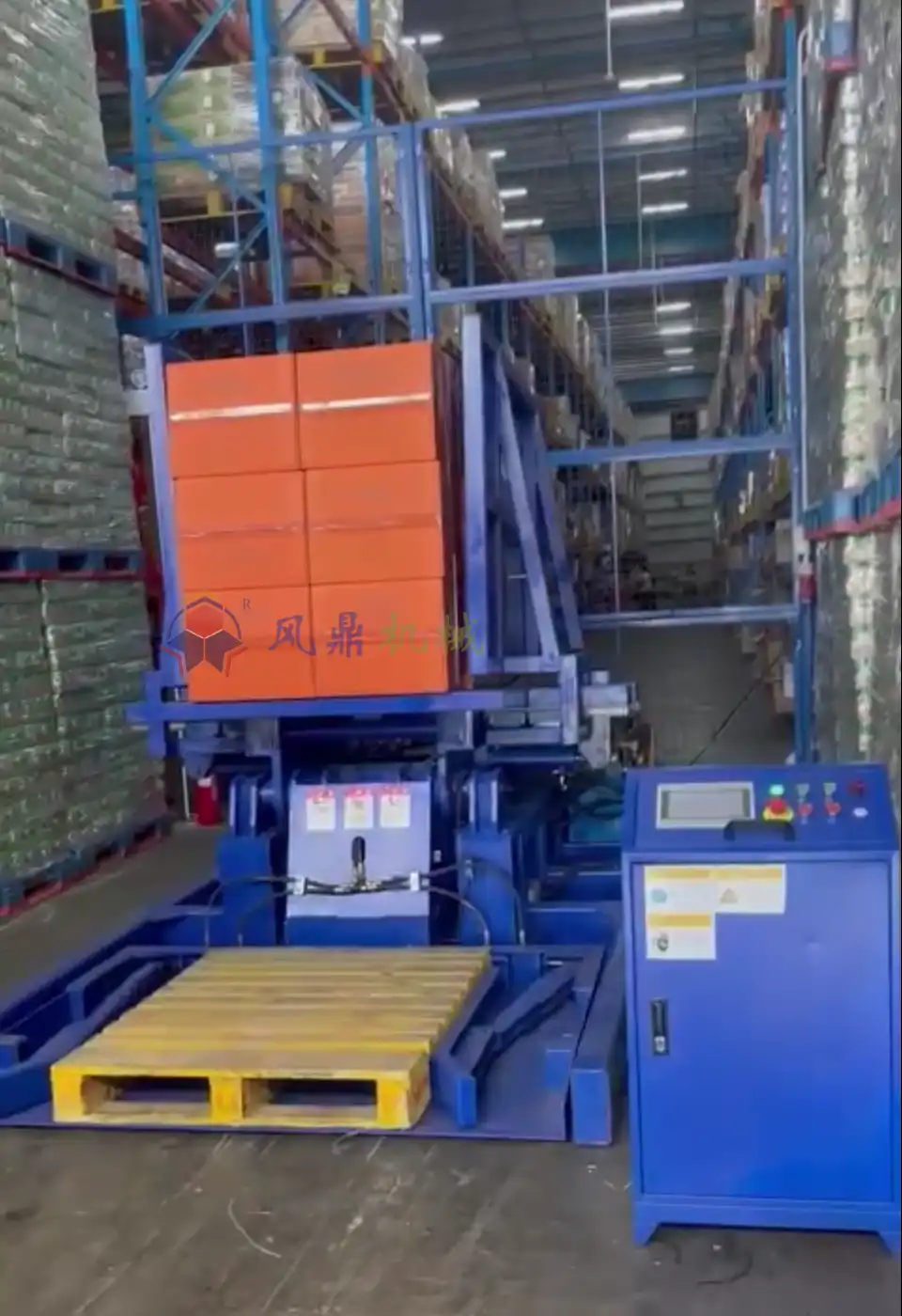
Why Customization and Integration Matter for Large Building Material Plants?
Many suppliers offer standard pallet inverters. But for a large building material plant, a “one-size-fits-all” solution often falls short. Trying to force a standard machine into a unique operation can cause many problems. It can lead to bottlenecks, safety risks, and wasted money. Your plant has specific needs that a basic machine cannot meet.
Customization and seamless integration are crucial for large building material plants because they face unique challenges like diverse product sizes, heavy loads, high throughput, and specific existing logistics setups. A tailored pallet inverter ensures optimal performance, maximum safety, and efficient workflow within these complex environments.
When I was helping clients grow their businesses, I learned that every factory is different. What works for one might not work for another. Especially in the building materials sector, products vary greatly. You might handle bags of cement, large insulation boards, or heavy bricks. Each needs careful handling. A custom pallet inverter can be designed to safely and efficiently handle all these different items. It can also be built to fit perfectly into your existing production line. This avoids costly reconfigurations of your plant layout. Think about your current conveyor systems or forklifts. A customized inverter will work with them, not against them. This kind of integration is not just about convenience. It is about maximizing throughput and minimizing human error. This is exactly what Carlos looks for: a solution that understands warehouse pain points.
-
📦 Handling Diverse Product and Pallet Types:
- Variable Loads: Building material plants handle a wide range of products. This means different weights, dimensions, and sensitivities. A customized inverter can adjust to these variations. It ensures safe and efficient handling of everything from lightweight insulation to heavy stone slabs.
- Multiple Pallet Specifications: As Carlos highlighted, dealing with Euro, US, and plastic pallets is common in international logistics. A custom inverter can be engineered to switch between these types quickly and reliably. This eliminates manual intervention and reduces errors.
- Special Gripping Mechanisms: Some building materials are oddly shaped or fragile. A standard clamp might damage them. Custom inverters can have specialized gripping or holding mechanisms. These ensure products are secure during the inversion process without damage.
- My Insight: I remember one client who tried to use a generic pallet inverter for both bagged cement and delicate tiles. It was a disaster. The machine either crushed the tiles or struggled with the weight of the cement. A customized solution was the only way to go.
-
🔄 Seamless Integration with Existing Systems:
- Conveyor System Compatibility: Large plants often have extensive conveyor networks. A customized pallet inverter can be built to integrate directly into these lines. This means smooth product transfer, minimal manual handling, and continuous flow.
- Automated Warehouse Integration: If your plant uses an automated storage and retrieval system (AS/RS), the pallet inverter must communicate with it. Custom software and controls ensure the inverter works as part of a larger automated ecosystem. This optimizes overall warehouse efficiency.
- Space Constraints: Large building material plants are big, but specific areas might have tight space. A customized inverter can be designed to fit into precise footprints. This maximizes floor space and improves layout efficiency.
- Data Exchange and Control Systems: Modern plants use enterprise resource planning (ERP) or warehouse management systems (WMS). A customized inverter can be integrated to exchange data. This provides real-time tracking and control, improving inventory accuracy and operational oversight.
-
🛡️ Enhanced Safety and Compliance:
- Specific Industry Safety Standards: Building material plants might have unique safety rules due to heavy machinery or specific materials. Custom inverters can be designed to meet or exceed these standards. This protects workers and ensures regulatory compliance.
- Reduced Manual Intervention: Custom automation solutions significantly reduce the need for workers to interact directly with heavy loads or moving parts. This lowers the risk of accidents, injuries, and strains, which is a key goal for Carlos.
- Product Stability During Inversion: A customized design ensures that even unique or unstable building materials remain secure throughout the inversion cycle. This prevents product spillage, damage, and potential hazards for personnel.
- Environmental Adaptations: The dusty or sometimes corrosive environment in building material plants requires special considerations. Custom inverters can feature dust-proof components or corrosion-resistant materials. This ensures long-term reliability and safety in harsh conditions.
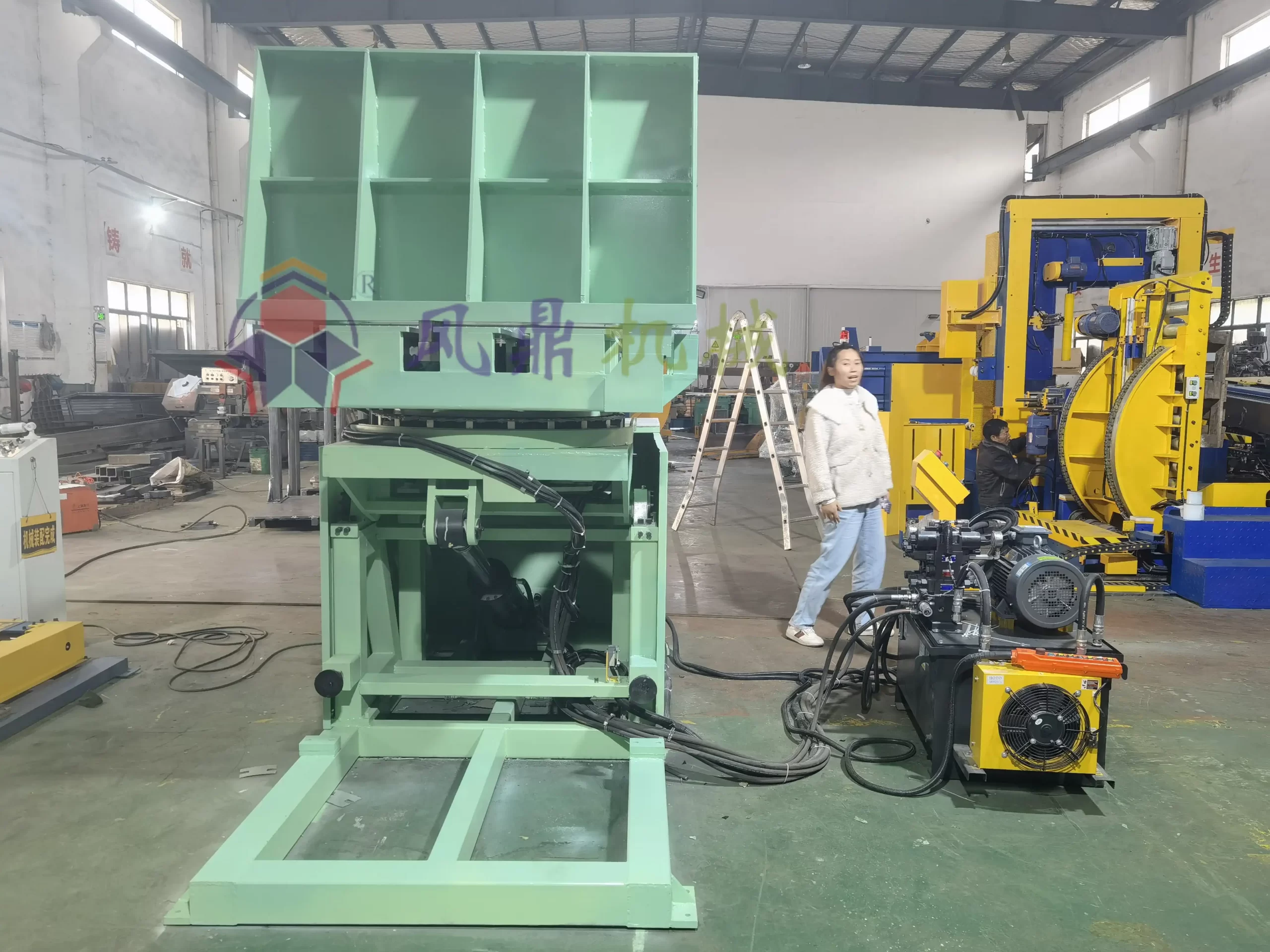
How Do Supplier Reputation and After-Sales Support Impact Total Cost of Ownership?
Buying a pallet inverter is not just a transaction; it is the start of a relationship. Many procurement teams overlook the importance of the supplier’s reputation and after-sales support. This can be a huge mistake. A cheap machine from an unreliable supplier can quickly turn into a nightmare of breakdowns, lost production, and frustration. Carlos specifically looks for a long-term partner, not just a seller.
Supplier reputation and robust after-sales support significantly impact the total cost of ownership by ensuring machine reliability, minimizing downtime, providing timely access to spare parts, and offering expert technical assistance. A strong partnership reduces long-term operational risks and protects the investment for large building material plants.
From my years in the packing machine industry, I have seen first-hand how a good supplier can be your greatest asset. They are not just selling a machine; they are selling peace of mind. A reputable supplier will offer high-quality machines that are built to last. They will have a proven track record of supporting their customers. This means they respond quickly when you have a problem. They have skilled technicians who can fix issues fast. They keep spare parts readily available. Imagine a critical machine breaks down in your large building material plant. If your supplier takes weeks to respond or send parts, you are losing money every hour. This is where a trusted partner like FHOPEPACK makes a difference. We understand that uptime is everything. Choosing a supplier based on their reputation for service is just as important as the machine itself.
-
🌟 Supplier Reputation and Track Record:
- Industry Experience: Does the supplier specialize in pallet inverters for heavy industries? Companies with specific experience understand the unique demands of building material plants. They are more likely to offer suitable and reliable solutions.
- Customer Reviews and Testimonials: Look for feedback from other large industrial clients. Positive reviews about machine quality, reliability, and support are good signs. Negative reviews, especially about service, should be a red flag.
- Financial Stability: A financially stable supplier is more likely to be around for the long term. This ensures they can provide ongoing support, warranties, and parts for years to come.
- Global Presence (for multinational groups): For groups like Carlos’s, a supplier with a global footprint can offer consistent service and support across different regions. This simplifies procurement and maintenance for multiple sites.
- My Insight: When I started FHOPEPACK, I knew that building trust was paramount. I always aimed to be more than a vendor; I wanted to be a resource, sharing my expertise to truly help clients succeed. That meant standing by our machines and our word.
-
📞 After-Sales Support and Technical Assistance:
- Availability of Service: How quickly can technicians respond to a breakdown? Local service teams or clear service level agreements (SLAs) are vital for minimizing downtime.
- Technical Expertise: Are the service technicians highly trained and knowledgeable about the specific machine? Proper diagnosis and repair mean faster resolution of issues.
- Remote Diagnostics: Some advanced machines offer remote diagnostic capabilities. This allows technicians to troubleshoot problems off-site. It speeds up repairs and reduces the need for on-site visits.
- Support Channels: Do they offer multiple ways to get help? Phone, email, online portals? Good support should be easy to reach.
-
🔩 Spare Parts Availability and Management:
- Local Stock vs. International Shipping: Does the supplier keep common spare parts in stock locally or regionally? Long shipping times for parts can lead to extended downtime.
- Parts Pricing Policy: Are spare parts priced fairly? Some suppliers have low machine prices but high spare parts costs.
- Recommended Spares List: A good supplier will provide a list of recommended spare parts to keep on hand. This helps proactive maintenance and quicker repairs.
- Obsolescence Policy: How long will parts be available for older machine models? This is important for the long-term viability of your investment.
-
📝 Warranty and Service Agreements:
- Warranty Coverage: What does the warranty cover? How long does it last? A comprehensive warranty protects your investment against manufacturing defects.
- Extended Warranty Options: Can you purchase extended warranty or service contracts? These can provide long-term peace of mind and fixed maintenance costs.
- Preventative Maintenance Contracts: Some suppliers offer preventative maintenance packages. These regular checks can catch potential problems before they cause breakdowns. They ensure continuous operation.

My Insight: Focusing on Value, Not Just Price, for Long-Term Success?
Many times, procurement teams face pressure to choose the cheapest option. This happens a lot in big companies. But in my experience, especially with critical equipment like pallet inverters for large building material plants, focusing only on the lowest price is a short-sighted approach. It can feel like a win at first. Yet, it often leads to much bigger problems and costs later.
My biggest insight is that true procurement success lies in evaluating the total value and long-term return on investment, not just the initial cost. For large building material plants, investing in a reliable, well-supported, and appropriately customized pallet inverter ensures operational efficiency, enhanced safety, reduced hidden costs, and sustained profitability over its entire lifespan.
When I built my packing machine factory, I understood this deeply. I saw how cutting corners on machine quality or supplier support always backfired. It meant more breakdowns, unhappy workers, and production delays. These costs are often much higher than the savings from a cheaper machine. For Carlos, dealing with thousands of pallets daily, reliability and efficiency are non-negotiable. A machine that breaks down easily or cannot handle different pallet types smoothly will cost him dearly in fines, lost customers, and manual labor. So, think about what a reliable pallet inverter truly brings. It means smoother operations, happier staff, safer workplaces, and fewer unexpected expenses. It means a better return on your investment over the years. It is about building a foundation for consistent growth and success.
-
📈 Return on Investment (ROI) beyond Purchase Price:
- Labor Cost Savings: An automatic pallet inverter can drastically cut down on manual labor needs. Calculate how much you save in wages over a year or five years. This is a direct ROI.
- Efficiency Gains: Faster pallet changing means higher throughput and quicker dispatch times. This can increase overall production capacity and customer satisfaction, leading to more business.
- Reduced Damage and Waste: A reliable machine handles products gently. This reduces product damage and waste. This saves money on replacement products and waste disposal.
- Safety Cost Reduction: Fewer manual operations mean fewer accidents. This directly lowers costs related to worker injuries, insurance premiums, and potential legal fees. This is a critical factor for Carlos and his team.
-
🔒 Mitigating Risks with Strategic Procurement:
- Operational Risk: A high-quality machine from a reputable supplier reduces the risk of frequent breakdowns. This ensures continuous operation and minimizes disruption to the supply chain.
- Safety Risk: Investing in machines with advanced safety features lowers the risk of workplace accidents. This protects your employees and your company’s reputation.
- Financial Risk: A clear understanding of total cost of ownership (TCO) helps avoid unexpected expenses. It allows for better budget planning and financial stability.
- Reputational Risk: Delays caused by unreliable equipment can damage customer trust. A smooth operation, backed by robust machinery, enhances your company’s reputation for reliability.
-
🌱 Long-Term Strategic Partnership:
- Continuous Improvement: A good supplier often brings new ideas and technologies. They can help you upgrade your system as your needs change.
- Industry Insights: Partners who understand your industry can offer valuable advice. They can help optimize your operations beyond just the machine itself.
- Reliability and Trust: Building a long-term relationship with a trusted supplier saves time and effort on future procurement needs. You know you can rely on them.
- Future-Proofing: A reputable supplier will help you choose equipment that is scalable and adaptable. This prepares your plant for future growth and changing demands.
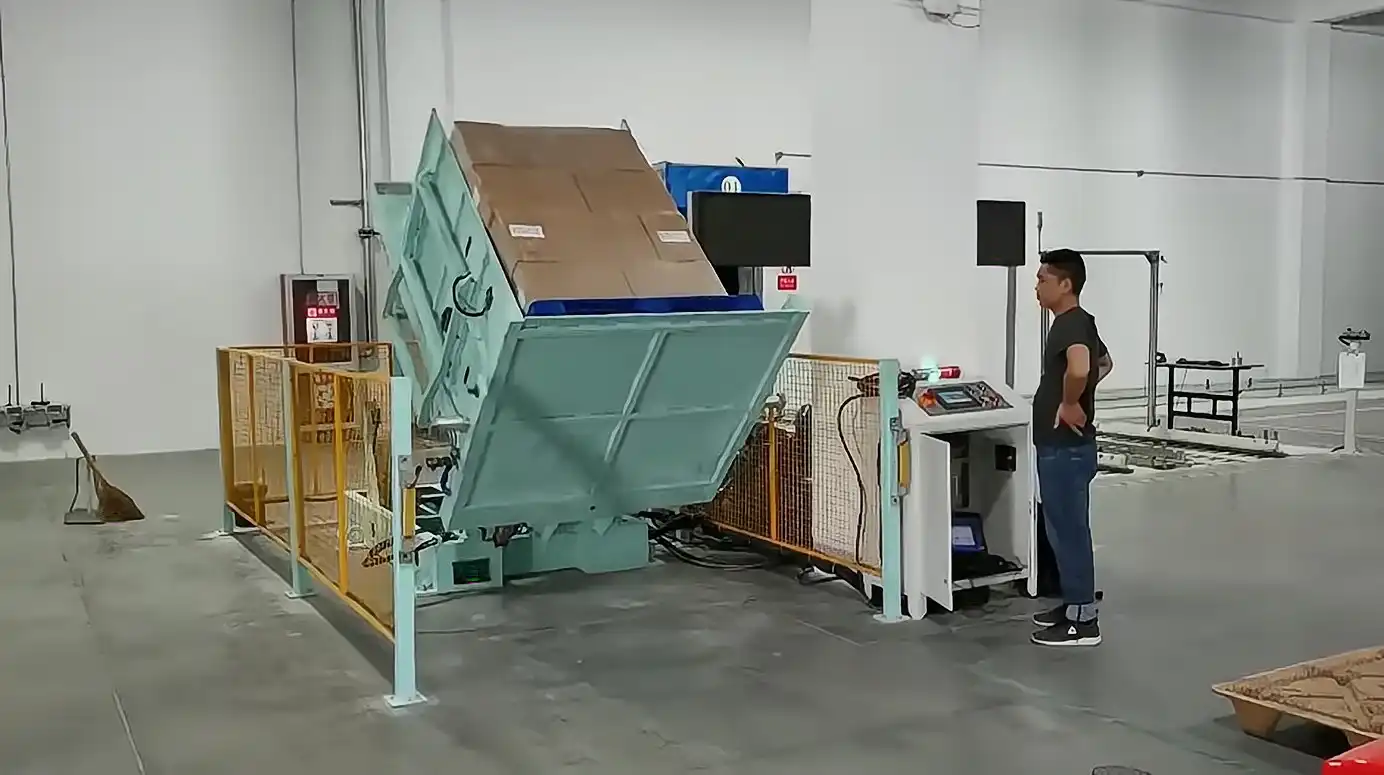
Conclusion
Procurement in large building material plants must look past initial prices. Focus on total cost of ownership, operational expenses, customization, and strong supplier support. This ensures a strategic investment in a pallet inverter that delivers long-term efficiency, safety, and real value.








