
Which pallet inverter design ensures safer pallet changes in engine assembly plants?
The hustle of an engine assembly plant is something I know well. I have seen it many times. It is a place of precision, heavy parts, and tight schedules. But there is a silent danger lurking in many such places: the manual pallet change. Think about it. Heavy engine blocks, delicate components, all needing to move from one type of pallet to another. This is not just a slow job; it is a serious accident waiting to happen. Workers lift, tilt, and strain. They risk crushing injuries or worse. This problem costs companies a lot. It is not just about medical bills. It is about lost time, production delays, and a drop in team morale. I know this from my years in the packing machine world. I saw how these risks impact a business’s bottom line.
The safest pallet inverter designs for engine assembly plants often feature enclosed structures, automatic clamping systems, and advanced safety sensors. These designs keep workers away from moving parts. They ensure heavy loads are secure during the entire transfer process. This reduces the risk of goods tipping or personnel injury. It is a big step towards safer, more efficient material handling in busy factory environments.
You might be wondering, how do we make these crucial pallet changes safer and smoother? How do we protect our people and our products? Do not worry. I have learned a lot from my time building packing machine solutions. We are going to look at different pallet inverter designs. We will see which ones truly stand out for safety, especially in demanding places like engine assembly plants. Let us dive in and explore the best ways to keep your operations running safely and effectively.
Why Are Manual Pallet Changes a Major Safety Concern in Engine Assembly Plants?
Imagine your team. They are working hard, lifting heavy engine parts, trying to shift them from a wooden transport pallet to a clean, production-ready pallet. The strain is visible. The risk is real. This is not just hard work; it is dangerous. Manual pallet changes in engine assembly plants are a big problem. They put workers in harm’s way every day. I have seen the accidents that can happen. They are not pretty. These incidents stop production. They hurt people. They cost a lot of money. It is a cycle that needs to break.
Manual pallet changes in engine assembly plants cause significant safety concerns because they involve heavy, often irregularly shaped components. Workers must manually lift, tilt, or transfer these items. This creates high risks of musculoskeletal injuries, crushing accidents from falling loads, and damage to expensive parts. The repetitive nature and high load weights make these tasks unsustainable and dangerous over time.
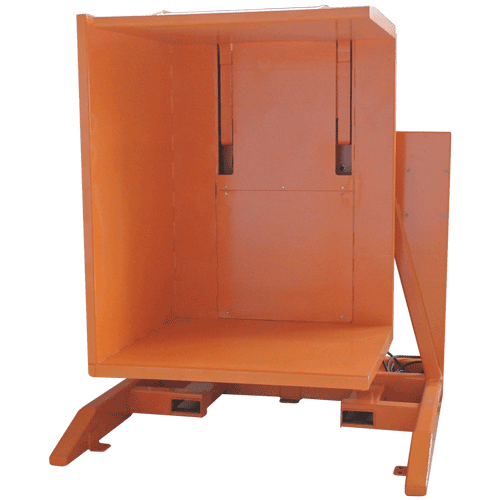
When I first started in the packing machine factory, I saw how much effort went into manual tasks. But I also saw the downsides. For engine parts, the weight is a huge factor. Engine blocks, cylinder heads, gearboxes – these are not light. Trying to move them by hand or with basic tools is asking for trouble. Workers can drop items. They can pinch their hands. They can strain their backs. I once heard a story from a plant manager. One of his most experienced forklift operators got a serious hand injury during a manual pallet swap. It was not even the forklift’s fault. It was the awkwardness of the manual handling. That incident alone led to weeks of lost production and high medical costs. It showed me that even simple tasks become risky with heavy loads. The pressure to meet production targets also pushes teams to rush. This makes accidents even more likely. Without better solutions, these plants face constant risks to their workforce and their valuable products.
- High Risk of Injury:
- Musculoskeletal Injuries: 🏋️♂️ Workers often lift, push, and pull heavy engine parts. This leads to back pain, shoulder strains, and other muscle injuries. These are common and can result in long recovery times.
- Crushing Hazards: 🩹 Engine components are heavy. If a part shifts or falls during a manual transfer, it can crush hands, feet, or other body parts. These accidents are severe and often life-changing.
- Impact Injuries: 💥 Using pry bars or other tools to separate parts or pallets can lead to sudden movements. These can cause workers to be hit by tools or falling items.
- Product Damage and Loss:
- Expensive Components: 💸 Engine parts are precision-engineered and costly. A dropped or mishandled part can mean thousands of dollars in waste.
- Production Delays: ⏱️ Damaged goods cause delays. They halt the assembly line. This impacts overall plant efficiency and delivery schedules.
- Inefficiency and Bottlenecks:
- Slow Process: 🐢 Manual pallet changes are slow. They create bottlenecks in the material flow. This can slow down the entire assembly line.
- Labor Intensive: 💪 This task needs many workers. It ties up valuable labor resources. These resources could be doing other, more skilled jobs.
- Compliance and Regulatory Issues:
- Safety Standards: 📝 Workplace safety regulations require employers to minimize risks. Manual heavy lifting often falls short of these standards. It can lead to fines and legal issues.
- Insurance Costs: 💰 A high rate of workplace injuries leads to higher insurance premiums. It increases operating costs for the plant.
- Employee Morale and Turnover:
- Job Dissatisfaction: 😠 Workers do not like dangerous, physically demanding tasks. This can lower morale. It can make it hard to keep good employees.
- High Turnover: 🔄 High-risk jobs often have higher staff turnover. This means constant training of new staff. It adds to operational costs and reduces experience levels.
What Pallet Inverter Designs Offer Better Safety for Heavy Engine Parts?
When dealing with heavy engine parts, safety is not just a bonus; it is essential. The right pallet inverter design can change everything. It turns a risky, labor-intensive task into a safe, smooth process. Over the years, I have seen many designs. Some are good for light loads. Others are built like tanks. For engine parts, you need the “tank” designs. These machines handle extreme weights with ease. They use clever engineering to keep everything stable and secure. They move heavy loads without a single person needing to lift anything. This protects both the product and the workers.
For heavy engine parts, the safest pallet inverter designs are typically floor-level, heavy-duty clamp-and-turn units or those with full rotation capabilities. These designs secure the load from all sides. They use hydraulic power to smoothly invert pallets. Their robust construction prevents structural fatigue. Built-in safety guards and sensors further enhance protection. They minimize human interaction with the moving load.
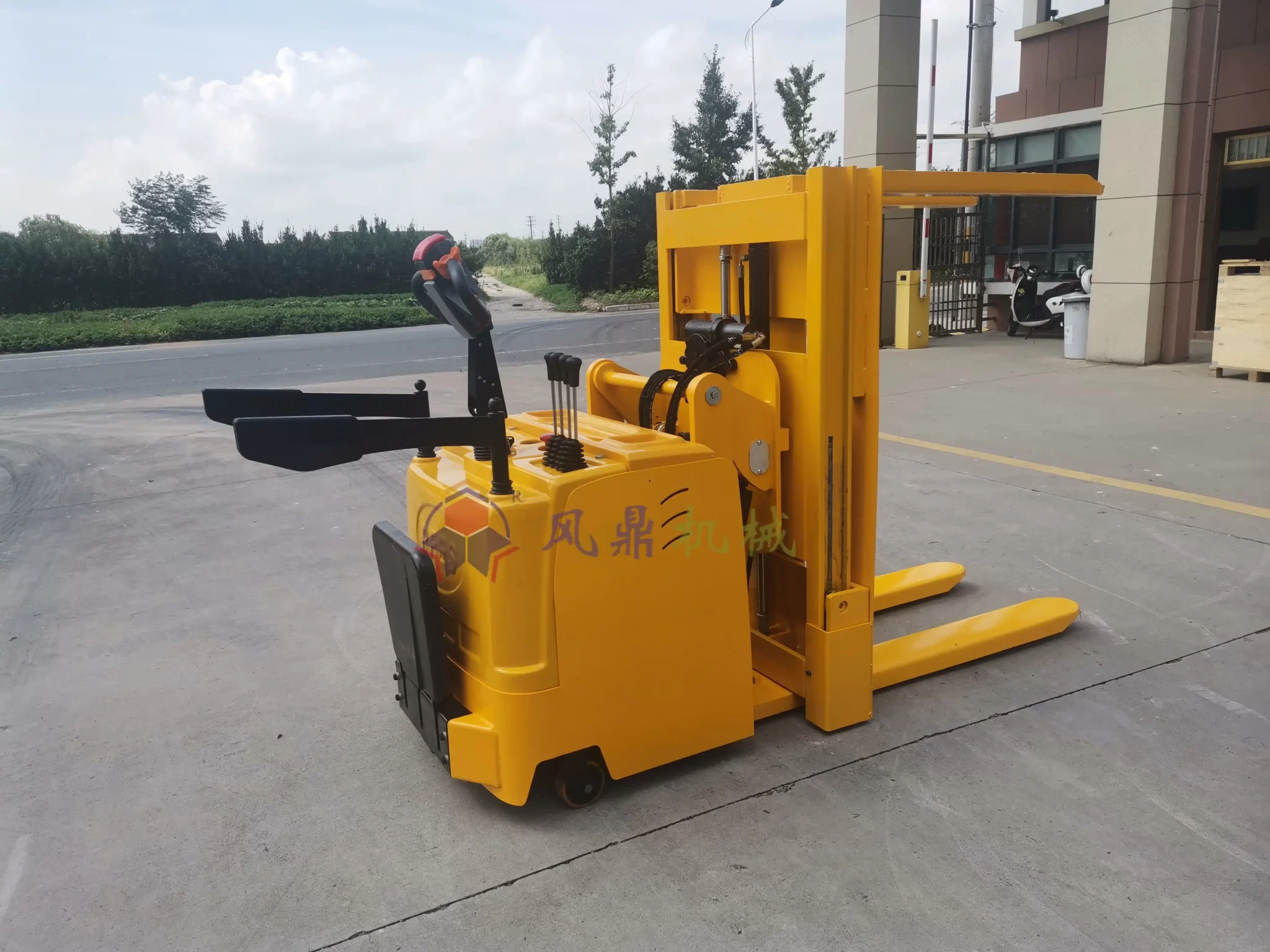
From my experience, when you are talking about hundreds of kilograms or even tons of engine components, you cannot compromise on the machine’s build. I remember advising a client who ran a large automotive supplier. They were constantly breaking down their old, lighter pallet transfer systems. It was not just the repair cost. It was the downtime. Every hour lost meant delayed parts to assembly lines. We looked at their specific loads. We saw they needed a machine designed for constant, heavy use. We found that the fully enclosed models with strong, stable platforms were the best. These machines prevent parts from shifting during the inversion cycle. They have wide, reinforced bases. This keeps them steady even with an off-center load. It is about understanding the stresses involved. It is also about predicting where things might go wrong. A good design thinks of all these points. It makes sure the machine can handle the work day in and day out without failure.
- Floor-Level Pallet Inverters:
- Easy Loading: 🏗️ These units load directly from ground level using a forklift or pallet truck. There is no need for ramps or pits. This makes loading safer and faster.
- Stable Operation: 📏 Being at floor level, they have a lower center of gravity. This makes them very stable, even with heavy, unbalanced loads.
- Reduced Risk of Falls: ⬇️ No elevated platforms mean no risk of falls for operators or products. The entire process happens on the factory floor.
- Heavy-Duty Clamp-and-Turn Units:
- Secure Clamping: 🔒 These machines use powerful hydraulic clamps. They grip the load firmly from top and bottom. This prevents any movement during the inversion cycle.
- Controlled Rotation: ⚙️ The rotation is slow and controlled. This smooth movement keeps engine parts from shifting or falling. It protects delicate surfaces and expensive components.
- Robust Construction: 💪 Built with strong steel frames. They handle extreme weights (often several tons). This ensures long-term reliability and safety.
- Full-Rotation Pallet Inverters:
- Versatile Handling: 🔄 These units can rotate pallets 90, 180, or 360 degrees. This allows for flexible handling of diverse engine parts and pallet types.
- Enclosed Systems: 🛡️ Many models come with fully enclosed designs. They have safety cages or light curtains. These stop the machine if a person gets too close.
- Automatic Operation: 🤖 They often integrate into automated lines. This removes human interaction during the actual inversion. It greatly boosts safety.
- Customized Solutions for Specific Loads:
- Tailored Gripping: 🤏 For unique engine components or large assemblies, custom clamping pads or support arms can be designed. These ensure a perfect, secure fit.
- Adjustable Pressure: 🎛️ The clamping pressure can be adjusted. This protects sensitive parts from damage while still holding them securely.
- Integration with Conveyors: ↔️ Designed to work seamlessly with existing conveyor systems. This creates a fully automated, safe material flow without manual gaps.
How Do Advanced Features in Pallet Inverters Prevent Accidents?
Accidents in an engine assembly plant can be costly. They hurt people and stop production. My goal has always been to make processes not just efficient but safe. Modern pallet inverters are much more than simple machines that flip pallets. They come with smart features designed to actively prevent accidents. These features are a big step forward. They protect workers. They protect valuable engine parts. They keep the whole operation running smoothly, without the unexpected dangers.
Advanced features in pallet inverters prevent accidents through intelligent design elements like integrated safety light curtains, emergency stop buttons, and interlocked guarding. They also use automatic load sensing and controlled hydraulic movements. These systems detect human presence, halt operation immediately in an emergency, and ensure that loads are handled with precision. This significantly reduces risks of crushing, trapping, or load instability during pallet changes.
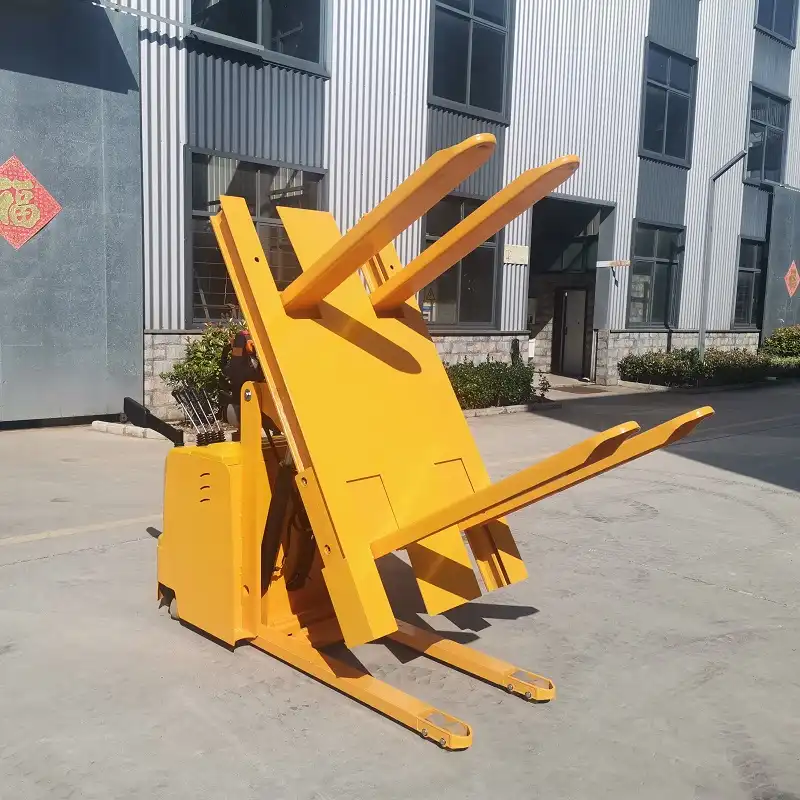
I have always believed in the power of good engineering to solve real-world problems. When I was building my factory, safety was always a top priority. I saw how a small design choice could make a big difference. For instance, think about the light curtains. These are invisible beams of light. If a person breaks a beam, the machine stops instantly. This is a game-changer. No more reaching into a moving machine. I remember a discussion with a client from the heavy equipment industry. They were worried about their team getting too close to the rotating parts. We suggested a model with comprehensive light curtains and full perimeter guarding. It cost a bit more upfront. But they told me later it saved them from at least two near-misses in the first six months. That kind of feedback shows the true value of these advanced features. They are not just bells and whistles. They are crucial safety nets.
- Integrated Safety Light Curtains:
- Presence Detection: 👁️🗨️ These invisible beams create a safety zone around the machine. If a person or an object enters this zone, the machine stops immediately.
- Hazard Prevention: 🚫 They prevent operators from accidentally stepping into the machine’s operating area while it is moving. This avoids crushing or trapping injuries.
- Automated Safety: 🤖 They work automatically. No human input is needed to activate them, making safety passive and constant.
- Emergency Stop (E-Stop) Buttons:
- Immediate Shutdown: 🛑 Placed in easily accessible locations, these red buttons allow anyone to stop the machine at once in an emergency.
- Quick Response: 💨 They provide a rapid response to unexpected events. This can prevent minor incidents from becoming major accidents.
- Fail-Safe Design: ✅ E-stops are usually designed as fail-safe systems. They cut power directly, ensuring the machine cannot restart until the issue is cleared.
- Interlocked Guarding and Doors:
- Physical Barrier: 🚪 These are physical guards or doors that enclose the moving parts of the inverter. They keep operators from touching dangerous areas.
- Safety Interlocks: 🔗 The machine will not operate if the guards or doors are open. This ensures that the physical barriers are always in place during operation.
- Controlled Access: 🔑 They allow maintenance access only when the machine is safely shut down. This prevents accidents during service.
- Automatic Load Sensing and Positioning:
- Weight Detection: ⚖️ Sensors detect the weight and size of the load. The machine adjusts its clamping force and movement speed accordingly.
- Optimal Stability: ✨ This ensures the load is held with the right pressure. It prevents damage to delicate engine parts from too much force. It also prevents slippage from too little force.
- Correct Alignment: 🎯 Some systems can detect if the load is not centered. They guide the operator or adjust the clamps for perfect alignment. This prevents tipping.
- Controlled Hydraulic and Electric Movements:
- Smooth Operation: 🌊 Hydraulic systems provide smooth, precise movements. There are no sudden jerks or stops that could destabilize heavy engine loads.
- Variable Speed Control: 🐢 Operators can adjust the speed of inversion. This is useful for different load types. It allows for slower, safer handling of very fragile or heavy items.
- Soft Start/Stop: 🚀 These features ensure the machine starts and stops gently. This reduces wear and tear on the machine. More importantly, it prevents sudden shifts of the engine components being handled.
Can Automated Pallet Inverters Solve Labor and Safety Challenges in Engine Plants?
The challenges in engine plants are clear: a constant need for efficiency, a struggle to find workers for tough jobs, and the ever-present demand for safety. Automation is not just a buzzword; it is a real solution. Automated pallet inverters address these problems head-on. They take over the heavy, risky, and repetitive tasks. This frees up human workers for more skilled jobs. It also makes the entire process faster and much safer. I have seen how a well-integrated automated system can transform a plant. It is a smart investment for the future.
Automated pallet inverters can largely solve labor and safety challenges in engine plants by eliminating manual handling of heavy parts. They reduce the need for workers to perform risky tasks, addressing labor shortages for physically demanding roles. Automation ensures consistent, controlled movements, greatly cutting down on accidents and injuries. This leads to higher safety standards, improved efficiency, and lower operational costs due to less human error and fewer labor-related issues.
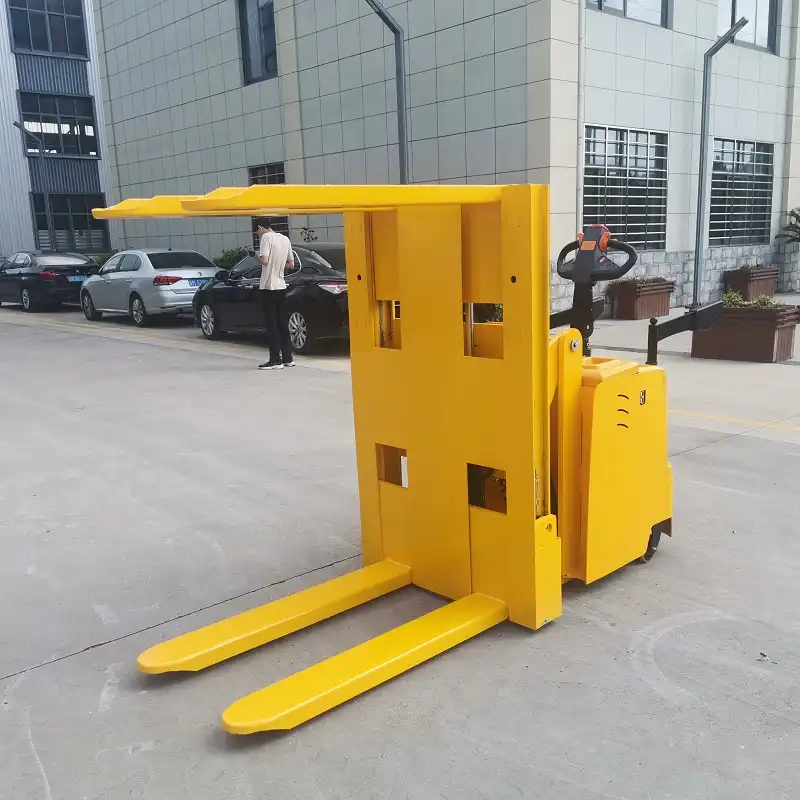
From my perspective, watching countless factories evolve, automation is not about replacing people. It is about empowering them. It moves them from dangerous, repetitive work to roles that require their brains, not just their brawn. I remember a client who managed a large automotive stamping plant. They were facing huge recruitment problems for their material handling team. Young people simply did not want to do the heavy lifting and constant shifting of parts. The plant also had a high rate of minor injuries from these tasks. We worked with them to integrate a fully automated pallet inverter system into their production line. The change was remarkable. They repurposed their existing staff to manage the automated systems. They focused on quality control. Accidents dropped almost to zero. Productivity went up because the machine worked tirelessly without breaks. This shows that automation is not just about a machine doing a task; it is about creating a safer, more productive workplace for everyone.
- Addressing Labor Shortages:
- Reduced Manual Labor: 👨🔧 Automated systems need fewer people for pallet changes. This helps plants struggling to find workers for heavy lifting jobs.
- Focus on Skilled Work: 🧠 Existing staff can move to more technical roles. They can manage the machines, perform maintenance, or do quality checks. This uses their skills better.
- Consistent Performance: ⚙️ Machines work without fatigue. They maintain steady output levels, even during peak production times.
- Improving Safety Significantly:
- Eliminating Human Contact: 🧍♂️ Workers do not need to touch the heavy engine parts or the pallets during the change. This removes almost all direct injury risks.
- Controlled Environment: 🔒 The entire process happens within a controlled, often enclosed, area. This prevents accidental entry or interference.
- Predictable Operation: 🎯 Automated systems follow pre-programmed paths and speeds. This removes human error, which is a common cause of accidents.
- Boosting Efficiency and Throughput:
- Faster Cycle Times: ⚡ Automated pallet inverters operate much faster than manual methods. They can complete many changes in a short time.
- 24/7 Operation: 🌙 Machines can run continuously. This increases total throughput and keeps the assembly line fed without interruption.
- Seamless Integration: 🔄 They can connect directly with conveyors and other automated systems. This creates a smooth, unbroken material flow.
- Cost Reduction and ROI:
- Lower Labor Costs: 💰 Reducing reliance on manual labor lowers wage and benefits expenses over time.
- Fewer Injury Claims: 🏥 Fewer accidents mean lower insurance premiums, medical costs, and worker compensation claims.
- Reduced Product Damage: 📦 Consistent, gentle handling by machines lowers the rate of damage to expensive engine parts. This saves money on repairs and replacements.
My Insight: The Real Key to Safe Pallet Changes Goes Beyond the Machine Itself!
Through all my years in the packing machine industry, from being an employee to running my own successful factory, I have learned one big thing. Getting the right machine is important. But it is not the only thing. The real key to safe and efficient pallet changes, especially in complex places like engine assembly plants, is the partnership. It is about working with someone who truly understands your needs. It is about finding a supplier who sees beyond just selling a machine. They should see your challenges. They should offer solutions.
I have helped many clients grow their businesses. I have seen what works. I have seen what fails. What often makes the difference is the level of understanding. A good partner will not just tell you what machine they have. They will ask about your specific engine parts. They will ask about your plant layout. They will ask about your team’s current safety issues. This is because every plant is different. Every pallet change need is unique. A standard solution might not be the safest or most effective one for you. This is why I started FHOPEPACK. I want to share this knowledge. I want to help others succeed by finding the right fit, not just any fit.
It is about looking at the whole picture. It means thinking about training your team. It means planning for maintenance. It means considering future growth. A true partner helps you plan all of this. They provide support long after the machine is installed. This ensures that your investment in a safer pallet inverter continues to pay off for years to come. That is my true insight. The best safety comes from a solution that is tailored to you. It comes from a relationship built on trust and deep understanding.

Conclusion
Choosing the right pallet inverter design for engine assembly plants is vital for safety and efficiency. Advanced features like light curtains and automated systems protect workers and products. But remember, the best solutions come from understanding your plant’s specific needs. Partner with experts who offer more than just a machine; find those who provide comprehensive support and tailored pallet inverter solutions for lasting success.








