
What Cost Factors Truly Matter When Selecting a Pallet Inverter for Automotive Factories?
You know the feeling. You are trying to find the right equipment for your automotive factory. You see so many options for pallet inverters. It can feel overwhelming. Many people just look at the price tag. They think a lower price means a better deal. But this thinking can lead to big problems later on. I have seen it happen many times in my career.
When selecting a pallet inverter for an automotive factory, critical cost factors extend beyond the purchase price. These include the total cost of ownership (TCO), covering operational efficiency, labor savings, maintenance needs, equipment durability, safety features, and how well it integrates with existing systems. Considering these aspects ensures a wise investment that supports high-volume, precision-focused automotive production.
Choosing the right pallet inverter is a big decision for any automotive factory. It impacts your daily operations, your team’s safety, and your bottom line. We need to look deeper than just the initial price. Let’s break down the real costs you should think about.
Initial Purchase Price Versus Long-Term Value: Is Cheaper Always Better?
You might see a pallet inverter with a very low price. This can be tempting. You think you are saving money. But this often turns out to be a trap. I have learned this from years in the packing machine industry. Many factories learn it the hard way.
The initial purchase price of a pallet inverter is just one piece of the puzzle. While a low upfront cost can seem attractive, it often hides higher long-term expenses related to poor quality, frequent breakdowns, and lack of features. Smart buyers prioritize long-term value, focusing on durability, advanced features, and a reputable brand, which ensures greater efficiency and fewer problems over the equipment’s lifespan in an automotive factory.
When I started my first factory, I always looked for the best deal. I learned that “best deal” does not always mean “cheapest price.” A cheap machine often means cheap parts. It means it might not work as well. It might break down often. This costs more money in the long run. It slows down your whole operation. Automotive factories cannot afford this. They need smooth, continuous production. You need to think about what the machine will do for you over many years. This is the real value.

1.1 Understanding the True Cost of a “Bargain” Pallet Inverter
When you choose a pallet inverter, the price on the quote is only one small part of the financial decision. A “bargain” machine might look good on paper, but it can quickly become a burden in an automotive setting. For example, a lower-priced unit might use thinner steel, less robust hydraulic systems, or cheaper electronic controls. These components are more likely to fail under the constant, heavy-duty demands of an automotive factory. Imagine a pallet inverter breaking down during a critical shift. The cost is not just the repair. It is also the lost production, the delayed shipments, and the potential impact on customer delivery schedules. Carlos, a logistics manager I know in Europe, often deals with strict delivery times for different countries. Any delay due to equipment failure can lead to big contract penalties and unhappy clients. This shows that the initial purchase price is a short-term view. The long-term view considers all these hidden costs. You need to ask about the quality of components. Ask about the machine’s expected lifespan. A machine designed for heavy industrial use, even if it costs more upfront, will save you a lot of money and headaches over its operating life. Think about the overall build quality and the materials used. Is it built to withstand constant use with heavy automotive parts? A robust design prevents many future problems.
1.2 The Value of Advanced Features and Customization
Automotive factories often have specific needs. They handle various types of components. They use different pallet sizes, like Euro pallets and US pallets. A basic pallet inverter might not handle these differences well. A higher-priced machine often offers more advanced features. It can have programmable controls. It can handle different pallet sizes automatically. It can integrate with your existing conveyors. These features add great value. They make your operations smoother. They reduce the need for manual adjustments. For example, some pallet inverters can handle heavy loads with more precision. They have specific clamping mechanisms for delicate automotive parts. Investing in these features upfront means your machine can adapt to your factory’s changing needs. It avoids the cost of replacing or upgrading a less capable machine later. You need to consider customization options. Can the supplier adjust the machine for your specific workflow? This flexibility is crucial. It ensures the machine fits perfectly into your production line. This is much better than trying to force a generic machine to fit. It saves time and money on adaptations. It also improves overall efficiency.
Operational Efficiency and Labor Savings: How Much Can You Really Save?
Manual pallet changes are slow and expensive. Your team spends valuable time on this task. This takes them away from other important work. The automotive industry runs on speed and precision. Every minute counts.
Operational efficiency and labor savings are major cost drivers when selecting a pallet inverter for an automotive factory. An automated or semi-automated system significantly reduces the time taken for pallet changes, minimizing labor dependency and freeing up staff for higher-value tasks. This directly translates to lower operational costs, faster throughput, and improved overall productivity, crucial for meeting tight automotive production schedules.
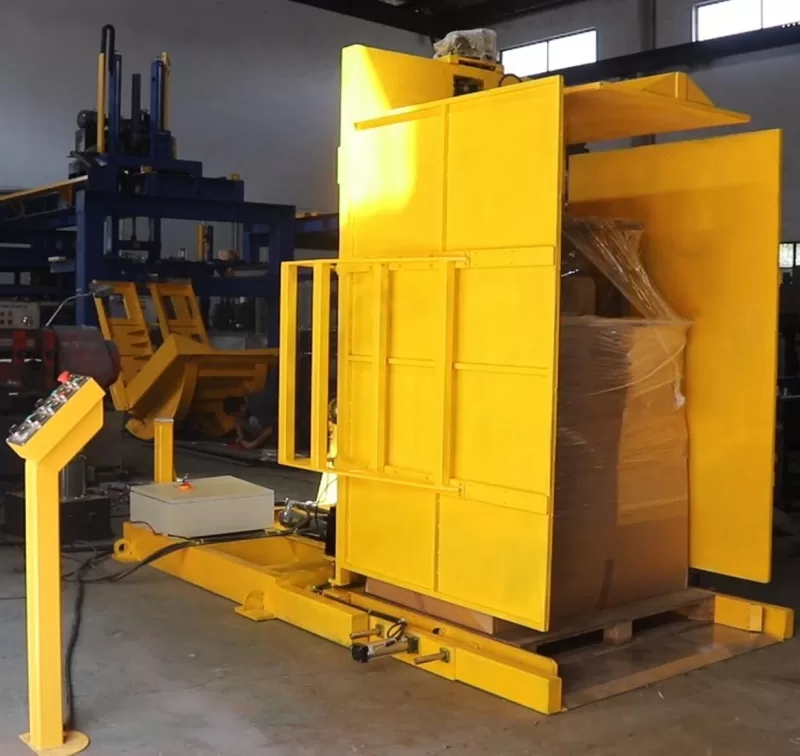
I remember visiting a factory years ago. They had a team of workers manually moving and re-stacking pallets. It was hard work. It was slow. And it was risky. I saw one worker almost drop a heavy load. It showed me how much better automated systems could be. Machines do not get tired. They do not make mistakes from fatigue. They work at a consistent speed. This makes a huge difference in an automotive factory where thousands of pallets might move in and out every day. Reducing manual tasks helps with the labor shortage many industries face today. Younger workers often do not want physically demanding jobs. Automation solves this problem.
2.1 The Direct Impact of Automation on Throughput
In an automotive factory, the speed of material flow is essential. Pallet inverters designed for automation can process pallets much faster than manual methods. Think about the thousands of pallets that pass through a regional distribution center for a large food and beverage group, like the one Carlos manages. The same level of high volume applies to automotive parts. A manual pallet change might take several minutes per pallet. This includes positioning, securing, and moving the goods. An automated system can complete this task in a fraction of the time, often under a minute. This dramatic increase in speed directly impacts your factory’s throughput. It means more goods can move in and out quickly. This keeps your production lines fed and your shipments on schedule. It is not just about the speed of one operation. It is about how that speed improves the entire logistics chain. Faster pallet changes reduce bottlenecks. They ensure that components arrive at assembly lines on time. They make sure finished goods are ready for dispatch without delay. This continuous flow is vital for an industry that often relies on just-in-time inventory.
2.2 Quantifying Labor Cost Reductions
Labor costs are a significant expense for any business. Manual pallet handling requires multiple workers. These workers need wages, benefits, and training. They are also subject to fatigue and injury. An automated pallet inverter reduces the need for human intervention. It can often be operated by one person. Sometimes, it can run with minimal supervision if integrated into a larger system. This frees up your valuable staff. They can then focus on more skilled tasks. Tasks that add more value to your company. Consider the example of Carlos. He faces rising labor costs and a shortage of people willing to do physically demanding work. By investing in an automatic pallet changer, he can reduce his reliance on manual labor. This cuts down on direct wages. It also lowers indirect costs like worker’s compensation and recruitment. Over time, these savings add up to a substantial amount. Calculating your labor cost savings is simple. Compare the number of hours spent on manual pallet changes versus the time an automated system requires. Multiply the difference by your average hourly labor cost. This gives you a clear financial benefit. It shows how the machine pays for itself.
Maintenance, Durability, and Safety: What Are the Hidden Costs of Downtime?
A machine that constantly breaks down is not saving you money. It is costing you a lot. Downtime is a killer in automotive manufacturing. Every minute your line is stopped, you are losing money. It also creates a safety risk for your workers.
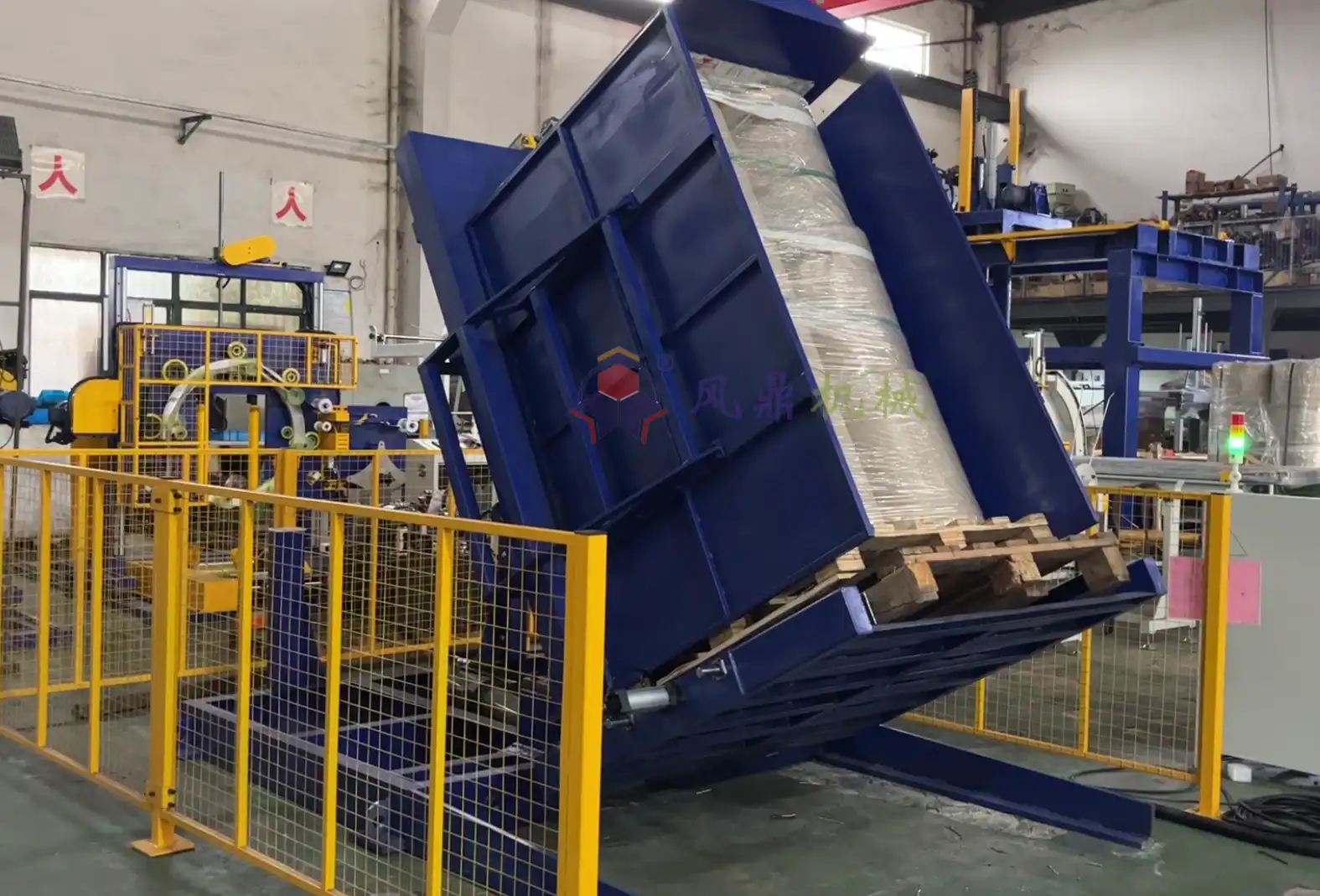
Maintenance, durability, and safety are crucial cost factors for pallet inverters in automotive factories. Durable equipment with robust construction and readily available spare parts minimizes downtime, which is extremely costly in a high-volume production environment. Moreover, advanced safety features protect workers from injuries, reducing insurance claims, medical expenses, and potential legal liabilities, directly impacting the total cost of ownership.
I have seen factories struggle with old or cheap machines. They break down often. This leads to emergency repairs. These repairs are expensive. They also cause production delays. This hurts your reputation with customers. More importantly, manual handling of heavy pallets is dangerous. I know of accidents that happened because of manual pallet turning. Investing in a durable and safe machine prevents these problems. It keeps your factory running. It keeps your people safe. It also saves you from huge legal and medical costs later on.
3.1 The True Financial Impact of Downtime
Downtime in an automotive factory is incredibly expensive. It is not just the cost of repairing the pallet inverter. It is also the loss of production for your entire line. Imagine your assembly line needs a constant flow of parts. If the pallet inverter breaks, that flow stops. This means workers on the assembly line might stand idle. It means deadlines are missed. For an industry focused on just-in-time delivery, these delays can have ripple effects throughout the supply chain. You might face penalties from customers for late shipments. Your brand reputation can suffer. To calculate the true cost of downtime, consider these factors: lost production value per hour, idle labor costs, expedited shipping fees to catch up, and potential contractual penalties. A reliable pallet inverter, even if it costs more upfront, acts as an insurance policy against these massive financial losses. Quality machines have better components and are built to withstand the rigors of continuous operation. They need less frequent maintenance and are less prone to sudden breakdowns.
3.2 Prioritizing Durability and Maintenance Support
For an automotive factory, a pallet inverter is a workhorse. It needs to handle heavy loads, often for many hours a day. This demands a machine built with high-quality materials and strong engineering. Durability is not a luxury; it is a necessity. Look for machines with solid frames, robust hydraulic systems, and reliable electrical components. These parts ensure a longer operational life and fewer unexpected repairs. Equally important is the supplier’s commitment to maintenance and spare parts. What happens if a part breaks? How quickly can you get a replacement? Does the supplier offer technical support? I have seen situations where a factory bought a cheap machine, only to find out that spare parts were hard to find or took months to arrive. This puts them back into a costly downtime situation. A good supplier offers a clear warranty, has a stock of common spare parts, and provides quick, knowledgeable service. This proactive support system saves you from extended downtime and reduces your long-term maintenance costs significantly. Always ask about service contracts and preventative maintenance programs.
3.3 Mitigating Safety Risks and Associated Costs
Safety is paramount in any industrial setting, especially when dealing with heavy loads. Manual pallet turning and changing carry significant risks. Workers can suffer injuries from heavy lifting, dropped loads, or being caught in moving parts. Carlos, from the food and beverage group, has faced several accidents due to manual handling, leading to concerns about worker safety. These accidents lead to high costs: medical expenses, worker’s compensation claims, increased insurance premiums, and potential legal fees. Beyond money, there is the human cost of injury and the impact on team morale. Automated pallet inverters dramatically reduce these risks. They keep workers away from dangerous moving parts and heavy loads. They eliminate the need for manual lifting and flipping. Modern machines come with built-in safety features. These include safety light curtains, emergency stop buttons, and robust guards. These features protect your team. They also show your commitment to a safe workplace. This reduces your financial risk and creates a better environment for everyone. Investing in safety is not just about compliance. It is about protecting your most valuable asset: your people.
Integration and Adaptability: Will It Fit Into Your Existing System?
Bringing new equipment into your factory can be complex. You need it to work well with what you already have. A new pallet inverter should fit seamlessly into your workflow. If it does not, it can cause more problems than it solves.
Integration and adaptability are critical cost factors for pallet inverters in automotive factories. The machine must be compatible with existing conveyor systems, factory layouts, and different pallet types (e.g., Euro, US, plastic). Poor integration can lead to costly modifications, operational bottlenecks, and inefficient workflows. Choosing a flexible system that can handle diverse pallet specifications and connect easily to your current logistics infrastructure saves time and money in the long run.
In my experience, many factories buy a machine and then struggle to make it work with their current setup. This often leads to unexpected costs. They need to change their conveyor lines. They need to re-arrange their entire warehouse. This wastes time and money. An automotive factory needs smooth operations. You need a pallet inverter that can handle different pallet sizes. For example, Euro pallets for European markets and US pallets for North American markets. This is a common challenge for many businesses. My goal is to help businesses avoid these mistakes. You want a machine that is easy to install and easy to adapt.
4.1 Seamless Integration with Current Logistics Systems
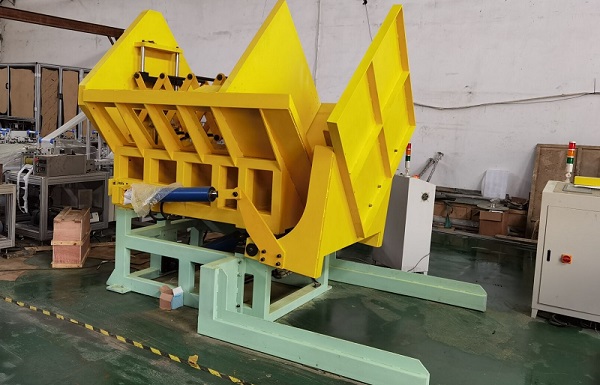
A pallet inverter does not operate in a vacuum. It is part of a larger logistics and material handling system within your automotive factory. For the machine to be truly cost-effective, it must integrate smoothly with your existing conveyors, automated guided vehicles (AGVs), and warehouse management software. If a new pallet inverter requires extensive modifications to your current setup, the costs can quickly add up. This includes re-routing power, adjusting conveyor heights, or even reconfiguring your entire layout. Before purchasing, it is vital to assess the machine’s compatibility. Ask the supplier about integration options. Does it come with standard interfaces? Can it communicate with your existing control systems? A truly integrated solution avoids these expensive retrofits and keeps your material flow continuous. Poor integration can lead to manual workarounds, which undermine the very purpose of automation. It creates new bottlenecks and can slow down your overall operations, canceling out any efficiency gains you hoped for.
4.2 Handling Diverse Pallet Specifications and Loads
Automotive factories often deal with a wide array of goods. These goods arrive on different types of pallets. As Carlos highlights, the need to switch between Euro pallets, US pallets, and plastic pallets is a daily challenge, especially in international operations. A pallet inverter that can easily adapt to these different specifications is invaluable. Some machines can automatically detect pallet dimensions and adjust their clamping and lifting mechanisms. Others might require manual adjustments, which adds time and increases the risk of error. Choosing a machine with high adaptability saves you from needing multiple specialized machines or performing manual transfers. It reduces complexity in your warehouse. It also ensures you can meet various client requirements without compromising efficiency. Moreover, consider the load types. Automotive components can range from light, delicate parts to heavy engine blocks. A good pallet inverter must handle these diverse weights and sizes securely. Its clamping force and lifting capacity must be adequate for your heaviest and most fragile items. This flexibility prevents damage to goods and ensures safe handling.
Return on Investment (ROI) and Total Cost of Ownership (TCO): What’s Your Bottom Line?
Every big investment needs to make sense financially. You need to know if the money you spend will come back to you. You also need to know all the costs involved, not just the upfront price. This is what we call Total Cost of Ownership (TCO).
Calculating the Return on Investment (ROI) and Total Cost of Ownership (TCO) is the ultimate financial consideration for a pallet inverter in an automotive factory. TCO includes the initial purchase price, installation, training, ongoing maintenance, energy consumption, and the costs of downtime or safety incidents. A thorough ROI analysis, which offsets these costs against benefits like labor savings, increased efficiency, and reduced damage, reveals the true long-term value and profitability of the investment.
I always tell my clients to look at the full picture. My journey in this industry taught me to look at long-term gains. It is not just about today’s expenses. It is about how this machine will help your business grow and save money for years to come. Carlos, for example, wants to reduce operating costs and improve safety. A proper ROI and TCO calculation will show him how a good pallet inverter achieves these goals. It shows the real benefit to his factory. It turns a large purchase into a smart, strategic investment.
5.1 Deconstructing Total Cost of Ownership (TCO)
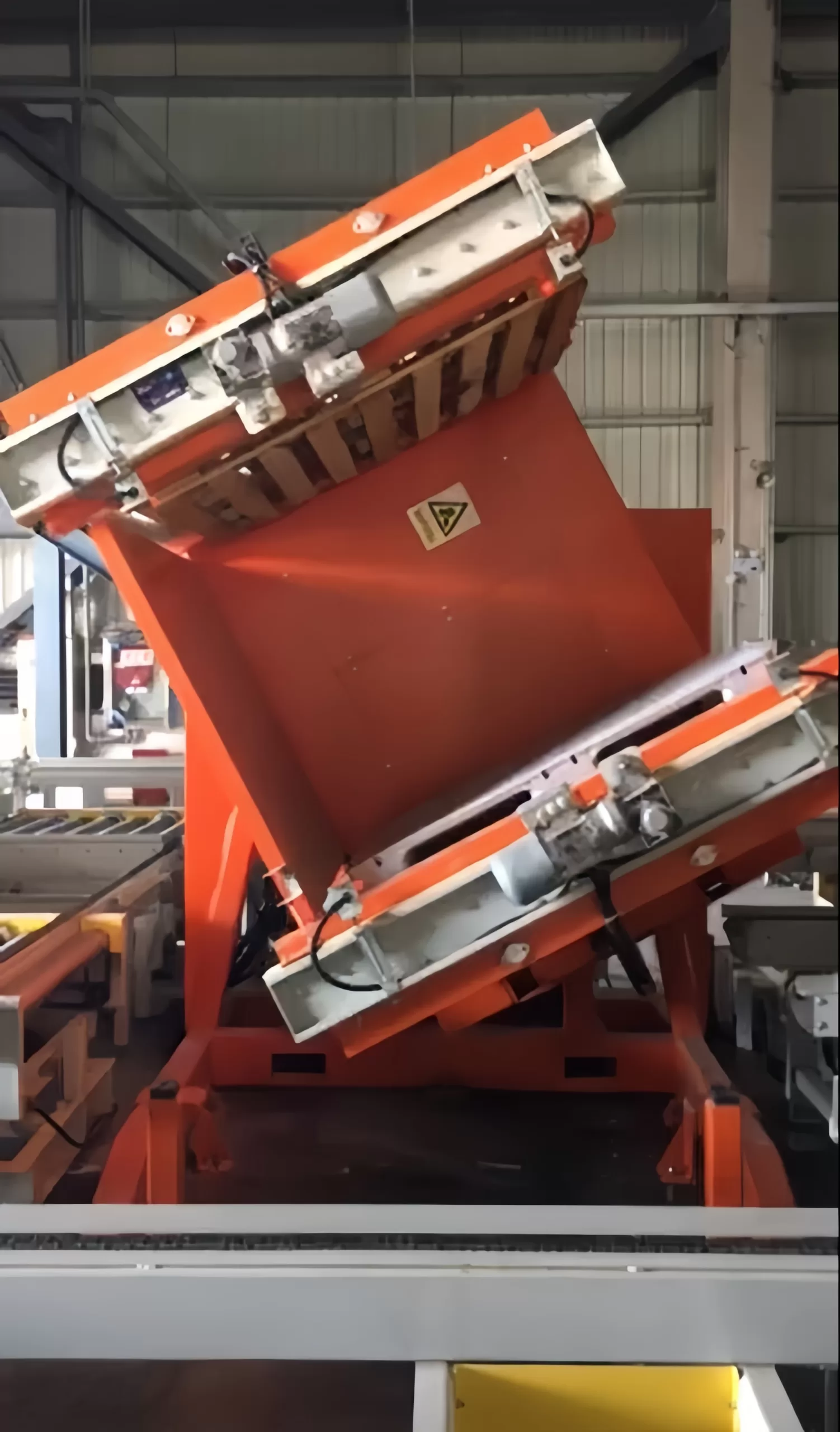
The Total Cost of Ownership (TCO) is a comprehensive look at all expenses related to owning and operating a pallet inverter over its entire lifecycle. It goes far beyond the initial purchase price. For an automotive factory, understanding TCO is vital for making an informed decision. Here’s a breakdown of common TCO components:
| Cost Category | Description | Impact on Automotive Factory |
|---|---|---|
| Initial Purchase Price | The sticker price of the machine. | Direct upfront investment. |
| Installation Costs | Labor, materials, and infrastructure changes for setup. | Can be significant if integration is complex or requires facility mods. |
| Training Costs | Educating staff on how to operate and maintain the new equipment. | Ensures safe and efficient use; reduces errors. |
| Energy Consumption | Electricity needed to run the hydraulic motors, controls, and sensors. | Ongoing operational expense; affects environmental footprint. |
| Routine Maintenance | Scheduled inspections, lubrication, and replacement of worn parts. | Prevents breakdowns, extends machine life, planned expense. |
| Unscheduled Repairs | Costs for unexpected breakdowns, including parts, labor, and emergency service. | High, often includes the cost of downtime. |
| Spare Parts Inventory | Keeping critical components on hand to minimize repair time. | Reduces downtime, but ties up capital. |
| Insurance Premiums | Coverage for the equipment and any related liability. | Essential for risk management. |
| Depreciation | The reduction in value of the equipment over time. | Accounting factor for asset management. |
| Disposal Costs | Expenses for safely decommissioning and recycling the machine at end-of-life. | Future cost, often overlooked. |
A thorough TCO analysis helps you compare different pallet inverter options more accurately. It highlights that a machine with a higher initial price might have a lower TCO if it is more durable, energy-efficient, and requires less maintenance.
5.2 Calculating Your Return on Investment (ROI)
Calculating the Return on Investment (ROI) for a pallet inverter helps you understand the financial gains relative to the investment cost. It provides a clear metric for justifying the expenditure. The basic ROI formula is:
$$ROI = \frac{(Gains \, from \, Investment – Cost \, of \, Investment)}{Cost \, of \, Investment} \times 100\%$$
For a pallet inverter in an automotive factory, the “Gains from Investment” include several key areas:
- Labor Savings: Directly calculated from reduced manual handling hours.
- Increased Throughput/Efficiency: Value of extra production or faster processing.
- Reduced Product Damage: Value of goods not damaged during pallet changes.
- Fewer Safety Incidents: Savings from reduced medical costs, insurance claims, and legal fees.
- Less Downtime: Value of avoiding production stops and missed deadlines.
- Improved Customer Satisfaction: Hard to quantify directly, but leads to repeat business and stronger reputation.
The “Cost of Investment” is your TCO. By putting all these numbers together, you can project how quickly the pallet inverter will pay for itself. Many high-quality pallet inverters offer a very strong ROI, sometimes paying back the investment within a few years through these combined savings and efficiency gains. For example, if a pallet inverter costs $50,000 (TCO) but saves your factory $20,000 per year in labor and damage, its ROI would be 40% annually, meaning it pays for itself in about 2.5 years. This kind of financial analysis is crucial for making smart, long-term business decisions in the competitive automotive industry.
Conclusion
Choosing a pallet inverter for an automotive factory is more than just buying a machine. It means looking at all cost factors from purchase to operation. Focus on long-term value, efficiency, safety, and seamless integration. This smart approach ensures your pallet inverter delivers true value and supports your factory’s success.








