
How Pallet Inverters Boost Efficiency in Handling Mixed Automotive Components?
The automotive industry moves fast. If you are in logistics or warehousing, you know this well. You probably deal with a constant flow of different parts. These parts come on all kinds of pallets, right? Standard wooden pallets, plastic pallets, specialized racks for engines, and more. Moving these around, especially when you need to switch pallets, can be a big headache. It often feels slow, risky, and costs a lot of money. But what if I told you there is a simple way to solve this?
Pallet inverters are machines that safely transfer goods from one pallet to another. They boost efficiency in handling mixed automotive components by speeding up pallet changes, making the workplace safer, reducing damage to parts, and cutting labor costs. This lets automotive companies manage their diverse inventory much better.
As someone who started in a packing machine factory and later built my own, I have seen these problems firsthand. I have watched countless hours wasted and goods damaged. That is why I am passionate about finding smart, practical solutions. So, let us dive deeper into how this technology can change your operation. Keep reading to learn how you can make your warehouse run smoother and safer.
The Complex Web of Automotive Logistics: Why Standard Pallet Handling Falls Short?
You are likely juggling many types of automotive components every single day, right? From heavy engine blocks to delicate electronic circuits. It is a real challenge. You must keep everything moving efficiently. Standard pallet handling methods often just do not cut it. They slow things down. They also create big risks.
Traditional pallet handling struggles with mixed automotive components because of their wide variety, different pallet sizes, and the need for careful handling. This leads to slow manual processes, higher labor costs, and a greater chance of damage or accidents.
My journey in the packing machine industry taught me one thing clearly. Every industry has unique needs. Automotive logistics is a prime example. You cannot use a one-size-fits-all approach. For years, I saw factories try to make do with manual lifting or basic forklifts for pallet changes. It rarely worked well. Here is why this setup usually fails in the automotive world:
-
Diverse Component Types and Weights:
- Automotive parts range hugely in size and weight. You have large, heavy items like engine assemblies and transmissions. You also have small, fragile electronic modules or delicate painted body panels. Each needs specific care. Using one manual method for all is impossible. Workers need to use different tools. They must also use different lifting techniques. This takes time. It also increases the risk of damage. Imagine a worker trying to carefully move a sensitive component from a shipping pallet to an internal production pallet. Mistakes happen easily. These mistakes are expensive.
- This variety also means different packing materials. Some parts come in crates. Others come on custom skids. You cannot just stack them all the same way. This complicates how you receive and store them.
-
Varying Pallet Standards and Requirements:
- The automotive supply chain is global. This means you deal with many pallet types. You might get parts on Euro pallets, US standard pallets, or specific in-house plastic pallets. Some pallets might be for transport only. Others might be for storage or automated systems inside your plant. You constantly need to switch goods between these different pallet types.
- Manual pallet switching is a slow process. It involves multiple steps. You might need to unload items by hand. Then you load them onto a new pallet. This takes several workers. It also takes a lot of time. In a busy warehouse, these delays add up quickly. They hurt your throughput.
-
Significant Safety and Damage Risks:
- Manual handling of heavy or awkwardly shaped automotive parts is dangerous. Workers can suffer back injuries. They can also get crushed or sprained. These accidents cost money in medical bills and lost workdays. No one wants to see their team members get hurt.
- Beyond personal injury, there is the risk of product damage. Dropping a pallet or improperly handling a component can ruin an expensive part. This leads to scrap. It also causes production delays. In my early days, I saw so many instances where a simple pallet transfer went wrong. It always meant money lost and frustration for everyone involved.
-
Labor Intensive and High Costs:
- Finding enough skilled labor for warehouse work is getting harder. Younger generations often do not want to do physically demanding jobs. When you do find staff, their wages are rising. Manual pallet changing requires a lot of people. It is slow. It also ties up valuable employees. These employees could be doing other, more skilled tasks.
- High labor dependence means high operating costs. It also means you are vulnerable to staff shortages. If you do not have enough people, your operations slow down. This impacts your whole supply chain. Companies need to find ways to reduce this dependency. They must make better use of their workforce.
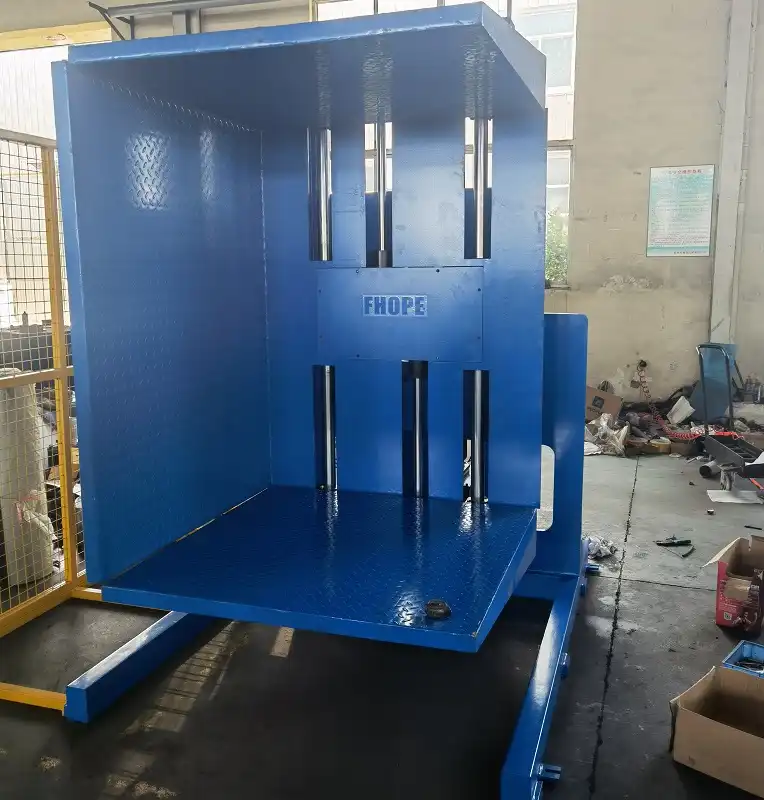
Pallet Inverters for Mixed Automotive Components
What Exactly is a Pallet Inverter, and How Does it Adapt to Automotive Parts?
You understand the problems with mixed automotive components. Now you are thinking, “What is the real solution?” Many people hear “pallet inverter” and imagine a simple machine that just flips things over. But it is much more than that. It is a piece of technology designed to solve exactly these complex handling issues. Let me tell you about it.
A pallet inverter is a specialized machine that transfers goods from one pallet to another safely and efficiently. It uses hydraulic or electric power to clamp, lift, and rotate loads, making it ideal for adapting to the varied sizes, weights, and types of automotive components needing pallet changes.
From my years designing packing machines, I can tell you this. A good machine is simple to operate. It is also robust. Pallet inverters fit this description. They are built to handle heavy, awkward loads. They are also designed to work in demanding environments. This makes them perfect for an automotive setting. Here is a closer look at what they are and how they help with automotive parts:
-
Basic Function and Operation:
- At its core, a pallet inverter clamps a load. It then either rotates it or pushes it from one pallet to another. Think of it as a controlled, automated way to replace a pallet. You place the loaded pallet into the machine. The machine secures the load tightly. Then, it performs the swap. This can involve tilting the load, turning it completely upside down, or simply transferring it sideways.
- This process protects your products. It also protects your workers. The machine does the heavy lifting. It does the rotating. This means no more manual prying or awkward repositioning. It is fast. It is also consistent.
-
Types of Pallet Inverters for Automotive Use:
- There are different designs. Each one suits different needs.
- 90-Degree Tilters: These are great for transferring goods to a master pallet when the original pallet is damaged. They tilt the load ninety degrees. Then, they allow you to remove the old pallet. You can then slide a new one underneath. This is good for stable loads.
- 180-Degree Inverters: These completely flip the load. They are useful for things like switching from a wooden shipping pallet to a plastic hygiene pallet. They are also good for turning over goods that need access from the bottom.
- Side Clamping Models: These are very common in automotive. They clamp the load from the sides. This holds it securely. Then, they can lift and transfer the load. This is excellent for unstable stacks of parts. It is also good for irregular shapes. This is because it applies even pressure.
- Integrated Systems: Some inverters are part of a larger automated line. They can link up with conveyors or robotic systems. This creates a seamless flow. It reduces human interaction even more.
- The choice depends on your specific parts. It also depends on your workflow. We help clients figure out which type works best for their unique situations.
- There are different designs. Each one suits different needs.
-
Adapting to Varied Automotive Loads:
- A key strength of pallet inverters is their adaptability. They can handle a wide range of weights and sizes. A heavy-duty pallet inverter can easily manage an engine block on a specialized skid. A more sensitive model can carefully handle a stack of electronic control units. The clamping pressure is adjustable. This means you can secure fragile items without crushing them.
- This flexibility is critical in an automotive plant. You might process heavy castings in one area. In another, you might handle light, delicate sensors. A good pallet inverter system can adapt to both. It does this without needing complex reconfigurations. This saves time. It also saves effort.
- My early career often involved trying to customize machines for specific product lines. Pallet inverters often offer a base design. This design can then be tailored with different clamping plates or load capacities. This makes them extremely versatile.
-
Integration into Existing Logistics Systems:
- Many clients worry about fitting new equipment into their current setup. Pallet inverters are designed with this in mind. They can operate as standalone units. Workers can load them with a forklift. Or, they can be integrated into automated conveyor lines.
- This means you do not have to overhaul your entire warehouse. You can add a pallet inverter to a specific problem area. Or you can build it into a new, fully automated section. This phased approach makes implementation easier. It also makes it more cost-effective.

Heavy Load Pallet Changer for Auto Parts
Beyond Simple Flipping: How Pallet Inverters Drive Efficiency in Automotive Logistics?
You might think a pallet inverter just flips things. But its real power goes much deeper. It is not just about changing a pallet. It is about transforming your entire operation. It is about making your warehouse run like a well-oiled machine. This is where true efficiency skyrockets.
Pallet inverters drive efficiency in automotive logistics by dramatically increasing throughput, greatly enhancing workplace safety, significantly reducing product damage, and optimizing labor allocation. They allow for faster, safer, and more consistent handling of all automotive components.
In my years helping factories, I saw how small changes could lead to big results. A pallet inverter is one of those changes. It tackles multiple pain points at once. This leads to a domino effect of improvements. Let us explore how it does this:
-
Increased Speed and Throughput:
- Manual pallet changing is slow. It can take several minutes for a single pallet. A pallet inverter does this much faster. Many models can complete a cycle in under a minute. This speed adds up. If you process hundreds of pallets daily, imagine the time saved.
- Faster pallet changes mean goods move through your warehouse quicker. This reduces bottlenecks. It also improves overall throughput. For automotive companies, this means parts get to the production line faster. Finished goods ship out quicker. This helps meet tight delivery schedules. It also satisfies demanding customers. It helps avoid costly penalties for delays. This direct impact on speed is a huge benefit.
-
Enhanced Workplace Safety:
- This is a critical point for any manager, like Carlos, who values safety. Manual handling of heavy or unstable automotive components is a major cause of injuries. Workers can strain their backs. They can drop loads. They can also suffer crushed limbs. These incidents are not just painful. They are also expensive.
- Pallet inverters remove workers from these high-risk tasks. The machine does the lifting. It does the rotating. This means fewer accidents. It also means lower workers’ compensation claims. A safer workplace also leads to higher employee morale. People feel more secure at work. This is good for everyone. It shows you care about your team.
-
Reduced Product Damage:
- Automotive components can be costly. Damaging even one part can lead to significant financial losses. Manual handling increases the risk of product damage. Items can slip. They can fall. They can also be handled roughly.
- Pallet inverters hold loads securely. They perform transfers smoothly and precisely. This greatly reduces the chance of damage. Delicate electronics, painted parts, or complex assemblies are protected. This means less scrap. It also means fewer returns. This directly impacts your bottom line. It also improves customer satisfaction. You deliver goods in perfect condition.
-
Optimized Labor Allocation:
- In today’s market, skilled labor is hard to find. It is also expensive. Using workers for manual pallet changes is not the best use of their skills. It is a repetitive, physically demanding task.
- A pallet inverter lets you reallocate your workforce. One operator can manage the machine. This frees up other team members. They can then focus on more valuable tasks. These tasks might include quality control. They might include inventory management. Or they might involve other skilled production roles. This makes your workforce more efficient. It also makes your overall operation more productive. You get more value from your employees.
-
Better Space Utilization and Inventory Management:
- Pallet inverters help standardize your internal pallets. You might receive goods on various shipping pallets. But you can transfer them to uniform internal pallets. These internal pallets can be designed for dense storage. They can also be designed for automated retrieval systems.
- This standardization helps you use your warehouse space more efficiently. It also simplifies inventory tracking. You know exactly what pallet type is where. This leads to better organization. It also leads to faster retrieval of parts. Ultimately, this means a more organized and effective warehouse.
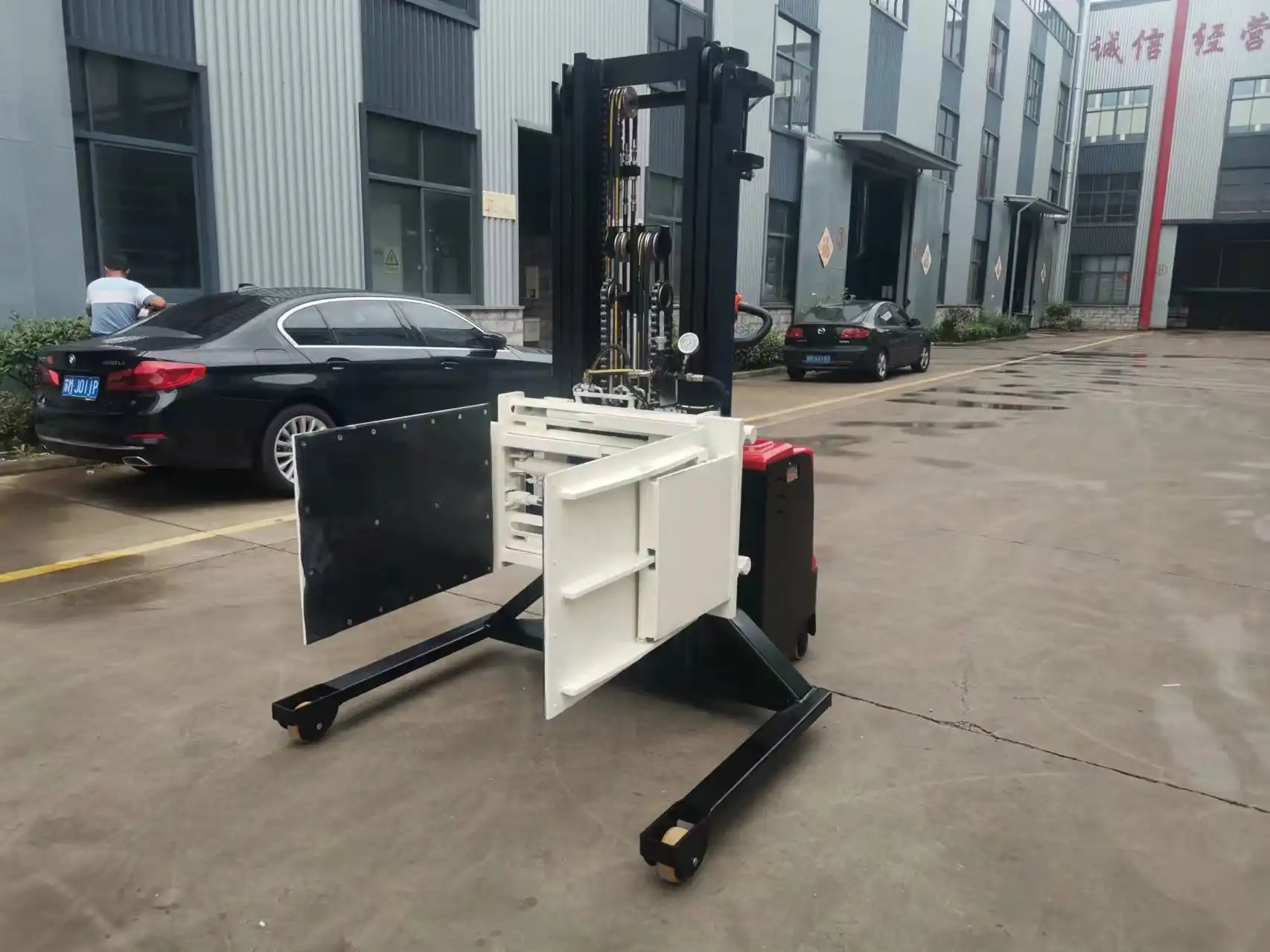
Mobile Pallet Changer for Automotive Logistics
Choosing the Right Pallet Inverter for Your Automotive Operation: What to Look For?
You now see the clear benefits. You are ready to consider a pallet inverter. But how do you pick the right one? There are many options out there. Making the wrong choice can be costly. My years in this field have taught me what truly matters. Let me share my insights with you.
When selecting a pallet inverter for handling mixed automotive components, you must prioritize adaptability to diverse load types, robust construction for continuous operation, comprehensive safety features, and a supplier who offers strong, long-term after-sales support.
This is not just about buying a machine. It is about investing in a solution. It is about finding a partner who understands your challenges. I always tell my clients to look beyond the initial price tag. Think about the total cost of ownership. Think about the long-term benefits. Here are the key things to consider:
-
Assessing Your Specific Needs and Load Characteristics:
- Before you even look at machines, understand your own operations. What are the heaviest loads you handle? What are the lightest? What are the typical dimensions of your pallets and products? How many pallets do you need to change per hour or per day?
- Think about the types of automotive components you process. Are they fragile? Do they have unusual shapes? Do they need to be kept upright? Knowing these details helps narrow down the inverter type. For example, if you deal with mostly uniform boxes of parts, a simple 90-degree tipper might work. If you handle mixed, unstable loads, a side-clamping model is likely better.
- Consider your current workflow. Where will the inverter fit? Will it be a standalone unit? Or will it be integrated into an automated line? This decision affects the required features and controls.
-
Machine Specifications: Capacity, Pallet Types, and Cycle Time:
- Weight Capacity: Make sure the inverter can handle your heaviest loads with a safety margin. Do not just meet the minimum. Future needs might increase.
- Pallet Versatility: Can it work with all your different pallet sizes and materials? This includes wooden, plastic, and even metal skids. Some inverters are more flexible than others.
- Cycle Time: How fast can it complete a pallet change? This directly impacts your throughput. Match this to your required production rates. A faster cycle time is important for high-volume operations.
- Footprint: How much space does the machine take up? You need to make sure it fits comfortably in your warehouse layout. Consider clearance for forklifts and operators.
-
Safety Features and Compliance:
- Safety is non-negotiable. Look for machines with robust safety features. These include emergency stop buttons. They also include light curtains. These stop the machine if someone enters the work area. Physical guarding and interlocks are also important. They prevent operation when doors are open.
- Ensure the machine complies with relevant safety standards and regulations in your region. This protects your workers. It also protects your company from legal issues. A reputable manufacturer will provide clear documentation on safety compliance.
- I have always stressed that safety should be built into the machine, not just added on as an afterthought.
-
Supplier Support, Installation, and Training:
- This is where a good supplier truly stands out. A reliable supplier offers excellent after-sales support. This includes installation services. It also includes comprehensive training for your operators and maintenance staff.
- What about spare parts availability? How quickly can they provide technical assistance if something goes wrong? A breakdown can halt your entire operation. You need a supplier who can respond quickly.
- Think of FHOPEPACK. We are not just about selling machines. My own journey from an employee to owning a factory taught me the importance of reliability. We want to be a long-term partner. We want to help you succeed. This means strong support long after the sale.
-
Customization and Integration Capabilities:
- Does the inverter offer customization options for your specific needs? Can it be integrated seamlessly into your existing conveyor lines or automated systems? This might involve custom control systems or specific load-handling attachments.
- A good supplier can work with you to tailor the machine. They can make it fit your unique operation perfectly. This avoids costly modifications later. It also ensures the machine performs exactly as you need it to.
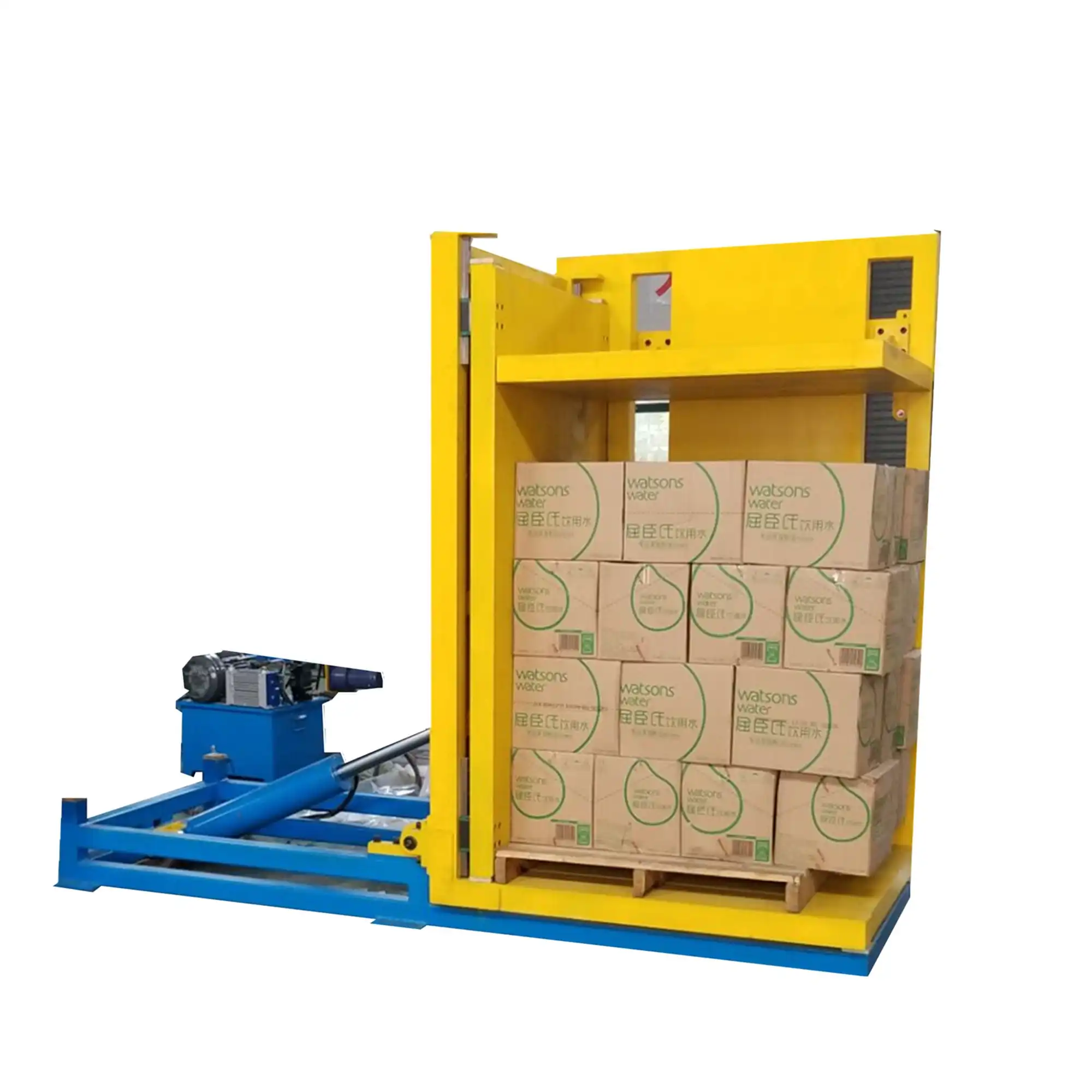
Efficient Pallet Exchanger for Automotive Parts
Conclusion
Pallet inverters fundamentally transform automotive logistics. They boost efficiency by speeding up operations, improving safety, reducing damage, and cutting labor costs. For any business dealing with diverse automotive components, investing in the right pallet inverter means a smarter, safer, and more profitable future.








