
What ROI Should Canadian Purchasing Managers Expect from Packing Line Modernization?
Are you a Canadian purchasing manager facing constant pressure? Do you see your packing line as a bottleneck? Many factories, especially in heavy industries like steel or metal processing, struggle with outdated systems. They deal with slow processes, safety risks, and product damage. This holds back their whole operation. I know this feeling well. I have spent my entire career in packing machine factories, seeing these exact problems.
The expected return on investment (ROI) from modernizing a packing line for Canadian purchasing managers often ranges from 18% to 35% within the first two to three years. This depends on many factors. These factors include the starting point of automation, the scale of the investment, and the specific improvements made to efficiency, safety, and product quality. A well-planned upgrade can significantly reduce labor costs, minimize material waste, and speed up throughput. It can also improve workplace safety.
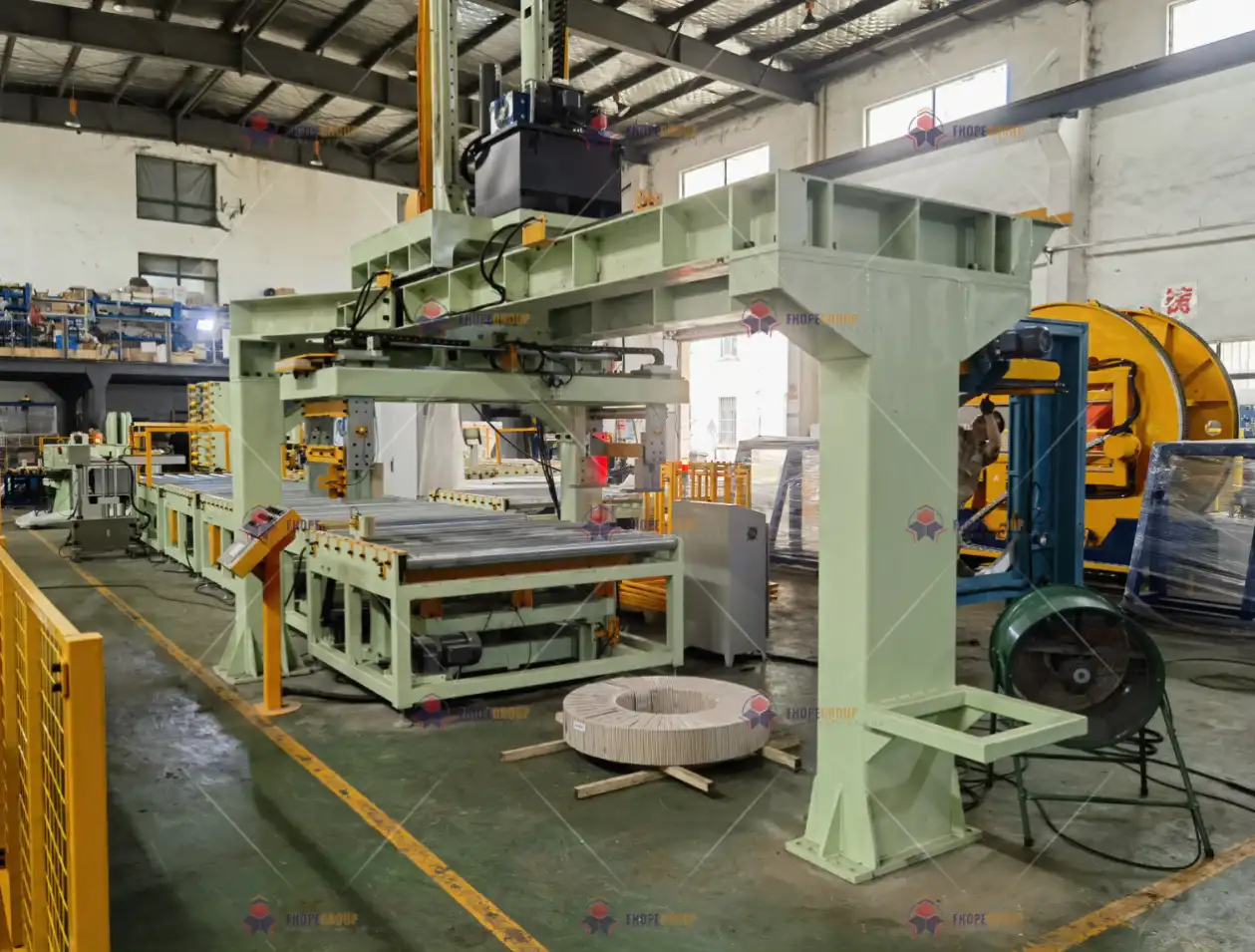
I have seen firsthand how much a smart investment in packing technology can change a business. It is not just about buying a machine. It is about solving real problems and setting your factory up for long-term growth. Let me walk you through what kind of returns you can realistically expect. Let us also look at how these investments address the common challenges I have seen in the industry.
Can New Packing Lines Really Boost My Factory’s Efficiency?
Do your current packing processes feel like a constant drag? Are they slowing down your entire production? Many factories rely on too much manual work for coil and wire packing. This makes the whole process slow. It hurts overall production and delivery times. This problem can stop you from meeting your output goals. I have seen how much this impacts a factory’s bottom line.
Modern packing lines can significantly boost your factory’s efficiency. They do this by automating tasks that are slow and labor-intensive when done by hand. This can cut packing times by 50% or more. This means your products move faster from the end of the line to shipping. This directly impacts how much you can produce each day.
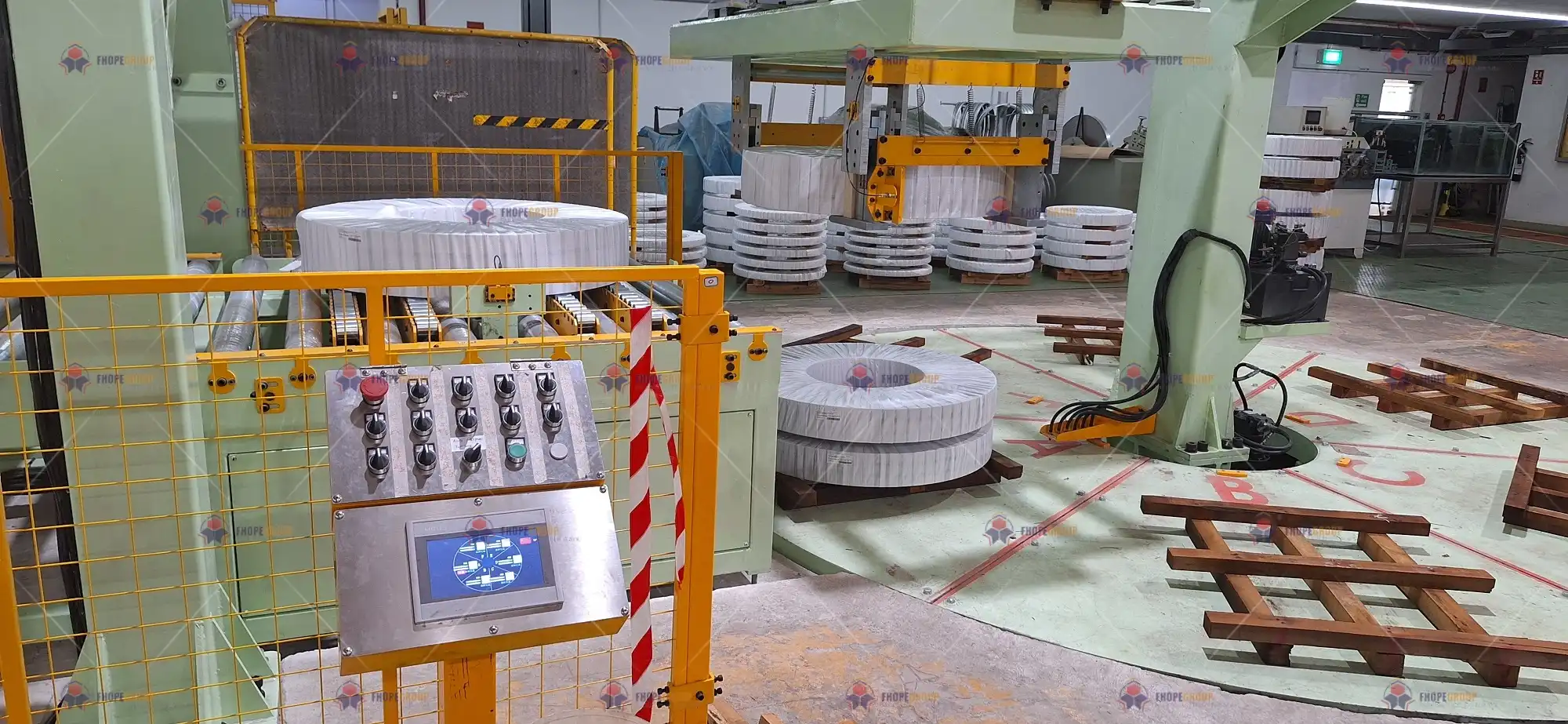
When I started my own packing machine factory, my goal was always to build solutions that truly solved these kinds of bottlenecks. I met many factory managers, like Michael in Mexico, who faced huge pressure to boost output. Their manual processes were simply not enough. Michael’s factory had slow, inefficient packing. It used too many people. This made his whole production and delivery slow. He wanted to get rid of these end-of-line bottlenecks. This is a common story.
Automated packing lines use advanced systems. These systems can handle heavy steel coils or wire bundles. They do this much faster than human workers. They also do it with greater consistency. For example, a fully automatic coil wrapping machine can wrap a steel coil in minutes. A manual process might take a team of workers much longer. It also carries risks. This speed increase means more product can go out the door. It reduces waiting times between production and shipping. This is especially important for factories that make many different products. It helps keep the flow smooth.
Think about a factory that produces hundreds of steel coils daily. If each coil takes an extra 10 minutes to pack manually, that adds up to many wasted hours. An automated system eliminates this waste. It works continuously. It does not get tired. It does not make human errors. This leads to a smoother, faster production flow. It also means you can reassign your workers to more skilled tasks. They can work in areas where human judgment and problem-solving are more valuable. This makes your workforce more effective. It also improves morale because workers are doing less risky, repetitive work.
Key Efficiency Gains from Automation
Modern packing lines bring clear gains.
- Increased Throughput: Automated systems process more units per hour or shift. This directly increases your factory’s overall output capacity. For Michael, this would mean he could meet his production targets more easily. He would not have to worry about the packing line slowing down the whole system.
- Reduced Labor Dependency: Less need for manual packing means you can reassign workers. This lowers labor costs per unit. It also makes your operations less sensitive to labor shortages. This is a big deal for many Canadian factories facing a tight labor market.
- Consistent Quality: Machines perform tasks with high precision. They ensure consistent packing quality. This reduces the risk of product damage during transit. It means fewer reworks or customer complaints. It leads to a better reputation for your products.
- Optimized Space Usage: Some automated systems are compact. They can even be integrated into existing lines. This maximizes the use of your factory floor space. It helps you avoid costly expansions.
| Efficiency Metric | Before Automation | After Automation | Potential Improvement |
|---|---|---|---|
| Packing Time per Coil | 15 minutes (manual) | 3 minutes (automated) | 80% |
| Daily Output Increase | 100 coils/day | 150 coils/day | 50% |
| Labor Cost per Unit | High (multiple workers) | Low (fewer workers, monitoring) | 30-40% |
| Production Lead Time | 3 days (with packing wait) | 1 day (streamlined) | 66% |
This table shows how efficiency changes. It is a clear picture. These numbers are typical for factories moving from manual to automated systems. The impact on your overall business performance is often immediate.
How Can Modern Packing Equipment Make My Workplace Safer?
Are you worried about worker safety? Do your current heavy lifting and manual handling tasks put your employees at high risk? Manual handling of heavy products, like steel coils or large wire spools, is dangerous. It often leads to serious injuries. This means higher insurance costs. It also means more employee turnover. These are huge problems for any factory manager.
Modern packing equipment significantly improves workplace safety. It does this by taking over dangerous tasks that workers used to do by hand. Machines can lift, move, and wrap heavy items safely and repeatedly. This greatly reduces the risk of injuries. It lowers your factory’s insurance costs. It also makes your workplace a better place for your employees.
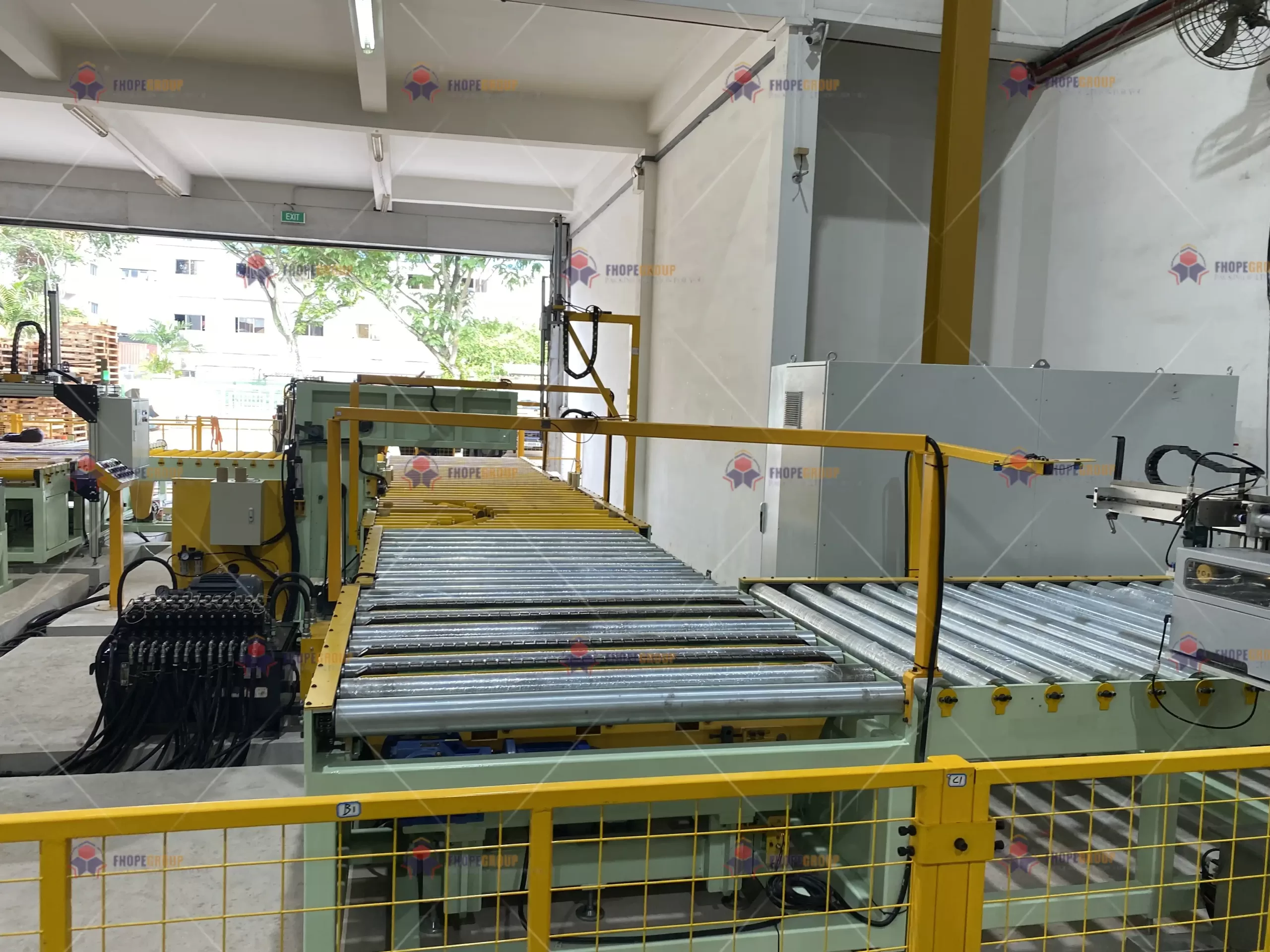
When I started my packing machine factory, I saw many work accidents. I saw people hurt from trying to lift or move heavy coils. This motivated me to design safer machines. My own journey, from being an employee on the factory floor to owning a successful packing machine factory, showed me the importance of worker safety. Michael, the factory manager, was deeply concerned about this. His manual processes for moving heavy molds or flipping pallets were not just slow. They were extremely risky. This led to high insurance costs and workers leaving. He needed solutions that would cut down on manual heavy lifting.
Automated packing systems are designed with safety as a core feature. They use robotic arms, automated conveyors, and specialized lifting equipment. These machines can handle weights that are impossible or unsafe for humans. This removes workers from high-risk zones. It takes away the need for repetitive, strenuous tasks that cause musculoskeletal injuries over time. For example, a strapping machine automatically applies bands around a coil. This means no worker has to bend over or strain to apply the straps. An automatic turning machine can flip a heavy pallet without any human intervention. This avoids the dangers of using forklifts in tight spaces. It also removes the risk of loads falling.
Safety also extends to the design of the machines themselves. Modern equipment includes safety interlocks, emergency stop buttons, and guard rails. These features protect operators from moving parts. They prevent accidents during operation or maintenance. Training on these systems is simpler and more focused on monitoring and problem-solving. It is not about brute strength or risky maneuvers. This creates a safer work environment for everyone. It makes your company more attractive to skilled labor. It shows that you care about your employees’ well-being. This can boost morale and reduce absenteeism.
Safety Improvements with Automation
Investing in modern packing equipment brings tangible safety benefits.
- Elimination of Manual Heavy Lifting: Automated systems handle all heavy items. This removes the primary cause of back injuries, sprains, and crushed limbs in factories. For Michael, this means his team is less likely to get hurt.
- Reduced Exposure to Hazards: Workers are no longer near fast-moving parts or under heavy loads. This lessens the risk of accidents from machinery or falling objects.
- Consistent Safety Protocols: Machines follow exact patterns. They perform tasks the same way every time. This reduces human error, a big cause of accidents.
- Improved Ergonomics: Operators monitor the machines from safe distances. They use control panels. This reduces repetitive strain injuries and fatigue.
| Safety Factor | Before Automation | After Automation | Impact on ROI |
|---|---|---|---|
| Manual Handling Risk | High (frequent injuries) | Very Low (machines handle) | Lower insurance premiums |
| Accident Rate | Moderate to High | Significantly Reduced | Fewer worker compensation claims |
| Employee Turnover due to Safety | High | Reduced | Lower hiring and training costs |
| Workplace Morale | Potentially Low | Improved | Increased productivity, less absenteeism |
These safety improvements have a direct financial impact. Lower injury rates mean fewer workers’ compensation claims. It means lower insurance premiums. It also means less lost production time from injured employees. It means a more stable and happy workforce. This contributes directly to your ROI. It creates a stronger, more sustainable business.
What Are the Real Cost Savings From Automating My Packing Process?
Are you seeing your profits shrink due to product damage and high labor costs? Does your factory lose money from items damaged during internal transfers or packing? This leads to customer complaints and lost revenue. Many factories face this issue. It impacts their bottom line.
Automating your packing process brings significant cost savings. It does this by sharply cutting down on product damage. It also reduces the need for manual labor. This leads to fewer customer complaints. It means less material waste. It also means lower operational expenses. This boosts your factory’s overall profitability.
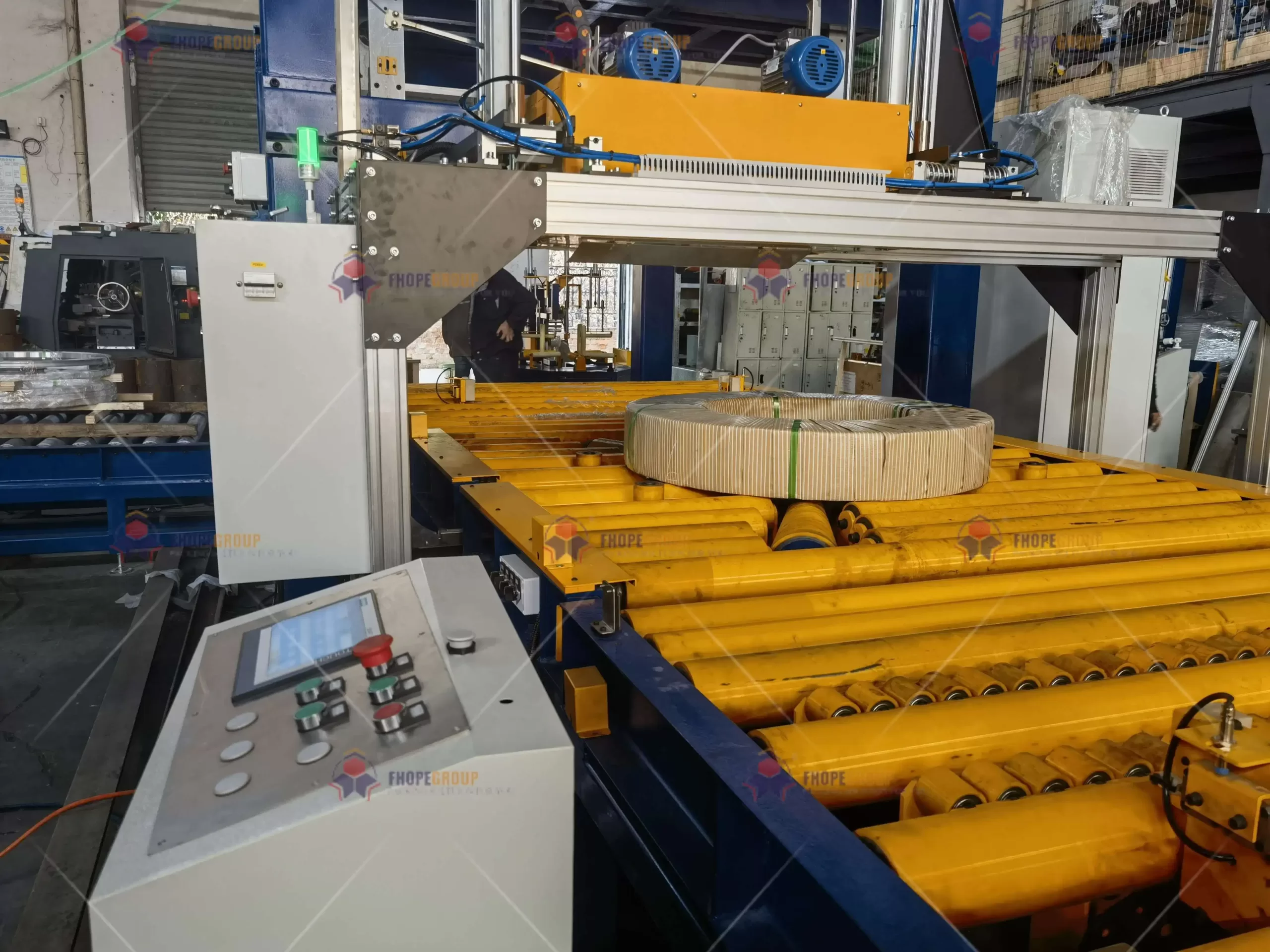
During my years in the packing industry, I saw many businesses struggle with these exact issues. I remember one client who was constantly dealing with damaged coil edges. This happened during internal moves and final packing. It cost them a lot in returns and bad customer relations. For Michael, his products, like steel coil edges, often got damaged during internal transfer and packing. This led to customer complaints and lost profits. He specifically wanted an investment with a clear ROI. He needed to cut labor costs and product damage.
Automated packing systems are precise. They handle products gently and consistently. This drastically reduces the chances of damage. Machines can apply the correct tension to wraps. They can position items perfectly. They avoid rough handling common with manual processes. For example, a machine designed for coil packing might use specialized grippers or conveyor systems. These systems prevent scrapes or dents. They are designed to protect the product. This means more products reach your customers in perfect condition. This leads to higher customer satisfaction. It also means fewer costly returns or claims.
Beyond product damage, labor cost reduction is a major driver of ROI. An automated packing line can often do the work of several human operators. This means you can reassign your existing workforce. Or you can reduce the need for new hires. Over time, these labor savings add up. They become a huge part of your financial return. For example, if a packing line needs three workers per shift, and an automated system only needs one for monitoring, you save on two salaries. This is especially impactful in Canada, where labor costs are higher.
Calculating Your Cost Savings
The true ROI comes from looking at all these savings together.
- Reduced Product Loss: Fewer damaged goods mean less waste. It means fewer reworks. It also means fewer lost sales. This directly boosts your profit margins. For Michael, this would solve his problem of product damage leading to customer complaints and lost profits.
- Lower Labor Costs: Automation reduces the number of workers needed for packing. This leads to significant savings on wages, benefits, and overtime. These savings are ongoing.
- Decreased Insurance Premiums: As mentioned, a safer workplace can lead to lower insurance rates. This saves you money year after year.
- Increased Customer Satisfaction: Delivering undamaged products consistently builds trust. It strengthens customer relationships. This can lead to repeat business and positive referrals. This is harder to measure but is very valuable.
- Faster Inventory Turnover: Quicker packing means products move faster through your warehouse. This frees up capital. It reduces storage costs.
| Cost Saving Area | Manual Process Cost | Automated Process Cost | Annual Savings Potential |
|---|---|---|---|
| Labor (Packing) | 3 full-time employees | 1 part-time monitor | $80,000 – $120,000 |
| Product Damage (Coils) | 2% of production value | 0.2% of production value | $50,000 – $150,000 |
| Insurance (Workman’s Comp) | Higher rates | Lower rates | $5,000 – $15,000 |
| Rework/Repackaging | Occasional, costly | Almost eliminated | $10,000 – $30,000 |
These figures show how automation directly impacts your financial statements. The combined savings from labor, reduced waste, and lower overheads can make the investment pay for itself surprisingly quickly. This provides a clear return on investment. It sets your factory up for greater financial health.
Why Is Choosing the Right Partner Crucial for My Investment?
Are you hesitant about new equipment investments because of past bad experiences with suppliers? Have you dealt with companies that only care about selling and then disappear when you need help? This lack of good after-sales service can make you very careful about choosing new partners. I understand this deeply.
Choosing the right partner is crucial for your investment in packing line modernization. A good partner does not just sell machines. They understand your factory’s specific problems. They provide expert insights. They offer reliable solutions and strong after-sales support. This ensures your investment truly solves your challenges and drives business growth.
When I started FHOPEPACK, my mission was to share knowledge. I wanted to help others succeed. My own journey, from an employee to a factory owner, showed me the value of true partnerships. I learned that just selling a machine is not enough. You need to understand the client’s business. Michael, the factory manager, had faced a supplier trust crisis. He had worked with equipment suppliers who only cared about sales. Their after-sales service was bad. This made him very careful. He wanted a partner who understood his production bottlenecks, safety issues, and efficiency problems. He needed professional insights and reliable solutions. He wanted an expert like me.
A true partner brings more than just equipment. They bring expertise. They bring a deep understanding of your industry. They help you analyze your current processes. They identify the root causes of your problems. They then suggest tailored solutions. They do not just offer a standard product. They offer a solution designed for your factory. This might involve customizing equipment. It could mean integrating new machines with your existing setup. This partnership is vital. It makes sure the new equipment truly solves your specific issues. It ensures it aligns with your long-term goals.
Think about the long-term support. What happens if a machine breaks down? How fast can you get parts? What about technical support? A good partner provides excellent after-sales service. This includes maintenance, spare parts, and troubleshooting. This support keeps your machines running smoothly. It minimizes downtime. Downtime means lost production and lost money. I have always believed in giving back. I want to share my expertise. I want to help others succeed in this field. This is why FHOPEPACK focuses on knowledge sharing. We want to be that reliable partner.
The Value of a Strategic Partnership
Working with an expert partner offers many benefits beyond just the equipment.
- Tailored Solutions: A knowledgeable partner analyzes your specific needs. They do not just sell you a machine off the shelf. They suggest solutions that fit your factory’s unique challenges. This is what Michael was looking for.
- Risk Mitigation: An experienced partner helps you avoid common pitfalls. They guide you through the whole process. This reduces the risk of making a bad investment. They ensure the equipment you buy is right for your needs.
- Long-Term Support: Reliable after-sales service, technical support, and spare parts availability are critical. This keeps your operations smooth. It ensures your investment continues to pay off over its lifespan.
- Knowledge Transfer: A good partner shares their knowledge. They help your team understand the new technology. This empowers your staff. It makes them more efficient. It also helps them troubleshoot minor issues themselves.
- Return on Investment Assurance: Partnering with experts like me means you work with someone who has built successful factories. We understand how to ensure your equipment investment leads to clear financial returns. We help you measure your ROI.
| Partnership Aspect | Generic Supplier | Expert Partner (FHOPEPACK) | Benefit to ROI |
|---|---|---|---|
| Needs Assessment | Limited (focus on sales) | Deep dive into operations | Optimized solution, better fit |
| Solution Customization | Standard products only | Tailored, integrated systems | Higher efficiency, fewer issues |
| After-Sales Support | Often poor or slow | Responsive, reliable | Minimized downtime, higher uptime |
| Knowledge Sharing | Minimal | Extensive (platform, experts) | Empowered staff, self-sufficiency |
| Problem Solving | Reactive | Proactive, consultative | Real problem resolution, long-term growth |
Choosing the right partner is not just about the price of the machine. It is about the value they add over the entire lifecycle of your equipment. It is about their expertise and their commitment to your success. This type of partnership is key to achieving a high ROI. It ensures your packing line modernization truly transforms your factory.
Conclusion
Modernizing your packing line offers a clear, significant ROI for Canadian purchasing managers. It boosts efficiency, enhances safety, and brings substantial cost savings. Partnering with an experienced expert ensures your investment delivers true value and long-term success.








