
Are Advanced Slit Coil Packaging Lines the Key to Cutting Downtime and Costs?
Are you constantly fighting production bottlenecks at the end of your line? Do slow, manual packing methods cause you headaches, making deliveries late and profits shrink? Many factory managers, just like you, face the daily pressure of boosting output while keeping costs low. This pressure often reveals big problems in current packing processes.
Yes, advanced slit coil packaging lines are truly key to cutting downtime and costs in heavy manufacturing. They bring automation, improve safety, and prevent product damage. These systems directly solve common challenges like slow manual work, high injury risks, and lost profits from damaged goods, making your whole operation smoother.
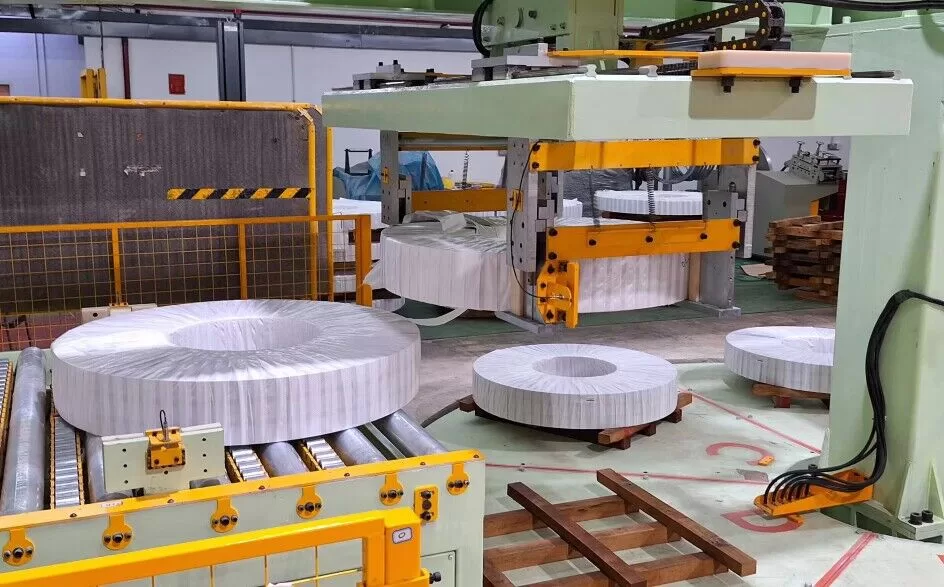
I have seen these challenges firsthand. I know how much even a small stop in production can cost a factory. As someone who built a successful packing machine factory from the ground up, I learned about real-world production demands. Let us explore the specific problems you might face and how modern solutions can help your business grow.
Are Manual Packaging Processes Holding Your Production Back?
Do your workers spend too much time wrapping coils by hand? Is your packaging line the slowest part of your factory? This is a common problem. Manual packaging uses a lot of labor. It makes your whole production line move slowly. This slows down everything you do.
Manual packaging processes definitely hold production back. They create severe efficiency bottlenecks. Relying on people for heavy tasks like wrapping steel coils or wires slows down delivery times. It keeps your overall factory output from reaching its full potential. Automation provides the clear answer.

When I first started in the packing machine industry, I saw many factories use old methods. Workers often struggled with big, heavy coils. This was slow. It was also very tiring. My own experience building a factory taught me that every minute counts. If one part of the line is slow, the whole factory suffers. For example, manual wrapping takes a long time. It also needs many workers. These workers could do other, more valuable tasks. Think about the effect on your delivery times. When packing is slow, products cannot ship fast enough. This means angry customers. It also means lost sales.
The idea of efficiency is simple. You want to make as much as you can, as fast as you can. Manual processes work against this goal. They cause delays at the very end of your production. This is often called a “bottleneck.” Imagine a wide road suddenly becoming narrow. All the cars slow down. Your production line does the same thing. Slit coils need careful handling. They also need secure wrapping. If this step is slow, all the upstream work waits. This ties up your capital. It also wastes valuable floor space.
Here is how manual processes limit you:
Slow Cycle Times
Manual operations are always slower than machines. A machine can wrap a coil in minutes. A team of people might take much longer. This difference adds up. Over a day, week, or month, this lost time becomes huge. Your factory’s maximum output depends on the slowest step. If packing is that step, you have a problem.
High Labor Costs
Hiring many workers for repetitive, difficult tasks costs a lot of money. You pay their wages. You also pay for benefits and insurance. When you automate, you cut down on these costs. Machines do not need breaks. They do not get sick. They work continuously. This saves you money in the long run.
Inconsistent Quality
People can get tired. They can make mistakes. This means the quality of your packaging might change from one coil to the next. Some wraps might be loose. Some might not protect the product well enough. Automated systems, however, perform the same task perfectly every time. This leads to consistent, high-quality packaging. This makes your customers happier. It also protects your product better.
Look at the difference:
| Aspect | Manual Process | Automated Process |
|---|---|---|
| Speed | Slow, variable | Fast, consistent |
| Labor Needs | High, many workers | Low, few operators |
| Cost | High labor costs | Lower operational costs |
| Quality | Inconsistent, prone to errors | High, consistent, repeatable |
| Output | Limited by human pace | Maximize line capacity |
| Delivery Times | Often delayed | Faster, more reliable shipments |
Investing in automation is not just about buying a machine. It is about removing these old barriers. It lets your factory run at its full speed. It allows you to meet customer demands faster. It boosts your entire operation.
Can Automated Solutions Truly Make Your Workplace Safer?
Are you worried about worker injuries on your factory floor? Do your employees manually lift or move heavy coils and wires? These tasks are very dangerous. They lead to many accidents. They cause high insurance costs. They also make good workers leave.
Yes, automated solutions can truly make your workplace much safer. By taking over the heavy and dangerous tasks of handling and wrapping coils, they drastically reduce the risk of worker injuries. This improves worker well-being, lowers insurance costs, and creates a more secure work environment for everyone.

Safety was always a top priority for me when I ran my own factory. I saw too many cases of people getting hurt. Moving heavy steel coils or bundles of wire is not just hard work. It is extremely risky. Workers can strain their backs. They can crush their fingers. They can even get hit by falling objects. These accidents are bad for the workers. They are also bad for your business. An injured worker means time off work. It means medical bills. It means higher insurance rates. It also hurts team morale. Other workers see the risks. They might start looking for safer jobs. This leads to high employee turnover.
I remember one time early in my career, a colleague had a serious back injury from manually flipping a heavy part. It was a wake-up call for me. I understood then that we had to find better ways. We needed to protect our people. Safety is not just about rules. It is about how you design your work. Automated systems are a big part of that. They remove the human element from dangerous tasks. Machines can lift heavy loads easily. They do not get tired. They do not make the same mistakes that lead to injuries. This cuts down on the physical strain on your workers. It helps them focus on safer, more skilled jobs.
Consider these safety improvements:
Reduced Manual Handling
This is the biggest benefit. Automated coil packaging lines use conveyors, robotic arms, and specialized lifting equipment. These machines do all the heavy lifting and moving. Workers do not need to touch the heavy coils directly. This removes the risk of strains, sprains, and crush injuries. It prevents falls too.
Controlled Environment
Machines work in a fixed, predictable way. They follow pre-set programs. This means less chaos on the factory floor. There are fewer unexpected movements. There is less chance of human error leading to an accident. The entire packing process becomes much more controlled and therefore safer.
Lower Insurance Premiums
When you reduce workplace injuries, your insurance claims go down. This often means your insurance company will lower your premiums. This is a direct saving for your business. It also shows that you care about your employees. This can make your company a better place to work.
Improved Morale and Retention
Workers feel safer and more valued when you invest in their safety. They know you care about their well-being. This leads to happier employees. Happy employees are more productive. They are also more likely to stay with your company. This reduces the cost of hiring and training new staff.
Here are common risks and how automation helps:
| Safety Risk | Manual Process Solution | Automated Process Solution |
|---|---|---|
| Back Strain | Workers lift/move heavy items | Machines lift/move all heavy items |
| Crush Injuries | Hands/feet near heavy moving parts | Workers stay clear of danger zones |
| Falling Objects | Improper stacking/handling by humans | Machines handle and secure items reliably |
| Fatigue-Related | Tired workers make mistakes | Machines work continuously without fatigue |
| Repetitive Strain | Repetitive wrapping actions | Machines perform repetitive tasks |
| Trip Hazards | Disorganized packing areas | Organized, clear pathways around machines |
Automating your packaging line is a clear step towards a safer, more humane work environment. It protects your workers. It also protects your company’s bottom line. This is a win-win situation for everyone.
How Can Smart Packaging Eliminate Costly Product Damage?
Are you losing money because your products get damaged during packing or transport? Do customer complaints come in about bent edges or scratched surfaces? This is a common problem in the metal processing industry. Product damage means lost profit. It also hurts your company’s good name.
Smart packaging can eliminate costly product damage. Automated systems apply precise and consistent wraps. They use the right tension and materials. This protects delicate edges and surfaces during internal transfer and shipping. This directly reduces customer complaints and boosts your profit margins.
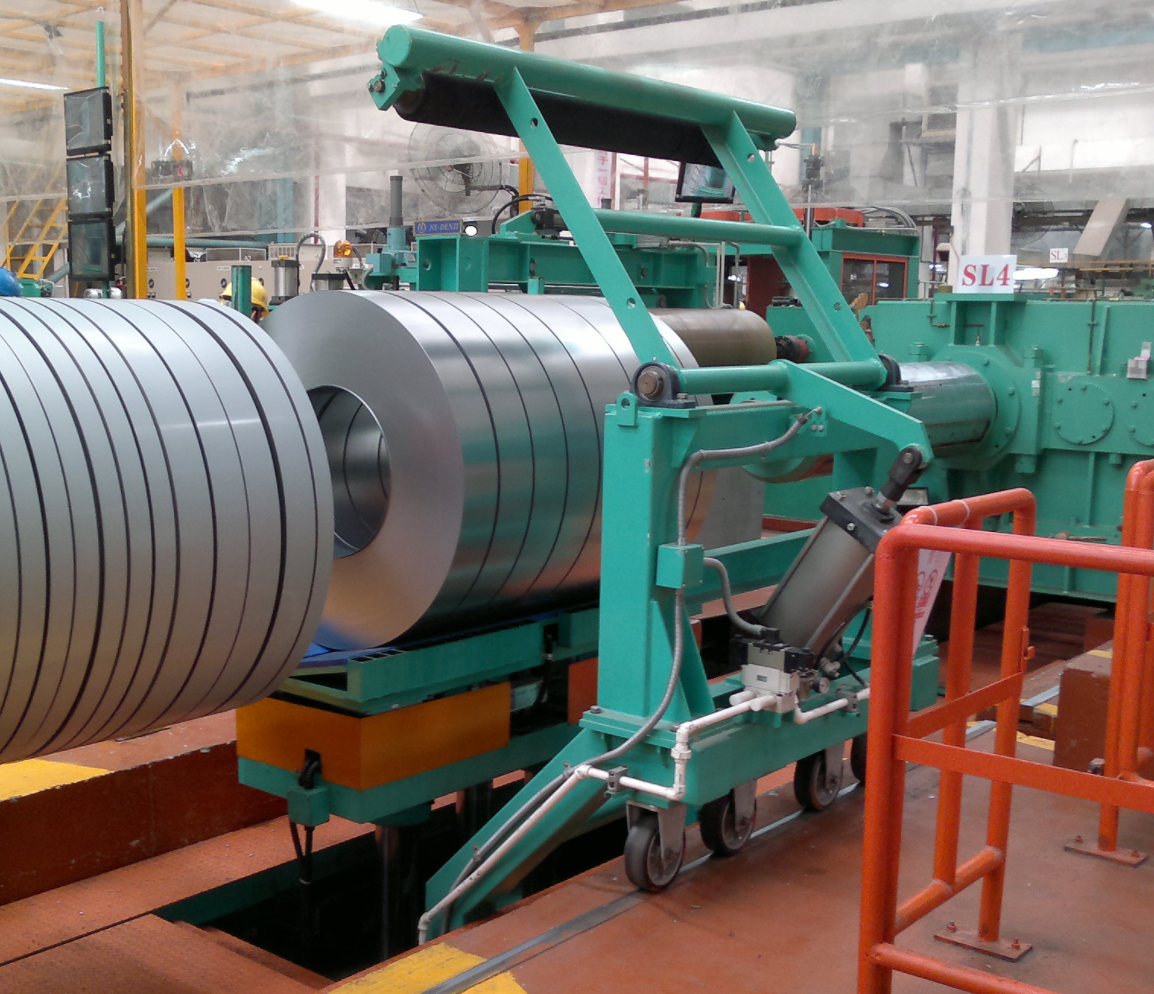
I have seen many times how a perfectly made steel coil can get damaged right at the last step. It happens during internal movement or packing. A small ding on the edge of a coil. A scratch on the surface. These seem small. But they can make a whole product unsellable. Or they lead to unhappy customers. When I was building my factory, I learned that product quality goes beyond just making the product. It includes how you handle and pack it. If a customer gets a damaged coil, they will not be happy. They might go to a competitor next time. This means lost business for you.
Manual packing often causes this damage. Workers might not wrap consistently. They might drop something. Or they might handle the coil too roughly. This is not their fault. It is just the nature of human error when dealing with heavy, difficult items. Automated packaging machines take away these risks. They are built for precision. They apply the wrapping material perfectly every time. This ensures maximum protection.
Consider how product damage impacts your business:
Direct Financial Loss
Damaged products cannot be sold at full price. Sometimes, they cannot be sold at all. This means you lose the cost of the raw materials. You also lose the cost of production. It is like throwing money away. Reducing damage directly increases your profit.
Rework and Replacement Costs
If a product is damaged, you might have to rework it. Or you might need to make a new one. This costs more time. It costs more materials. It uses up your production capacity for something that should have been right the first time. This creates even more inefficiency.
Customer Dissatisfaction
Customers expect their orders to arrive in perfect condition. When they get damaged goods, they lose trust in you. They complain. They might demand discounts or refunds. This can ruin your relationship with them. It can make them choose another supplier. A good reputation is hard to build. It is easy to lose.
Brand Reputation Damage
Word travels fast. If customers consistently receive damaged products, your company’s reputation will suffer. Other potential clients might hear about it. They might decide not to do business with you. This can harm your long-term growth.
Automated packaging systems solve these issues by:
- Consistent Wrapping: Machines apply wrapping material with exact tension. They cover all surfaces evenly. This protects fragile edges and critical surfaces from impacts and scratches.
- Secure Handling: Integrated conveyors and handling systems move coils smoothly. They prevent bumps, drops, or friction that cause damage.
- Proper Material Use: Automated systems use the right amount and type of wrapping material. This ensures optimal protection without waste.
- Reduced Human Error: Since machines do the work, the chance of human mistakes that lead to damage drops almost to zero.
Here is a look at typical damage points and solutions:
| Damage Point | Manual Handling Risk | Automated Solution Benefit |
|---|---|---|
| Coil Edges | Bumping, scraping against surfaces | Smooth conveyance, precise wrapping |
| Surface Scratches | Rubbing, dropping, inconsistent wrap | Consistent, protective wrap layer |
| Deformation | Uneven stacking, poor securing | Even pressure, secure, stable packing |
| Moisture Damage | Gaps in wrap, poor sealing | Tightly sealed, complete coverage |
| Transit Damage | Loose packing, shifts in transport | Securely bundled, stable for shipping |
By investing in smart packaging, you protect your product. You protect your profit. You also protect your most important asset: your customer relationships.
Why Does Choosing the Right Expert Partner Matter Most?
Have you ever bought equipment from a supplier who just wanted to make a sale? Did they disappear when you needed help later? Many factory managers have had bad experiences. They feel cheated. This makes them cautious about new partnerships.
Choosing the right expert partner matters most because a true partner understands your specific production problems and provides lasting solutions. Unlike sales-focused vendors, an expert offers professional insights, reliable support, and ensures your investment truly helps your business grow, building a foundation of trust.
This topic is very important to me. When I started FHOPEPACK, I did it because I wanted to share knowledge. I want to help people avoid the mistakes I saw others make. I started as an employee. Then I built my own successful factory. This journey taught me so much. I learned what it means to run a business. I learned about financial independence. I also learned about helping clients grow. My success came from understanding real factory needs. It was not just about selling a machine. It was about solving problems.
Many suppliers only care about selling you something. They give you a price. They deliver the machine. But then, if something goes wrong, they are nowhere to be found. Or their support is very slow. This causes big problems for you. If your machine breaks down, your whole line stops. Every minute of downtime costs you money. You need a partner who understands this. You need someone who has been in your shoes.
A true partner listens to you. They ask about your challenges. They want to know about your production bottlenecks. They care about your safety concerns. They understand your need for efficiency. They do not just offer a machine. They offer a solution. This is how I built my own business. This is how I helped many clients make their businesses stronger. I focused on building trust. I focused on giving real value.
Here is why finding the right expert matters more than anything else:
Deep Industry Understanding
An expert partner like FHOPEPACK understands the unique demands of heavy manufacturing. We know about steel coils. We know about wire packing. We know the high-intensity work environment you deal with. This means we can offer solutions that truly fit your specific needs. We do not offer one-size-fits-all products. We offer solutions made for you.
Problem-Solving Approach
A good partner does not just sell machines. They help you solve problems. They look at your current setup. They identify the bottlenecks. They find the safety risks. They suggest the best way to improve things. This means you get a solution that works for your specific factory. It helps you achieve your goals.
Reliable After-Sales Support
What happens after you buy the machine? This is crucial. A good partner provides strong after-sales service. They offer training. They offer maintenance. They offer quick help if something breaks. This ensures your machine keeps running smoothly. It minimizes your downtime. It protects your investment.
Long-Term Partnership
You are not just buying a machine for today. You are making an investment for years to come. A true partner thinks long-term. They want to see your business grow. They offer advice as your needs change. This builds a strong relationship. It means you have someone you can trust for future projects.
My commitment is to share knowledge. It is to help others succeed. My journey in this industry taught me that giving back is the best way to grow. I want to be that expert for you. I want to help you make smart choices. I want to help you find the best solutions for your factory.
Here is what to look for in a partner:
| Factor | Sales-Focused Vendor | Expert Partner (like FHOPEPACK) |
|---|---|---|
| Focus | Quick sale, move on | Problem-solving, long-term success |
| Understanding | Surface-level needs | Deep industry & operational insight |
| Support | Minimal, after-sale disappears | Strong, reliable, responsive support |
| Solutions | Generic products | Tailored, ROI-driven solutions |
| Relationship | Transactional | Collaborative, trust-based |
| Value Proposition | Machine price | Total cost of ownership, business growth |
Do not just buy a machine. Find a partner who truly understands your world. Find someone who helps you achieve your goals.
Conclusion
Advanced slit coil packaging lines cut costs, boost safety, and prevent damage. They turn your factory’s challenges into real opportunities for growth. Choosing an expert partner like FHOPEPACK ensures your investment truly pays off.








