
How Can Slit Coil Packaging Lines Comply with Canada’s Rigorous Safety Standards?
Are you a factory manager facing intense pressure to boost output, control costs, and keep your team safe? Do manual processes on your packaging line cause bottlenecks, injury risks, and product damage? If so, you are not alone. Many operations struggle with old ways of doing things, especially when heavy materials like steel coils are involved. The cost of downtime, worker injuries, and ruined products adds up fast. It can truly hurt your bottom line and your company’s reputation.
Complying with Canada’s strict safety standards for slit coil packaging lines means you need to prioritize smart automation and durable equipment. This helps you reduce manual work, lower injury risks, and ensure your production runs smoothly. The key is to invest in solutions that meet specific regulations and also boost your overall efficiency and profit. This way, you protect your workers, your products, and your business’s future.
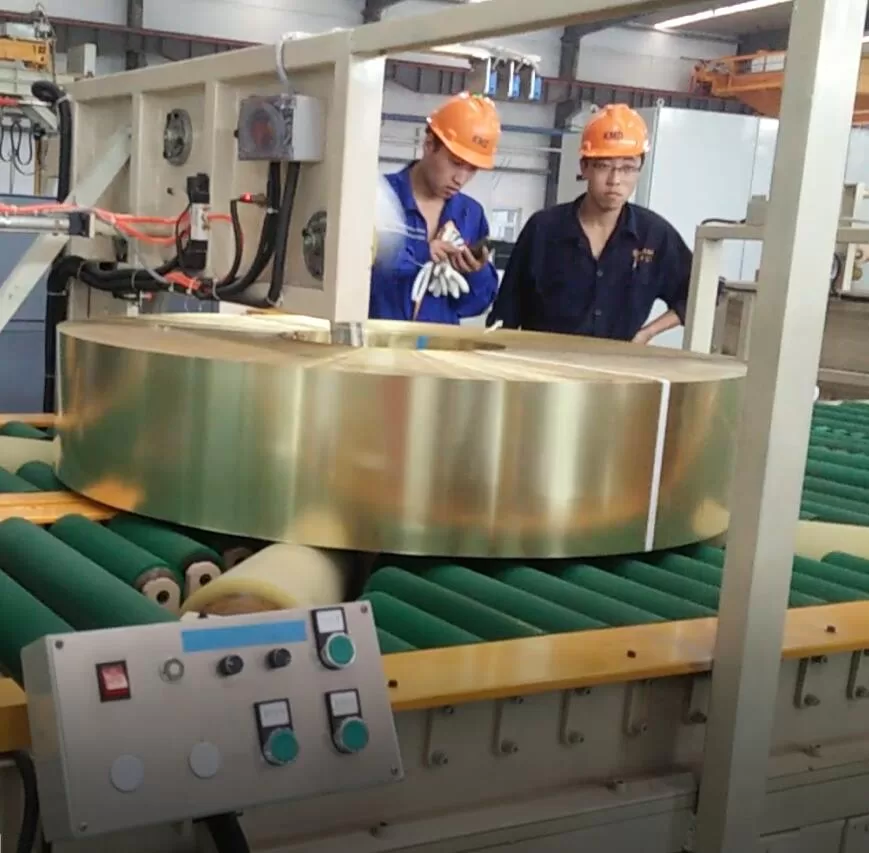
I have seen these challenges firsthand, both as an employee on the factory floor and as a factory owner myself. This journey showed me how crucial it is to get things right. Let us look deeper into what it takes to build a packaging line that is both safe and productive.
Why is Safety a Top Concern for Coil Packaging?
Have you ever worried about your workers getting hurt while moving heavy coils or wire? Do you see how manual handling slows things down and costs you money? The problem is that traditional steel coil and wire packaging often relies on people doing dangerous, repetitive tasks. This leads to slow processes and very high risks for injuries. Workers can get crushed, suffer strains, or have accidents from heavy loads.
This is a big issue because worker safety is not just a moral duty; it also affects your bottom line directly. High injury rates mean more insurance costs, lost workdays, and higher employee turnover. When I was starting out in the packing machine industry, I saw how easily accidents could happen. I saw how a single incident could halt production and drain resources. These risks become even greater when dealing with demanding environments. For example, Canada has very strict safety rules. These rules protect workers, but they also mean you must make sure your operations meet high standards. If you do not meet these standards, you could face fines, legal problems, and damage to your company’s image.
Understanding the Risks in Traditional Coil Packaging
Many traditional coil packaging methods present significant risks. It is important to break down these dangers to understand why automation is not just an option, but a necessity.
- Manual Handling of Heavy Loads: Workers often lift, push, or pull heavy coils and wire. This can lead to back injuries, muscle strains, and crushed limbs. A single coil can weigh thousands of pounds. Moving it by hand or with basic tools is extremely dangerous. I learned early on that relying on manual strength for heavy lifting is a recipe for disaster in the long run.
- Repetitive Motion Injuries: Packaging work involves many repeated movements. Over time, this can cause carpal tunnel syndrome, tendonitis, and other musculoskeletal disorders. These injuries might not be sudden. But they lead to long-term pain and lost productivity.
- Pinch Points and Crush Hazards: Moving parts of machinery and the coils themselves create many pinch points. If a worker’s hand or foot gets caught, it can lead to severe injury or even amputation. This is why proper machine guarding and clear safety zones are vital.
- Falling Objects: Coils can be unstable if not handled correctly. If a coil falls or rolls unexpectedly, it can cause serious injury to anyone nearby. This risk increases during stacking, unstacking, or transport within the factory.
- Fatigue and Human Error: Long shifts and tiring manual work lead to fatigue. Tired workers are more likely to make mistakes. These mistakes can lead to accidents. This is a simple human fact. Even the most careful worker can make an error when exhausted.
- Lack of Clear Safety Protocols: Some older factories might not have updated safety procedures. Or they might not enforce them strictly. This can create a culture where risks are not taken seriously. For me, safety was always foundational when setting up my own factory. Without it, nothing else truly works.
Meeting safety standards is about more than just avoiding fines. It is about creating a workplace where employees feel secure. It is about making sure that every person goes home safe at the end of their shift. This focus on safety also helps your business. A safe workplace has fewer accidents, lower insurance costs, and happier, more productive employees. This is why I always tell my clients that safety is an investment, not an expense.
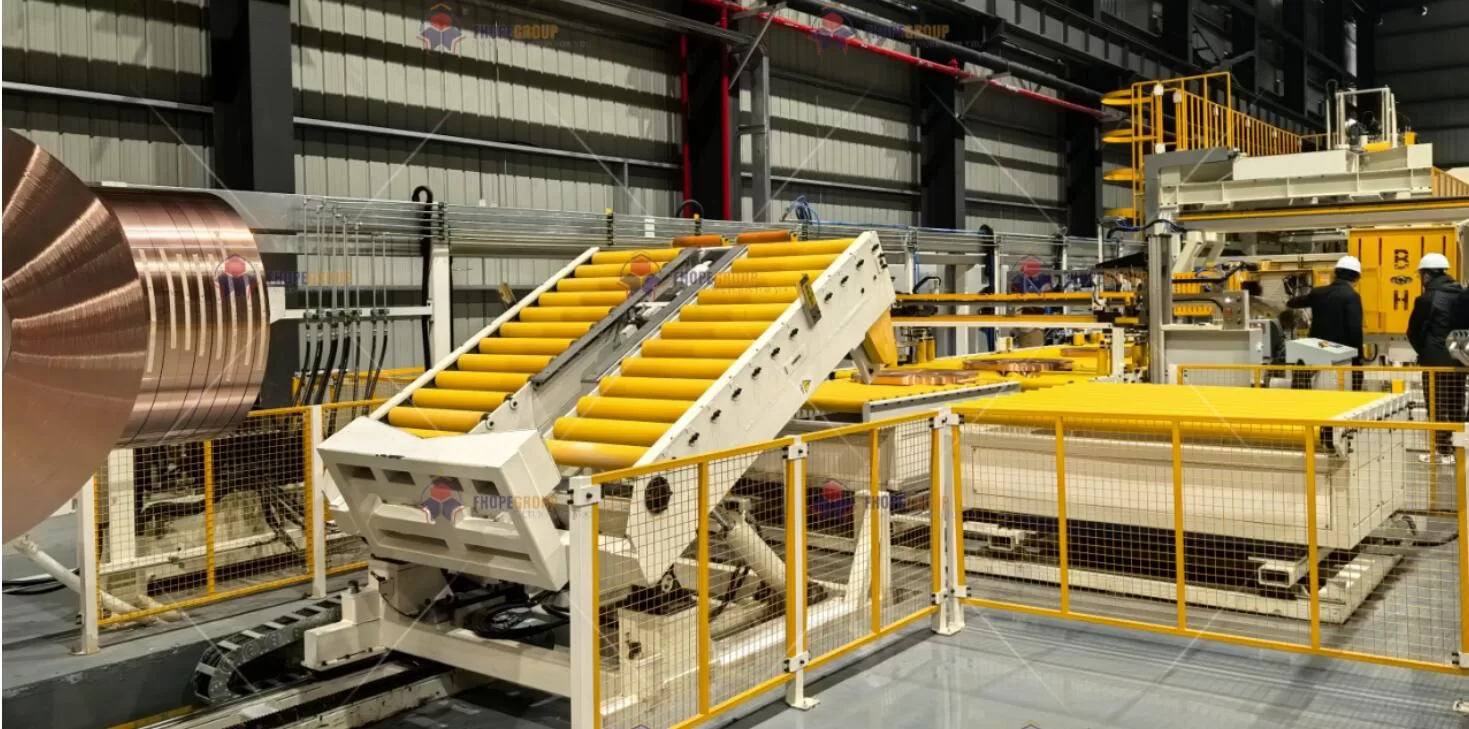
How Does Automation Boost Safety in Coil Packaging?
Are you tired of the constant worry about worker injuries on your production line? Do you wish there was a way to make your coil packaging safer and more efficient at the same time? The truth is, manual handling of heavy items like steel coils or wire rolls is risky. It exposes workers to potential harm every single day.
Automation is the clear answer. It takes humans out of direct contact with the heaviest and most dangerous parts of the packaging process. Machines can lift, rotate, wrap, and transport coils with precision. This significantly reduces the need for manual intervention. When I first started my own packing machine factory, a core principle was to design machines that protected workers first. By using automated systems, you do not just lower the risk of accidents; you also create a more consistent and faster packaging flow. This change helps you meet strict safety standards while also boosting your output.
Specific Ways Automation Improves Worker Safety
Automation systems directly address the major safety challenges in coil packaging. They offer clear advantages that make a workplace much safer.
- Reduced Manual Lifting and Handling: This is the most obvious benefit. Automated systems use conveyors, cranes, robots, and specialized wrapping machines. These machines handle the coils from start to finish. This means workers no longer need to lift heavy items, preventing back injuries and strains. For example, automatic coil wrappers can secure a coil without a single worker needing to touch it directly during the wrapping process.
- Minimized Exposure to Moving Parts: Modern automated machines come with integrated safety features. These include safety guarding, emergency stop buttons, and interlocks. These features prevent workers from accessing dangerous areas while the machine is running. From my experience, properly designed machine guarding is non-negotiable. It separates humans from hazards effectively.
- Consistent and Predictable Operations: Machines perform tasks the same way every time. This eliminates the variability and human error that can lead to accidents. A consistent process is a safe process. It removes unexpected movements or actions that can catch workers off guard.
- Improved Ergonomics: Even when some human oversight is needed, automated systems can improve ergonomics. They present coils at optimal heights for inspection or minor adjustments, reducing awkward postures and repetitive stress. For example, a fully automatic strapping machine can apply straps without a worker bending over a coil.
- Real-time Monitoring and Diagnostics: Advanced automated systems often have sensors and monitoring tools. These tools can detect abnormal conditions or potential malfunctions early. This allows for preventive maintenance or immediate shutdown, preventing accidents before they happen. This kind of predictive capability was a game-changer when it became more common in the industry.
- Compliance with Safety Regulations: Automated equipment is designed to meet specific safety standards, such as those in Canada (e.g., CSA standards). When you buy new equipment, you can ensure it comes with the necessary certifications and safety features built-in. This makes it easier to pass safety audits and maintain compliance.
Implementing automation is a proactive step toward a safer work environment. It shows a commitment to your employees’ well-being. It also positions your factory to meet the demanding safety requirements of modern industrial operations. This means fewer accidents, lower costs, and a more reliable production line.

Can Safe Packaging Also Improve Production Efficiency?
Are you facing production bottlenecks because your packaging line cannot keep up with your output? Does the constant concern for safety make you think twice about pushing for higher speeds? It is a common belief that safety and efficiency are two separate goals, or even that one comes at the expense of the other. Many factory managers, like Michael, feel stuck between these two pressures.
However, the truth is that safety and efficiency are two sides of the same coin, especially in automated packaging. When you invest in automated solutions for safety, you simultaneously remove inefficiencies. For example, automating tasks like coil wrapping or strapping cuts down on the time workers spend on each package. It also reduces errors that lead to rework. From my experience, a safer process is almost always a faster and more reliable process. Machines work without fatigue. They perform tasks with high precision. This means less product damage and fewer customer complaints. It results in a smoother flow from production to shipping.
The Overlap of Safety and Efficiency in Automated Systems
It might seem counterintuitive, but a well-designed safety system often boosts productivity. Here is how:
- Reduced Downtime from Accidents: Every injury, big or small, causes downtime. Production stops. Investigations happen. Workers might be absent. By preventing accidents through automation, you keep your production line running without unexpected interruptions. This is a huge gain in efficiency that many people overlook.
- Faster Processing Speeds: Machines can perform repetitive tasks much faster and more consistently than humans. An automated coil wrapper, for instance, can complete a wrap cycle in minutes. This would take much longer manually. This speed directly translates to higher throughput and faster delivery times.
- Consistent Quality, Less Rework: Automated systems apply packaging materials with precise tension and placement. This reduces the risk of product damage during internal transport or shipping. When products are damaged, they need to be re-packaged or even scrapped. This wastes time and money. Automation minimizes this. I have seen clients reduce product damage by over 50% with the right automated setup.
- Optimized Resource Allocation: When machines handle the dangerous, heavy lifting, your human workers can focus on tasks that require judgment, supervision, or problem-solving. This is a more efficient use of your labor force. It shifts workers from high-risk tasks to higher-value activities.
- Lower Operating Costs: Fewer injuries mean lower insurance premiums and workers’ compensation costs. Less product damage means fewer losses and customer returns. Faster production means more units can be shipped per hour. All of these factors directly lower your overall operating costs. This results in a better return on your investment (ROI) in automation equipment.
- Predictable Maintenance Schedules: Automated machines, especially modern ones, often come with diagnostic capabilities. This allows for scheduled maintenance rather than reactive repairs due to breakdowns or accidents. Predictable maintenance leads to less unplanned downtime and more consistent production schedules.
In my factory, we always focused on creating systems that were robust and reliable. Reliability leads to consistent performance, which in turn leads to higher efficiency. When safety is built into the design, it becomes a foundation for a highly efficient and profitable operation. This is why investing in safe, automated packaging is one of the smartest decisions a factory can make.
What Should You Look for in a Safety-Focused Packaging Partner?
Have you ever worked with a supplier who just wanted to sell you a machine and then disappeared? When it comes to critical equipment like packaging lines, especially ones that must meet tough safety standards, you need more than just a salesperson. You need a real partner. Michael Chen, a factory manager I know, faced this challenge. He understood that a machine alone is not enough. He needed someone who truly understood his factory’s production bottlenecks, safety concerns, and efficiency problems.
Finding the right partner is very important. You need a supplier who can offer not just equipment, but also deep industry knowledge and reliable support. This includes understanding the specific safety regulations in places like Canada. They should also be able to design a solution that fits your unique needs. My own journey in the packing machine industry taught me that building trust and delivering real value are what truly matter. I always aim to be the kind of partner I wished I had when I was starting my own factory.
Key Qualities of a Reliable Packaging Equipment Partner
When choosing a supplier for your automated packaging line, look for these specific traits:
- Deep Industry Expertise: The supplier should have a thorough understanding of the packing machine industry. This means they know about different materials like steel coil and wire. They should also understand the specific challenges of your sector. Look for a partner who has experience with factories similar to yours. My background, starting as an employee and then building my own factory, gives me a practical understanding of what works on the ground.
- Proven Safety Focus: The partner must show a clear commitment to safety in their designs. Ask about how their machines comply with international safety standards, such as CSA standards for Canada. They should be able to explain the safety features of their equipment in detail. This includes machine guarding, emergency stops, and interlocks.
- Customization and Problem-Solving: Every factory is different. A good partner will not just offer off-the-shelf solutions. They will take the time to understand your specific production bottlenecks and safety risks. Then they will design a tailored system that solves your unique problems. They should offer professional insights and dependable solutions.
- Strong After-Sales Support: What happens after you buy the machine? A reliable partner offers excellent installation support, training for your staff, and prompt maintenance services. This is crucial for long-term machine performance and safety. Avoid suppliers who are just interested in making a sale and then forget about you.
- Demonstrated ROI (Return on Investment): The partner should be able to help you see the financial benefits of their solutions. They should show how their equipment will reduce labor costs, minimize product loss, and improve overall profitability. This makes it easier for you to justify the investment.
- Transparency and Trust: Look for a partner who is honest and open in their dealings. They should be willing to share case studies or connect you with existing clients. This helps you verify their claims and build trust. Building long-term relationships is what I believe in. It benefits everyone involved.
Choosing the right partner is an investment in your factory’s future. It ensures that your packaging line will not only comply with strict safety standards but also contribute to your business growth. This makes your operation safer, more efficient, and more profitable for years to come.

My Key Insights for Safer Coil Packaging
Over my years in the packing machine industry, from working on the factory floor to building FHOPEPACK, I have learned a lot. I have seen what works and what does not. When it comes to making coil packaging lines safe and compliant, especially with rigorous standards like Canada’s, there are a few core ideas that stand out to me.
First, safety is not an add-on; it must be built-in. You cannot just buy a machine and hope it is safe. It needs to be designed with safety in mind from the start. This means looking at every part of the process where a worker could be at risk. It means using automation to remove those risks. For example, instead of workers wrestling with heavy coils, automated machines should handle the entire transfer and wrapping process. This is the difference between hoping for safety and building safety into your system.
Second, technology is your ally, but it needs to be smart. Advanced automation does more than just move things. It can monitor, adapt, and even predict issues. Think about sensors that detect if a coil is not positioned correctly. Or systems that can auto-adjust to different coil sizes. This level of smart technology not only makes operations safer by reducing human interaction. It also boosts efficiency by preventing errors and downtime. My goal has always been to make technology serve the operator, making their job easier and safer.
Third, the right partner is more valuable than just a machine. I cannot stress this enough. I achieved financial independence through this industry and helped many clients grow their businesses. A big part of that was being a trusted advisor, not just a seller. You need a partner who understands your challenges. They should know about your production bottlenecks and your safety concerns. They need to offer solutions that truly fit your unique factory. This means deep industry knowledge, reliable after-sales support, and a commitment to your long-term success. They should be able to explain how their solutions offer a clear return on investment.
Finally, continuous improvement is key. Safety standards and technology keep changing. What is compliant today might need updates tomorrow. A good factory manager, like Michael, always looks for ways to get better. This means regularly reviewing your safety procedures. It means staying updated on new equipment. It means seeking expert guidance. My mission with FHOPEPACK is to share knowledge and help others succeed. I want to empower you to make informed decisions that lead to safer, more productive operations. Investing in a robust, automated coil packaging line is not just about meeting regulations. It is about future-proofing your business, protecting your people, and securing your profitability.
Conclusion
Automated packaging lines are vital for meeting Canada’s strict safety standards, enhancing efficiency, and cutting costs. Prioritize robust, safety-focused equipment and partner with experts to secure your factory’s future and protect your team.








