
What Questions Should Buyers Ask Before Purchasing a Pallet Changer?
Do you struggle with inefficient pallet transfers, safety concerns in your warehouse, or the constant headache of different pallet standards? Many logistics managers, just like Carlos Rodríguez in Spain, face these daily battles. They know that a smooth, safe, and efficient warehouse operation is key to customer satisfaction and avoiding costly fines. But how do you pick the right equipment when the stakes are so high?
Before buying a pallet changer, buyers should ask critical questions about machine type, safety features, efficiency gains, cost savings, adaptability to diverse pallet types, and supplier support to ensure the solution meets their specific operational challenges and offers long-term value. This thoughtful approach helps secure a reliable, high-performance pallet handling solution.

My journey in the packing machine industry taught me that success comes from understanding problems and providing real solutions. I am Randal Liu, founder of FHOPEPACK, and I built this platform to share that knowledge. We aim to make complex packing machine insights accessible to all. We understand your challenges. Let us dive into the key questions you must ask to make an informed decision about your next pallet changer.
What Types of Pallet Changers Best Suit My Operations?
Are you overwhelmed by the variety of pallet changers available on the market? Choosing the wrong type can lead to bottlenecks, wasted investment, and ongoing frustration. It is like trying to fit a square peg in a round hole when your warehouse demands a specific solution. This is a common concern for managers like Carlos, who need efficiency above all else.
The best pallet changer type depends on your specific operational needs, including load weight, production volume, available space, and required level of automation; common types include 90-degree tippers, 180-degree inverters, and free-standing or mobile units, each offering unique benefits for different warehouse environments.
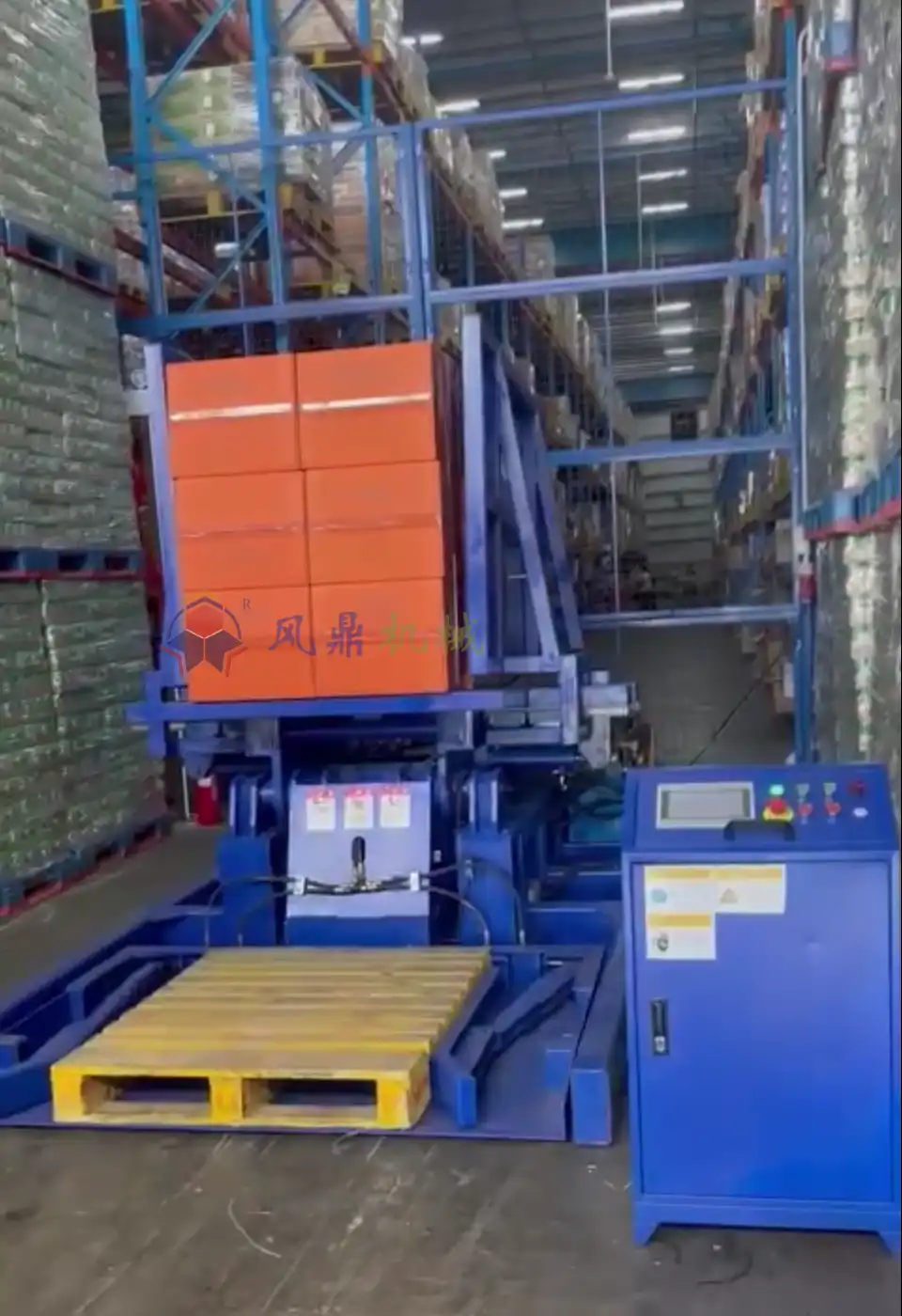
Understanding the different pallet changer types is crucial for making an informed decision. I have seen many factories struggle because they picked a machine that did not match their daily workflow. For example, some warehouses deal with light, consistent loads, while others, like Carlos’s food and beverage group, handle thousands of heavy pallets daily. This requires a robust and high-capacity system.
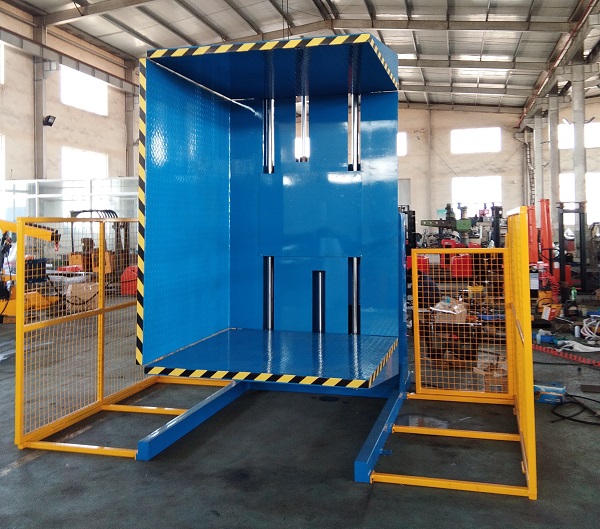
- 90-Degree Tilters/Tippers: These machines rotate the load by 90 degrees. They are often used for situations where you need to access the bottom of a load. They are good for changing a single pallet from one type to another. They are also useful for inverting products like cheese or other items that need to be turned. FHOPEPACK offers reliable 90-degree tilters designed for steady performance.
- 180-Degree Pallet Inverters: These machines completely invert the load. This is perfect for changing damaged pallets or switching from a shipping pallet to an in-house pallet. They handle heavy loads well. Many food industries use these for hygiene or pallet type changes. For high-volume operations, an automatic 180-degree inverter from FHOPEPACK can greatly speed up processes. SHJLPACK also provides effective 180-degree solutions.
- Free-Standing vs. In-Line Systems:
- Free-Standing Units: These are flexible. You can move them with a forklift. They suit lower volume operations or when you need to change pallets in different areas of your warehouse. Their versatility is a big advantage.
- In-Line Systems: These integrate directly into your conveyor system. They are for high-volume, continuous operations. They offer maximum automation and speed. Carlos, with his thousands of daily pallet movements, would likely benefit most from an in-line system to maintain efficiency and reduce manual intervention.
- Mobile Pallet Changers: These offer the ultimate flexibility. They can move to wherever the pallet change is needed, which can save time and effort in large warehouses. This can be a great option for varied operations.
Choosing the right type means thinking about your load characteristics, daily volume, and existing warehouse layout. For heavy-duty, high-volume needs, FHOPEPACK’s range of robust, automated pallet changing solutions are designed for continuous operation. We ensure our machines are built to last and integrate seamlessly into your processes.
How Can a Pallet Changer Improve My Warehouse Safety and Efficiency?
Are safety risks and inefficient manual pallet handling a constant worry in your warehouse? The danger of goods tipping, employee injuries, and slow processes can cost you more than just time. Carlos Rodríguez, for instance, has faced multiple accidents due to manual pallet flipping. He knows these issues directly impact productivity and staff well-being.
A pallet changer significantly boosts warehouse safety by eliminating hazardous manual pallet handling, reducing the risk of injuries and product damage, while simultaneously improving efficiency through faster, automated, and consistent pallet transfers, leading to smoother operations and reduced labor dependency.
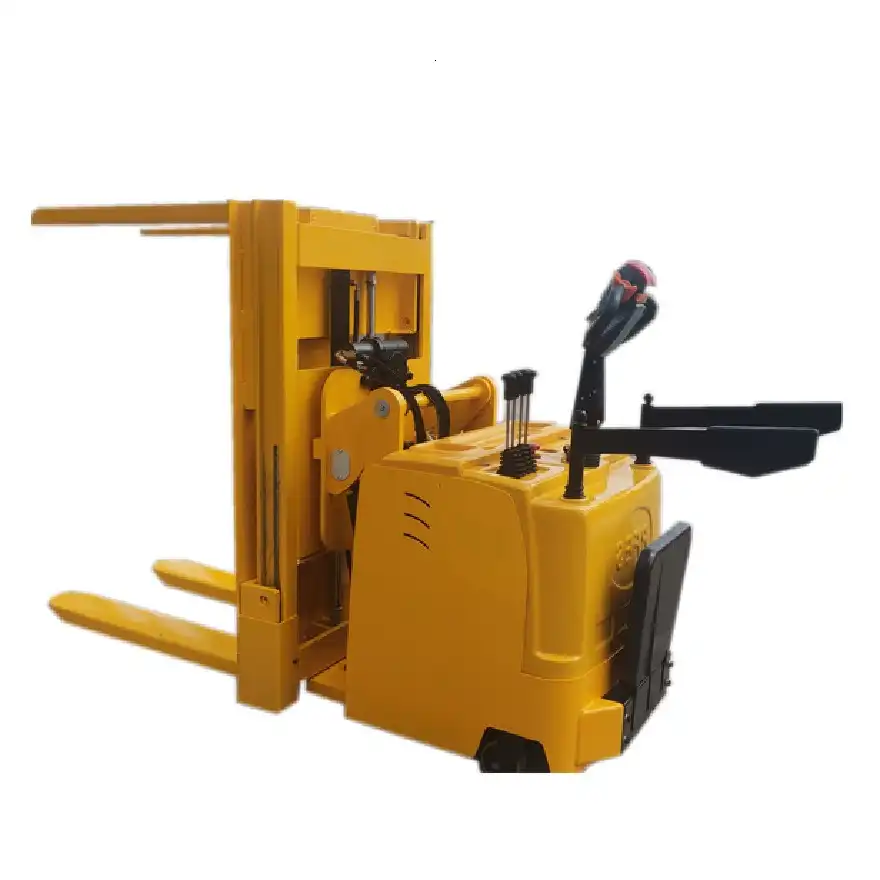
When I started my first packing machine factory, I quickly learned that safety is not just a buzzword; it is essential. An unsafe workplace leads to injuries, high insurance costs, and low morale. Pallet changers address these issues head-on. They transform a dangerous manual task into a controlled, mechanical process.
Let us look at the benefits:
- Reduced Manual Labor & Injury Risk: Manually flipping heavy pallets or transferring goods is physically demanding and prone to accidents. Workers can suffer back injuries, crushed limbs, or be hit by falling goods. A pallet changer automates this. This removes human operators from dangerous situations. It directly reduces work-related injuries, insurance claims, and lost workdays. Carlos’s concern about labor shortages is also addressed here, as machines handle the heavy lifting.
- Minimized Product Damage: When people manually switch pallets, goods can shift or fall. This causes damage. A pallet changer holds the load securely. It performs the transfer smoothly. This reduces the risk of costly product damage. For food and beverage products, this is very important for quality control.
- Increased Speed and Throughput: Manual pallet changes are slow. They interrupt the flow of goods. A machine can complete a pallet change in minutes. This dramatically speeds up the entire process. It allows for higher throughput. This is vital for meeting tight delivery schedules from e-commerce and retail clients. It helps managers like Carlos meet customer demands for faster delivery.
- Consistent Operations: Machines perform tasks with consistent speed and accuracy. This reduces errors that can occur with manual processes. It makes the warehouse operation more predictable and reliable. This consistency helps in maintaining compliance with different regulations.
- Ergonomic Benefits: By removing the strenuous physical demands, pallet changers create a more ergonomic workplace. Employees can focus on less physically taxing tasks. This improves overall job satisfaction and retention, which is important given labor shortages.
FHOPEPACK’s pallet changers are built with safety as a top priority. We use robust designs and advanced controls to ensure secure operations. From automatic safety gates to emergency stop buttons, our machines protect both your products and your people. SHJLPACK also emphasizes safety in their designs.
What Are the Long-Term Cost Savings and ROI of Investing in a Pallet Changer?
Are you worried about the upfront cost of a new pallet changer? It is a natural concern. Many businesses hesitate, focusing only on the initial investment. However, overlooking the long-term financial benefits can be a costly mistake. Carlos, as a practical manager, needs to justify every investment with clear returns.
Investing in a pallet changer offers significant long-term cost savings and a strong Return on Investment (ROI) by reducing labor expenses, minimizing product damage, decreasing workplace injury costs, improving operational efficiency, and extending the lifespan of reusable pallets, all of which contribute to a healthier bottom line.
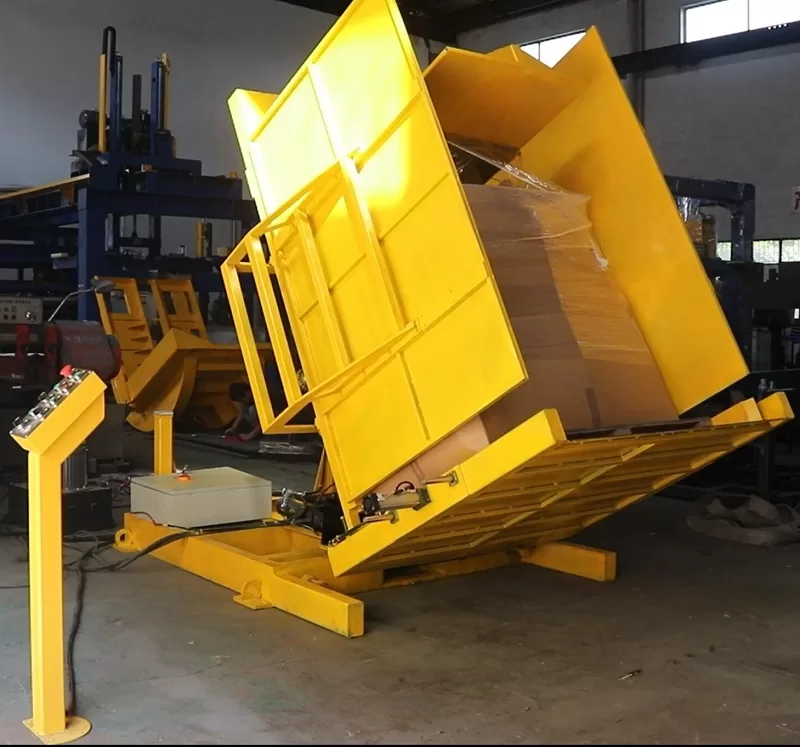
When I established FHOPEPACK, I always focused on giving clients equipment that provides real value. It is not just about selling a machine; it is about providing a solution that pays for itself. A pallet changer is a strategic investment, not just an expense. Let us break down where the savings come from:
- Reduced Labor Costs: This is often the biggest saving. Manual pallet handling requires multiple workers. These workers have salaries, benefits, and training costs. A pallet changer can often do the work of several people. This allows you to reallocate staff to other areas or reduce your overall labor needs. With rising labor costs and shortages, as Carlos experiences, this saving becomes even more critical.
- Minimized Product Damage & Returns: Damaged goods lead to scrap, rework, and customer returns. This is expensive. Automated pallet changes are gentler and more secure. This significantly reduces damage rates. It protects your inventory and your brand reputation.
- Lowered Injury & Insurance Costs: Workplace injuries are costly. They include medical bills, lost work time, potential lawsuits, and increased insurance premiums. By automating a dangerous task, pallet changers drastically reduce these risks. This leads to direct savings on insurance and accident-related expenses.
- Improved Efficiency & Throughput: Faster pallet changes mean more goods can move through your warehouse each day. This translates into increased output without needing more space or staff. This improved efficiency can reduce overtime costs and even allow you to handle greater order volumes, boosting revenue.
- Extended Pallet Lifespan: Changing pallets using methods like fork attachments can damage pallets. A dedicated pallet changer is designed to handle pallets gently. This extends the life of your reusable pallets. It reduces the frequency and cost of buying new ones.
- Avoided Fines and Penalties: For international logistics, non-compliant pallets can lead to delays and fines. A pallet changer ensures quick and accurate switching to meet diverse regulations. This prevents costly penalties and keeps your supply chain running smoothly.
The Return on Investment (ROI) for a pallet changer can be surprisingly fast. Many of our FHOPEPACK clients see ROI within 12-24 months. This depends on their volume and existing labor costs. We can help you calculate your potential savings. SHJLPACK also emphasizes the cost-saving benefits of their systems.
How Does a Pallet Changer Handle Diverse Pallet Specifications and Materials?
Do you constantly juggle different pallet sizes and materials for international shipments, like Euro pallets, US pallets, and plastic pallets? This diversity can be a logistical nightmare, leading to slow operations and potential compliance issues. Carlos Rodríguez faces this exact challenge daily, needing seamless transitions for his global food group.
A well-designed pallet changer can effectively handle diverse pallet specifications and materials, including Euro, US, wooden, and plastic pallets, through adjustable settings, interchangeable clamps, and robust construction, ensuring smooth and compliant transitions for varied international shipping and internal warehousing needs.
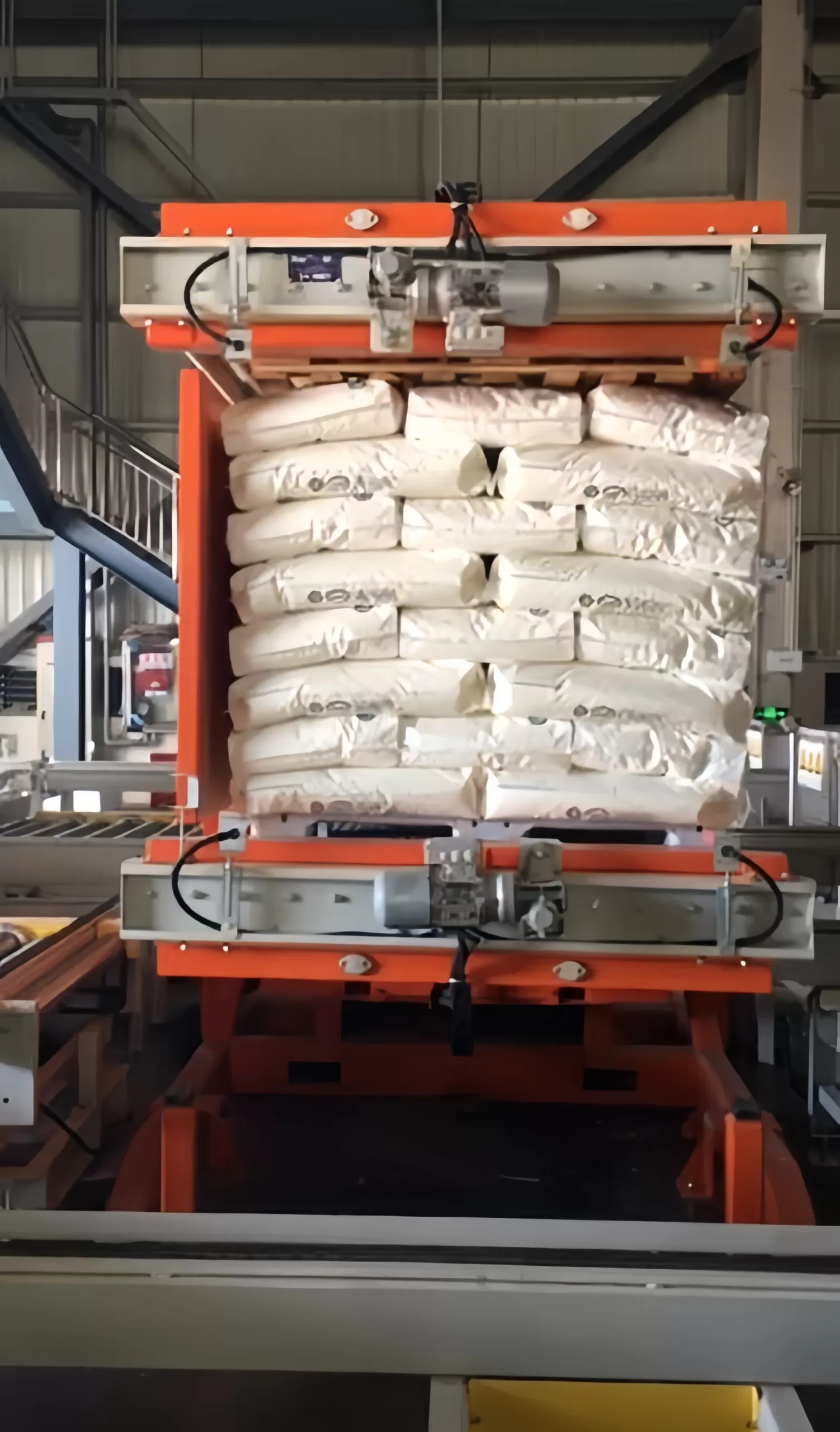
My experience across the packing machine industry has shown me that flexibility is key. In today’s global market, a warehouse rarely uses just one type of pallet. Different countries have different standards. Carlos’s situation, needing to switch between Euro pallets and US pallets, is very common. An effective pallet changer must be adaptable.
Here is how modern pallet changers manage this diversity:
- Adjustable Clamping Mechanisms: High-quality pallet changers come with adjustable clamping systems. These can securely hold loads of various sizes and shapes. They prevent movement or damage during the transfer. This is crucial for stability, regardless of the pallet dimensions.
- Versatile Load Capacities: Pallet changers are designed with different load capacities. You need to choose one that can handle your heaviest and largest loads. FHOPEPACK offers machines for a wide range of weights and dimensions. This ensures that whether you are moving light goods or heavy machinery, the changer can cope.
- Material Compatibility: Pallets come in wood, plastic, and even metal. A good pallet changer can work with all these materials. Its surfaces are designed to prevent damage to the pallets themselves. This extends the life of your pallets. It avoids costly replacements.
- Programmable Settings: Modern pallet changers have programmable controls. Operators can input different pallet dimensions or load parameters. The machine then adjusts automatically. This makes switching between pallet types fast and easy. It reduces human error.
- Customizable Solutions: Sometimes, standard machines are not enough. FHOPEPACK specializes in providing customized pallet changing solutions. If you have unique pallet sizes or unusual load configurations, we can design a system that meets your specific needs. This ensures your operations remain efficient and compliant.
- Integration with Existing Systems: For large operations like Carlos’s, the pallet changer must fit seamlessly into current conveyor systems. This requires careful planning and compatible design. Our engineers work with clients to ensure smooth integration.
The ability to switch pallets quickly and safely is essential for international trade. It ensures compliance with various regulations, like ISPM 15 for wooden pallets. By investing in a flexible pallet changer, businesses can streamline their export processes. They avoid delays and fines. Both FHOPEPACK and SHJLPACK prioritize adaptability in their machine designs.
What Kind of After-Sales Support and Partnership Should I Expect from a Supplier?
Are you worried about being left on your own after purchasing a complex machine? Many buyers have experienced poor after-sales support. This can turn a valuable investment into a frustrating liability. Carlos Rodríguez is looking for a “partner,” not just a “seller.” He understands that the relationship extends far beyond the initial purchase.
Buyers should expect comprehensive after-sales support, including installation assistance, thorough training, readily available spare parts, prompt technical service, and ongoing consultation, ensuring the pallet changer operates reliably for its entire lifespan and truly fostering a long-term partnership with the supplier.
My journey from an employee to a factory owner taught me the true meaning of customer service. When a machine goes down, time is money. A reliable supplier offers more than just equipment. They offer peace of mind. At FHOPEPACK, we believe in building strong, lasting relationships with our clients. This means being there every step of the way.
Here are the key aspects of excellent after-sales support:
- Professional Installation and Commissioning: The supplier should provide expert installation services. This ensures the machine is set up correctly and safely. Proper commissioning is vital for optimal performance from day one. It prevents future operational issues.
- Comprehensive Operator Training: Your staff needs to know how to operate the machine efficiently and safely. A good supplier offers thorough training. This includes basic operation, troubleshooting, and routine maintenance. This empowers your team and reduces reliance on external support for minor issues.
- Readily Available Spare Parts: Machines require maintenance and sometimes replacement parts. The supplier should have a robust spare parts program. This means parts are available quickly. It minimizes downtime. FHOPEPACK maintains a large inventory of common spare parts. We understand that every minute of downtime costs you money.
- Prompt Technical Support and Service: When a problem arises, you need fast help. A reliable supplier offers responsive technical support. This includes phone support, remote diagnostics, and on-site service when necessary. Carlos needs a supplier who understands the urgency of a high-volume operation. FHOPEPACK provides dedicated technical support teams. SHJLPACK also prides itself on responsive customer service.
- Warranty and Maintenance Programs: A strong warranty protects your investment. Beyond the warranty, the supplier should offer preventative maintenance programs. These programs help extend the machine’s life. They also ensure it runs at peak efficiency. Regular check-ups can prevent major breakdowns.
- Continuous Improvement and Consultation: The best suppliers act as partners. They provide ongoing advice on how to optimize your operations. They keep you informed about new technologies. FHOPEPACK aims to be that kind of partner. We want to see our clients succeed. We offer insights based on our extensive industry knowledge.
Choosing a supplier is not just about the machine. It is about the support system behind it. A strong partnership ensures your pallet changer remains a valuable asset for years to come. This is exactly what managers like Carlos are looking for in a strategic investment.
Conclusion
Choosing a pallet changer demands careful thought. By asking the right questions about machine type, safety, cost, adaptability, and support, you ensure a wise investment. FHOPEPACK is here to be your trusted partner, offering reliable pallet inverter solutions that boost your warehouse efficiency and safety.








