
How Do Pallet Changers Support Lean Manufacturing and Just-in-Time Supply Chains?
Are your logistics operations slow? Do you waste valuable time and money on manual processes? In today’s fast-paced business world, inefficiency can cost a company heavily. Manual pallet handling often causes bottlenecks, leads to worker injuries, and brings unexpected costs. This is something I have seen countless times in my many years in the packing machine industry.
Pallet changers support Lean Manufacturing and Just-in-Time (JIT) supply chains by automating the process of transferring goods between different pallet types. They achieve this by eliminating manual labor, reducing waste, enhancing safety, and improving the overall flow of materials. Pallet changers are a critical tool for achieving operational efficiency and adaptability in modern logistics environments.
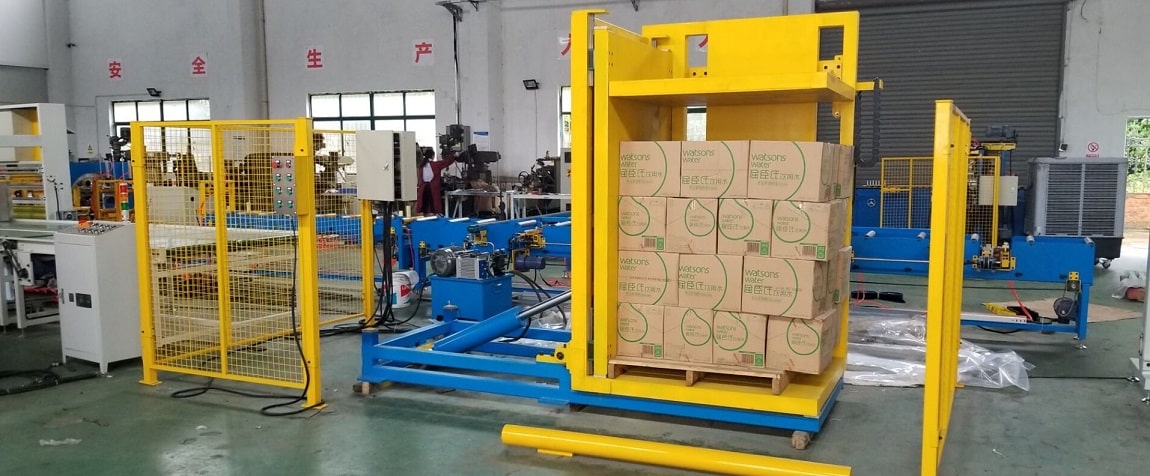
Understanding how this technology fits into broader business strategies like Lean and JIT is key. Let us look closer at how pallet changers can transform your warehouse and logistics operations, just as they have for many clients I have worked with in my career.
What is Lean Manufacturing and Just-in-Time Supply Chain?
Do you struggle with bloated inventories and slow production? Is your supply chain often out of sync with customer demand? These problems can seriously hurt a business.
Lean Manufacturing focuses on maximizing customer value while minimizing waste, aiming for efficiency and continuous improvement. Just-in-Time (JIT) is a core Lean principle that ensures materials arrive exactly when needed, reducing inventory and storage costs.
At its heart, Lean Manufacturing is about creating more value for customers with fewer resources. It means finding and removing waste, also called Muda, from all parts of a process. This includes things like overproduction, waiting times, unnecessary transport, over-processing, too much inventory, unnecessary movement, and defects. I learned these principles early in my career as a packing machine engineer. I saw firsthand how even small inefficiencies could add up to big losses. For example, if a machine sat idle waiting for material, that was waste. If we moved products more than needed, that was also waste. Applying Lean helps businesses run smoother and faster. It focuses on the customer. It improves quality. It lowers costs. It is about always getting better. Businesses need to check their processes constantly. They must find ways to do things smarter. This is why tools that support this thinking are so important in modern manufacturing. (Lean principles, waste reduction, continuous improvement, operational efficiency)
Just-in-Time is a key part of Lean. It means having the right materials, in the right amount, at the right time. The main goal is to avoid holding large stocks of inventory. This reduces storage costs. It also frees up capital. JIT requires very good planning and strong relationships with suppliers. In my experience building packing machine factories, JIT was crucial for managing parts and raw materials. We wanted to make sure production never stopped because of missing components. But we also did not want to pay for storing too much. JIT helps avoid over-stocking. It helps avoid materials going bad. It improves cash flow. For a logistics manager like Carlos, who handles thousands of pallets daily, JIT means ensuring products move from warehouse to customer quickly. It means no delays at transfer points. It keeps goods fresh. It meets delivery times. It leads to happier customers and smoother operations. (JIT inventory, supply chain optimization, reduced storage, logistics efficiency)
In today’s fast global market, businesses must be agile. Customer demands change quickly. Supply chains face many challenges. Things like labor shortages and rising costs push companies to do more with less. Lean and JIT offer a framework to handle these pressures. They help companies stay competitive. They build stronger, more resilient operations. For Carlos, managing a large distribution center in Europe, these concepts are not just theories. They are essential for meeting strict delivery schedules. They are vital for managing different pallet standards for exports. They are also important for keeping labor costs in check. The market does not wait. Businesses must move fast. They must adapt. These methods provide the tools to do just that and maintain an edge. (Market demands, agility, cost reduction, supply chain resilience)
How Do Pallet Changers Eliminate Waste in Logistics Operations?
Are manual pallet transfers causing bottlenecks in your warehouse? Do you see employees struggling with heavy lifting, leading to slow operations and potential accidents?
Pallet changers directly target and eliminate many forms of waste commonly found in logistics operations, a core tenet of Lean Manufacturing. They do this by automating heavy, repetitive, and time-consuming tasks. This helps reduce labor costs, minimize product damage, and speed up overall material flow.

Pallet changers are excellent at cutting down waste, especially the seven types of waste identified in Lean manufacturing. Let us look at how they help.
- Over-processing: Manual pallet changing often involves several steps. These steps include unloading goods, manually moving products, reloading onto new pallets, and then moving the new pallet. Pallet changers combine these steps into one automated process. This means fewer human touches. It means less time spent on unnecessary tasks. This makes the whole process smoother and faster. (Automated processes, reduced human intervention, streamlined operations)
- Waiting: In many warehouses, goods sit waiting for manual pallet transfers. This waiting time slows down the entire supply chain. A pallet changer works quickly and continuously. It reduces or removes these waiting periods. This keeps products moving without delays. This is especially true for companies like Carlos’s food and beverage group, where thousands of pallets move daily. Every minute saved in waiting time improves throughput significantly. (Reduced waiting time, faster throughput, continuous flow)
- Unnecessary Transport: When pallets are changed manually, workers often move goods or empty pallets more than necessary. This adds no value and increases the risk of damage. Pallet changers usually perform the change in one fixed location or within a small, defined area. This minimizes extra movement of both products and personnel. It makes the layout of the warehouse more efficient. (Optimized layout, minimized material movement, reduced handling)
- Excess Inventory: JIT aims to reduce inventory. But inefficient pallet changes can force companies to hold more inventory. They do this to buffer against delays. By making pallet transfers fast and reliable, pallet changers allow for tighter inventory control. This means less storage space is needed. It also means less capital is tied up in goods sitting idle. This directly supports JIT principles and reduces costs. (Inventory optimization, capital efficiency, reduced storage needs)
- Defects: Manual handling always carries a risk of product damage. Workers might drop goods, or pallets might collapse during transfers. This leads to costly defects. Pallet changers are engineered to handle products carefully and consistently. This significantly reduces the chance of damage. This leads to fewer returns. It also means less waste of perfectly good products. This improves overall product quality delivered to the customer. (Reduced product damage, improved quality control, less rework)
- Unnecessary Motion: Manual pallet changing involves a lot of bending, lifting, and walking by workers. This is strenuous and inefficient motion. Pallet changers replace this manual effort with mechanical precision. Workers can focus on supervision or other value-adding tasks. This improves worker comfort and safety. It also makes labor more productive. (Ergonomic improvement, labor productivity, reduced manual effort)
- Overproduction: While less directly addressed, by enabling smoother and faster material flow, pallet changers help align production with actual demand. If pallet changes are a bottleneck, companies might overproduce to “get ahead” or build buffers. Automating this step helps prevent such scenarios. This further supports a Lean and JIT approach to manufacturing. (Demand alignment, production control, buffer reduction)
In my journey, I have seen many companies struggling with these forms of waste. Adopting solutions like pallet changers from FHOPEPACK or even SHJLPACK has been a turning point for them. These machines offer a tangible way to make operations leaner and more cost-effective. (Cost reduction, operational streamlining, Lean tools)
Can Pallet Changers Improve Flow and Reduce Lead Times for JIT?
Are your delivery times consistently meeting customer expectations? Do you face penalties or customer complaints because of slow product movement within your supply chain?
Pallet changers significantly improve the flow of materials through a warehouse and reduce lead times, making them vital tools for achieving Just-in-Time (JIT) supply chain goals. They ensure goods move quickly and smoothly, removing bottlenecks that often occur at pallet transfer points. This rapid movement helps meet tight delivery schedules.

Improving flow and reducing lead times are critical for JIT success. Pallet changers achieve this in several key ways.
- Eliminating Bottlenecks: Manual pallet changing is often slow and labor-intensive. This creates a bottleneck in the flow of goods. Imagine a regional distribution center, like the one Carlos manages in Spain, handling thousands of pallets daily. If each pallet transfer takes a few minutes manually, these minutes quickly add up to hours of delay. A pallet changer performs this task in seconds or a few minutes, depending on the machine type and complexity. This speed removes the bottleneck. It allows goods to flow freely from inbound to outbound logistics. This keeps the entire operation moving at a faster pace. (Bottleneck removal, faster processing, improved throughput)
- Consistent Speed and Reliability: Unlike human labor, which can vary in speed and be affected by fatigue, automated pallet changers operate at a consistent, predictable speed. This reliability means that the time taken for each pallet transfer can be accurately planned. This predictability is essential for JIT. JIT relies on precise timing of material arrival. If pallet changes are always on time, the downstream processes can also be on time. This consistency helps in precise scheduling. It also reduces variability in the supply chain. (Predictable operations, consistent performance, reliable transfers)
- Faster Truck Turnaround: For goods being shipped internationally, different pallet standards require quick changes. For example, moving goods from Euro pallets to US pallets for export. Delays at this point mean trucks wait longer. This increases costs for detention fees. It also impacts the entire transport schedule. Pallet changers allow for very fast pallet swaps. This means trucks spend less time at the loading dock. They can be dispatched sooner. This speeds up the delivery process. It also helps with customer satisfaction. (Quick pallet swaps, reduced truck waiting, faster delivery)
- Integration with Automated Systems: Modern warehouses use many automated systems. These include conveyors, Automatic Guided Vehicles (AGVs), and Automated Storage and Retrieval Systems (AS/RS). Pallet changers can easily integrate with these systems. This creates a fully automated flow of materials. This seamless integration means products move from one stage to the next without human intervention. This maintains the JIT flow. It also reduces lead times even further. It helps achieve a truly automated logistics process. (Automated integration, seamless flow, end-to-end automation)
- Reduced Dependency on Labor: Labor shortages are a real challenge, as Carlos knows well. Relying on a limited workforce for manual tasks can slow down operations. It can also lead to inconsistencies. Pallet changers reduce this dependency. This means that even with fewer workers, the speed of pallet transfers remains high. This ensures the JIT flow is not disrupted by labor availability issues. It also frees up valuable human resources for more skilled tasks. (Labor efficiency, reduced dependency, workforce optimization)
Through my experience, I have seen how a well-implemented pallet changer system can drastically cut lead times. It transforms a slow, manual process into a swift, automated one. Companies can then meet the tight deadlines required by today’s customers. This move benefits everyone in the supply chain. (Lead time reduction, process transformation, supply chain benefits)
How Do Pallet Changers Enhance Safety and Quality in the Supply Chain?
Are you worried about worker injuries from heavy lifting? Have you experienced product damage during manual pallet transfers? These issues are not just costly; they also create an unsafe workplace.
Pallet changers significantly enhance safety by removing the need for manual heavy lifting and risky handling of goods, directly preventing workplace accidents. They also improve product quality by ensuring gentle and consistent handling, which reduces damage. This dual benefit helps create a safer working environment and maintains product integrity throughout the supply chain.
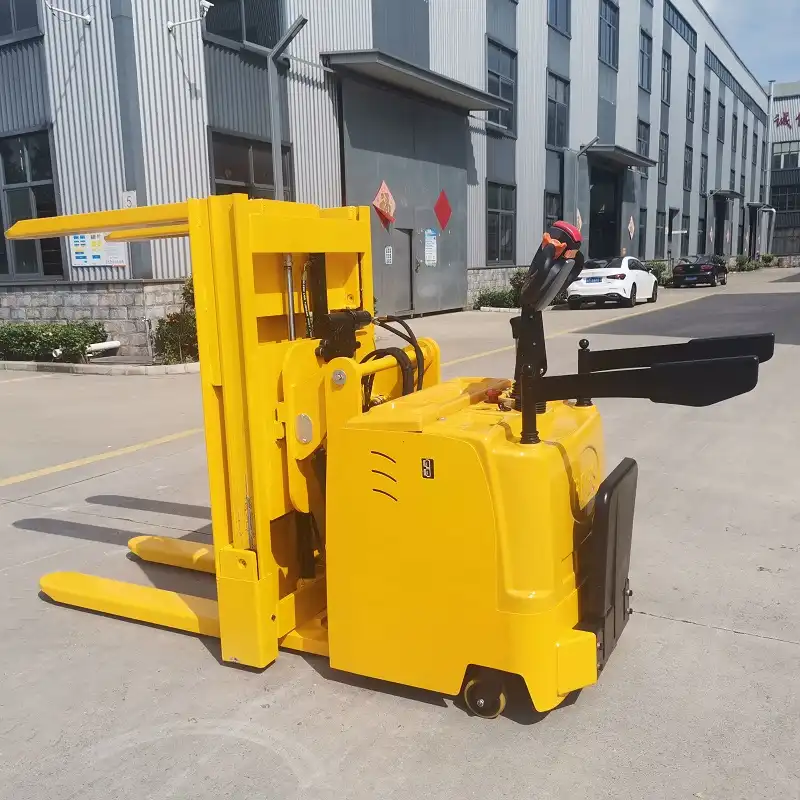
Safety and quality are paramount in any successful operation. Pallet changers offer substantial improvements in both these areas.
- Reduced Manual Handling Risks: Manual pallet changing involves pushing, pulling, lifting, and sometimes even physically upending pallets. This carries a high risk of back injuries, strains, and crushed limbs for workers. Carlos faced exactly these problems in his distribution center, with several accidents already reported. Pallet changers automate these dangerous tasks. They eliminate the need for workers to physically interact with heavy loads during the transfer. This drastically reduces the chance of accidents and injuries. A safer workplace means fewer medical costs. It means fewer lost workdays. It also means happier employees. (Workplace safety, injury prevention, reduced manual labor)
- Prevention of Product Damage: When people handle heavy goods, especially delicate products, mistakes can happen. A dropped box, a misaligned pallet, or an unstable stack can lead to damaged products. This means financial losses and customer dissatisfaction. Pallet changers are designed to handle products smoothly and securely. They use clamps, presses, or inverters that hold the load firmly during the transfer. This gentle yet firm handling minimizes the risk of product damage. It ensures that goods arrive at their destination in perfect condition. This improves overall product quality. (Product integrity, reduced damage, quality assurance)
- Improved Ergonomics: Even without outright accidents, repetitive heavy lifting and awkward postures can cause long-term health problems for workers. Pallet changers improve the ergonomics of the workplace. Workers can operate the machine from a safe distance or a control panel. This reduces physical strain. It also makes the job less demanding. This helps keep workers healthy and productive for longer. It also contributes to a positive work environment. (Ergonomic benefits, reduced strain, worker well-being)
- Compliance with Safety Regulations: Many industries have strict safety regulations for material handling. Adopting automated solutions like pallet changers helps companies comply with these rules. It shows a commitment to worker safety. This can reduce liability risks. It can also lower insurance premiums. For international groups like Carlos’s, compliance across different countries is crucial. Pallet changers help meet these diverse requirements. (Regulatory compliance, reduced liability, industry standards)
- Consistent Process, Consistent Quality: Automated systems offer consistency that manual processes cannot match. Every pallet transfer is performed in the exact same way. This consistency is key for maintaining quality. It reduces variations in how products are handled. It ensures that every item receives the same level of care during its journey through the supply chain. This leads to higher overall quality and fewer issues. (Process consistency, standardized handling, quality control)
I have personally seen how investing in robust packing machines and material handling equipment, like FHOPEPACK’s pallet changers, pays off in terms of safety and quality. It protects both the employees and the products. It strengthens a company’s reputation. It also helps avoid costly recalls or damage claims. (Safety investment, brand reputation, cost avoidance)
What Role Do Pallet Changers Play in Adapting to Diverse Pallet Standards?
Do you ship products internationally, constantly battling with different pallet sizes and types? Is the need to switch between Euro, US, and plastic pallets slowing down your export operations and costing you more?
Pallet changers are essential for businesses dealing with diverse pallet standards, especially in international trade. They provide a quick, efficient, and safe way to transfer goods between different pallet types, such as Euro, US, or plastic pallets. This adaptability ensures compliance with various import regulations and streamlines global logistics, making international shipping much simpler.
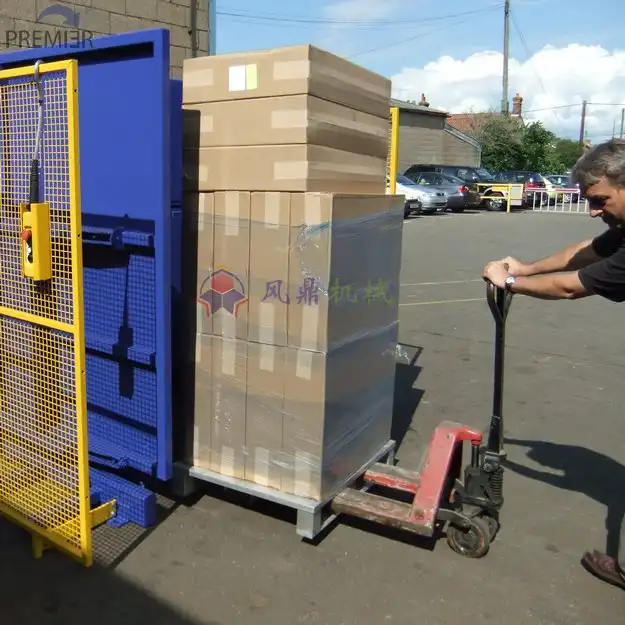
Adapting to diverse pallet standards is a major challenge for global businesses. Pallet changers offer a crucial solution.
- Bridging International Standards: International trade involves many different pallet sizes and types. For instance, European countries mostly use Euro pallets (1200x800mm). The USA and other regions often use US pallets (48×40 inches, or 1219x1016mm). These are not interchangeable for shipping or warehousing. Carlos, managing a European distribution center, faces this issue daily for export business. Pallet changers make it easy to transfer goods from one standard pallet to another. This is crucial for seamless international shipping. It avoids the need to unload and reload goods manually. (International shipping, pallet standardization, global logistics)
- Handling Different Pallet Materials: Beyond size, pallets also come in different materials. Wood pallets are common, but plastic pallets are often preferred for hygiene in industries like food and pharmaceuticals. They are also needed for closed-loop systems. Sometimes, goods arrive on damaged or non-standard pallets. Pallet changers can transfer products from old wooden pallets to new plastic ones, or from damaged pallets to good ones. This ensures all outbound shipments use clean, compliant, and structurally sound pallets. This protects the product and meets hygiene rules. (Pallet material flexibility, hygiene compliance, undamaged pallets)
- Meeting Customer and Carrier Requirements: Many customers or shipping carriers have specific requirements for pallet types. This could be for their automated warehouses or for specific transport methods. If a shipment arrives on the wrong pallet, it can lead to rejections, delays, or extra handling fees. Pallet changers ensure that products are on the correct pallet before they leave the warehouse. This avoids costly problems down the line. It ensures smooth delivery to the final customer. (Customer requirements, carrier compliance, delivery efficiency)
- Optimizing Warehouse Space: Sometimes, incoming goods arrive on very large or unusual pallets that are not suited for a company’s internal racking or automated systems. A pallet changer allows these goods to be transferred to standard internal pallets. This helps optimize warehouse space. It also ensures compatibility with internal material handling equipment. This makes the storage and retrieval process much more efficient. (Warehouse optimization, space utilization, equipment compatibility)
- Increased Speed and Efficiency: Manual pallet changing for diverse standards is incredibly slow and labor-intensive. It needs multiple workers and takes a lot of time. Pallet changers automate this. They perform the transfer quickly and efficiently. This speed is vital for high-volume operations or JIT environments. It ensures that the diversity of pallet standards does not become a bottleneck in the supply chain. This helps maintain a fast flow of goods. (Operational speed, efficiency gains, high-volume operations)
In my years of working with packing machine solutions, I have always emphasized the need for flexibility. Pallet changers embody this. They empower businesses, like Carlos’s, to navigate the complexities of global trade. They do this without sacrificing efficiency or compliance. FHOPEPACK designs pallet changers with this adaptability in mind. (Global trade flexibility, compliance solutions, FHOPEPACK design)
How Can Choosing the Right Pallet Changer Partner Optimize Your Operations?
Are you tired of dealing with suppliers who only sell machines and offer no real support? Do you need a partner who truly understands your warehouse challenges and provides solutions, not just products?
Choosing the right pallet changer partner is crucial for optimizing your operations beyond just buying a machine. A true partner, like FHOPEPACK, offers expertise, flexible solutions, and ongoing support, ensuring the equipment integrates smoothly and continues to perform reliably. This partnership approach helps address your specific challenges and drives long-term success.

Finding the right partner is just as important as choosing the right machine. As Carlos highlighted, he wants a partner who understands his pain points and offers flexible solutions.
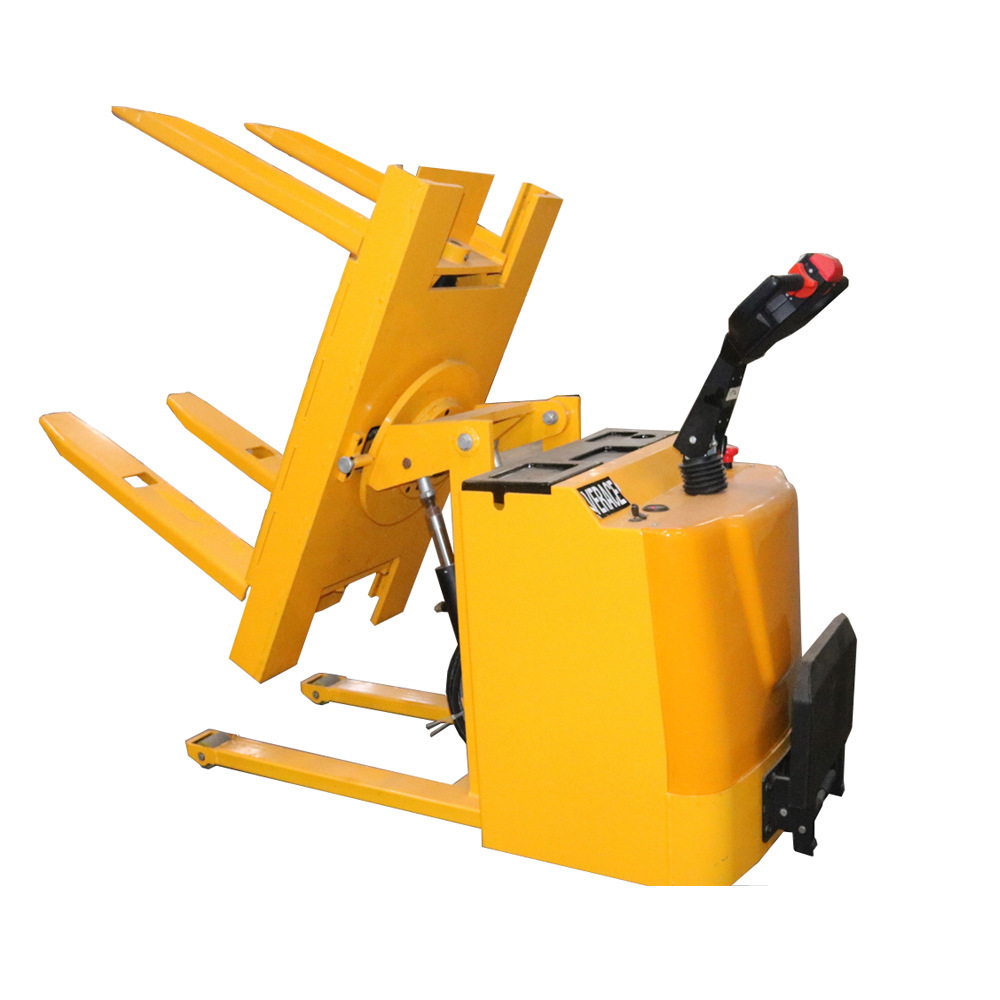
- Expertise and Consultation: A good partner does not just sell machines. They offer deep knowledge of material handling and logistics. They understand Lean and JIT principles. They can assess your specific warehouse layout, operational needs, and future goals. For example, FHOPEPACK, with my background as a packing machine engineer, offers this level of insight. We can help you identify the best pallet changer model and system for your unique situation. This might involve looking at a side-loading pallet changer for high speed, or a mobile unit for flexibility. This expertise ensures you invest in the right solution from the start. (Logistics expertise, tailored solutions, FHOPEPACK consultation)
- Customization and Flexibility: Not all warehouses are the same. Not all products are the same. A reliable partner can offer customized solutions. They can adapt their pallet changers to fit unique pallet sizes, product types, or space constraints. Perhaps you need a fixed unit for a dedicated line, or a mobile pallet changer for versatile use across different areas. This flexibility is key for handling diverse needs, just like Carlos needs for his varied pallet standards. Companies like FHOPEPACK are known for their ability to provide these adaptable systems. (Customized solutions, adaptable equipment, FHOPEPACK flexibility)
- Reliability and Durability: In a high-intensity warehouse environment, equipment must be reliable. Downtime means lost money and missed deadlines. A good partner provides robust, well-built machines that can withstand constant use. They use quality components and offer clear maintenance guidance. I have always prioritized durability in the machines I have worked with. This ensures your pallet changer will run smoothly for years, reducing repair costs and operational disruptions. SHJLPACK is another provider known for sturdy machines in the market. (Equipment reliability, robust construction, FHOJLPACK, SHJLPACK quality)
- Installation and Training Support: The best machine is useless without proper installation and user training. A comprehensive partner provides professional installation services. They make sure the machine integrates seamlessly into your existing lines. They also offer thorough training for your staff. This ensures your team can operate the pallet changer safely and efficiently from day one. This ongoing support is essential for maximum uptime and productivity. It helps you get the most from your investment. (Installation services, comprehensive training, operational efficiency)
- After-Sales Service and Maintenance: The relationship with a partner should not end after the sale. A long-term partner offers strong after-sales support. This includes spare parts availability, technical assistance, and preventative maintenance plans. Carlos specifically mentioned wanting a partner who does not ignore after-sales. This ensures that any issues are quickly resolved. It helps keep your pallet changer in top working condition. This partnership approach is what FHOPEPACK strives for. It builds trust and ensures your long-term operational success. (After-sales support, technical assistance, maintenance plans, FHOPEPACK partnership)
Choosing a partner like FHOPEPACK means you are not just buying a machine. You are gaining a valuable resource. You get someone who is dedicated to helping your business thrive through smart automation and continuous support. This is the difference between a supplier and a true business partner. (Strategic partnership, automation success, business growth)
Conclusion
Pallet changers are critical for Lean Manufacturing and JIT supply chains. They cut waste, improve flow, boost safety, and handle diverse pallet standards. Choosing a dedicated partner like FHOPEPACK ensures you get reliable pallet inverter solutions and expert support, driving true operational excellence and continuous improvement.








