What Is the Typical Load Capacity Range of Industrial Hydraulic Upenders?
Running a factory is tough, especially in heavy industries. You constantly battle bottlenecks, safety hazards, and rising costs. I know this firsthand. Before founding FHOPEPACK, I saw too many businesses struggle with inefficient material handling, leading to lost time and damaged products. It’s a problem that keeps many managers awake at night. (factory challenges, operational bottlenecks, material handling issues)
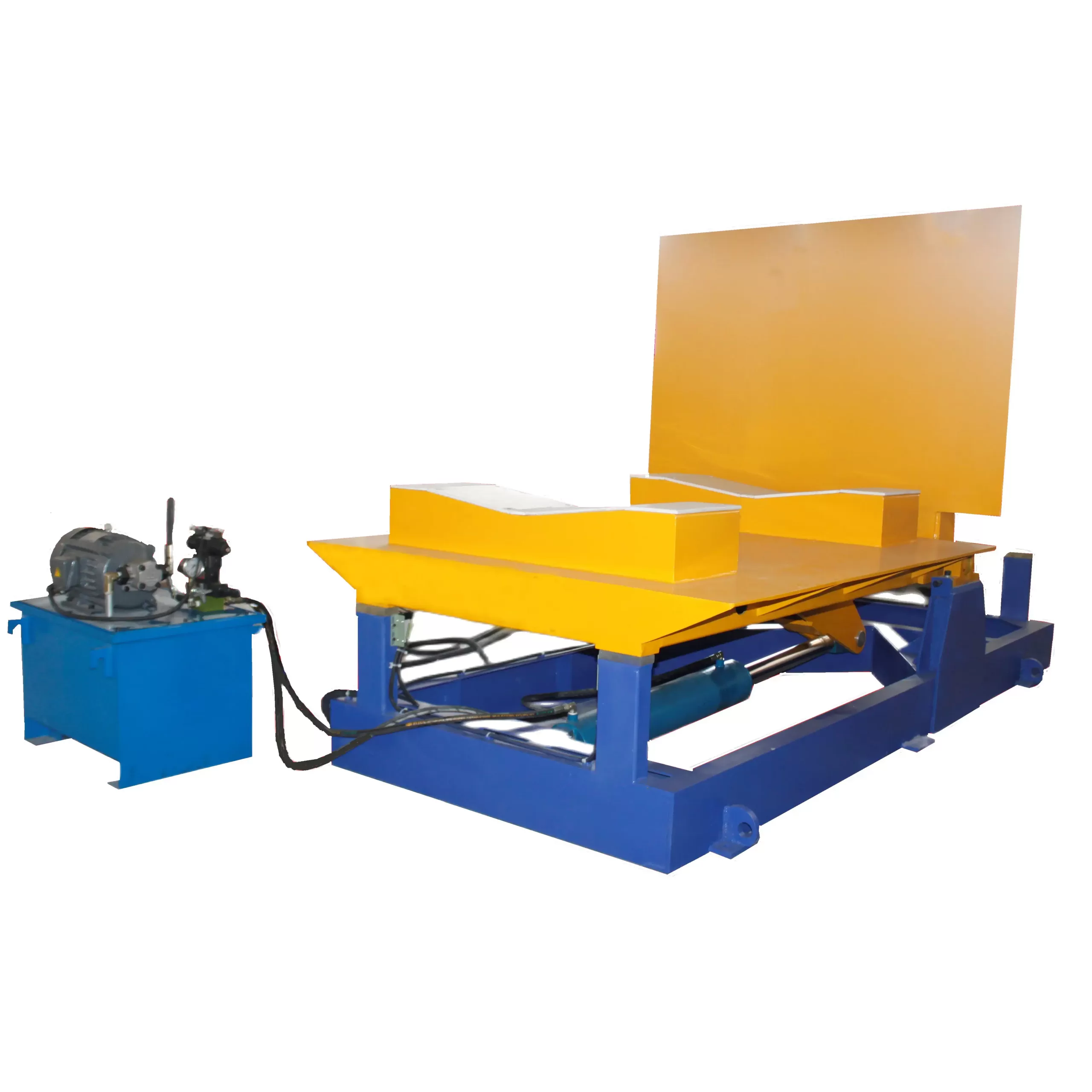
Industrial hydraulic upenders are specialized machines designed to safely and efficiently change the orientation of heavy, bulky loads, typically by rotating them 90 or 180 degrees. Their typical load capacity range is quite broad, starting from lighter capacities around 1,000 kg (2,200 lbs) for smaller applications, extending to medium capacities of 10,000 kg (22,000 lbs), and reaching heavy-duty capacities of 50,000 kg (110,000 lbs) or even more for extremely heavy items like large steel coils, dies, or molds. This wide range ensures that various industries, from metal processing to logistics, can find an upender suitable for their specific weight requirements. (hydraulic upender load capacity, heavy load rotation, industrial weight range)
Understanding the right equipment for the job is not just about moving things; it’s about optimizing your entire production line. If you’re wondering how these powerful machines fit into your operation and what their limits are, keep reading. We will dive deep into the world of industrial hydraulic upenders. (production line optimization, heavy equipment selection, factory manager insights)
1. What Exactly Are Industrial Hydraulic Upenders, And Why Do Factories Need Them?
Are you struggling with inefficient manual handling of heavy items? Does the thought of workers lifting massive coils or molds give you nightmares about workplace injuries? I have seen this scenario many times. Factories need safe, effective ways to reorient bulky materials without risking employee safety or product damage. (manual handling risks, heavy material reorientation, workplace safety)
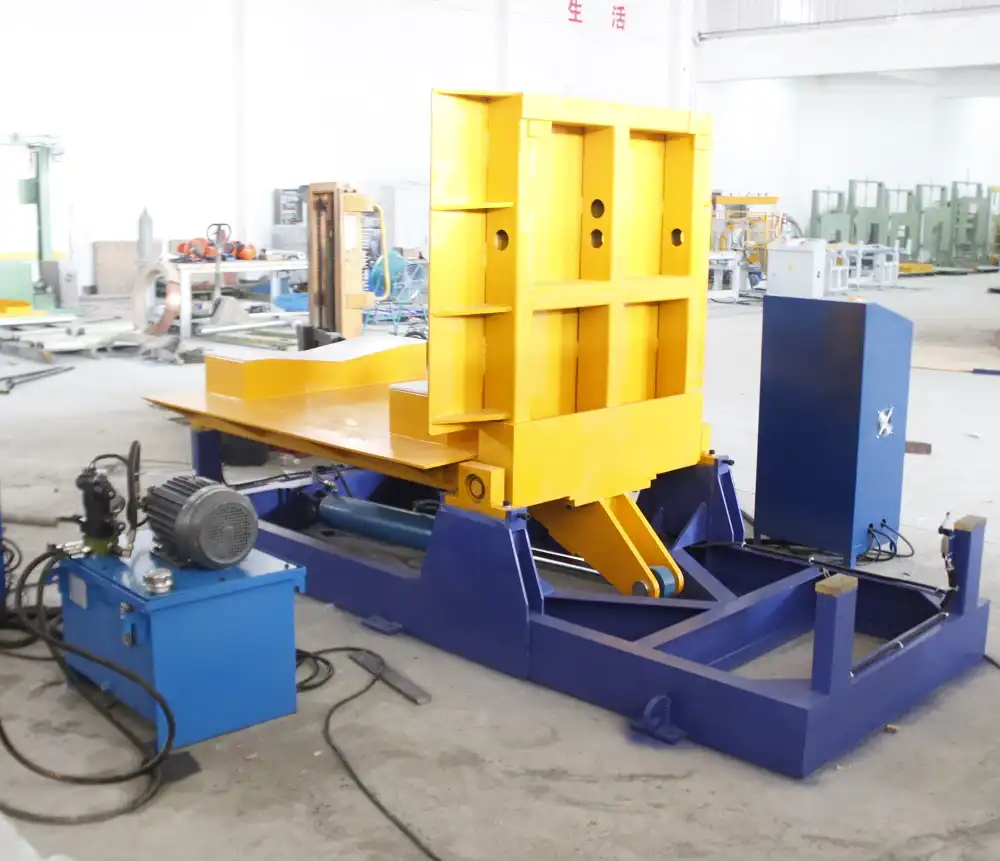
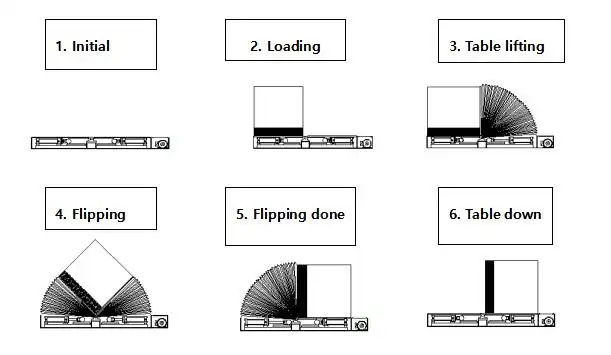
Industrial hydraulic upenders, also known as tilters, coil upenders, or mold flippers, are critical pieces of material handling equipment that use hydraulic power to smoothly and safely rotate heavy objects from a horizontal to a vertical position, or vice versa. These machines are essential in factories because they eliminate the need for dangerous and inefficient manual labor when changing the orientation of heavy items like steel coils, paper rolls, dies, or large metal sheets, significantly enhancing safety, efficiency, and product integrity in industrial processes. (hydraulic material handling, industrial tilters, coil flippers benefits)
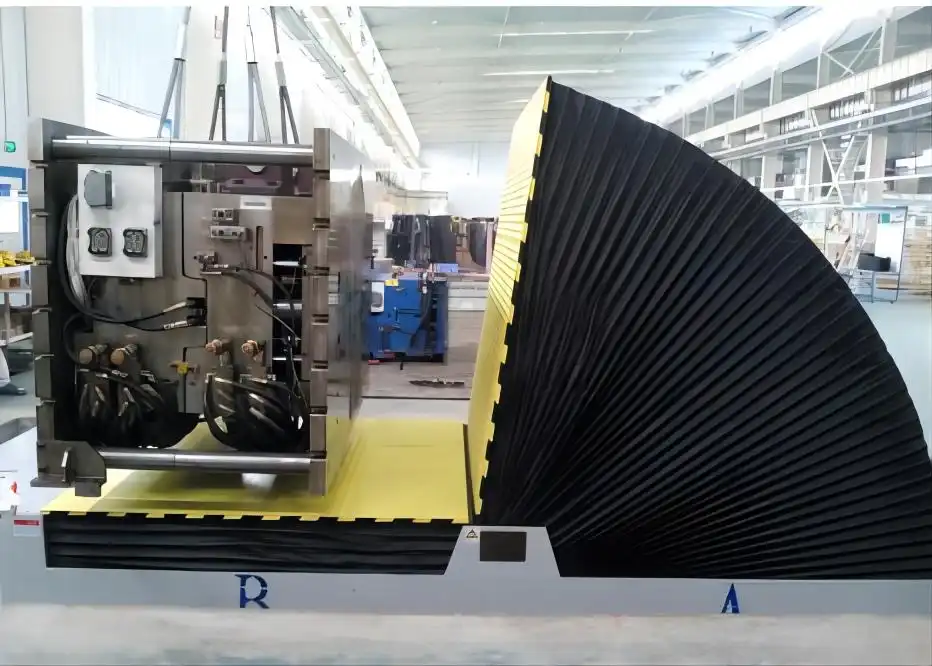
Hydraulic upenders are not just about turning things. They are a cornerstone of modern industrial safety and efficiency. When I was building my packing machine factory, I knew that every piece of equipment had to contribute to a safer, more productive environment. Michael Chen, a factory manager I know in Mexico, deals with similar pressures daily. He needs equipment that can withstand a demanding environment while keeping his team safe. These machines solve his challenges with product damage and worker safety by automating risky tasks. They move heavy loads, like a 20-ton steel coil, without a single person having to touch it manually. This prevents injuries from heavy lifting or dropping materials. They also make the process much faster than using cranes or forklifts for reorientation, which can be slow and unstable. For instance, in a metal stamping plant, a mold upender allows quick, secure loading of heavy dies into presses. This cuts down on expensive downtime. Without them, a factory faces higher labor costs, more accidents, and damaged goods. This directly impacts the bottom line and overall operational stability. These upenders also reduce the risk of damaging sensitive product edges or surfaces during transfer. This is a common issue Michael faces with his steel coils. By using a controlled hydraulic motion, the product stays secure. This prevents customer complaints and financial losses. So, hydraulic upenders are not just tools; they are strategic investments that improve production flow and protect both workers and products. (industrial safety equipment, production efficiency tools, heavy load automation)
The Core Function of Hydraulic Upenders
Hydraulic upenders primarily solve the problem of reorienting heavy objects. This is often needed in many industries. Imagine a large steel coil coming off a production line horizontally, but it needs to be stored or packaged vertically. Or a heavy mold that needs to be loaded into a press from a different angle than it was transported.
Why Factories Cannot Do Without Them:
- Safety First: Manual reorientation of heavy loads is extremely dangerous. It leads to severe injuries, higher insurance costs, and employee turnover. An upender minimizes human interaction with heavy objects.
- Boosted Efficiency: Using cranes or forklifts to reorient items is slow and often requires multiple maneuvers. Upenders do it quickly and precisely, streamlining the workflow.
- Product Protection: Manual handling or unstable methods can damage products, especially sensitive edges of coils or delicate molds. Upenders provide a gentle, controlled rotation.
- Space Optimization: Some materials need to be stored in a specific orientation to save space. Upenders facilitate this without extra effort.
| Feature | Manual Handling | Hydraulic Upender |
|---|---|---|
| Safety | High risk of injury 🤕 | Very low risk, controlled operation ✅ |
| Efficiency | Slow, labor-intensive 🐢 | Fast, automated process 🚀 |
| Product Damage | High potential for scrapes, dents 📉 | Minimal risk, gentle handling 👍 |
| Labor Cost | High, requires multiple workers 💰 | Reduced, minimal operator intervention ⚙️ |
| Precision | Variable, depends on human skill 📏 | High, consistent, accurate rotation 🎯 |
| ROI | Hidden costs from injuries, damage 🚫 | Clear ROI from improved safety, efficiency 📈 |
These machines are essential for anyone dealing with heavy, awkward loads. They provide a clear path to improving safety and efficiency. (heavy material handling safety, factory efficiency solutions, industrial equipment ROI)
2. What Specific Factors Determine the Load Capacity of an Industrial Upender?
Are you concerned about whether a specific upender can truly handle the weight of your heaviest materials? Choosing the wrong capacity can lead to equipment failure, safety hazards, and costly downtime. It is a critical decision that needs careful consideration. (equipment failure risks, incorrect capacity selection, operational safety concerns)
The load capacity of an industrial hydraulic upender is determined by several specific factors, including the structural integrity of its frame and platform, the power and pressure of its hydraulic cylinders, the design of its pivot points and bearings, and the type of motor and pump used. Key considerations also include the distribution of the load, the dynamic forces involved during rotation, and the overall quality of materials and manufacturing processes. For instance, a heavy-duty steel coil upender from FHOPEPACK often features reinforced structural components and high-pressure hydraulic systems to ensure stable handling of extreme weights. (hydraulic upender design, load distribution factors, structural integrity)
%Hydraulic Tilter and Upender for Turning
When I advise clients like Michael Chen, I always emphasize that capacity is not just a number; it is a promise of performance and safety. A poorly matched upender can quickly become a liability. We must look at the whole picture. For example, if you need to flip a 30-ton steel coil, the upender’s frame must be engineered with high-strength steel and robust welding to withstand that static weight. But it also needs to handle the dynamic forces created as the coil rotates. This means the pivot bearings must be oversized and securely mounted. The hydraulic cylinders are the heart of the system; their bore size, rod diameter, and operating pressure directly dictate the lifting force. Michael’s plant in Mexico might experience temperature fluctuations. This requires hydraulic fluids and seals that perform reliably across various conditions. Another critical factor is the motor and pump combination. A powerful motor drives the pump to generate the necessary hydraulic pressure. For continuous, heavy operation, a motor with adequate horsepower and a pump designed for high flow rates are crucial. Without these elements working together, the upender would struggle, overheat, or even fail under stress. This can cause severe delays and safety risks on the production floor. So, a thorough understanding of these components helps ensure you select an upender that not only meets but exceeds your operational demands, providing long-term reliability and peace of mind. (upender engineering, hydraulic system components, industrial equipment reliability)
Key Factors Influencing Upender Load Capacity:
2.1. Structural Design and Materials
- Frame Reinforcement: The thickness and grade of steel used for the upender’s base, arms, and platform are paramount. Heavy-duty units use high-tensile steel to prevent bending or deformation under stress.
- Welding Quality: Strong, consistent welds are crucial. Any weak points can lead to catastrophic failure.
- Platform Design: The surface where the load rests must be robust enough to support the weight evenly and prevent localized stress. Some platforms are designed with special anti-slip coatings or V-grooves for round objects like coils.
2.2. Hydraulic System Specifications
- Cylinder Strength: The number, size (bore and rod diameter), and stroke length of the hydraulic cylinders directly determine the lifting and tilting force. Larger cylinders mean higher capacity.
- Operating Pressure: The maximum hydraulic pressure the system can generate is vital. Higher pressure allows for more force from smaller cylinders or greater force from larger ones.
- Pump and Motor: The electric motor powers the hydraulic pump. The pump’s flow rate and the motor’s horsepower must be adequate for the required lifting speed and load.
- Valve System: High-quality valves ensure precise control over movement and can include safety features like load-holding valves to prevent dropping in case of power failure.
2.3. Bearing and Pivot Point Engineering
- Robust Bearings: The pivot points where the upender rotates must have heavy-duty bearings capable of handling significant radial and axial loads. These prevent wear and tear and ensure smooth operation.
- Shaft Strength: The shafts connecting the rotating parts must be sufficiently strong to prevent shearing or bending.
2.4. Load Characteristics
- Load Distribution: An upender rated for 20,000 kg might struggle if a 20,000 kg load is poorly balanced or has a very high center of gravity.
- Dynamic Forces: During rotation, inertial forces add stress. The design must account for these dynamic loads, not just static weight.
- Shape of Load: Specific designs, like V-cradles for coils or flat tables for molds, optimize contact and stability.
Understanding these details helps in making an informed decision, ensuring the upender purchased will not only function but will do so safely and reliably for years. (upender structural integrity, hydraulic power components, industrial load dynamics)
3. How Do You Choose the Right Hydraulic Upender Capacity for Your Factory’s Needs?
Are you unsure how to match an upender’s capacity with your actual operational demands? Overlooking specific requirements can lead to either an underperforming machine or an unnecessarily expensive one. Making the right choice is crucial for efficiency and budget. (equipment matching challenges, operational requirement assessment, budget-conscious purchasing)
To choose the right hydraulic upender capacity for your factory’s needs, you must first accurately assess the maximum weight and dimensions of the heaviest and largest items you plan to handle. Consider both the static weight and any dynamic forces during rotation. Beyond weight, evaluate the physical dimensions of the load, the required orientation changes, and the frequency of use. For example, if Michael Chen’s factory handles 25-ton steel coils daily, he needs an upender with a rated capacity of at least 30-35 tons, offering a safety margin, along with a platform specifically designed for coil stability and continuous heavy-duty operation. Consulting with experienced suppliers like FHOPEPACK ensures you get a solution tailored to your specific process and future growth. (upender capacity selection, heavy item dimensions, future growth planning)
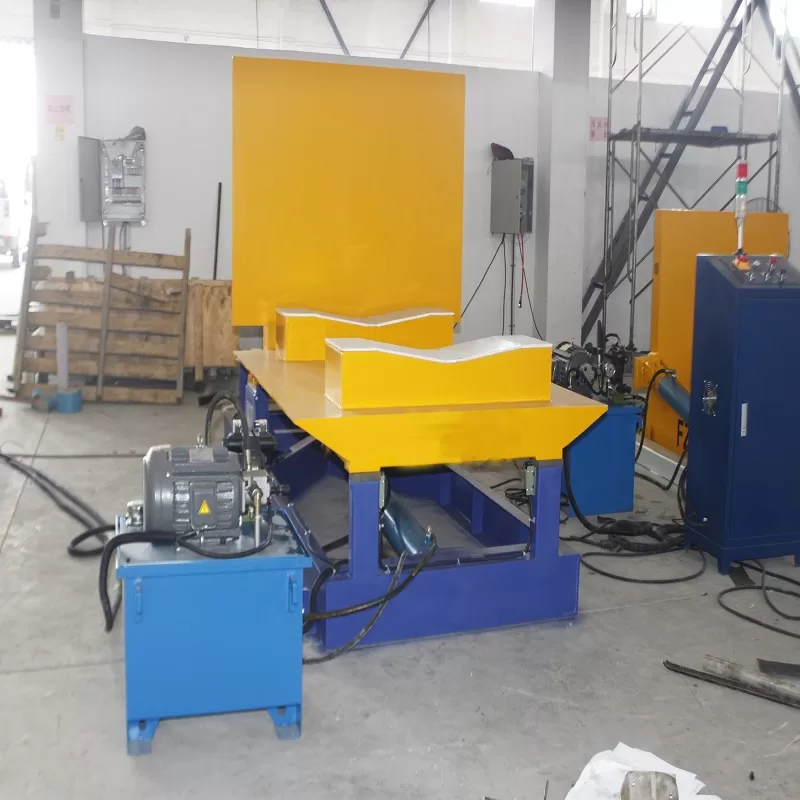
Selecting the right upender is a strategic investment. When Michael first approached me about his metal processing plant, his biggest concern was not just capacity but also reliability and long-term value. He had bad experiences with vendors who only focused on sales. I told him we must look beyond just the weight limit. You need to consider the load’s center of gravity and how stable it will be during the tilt. For example, a tall, narrow object might be lighter, but it could be harder to balance than a heavier, wider one. The operating environment also plays a huge part. Is your factory dusty, humid, or prone to extreme temperatures? These conditions demand specific materials and hydraulic components that can withstand such stress. Michael’s plant in Mexico operates in varying conditions. This requires robust sealing and corrosion resistance. Also, think about future needs. Will your product sizes or weights increase in the next five to ten years? Investing in an upender with a slightly higher capacity than your current maximum can save you from premature replacement. Finally, consider the integration with your existing production line. The upender must fit seamlessly, both physically and in terms of operational flow. This includes the height of conveyors or loading docks. A detailed assessment prevents bottlenecks and ensures smooth transitions, maximizing your overall factory efficiency. (strategic equipment investment, industrial environment considerations, future scalability planning)
A Step-by-Step Guide to Capacity Selection:
3.1. Determine Your Maximum Load Requirements
- Heaviest Item: Identify the absolute heaviest item you will ever need to reorient. Always add a safety margin of at least 15-20% to this weight.
- Largest Dimensions: Measure the length, width, and height of your largest items. This determines the required platform size and opening of the upender.
- Load Type: Is it a coil, a mold, a palletized load, or something else? This affects the upender’s design (e.g., V-cradle vs. flat table).
3.2. Analyze Your Operational Environment
- Frequency of Use: Will the upender operate continuously, multiple times an hour, or only a few times a day? Heavy-duty, continuous operations require more robust components.
- Environmental Conditions: Dust, moisture, extreme temperatures, or corrosive agents require specific materials, seals, and protective coatings for longevity.
- Power Availability: Ensure your facility has the correct electrical power (voltage, phase) for the upender’s motor.
3.3. Evaluate Specific Features and Safety
- Rotation Angle: Do you need 90-degree, 180-degree, or custom rotation?
- Loading Method: Will it be loaded by crane, forklift, or conveyor? The upender’s design must accommodate this.
- Safety Features: Look for emergency stops, safety interlocks, overload protection, and anti-fall devices. These are crucial for preventing accidents.
- Automation Level: Do you need manual, semi-automatic, or fully automatic operation?
3.4. Consult with Experts and Check ROI
- Supplier Expertise: Work with reputable manufacturers like FHOPEPACK who understand your industry and can offer tailored solutions. They can help you calculate the ROI based on reduced labor, fewer damages, and increased efficiency. Other reliable options include SHJLPACK and CNBHPAC.
- Customization: If your needs are unique, discuss customization options. A standard upender might not always be the perfect fit.
By following these steps, you can confidently select an upender that not only handles your current loads but also supports your factory’s growth and operational goals. (industrial equipment consultation, customized solutions, production line integration)
4. What Benefits Do Optimized Hydraulic Upender Capacities Bring to Factory Operations?
Are you still relying on outdated or undersized equipment for heavy material handling? This can be a huge drain on your budget, lead to frequent breakdowns, and put your workers at risk. Upgrading to an optimized hydraulic upender capacity offers a clear path to significant operational improvements. (outdated equipment issues, heavy material handling upgrades, operational improvement benefits)
Optimized hydraulic upender capacities bring significant benefits to factory operations, primarily by improving safety, boosting efficiency, and reducing operational costs. By accurately matching the upender’s capacity to the heaviest loads and specific operational demands, factories eliminate risks associated with overloading, prevent equipment wear and tear, and ensure smooth, uninterrupted material flow. For instance, in a large metal processing plant like Michael Chen’s, using an FHOPEPACK upender with the correct capacity prevents costly product damage during coil handling, drastically cuts down on manual labor, and minimizes downtime caused by machine failures, directly enhancing profitability and worker morale. (optimized upender advantages, factory profitability, worker safety improvements)
When I started FHOPEPACK, my mission was to help businesses achieve financial independence through smart investments in reliable equipment. An upender with optimized capacity is exactly that kind of investment. Think about Michael’s challenges. He deals with product loss from damaged coil edges and high labor costs for manual handling. An upender that is precisely matched to his 25-ton coils will not only move them safely but also reduce damage to zero. This saves him money directly from reduced scrap and fewer customer complaints. Furthermore, the correct capacity means the machine operates within its design limits. This translates to less stress on hydraulic components, longer lifespan for motors and bearings, and significantly less frequent maintenance. Imagine a situation where an upender is consistently overloaded; it will break down often, leading to unexpected downtime and expensive emergency repairs. An optimized upender, however, runs smoothly, reducing energy consumption because it’s not constantly straining. It also frees up valuable labor. Instead of several workers struggling to flip a heavy pallet, one operator can manage the upender. Those freed workers can be reassigned to more productive tasks. This shift dramatically improves overall factory output and reduces labor costs. The return on investment (ROI) is clear and measurable, showing up in reduced insurance premiums, fewer lost-time incidents, and a more productive workforce. This is exactly what Michael Chen is looking for: tangible improvements that impact his bottom line. (ROI equipment investment, industrial safety dividends, production efficiency gains)
The Transformative Benefits:
4.1. Enhanced Safety & Reduced Risk
- Eliminates Manual Handling Risks: Workers no longer need to manually lift or reorient heavy objects, drastically reducing sprains, strains, and crush injuries.
- Prevents Overload Accidents: An upender with the correct capacity won’t be pushed beyond its limits, preventing structural failures or accidental load drops.
- Stable & Controlled Operation: Hydraulic systems provide smooth, precise movements, reducing the risk of loads shifting unexpectedly.
4.2. Increased Operational Efficiency
- Faster Cycle Times: Automated tilting is significantly faster than manual methods, speeding up production and delivery.
- Reduced Bottlenecks: Smooth material flow at critical points, like between processing and packaging, eliminates delays.
- Consistent Performance: Reliable operation means less downtime due to equipment failure or manual handling errors.
4.3. Significant Cost Savings
- Lower Labor Costs: Fewer workers are needed for heavy lifting tasks, allowing for reassignment to more value-added roles.
- Reduced Product Damage: Controlled handling protects valuable materials from scratches, dents, and deformities, minimizing scrap and customer returns.
- Lower Maintenance & Repair Costs: Equipment operating within its rated capacity experiences less wear and tear, leading to longer service life and fewer unexpected repairs.
- Reduced Insurance Premiums: Fewer workplace accidents can lead to lower insurance rates over time.
4.4. Improved Workforce Morale
- Safer Working Environment: Employees appreciate a workplace that prioritizes their safety, leading to higher job satisfaction.
- Less Physical Strain: Workers are spared from strenuous and repetitive tasks, reducing fatigue and long-term health issues.
| Benefit Area | Impact of Optimized Capacity |
|---|---|
| Safety | Drastically reduces workplace injuries, preventing costly claims. |
| Efficiency | Accelerates material flow, minimizes bottlenecks, speeds up production. |
| Cost Savings | Lowers labor expenses, cuts product damage, extends equipment life. |
| Product Quality | Preserves material integrity, reduces customer complaints. |
| Longevity | Ensures equipment operates without excessive stress, lasting longer. |
These benefits collectively contribute to a more robust, profitable, and safer manufacturing environment. This is the kind of transformation I always strive to bring to our clients at FHOPEPACK. (manufacturing environment improvement, factory ROI, industrial automation benefits)
Conclusion
Industrial hydraulic upenders offer diverse load capacities essential for factory safety and efficiency. Choosing the right capacity prevents damage, enhances worker safety, and boosts your bottom line. Investing wisely improves operations, much like integrating a modern coil wrapping machine optimizes your packing lines. (factory efficiency, safety, cost savings)