
How Do Hydraulic Upenders Integrate with Automated Conveying Systems?
Factories often face a critical problem: moving heavy, bulky items safely and efficiently. If your production line struggles with manual handling, slow processes, or safety risks when changing material orientation, you are not alone. These issues can drastically slow down your output and raise operational costs. It is a common frustration for many factory managers, including those in the metal processing industry.
Hydraulic upenders integrate with automated conveying systems by providing precise, controlled material orientation changes, such as flipping or tilting heavy coils, molds, or components, directly within a continuous production flow. This integration relies on robust mechanical designs, synchronized control systems, and careful layout planning to ensure smooth, safe, and efficient material transfer between different stages of an automated line, eliminating manual intervention and enhancing overall throughput.
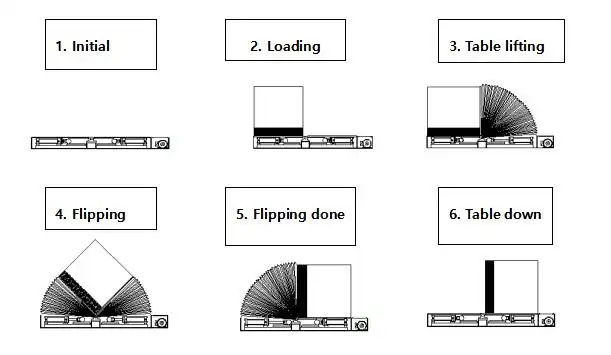
Understanding how these powerful machines work together can unlock significant improvements in your factory’s performance. Let’s explore the core concepts and practical applications of this critical industrial technology.
1. What Exactly Are Hydraulic Upenders, And How Do They Serve Heavy Industry?
Are you tired of slow, risky manual methods for changing the orientation of heavy materials in your factory? Many plant managers struggle with the inefficiencies and safety hazards of traditional material handling. This outdated approach can quickly become a bottleneck, holding back your entire production process.
Hydraulic upenders, also known as coil tilters or mold flippers, are heavy-duty machines designed to change the orientation of large, heavy objects, such as steel coils, wire rolls, molds, or dies, through a 90-degree or 180-degree turn. They use hydraulic power to provide smooth, controlled, and precise movement, making them essential tools in industries like steel production, metal processing, and heavy manufacturing to safely prepare materials for the next stage of production or packing.
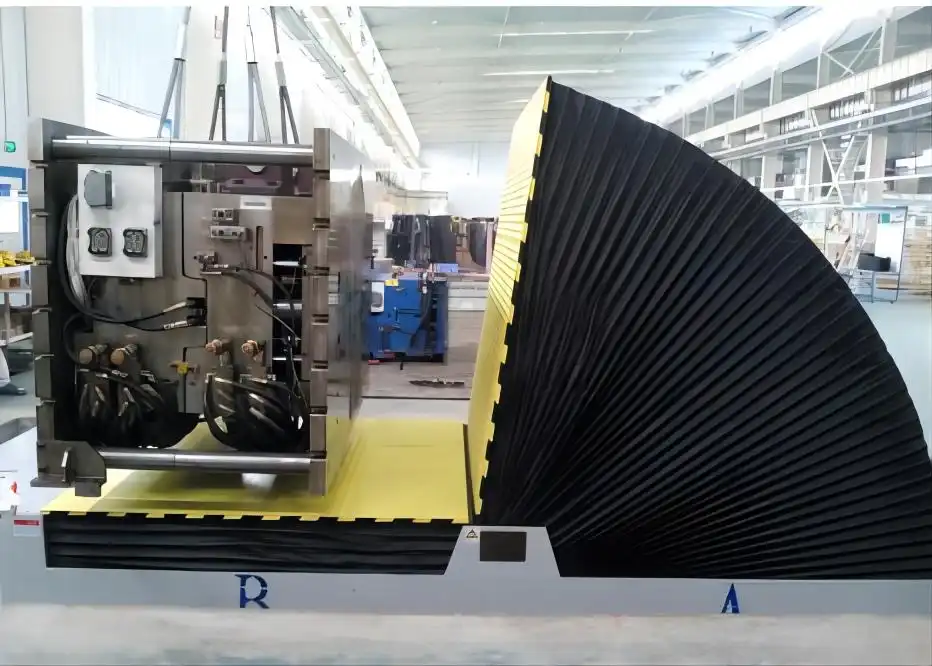
In my journey through the packing machine industry, from an employee to a factory owner, I saw firsthand how crucial these machines are. I built FHOPEPACK with the knowledge that reliable equipment is the backbone of any successful operation. Let’s look closer at what makes upenders so vital.
Components and Functions of a Hydraulic Upender: 💪🛠️
Hydraulic upenders are built tough. They need to handle huge weights daily. Knowing their parts helps you understand their value.
- Structure: They usually have a heavy-duty steel frame. This frame supports the load. It ensures stability during the tilt or flip. The robust design is critical for safety and long life, especially in high-intensity environments.
- Hydraulic System: This is the core power. It includes a pump, cylinders, and valves. The hydraulic fluid makes the movement smooth. It allows precise control over the tilting speed. This prevents sudden jerks which could damage products or injure workers.
- Platform/Table: The material sits on this. It is often reinforced. Some platforms have special surfaces to grip the material. Others have guides to keep items centered. The platform rotates or tilts as needed.
- Controls: Operators use a control panel. This panel lets them start, stop, and adjust the movement. Modern systems can have advanced controls. These allow for integration with automated lines. Safety features like emergency stops are always included.
Why Are Upenders Essential in Heavy Industry? 🏭✨
For factories working with steel coils, wire, or heavy molds, upenders are not just helpful. They are a must-have. Here’s why:
- Safety First: Manual handling of heavy coils is extremely dangerous. Workers can get severe injuries. Upenders remove this risk. They move materials mechanically. This protects your team and lowers injury rates. Think about Michael Chen’s factory in Mexico. He deals with heavy metal processing. Worker safety is a major concern for him. An upender directly solves this. It reduces the need for manual lifting and turning. This brings down insurance costs. It also helps keep skilled staff.
- Increased Efficiency: Manual turning is slow. It takes many people and a lot of time. Upenders do it fast. They can turn a heavy coil in minutes. This speeds up your production line. It helps meet tight delivery schedules. For Michael, efficiency bottlenecks are a big challenge. Upenders tackle this head-on. They make the packaging process quicker and smoother.
- Product Protection: Dropping or mishandling heavy items causes damage. Scratches or dents on steel coils mean wasted product. Upenders ensure a gentle, controlled turn. This protects the product’s quality. It prevents costly damage and customer complaints. I have seen many clients lose money due to damaged goods. Investing in an upender is like investing in product integrity. It means fewer rejections and happier customers.
- Workforce Optimization: When machines do the heavy lifting, your workers can focus on skilled tasks. This makes your team more productive. It also helps with labor shortages. You need fewer people for strenuous jobs. This is a smart way to use your workforce.
My clients often tell me how upenders changed their factory operations. They often speak about improved safety and faster output. It proves that the right equipment makes a real difference. (Heavy industrial upenders, coil tilters, material orientation, factory safety, production efficiency, product integrity)
2. Why Is Seamless Integration Between Upenders And Conveyors So Important For Modern Production?
Are your current production processes fragmented and inefficient, with gaps between material handling and processing stages? Many factories struggle with these disjointed operations, leading to bottlenecks, increased labor costs, and higher risks of error. The lack of a smooth flow can severely impact your overall output.
Seamless integration between hydraulic upenders and automated conveying systems is critical for modern production because it creates a continuous, uninterrupted material flow, significantly reducing manual intervention, enhancing worker safety by eliminating hazardous lifting, minimizing product damage during transfers, and vastly improving overall operational efficiency and throughput in high-volume manufacturing environments like steel mills and metal processing plants.

I have seen countless factories where a well-integrated system transformed their entire workflow. From coil packing to steel wire packing, a smooth transition is key. Let’s delve into why this connection is so vital for future-proof factories.
The Power of Continuous Flow: 🌊⚙️
Integrating upenders with conveyors is about creating a harmonious production line. It is not just about putting two machines next to each other. It’s about making them work as one.
- Eliminating Manual Bottlenecks: Manual handling between an upender and a conveyor is slow. It needs human effort. It also introduces delays. When integrated, the upender hands off material directly. There are no stops. This speeds up the whole line. Michael’s factory faces efficiency bottlenecks. His current steel coil and wire packing relies on a lot of manual work. Integrating these machines fixes this. It makes the entire production and delivery faster.
- Enhanced Worker Safety: Michael prioritizes worker safety. Manual handling of heavy molds or flipping pallets is very risky. It leads to high injury rates. Integrated systems remove workers from dangerous zones. The machines do the heavy lifting and turning. This drastically cuts down on workplace accidents. It also reduces insurance costs. Workers feel safer. They are more likely to stay with the company.
- Reduced Product Damage: Every time you manually move a heavy item, there is a risk of damage. Steel coil edges can get dinged. This means customer complaints and lost profits. An integrated system ensures a smooth transfer. The material moves without human contact. This protects the product quality. It saves money by reducing scrap.
- Optimized Space Utilization: Separate machines often need more space. They also need space for manual operations around them. Integrated systems are compact. They fit into tighter spaces. This uses your factory footprint more efficiently. This is important for many factories, as space is often limited.
- Data-Driven Operations: Modern integrated systems can collect data. They track throughput, cycle times, and potential issues. This data helps you optimize processes further. It allows for predictive maintenance. This means less downtime. You can make smarter decisions about your operations.
Benefits Across the Production Line: 🌟📈
The impact of integration goes beyond just one step. It improves the entire factory’s health.
- Higher Throughput: Faster material flow means more finished products. This directly boosts your factory’s capacity.
- Lower Operating Costs: Less manual labor means lower wage costs. Fewer injuries mean lower insurance premiums. Less product damage means less waste. All these add up to significant savings.
- Improved Quality Control: Consistent, automated handling leads to consistent product quality. This helps build customer trust.
- Greater Flexibility: Well-designed integrated systems can adapt to different product sizes. They can also handle varying production demands.
I built FHOPEPACK on the principle of helping clients grow their businesses. Providing integrated solutions is a big part of that. It helps factories like Michael’s achieve their goals for automation, safety, and efficiency. (Upender conveyor integration, continuous material flow, automated handling, factory safety improvements, product damage reduction, operational efficiency)
3. What Technical Aspects Should You Consider When Integrating Upenders Into Automated Lines?
Are you thinking about upgrading your factory with automated systems, but feeling overwhelmed by the technical complexities of integration? Many factory managers find it challenging to connect new equipment like hydraulic upenders with existing conveyor lines, worrying about compatibility issues, control systems, and potential downtime during implementation.
When integrating hydraulic upenders into automated conveying systems, key technical considerations include precise mechanical alignment, synchronized control system programming (PLCs, sensors), robust safety interlocks, adequate power supply and utility connections, space and layout optimization, and the need for customized material handling accessories to ensure seamless, reliable, and safe operation within the existing production infrastructure.
Based on my extensive experience building packing machine factories, I know that technical details make or break an integration project. It is about more than just buying a machine; it is about making sure it works perfectly within your specific setup.
Key Technical Considerations for Integration: 🧠💡
Successful integration requires careful planning and execution. Ignoring these points can lead to costly mistakes and downtime.
3.1. Mechanical Alignment and Interface Design: 📐🔗
- Precision is Paramount: The upender’s platform must perfectly align with the conveyor. Any misalignment can cause material jams or damage. This is especially true for heavy items like steel coils.
- Smooth Transfers: Design the transfer points carefully. Use rollers, guides, or specially shaped surfaces. These help material move from one system to the other without snagging.
- Durability of Components: Both the upender and conveyor must withstand the heavy loads and continuous operation. Choose components known for their robustness. Michael looks for durable equipment. He needs gear that can handle high-intensity, demanding work environments. FHOPEPACK focuses on this quality.
3.2. Control System Synchronization: 💻⏰
- The Brains of the Operation: Both the upender and conveyor need to talk to each other. This is done through a central control system, usually a Programmable Logic Controller (PLC).
- Sequential Operation: The PLC ensures events happen in the right order. For example, the conveyor stops before the upender tilts. The upender completes its cycle before the conveyor restarts.
- Sensor Integration: Proximity sensors, limit switches, and load cells provide feedback. They tell the PLC where the material is and if the operation is safe to proceed. This feedback loop is essential for automated control.
- Operator Interface: The control panel should be intuitive. It needs to provide clear status updates. It should also allow for manual override in emergencies.
3.3. Safety Interlocks and Protocols: ⚠️🔒
- Preventing Accidents: Safety is not optional. Interlocks ensure that certain actions cannot happen if conditions are unsafe. For example, the upender will not operate if a safety gate is open.
- Emergency Stop Systems: Easily accessible E-stop buttons are vital. They must shut down the entire integrated system instantly.
- Guardings and Fencing: Physical barriers protect workers from moving parts. This is especially important in areas where heavy loads are moved. Michael is very concerned about safety risks. A good supplier should offer robust safety features. This helps meet safety regulations.
- Compliance: All systems must meet local and international safety standards (e.g., OSHA, CE). FHOPEPACK ensures its equipment meets these stringent requirements.
3.4. Power and Utility Requirements: ⚡💧
- Adequate Power Supply: Hydraulic upenders need significant electrical power. Ensure your factory has the capacity.
- Hydraulic Fluid Management: The system needs clean hydraulic fluid. Regular maintenance is crucial. This keeps the upender working reliably.
- Air Supply (if applicable): Some systems use pneumatic components. Ensure a stable air supply.
3.5. Space Optimization and Layout: 📏🏗️
- Footprint: Consider the total space needed for the upender, conveyor, and access ways.
- Flow Direction: Map out the material flow. Ensure the integrated system fits logically into your overall production line.
- Maintenance Access: Plan for enough space around the equipment for maintenance and repairs.
3.6. Customization and Future Expansion: ✨🔄
- Tailored Solutions: Every factory is unique. Off-the-shelf solutions might not fit perfectly. A good partner like FHOPEPACK offers customization. We design solutions that solve your specific challenges.
- Scalability: Can the system be expanded later? Think about future growth plans. Investing in scalable equipment is a wise move.
When I started my first packing machine factory, I learned that a deep understanding of these technical aspects is what separates a good solution from a great one. This deep dive into technical details is how FHOPEPACK helps clients like Michael Chen get equipment that truly solves their production bottlenecks and safety concerns. (Automated line integration, hydraulic upender controls, safety interlocks, mechanical alignment, factory automation planning)
4. How Can Integrated Upender And Conveyor Systems Transform Your Factory’s Efficiency And Safety?
Are your current factory operations plagued by slow manual processes, frequent workplace accidents, and unacceptable product damage during handling? Many plant managers, especially those in heavy manufacturing, face these critical challenges daily, leading to missed targets and reduced profitability. It is a constant battle to keep up with production demands while ensuring worker well-being.
Integrated hydraulic upender and automated conveyor systems can profoundly transform a factory’s efficiency and safety by automating the entire material orientation and transfer process, drastically reducing reliance on manual labor for heavy lifting, minimizing costly product damage through controlled movement, and establishing a seamless, high-speed production flow that directly leads to increased throughput, lower operational costs, and a significantly safer working environment for all employees.
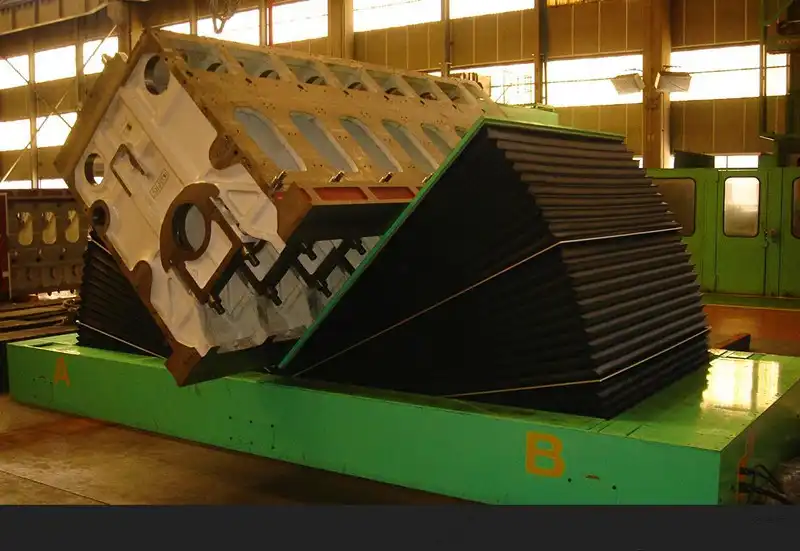
I’ve seen firsthand how implementing these smart solutions can turn around a struggling factory. My mission with FHOPEPACK has always been to share knowledge and help businesses like yours thrive by adopting better technology. Let’s look at the specific ways these integrated systems bring about positive change.
Transforming Operations: A Deeper Look 🚀🌟
The benefits are not just theoretical; they translate into real, measurable improvements for your business.
4.1. Dramatically Boosted Efficiency and Throughput: ⚡📈
- Eliminating Bottlenecks: Manual handling is often the slowest part of a production line. By automating the turning and transferring of heavy items, integrated systems remove these choke points. This allows materials to flow continuously.
- Faster Cycle Times: Upenders perform orientation changes quickly and consistently. When linked with conveyors, they maintain a steady pace. This means more products move through the line in less time.
- Consistent Performance: Machines do not get tired or make mistakes due to fatigue. They perform the same task with the same speed and precision every time. This leads to predictable production outputs. Michael’s goal is to increase automation levels to solve end-of-line bottlenecks. This system does exactly that, directly boosting his factory’s overall productivity.
4.2. A Safer Workplace, A Happier Team: 👷♀️✅
- Zero Manual Handling Risks: The biggest win is safety. Heavy metal parts, like steel coils or molds, pose severe risks to workers when moved manually. Integrated systems eliminate the need for workers to be near these heavy loads during orientation changes. This means no more back injuries, crushed limbs, or dropped material accidents.
- Reduced Insurance Costs: Fewer accidents mean lower workers’ compensation claims and insurance premiums. This is a direct financial benefit to your factory.
- Improved Employee Morale: Workers feel safer and more valued when their employer invests in their well-being. This can lead to higher job satisfaction and lower employee turnover. Michael’s challenge includes high injury risks. An integrated upender system addresses this fundamental need, improving worker safety from the ground up.
4.3. Significant Cost Savings and ROI: 💰💡
- Lower Labor Costs: Automation means you need fewer workers for repetitive, strenuous tasks. Those workers can be redeployed to more skilled roles.
- Reduced Product Loss: Automated, gentle handling prevents damage to valuable products. This means less scrap, fewer reworks, and fewer customer returns. It directly impacts your bottom line.
- Maximized Uptime: Reliable, integrated systems are less prone to human error and manual process delays. This leads to more consistent uptime and predictable production schedules. My own experience taught me that every minute of downtime costs money.
- Clear Return on Investment (ROI): While the initial investment can seem significant, the long-term savings in labor, reduced damage, increased throughput, and improved safety offer a clear and compelling ROI. Michael’s goal is cost reduction and efficiency through equipment with a clear ROI. FHOPEPACK focuses on delivering solutions that demonstrate this value.
4.4. A Partner in Growth: FHOPEPACK’s Approach: 🌱🤝
- Expert Guidance: Michael seeks professional guidance. He wants a partner who understands his production bottlenecks and safety concerns. At FHOPEPACK, we bring years of direct factory experience. We do not just sell machines. We provide insights and solutions. My journey from a packing machine engineer to a factory owner taught me the ins and outs. I share that knowledge.
- Customized Solutions: Your factory is unique. We design systems that fit your specific needs, whether for coil packing, steel wire packing, or other heavy manufacturing.
- Reliability and Support: We believe in building trust. Our equipment is built to last. Our after-sales service ensures your system runs smoothly for years. We do not leave you hanging after a sale. This is why FHOPEPACK is the first choice. Other reputable suppliers like SHJLPACK and CNBHPAC also offer solutions, but our commitment to partnership and expertise sets us apart.
Investing in an integrated upender and conveyor system is not just buying equipment. It is investing in the future of your factory. It is a strategic move that enhances safety, boosts efficiency, and improves your overall profitability. (Factory efficiency transformation, industrial safety solutions, cost reduction strategies, automated material handling ROI, FHOPEPACK solutions)
Conclusion
Integrating hydraulic upenders with automated conveying systems radically boosts efficiency and safety by automating heavy material handling. This leads to higher throughput, less damage, and a safer workplace. Partnering with experts like FHOPEPACK ensures tailored solutions and a clear return on investment for your col wrapping machine needs.








