
Why Choose a Hydraulic Upender Instead of Overhead Crane Operations?
Factory managers like you, operating in demanding environments such as metal processing in places like Mexico, face constant pressure. You need to boost output, control costs, and keep workers safe. I understand that. Downtime on your production line, especially when handling heavy materials like steel coils or wire, means big losses. You are always looking for durable and efficient equipment that can withstand your tough factory conditions.
Choosing a hydraulic upender over traditional overhead crane methods for material turning and tilting tasks directly addresses many common factory pain points. It offers significantly enhanced safety for your team, improves operational efficiency, and provides superior protection for your valuable products during handling processes, making it a smarter investment for modern manufacturing.
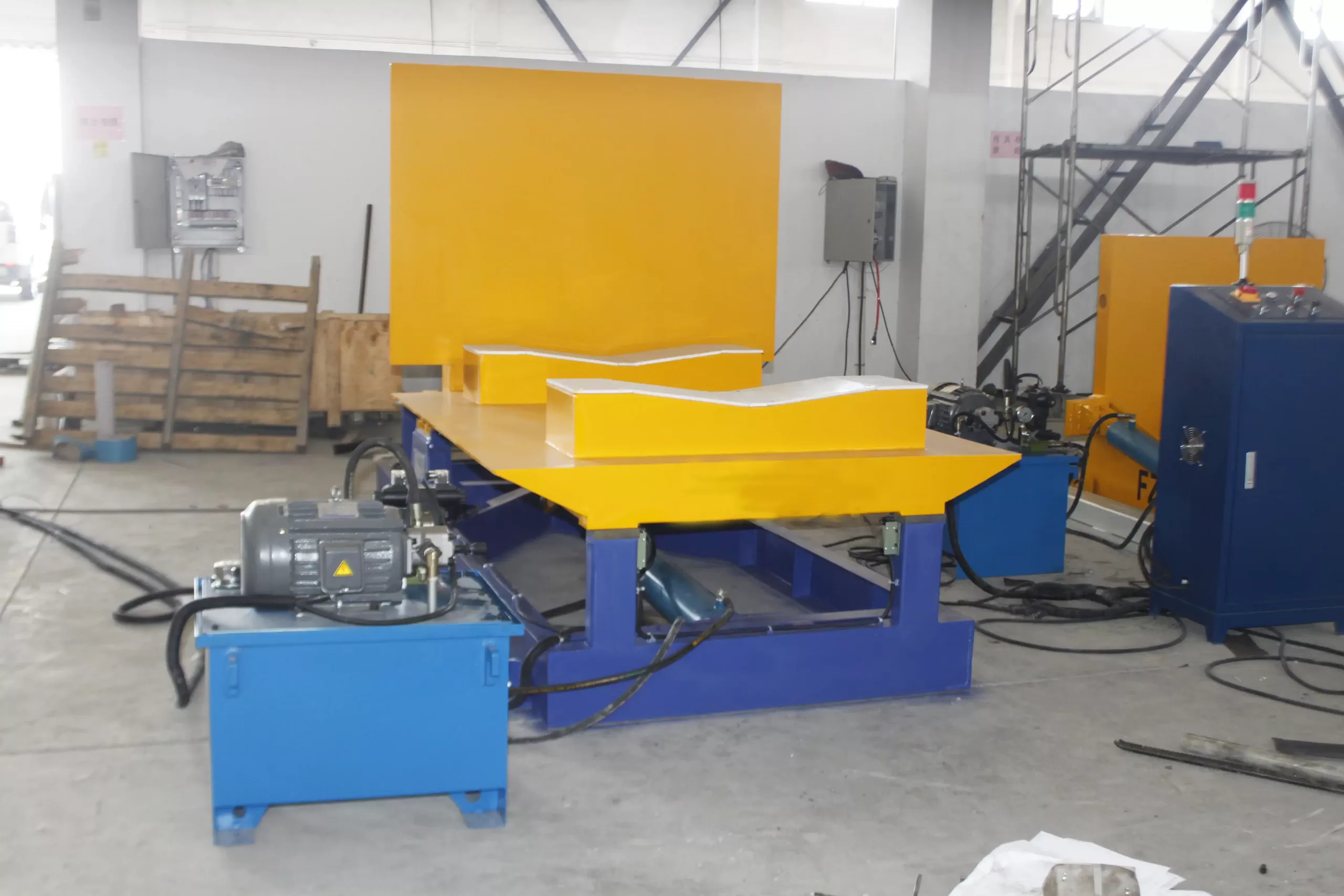
I have spent many years in the packing machine industry, from an employee to owning my own successful factory. I have seen firsthand the challenges that come with material handling. I understand that you are not just looking to buy a machine. You want a partner who truly understands your production bottlenecks, safety concerns, and efficiency dilemmas. Let’s explore why hydraulic upenders are often the better solution.
1. Is Your Current Material Handling Method Putting Workers at Risk?
Think about your factory floor in Mexico. Moving heavy loads like steel coils or wire often means using overhead cranes. But when it comes to tilting or flipping these items, it usually involves a lot of manual handling. This can put your team at significant risk. High insurance costs and employee turnover often follow workplace injuries.
Hydraulic upenders dramatically reduce the need for manual interaction with heavy loads, especially during critical tilting and turning operations. This change directly minimizes many common industrial injury risks linked with traditional crane-based methods, creating a much safer work environment for your team.

I have seen countless factories where workers manually struggled to adjust heavy items. This leads to back injuries, crushed hands, and other serious accidents. Michael, you mentioned the high risks of manually moving heavy molds or flipping pallets. This is exactly where a hydraulic upender shines. It performs these dangerous tasks automatically. It keeps human hands away from crush points and heavy, unstable loads. This focus on safety is not just good for your workers. It also helps your factory reduce insurance premiums and lowers the risk of costly worker’s compensation claims. It means a more stable, happier workforce.
Comparing Safety: Crane Operations vs. Hydraulic Upenders
Let’s look at the specific risks and how an upender addresses them.
-
Overhead Crane Operations (Manual Tilting):
- Risk of Imbalance: Manually shifting a heavy load’s center of gravity with a crane can cause it to swing or drop unexpectedly. ⚠️
- Pinch Points: Workers must often guide the load by hand, exposing them to pinch points between the load and the floor or other equipment. ✋
- Falling Objects: Unsecured loads during manual tilting have a higher chance of falling. ⬇️
- Ergonomic Strain: Repetitive or awkward manual handling of ropes or slings to guide loads causes musculoskeletal injuries over time. 🤕
- Visibility Issues: Operators might have limited visibility during complex manual tilting operations, increasing accident risk. 👁️
-
Hydraulic Upender Operations:
- Controlled Movement: The upender securely clamps the load. It then rotates it smoothly and predictably using hydraulic power. This eliminates sudden movements. ✅
- Minimized Human Contact: Workers load the item onto the upender. Then, the machine does the turning. This keeps workers out of the danger zone during rotation. 🛡️
- Stable Platform: The load sits on a stable, flat surface or within a cradle during the entire turning process. This prevents drops. 🔒
- Reduced Physical Strain: Operators only need to manage controls. They do not perform any heavy lifting or guiding. This improves worker health. 💪
- Clear Visibility: The automated process allows operators to stand at a safe distance and monitor the operation without direct exposure to moving parts. 👀
Michael, investing in an upender is a clear way to reduce workplace accidents. It helps you meet safety regulations in Mexico and protects your most valuable asset: your people. This is a real example of how I help clients improve their operations.
2. Are Manual Crane Operations Slowing Down Your Production Line?
In a high-volume metal processing plant, every second counts. If your steel coil and wire packaging relies heavily on manual processes, it creates a serious bottleneck. This directly impacts your overall production speed and delivery times. Michael, you know that slow processes at the end of the line mean slower everything.
Manual crane operations often introduce significant delays and inefficiencies into material handling workflows, particularly when tilting or turning heavy and bulky items. Hydraulic upenders, by automating these critical steps, substantially accelerate the process, eliminating production bottlenecks and ensuring a smoother, faster flow of materials through your factory.
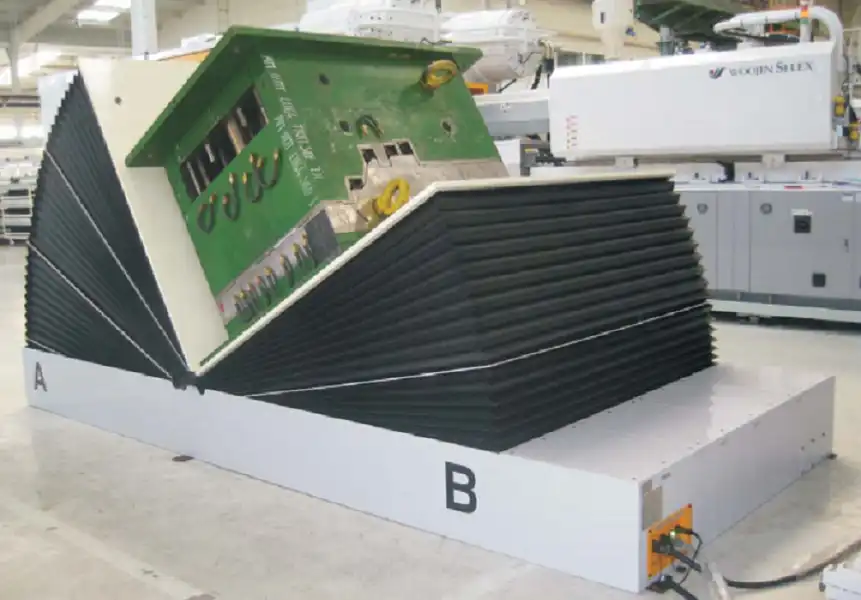
I have helped many clients streamline their operations. I have seen how manual steps, even small ones, add up to big delays. Think about the time it takes for a crane operator to precisely position a load. Then workers manually attach slings, guide the turn, and reposition for the next step. Each of these steps takes time. It requires skill, and it is prone to human error. A hydraulic upender, on the other hand, performs these actions quickly and consistently. It is a repeatable process that removes guesswork and reduces cycle times. This increased speed at the packaging or processing stage means your entire production line can move faster. It gets products out the door quicker.
How Upenders Accelerate Your Process Flow
Let’s look at a typical comparison of task completion.
| Task Element | Overhead Crane (Manual Tilting) | Hydraulic Upender (Automated) | Time Saved / Efficiency Gain |
|---|---|---|---|
| Setup Time | Locate crane, attach slings, balance load. | Load item onto platform or into cradle. | Significant reduction due to simplified loading. |
| Tilting/Turning | Slow, careful manual guidance, potential stops for adjustments. | Smooth, continuous, automated rotation. | Drastically faster and more consistent cycle times. |
| Precision | Relies on operator skill, can vary. | Exact, repeatable angle and position every time. | Eliminates need for manual adjustments and re-dos. |
| Labor Requirement | Multiple workers for guiding and operating. | One operator for supervision. | Reduces labor needs, frees up workers for other tasks. |
| Bottleneck Relief | Often a bottleneck due to slow, complex operation. | Eliminates bottleneck, keeps downstream processes flowing. | Improves overall production throughput. |
This table clearly shows where an upender provides an edge. For example, in a Mexican metal factory, reducing the manual steps for handling heavy steel coils or wire allows for more consistent output. It makes it easier to meet tight deadlines. This efficiency also means less overtime pay and better utilization of your existing workforce. It is a direct path to higher productivity and better profits.
3. Is Product Damage Costing You Money During Handling?
I know from my years in the packing machine industry that product quality is key. When you move heavy products like steel coils, wire, or other metal components within your factory, especially during internal transfers or packaging, damage can happen. Dents on steel coil edges or scratches on finished parts lead to customer complaints and lost profits. You simply cannot afford this.
Product damage during internal transfers and packaging often results from unstable manual handling or inadequate support. Hydraulic upenders mitigate this risk significantly by securely holding and precisely manipulating products. This prevents common damage like edge deformation or surface scratches, thereby preserving product quality and reducing costly rework or rejections.

I remember one client in Mexico who dealt with constant complaints about coil damage. It was always the edges. This happened because their overhead crane operations did not offer enough support when coils were tilted or turned. When you rely on slings and manual guidance, there is a higher chance of the load swinging or contacting surfaces. This leads to costly damage. A hydraulic upender offers a much more stable and controlled environment. It cradles the product securely. It rotates it smoothly without any sudden movements or hard contact. This protection means fewer damaged goods, fewer returns, and happier customers. It directly impacts your bottom line.
Protecting Your Investment: Minimizing Product Loss
Consider the specific ways damage occurs with traditional methods and how upenders prevent it.
-
Common Damage Points with Overhead Cranes (Manual):
- Edge Dents: When heavy coils or sheets are lowered or tilted, their edges can easily strike the floor or other equipment. 💥
- Surface Scratches: Slings can rub against finished surfaces, causing abrasions, especially on sensitive materials. 〰️
- Deformation: Uneven lifting or inadequate support during tilting can deform the product’s shape. 💔
- Dropping: The most severe risk, leading to catastrophic damage to the product. ⬇️
-
How Hydraulic Upenders Prevent Damage:
- Secure Clamping/Cradling: Products are securely held in place by the upender’s platform or specialized cradle. This eliminates movement during rotation. 🤝
- Smooth, Controlled Rotation: The hydraulic system provides a gradual and precise turning motion. There are no sudden jolts or swings. 🔄
- Full Support: The upender supports the entire product evenly throughout the turning process. This prevents localized pressure points or deformation. 👍
- Reduced Handling: Once loaded, the product stays on the upender until the turning process is complete. This minimizes additional handling and touchpoints where damage could occur. ✨
- Customizable Interfaces: Many upenders can be fitted with specialized pads or surfaces to protect delicate product finishes. 🎨
By preventing these types of damage, a hydraulic upender ensures that more of your product reaches the customer in perfect condition. This boosts customer satisfaction and reduces the financial drain of scrap, rework, and returned goods. It is a clear path to improved profitability.
4. How Does a Hydraulic Upender Deliver Real ROI for Your Factory?
Michael, you seek equipment with a clear return on investment. You want solutions that reduce labor costs, minimize product loss, and improve overall factory profitability. Some suppliers only focus on the sale, with poor after-sales service. This is why you are cautious. You need a partner who understands the long-term value.
A hydraulic upender offers a compelling return on investment by significantly reducing labor requirements, minimizing costly product damage, and boosting overall production throughput. The initial investment is quickly offset by substantial operational savings, leading to improved profitability and a more efficient, safer, and reliable manufacturing environment for your business.
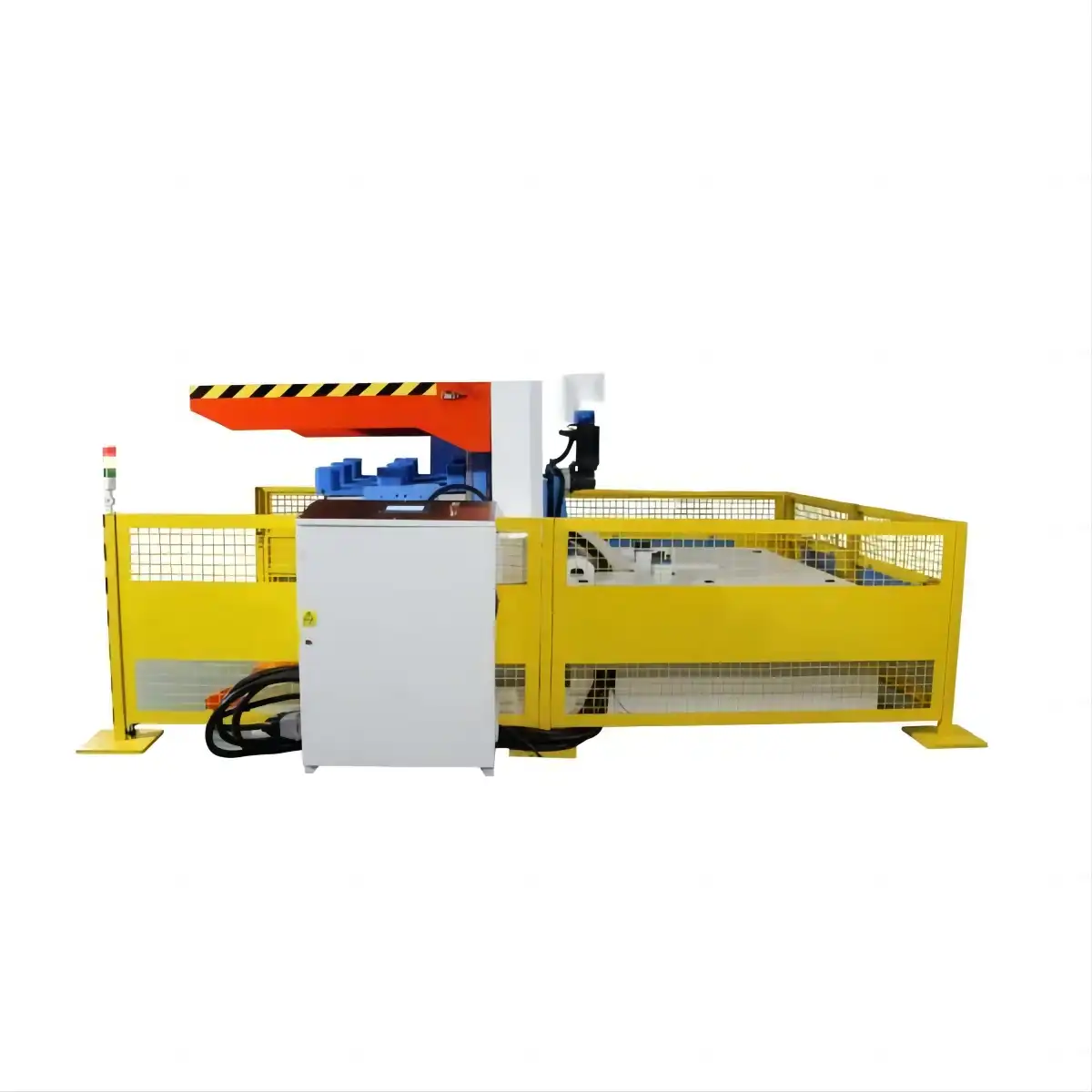
My experience building a successful packing machine factory taught me the importance of smart investments. When I started FHOPEPACK, I aimed to share that knowledge. An upender is not just a piece of equipment; it’s a strategic investment. It directly addresses your challenges by enabling greater automation, which means you can reallocate staff from dangerous, repetitive tasks to more value-added roles. This directly lowers your labor costs per unit. The reduction in product damage, as we just discussed, also means fewer losses and better profit margins. When you look at the total cost of ownership, including reduced insurance, less waste, and higher output, the numbers quickly make sense. We at FHOPEPACK, along with other trusted brands like SHJLPACK and CNBHPAC, believe in providing solutions that genuinely benefit your business for years to come.
Calculating Your Return on Investment (ROI)
Let’s consider the tangible benefits that contribute to a strong ROI.
-
Reduced Labor Costs:
- Manual Task Elimination: Fewer workers are needed for direct material manipulation during tilting.
- Reallocated Workforce: Employees can be moved to other production areas.
- Lower Overtime: Faster cycle times reduce the need for costly overtime.
- Example: If you save 2 full-time employees from manual handling tasks, that’s a direct salary saving. 💰
-
Minimized Product Loss:
- Less Scrap/Rework: Fewer damaged items mean less material waste and less time spent fixing issues.
- Improved Customer Satisfaction: Fewer defective products lead to happier clients and repeat business.
- Warranty Claims: Reduced risk of costly warranty claims due to handling damage.
- Example: Reducing product damage by just 1% can save thousands of dollars on expensive materials like steel. 🛡️
-
Increased Throughput and Efficiency:
- Faster Cycle Times: Automated processes are consistently quicker than manual ones.
- Reduced Bottlenecks: Smooth material flow keeps the entire line moving.
- Consistent Production: Predictable operation allows for better production planning and scheduling.
- Example: A 15% increase in throughput means you can produce more without adding more shifts or machines. 📈
-
Enhanced Safety Benefits:
- Lower Insurance Premiums: A safer workplace can lead to reduced insurance costs.
- Fewer Injury Costs: Avoid medical expenses, lost work time, and legal fees associated with accidents.
- Improved Morale: A safer environment leads to happier, more productive employees.
- Example: Preventing even one serious accident can save hundreds of thousands in direct and indirect costs. ✅
When you choose a hydraulic upender, you are choosing to invest in the long-term health and profitability of your factory. It is about moving towards greater automation, improving safety, and ensuring your product quality remains high. As a company dedicated to knowledge sharing, FHOPEPACK provides the insights and reliable solutions you need for success.
Conclusion
Investing in a hydraulic upender dramatically boosts factory safety, efficiency, and product integrity, offering a clear and measurable return on investment for your operations. Explore our coil wrapping machine solutions for complete packaging automation.








