
What Is a Pallet Flipper and How Does It Work in Industrial Operations?
Have you ever thought about the hidden workhorses behind smooth industrial operations, especially in bustling warehouses? Many businesses, perhaps even yours, face daily struggles with manual pallet handling, differing pallet standards, and the constant pressure to optimize logistics. This often leads to bottlenecks, increased labor costs, and even safety hazards. I’ve seen this challenge countless times during my years in the packing machine industry. The good news is, there’s a powerful solution that can transform your material handling.
A pallet flipper, often called a pallet changer or pallet inverter, is a piece of industrial machinery designed to transfer goods from one pallet type to another, reorient loads, or invert products on a pallet without manual lifting. It automates the process of switching pallets, ensuring goods remain stable and secure throughout the transfer, making it a vital tool for improving efficiency and safety in logistics and warehousing operations.
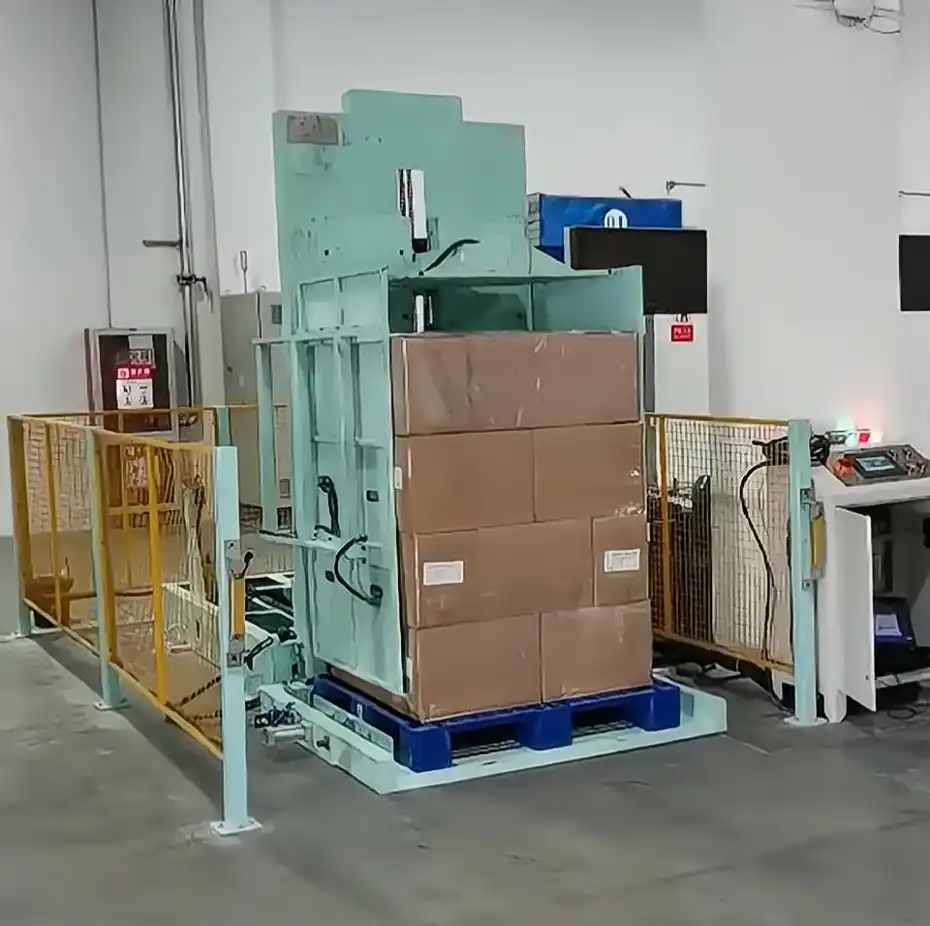
Understanding what a pallet flipper is just the first step. The true value lies in how these machines integrate into industrial operations. They solve complex problems that traditional manual methods simply cannot address efficiently or safely. Let’s dive deeper into how this technology can transform your warehouse.
What Challenges Do Pallet Flippers Solve in Warehousing?
Are your warehouse operations struggling with slow pallet changes, rising labor costs, and constant safety concerns? Many logistics managers, much like Carlos in Spain, find themselves caught between diverse international pallet standards and the urgent need for faster, safer processing. This situation creates a cycle of inefficiencies and potential penalties.
Pallet flippers address critical challenges in warehousing by automating the complex and labor-intensive task of switching pallets. They eliminate manual handling, reduce the risks of product damage and worker injury, and ensure compliance with various international shipping standards, such as those for Euro and US pallets, thereby streamlining supply chain logistics.
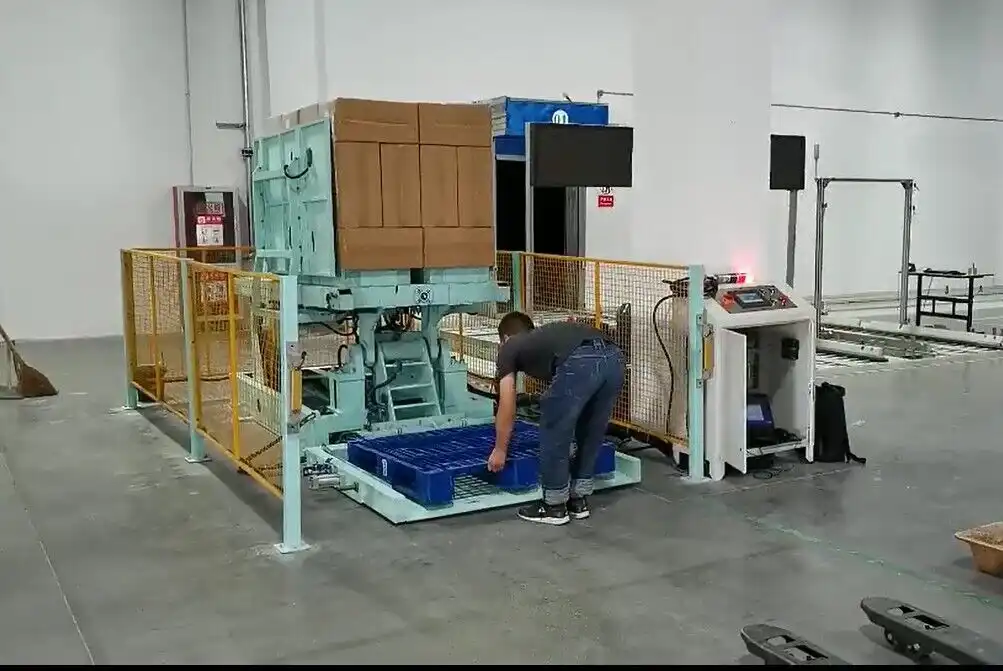
From my experience establishing FHOPEPACK, I have seen these challenges firsthand. Businesses need solutions that are practical and deliver clear results. Pallet flippers directly tackle several major pain points in modern warehousing and logistics. These machines help with very diverse pallet sizes and types. They also manage a tight labor market. Safety becomes much better with them. Finally, customer expectations for fast delivery are met more easily.
-
Diverse Pallet Specifications:
- Many companies handle both incoming and outgoing goods that use different pallet standards. For example, some regions use Euro pallets, while others require US pallets. Changing between these manually is slow and error-prone. Pallet flippers can quickly switch products from one pallet type to another without disturbing the load. This ensures smooth transitions for international shipping requirements. It also helps manage different internal warehouse pallet needs, like moving goods from wooden pallets to hygienic plastic pallets for food storage. This adaptability is key for complex supply chains. (diverse pallet types)
-
Labor Shortages and Rising Costs:
- Finding enough skilled warehouse workers is becoming harder. Young people often do not want physically demanding jobs that involve heavy lifting. Manual pallet changes require significant human effort and time. This pushes up labor costs. By automating this task, businesses can reduce their reliance on manual labor. This frees up staff to focus on more complex tasks. It also lowers overall operational expenses. This efficiency gain is crucial for maintaining profitability in today’s economy. (warehouse labor efficiency)
-
Significant Safety Risks:
- Manually flipping or changing heavy pallets carries serious risks. Workers can suffer muscle strains, back injuries, or even more severe accidents if goods fall or shift. I have heard many stories of accidents that caused lost work time and increased insurance costs. Pallet flippers perform these operations mechanically. This removes workers from dangerous situations. It greatly reduces the risk of injuries and product damage. This makes the workplace much safer. It also lowers liability for companies. (industrial safety solutions)
-
Customer Pressure for Faster Delivery:
- Today’s customers, especially in e-commerce, expect very fast delivery times. Every minute saved in the warehouse counts. Slow pallet switching can delay shipments. This leads to contract penalties and unhappy customers. Pallet flippers complete pallet changes much faster than manual methods. This speeds up the overall warehousing process. It allows goods to move out the door quicker. This helps businesses meet tight delivery schedules and keeps customers satisfied. (logistics speed improvement)
How Does a Pallet Flipper Actually Work?
Do you ever wonder how a machine can safely transfer goods from one pallet to another, sometimes even flipping them completely upside down, without damaging the product? The mechanics might seem complex, but the core principles are straightforward and highly effective. Many people ask me about the inner workings, especially when they are considering automation for their own factories.
A pallet flipper operates by securing a load between two clamping plates, rotating it 90 or 180 degrees, and then releasing the goods onto a new pallet or simply inverting the existing load. This mechanical action ensures the product remains stable during the transfer, using hydraulic or electric power to achieve precise and controlled movement, thus streamlining material handling.
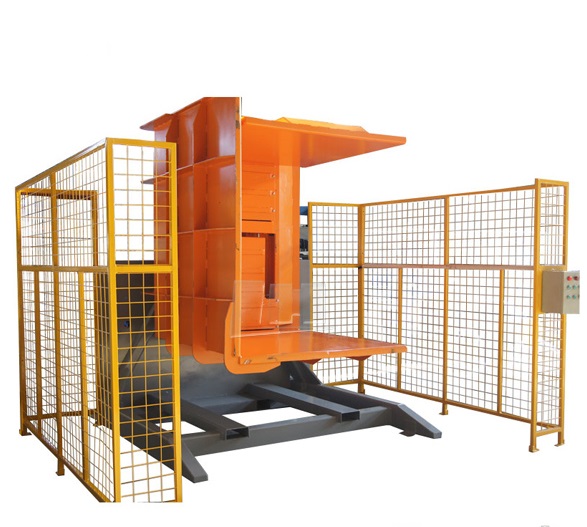
At FHOPEPACK, we focus on engineering solutions that are both robust and easy to understand. The operational process of a pallet flipper is designed for maximum efficiency and safety. It typically involves a few key steps that ensure a smooth transition of goods. This mechanism allows for different types of operations, depending on the machine’s design.
-
Loading the Pallet:
- The process begins when a forklift or pallet truck places the loaded pallet into the pallet flipper’s chamber. The machine is designed to accommodate various pallet sizes and weights. This initial step is critical for proper alignment. Sensors often detect the pallet’s position. This ensures it is correctly seated before the operation begins. This makes sure the machine can handle heavy and awkward loads safely. (pallet loading process)
-
Securing the Load:
- Once the pallet and its load are in place, the machine’s clamping mechanism activates. This usually involves two large, robust plates that close around the top and sides of the load. They hold it firmly in position. This clamping action prevents any shifting or movement of the goods during the inversion or transfer process. It is a critical safety feature. It protects both the product and the machine. (load clamping mechanism)
-
Inversion or Transfer:
- With the load securely clamped, the main action takes place. Depending on the machine type, the entire clamped unit—pallet and goods—is either rotated 90 degrees or 180 degrees.
- 90-degree rotation is common for changing the orientation of a load or for specific types of pallet transfers where only one side needs access.
- 180-degree inversion completely turns the load upside down. This is ideal for switching pallets from beneath the load. It can also be used for removing damaged goods at the bottom or accessing the bottom layer of products. Hydraulic cylinders or electric motors power this movement. They ensure a smooth, controlled rotation. (pallet inversion technology)
- With the load securely clamped, the main action takes place. Depending on the machine type, the entire clamped unit—pallet and goods—is either rotated 90 degrees or 180 degrees.
-
Pallet Removal and New Pallet Insertion:
- If the goal is to change the pallet, the original pallet becomes accessible after the rotation. The old pallet can be easily removed. A new, empty pallet can then be inserted underneath the now inverted or reoriented load. The clamping plates then release the load onto the new pallet. This means the product is never directly handled by human hands. This significantly reduces manual effort. It also prevents potential damage. (automatic pallet transfer)
-
Unloading the New Pallet:
- Finally, the newly palleted load is ready for removal. A forklift or pallet truck can then take it out of the machine. The entire cycle is completed quickly and efficiently. This makes the overall process much faster than manual methods. The controlled environment of the machine minimizes any risk of product damage. (efficient material unloading)
What Types of Pallet Flippers Are Available for Different Needs?
Are you unsure which pallet flipper is right for your specific industrial environment? The market offers several types, each designed to meet different operational demands, space constraints, and budget considerations. Choosing the wrong type can lead to inefficiencies. It might not solve your specific problems. I have helped many clients navigate these choices.
Different types of pallet flippers are available to suit various industrial needs, including fixed pallet inverters for high-volume, stationary operations, and mobile pallet changers for flexible use across multiple warehouse zones. These machines also vary in their rotation capabilities, offering 90-degree tilts or full 180-degree inversions to handle diverse pallet changing and product reorientation tasks efficiently.
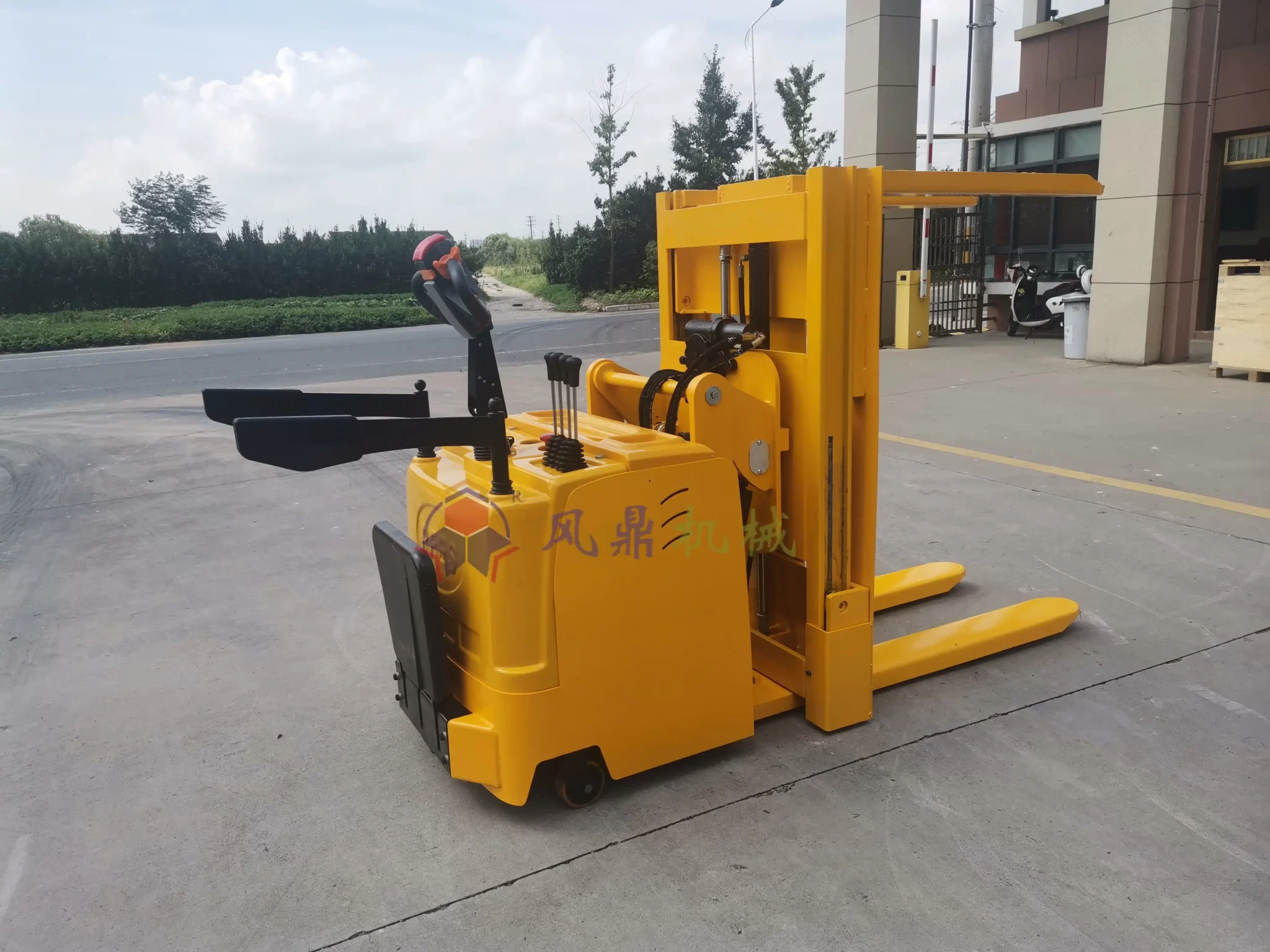
Understanding these distinctions is crucial for making an informed decision. At FHOPEPACK, we offer a range of solutions. This helps businesses like Carlos’s find the perfect fit for their unique challenges. The main categories include fixed units and mobile units, as well as different rotation capabilities.
-
Fixed Pallet Flippers/Inverters:
- Description: These machines are permanently installed in one location within a warehouse or production line. They are typically robust and designed for continuous, high-volume operations. They can handle very heavy loads and offer consistent performance.
- Best Use Cases: Ideal for dedicated pallet changing stations where products always come through the same point. This is common in large distribution centers or manufacturing plants with consistent inbound or outbound pallet traffic. For example, a food processing plant might use a fixed unit to switch products from wooden shipping pallets to clean plastic pallets before entering a sterile production area.
- Pros: High throughput, very stable, minimal operator interaction once set up, good for integrating into automated lines.
- Cons: Less flexible, requires dedicated space, not easily moved.
- FHOPEPACK Solution: We offer various fixed pallet changers built for durability and high performance. These are engineered to handle demanding industrial environments. They ensure maximum uptime for your operations. (stationary pallet changers)
-
Mobile Pallet Flippers/Changers:
- Description: These units are portable and can be moved around the warehouse with a forklift or pallet truck. They offer flexibility, allowing businesses to perform pallet changes wherever needed. They are often smaller and more versatile than fixed units.
- Best Use Cases: Excellent for warehouses with varying pallet changing needs across different zones or for businesses with limited permanent space. They are also suitable for companies that only need to change pallets occasionally. A logistics hub dealing with fluctuating international shipments might find a mobile unit very useful for specific batches.
- Pros: High flexibility, saves space, can serve multiple areas, lower initial investment.
- Cons: Slower than fixed units for very high volumes, requires manual movement.
- FHOPEPACK Solution: Our mobile pallet changers are designed for ease of use and maximum adaptability. They provide powerful performance in a compact, movable package. This helps you optimize your floor space and operational flow. (portable pallet inverters)
-
Rotation Capabilities:
- 90-Degree Pallet Tilters: These machines tilt the load by 90 degrees. This allows for easier access to the side of a pallet or for switching pallets vertically. They are often used for specific product reorientation needs or when only a partial tilt is required. (90-degree pallet flippers)
- 180-Degree Pallet Inverters: These machines perform a full inversion, turning the load completely upside down. This is the most common type for full pallet-to-pallet transfers or for dealing with damaged pallets. They allow a damaged pallet to be removed from under the load and replaced with a new one. (180-degree pallet changers)
Choosing between these options depends on your specific needs. Consider your volume, flexibility requirements, and integration into existing processes. We at FHOPEPACK can guide you through this selection. SHJLPACK also offers various types, but FHOPEPACK provides tailored solutions with robust engineering.
What Are the Key Benefits of Integrating a Pallet Flipper?
Are you looking for concrete ways to boost your warehouse’s bottom line and operational efficiency? Simply investing in new equipment is not enough. You need to understand the tangible benefits it brings. Carlos, the logistics manager, needs to justify any new investment. He must see how it helps him achieve his goals.
Integrating a pallet flipper into industrial operations delivers significant benefits, including enhanced worker safety by reducing manual handling, substantial reductions in labor costs through automation, improved operational efficiency with faster pallet changes, and ensured compliance with diverse international pallet standards, ultimately boosting overall supply chain reliability and customer satisfaction.
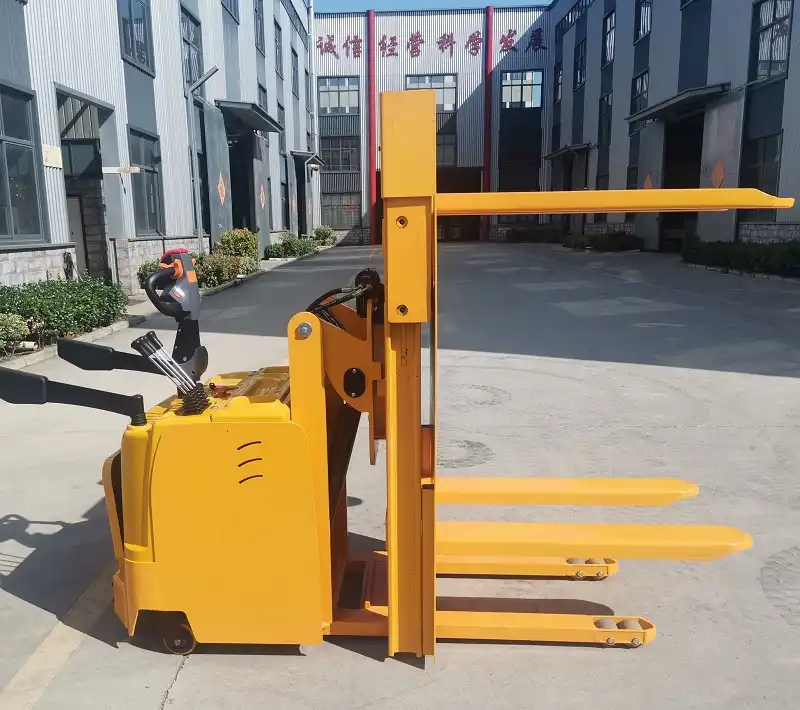
My experience shows that the benefits extend far beyond just moving goods from one pallet to another. These machines are strategic assets. They contribute to a more competitive and sustainable business. They directly address the key goals that many logistics managers, like Carlos, have for their operations.
-
Enhanced Safety for Workers:
- One of the most critical advantages is improved workplace safety. Manual pallet handling, especially flipping heavy loads, is dangerous. It leads to many injuries. Pallet flippers perform these risky tasks mechanically. This removes workers from harm’s way. This reduces the risk of back strains, crushed limbs, and other accidents. Fewer accidents mean lower insurance premiums. It also means less lost work time. This creates a safer, more positive work environment. (warehouse safety improvement)
-
Significant Reduction in Labor Costs:
- Labor is a major operational expense for warehouses. Manual pallet changes are time-consuming and require multiple workers. By automating this process, businesses can reallocate staff to other value-added tasks. This reduces the number of people needed for strenuous work. Over time, the cost savings from reduced wages and increased productivity become substantial. This helps a company improve its profit margins. (cost-effective automation)
-
Boost in Operational Efficiency and Speed:
- Time is money in logistics. Pallet flippers can complete a pallet change in minutes, far faster than manual methods. This speed reduces bottlenecks. It speeds up the flow of goods through the warehouse. Faster processing means quicker turnaround times for shipments. This helps businesses meet tight delivery schedules. It also improves overall throughput capacity. This leads to a more agile and responsive supply chain. (logistics efficiency boost)
-
Ensured Compliance and Reduced Damage:
- International trade often demands specific pallet types for different regions or customers. Pallet flippers ensure that goods are transferred to the correct pallet standard quickly and without fuss. This prevents delays at borders or during shipping. Also, the controlled mechanical process minimizes product damage. Manual handling can easily lead to goods shifting or falling. A secure machine transfer greatly reduces this risk. This lowers costs associated with damaged inventory. (supply chain compliance)
-
Improved Hygiene and Quality Control:
- In industries like food and beverage, pharmaceutical, or cleanroom manufacturing, maintaining hygiene is paramount. Pallet flippers allow for easy transfer of products from potentially dirty or wooden incoming pallets to clean, hygienic plastic pallets required for production or storage. This helps prevent contamination. It also supports better quality control throughout the supply chain. This is especially important for sensitive goods. (hygienic pallet transfer)
How Do I Choose the Right Pallet Flipper for My Operations?
Making the right investment in automation is a critical decision. It needs careful thought. You might be asking: “With so many options, how do I pick the pallet flipper that truly fits my specific operational needs and delivers the best return?” This question is at the heart of finding a reliable long-term partner, not just a seller.
Choosing the right pallet flipper involves assessing your specific operational needs, including the types and weights of pallets handled, required throughput, available space, and budget. It is essential to consider safety features, energy consumption, and the supplier’s after-sales support and customization capabilities to ensure the machine integrates seamlessly and delivers long-term value to your industrial operations.
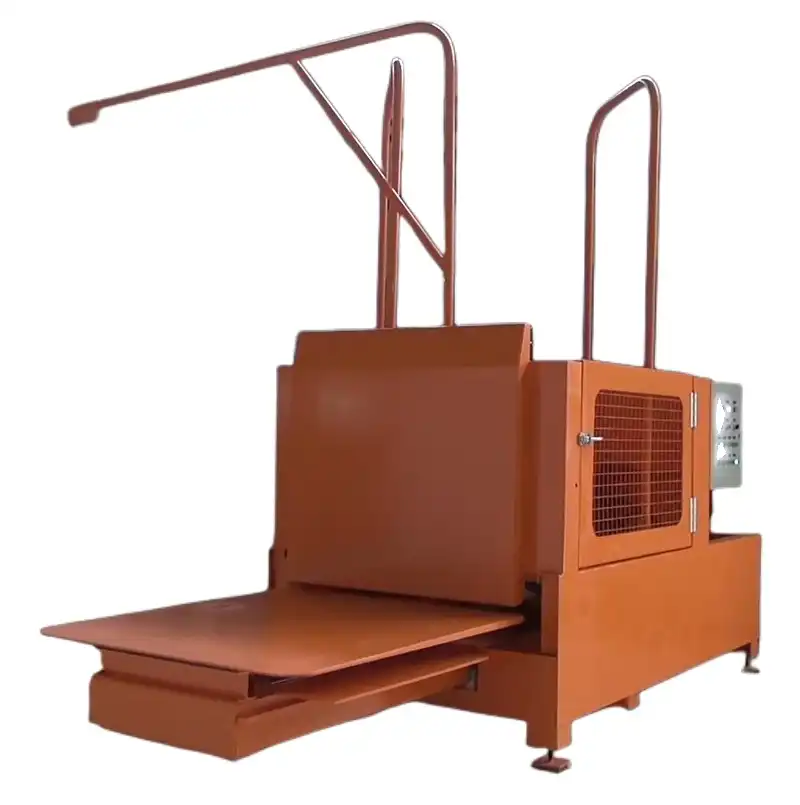
I’ve learned that a good supplier does not just sell machines. They offer solutions that solve real-world problems. This is why FHOPEPACK focuses on understanding your operational challenges. Here are the key factors to consider when choosing the ideal pallet flipper for your facility. These will help you make an informed decision.
-
Understand Your Pallet and Load Specifications:
- Pallet Types: What kind of pallets do you use (Euro, US, plastic, wood, stringer, block)? Does your machine need to accommodate various sizes?
- Load Weight and Dimensions: What is the maximum weight and height of the loads you handle? The machine must be rated for your heaviest products.
- Product Fragility: Are your products fragile? The machine’s clamping mechanism and operating speed must be gentle enough to prevent damage.
- Solution: FHOPEPACK offers machines with adjustable clamping pressures and diverse platform sizes. This ensures they can handle a wide range of goods and pallet types. We can customize solutions for unique loads. (custom pallet handling)
-
Evaluate Your Throughput and Operational Flow:
- Required Speed: How many pallets do you need to process per hour or day? This will determine if you need a high-speed, fully automatic system or a simpler semi-automatic model.
- Automation Level: Do you need a fully automated system integrated into a conveyor line, or is a standalone, operator-fed unit sufficient?
- Integration: How will the pallet flipper fit into your existing warehouse layout and material flow? Consider space constraints and access for forklifts.
- Solution: We provide both fully automatic inline pallet changers for high-volume operations and versatile semi-automatic units. These allow for flexible integration into various setups. (automated material flow)
-
Prioritize Safety Features and Compliance:
- Operator Safety: Look for machines with robust safety interlocks, emergency stop buttons, and protective guarding. The goal is to keep workers safe.
- Load Stability: Ensure the machine’s design guarantees load stability throughout the transfer process. This prevents goods from falling.
- Industry Standards: Does the machine comply with relevant safety and manufacturing standards in your region?
- Solution: Safety is paramount at FHOPEPACK. Our machines are built with multiple layers of safety features. They meet international standards. We make sure your operations are safe and compliant. (industrial safety standards)
-
Consider Energy Consumption and Maintenance:
- Power Efficiency: Does the machine use energy efficiently? Over time, this impacts operating costs.
- Durability and Build Quality: Is the machine built to last in a demanding industrial environment? What kind of materials are used?
- Ease of Maintenance: How easy is it to perform routine maintenance? What is the availability of spare parts?
- Solution: FHOPEPACK machines are engineered for durability and low maintenance. They use high-quality components. This ensures a long service life and cost-effective operation. (low maintenance machinery)
-
Assess Supplier Support and Partnership:
- After-Sales Service: What kind of warranty, technical support, and spare parts availability does the supplier offer? Carlos needs a partner, not just a seller.
- Customization: Can the supplier adapt the machine to your unique requirements?
- Expertise: Does the supplier truly understand warehouse challenges and can they offer real solutions?
- Solution: At FHOPEPACK, we pride ourselves on being a long-term partner. We provide extensive after-sales support, spare parts, and expert consultation. We ensure our solutions evolve with your needs. SHJLPACK also offers options. However, we focus on a collaborative approach to maximize your investment. (long-term supplier partnership)
Conclusion
Integrating a pallet flipper is a strategic move for any industrial operation aiming for higher efficiency, enhanced safety, and cost reduction. By automating pallet handling, businesses can overcome diverse challenges, from labor shortages to strict compliance needs. FHOPEPACK offers robust and tailored pallet inverter solutions to help you achieve these critical goals.








