
How Do Pallet Flippers Support Export Compliance and Fumigation-Free Shipping?
Are you a logistics manager, like my friend Carlos in Spain, constantly battling the complexities of international shipping? Do you worry about differing pallet standards, rising labor costs, and the risk of costly delays or fines? It is a challenging world for anyone managing a busy warehouse, especially when it comes to export operations. (international shipping challenges, logistics manager worries)
Pallet flippers, also known as pallet changers or pallet inverters, are essential tools that directly support export compliance and facilitate fumigation-free shipping by allowing goods to be transferred safely and efficiently between different pallet types or onto hygiene-compliant pallets without manual handling. This helps warehouses meet strict international regulations, reduce contamination risks, and streamline their global supply chains.
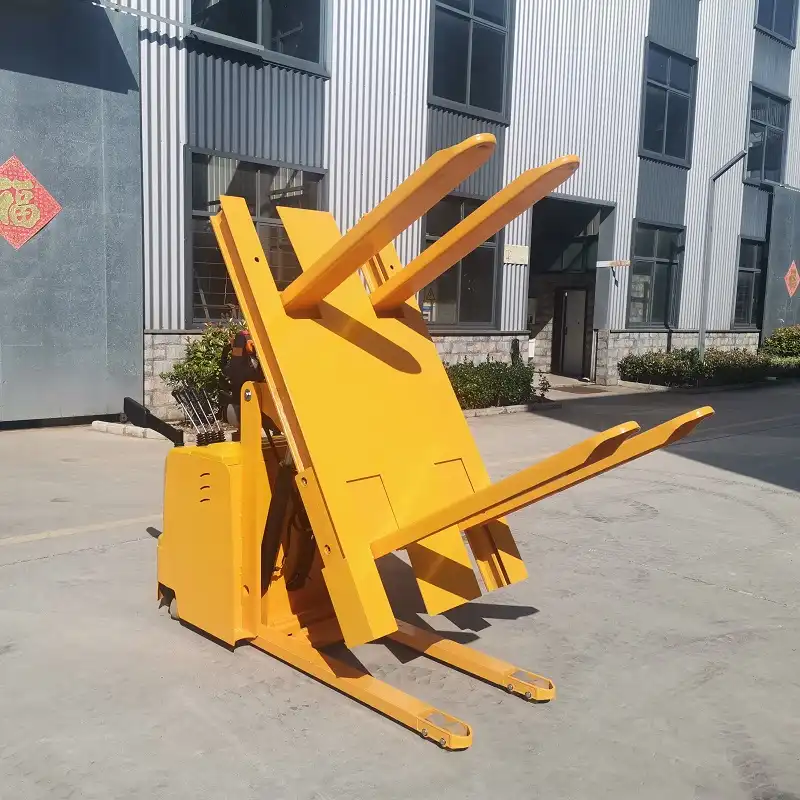
As someone who built my career in the packing machine industry, I have seen firsthand how much impact the right equipment can make. I have worked with countless clients, helping them grow their businesses by solving their most pressing operational problems. Today, I want to share how modern pallet flippers can transform your export processes and keep you ahead in the global market. (packing machine industry insights, solving operational problems)
What Exactly Is a Pallet Flipper, and How Does It Work for Export Operations?
Have you ever wondered how warehouses manage to quickly switch thousands of pallets daily, especially when dealing with diverse international standards? The thought of doing that manually is daunting. It is a major bottleneck for many. (warehouse pallet switching, manual pallet handling)
A pallet flipper is a specialized machine designed to transfer goods from one pallet to another, or to invert a load, with minimal manual intervention. For export operations, it allows businesses to switch products from domestic pallets, which may not meet international shipping requirements or cleanliness standards, onto export-compliant or fumigation-free pallets quickly and safely.
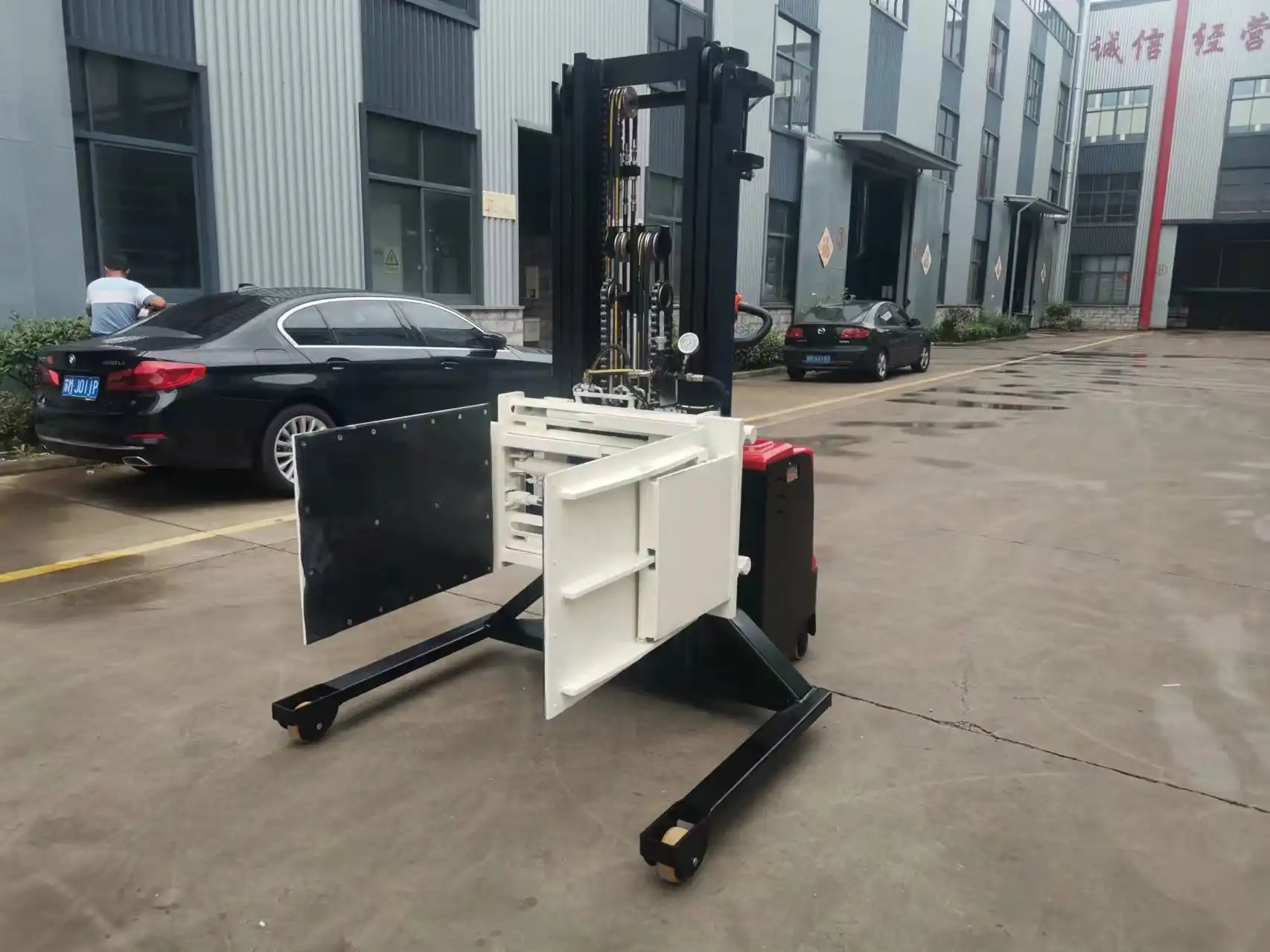
Let me explain this in more detail. In my experience, facilities often accumulate goods on standard local pallets. However, when these goods are ready for international shipment, they frequently need to be moved onto specific types of pallets. These can include ISPM 15-compliant heat-treated wooden pallets, plastic pallets, or even metal pallets. Pallet flippers simplify this entire process. They grip the load securely, lift it, and either rotate it or transfer it to a new pallet placed beneath. This avoids the time-consuming and labor-intensive task of manually unloading and reloading each item. It also greatly reduces the risk of product damage or worker injury. I have seen many companies, just like my early clients, struggle with this exact challenge. Implementing a reliable pallet changer system like those from FHOPEPACK can instantly boost efficiency and safety in busy distribution centers. Consider a scenario where a large food and beverage group, similar to what Carlos manages, needs to switch thousands of pallets every day for its European distribution. Manual processes simply cannot keep up with such volume and strict deadlines. A pallet flipper automates this, ensuring smooth transitions and keeping the supply chain moving. (pallet transfer process, international pallet standards, FHOPEPACK efficiency)
- Securing the Load Safely: The pallet flipper starts by securely clamping the product load. This can be done from the sides, top, or even by hydraulic plates, depending on the machine’s design and the nature of the goods. The goal is always to keep the products stable and undamaged during the entire transfer or inversion process. This step is crucial because loose loads can cause product damage or even worker injuries. Many of my factory visits have shown me how vital this initial securement is for operational safety.
- Inverting or Transferring the Product: Once the load is secure, the machine performs its primary function. Some models gently tilt and invert the entire load, allowing an old pallet to be removed and a new one slid underneath. Other machines perform a direct transfer, lifting the product straight up and then lowering it onto a fresh pallet. This mechanical movement is precise and controlled, which is something human hands cannot always guarantee, especially with heavy or delicate items. It ensures the integrity of the product from start to finish.
- Reducing Manual Labor and Risks: The main benefit here is the drastic reduction in manual labor. Instead of multiple workers physically handling individual boxes or even entire pallet loads, one operator can manage the machine. This addresses a major pain point I hear from logistics managers: the increasing scarcity and cost of warehouse labor. Moreover, it eliminates the dangerous practice of workers manually flipping heavy loads, which I have seen lead to severe accidents. By using a pallet flipper, businesses safeguard their employees and prevent costly workplace injuries. (secured load, mechanical transfer, reduced manual labor)
How Do Pallet Flippers Ensure Compliance with International Pallet Standards?
Are you tired of grappling with the maze of international shipping regulations, especially regarding pallet types? The thought of a shipment being rejected at a border due to non-compliant pallets is enough to cause any logistics professional sleepless nights. It is a real and constant threat to global operations. (international shipping regulations, pallet compliance issues)
Pallet flippers are instrumental in ensuring compliance with international pallet standards by providing a fast and safe method to switch goods from non-compliant pallets (like those not meeting ISPM 15 for wood treatment) to approved pallets (such as plastic, metal, or heat-treated wood) before export. This proactive approach helps avoid customs delays, fines, and potential returns of entire shipments.
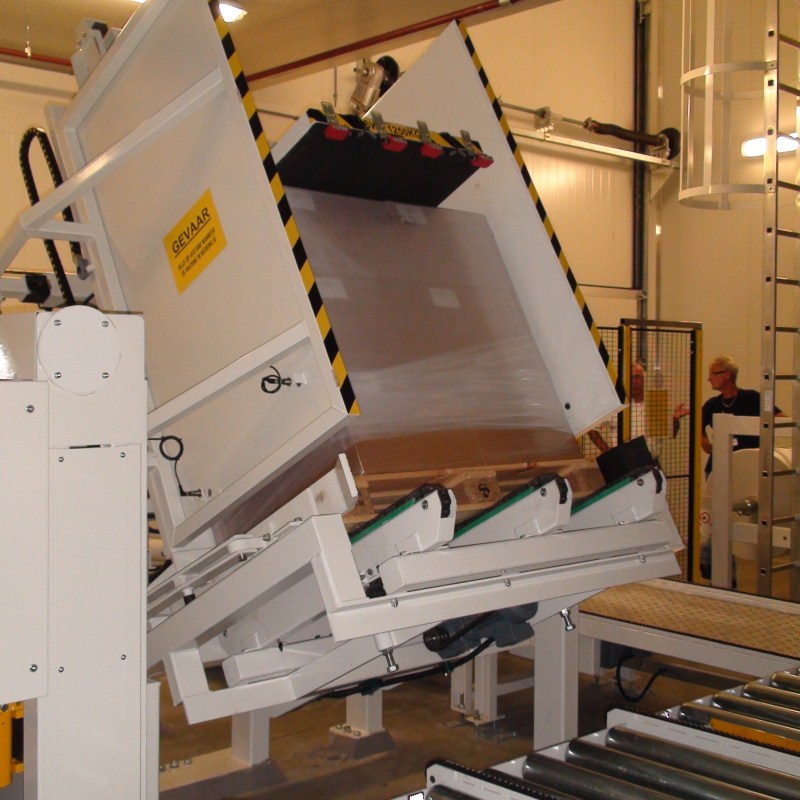
My journey in the packing machine industry has shown me how critical compliance is. Different countries and regions, like Europe and North America, have varying pallet specifications. For example, Euro pallets (EPAL) are common in Europe, while North America primarily uses GMA pallets. On top of that, ISPM 15 regulations require wooden packaging materials to be heat-treated or fumigated for international shipments. Failing to comply can lead to significant disruptions, including goods being held at customs, costly re-exportation, or even destruction. This is where pallet flippers shine. They allow companies to use their standard, often cheaper, domestic pallets for internal storage and handling. Then, just before export, the goods are quickly transferred to the appropriate compliant pallets. This flexibility saves money on pallet purchases and avoids the logistical nightmare of managing two entirely separate pallet streams within the warehouse. FHOPEPACK’s solutions are designed to handle these transitions smoothly and effectively, making sure your goods reach their destination without any compliance-related hitches. I remember one client who faced massive fines because their wooden pallets were not properly stamped. A simple pallet changer could have saved them thousands of dollars and a lot of stress. (international pallet regulations, ISPM 15 compliance, FHOPEPACK solutions)
- Addressing ISPM 15 Regulations: The International Standards for Phytosanitary Measures No. 15 (ISPM 15) dictates that all wooden packaging materials used in international trade must be debarked and then heat treated or fumigated. Pallet flippers help businesses meet these rules by allowing them to easily move products from untreated wooden pallets, which might be fine for domestic use, onto ISPM 15 compliant pallets. This transfer means you do not have to treat all your internal pallets, saving both time and money. It also helps avoid common issues where a mix of pallets leads to compliance failures.
- Facilitating Pallet Material Changes: Beyond wooden pallets, many exports require different pallet materials entirely. For instance, some industries or countries prefer plastic pallets for their hygiene, durability, and consistent dimensions. Pallet flippers make it easy to switch from wooden to plastic, or even metal, pallets. This adaptability is key for companies like Carlos’s, which deal with diverse destination markets and their specific import requirements. It gives businesses the flexibility to use the most suitable pallet type for each leg of the journey, optimizing both cost and compliance.
- Managing Regional Pallet Size Variations: The world uses many different pallet sizes. Euro pallets, as mentioned, are 1200x800mm, while US standard GMA pallets are 48×40 inches (1219x1016mm). Exporting between regions often means goods must arrive on the destination country’s preferred pallet size. Pallet flippers solve this by smoothly transferring loads from one size pallet to another. This prevents issues at receiving docks that are configured for specific pallet dimensions. It makes the entire international logistics process much smoother and more efficient. (ISPM 15 compliance, pallet material flexibility, regional pallet sizes)
Can Pallet Flippers Truly Facilitate Fumigation-Free Shipping for Goods?
Are you concerned about the use of chemical fumigants, their environmental impact, and their potential effect on your products? The idea of sending goods internationally without the need for chemical treatments sounds appealing, but is it truly achievable with current logistics methods? It is a common question, especially for those dealing with sensitive goods. (chemical fumigants concern, environmentally friendly shipping)
Yes, pallet flippers can significantly facilitate fumigation-free shipping by enabling the transfer of goods onto clean, non-wood, or heat-treated ISPM 15 compliant pallets. This mechanical transfer eliminates the need for chemical fumigation by preventing contact with untreated wood or contaminated pallets, ensuring cargo remains free from pests and harmful residues throughout its journey.
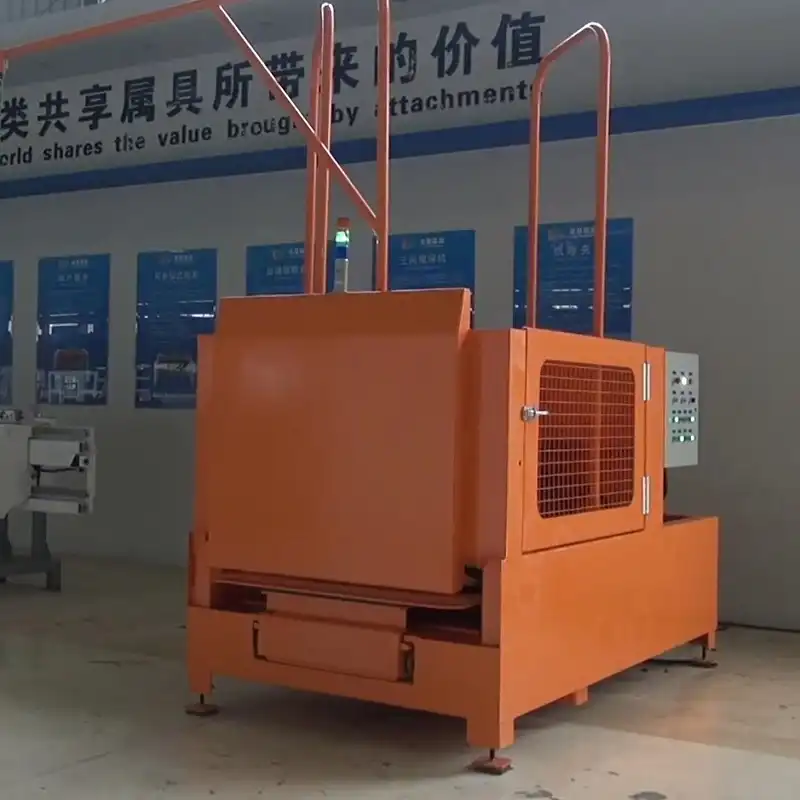
From my perspective, working closely with packaging technologies, fumigation is a process many companies wish to avoid. It can be costly, time-consuming, and potentially hazardous to certain products or the environment. The beauty of pallet flippers is their ability to separate your products from any pallet that might require fumigation. By moving goods onto plastic, metal, or properly certified heat-treated wooden pallets, you effectively bypass the need for chemical treatments. This is especially vital for the food and beverage industry, which is Carlos’s area, where hygiene and avoiding contamination are paramount. A pallet flipper ensures that products never touch non-compliant or potentially contaminated surfaces during transit. This means less risk of pest infestation, fewer delays at customs for inspection, and a cleaner supply chain overall. FHOPEPACK’s range of pallet changers provides the flexibility to switch to these compliant and hygienic pallet types quickly, supporting truly fumigation-free shipping. It is not just about compliance; it is about creating a safer, cleaner, and more efficient global trade environment. (chemical fumigation avoidance, hygienic pallet transfer, FHOPEPACK clean supply chain)
- Preventing Contamination from Untreated Wood: The primary reason for fumigation is to prevent the spread of pests and diseases often found in untreated wooden pallets. Pallet flippers allow a direct switch from any wooden pallet to alternatives like plastic or metal pallets. These alternative materials are inherently pest-free and do not require chemical treatments. This method provides a clean break, ensuring that the exported goods themselves remain untouched by potential contaminants from source pallets. It is a proactive step that protects product integrity and avoids customs issues related to biological risks.
- Maintaining High Hygiene Standards: For industries like food, pharmaceuticals, and sensitive electronics, maintaining high hygiene is critical. Plastic pallets, often used in these sectors, are easy to clean and sanitize. Pallet flippers enable a quick transfer to these clean pallets, preventing cross-contamination from potentially dirty or worn domestic pallets. This ability to maintain a sterile environment for products during the crucial transition phase is invaluable. It reduces the risk of spoilage or damage to sensitive goods.
- Streamlining Export Logistics with Certified Pallets: Using certified ISPM 15 heat-treated wood pallets or non-wood alternatives removes the need for additional fumigation processes. This simplifies the export documentation and speeds up customs clearance. With a pallet flipper, this transfer becomes a routine, efficient part of the packing line. It means less paperwork, fewer inspections, and a faster journey for your goods. This efficiency helps meet tight delivery schedules and keeps customers happy. (untreated wood prevention, hygiene standards, certified pallet logistics)
What Operational Advantages Do Pallet Flippers Bring to Export Logistics?
Do you find your warehouse operations bogged down by manual pallet handling, worker injuries, and slow turnaround times? Many managers I talk to feel the pressure of rising labor costs and the constant demand for faster, safer shipping. It is a difficult situation that needs smart solutions. (manual pallet handling, worker injuries, slow turnaround)
Pallet flippers bring significant operational advantages to export logistics by automating the pallet exchange process, thereby reducing manual labor, improving worker safety, increasing throughput, and minimizing product damage. These machines provide the efficiency and reliability needed to meet strict export deadlines and reduce overall operational costs.
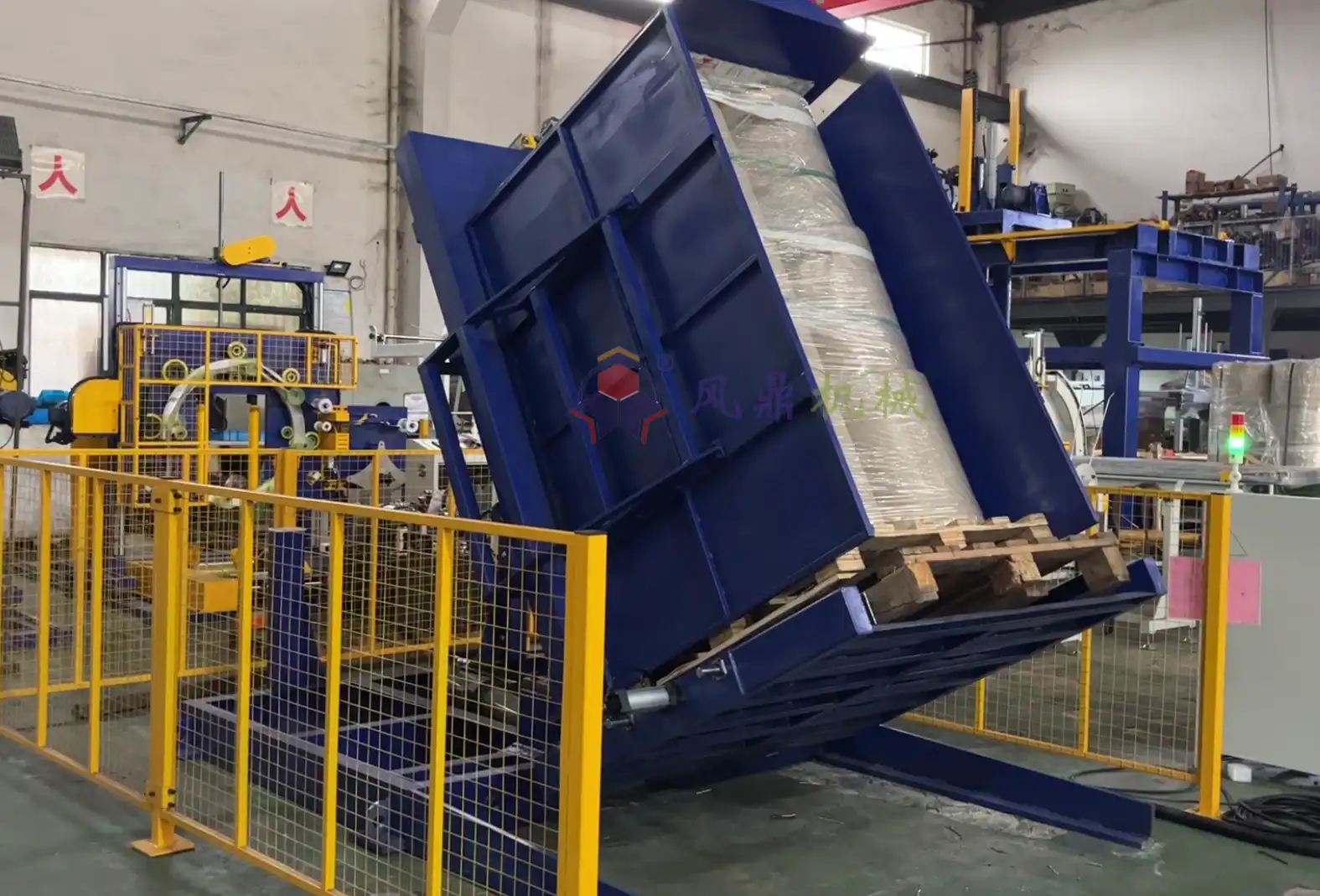
When I started FHOPEPACK, my goal was to help businesses achieve financial independence by streamlining their operations. Pallet flippers are a perfect example of this. Think about Carlos’s situation: his warehouse processes thousands of pallets daily, needs frequent switching, and faces labor shortages. Manual operations create bottlenecks, increase the risk of accidents, and drive up costs. Pallet flippers directly address these pain points. They allow for quicker processing of goods through the warehouse, ensuring that products are ready for shipment in less time. This means fewer delays and more satisfied customers. The reduced reliance on manual labor helps control escalating wage costs and frees up workers for more skilled tasks. More importantly, it drastically improves safety. No more manual lifting or dangerous tipping of heavy loads. Investing in a robust pallet changer system from FHOPEPACK or SHJLPACK is not just buying a machine; it is investing in a more efficient, safer, and cost-effective future for your logistics. (FHOPEPACK operational streamlining, labor cost reduction, enhanced safety)
- Significant Labor Cost Reduction: One of the biggest challenges for warehouse managers today is the rising cost of labor and the difficulty in finding workers willing to do strenuous manual tasks. Pallet flippers automate the most labor-intensive part of pallet changing. This reduces the number of staff needed for this specific job, allowing you to reallocate personnel to other areas of your operation. Over time, this translates into substantial savings on wages, benefits, and training. It is a smart way to manage your human resources more effectively.
- Enhanced Workplace Safety: Manual pallet handling, especially flipping or transferring heavy loads, is inherently dangerous. It exposes workers to risks of back injuries, crushed limbs, and accidents from falling goods. I have seen firsthand the devastating impact of such incidents. Pallet flippers eliminate these manual risks by performing the heavy lifting and precise movements mechanically. This improves safety for your employees, reduces worker compensation claims, and creates a much safer work environment. It is a commitment to your team’s well-being.
- Increased Throughput and Efficiency: Speed is vital in logistics. Pallet flippers can process pallets much faster than manual methods. This means higher throughput for your warehouse, allowing you to handle more volume in less time. For businesses with tight export schedules, this increased efficiency is a game-changer. It helps prevent bottlenecks, reduces waiting times, and ensures that goods meet their shipping deadlines consistently. This translates directly to improved customer satisfaction and a stronger reputation in the market.
- Reduced Product Damage: Manual handling of products during pallet transfers always carries the risk of damage, especially for fragile or high-value items. Pallet flippers are designed to handle loads gently and securely, minimizing impact and movement during the transfer process. This reduction in product damage saves money on replacement costs, reduces waste, and protects your brand’s reputation for quality. It is about ensuring your products arrive at their destination in perfect condition. (labor cost savings, workplace safety improvements, higher throughput, reduced product damage)
Which Types of Pallet Flippers Best Suit Diverse Export Shipping Needs?
Are you wondering if there is a “one-size-fits-all” pallet flipper, or if different export needs demand specific machine types? The market offers a variety of solutions, and choosing the right one can feel overwhelming without clear guidance. It is important to match the technology to your unique operational context. (pallet flipper types, matching technology to operations)
The best type of pallet flipper for diverse export shipping needs depends on factors like load type, volume, available space, and budget. Options range from simple static machines for basic inversion, to mobile units for flexibility, and advanced automatic systems that can handle high volumes and integrate into complex logistics lines, such as those offered by FHOPEPACK.

In my years helping clients optimize their packing lines, I have learned that customization is key. Just like Carlos’s need for a flexible solution, every business has unique requirements. There are several types of pallet flippers, each suited for different applications. Static pallet changers are great for operations with consistent loads and a dedicated pallet changing station. They are usually robust and can handle heavy items. Mobile pallet changers offer flexibility; they can be moved around the warehouse to different loading bays as needed, making them ideal for varied operations or smaller spaces. Fully automatic inline systems are perfect for high-volume environments where integration into a conveyor system is essential. When selecting a machine, always consider the size and weight of your typical loads, the required throughput, and your budget. Both FHOPEPACK and SHJLPACK offer a wide range of pallet changers designed to meet these diverse needs, ensuring you find the perfect fit to optimize your export logistics. I always advise my clients to look at their current processes and future growth plans before making a choice. (customized pallet solutions, FHOPEPACK pallet changer range, SHJLPACK options)
- Static Pallet Inverters: These are fixed machines, usually bolted to the floor in a specific location within the warehouse. They are ideal for facilities that have a designated area for pallet changing and handle consistent types of loads.
- 👍 Pros: Highly robust, can handle very heavy or unstable loads, often more cost-effective for dedicated use.
- 👎 Cons: Lacks flexibility, requires loads to be brought to the machine.
- Suitable for: High-volume, uniform pallet changes in a fixed position.
- Mobile Pallet Changers: These units are designed to be moved around the warehouse, often with a forklift. This offers great flexibility, as the machine can be deployed wherever a pallet change is needed, rather than requiring goods to be transported to a fixed station.
- 👍 Pros: Versatile, good for varying workloads or multiple changing points, space-saving when not in use.
- 👎 Cons: Typically lower capacity than static models, requires more manual intervention for movement.
- Suitable for: Operations with varied pallet changing locations or smaller volumes at different points.
- Automatic Inline Pallet Transfer Systems: These are integrated into existing conveyor lines, providing a completely automated pallet changing solution. They are the pinnacle of efficiency for high-throughput operations.
- 👍 Pros: Maximize speed and efficiency, minimize human interaction, can handle very high volumes continuously.
- 👎 Cons: Higher initial investment, requires integration with existing systems, less flexible in terms of location.
- Suitable for: Large distribution centers or manufacturing plants with continuous, high-volume export operations.
- Top Press and Squeeze Pallet Changers: These models use a top-press and side-squeeze mechanism to hold the load securely while the pallet is exchanged. They are excellent for delicate or unstable loads that require maximum stability.
- 👍 Pros: Exceptional load stability, ideal for fragile goods, prevents shifting.
- 👎 Cons: Can be slower than some inversion methods, limited by load height.
- Suitable for: Food and beverage, pharmaceuticals, or any industry with sensitive products. (static pallet inverters, mobile pallet changers, automatic inline systems, top press changers)
Insight Conclusion: Choosing the Right Partner for Your Export Automation Journey!
Are you ready to transform your export logistics and tackle those compliance and efficiency hurdles head-on? The clear path forward involves embracing smart automation, but the success lies not just in the machine, but in the partnership you forge. (export logistics transformation, automation challenges)
The journey to optimized export logistics with pallet flippers is about more than just equipment; it is about finding a true partner who understands your challenges and offers reliable, adaptable solutions. FHOPEPACK is dedicated to being that partner, providing advanced pallet changer systems that address diverse pallet specifications, improve safety, and ensure compliance for a streamlined, fumigation-free global supply chain.
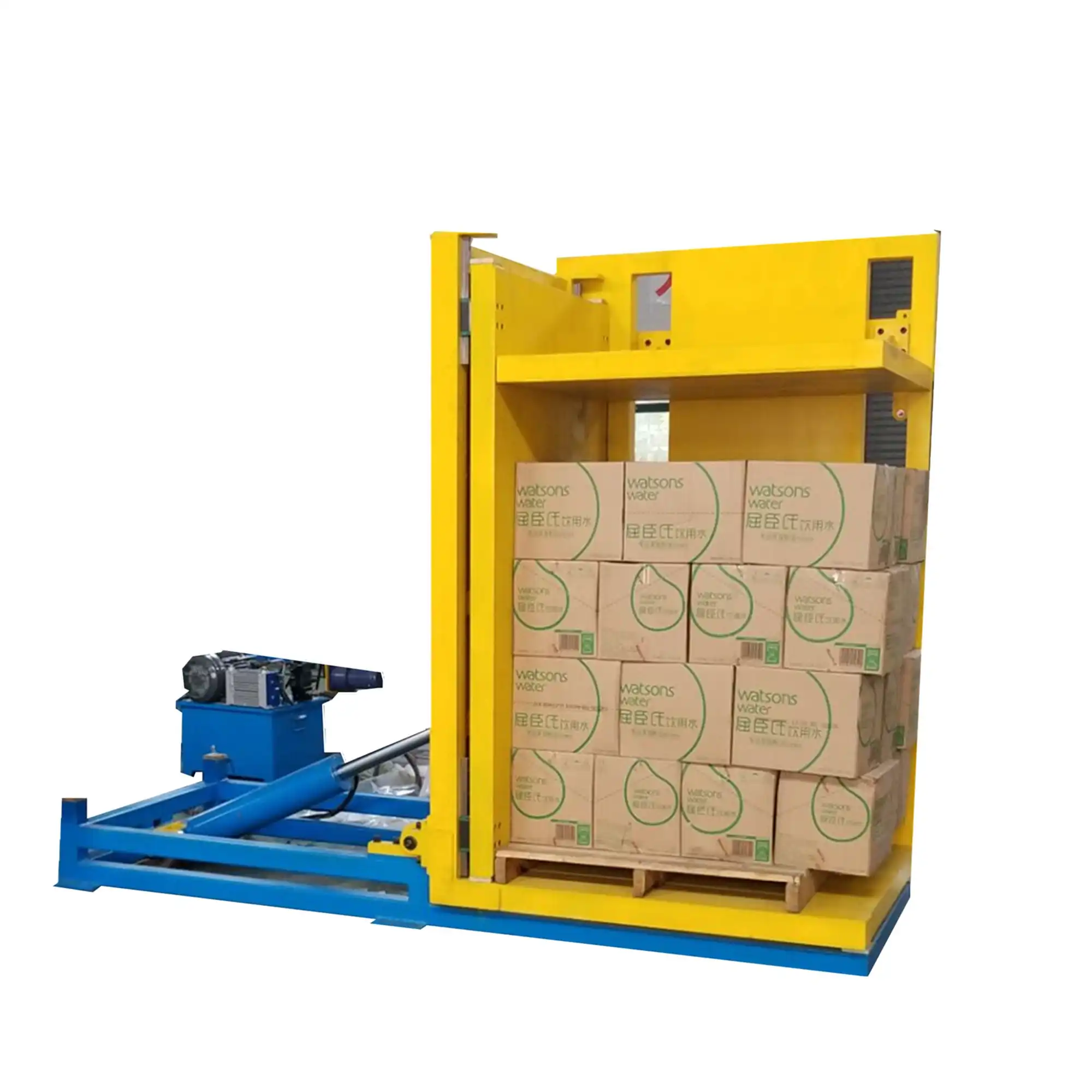
I have helped many businesses, just like Carlos’s, move from manual, risky operations to automated, efficient processes. This transition is crucial for sustained growth in today’s competitive market. The right partner will not just sell you a machine. They will understand your unique pain points—like varied pallet specs, labor shortages, and safety risks—and offer flexible, reliable solutions. They will also provide the crucial after-sales support that truly makes a difference. FHOPEPACK prides itself on being that kind of partner. Our pallet changers are engineered for reliability and adaptability, ensuring your operations run smoothly, safely, and compliantly. We provide tailored advice and support to help you achieve your goals, whether that is boosting automation, improving safety, or reducing operational costs. By working with FHOPEPACK, you gain a partner committed to your long-term success, helping you navigate the complexities of export compliance and achieve truly fumigation-free shipping. I encourage you to explore our solutions and see how we can help you master your packing machine needs. (FHOPEPACK partnership, adaptable solutions, after-sales support)
Conclusion
Pallet flippers are essential for modern export logistics, ensuring compliance and enabling fumigation-free shipping by efficiently transferring goods to suitable pallets. They enhance safety, reduce costs, and boost throughput. Partnering with FHOPEPACK for your pallet inverter needs guarantees reliable, adaptable solutions for a streamlined global supply chain.








