
Why Do Companies Invest in Pallet Inverters for Material Handling?
Warehouse operations can feel like a high-stakes game. One wrong move, or one inefficient process, can lead to cascading problems: delayed shipments, damaged goods, frustrated clients, and even serious workplace injuries. Are you constantly battling against slow processes or outdated equipment? Does the thought of manual pallet changes fill you with dread, knowing the risks involved?
Companies invest in pallet inverters for material handling to solve critical operational challenges. These machines streamline pallet changes, improve worker safety, reduce labor costs, and ensure product integrity across diverse supply chain needs. They are a core tool for modern warehouses looking to boost efficiency and compliance.
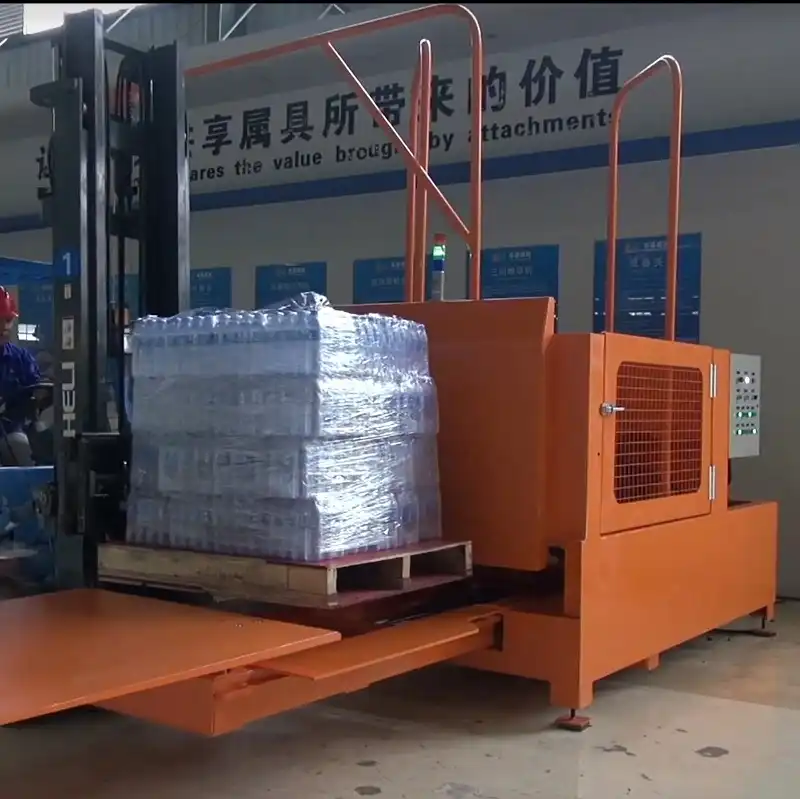
From my years in the packing machine industry, seeing countless factories struggle, I know these issues deeply. But there is good news. Businesses like yours are finding smart, effective solutions. They are turning to pallet inverters to transform their material handling. Let’s explore the key reasons why this investment makes so much sense.
Are Pallet Inverters Essential for Diverse Pallet Requirements?
Dealing with different pallet types can be a logistical nightmare. Imagine your warehouse needing to process thousands of pallets daily. Then add the challenge of switching between Euro pallets, US pallets, and plastic pallets for international shipments. This is a common scene, especially in food and beverage distribution. Do these constant changes slow down your operations and cause headaches?
Yes, pallet inverters are essential for managing diverse pallet requirements efficiently. They allow companies to switch between different pallet types, such as wood, plastic, Euro, and US standard pallets, quickly and safely. This capability is vital for international logistics and specific industry compliance.

When I first started in this business, many companies relied on manual labor for these changes. It was slow, prone to errors, and definitely not ideal. Now, automated solutions make a huge difference. These machines can adapt to many pallet specifications. This means less manual handling and more consistent operations. It also helps businesses meet strict international shipping rules. My own journey in the packing machine industry taught me that adaptation is key to success. We help clients grow by offering flexible solutions. (Pallet standardization, international compliance, varied pallet types)
Dive deeper Paragraph: Many businesses, especially those in global trade like multinational food and beverage groups, face a constant challenge. They need to move goods across borders. But different countries use different pallet sizes and materials. For example, Europe commonly uses Euro pallets. North America often uses GMA standard pallets. Also, some industries require plastic pallets for hygiene reasons. This diversity creates a bottleneck in traditional warehouses. Manual pallet changes are not just slow; they are costly. Each manual switch takes time, requires multiple workers, and can lead to errors. Errors can mean damaged goods, which nobody wants. Also, these errors can cause delays. Delays can lead to penalties from clients. Pallet inverters solve this problem head-on. They provide a quick and reliable way to transfer goods from one pallet type to another. Here is how they help:
- 🎯 Seamless Transition: Pallet inverters make switching pallets easy. They can handle a load from a wooden pallet and transfer it onto a plastic one. Or they can move goods from a Euro pallet to a US standard pallet. This happens without lifting the products by hand.
- 📏 Adaptability: Modern pallet inverters are designed to work with various pallet dimensions and weights. This means one machine can serve multiple purposes. It reduces the need for different specialized equipment. It also lowers the initial investment cost in the long run.
- 🛡️ Product Protection: When workers manually change pallets, there is always a risk of damaging the product. This is especially true for fragile items or food products. Pallet inverters hold the load securely. They gently transfer it. This protects the integrity of the goods. It reduces waste and ensures product quality.
- ⏳ Reduced Downtime: Manual pallet changes stop the flow of goods. Pallet inverters perform this task fast. This minimizes downtime. It keeps the warehouse moving smoothly. Faster processing times mean goods get to customers sooner. This makes clients happier and improves the supply chain’s overall speed.
- ⚖️ Regulatory Compliance: Many industries have strict rules about pallet hygiene or material. For instance, food processing often demands plastic pallets. Wood pallets may not be allowed in certain areas or for export due to pest control regulations. Pallet inverters help companies comply with these rules easily. They ensure the right pallet is used at the right stage. This avoids fines and keeps operations compliant. (Pallet transfer systems, material handling equipment, warehouse flexibility)
How Do Pallet Inverters Boost Operational Efficiency & Throughput?
Are your warehouse processes struggling to keep up with customer demand? E-commerce and retail clients now expect much faster delivery times. This pressure means every part of the warehousing process must speed up. Manual pallet handling or slow equipment can become a major bottleneck. Is your current system holding back your shipping speed?
Pallet inverters significantly boost operational efficiency and throughput by automating the pallet changing process. They reduce the time and effort needed for tasks like transferring goods, consolidating loads, or switching pallet types. This automation helps warehouses process more pallets faster, meeting tight delivery schedules and improving overall logistics flow.

In my experience building and running a packing machine factory, I saw firsthand how even small improvements in speed add up. A slight delay in one area can ripple through the entire operation. Pallet inverters directly tackle this. They take a process that used to be labor-intensive and slow, and make it quick and machine-driven. This allows goods to move faster through the warehouse. It means more pallets can be processed in less time. This efficiency is critical for meeting today’s demanding customer expectations. (Operational optimization, throughput improvement, supply chain acceleration)
Dive deeper Paragraph: Modern warehouses, especially those handling high volumes, live and die by their efficiency. Every second counts. When you have thousands of pallets moving in and out each day, any manual step becomes a major drag. Pallet inverters are designed to eliminate these drags. They introduce a level of automation that directly impacts throughput. This means more goods can flow through the warehouse in the same amount of time. This is vital for industries with tight deadlines, like food and beverage, or fast-moving consumer goods. Let’s look at the specific ways pallet inverters boost efficiency:
- ⏱️ Reduced Cycle Times: A pallet inverter can perform a pallet change in minutes. This is much faster than manual methods, which can take 15-30 minutes or more per pallet. This speed gain is exponential when dealing with hundreds or thousands of pallets daily. It means trucks get loaded faster. Goods leave the dock sooner.
- 🔄 Continuous Flow: Pallet inverters can integrate into existing conveyor systems or automated lines. This creates a more continuous flow of goods. There are fewer stops and starts. This smooth movement prevents bottlenecks. It ensures products move from receiving to shipping without unnecessary delays.
- 📈 Increased Pallet Turnover: With faster cycle times and continuous flow, the overall pallet turnover rate increases. This means the warehouse can handle a larger volume of goods without expanding its physical footprint. It maximizes the use of existing space and resources. It also allows for better inventory management.
- ⚖️ Consistent Performance: Humans get tired. Machines do not. A pallet inverter performs the task with the same speed and accuracy every time. This consistency is crucial for predictable operations. It helps with planning and scheduling within the warehouse. It also reduces errors caused by human fatigue.
- 📊 Better Use of Resources: When machines handle pallet changes, workers can focus on higher-value tasks. They can manage inventory, inspect goods, or optimize routes. This re-allocation of labor makes the entire workforce more productive. It ensures human talent is used where it matters most. For example, instead of flipping pallets, staff can manage complex picking operations. This strategic use of resources lowers overall operating costs. It also makes the warehouse more resilient to labor shortages. (Warehouse automation solutions, logistics efficiency, material flow management)
Do Pallet Inverters Improve Workplace Safety & Reduce Risks?
Is safety a top concern in your warehouse? Manual handling of heavy loads and flipping pallets by hand comes with significant risks. Think about potential accidents: goods falling, workers getting injured, or even serious incidents leading to costly compensation and lost time. Has your company faced safety incidents due to manual pallet operations?
Yes, pallet inverters significantly improve workplace safety by removing the need for manual handling of heavy pallets and loads. They automate risky tasks like flipping products or transferring items between pallets, dramatically reducing the potential for worker injuries, product damage, and associated liabilities.
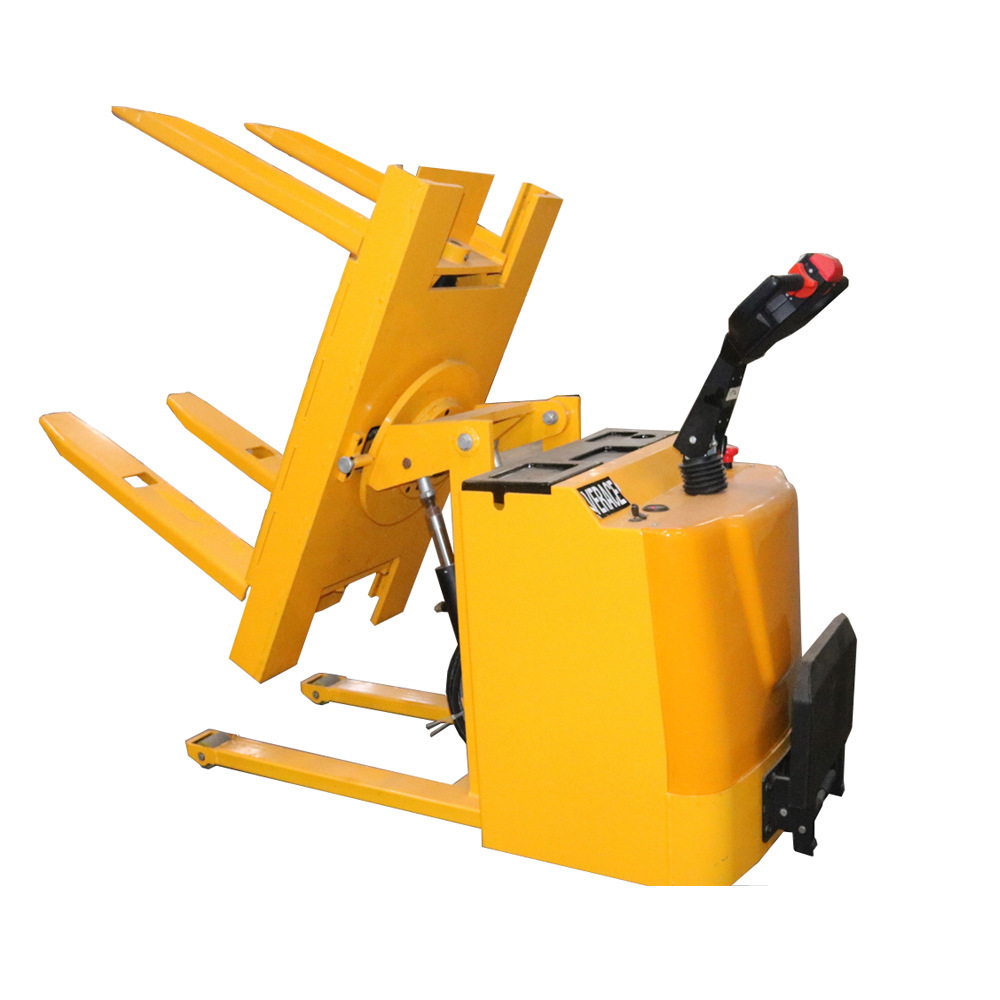
My journey from an employee to a factory owner taught me the true cost of accidents. It is not just the immediate expense but the impact on morale, insurance, and overall productivity. When I started FHOPEPACK, one of our core values became solving real problems for our clients. Safety is a prime example. Pallet inverters reduce the physical strain on workers. They prevent goods from falling. This creates a much safer work environment. This is especially important for companies dealing with thousands of pallets daily. Reducing these risks saves money and protects your most valuable asset: your employees. (Workplace injury prevention, safety automation, hazardous task reduction)
Dive deeper Paragraph: Safety should always be the top priority in any warehouse. Manual pallet handling is one of the most dangerous tasks. Workers often have to lift, twist, and turn heavy loads. They might use forklifts in ways that are not ideal. They might even try to flip pallets by hand. This puts immense strain on their backs, shoulders, and other joints. These actions can cause muscle strains, sprains, or even fractures. Goods can also fall and injure workers or get damaged. Many businesses have faced incidents already. These incidents can lead to high costs. They include medical bills, workers’ compensation claims, and legal fees. There is also the cost of lost productivity. And it impacts employee morale. Pallet inverters offer a clear solution to these safety hazards. Here is how they make the workplace safer:
- ⛑️ Elimination of Manual Handling: The most direct safety benefit is removing the need for workers to physically lift or manipulate heavy loads during pallet changes. The machine does all the heavy work. This prevents injuries related to lifting, twisting, and repetitive motions.
- 🚨 Reduced Risk of Falling Goods: When pallets are flipped manually, there is a high risk of the load shifting or falling. This can damage products. More importantly, it can injure anyone nearby. Pallet inverters secure the load completely before rotating or transferring it. This ensures stability throughout the process. It drastically lowers the chance of products falling.
- 🚧 Controlled Environment: Pallet inverters operate within a controlled space. Many modern units come with safety features like light curtains, safety cages, and emergency stop buttons. These features ensure that workers are kept away from moving parts during operation. This controlled environment reduces the risk of collisions or entrapment.
- ⚕️ Fewer Strain Injuries: Repetitive tasks and heavy lifting are major causes of musculoskeletal disorders (MSDs). Pallet inverters take over these repetitive, high-strain tasks. This means fewer workers develop chronic pain or injuries. It improves long-term employee health. It also reduces the number of sick days or disability claims.
- 🛡️ Compliance with Safety Regulations: Investing in automated equipment like pallet inverters helps companies meet occupational safety standards. It demonstrates a commitment to worker welfare. This can lead to lower insurance premiums. It also helps avoid fines from regulatory bodies. Ultimately, a safer workplace is a more productive and compliant workplace. (Industrial safety solutions, material handling safety, injury prevention in logistics)
Can Pallet Inverters Significantly Cut Labor Costs & Overcome Shortages?
Are you struggling to find enough skilled workers for warehouse roles? The cost of labor keeps rising, and fewer young people want physically demanding jobs. Manual pallet handling requires a lot of manpower. Does this labor dependency put a strain on your budget and operations?
Yes, pallet inverters can significantly cut labor costs and help overcome shortages by automating labor-intensive tasks. They reduce the number of employees needed for pallet changing, freeing up workers for other critical roles. This automation lowers overall operational expenses and makes a warehouse more resilient to labor market fluctuations.
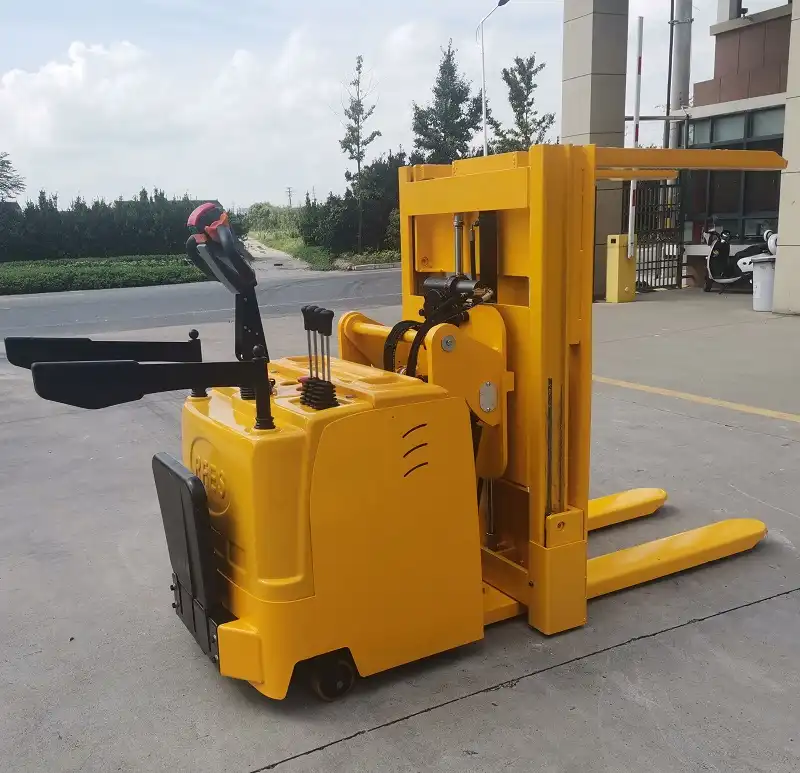
When I built my packing machine factory, I saw the true value of automation. It was not just about saving money; it was about smart resource allocation. It allowed our team to focus on innovation and complex problem-solving. Pallet inverters work the same way in a warehouse. They replace tasks that once needed several people. Now, one person can supervise the machine. This means fewer staff are needed for basic, repetitive work. It helps businesses deal with rising labor costs and a shrinking workforce. (Workforce optimization, automated warehouse solutions, operational expenditure reduction)
Dive deeper Paragraph: The global logistics sector faces a significant challenge: labor shortages and increasing labor costs. This is a common issue for many warehouse managers, including those at multinational food and beverage groups. Young workers often do not want physically demanding jobs like manually handling pallets. This makes it hard to recruit and retain staff. When labor is scarce, wages go up. This directly impacts a company’s bottom line. Manual pallet changes can require two or more workers for an extended period. This represents a substantial ongoing expense. Pallet inverters offer a powerful solution to this dilemma. They reduce the reliance on human labor for a specific, demanding task. Here is how they contribute to cost savings and mitigate labor issues:
- 💰 Reduced Headcount: A pallet inverter can perform the work of multiple manual laborers. This means companies can reduce the number of staff assigned to pallet changing tasks. This leads to direct savings in wages, benefits, and training costs. One operator can manage the machine.
- 📈 Improved Labor Utilization: Instead of doing repetitive, physically taxing work, staff can be redeployed to higher-value activities. They can focus on quality control, order picking, inventory management, or equipment maintenance. This optimizes the use of human talent. It makes the entire workforce more productive.
- 🔄 Consistent Output Despite Shortages: In a tight labor market, it is hard to find temporary staff or cover sick leave. A pallet inverter ensures that pallet changing operations continue smoothly. It provides consistent output, regardless of labor availability. This makes the warehouse more resilient to workforce fluctuations.
- 📉 Lower Overtime Costs: Manual pallet operations often require overtime to meet peak demand or clear backlogs. With the speed of a pallet inverter, tasks are completed faster within regular shifts. This reduces the need for costly overtime pay. It helps manage the budget better.
- 🛡️ Reduced Turnover: Mechanizing strenuous tasks improves job satisfaction and reduces physical strain. This can lead to lower employee turnover rates. Happy and healthy employees are more likely to stay. This saves money on recruitment and training new staff. It also builds a more experienced team. (Warehouse labor management, automation benefits, cost-effective material handling)
How Do Pallet Inverters Ensure Product Integrity and Quality?
In the food and beverage industry, product quality and integrity are non-negotiable. Any damage during handling can lead to costly spoilage, recalls, or customer complaints. Are you concerned about how manual or outdated methods might be compromising your valuable products during pallet changes?
Pallet inverters ensure product integrity and quality by securely holding loads during transfer and rotation. They minimize physical shocks, sudden movements, and potential drops that often occur with manual handling. This protection is vital for fragile, unstable, or hygienically sensitive goods, preventing damage and maintaining product standards.

I know the importance of quality control. From my time as an engineer and factory owner, I learned that a good packing machine does not just move products. It protects them. Pallet inverters do exactly this for your goods. They offer a stable, controlled way to handle products. This means less damage, less waste, and consistent quality reaching your customers. It gives businesses peace of mind, knowing their products are safe from the warehouse floor to the shipping dock. (Damage prevention, quality assurance in logistics, safe product handling)
Dive deeper Paragraph: For businesses, especially those dealing with food, beverages, or pharmaceuticals, maintaining product integrity is paramount. Any damage during internal logistics can lead to serious consequences. These include financial losses from spoiled goods, potential health risks, and severe damage to brand reputation. Manual handling often involves rough treatment, sudden movements, or the risk of products falling. Even if the damage is not immediately visible, internal bruising or slight shifts can reduce shelf life or affect quality. This is where pallet inverters prove invaluable. Here is how pallet inverters protect product integrity and quality:
- 🔒 Secure Clamping Mechanism: Pallet inverters are designed to firmly clamp the load during the entire transfer process. This prevents any shifting or movement of the products. Whether it is a full stack of cases or delicate items, they stay in place. This secure grip is crucial for maintaining the stack’s stability.
- 🤸 Smooth Rotation and Transfer: Unlike manual flipping, which can be jerky and uncontrolled, pallet inverters perform rotations and transfers smoothly. They use hydraulic or electric systems for precise movements. This gentleness reduces physical shocks to the products. It prevents damage that might not be visible from the outside.
- 💧 Prevention of Spillage and Breakage: For liquid products, bottles, or fragile containers, sudden movements can cause spillage or breakage. Pallet inverters minimize these risks. The controlled environment ensures that containers remain upright or are rotated in a way that prevents contents from leaking or breaking. This is particularly important for high-value items.
- ✨ Hygiene Control: In food processing or pharmaceutical industries, maintaining a clean environment is critical. Pallet inverters allow for easy transfer from potentially contaminated wooden pallets (e.g., those from receiving docks) to clean, hygienic plastic pallets for internal storage or processing. This prevents cross-contamination and supports strict hygiene protocols.
- 📦 Consistent Stacking: Manual restacking can lead to inconsistent stack heights or instability. A pallet inverter ensures that the new stack is uniform and stable. This consistency is not just for appearance. It improves storage efficiency. It also reduces the risk of stacks collapsing during internal transport or storage. This commitment to careful handling ensures that the product reaching the customer is in perfect condition. It reinforces brand trust and customer satisfaction. (Product damage protection, quality control in warehousing, hygienic pallet transfer)
Conclusion: What Are the Long-Term Gains of a Pallet Inverter Investment?
Companies like yours face big challenges: diverse pallet needs, demand for speed, safety risks, and labor issues. Pallet inverters offer a powerful answer to these problems. They are not just machines; they are strategic tools.
Investing in a pallet inverter brings significant long-term gains. It means better safety, lower costs, faster operations, and higher product quality. This makes your business more competitive and resilient. For me, helping clients achieve this kind of success is what FHOPEPACK is all about.








