
What Cost Factors Truly Matter When Choosing a Pallet Inverter for Fruit and Grain Logistics?
Have you ever looked at a new piece of equipment and only seen its upfront price tag? I know I did when I started in the packing machine industry. But after years of building my own factory and helping countless clients, I learned a crucial lesson. For businesses dealing with sensitive goods like fruit and grain, and facing tight deadlines, looking only at the initial cost of a pallet inverter can be a very expensive mistake. The real cost runs much deeper than what you pay on day one.
When choosing a pallet inverter for fruit and grain logistics, the true cost goes beyond the purchase price. Key factors like operational efficiency, labor savings, long-term reliability, maintenance needs, safety features, and the quality of after-sales support significantly impact your total cost of ownership (TCO) and overall profitability.
It is easy to get caught up in finding the cheapest option. However, in demanding environments like modern warehouses that handle high volumes of fruit and grain, a low initial price can hide massive expenses down the road. Let us look at what truly matters and why.
Is the Initial Purchase Price the Only Cost to Consider for a Pallet Inverter?
Many people, especially those new to large-scale logistics, think the sticker price tells the whole story. I remember one client who was thrilled with a bargain pallet inverter they found. Six months later, they faced constant breakdowns and product damage. This quickly taught them that a low purchase price can hide a lot of future problems and expenses.
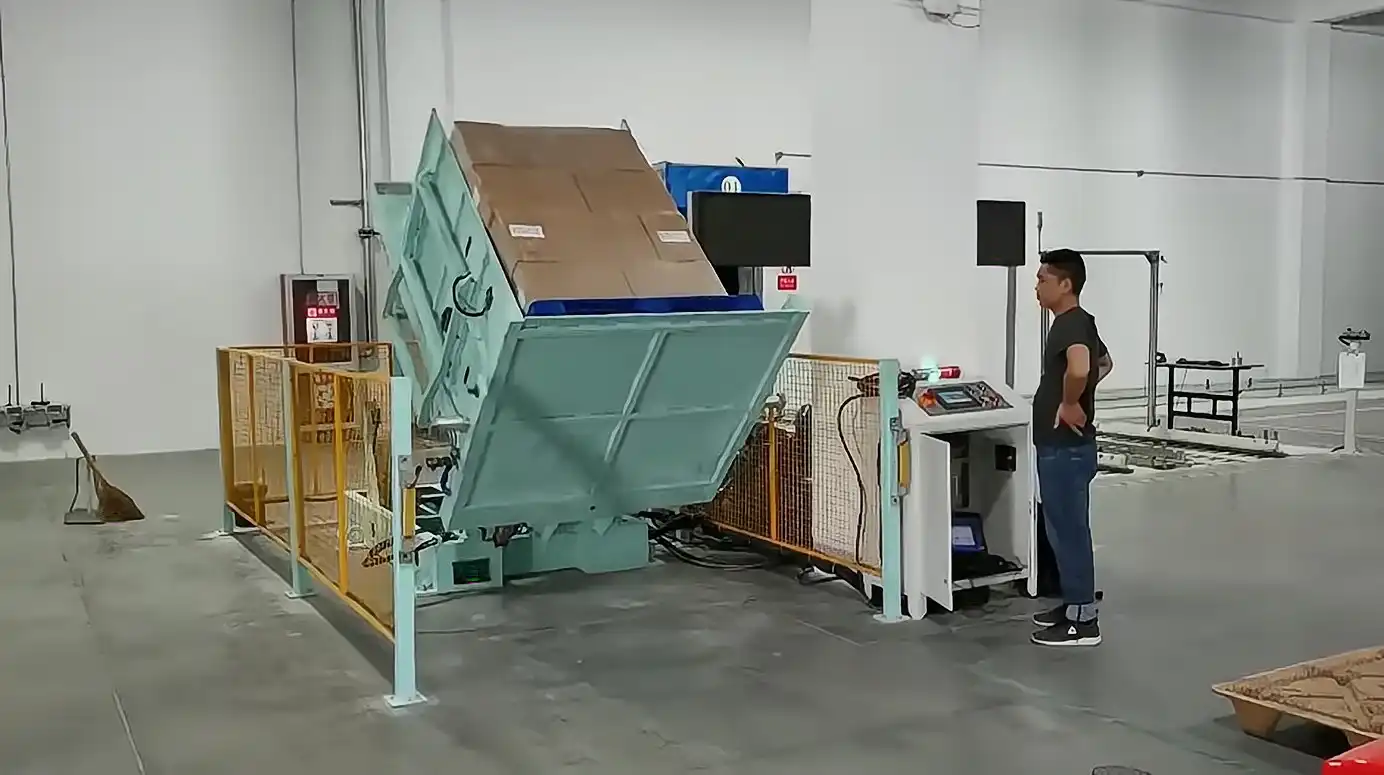
The initial purchase price of a pallet inverter is just one part of the total cost. You must also consider hidden costs like installation, potential customizations for specific pallet types (like those used for fruit and grain), and the often-overlooked cost of downtime when the machine is not working.
When I was an engineer, I saw firsthand how much pressure logistics managers like Carlos in Spain face. They juggle diverse pallet types, from Euro to US standard, and even plastic ones. For fruit and grain, you also worry about contamination and gentle handling. A cheap machine might not adapt to these different pallets easily. This means more manual work or even product damage. Installation can be complex too. Does the supplier offer support? What about customizing it to fit your exact line? These are all initial costs beyond the price tag.
Digging Deeper into Upfront and Hidden Costs:
Choosing a pallet inverter is a strategic investment. It is not just a simple purchase. Many factors come into play beyond what is listed on a price sheet. I have seen businesses make big mistakes here. They focus too much on getting a low initial quote. This often leads to bigger financial burdens later on.
When you look at the initial purchase price, you must also consider what that price includes. Does it cover delivery to your warehouse? What about the actual installation process? Some suppliers might offer a very attractive machine price but then charge high fees for commissioning. Commissioning means getting the machine set up, tested, and ready to run smoothly in your specific environment. For sensitive products like fruit and grain, proper setup is critical to avoid issues.
Another hidden cost can come from necessary customizations. Imagine Carlos in his European distribution center. He needs to switch between Euro pallets and US standard pallets. A basic pallet inverter might only handle one type efficiently. To make it work with both, you might need special clamps, adjustable platforms, or different software settings. These modifications can add significantly to the total upfront cost. If the supplier does not offer flexible solutions, you might end up paying a third party for these changes. This adds complexity and cost.
Furthermore, consider the foundation requirements. A heavy-duty pallet inverter needs a stable base. This can mean extra concrete work or structural reinforcements in your warehouse. These are civil engineering costs that people often forget to budget for. They are directly tied to the machine’s installation.
Training is another key factor. Once the machine is installed, your team needs to know how to operate it safely and efficiently. Is operator training included in the initial package? Or will you need to pay extra for it? Proper training reduces mistakes, increases productivity, and extends the machine’s life. It is an investment, not an expense.
Finally, think about spare parts. Does the initial purchase include a basic set of spare parts? Or will you need to buy them separately? Having critical spare parts on hand can prevent long downtimes. This is especially true for fruit and grain, where quick processing is essential. Planning for these seemingly small details upfront saves a lot of headaches and money in the long run.
- 💰 Purchase Price: What is the actual cost of the machine?
- 📦 Shipping & Delivery: How much does it cost to get the machine to your site?
- 🛠️ Installation & Commissioning: Does the supplier handle setup, and is it included?
- ⚙️ Customization Needs: Are there extra costs for adapting to different pallet sizes or product types (e.g., specific gentle handling for fruit)?
- 🏗️ Infrastructure Adjustments: Do you need to modify your warehouse floor or electrical system?
- 👨🏫 Training: Is staff training on operation and basic maintenance included?
- запас Initial Spare Parts: Are any essential spare parts part of the deal?
These are all parts of the puzzle. Only looking at the machine’s price gives you an incomplete picture.
How Do Operational Costs Impact Your Bottom Line in Fruit and Grain Handling?
Operational costs are the daily expenses of running the pallet inverter. Many businesses overlook these. They can quietly eat away at profits. I remember a client who saved a bit on the purchase, but their new machine used so much electricity it erased all their initial savings within months.
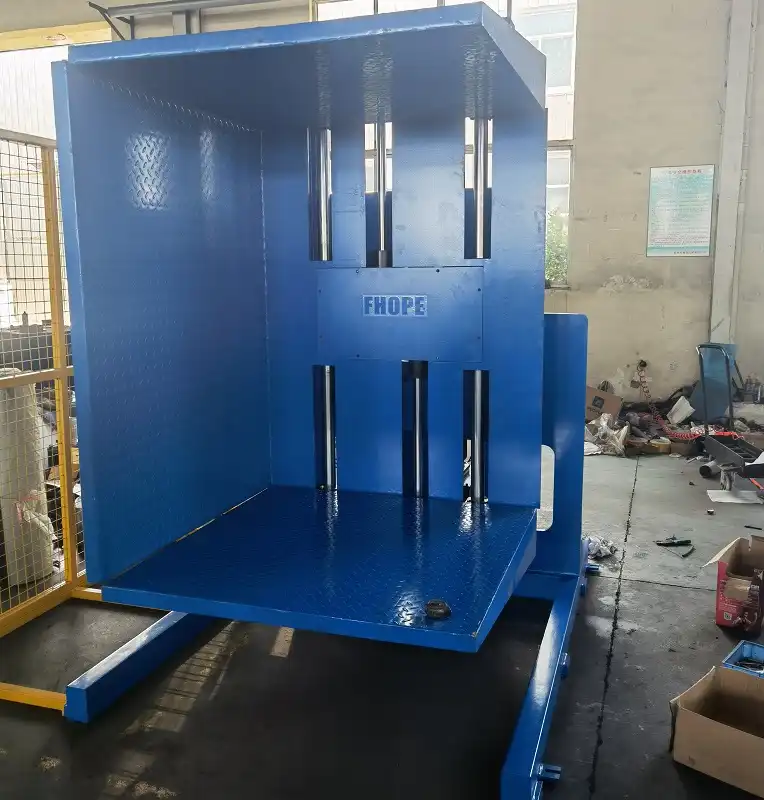
Operational costs, including labor, energy consumption, and throughput efficiency, profoundly impact the bottom line in fruit and grain handling. High labor requirements for manual pallet changes, inefficient energy use by the machine, or slow processing times can quickly erode profitability, making a seemingly cheap machine very expensive over its lifespan.
Think about Carlos’s situation again. He faces rising labor costs and a shortage of people willing to do heavy lifting. A manual pallet change might seem free, but you pay for the labor, and it is slow. A good automatic pallet inverter reduces this need dramatically. Also, how much power does the machine use? An energy-efficient model saves money every single day. For fruit and grain, speed is also money. Slow throughput means longer loading times, more trucks waiting, and potential product spoilage. Every minute counts.
Deep Dive into Daily Operating Expenses:
Operational costs are not always obvious. They are the expenses that accumulate over time, often unnoticed until they significantly impact profitability. For businesses like Carlos’s, which handle high volumes of goods such as fruit and grain, these daily costs can make or break a budget.
First, let us talk about labor. When I started FHOPEPACK, I knew that efficient labor use was key. Manual pallet changing is labor-intensive, risky, and slow. If you have several employees dedicated to manually shifting pallets, especially different types like Euro and US standard, their wages, benefits, and potential overtime add up fast. An automated pallet inverter, even a semi-automatic one, drastically cuts down on this direct labor cost. Instead of multiple people, you might only need one operator to supervise or manage the process. This shift frees up valuable staff to perform other, more skilled tasks within the warehouse. The cost savings here are immediate and continuous.
Next, consider energy consumption. Pallet inverters are powerful machines. They use motors and hydraulics to lift and rotate heavy loads. Some older or less efficient models can be real energy guzzlers. In a facility running multiple shifts, this can translate into hefty electricity bills. Modern pallet inverters are designed with energy efficiency in mind, using advanced motor controls and hydraulic systems that consume less power. For long-term savings, investing in an energy-efficient model makes strong financial sense. It helps reduce your carbon footprint, which is also increasingly important for corporate responsibility.
Then there is throughput efficiency. This means how quickly the machine can process pallets. In the fruit and grain industry, speed is critical. Perishable goods need to move fast to maintain quality and freshness. If a pallet inverter is slow or frequently jams, it creates bottlenecks in the entire logistics chain. This slowdown costs money in several ways:
- Increased labor hours: Staff waits for the machine, or they work longer shifts.
- Vehicle demurrage: Trucks wait longer, leading to fines or wasted time for transport companies.
- Potential spoilage: For fruit and grain, delays can mean damaged goods, leading to waste and lost revenue.
- Customer dissatisfaction: Delays impact delivery times, leading to unhappy customers and potential contract penalties.
A reliable, fast pallet inverter reduces these hidden costs. It ensures smooth, continuous flow of goods. My experience shows that investing in a machine that can keep up with demand always pays off. It maintains operational rhythm and prevents costly delays.
- 🚶 Labor Savings: How many people does the machine replace or reduce?
- ⚡ Energy Efficiency: How much power does it consume per operation or hour?
- ⏱️ Throughput Speed: How many pallets can it process per hour, and how does this affect overall flow?
- 📏 Versatility: Can it handle all your required pallet types (e.g., Euro, US, plastic) without complex adjustments?
- 💧 Consumables: Does it require special oils, filters, or other regularly replaced items?
These factors, when added up, can easily outweigh any initial purchase price savings over the machine’s lifetime.
What Are the Risks and Costs of Ignoring Safety and Reliability in Logistics?
Safety is non-negotiable, especially in a busy warehouse. I have seen accidents happen. They are not just tragic for the people involved; they are also incredibly costly for the business. When you try to save money by cutting corners on safety or buying unreliable equipment, you are playing a very risky game.
Ignoring safety and reliability in logistics, particularly with pallet inverters handling heavy fruit and grain loads, leads to significant financial and human costs. These include expensive workplace accidents, increased insurance premiums, costly equipment downtime, potential product damage, and damage to a company’s reputation and compliance standing.
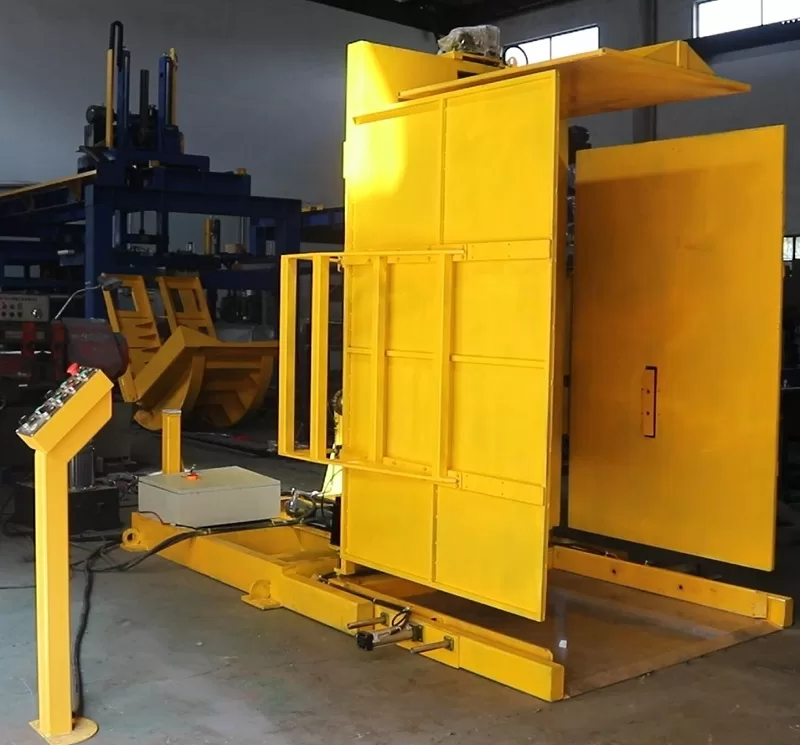
Carlos highlighted safety as a major concern. Manual pallet flipping carries a high risk of injury from falling goods or strained backs. My factory always prioritized safety in design. An unreliable machine causes frequent breakdowns. This stops your entire operation. Think about a pallet inverter used for fruit. If it breaks down, the fruit might spoil waiting to be processed. This means lost product and lost revenue. Accidents lead to medical bills, compensation, increased insurance costs, and investigations. These expenses dwarf any upfront savings from a cheap, unsafe machine.
Breaking Down the Costs of Neglect:
The true cost of ignoring safety and reliability is often much higher than people expect. It is not just about direct financial losses. It also involves damage to reputation and employee morale. In my career, I have seen too many times how a focus on short-term savings can lead to long-term pain.
Safety failures are costly. If a pallet inverter causes an accident, the immediate costs are high. These include medical expenses for the injured worker, potential legal fees, and compensation payments. Then there are the indirect costs:
- Increased insurance premiums: After an accident, your worker’s compensation and liability insurance rates will likely go up.
- Lost productivity: Other workers might be shaken, leading to reduced output.
- Investigation time: Regulatory bodies will investigate, taking up valuable management time and resources.
- Reputational damage: Accidents can harm your company’s image, making it harder to attract and retain good employees and customers.
For fruit and grain operations, the risk of product damage is also a major concern. If a pallet inverter is not reliable, it might drop or mishandle pallets. This can crush delicate fruit or spill grain, leading to significant product loss. In an industry where profit margins can be tight, losing even a small percentage of your product due to equipment failure is unacceptable. This spoilage is a direct hit to your bottom line.
Reliability issues lead to downtime. Every minute your pallet inverter is not running, your operation is losing money. This is especially true in fast-paced logistics environments. Downtime means:
- Idle workers: Employees wait for the machine to be fixed, wasting their wages.
- Missed deadlines: Shipments get delayed, potentially leading to contractual penalties with clients. Carlos mentioned this as a real fear.
- Production bottlenecks: The whole flow of goods through the warehouse slows down, impacting other processes.
- Emergency repairs: Often, quick fixes cost more than planned maintenance. You might pay premium rates for urgent service or parts.
Moreover, a lack of reliability can force you to maintain a larger inventory of goods. This is a buffer against potential delays. However, holding more inventory means higher storage costs, increased risk of spoilage for fresh produce, and tied-up capital. A reliable pallet inverter allows for leaner inventory management and just-in-time operations, which are much more cost-efficient. Investing in a robust, high-quality machine from the start saves money by preventing these costly incidents. It ensures compliance with safety standards and keeps your workforce safe and productive.
- 🩹 Accident Costs: Medical bills, compensation, lost workdays, potential lawsuits.
- 📈 Insurance Premiums: Higher rates after safety incidents.
- ⬇️ Downtime Losses: Lost productivity, missed deadlines, spoiled product.
- 💥 Product Damage: Costs of damaged or unusable fruit and grain.
- 🏷️ Reputational Harm: Damage to company image, harder to attract talent and customers.
- 📜 Compliance Fines: Penalties for failing to meet safety regulations.
These factors add up quickly. They can easily dwarf any initial savings from buying a cheaper, less safe, or less reliable machine.
Why Does After-Sales Support Become a Critical Cost Factor for Long-Term Operations?
When you buy a packing machine, you are not just buying a piece of metal. You are investing in a solution. And like any investment, it needs support. I built FHOPEPACK on the principle of partnership. I have seen clients who bought machines with no support. When something broke, they were left stranded. That experience taught me the value of reliable after-sales service.
After-sales support is a critical cost factor for long-term operations because prompt, knowledgeable technical assistance, readily available spare parts, and comprehensive maintenance services directly minimize costly downtime, extend the machine’s lifespan, and ensure continuous productivity for businesses handling time-sensitive products like fruit and grain.
Imagine Carlos in Spain. His facility runs constantly. If a pallet inverter breaks down, he needs help fast. Does the supplier have local technicians? Are spare parts easily available, especially for specialized components for fruit and grain handling? A supplier who disappears after the sale is a liability. Good support means quicker repairs, less downtime, and a longer life for your machine. This prevents small problems from becoming huge, expensive headaches. It is about peace of mind.
The True Value of Post-Purchase Partnership:
After-sales support is often viewed as an optional extra. In reality, it is a cornerstone of long-term operational success. For any business relying on heavy machinery, especially in high-stakes logistics like fruit and grain handling, the quality of this support directly impacts the bottom line. My journey from an employee to a factory owner taught me that a strong partnership with your supplier is invaluable.
Think about the importance of quick response times. If a pallet inverter breaks down, every hour it is inactive costs money. A supplier with a dedicated support team, available through multiple channels (phone, email, online portal), can diagnose issues much faster. This rapid response minimizes downtime, which is critical for perishable goods. Without this, you might be waiting days or even weeks for help, leading to significant financial losses from spoiled product and missed delivery windows. Carlos needs a partner who understands this urgency.
The availability of spare parts is another huge factor. When a component fails, you need a replacement quickly. A good supplier maintains a readily accessible inventory of common and critical spare parts. They can ship them out fast. If parts are hard to find or have long lead times, your machine sits idle. This is especially problematic for custom-built or specialized parts that might be unique to your pallet inverter. Knowing that your supplier can provide parts efficiently and cost-effectively prevents prolonged operational halts.
Moreover, a strong after-sales program often includes preventative maintenance services. Regular, scheduled maintenance can identify and fix minor issues before they become major breakdowns. This proactive approach saves money in the long run by extending the machine’s lifespan and reducing the need for expensive emergency repairs. It ensures the pallet inverter operates at peak efficiency, which is important for energy consumption and throughput. Some suppliers even offer remote monitoring services, allowing them to detect potential problems before they happen, offering predictive maintenance.
Finally, consider ongoing technical advice and software updates. Technology evolves. A good partner provides updates to improve performance, enhance safety features, or adapt to new operational requirements. They also offer expert advice on optimizing your machine’s use. This continuous support helps your operation stay competitive and efficient. It is a true partnership that ensures your investment continues to pay dividends for years to come. This is the kind of partnership that I, at FHOPEPACK, always strive to offer.
- 📞 Technical Support: Quick access to expert advice for troubleshooting.
- ⚙️ Spare Parts Availability: Fast and reliable access to replacement components.
- 🔧 Maintenance Services: Preventative maintenance programs and emergency repair services.
- 🗺️ Local Presence: Does the supplier have technicians or support staff near your location?
- ⬆️ Updates & Upgrades: Access to software updates or potential hardware upgrades.
- 🤝 Supplier Relationship: A reliable partner who understands your needs, especially for fruit and grain.
Choosing a supplier with robust after-sales support ensures your investment is protected and your operations remain smooth for the long haul.

Conclusion
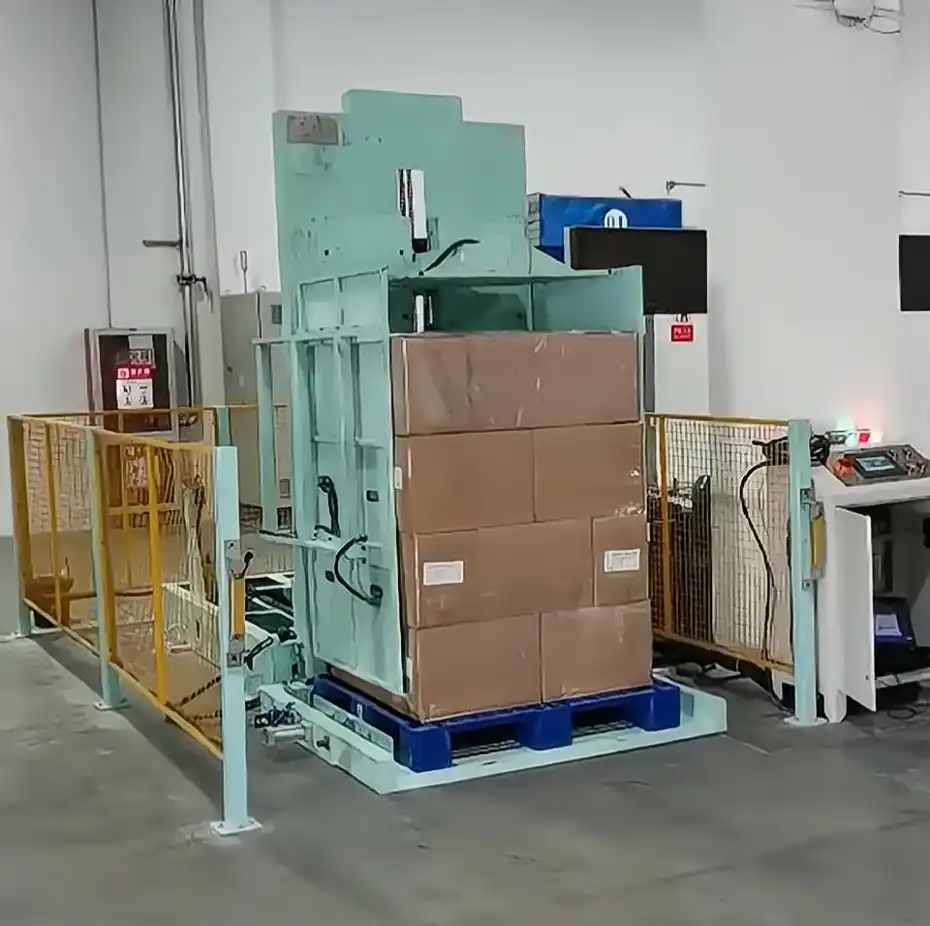
Choosing a pallet inverter for fruit and grain logistics is more than just buying a machine. It is an investment in your business’s future. You must consider the total cost of ownership, looking beyond the initial price to operational costs, safety implications, and critical after-sales support. Prioritizing reliability and comprehensive service ensures long-term efficiency and success, turning your pallet inverter into a true asset.








