
How Pallet Inverter Improves Hygiene Standards in Livestock Product Distribution?
Maintaining top hygiene is not just good practice in livestock product distribution. It is absolutely essential. The smallest lapse can lead to big problems. This includes product spoilage, health risks for consumers, and huge financial losses for companies. Many traditional methods for handling pallets simply do not meet these strict hygiene needs. This leaves businesses vulnerable to contamination risks at every step.
Pallet inverters significantly improve hygiene in livestock product distribution by enabling rapid, contact-free exchange of contaminated inbound pallets for clean, food-grade ones. This minimizes cross-contamination risks and ensures product safety from farm to table.
As someone who has spent years in the packing machine industry, I have seen first-hand how critical this is. We must find better ways to protect our products. So, let us look closer at how pallet inverters solve these challenges. They help businesses keep their operations clean and safe.
Why Are Pallet Hygiene Standards So Critical for Livestock Products?
Public health is always at stake when we talk about food. For livestock products, the risks are even higher. Mistakes in hygiene can have terrible consequences. This means understanding why strong hygiene standards for pallets are so important is the first step. Why must we be so careful with every single pallet?
Pallet hygiene is critical for livestock products because these goods are highly perishable and susceptible to bacterial growth. This means even minor contamination can lead to spoilage, public health crises, and significant financial losses for businesses.
Livestock products, like meat, dairy, and eggs, are very sensitive. They spoil quickly if not handled properly. Contamination from pallets can happen easily. These contaminants can cause serious foodborne illnesses. This can make people sick and even cause death. My long journey in the packing machine industry has shown me how easily issues can spread. I have helped many clients grow their businesses. Protecting the product quality is key to that growth.
Here are some reasons why hygiene is so vital for pallets in this sector:
-
🦠 Perishability and Contamination Pathways:
- Livestock products are ideal breeding grounds for bacteria. Examples are Listeria, Salmonella, and E. coli.
- Dirty pallets can carry these bacteria. They can get onto product packaging. Then they can get into the food itself.
- Moisture on pallets can also encourage mold growth. This further contaminates products.
- If a pallet has animal waste residue from a farm, it can introduce pathogens. These pathogens can then contaminate clean products during transport.
- A simple spill on a wooden pallet can absorb deeply. This makes it impossible to clean properly. The pallet then becomes a continuous source of contamination.
-
📋 Strict Regulatory Compliance:
- The food industry faces very strict rules. These include HACCP, ISO 22000, and various national and international regulations.
- If a company fails to meet these standards, it faces big problems. This means heavy fines, product recalls, and even facility shutdowns.
- In my experience, dealing with recalls is very expensive. It also causes huge damage to a brand’s reputation.
- Regular audits check every part of the supply chain. Pallet cleanliness is a key focus area during these checks. Not passing an audit can stop shipments.
-
🔄 Cross-Contamination Risks:
- Products often move from one type of pallet to another. This happens from farms to processing plants, and then to distribution centers.
- Raw products might come on one type of pallet. Finished, packaged products need to go out on clean pallets. This prevents raw product bacteria from reaching consumers.
- Mixing pallets from different parts of the supply chain without proper cleaning is dangerous. It can spread contaminants very quickly.
- Even if packaging seems secure, small tears or residues on pallets can transfer bacteria. This compromises the safety of the entire load.
-
🤝 Maintaining Consumer Trust and Brand Reputation:
- Food safety scares spread fast. They destroy consumer trust very quickly.
- If a brand gets linked to a contamination event, sales can drop dramatically. It can take years to rebuild trust.
- Companies like the multinational food and beverage group Carlos manages cannot afford any hygiene issues. Their reputation is everything.
- A strong commitment to hygiene, including pallet management, helps build a reputation for quality and safety. This is a competitive advantage.
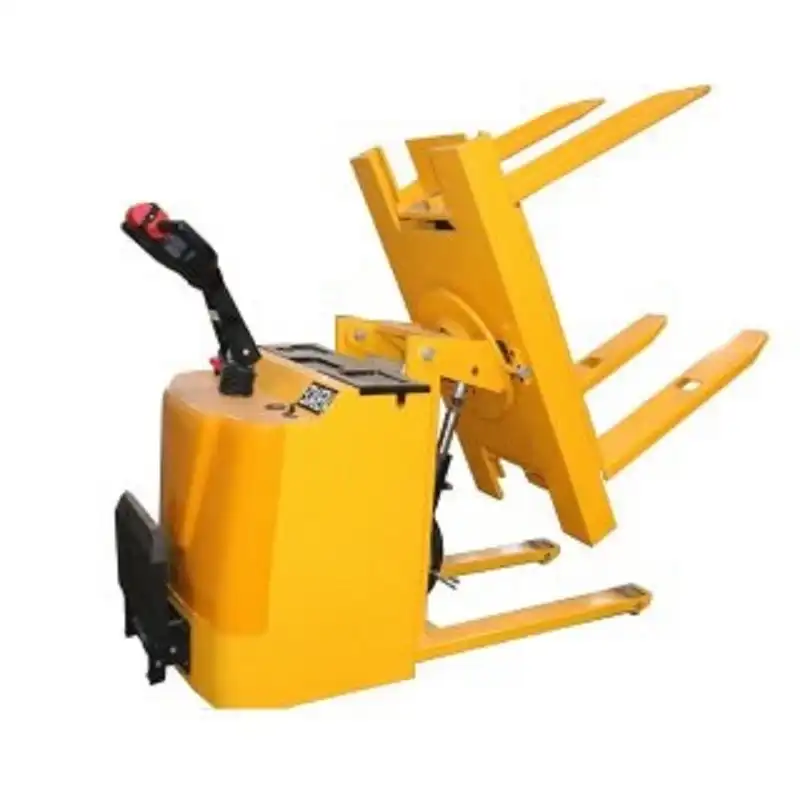
How Do Traditional Pallet Handling Methods Risk Contamination?
Many warehouses still use old ways to handle pallets. These methods often put products at risk. Are you still moving pallets by hand or using basic equipment that just moves them around? If so, you might be missing big hygiene dangers. There is a better, safer way to do things. Let us see how common practices can cause contamination.
Traditional pallet handling methods risk contamination through manual contact with dirty pallets. They also risk it by using damaged or porous wooden pallets that harbor bacteria. These methods often lack efficient systems to segregate and clean pallets. This increases the chance of cross-contamination throughout the supply chain.
When I talk with clients like Carlos, they often share similar challenges. Their biggest concerns include labor shortages and safety risks. These issues often tie directly back to outdated manual processes. These old ways are not just inefficient; they are also less hygienic. Carlos, for example, mentioned the need for reliable equipment and flexible solutions. Traditional methods simply do not provide this.
Here is a closer look at how traditional methods create risks:
-
✋ Manual Labor and Contact Points:
- Workers often handle pallets directly. Their hands, gloves, or clothes can carry dirt and germs.
- Even with gloves, cross-contamination is a risk. This happens when workers touch dirty inbound pallets then touch product packaging.
- Dust and debris from the warehouse floor can get onto pallets during manual movement. This dust can then transfer to products.
- If workers manually flip or adjust pallets, they might accidentally touch products. This creates new contact points for contamination.
- Each human interaction point increases the risk of introducing external contaminants. This is why automation is safer.
-
🪵 Issues with Wooden Pallets:
- Wooden pallets are common. But they are porous. They can absorb spills, moisture, and bacteria. This makes them very hard to clean completely.
- Splinters from damaged wooden pallets can puncture product packaging. This exposes the product to contamination.
- Wooden pallets can also harbor pests like insects or rodents. These pests can bring dirt and disease into the warehouse.
- Over time, wooden pallets degrade. They become even harder to sanitize. They also shed wood dust and fibers. These can get into food products.
- Many international shipping regulations require fumigation or heat treatment for wooden pallets. But even treated pallets can get dirty again quickly.
-
↔️ Mixed Pallet Flows and Inadequate Segregation:
- Warehouses often receive pallets from many different sources. Some are clean. Some are not.
- Incoming pallets from farms or other industries might carry dirt, soil, or even animal waste residue.
- Without a clear system to switch pallets, these dirty pallets can enter “clean” zones. They can contaminate packaging or even the finished product.
- The problem is worse in facilities that handle both raw and finished goods. Segregation becomes a constant battle.
- Carlos’s facility handles thousands of pallets daily. Managing this mix manually is a huge challenge. It creates many chances for errors.
-
🧼 Inefficient or Skipped Cleaning Processes:
- Manually cleaning pallets is hard work. It takes time and often gets overlooked when staff are busy.
- Many traditional methods do not allow for easy cleaning of the pallet underside or the floor beneath the stack.
- Surface cleaning might remove visible dirt. But it often leaves behind hidden bacteria and spores.
- Dedicated cleaning stations are expensive. They also slow down operations. This makes manual cleaning a less appealing option for busy logistics managers.
- In a fast-paced environment, the focus often shifts from thorough cleaning to just moving products. This compromises hygiene.

What Role Do Pallet Inverters Play in Preventing Cross-Contamination?
Contamination is a major worry for anyone in food distribution. We need strong solutions to stop it. Pallet inverters offer a powerful answer. They directly address many of the hygiene challenges we have discussed. They change the game for how businesses manage pallet cleanliness.
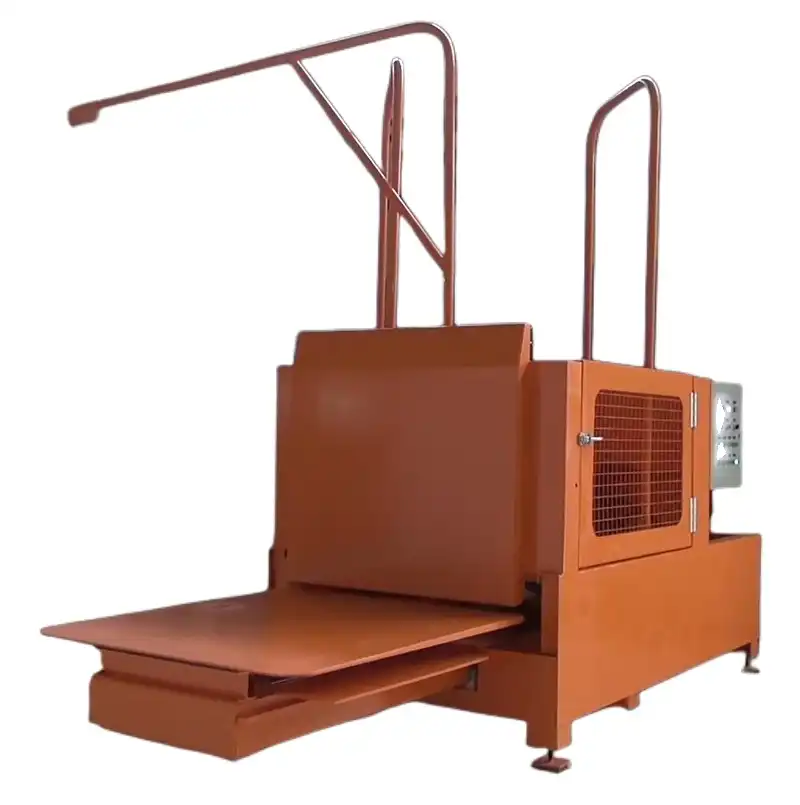
Pallet inverters prevent cross-contamination by automating the transfer of goods from unhygienic, incoming pallets to clean, sterile ones. This effectively creates a barrier against contaminants and ensures only food-grade pallets enter clean zones or distribution channels.
My journey in the packing machine industry has shown me how critical these solutions are. When we first developed these machines, the focus was often on making things faster. But the hygiene benefits quickly became very clear. This was especially true for clients in food processing, much like Carlos’s situation. They needed reliable ways to protect their products. Pallet inverters provide this reliability by minimizing human contact and maximizing cleanliness.
Here is how pallet inverters play a key role in preventing cross-contamination:
-
🤖 Automated and Contact-Free Pallet Exchange:
- Pallet inverters move goods from one pallet to another without any manual lifting or touching. This is a huge step for hygiene.
- They allow facilities to switch from less hygienic inbound pallets (like wooden pallets from farms) to sterile, food-grade plastic or metal pallets.
- This automated process creates a “hygiene barrier.” Dirty pallets stay in a designated area. Only clean pallets enter processing or clean storage zones.
- The machine does the work. This removes the risk of human hands or clothing transferring contaminants.
- Carlos’s need for efficient and safe pallet changes is directly met here. He can ensure every pallet leaving his European distribution center is perfectly clean.
-
🚫 Enabling Dedicated Hygiene Zones:
- With a pallet inverter, you can create a clear separation. One area handles incoming, potentially dirty pallets. Another area manages clean, outbound pallets.
- Products arriving on wooden pallets can be quickly transferred to plastic or metal pallets at the edge of the clean zone.
- This prevents unhygienic pallets from ever entering critical areas. These areas include cold rooms or packaging lines.
- This physical segregation is one of the most effective ways to stop cross-contamination. It makes complying with food safety rules much easier.
- The machine acts as a gateway, only allowing clean carriers to pass through.
-
🧼 Easy Access for Cleaning and Maintenance:
- Pallet inverters can gently tilt or invert an entire load. This means both the original dirty pallet and the floor beneath it become easily accessible.
- Workers can quickly remove the dirty pallet for cleaning or disposal. They can also clean the floor area it was on.
- This continuous cleaning helps maintain a much cleaner overall warehouse environment. This is especially important in cold chain settings where spills can be common.
- Some pallet inverters can even be moved. This allows cleaning in different areas or for cleaning the machine itself thoroughly.
- Regular, easy cleaning means bacteria have fewer places to hide and multiply.
-
📦 Reduced Product Damage and Exposure:
- Pallet inverters handle loads gently. This minimizes the risk of product packaging being damaged during transfer.
- Damaged packaging exposes products to the air and potential contaminants. This breaks the hygiene chain.
- By reducing damage, pallet inverters help keep products sealed and safe. This protects them from environmental contamination.
- This also means fewer rejected products. It reduces waste and saves money for the business.
- My time helping clients with their packing operations always focused on protecting the product. Pallet inverters do exactly that.
Beyond Hygiene: What Other Benefits Do Pallet Inverters Offer in Cold Chain Logistics?
Logistics involves many moving parts. Managers like Carlos often have several goals to meet at once. Are you focused only on hygiene? If so, you might be missing out on many other big gains. Pallet inverters do much more than just improve cleanliness. They offer wide-ranging benefits that can transform cold chain operations.
Beyond hygiene, pallet inverters offer significant benefits in cold chain logistics by improving operational efficiency, enhancing worker safety, reducing product damage, and ensuring compliance with diverse international pallet standards, all while minimizing labor costs.
My experience has shown me that a good solution always brings multiple benefits. It is not just about solving one problem. When I started FHOPEPACK, I aimed to offer comprehensive solutions. Pallet inverters are a perfect example of this. They address Carlos’s diverse challenges. These challenges include efficiency, safety, and cost control.
Here is how pallet inverters deliver value beyond just hygiene:
-
⏱️ Improved Operational Efficiency:
- Pallet inverters speed up the pallet changing process significantly. This means less downtime and faster product flow.
- Carlos mentioned thousands of pallets daily. Automating this process removes bottlenecks. It greatly increases throughput.
- Faster pallet changes mean trucks can be loaded and unloaded more quickly. This reduces waiting times and improves supply chain rhythm.
- The consistency of machine operation also means predictable timing. This helps in planning and scheduling logistics better.
- This efficiency directly impacts customer satisfaction by enabling shorter delivery cycles, a key demand from Carlos’s clients.
-
👷♀️ Enhanced Worker Safety:
- Manual pallet changing involves heavy lifting and awkward movements. This leads to a high risk of injuries. Examples are back strains, crushed fingers, and falling loads.
- Pallet inverters eliminate almost all manual handling of heavy pallets. This greatly reduces the risk of workplace accidents.
- Carlos specifically highlighted safety risks from manual flipping. He noted several accidents. Pallet inverters directly solve this core concern.
- Fewer injuries mean lower insurance costs. It also means fewer lost workdays for employees. This creates a safer and more stable workforce.
- A safer workplace also improves employee morale. Workers are happier and more productive.
-
💰 Reduced Operating Costs:
- By automating pallet changes, businesses need less manual labor. This reduces labor costs. This is especially important in areas with labor shortages, as Carlos faces.
- Less product damage during handling means fewer rejects and less waste. This saves money on damaged goods.
- Improved safety leads to lower insurance premiums and fewer compensation claims. This directly impacts the bottom line.
- Faster operations and fewer delays mean more efficient use of resources. This includes warehouse space and equipment.
- The long-term reliability of a well-chosen pallet inverter also means lower maintenance costs compared to constant repairs from manual damage.
-
🌍 Compliance and Flexibility for Diverse Pallet Standards:
- Carlos’s group deals with international logistics. They need to switch between Euro pallets and US pallets frequently. Pallet inverters are perfect for this.
- They easily handle different pallet sizes and types. This includes wooden, plastic, or metal pallets. This adaptability is key for global operations.
- This capability ensures compliance with varying import/export regulations for different countries. It avoids delays and fines.
- It also allows companies to meet specific client demands. Some clients might require plastic pallets for internal hygiene reasons.
- The flexibility of a pallet inverter helps businesses expand into new markets without needing complex manual re-palletizing solutions.
Conclusion
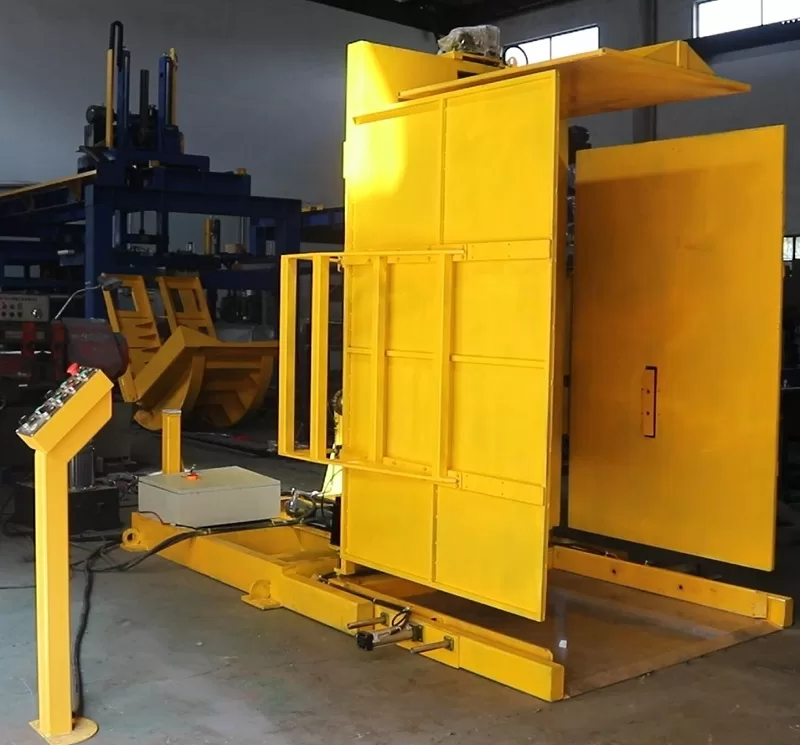
Pallet inverters offer a powerful solution for improving hygiene in livestock product distribution. They ensure product safety, streamline operations, and boost overall efficiency. By enabling fast, sterile pallet transfers and reducing manual handling risks, they protect both products and people. This makes them a vital investment for modern cold chain logistics. Find the right pallet inverter and master your packing needs.








