
What benefits pallet inverter brings to bosses managing large-scale material exports?
Managing large-scale material exports can feel like a constant battle. You are dealing with diverse global standards, tight deadlines, and the pressure of keeping costs down. I know this from my own journey, starting in a packing machine factory and then building FHOPEPACK. One recurring challenge I saw bosses face was the headache of pallet handling, especially when shipping internationally. Manual methods are slow, risky, and eat into your profits. This problem can lead to missed shipments, unhappy clients, and even safety incidents.
A pallet inverter offers clear benefits for bosses managing large-scale material exports by streamlining complex pallet exchanges, significantly cutting down on labor costs, improving warehouse safety, and ensuring faster, more compliant shipments. It transforms a major operational headache into a smooth, automated process, directly impacting your bottom line and reputation.
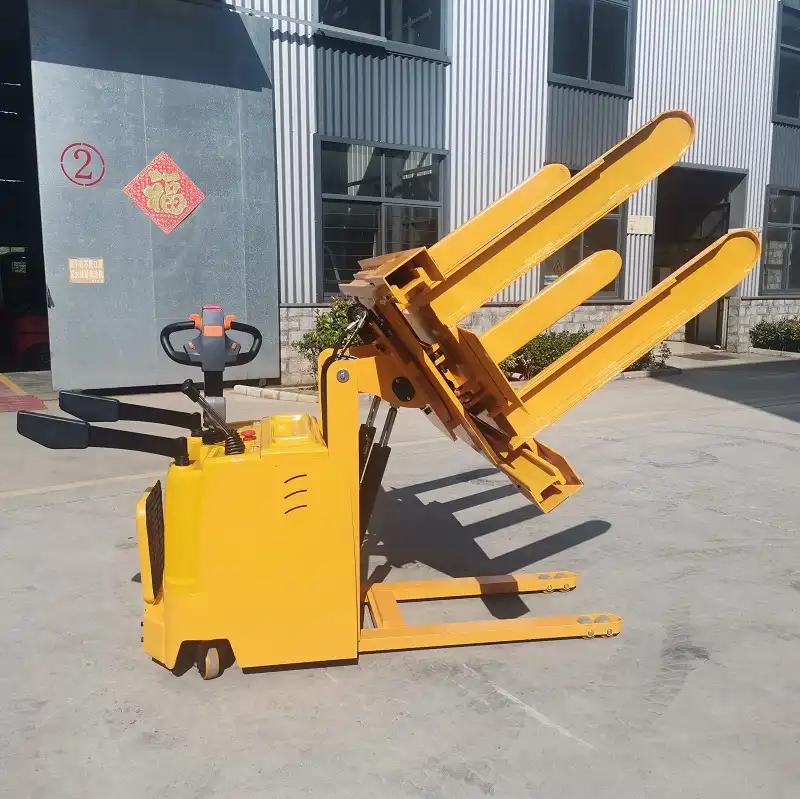
You might be wondering if these machines are truly the game-changer I claim them to be. Let me tell you, from my years in the industry, the answer is a resounding yes. Let’s dig deeper into how a pallet inverter can solve the exact challenges you face in your daily operations and help you grow your business, just like I have seen it do for many of my clients.
How does a Pallet Inverter simplify complex international pallet exchanges?
Imagine your warehouse floor, a constant flow of goods. Then comes the hurdle: different countries, different pallet standards. Euro pallets, US pallets, plastic, wood – the variations are endless. Manually switching these pallets is not just slow; it is a major source of errors, delays, and frustration. This problem costs time and money, especially when you are moving thousands of pallets daily for export.
A pallet inverter simplifies complex international pallet exchanges by automating the process of transferring goods from one type of pallet to another. This removes the need for manual handling, ensuring quick, accurate, and seamless transitions between diverse pallet specifications like Euro, US, and plastic pallets, making your export operations much more efficient.
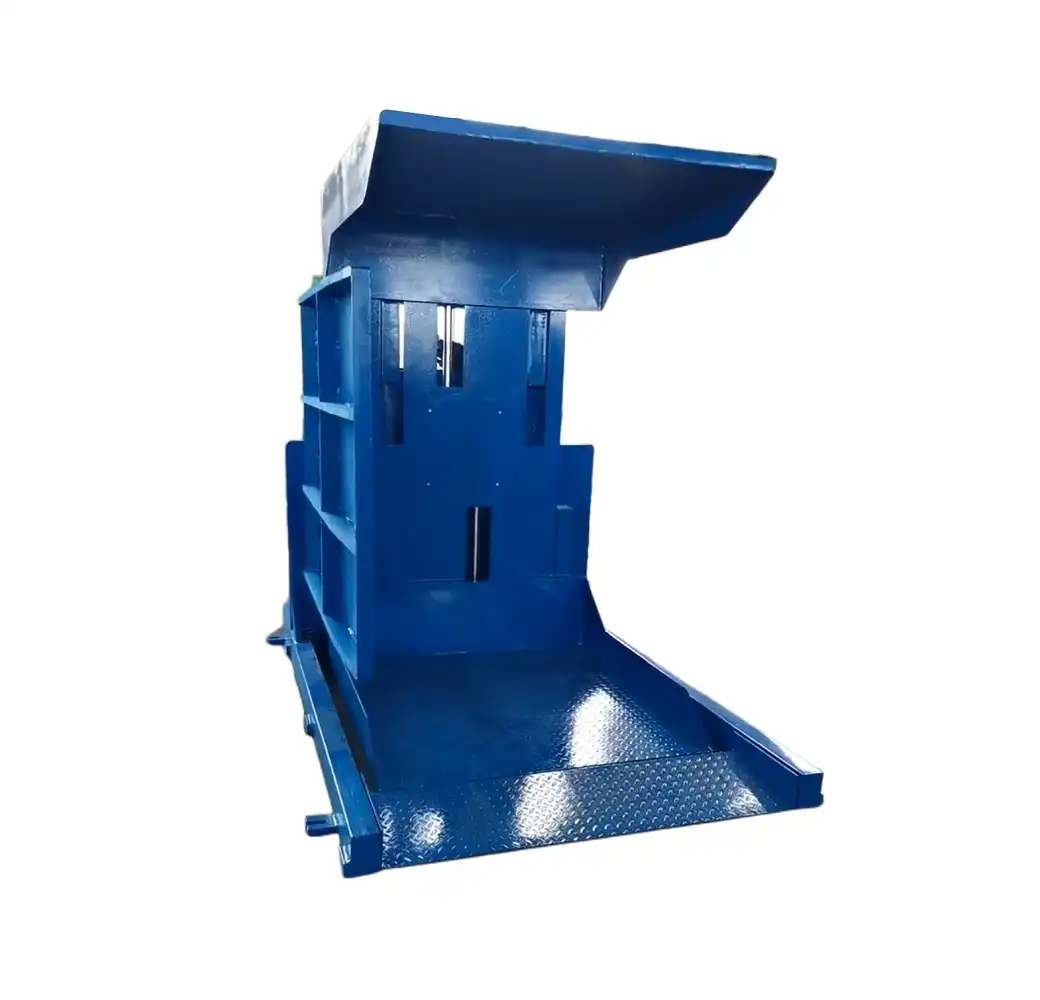
When I first started in this business, I saw firsthand how much time was wasted on these manual transfers. Workers would struggle, and shipments would back up. A good pallet inverter changes this completely. It takes the product on its original pallet, securely holds it, and then replaces the old pallet with a new, compliant one. This entire process happens quickly and without human intervention, which means fewer mistakes and much faster processing times. For example, if you are shipping food products from Europe to the US, you need to switch from Euro pallets to US standard pallets. Doing this manually for thousands of pallets is a logistical nightmare. An automated pallet inverter can handle this volume with ease. It keeps your goods moving, reduces bottlenecks, and ensures that your products are ready for their next leg of the journey without unnecessary delays. This adaptability is key for any business doing large-scale international trade. It means you can respond to different market needs without slowing down your operations.
Here is how a pallet inverter simplifies these complex exchanges:
- 🔄 Automated Switching: The machine performs the entire pallet exchange without manual lifting or sorting. This means your team can focus on other important tasks, not on wrestling with heavy pallets.
- 📏 Handles Diverse Sizes: Pallet inverters are designed to work with many different pallet dimensions and materials. Whether it is a standard Euro pallet, a specific US-sized one, or plastic pallets for hygiene reasons, the machine can adapt. This flexibility is vital for global operations.
- ⚡ Increased Speed: What used to take minutes per pallet by hand now takes seconds with a machine. This speed adds up, allowing you to process a much higher volume of goods daily and meet tight export schedules.
- ✨ Reduces Errors: Manual pallet switching often leads to misplaced items, damaged goods, or incorrect pallet usage. Automation almost eliminates these errors, ensuring product integrity and correct shipment preparation.
- ⏱️ Consistent Performance: The machine performs the task the same way every time, ensuring consistent quality and efficiency throughout your operating hours. This reliability is crucial during peak export seasons.
- 🛡️ Product Integrity: The gentle but firm handling by the machine protects your goods from damage during the transfer process. This is especially important for delicate or valuable items.
Can a Pallet Inverter truly cut down your warehouse labor costs?
Labor costs are a growing concern for many businesses today. Finding skilled warehouse staff who are willing to do physically demanding work is getting harder. Wages are rising, and the pool of available workers is shrinking. This means your operating budget is constantly under pressure, and manual tasks like pallet changing become very expensive very quickly. I have seen many factory owners grapple with this issue, trying to balance efficiency with rising staff expenses.
A pallet inverter can truly cut down your warehouse labor costs by significantly reducing the need for manual pallet handling. It automates repetitive, physically demanding tasks, allowing you to reallocate staff to more skilled roles, decrease overtime, and lower expenses related to injuries and recruitment, directly impacting your bottom line.
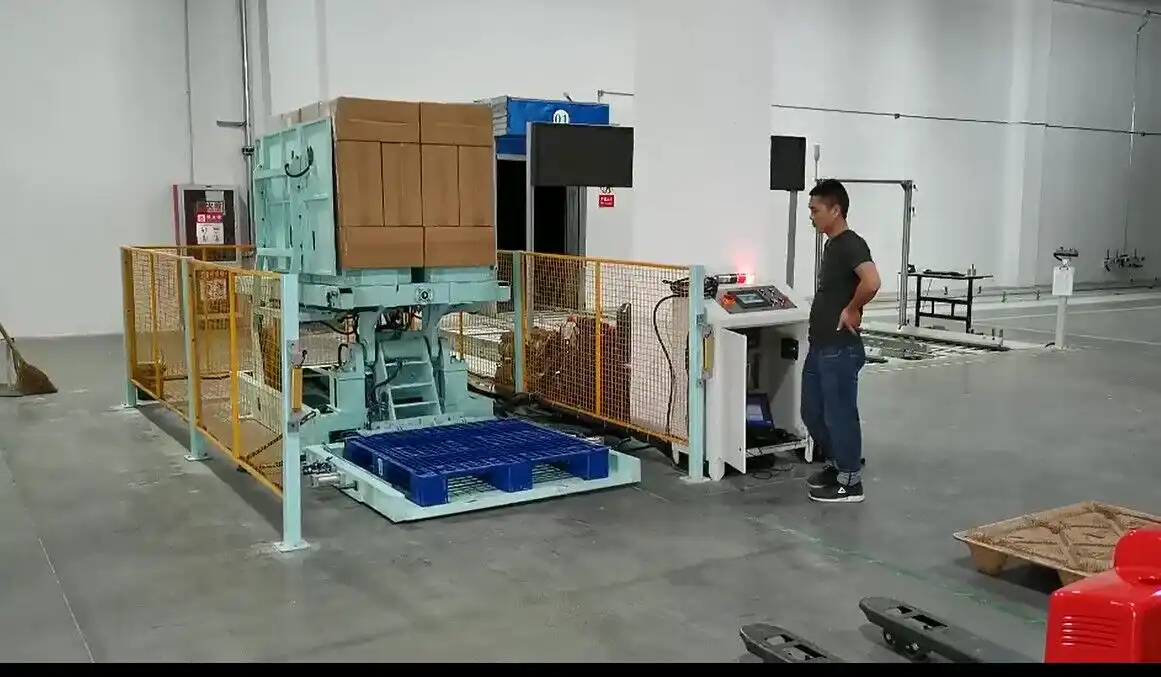
When I founded FHOPEPACK, one of our core goals was to create solutions that not only worked well but also made economic sense for our clients. A pallet inverter is a prime example of this. Think about it: how many people does it take to manually unload a pallet, rearrange the goods onto a new one, and then secure it? For large export volumes, this could be several full-time employees just for this single task. With an automated system, you might need just one operator to oversee the machine. This frees up valuable human resources. Those employees can then be retrained for more skilled positions, such as managing inventory, operating other complex machinery, or improving overall logistics planning. This reallocation not only saves on wages but also enhances your team’s overall productivity and job satisfaction. It is not just about cutting jobs; it is about smarter deployment of your workforce and making your operations lean and efficient in the face of labor shortages.
Here are the ways a pallet inverter helps reduce labor costs:
- 📉 Reduced Headcount: Tasks that previously needed multiple workers can now be managed by one person or even fully automated. This means you need fewer people on the floor for pallet handling.
- 🕰️ Less Overtime: With increased efficiency, your team can get more done within regular working hours. This reduces the need for costly overtime pay, especially during busy export periods.
- ✅ Reallocated Labor: Instead of manual labor, your existing staff can be moved to higher-value tasks like quality control, inventory management, or operating more complex equipment. This boosts overall productivity.
- 🔄 Consistent Output: Machines do not get tired. They maintain consistent speed and efficiency throughout the day, ensuring maximum throughput without dips in performance due to human fatigue.
- 💰 Lower Recruitment Costs: With less reliance on a large manual labor force, you spend less time and money on recruiting, hiring, and training new employees for strenuous roles.
- ⚖️ Decreased Injury Costs: Fewer manual handling tasks mean fewer workplace injuries. This directly reduces expenses related to workers’ compensation claims, medical bills, and lost productivity from injured staff.
Is your warehouse safe enough? How Pallet Inverters reduce injury risks?
Warehouse safety is not just about following rules; it is about protecting your people and your business. Manual pallet handling, especially with heavy loads or difficult-to-manage products, carries significant risks. Workers can strain their backs, drop heavy items, or even have entire stacks of goods topple over during a manual transfer. I have heard stories, and sometimes even seen, the severe consequences of such accidents: serious injuries, high medical bills, increased insurance premiums, and legal liabilities. This creates a stressful work environment and can damage employee morale.
Pallet inverters drastically reduce injury risks in your warehouse by automating the handling of heavy and unstable loads, eliminating the need for manual lifting, tilting, or maneuvering of pallets. This prevents accidents like strains, dropped goods, and collapses, ensuring a safer work environment for your staff.
When I started FHOPEPACK, safety was always a priority in our machine designs. I believe that no amount of efficiency is worth compromising someone’s well-being. Pallet inverters are built with safety in mind. They secure the load completely before any movement, preventing goods from shifting or falling. The machine does the heavy lifting, turning, and positioning, keeping your staff away from the most dangerous parts of the process. This means your employees are not performing repetitive, high-risk motions that lead to chronic injuries. They are supervising the machine, which is a much safer task. Imagine the peace of mind knowing that your team is less likely to suffer an injury just by doing their job. This not only protects your employees but also protects your company from the financial and reputational damage that accidents can cause. It shows your commitment to a safe workplace, which can also help attract and retain good employees.
Here is how pallet inverters enhance warehouse safety:
- 🚫 Eliminates Manual Lifting: The machine handles all the heavy lifting, taking away the biggest cause of back injuries and muscle strains for warehouse workers.
- ⚖️ Stabilizes Loads: Pallet inverters securely clamp the product before any movement, preventing loads from shifting, toppling, or collapsing during transfer, even with uneven or fragile goods.
- 🛡️ Reduces Pinch Points: With automated operation, workers are kept away from moving parts and potential pinch points, significantly lowering the risk of hand or limb injuries.
- 📉 Fewer Accidents: Automation removes human error from the most risky parts of the pallet exchange process, leading to a dramatic reduction in all types of warehouse accidents.
- 💲 Lower Insurance Costs: A safer workplace translates directly to fewer claims, which can lead to lower workers’ compensation insurance premiums over time.
- 👍 Improved Morale: Employees feel more valued and secure when their employer invests in their safety. This can lead to higher job satisfaction and lower staff turnover.
How Pallet Inverters ensure smooth, compliant exports and happy customers?
In today’s fast-paced global market, customer expectations are higher than ever. Shorter delivery cycles, perfect order fulfillment, and strict compliance with international standards are non-negotiable. If your pallet changes are slow, error-prone, or fail to meet specific country requirements, you face a cascade of problems: delayed shipments, contract penalties, unhappy customers, and ultimately, a damaged reputation. This is a challenge I have helped many businesses overcome, guiding them toward more reliable and compliant packing solutions.
Pallet inverters ensure smooth, compliant exports and happy customers by providing rapid, accurate, and consistent pallet changes that meet diverse international regulations. This eliminates delays, avoids costly penalties, and guarantees that products arrive on the correct, compliant pallets, fulfilling customer demands for speed and reliability.
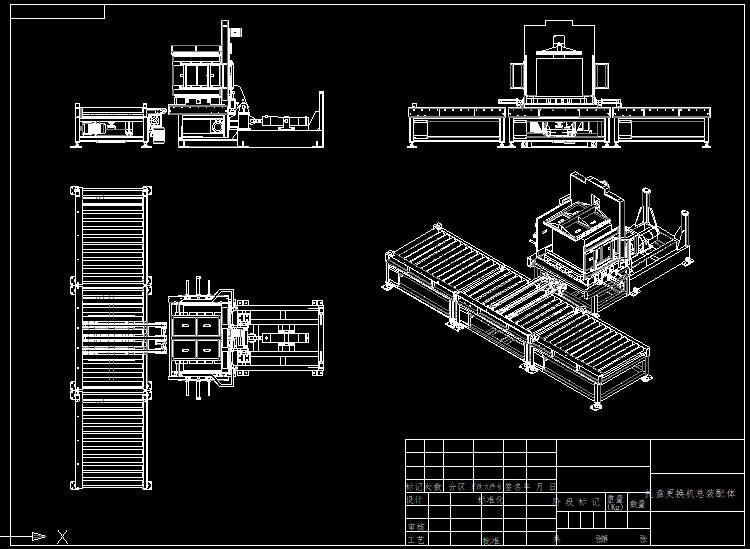
From my experience helping companies master their packing operations, I know that every minute counts in international logistics. A pallet inverter becomes a critical part of your export strategy. It ensures that your products are always on the right pallet for their destination, whether it is a heat-treated wooden pallet for customs or a plastic hygienic pallet for food safety regulations. This machine helps you avoid the common pitfalls of international shipping. Think about the costs of a rejected shipment or a late delivery fine – they can be substantial. By automating this crucial step, you significantly reduce the risk of such issues. Your customers receive their goods on time and in perfect condition, which builds trust and strengthens your business relationships. It also ensures you always comply with changing regulations, keeping your operations lean and problem-free. This reliability is what sets successful export businesses apart.
Here is how pallet inverters contribute to smooth, compliant exports and happy customers:
- 🚀 Faster Throughput: Pallet inverters dramatically speed up the pallet change process, allowing you to meet tight shipping deadlines and get products out the door quicker.
- 🌍 Guaranteed Compliance: The ability to quickly switch to any required pallet type (e.g., ISPM 15 certified wood, plastic for food, specific dimensions) ensures all international shipping regulations are met.
- ❌ Avoids Penalties: By consistently using the correct pallets, you avoid customs delays, fines, and the potential rejection of shipments due to non-compliance.
- ✨ Consistent Quality: Automated handling ensures goods remain stable and undamaged during the transfer, preserving product quality and presentation upon arrival.
- 🤝 Boosts Customer Trust: Delivering goods on time, in perfect condition, and on the correct pallets builds strong relationships with international clients and enhances your brand’s reputation.
- 📈 Scalability: As your export volume grows, a pallet inverter can easily scale to meet increased demand without a proportionate increase in labor or processing time, supporting your business expansion.
Conclusion
Pallet inverters offer clear, tangible benefits for bosses managing large-scale material exports. They boost efficiency, cut costs, improve safety, and ensure compliance, ultimately leading to greater customer satisfaction and business growth. Investing in a pallet inverter is a strategic move for a smarter, more profitable future.








