Which Coil Wrapping Machine is Best Suited for Greek Tire and Rubber Factories?
Running a factory is tough. I know this because I have been there. You face constant pressure to boost output, control costs, and keep your team safe. If you are in the Greek tire and rubber industry, you likely deal with unique materials and high demands. You are probably tired of slow, manual packaging, worker injuries, and damaged products. These issues do not just slow you down; they cost you money and peace of mind.
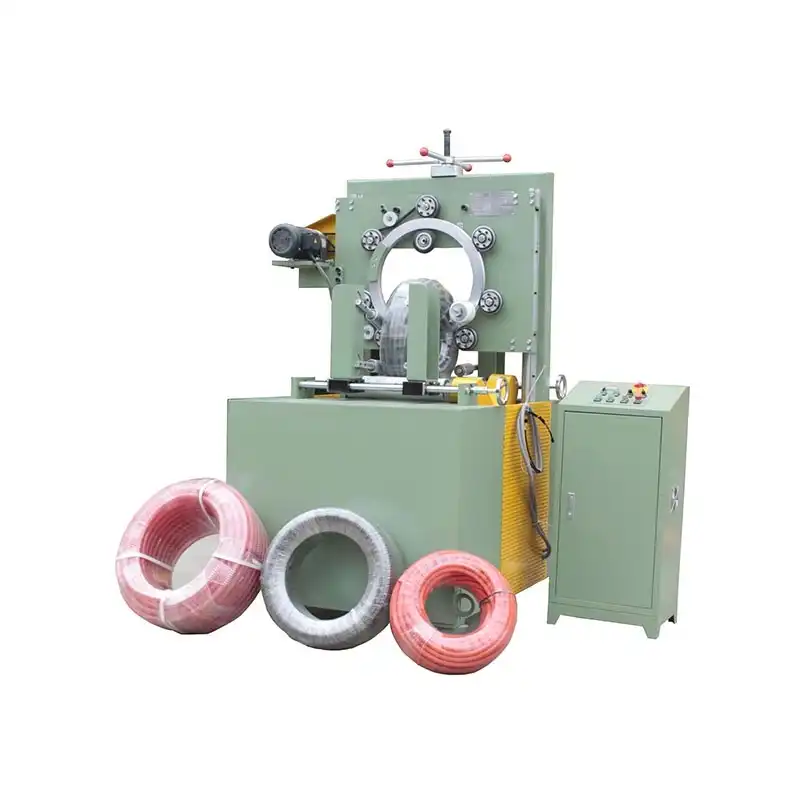
Choosing the right coil wrapping machine is key for Greek tire and rubber factories. The best machine depends on specific needs like coil size, material type, and production volume. Options range from horizontal orbital wrappers for wide rubber strips to specialized models for heavy tire components. The goal is to boost safety, increase efficiency, and cut costs.
You are not just looking for a machine. You are looking for a real solution and a partner who understands your challenges. I built FHOPEPACK to share what I have learned. I want to help you find the equipment that truly solves your production bottlenecks and helps your business grow. Let’s dive deeper into how we can get you there.
1. Do Greek Tire and Rubber Factories Really Need Specialized Coil Wrapping?
Do you sometimes feel like your current packaging methods are holding you back? Are your workers struggling with heavy, awkward coils of rubber or tire components? Many Greek tire and rubber factories deal with these exact issues. They face the constant pressure of keeping up with demand while handling delicate yet heavy materials.
Yes, Greek tire and rubber factories strongly need specialized coil wrapping. Their materials, like rubber strips, hoses, and cables, require careful handling and robust protection. Specialized machines address the unique challenges of weight, elasticity, and the need for high-speed, consistent packaging.
From my early days on the factory floor, I saw how much effort goes into handling materials. Rubber, for example, is elastic and often heavy. It needs packaging that protects it from dirt, moisture, and damage during transport. Manual wrapping often leads to inconsistent quality and wasted material. A specialized machine does the job better and faster. It ensures that your product reaches the customer in perfect condition, every time. This is not just about making things look good. It is about protecting your brand and your bottom line.
The Specific Needs of Rubber and Tire Materials: Why Manual Fails ⚠️
In the tire and rubber industry, materials come in many forms. You might be wrapping wide rubber sheets, long hoses, or even inner tubes. Each material has its own demands.
- Elasticity: Rubber stretches. Manual wrapping struggles to apply consistent tension without over-stretching or leaving loose spots. A machine maintains even tension.
- Weight: Many rubber coils are heavy. Moving them manually is a huge safety risk. Machines use automation to handle these heavy loads easily.
- Protection: Rubber needs protection from UV light, dust, and moisture. Proper wrapping stops this damage. Hand wrapping often leaves gaps or weak spots.
- Speed: Production lines run fast. Manual packaging cannot keep up. This creates bottlenecks at the end of the line.
- Consistency: Every package should look the same and offer the same protection. Manual wrapping varies from person to person. Machines offer perfect consistency.
Think about the long rubber strips used in tire making. They need to be wound tightly and wrapped securely. If the wrapping is loose, the strip can unwind or get damaged. If it is too tight, it can deform the material. A specialized coil wrapper can be programmed to apply the exact right tension.
I remember one client in a similar industry. They were manually wrapping large rolls of synthetic fabric. Workers were getting back injuries. The wrap quality was poor, leading to customer complaints. When they invested in an automated horizontal wrapper, their injury rates dropped to zero. Product damage almost disappeared. Their production speed jumped by 30%. This is the kind of impact I have seen firsthand.
These machines are not just about automation. They are about precision and safety, tailored for your specific industry needs. They ensure that your valuable rubber and tire products are handled and protected correctly, every single time. It is a game changer for efficiency and quality.
2. What Challenges Do Manual Wrapping Methods Cause in These Factories?
Have you ever looked at your packaging line and wished for a magic wand to make things faster and safer? Manual wrapping methods are a common sight in many factories. But these methods often hide big problems that slowly eat away at your profits and put your workers at risk. I have seen this happen countless times.
Manual wrapping methods in Greek tire and rubber factories cause significant challenges. These include slow production due to labor-intensive processes, high worker injury rates from handling heavy coils, and costly product damage during transport. They also lead to inconsistent packaging quality and hinder overall factory efficiency.
When I started my factory, I learned fast that every bottleneck impacts the whole operation. Manual packing is often the biggest bottleneck at the end of the line. It slows down everything you just worked so hard to produce. It also puts your best people in risky situations. This is not how a modern factory should run. We can do better.
The Hidden Costs of Human Labor in Packaging 💸
Manual packaging seems cheap on the surface. You just pay wages, right? But the true cost is much higher. It includes direct costs, indirect costs, and long-term business risks.
-
Efficiency Bottlenecks:
- Problem: Your production line runs fast, but packaging cannot keep up.
- Impact: Finished products pile up. Shipments are delayed. Overall output is limited, no matter how fast upstream processes run.
- Example: A tire factory produces 100 coils per hour, but manual packing can only do 50. You lose 50 coils of potential output every hour.
-
Safety Hazards and High Costs:
- Problem: Workers lift, twist, and turn heavy, bulky coils of rubber or tire materials.
- Impact: High risk of back injuries, sprains, and crushed limbs. This leads to increased insurance costs, lost workdays, and high employee turnover.
- Example: One injury can cost thousands in medical bills and lost productivity. Plus, finding and training a new worker takes time and money. 🤕
-
Product Damage and Customer Complaints:
- Problem: Coils get dropped, scratched, or improperly wrapped during manual handling.
- Impact: Damaged goods lead to customer returns, rework, and reduced profits. It also hurts your reputation and makes customers less likely to order again.
- Example: A damaged edge on a rubber strip means the whole coil might be rejected. This is pure waste.
-
Inconsistent Packaging Quality:
- Problem: Every worker wraps differently. Some are faster, some are tighter, some miss spots.
- Impact: Packages look unprofessional. Some might not protect the product well enough. This affects brand image and product integrity.
I once worked with a client in the steel wire industry. They used manual handling for heavy coils. Their accident rate was alarming. Workers feared the packing station. By bringing in an automated packing line, they not only boosted efficiency but also created a safer, happier workplace. This improved morale and productivity. It showed me that investing in the right equipment is an investment in your people too.
These challenges are not small. They are fundamental barriers to growth and profitability. They demand a solution that automated coil wrapping machines can provide.
3. What Types of Coil Wrapping Machines Can Help Greek Factories?
You know you need a better way to pack your coils. But with so many options, how do you know which machine is right for your Greek factory? It can feel overwhelming. My goal with FHOPEPACK is to make this clear and simple. There are several types of coil wrapping machines. Each one serves a different purpose, making it suitable for specific materials and factory setups.
Several types of coil wrapping machines can significantly help Greek tire and rubber factories. Horizontal orbital wrappers are ideal for wide rubber strips and hoses, while vertical orbital wrappers suit smaller, lighter coils. Specialized models exist for heavy-duty applications or unique product shapes, offering solutions for various coil sizes and production needs.

Understanding the differences is the first step. I have seen countless factories transform their operations by choosing the right technology. It is about matching the machine’s capabilities with your specific product and factory layout.
Exploring Your Options: Finding the Right Match for Your Coils 🎯
Let’s look at the main types of coil wrapping machines and where they fit best in a Greek tire and rubber factory.
A. Horizontal Orbital Wrapping Machines 🔄
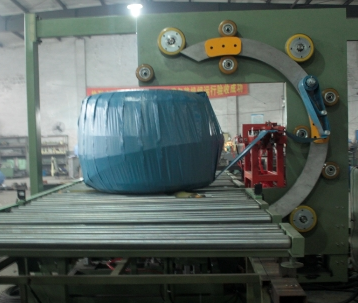
- How it works: These machines wrap products horizontally as they pass through a rotating ring. The product moves forward while the wrapping material (stretch film, paper, or woven strip) orbits around it.
- Best for:
- Wide rubber strips or sheets.
- Long coils of hose or tubing.
- Medium to large diameter coils.
- Benefits: Excellent for long, continuous products. Provides secure, all-around protection. High speed and efficiency.
- Example Application: Wrapping large rolls of unvulcanized rubber compound or finished rubber strips for tire production.