
How Greece Manufacturers Use Coil Wrapping Machines to Meet EU Shipping Standards?
Have you ever faced the pressure of tight deadlines, rising operational costs, and the constant worry about product damage during shipping? Many factory managers, especially in places like Greece, find themselves grappling with these issues daily. They aim to expand their reach into the lucrative EU market, but strict shipping regulations and traditional, labor-intensive packing methods hold them back. This problem is not unique to Greece; it is a global challenge for heavy industries.
Greece manufacturers are increasingly adopting advanced coil wrapping machines to meet stringent EU shipping standards. These machines provide consistent, protective packaging, reduce product damage, enhance worker safety, and automate a previously manual process. This shift helps them comply with EU requirements for package integrity, traceability, and environmental impact, ultimately streamlining exports and improving profitability.
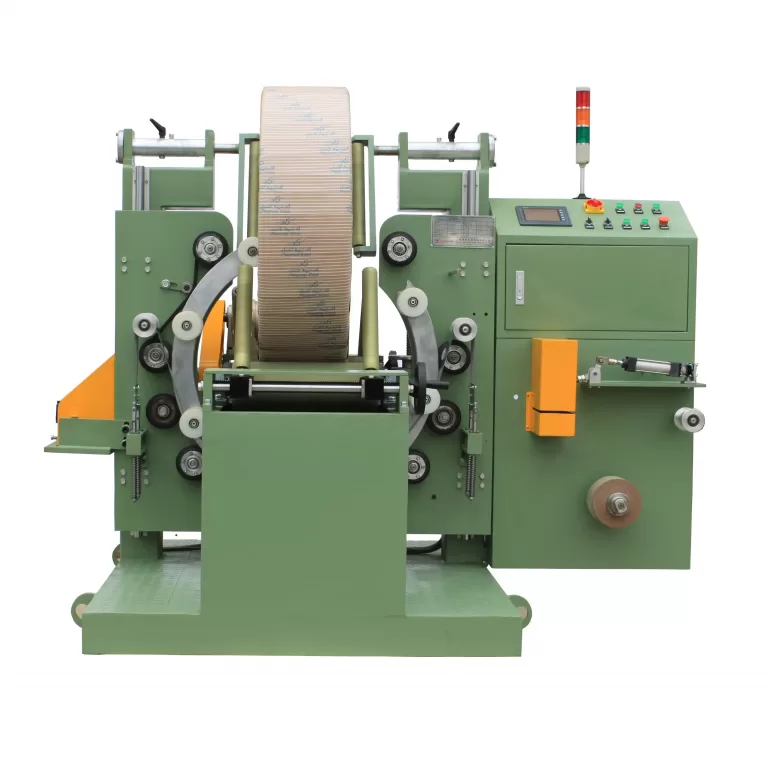
The journey from local production to international distribution is filled with potential pitfalls. Understanding how the right equipment can smooth this path is vital. This article will break down the specific challenges Greek manufacturers face and explain how modern coil wrapping technology provides real solutions, ensuring their products arrive safely and meet every necessary standard.
1. Why are traditional coil packing methods failing Greek manufacturers to meet EU standards?
Are you tired of seeing your valuable steel coils or wire products suffer damage even before they leave the factory floor? Many Greek manufacturers, like those I have worked with around the world, rely on old-fashioned packing methods. These methods might seem cost-effective at first glance. However, they lead to a host of problems that hinder compliance with strict EU shipping standards. This can damage your reputation and bottom line.
Traditional coil packing methods often fail Greek manufacturers because they are labor-intensive, inconsistent, and offer inadequate protection. This leads to common issues such as edge damage, moisture ingress, and loose packaging. Such problems make it difficult to meet the high standards for product integrity and safety required by EU regulations, causing rejections and financial losses.
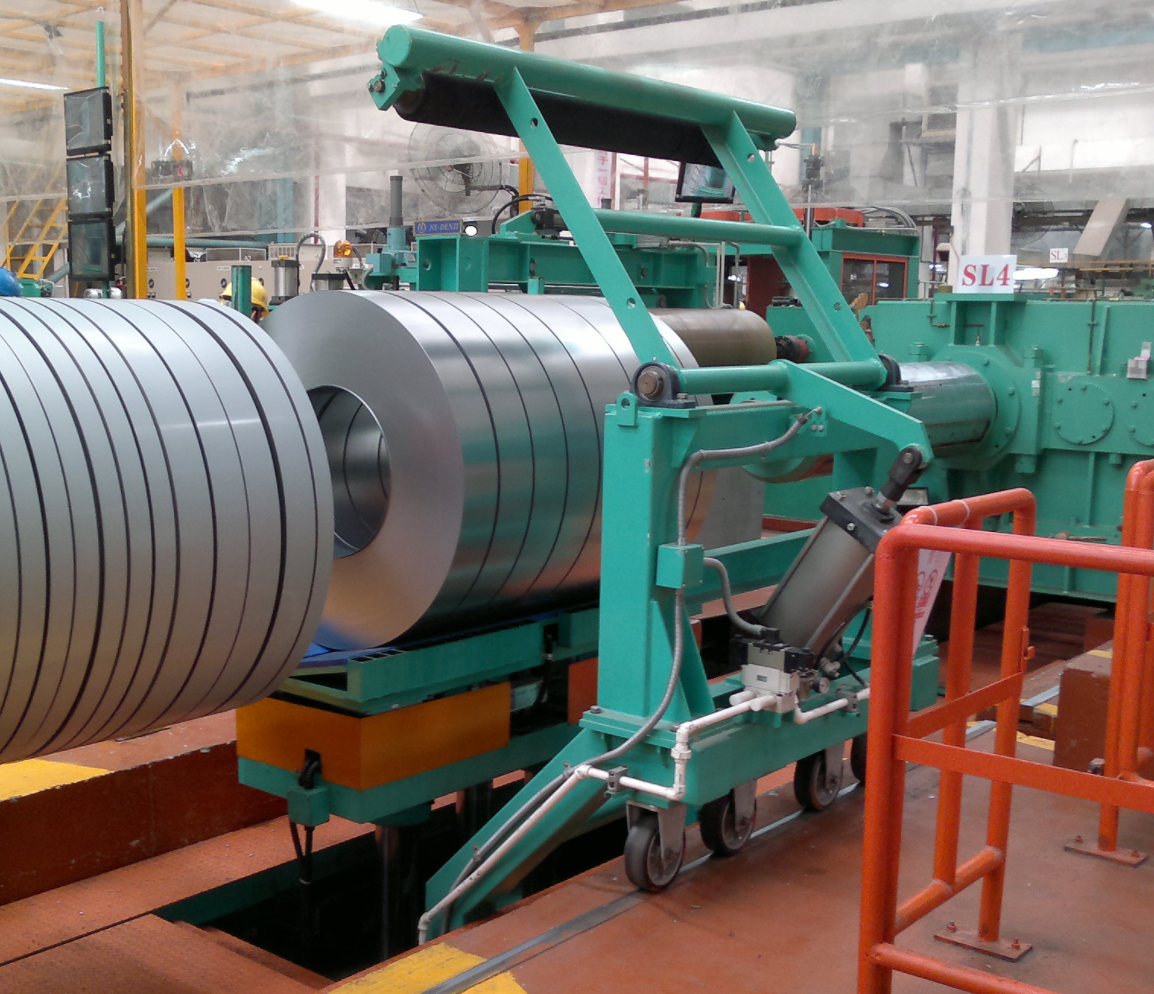
When I first started in the packing machine industry, I saw many factories struggle with these exact issues. They would invest heavily in production, only to lose money during the final packing stage. It was clear that the packing process was often an afterthought, yet it had huge implications for quality and compliance. For Greek manufacturers targeting the EU, ignoring these issues means risking their entire market access.
The Hidden Costs of Manual Packing Methods
Manual packing, while seemingly cheaper upfront, introduces significant costs and risks that erode profitability and hinder EU compliance.
- Inefficiency and Bottlenecks:
- Manual wrapping is slow. It creates production bottlenecks at the end of the line. This means your high-speed production machinery sits idle while workers manually pack coils. This slowdown directly impacts your overall output and delivery schedules. Imagine a manager like Michael Chen, overseeing an entire metal processing plant. He knows every minute of downtime or slow processing means lost revenue and missed targets.
- Impact: 🐌 Slower production rates, increased lead times, missed delivery deadlines.
- High Labor Costs and Safety Risks:
- Handling heavy steel coils by hand is dangerous. Workers face serious risks of injury from lifting, positioning, and wrapping large, heavy items. This leads to higher insurance premiums, increased medical costs, and potential legal issues. On top of that, employee turnover can be high due to the demanding nature of the work. This forces factories to constantly train new staff.
- Impact: 🤕 High injury rates, increased insurance costs, difficulty retaining skilled labor.
- Inconsistent Quality and Product Damage:
- Manual wrapping quality varies from person to person. It also varies day to day. This inconsistency leads to poorly secured packages. It also means uneven protection. Steel coils, especially their edges, are vulnerable to damage during internal transport, loading, and shipping. Dents, scratches, or moisture ingress make the product unusable or unacceptable to clients. This causes customer complaints and costly returns. It also hurts your brand reputation.
- Impact: ❌ Higher rates of product damage, customer complaints, reduced profit margins.
- Non-Compliance with EU Standards:
- EU shipping standards are strict. They require consistent, durable, and protective packaging. Manual methods often fall short. They might not offer the necessary strength, weather protection, or stability for long-distance transport. This can lead to customs rejections, fines, and delays at borders. For Greek manufacturers, this directly affects their ability to trade within the EU.
- Impact: 🚫 Customs delays, fines, market access restrictions, brand reputation damage.








