
The Role of Steel Coil Rewinding Machines in Efficient Production
Manufacturing faces relentless pressure for speed and precision. Manual processes are bottlenecks, slowing down production and increasing costs. Steel coil processing, particularly the crucial rewinding stage, demands automation. High-speed, accurate steel coil rewinding machines are the answer to overcoming inefficiency and boosting output.
Steel coil rewinding machines are pivotal in efficient production by enabling precise cutting and recoiling of steel strips or wires from larger coils. They streamline operations, reduce manual handling, improve material utilization, and ensure consistent quality for various downstream manufacturing processes. These machines are indispensable for meeting high-volume demands across industries.
To truly grasp the impact of these specialized machines, we must delve deeper into the intricate processes they facilitate, the tangible benefits they deliver, and the technological advancements driving their evolution. Understanding their function is key to unlocking peak industrial performance.
The Core Process: Slitting and Recoiling
Need to transform wide steel coils into narrower strips or precisely wound smaller coils for specific applications? This essential step, often involving slitting followed by recoiling or “rewinding,” is fundamental in countless manufacturing sectors. Automated machines make this complex task efficient and accurate.
Steel coil processing encompasses transforming raw coils into usable forms through operations like cutting, shaping, and finishing. A critical aspect related to “rewinding” is slitting, where wide coils are cut into narrower strips, which are then recoiled onto smaller cores. This “recoiling” or “rewinding” step prepares the material for subsequent manufacturing stages requiring specific widths and coil sizes. Automated systems are essential for achieving the precision and speed required for high-volume production and minimizing waste.
Understanding the Mechanics of Steel Coil Rewinding
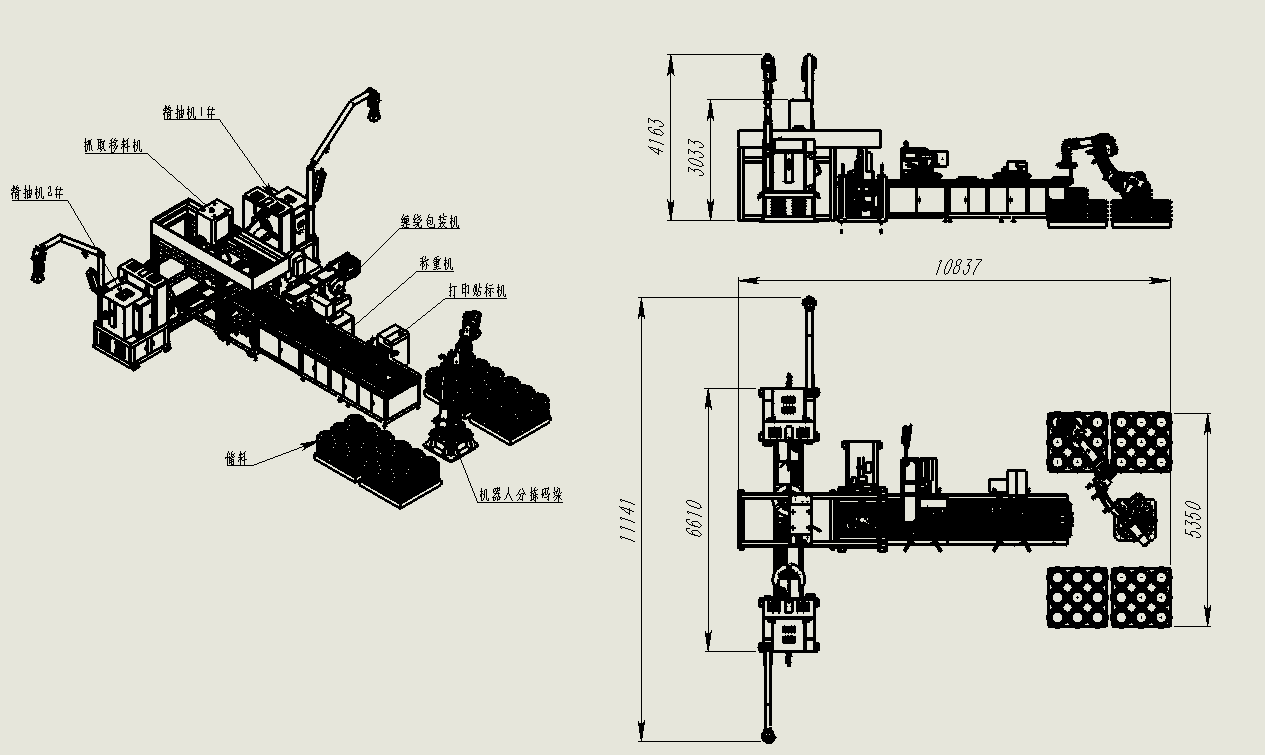
Steel coil rewinding, often occurring as part of a slitting line, is a sophisticated process demanding robust machinery and precise control. The primary goal is to take multiple narrow strips produced by the slitter and wind them neatly and uniformly onto individual cores or bobbins. This isn’t just about speed; it’s about maintaining consistent tension, edge alignment, and winding density to produce finished coils that are easy to handle, transport, and process further down the line. Poorly rewound coils can lead to significant issues, including tangled material, damaged edges, and difficulties in unwinding at the next manufacturing step, causing downtime and waste.
Modern steel coil rewinding machines are integrated into automated lines. An uncoiler presents the parent coil to the slitter head, where sharp, precisely spaced circular blades cut the steel into the desired widths. The resulting narrow strips then travel to the recoiler section. Here, multiple arbors or winding drums rotate simultaneously, pulling the strips through tensioning devices and guiding mechanisms to wind them into finished coils. The tension applied during winding is critical; it must be sufficient to create a tight, stable coil but not so high as to stretch or damage the steel. Advanced systems use sensors and closed-loop feedback to maintain constant tension throughout the winding process, regardless of the coil diameter change. Guiding systems ensure the strips are wound squarely and compactly, preventing telescoping or uneven edges. Features like oscillation winding, where the strip is traversed back and forth across the width of the core, can further improve coil stability and increase the amount of material on a single coil. The design and capabilities of the recoiler, therefore, directly impact the quality of the final product and the efficiency of subsequent manufacturing stages.
| Aspect | Manual Recoiling (Traditional) | Automated Steel Coil Rewinding Machine | Impact on Efficiency & Quality |
|---|---|---|---|
| Speed | Slow, limited by human effort | High-speed, continuous operation | Drastically increased throughput |
| Consistency | Variable tension & alignment | Precise, repeatable winding profile | Improved quality, reduced rejects |
| Coil Stability | Prone to loose or uneven coils | Tightly wound, stable coils | Easier handling & downstream processing |
| Tension Control | Inconsistent, relies on operator | Automatic, sensor-controlled tension | Prevents material damage & tangling |
| Material Handling | High risk, labor-intensive | Automated loading/unloading | Enhanced safety, reduced labor |
| Waste | Higher due to errors & damage | Minimized through precision | Cost savings, better material yield |
These machines can handle a vast range of steel types, including cold-rolled, hot-rolled, stainless steel, and coated steels, in various thicknesses and widths. The configuration of the rewinding machine, including the number of recoiler arbors, the maximum coil weight and diameter capacity, and the line speed, must be carefully matched to the specific production requirements of the facility. Implementing the right automated steel coil rewinding solution is a significant step towards optimizing production flow and material utilization in steel processing operations.
Boosting Production Throughput and Cost Savings
Are your current steel processing methods struggling to keep pace with demand or incurring high labor costs? The inefficiencies of manual or outdated systems can severely limit throughput and erode profitability. Implementing advanced steel coil rewinding machinery offers a powerful solution to these challenges, dramatically enhancing overall operational speed and reducing expenses.
Steel coil rewinding machines significantly boost production throughput by automating the recoiling process after slitting, allowing for faster and continuous operation compared to manual methods. This automation minimizes bottlenecks, reduces the need for extensive manual labor, and ensures consistent output quality, directly leading to increased volume and lower per-unit production costs.
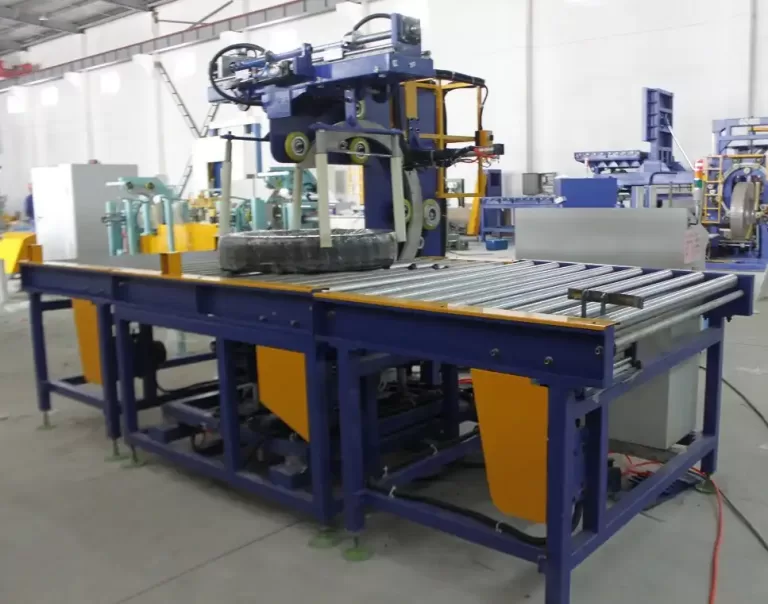
Automated steel coil rewinding machines are designed for high-speed operation, capable of processing large volumes of material quickly and efficiently. In a manual or semi-automated setup, the speed of rewinding is dictated by the operator, often leading to slower cycles and inconsistent results. Automated systems, however, can run at much higher linear speeds, processing steel continuously as it exits the slitter. This continuous flow eliminates the pauses and delays inherent in manual handling, ensuring that the slitting line operates at its maximum potential. Furthermore, automated coil handling systems, integrated with the rewinder, facilitate rapid coil changeovers. When a master coil is fully slit and rewound into smaller coils, the automated system can quickly unload the finished coils and prepare the recoiler arbors for the next run with minimal downtime. This seamless transition between coils is critical for maximizing overall production time and throughput.
The reduction in labor costs is another major advantage. While manual rewinding requires multiple operators to handle the strips, manage tension, and physically load and unload coils, an automated system requires only a few skilled technicians to monitor the machinery, set parameters, and perform maintenance. This reallocation of human resources frees up workers for more complex or value-added tasks elsewhere in the plant. The initial investment in automated machinery is offset by the long-term savings on labor, reduced errors requiring rework, and minimized material waste. By optimizing material usage through precise winding and reducing scrap generated by inconsistent manual handling, businesses also achieve significant cost savings on raw materials. The combination of increased speed, reduced labor dependency, and better material yield directly translates into improved profitability and a stronger competitive position in the market. Automated rewinding is not merely a technological upgrade; it’s a strategic investment in operational efficiency.
Prioritizing Precision, Quality, and Worker Safety
Are you concerned about inconsistencies in your steel coils, potential damage during handling, or risks to your workforce? Manual steel coil handling and processing, including rewinding, are inherently challenging due to the weight and nature of the material, often leading to variations in quality and significant safety hazards. Precision automated steel coil rewinding machines are engineered to address these critical issues head-on.
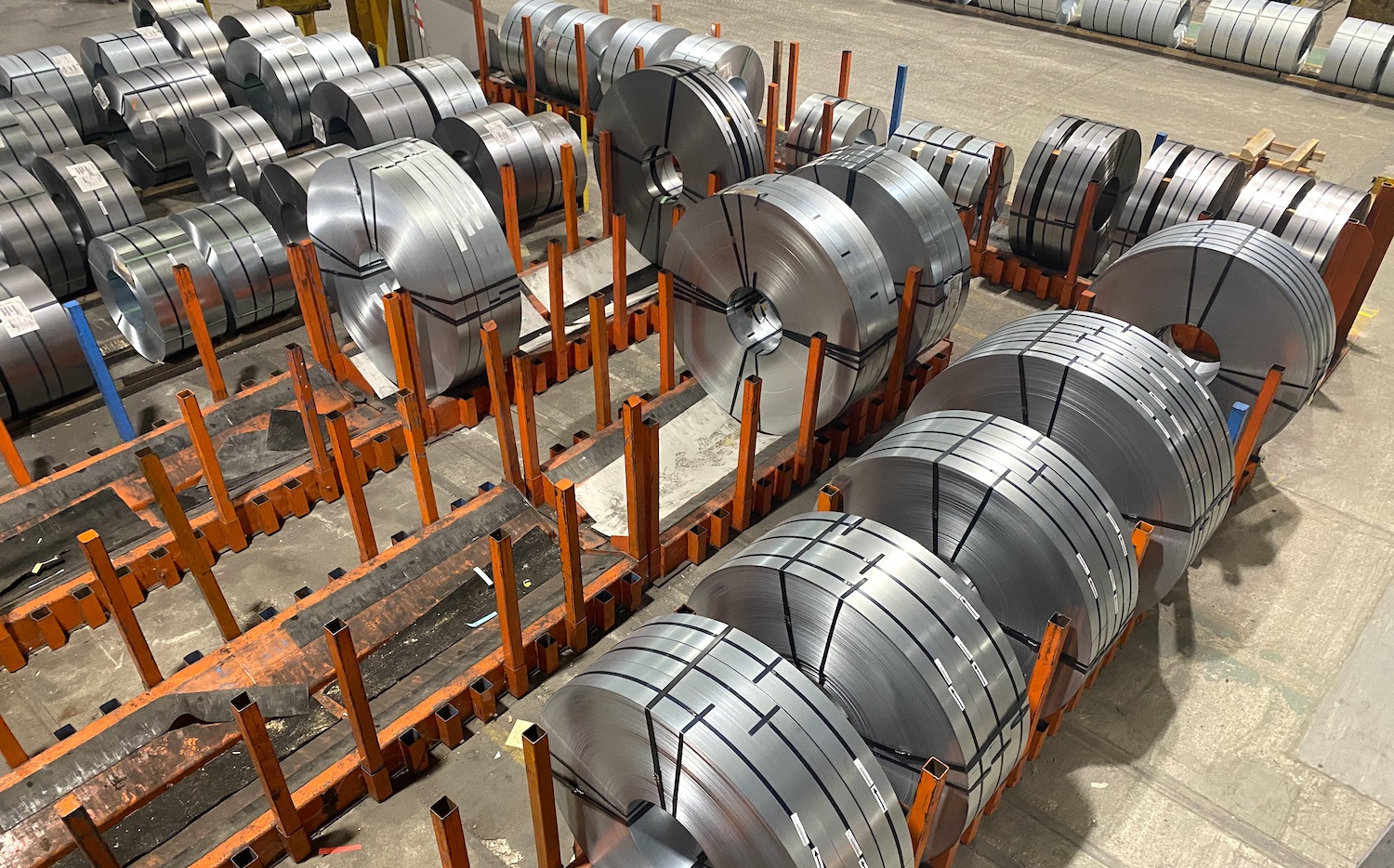
Steel coil rewinding machines enhance safety by automating the handling of heavy coils, drastically reducing manual lifting and exposure to moving machinery parts. They improve quality through precise tension control, consistent winding patterns, and accurate edge alignment, minimizing defects like telescoping or uneven edges. This automation ensures uniformity and reduces product damage, leading to higher overall output quality.
How Automation Elevates Quality Control and Workplace Safety
Precision is paramount in steel coil processing. Downstream processes, such as stamping, roll forming, or tube manufacturing, rely on receiving coils that are uniformly wound with consistent dimensions and edge quality. Automated steel coil rewinding machines achieve this precision through several integrated technologies. Advanced tension control systems, often utilizing dancer rolls or load cells, continuously monitor and adjust the winding tension to maintain a steady pull on the steel strip. This prevents issues like stretching, breaking, or loose winding. Furthermore, sophisticated edge guiding systems use sensors (like optical or ultrasonic) to detect the position of the strip’s edge and make real-time adjustments to the recoiler’s lateral position, ensuring the coil is wound squarely and the edges are perfectly aligned. This precise edge alignment is crucial for preventing edge damage and ensuring smooth feeding into subsequent machinery. The repeatable nature of automated winding ensures that every coil produced within the same parameters exhibits the same high quality, reducing variability and improving product reliability.
Safety is another area where automated steel coil rewinding machines provide immense value. Handling heavy steel coils manually exposes workers to significant risks of strain, crushing injuries, or accidents involving forklifts and other heavy lifting equipment. Automated systems eliminate the need for workers to be in close proximity to the moving coil and the recoiler arbors during operation. Coils are loaded and unloaded via automated conveyors, cranes, or transfer cars. Safety interlocks, light curtains, pressure mats, and emergency stop buttons are standard features on modern automated lines, designed to detect human presence in hazardous areas and immediately halt machinery movement. Predictive maintenance features and integrated diagnostics also contribute to safety by preventing unexpected machine failures that could potentially cause accidents. By removing workers from dangerous manual tasks and implementing comprehensive safety features, automation creates a much safer working environment, reducing workplace injuries and associated costs.
| Feature | Benefit to Quality | Benefit to Safety |
|---|---|---|
| Automatic Tension Control | Consistent winding density, prevents stretching | Reduces risk of strip breakage or sudden recoiler movement |
| Edge Guiding Systems | Uniform coil edges, prevents telescoping | Prevents misaligned material jams requiring manual intervention |
| Integrated Coil Handling | Precise loading/unloading, minimal manual lifts | Eliminates manual handling of heavy loads, reduces collision risk |
| Safety Interlocks/Sensors | Prevents machine operation in unsafe conditions | Detects personnel in danger zones, halts operation |
| Programmable Winding Parameters | Repeatable coil dimensions and profiles | Ensures consistent process, reduces operator errors |
| Diagnostics/Maintenance | Predicts potential failures, allows planned stops | Prevents unexpected breakdowns and associated hazards |
The combined benefits of improved quality control and enhanced worker safety make automated steel coil rewinding machines an indispensable component of modern, efficient, and responsible manufacturing operations.
Applications and the Future of Automated Rewinding
The demand for precisely processed steel coils spans across numerous vital industries, from the vehicles we drive to the buildings we inhabit and the appliances we use daily. Steel coil rewinding machines, by providing high-quality, customized coils efficiently, are foundational to meeting these diverse needs. Their role is set to expand further with ongoing technological advancements and shifting industry priorities.
Steel coil rewinding machines are crucial across diverse sectors like automotive, construction, and appliance manufacturing, providing precisely slit and recoiled steel strips essential for stamping, forming, and fabrication processes. Their ability to produce consistent quality and optimized coil sizes directly impacts the efficiency and cost-effectiveness of these industries, supporting high-volume production of components and finished goods.
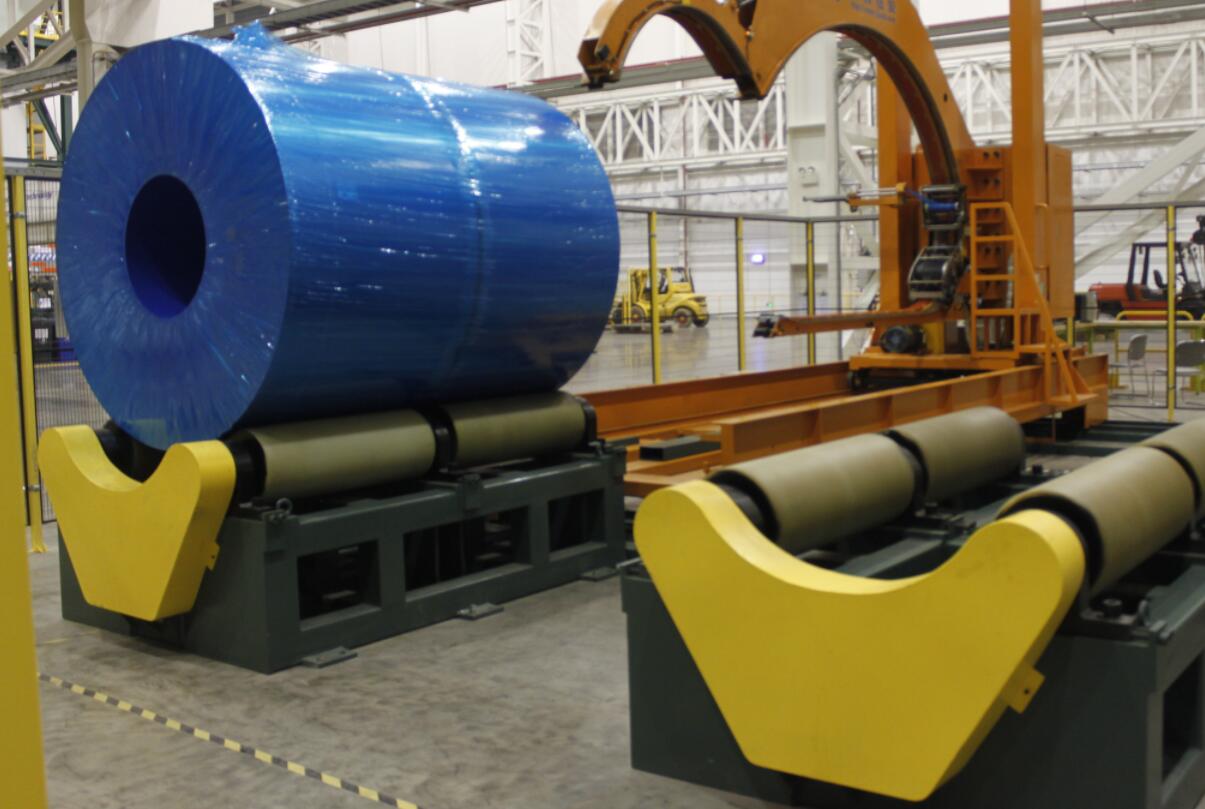
In the automotive industry, processed steel coils are used extensively for body panels, structural components, exhaust systems, and more. Rewinding machines ensure these manufacturers receive steel strips of the exact width and coil size required for high-speed stamping presses, minimizing material waste and downtime for coil changes. The construction sector relies on slit and rewound coils for roofing, cladding, studs, and structural members, demanding specific widths and lengths for roll-forming lines. Appliance manufacturers use processed steel for refrigerator panels, washing machine drums, and oven components, where surface finish and dimensional accuracy from the rewinding process are critical. The versatility of modern rewinding machines, capable of handling different material types, thicknesses, and producing various coil sizes (from small, light-duty spools to massive heavy-duty coils), makes them adaptable to the unique requirements of each industry.
Looking ahead, the future of steel coil rewinding is tied to broader trends in manufacturing:
- Increased Automation and Smart Technologies: Integration with AI and machine learning for predictive maintenance, process optimization, and automated quality inspection will become more common. Real-time data analytics will allow for dynamic adjustments to winding parameters, further enhancing efficiency and quality.
- Greater Material Versatility: Machines will need to handle a wider range of advanced high-strength steels (AHSS) and lightweight alloys required by industries like automotive and aerospace, necessitating more robust and precise tension control systems.
- Focus on Sustainability: Technologies that reduce scrap, optimize material utilization (e.g., advanced nesting for slitting patterns), and consume less energy will gain prominence. The ability to efficiently process recycled steel content will also be important.
- Improved Material Flow: Seamless integration with upstream and downstream processes, including automated coil storage, retrieval, and transport systems, will further streamline the entire production line, reducing bottlenecks outside the slitting and rewinding process itself.
- Customization and Flexibility: As manufacturers increasingly require just-in-time delivery of specific coil sizes and widths, rewinding lines will need to offer faster changeovers and greater flexibility in processing different product specifications on the same line.
These trends underscore the evolving role of steel coil rewinding machines not just as processing equipment, but as integrated, intelligent components of a highly efficient and sustainable manufacturing ecosystem.
Conclusion
Steel coil rewinding machines are indispensable assets in modern manufacturing, transforming raw steel into precisely processed materials crucial for diverse industries. They are key drivers of efficiency, dramatically increasing production speed, enhancing product quality, reducing labor costs, and significantly improving workplace safety. By automating the critical recoiling process after slitting, these machines ensure consistency and reliability. As technology advances, integrated automation and smart features will further solidify their role, meeting future demands for greater material versatility and sustainability. Implementing advanced steel coils processing solutions, including sophisticated rewinding capabilities, is essential for businesses seeking to optimize operations and remain competitive in the global market.








