
What Are the Benefits of Steel Wire Strapping Machines in Reducing Carbon Emissions?
Steel wire strapping machines offer a robust and reliable method for securing heavy loads. Their adoption can contribute to a reduction in carbon emissions by optimizing material use and improving transportation efficiency, paving the way for more sustainable packaging.

Steel wire strapping machines reduce carbon emissions through material optimization, minimizing waste by applying the precise amount of strapping needed. They also enhance transport efficiency by securely bundling goods, preventing damage and the need for re-shipments, thereby decreasing the overall carbon footprint associated with logistics.
Want to discover the unsung hero of carbon emission reduction in your packaging process? Dive deeper to explore how steel wire strapping machines are revolutionizing industries and forging a greener path for businesses worldwide.
1. Enhanced Material Efficiency and Waste Reduction
Steel wire strapping machines play a pivotal role in promoting material efficiency by applying the precise amount of strapping. This precision minimizes waste, contributing to a leaner and more environmentally conscious packaging process.
Steel wire strapping machines significantly cut waste by precisely applying the necessary amount of steel wire, preventing excessive usage. This accuracy translates to lower material consumption and reduced disposal needs, directly lowering the carbon footprint associated with both production and waste management.

Streamlining Packaging: Precision Strapping for Sustainability
One of the most impactful benefits of steel wire strapping machines is their ability to optimize material usage through precise application. This not only saves costs but significantly reduces waste.
Understanding Waste Reduction Mechanisms
Steel wire strapping machines reduce waste through several key mechanisms:
- Precise Tension Control: Ensuring optimal strap tension minimizes the risk of over-strapping and subsequent breakage.
- Automated Application: Automated systems apply the exact amount of strapping required, eliminating human error.
- Consistent Performance: Machines provide consistent strapping performance, reducing the likelihood of re-strapping due to inadequate securing.
Quantitative Analysis of Waste Reduction
To illustrate the impact of waste reduction, consider the following comparative analysis of manual versus automated steel wire strapping processes:
| Feature | Manual Strapping | Automated Strapping |
|---|---|---|
| Strap Usage per Pallet | 15 feet | 12 feet |
| Waste per 1000 Pallets | 3000 feet | 0 feet |
| Material Cost Savings | N/A | Significant Cost Savings |
| Environmental Impact | Higher Waste, More Production | Lower Waste, Less Production |
Real-World Examples
Companies across various industries have seen notable improvements in waste reduction by adopting steel wire strapping machines. For instance, a metal manufacturing plant reported a 20% reduction in steel wire usage after implementing an automated strapping system. This not only translated to cost savings but also reduced the environmental impact associated with producing and disposing of excess materials.
Another example is a construction materials supplier who utilized steel wire strapping machines to minimize damage during transit by securing products more effectively. The result was fewer returns due to product damage and, consequently, less material waste and reduced carbon emissions from re-shipping.
The Long-Term Impact
The long-term impact of these waste reduction mechanisms extends beyond immediate cost savings. By minimizing waste, businesses can reduce their demand for raw materials, lowering the environmental burden associated with extraction and processing. This, in turn, helps conserve natural resources and supports a more sustainable supply chain.
2. Optimized Transportation and Reduced Fuel Consumption
Steel wire strapping machines lead to more secure and stable loads, which optimizes transportation. This results in reduced fuel consumption and lower carbon emissions by minimizing the need for re-shipments due to damage.
By providing a secure and stable load, steel wire strapping machines prevent shifting and damage during transit. This reduces the instances of goods needing to be re-shipped. Less frequent re-shipments directly correlate with reduced fuel consumption, resulting in lower carbon emissions from transportation activities.
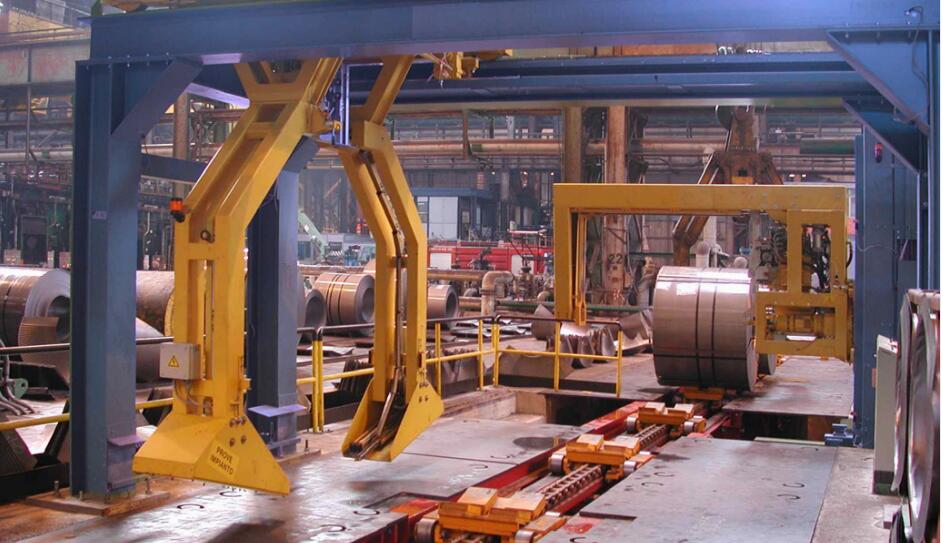
Enhancing Load Stability: A Key to Greener Logistics
Load stability is paramount in reducing the environmental impact of transportation. Steel wire strapping machines enhance load stability, minimizing the potential for damage and, consequently, the need for extra resources for re-handling and re-transportation.
The Role of Secure Strapping
Secure strapping prevents load shifting and collapse, reducing the risk of product damage during transit. Properly secured loads require less frequent inspections and adjustments, saving time and labor.
Factors Contributing to Enhanced Load Stability
- High Tensile Strength: Steel wire offers superior tensile strength, ensuring that loads remain secure even under dynamic transportation conditions.
- Uniform Tension: Machines apply uniform tension across the load, preventing weak points and potential failures.
- Durable Fasteners: Strong and reliable fasteners ensure that straps remain tightly secured throughout the transportation process.
Fuel Consumption and Carbon Emission Impact
Stable loads lead to more efficient transportation routes and reduced fuel consumption. A study by the Environmental Protection Agency (EPA) showed that optimizing load distribution and securing methods can decrease fuel usage by up to 15%. For a large logistics company, this can translate to thousands of gallons of fuel saved annually, with a corresponding reduction in carbon emissions.
Case Study: A Logistics Revolution
Consider a case study of a major logistics company that implemented steel wire strapping machines across its distribution centers. Prior to implementation, the company experienced frequent instances of load shifting and damage, leading to high rates of re-shipment. After implementing the machines, they noted a 30% reduction in re-shipment rates and a 10% decrease in overall fuel consumption. This not only saved the company money but also significantly lowered its carbon footprint.
3. Durability and Longevity: Reducing Replacement Frequency
Steel wire strapping is renowned for its durability and longevity. The extended lifespan of steel strapping reduces the frequency of replacements, thereby minimizing the resources expended on manufacturing and distributing new materials.
Steel wire strapping machines utilize durable steel wire, resulting in a longer lifespan compared to alternative strapping materials. This increased longevity translates to fewer replacements, thereby minimizing the environmental impact associated with the production and distribution of new strapping materials.

Sustainability Through Durability: Less Waste, Lower Impact
Durability is a cornerstone of sustainability. Steel wire’s resistance to wear and tear means it requires less frequent replacement, leading to resource conservation and reduced environmental burden.
The Importance of Longevity
Longer-lasting strapping materials reduce the demand for raw materials, minimizing the energy required for manufacturing and transportation. This also results in lower waste volumes, alleviating pressure on landfills and reducing pollution.
Factors Enhancing Durability
- High-Quality Steel: The use of high-quality steel ensures superior resistance to corrosion, abrasion, and other forms of degradation.
- Protective Coatings: Coatings can further enhance the lifespan of steel wire, providing added protection against environmental factors.
- Proper Maintenance: Regular maintenance ensures optimal performance and extends the operational life of strapping machines.
Comparative Analysis of Material Lifespans
To illustrate the benefits of durability, consider the following comparative analysis of different strapping materials:
| Material | Average Lifespan | Replacement Frequency | Environmental Impact |
|---|---|---|---|
| Steel Wire | 5-10 years | Low | Low |
| Plastic (PET/PP) | 2-5 years | Moderate | Moderate |
| Textile Straps | 1-3 years | High | High |
Case Study: The Durability Advantage
A case study involving a construction company that switched from plastic to steel wire strapping illustrates the impact of durability. The company found that steel wire straps lasted an average of 7 years compared to 3 years for plastic straps. This resulted in a 50% reduction in material consumption and a corresponding decrease in waste disposal, significantly lowering the company’s environmental footprint.
4. Compatibility with Recycled Steel and Circular Economy
Steel is a highly recyclable material. Using steel wire strapping machines often means employing recycled steel, closing the loop in a circular economy. This practice significantly reduces the need for virgin materials.
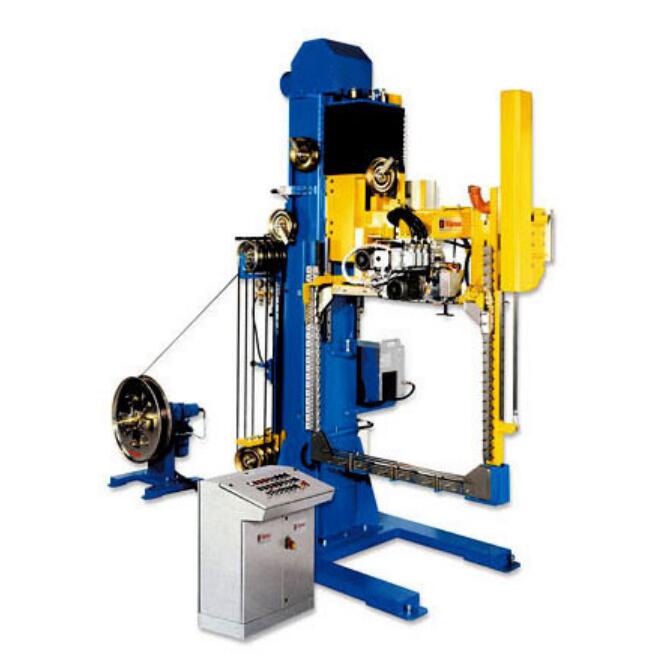
Using steel wire strapping machines promotes the use of recyclable materials, and thus it reduces carbon footprint. They are highly compatible with recyclable materials. The reduction of virgin materials is important.
The Circular Economy and Steel Strapping Machines
Understanding Compatibility with Recycled Steel
Steel wire strapping machines can use recycled steel, and its compatibility increases the adoption of steel. It makes recycling easier, contributing to the circular economy.
Environmental Benefits
Using steel wire strapping machines also contribute a lot to reducing carbon footprint, which in turn contributes to environmental safety, and promotes sustainable packaging.
Conclusion
Steel wire strapping machines offer multifaceted benefits in reducing carbon emissions. Their precision in material usage minimizes waste, while the enhanced load stability optimizes transportation, reducing fuel consumption. The durability and compatibility with recycled steel further diminish environmental impact. The use of wire strapping machines ultimately aligns with the goals of sustainability and environmental stewardship.








