
Ensuring Safe and Efficient Handling of Steel Coils with C-hooks
Struggling with cumbersome, risky methods for moving heavy steel coils? The sheer weight and awkward shape of these materials pose significant challenges, leading to potential damage, delays, and serious safety hazards. Manual handling is out, and inadequate lifting gear puts your team and product at risk.
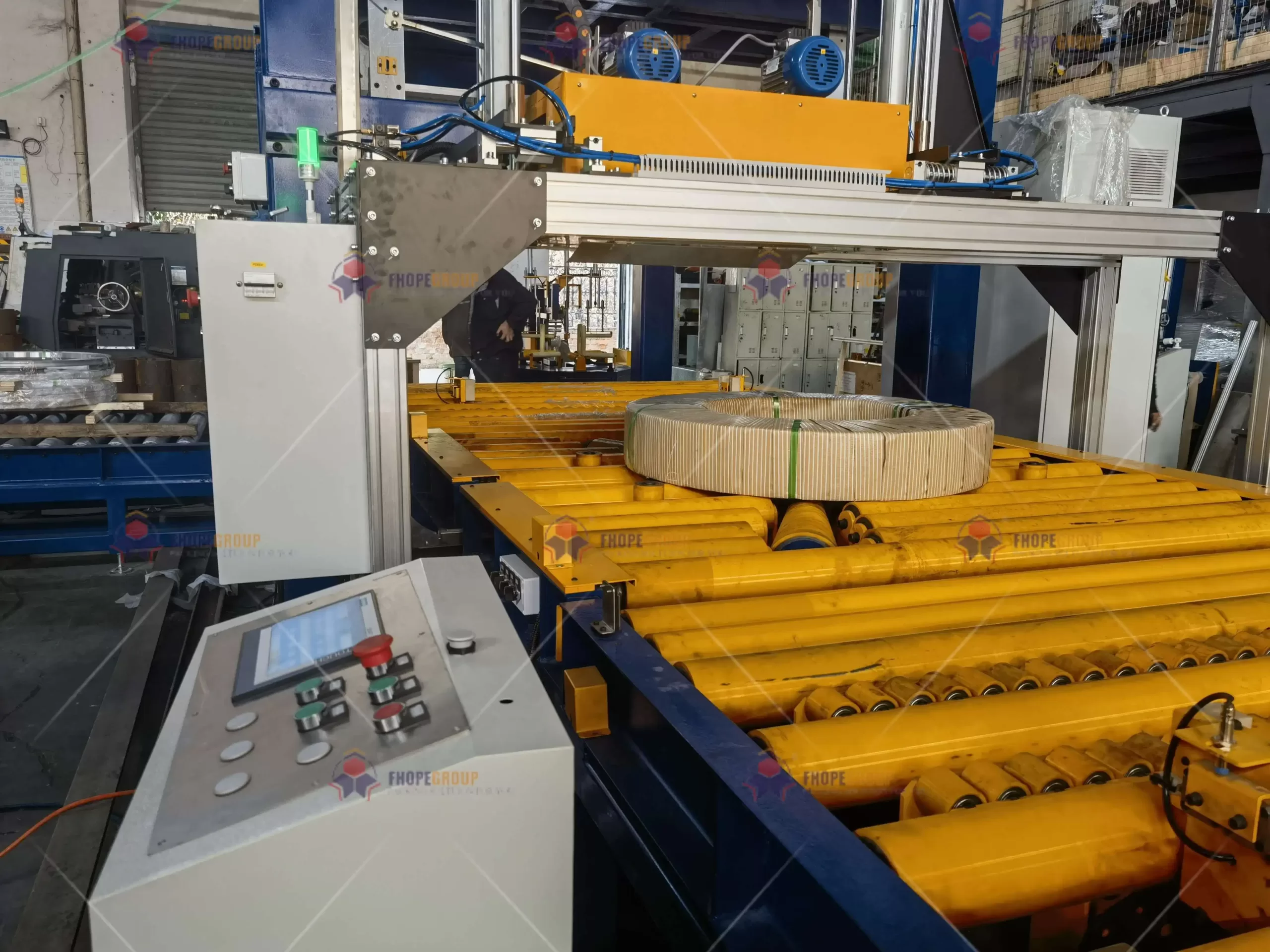
C-hooks are specialized below-the-hook lifting devices designed for the safe and efficient handling of steel coils by securely cradling them via their inner diameter. Their robust, C-shaped design minimizes coil damage, improves speed, and enhances worker safety compared to traditional methods like slings, making them essential tools in steel mills, processing plants, and warehouses.
Adopting the right lifting equipment is paramount. This article will delve into how C-hooks specifically address these challenges, improving both safety protocols and operational efficiency in heavy-duty material handling environments.
What Are C-Hooks and Why Are They Essential for Coil Handling?
Moving massive steel coils demands more than just brute force; it requires precision, stability, and safety. Traditional methods fall short, increasing the likelihood of accidents and costly product damage in demanding industrial settings. Finding a reliable, purpose-built solution is critical for maintaining productivity and protecting personnel.
C-hooks are specialized lifting attachments, characterized by their distinct ‘C’ shape, engineered specifically for lifting rolled materials like steel coils through their inner diameter. They provide a secure cradle, preventing edge damage and instability during transport. Unlike general-purpose slings, C-hooks are designed for the unique characteristics of coils, offering faster engagement, disengagement, and inherent stability, significantly improving efficiency and reducing reliance on manual rigging in hazardous areas.

Steel coils present unique handling challenges due to their immense weight, cylindrical shape, and sensitive surfaces. Improper lifting can lead to rolling, slipping, surface scratches, dents, or even catastrophic dropped loads. C-hooks are specifically engineered to counteract these issues, offering a stable, non-damaging method of transport.
The Design and Advantages of Using C-Hooks
C-hooks are constructed from high-strength materials to withstand the significant loads involved in steel coil handling. Their curved arm is precisely shaped to fit within the coil’s inner diameter, providing broad contact and support. This design minimizes pressure points that could damage the coil’s delicate edges or surface finish. The counterweight on the opposite side of the hook ensures that the device hangs level when empty, facilitating easier engagement with the coil.
Compared to lifting slings, which are susceptible to wear and tear from sharp coil edges and require time-consuming rigging, C-hooks offer a much faster and safer alternative. An operator can typically engage a C-hook with a coil much more quickly, drastically reducing cycle times and keeping personnel further away from the suspended load. This ease of use translates directly into improved operational efficiency and enhanced employee safety.
Furthermore, C-hooks can often be customized to accommodate specific coil sizes, widths, and weights, ensuring a perfect fit and maximizing load stability. Features like protective pads, guide handles, and specialized finishes can be added to further enhance safety and suitability for various environments. Their robust, simple mechanical design also often makes them a more cost-effective option in the long run compared to more complex automated systems for many standard applications.
| Feature | C-Hooks | Lifting Slings |
|---|---|---|
| Primary Use | Horizontal coil lifting via inner diameter | General lifting applications, including coils |
| Coil Contact | Cradles inner diameter, minimizes edge contact | Direct contact with coil surface/edges |
| Damage Risk | Low, designed to protect surfaces | Higher risk of edge damage and wear |
| Efficiency | Fast engagement/disengagement, reduces cycle time | Requires manual rigging, slower |
| Safety | Keeps personnel away, stable cradle | Closer proximity for rigging, less stable |
| Durability | Robust steel construction, long lifespan | Material susceptible to cuts and wear |
| Cost | Moderate initial investment, low maintenance | Low initial cost, higher replacement rate |
| Customization | Easily customizable for size/capacity | Limited customization for coil handling |
Exploring Different Types of C-Hooks for Varied Needs
Not all steel coils are created equal, nor are the environments where they are handled. From heavy mill-duty applications to narrow storage aisles, the specific demands of the task necessitate variations in C-hook design. Choosing the right type is crucial for maximizing both safety and efficiency.
While the core function of a C-hook is to lift steel coils horizontally using their inner diameter, various designs cater to specific operational needs and coil characteristics. Standard C-hooks are suitable for general use, while options like slit coil C-hooks handle multiple narrow coils, close stacking C-hooks work in confined spaces, and motorized rotating C-hooks offer precise positioning control. Selecting the appropriate type ensures optimal performance, safety, and efficiency for diverse coil handling tasks in steel mills, processing plants, and warehouses.
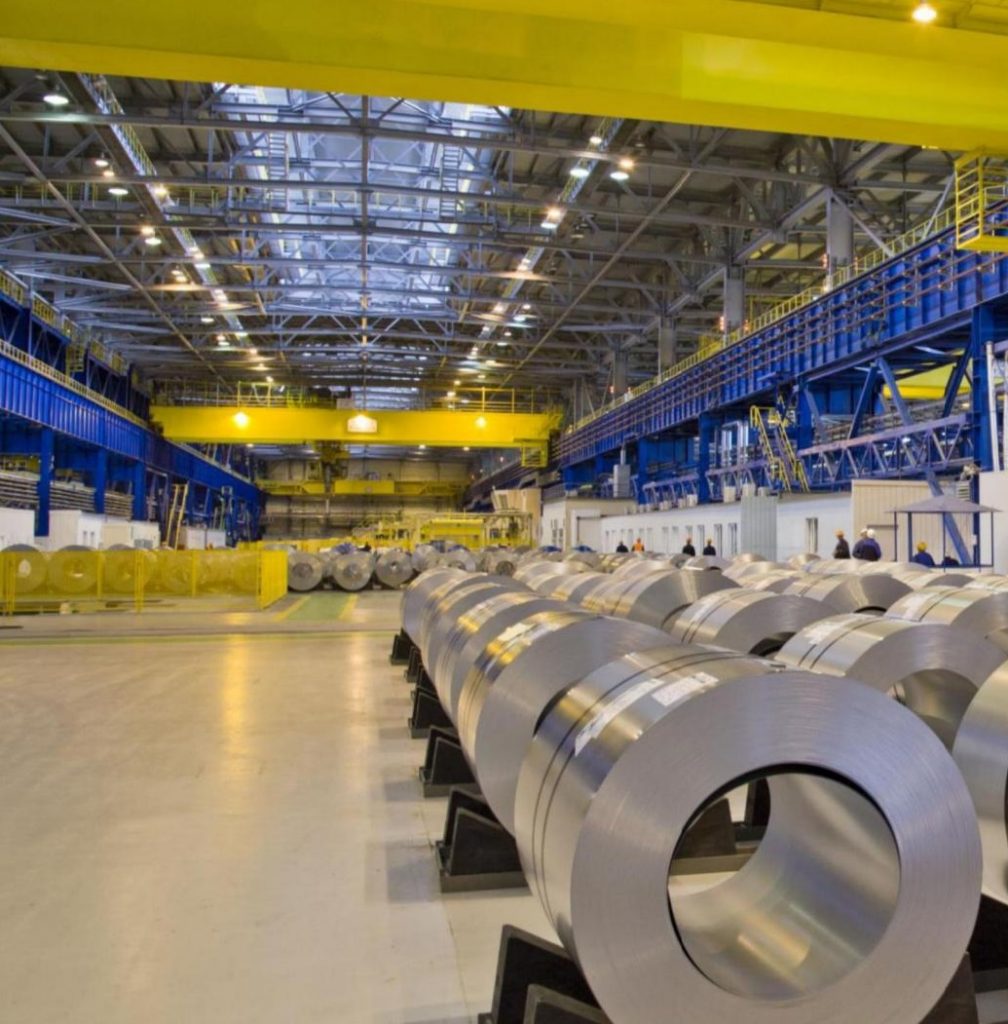
The diversity in steel coil sizes, weights, and handling orientations requires a range of specialized C-hook designs. Understanding these variations allows businesses to select the most appropriate tool for their specific material handling workflows, ensuring both operational effectiveness and enhanced safety. Each type offers distinct advantages tailored to particular scenarios, from managing multiple coils simultaneously to navigating tight spaces.
Different coil handling applications benefit from specialized C-hook configurations. Standard C-hooks are the most common and cost-effective, ideal for general horizontal lifting of single coils. For operations involving multiple smaller coils, such as those produced after slitting larger rolls, Slit Coil C-hooks are designed with longer lift arms to handle several coils side-by-side efficiently, maximizing throughput.
Environments with limited space, like narrow aisles or dense storage areas, benefit from Close Stacking C-hooks. These hooks have a shorter lifting arm length relative to their capacity, allowing operators to place coils closer together and optimize storage density without the hook arm extending past the coil’s edge and interfering with adjacent materials or structures.
For applications requiring precise placement or orientation changes of the coil while suspended, Motorized Rotating C-hooks are invaluable. These hooks are equipped with a powered rotator that allows the coil to be turned 360 degrees, offering enhanced control for loading onto specific machinery or aligning coils for transport.
While C-hooks are primarily for horizontal lifting, some specialized Vertical Coil Hooks (or Eye-Vertical Hooks) exist for handling coils stored vertically (eye-to-sky). These are distinct from standard C-hooks but serve a similar purpose of engaging the coil via its core. Additionally, protective features like polyurethane pads, specialized coatings, or rounded contact points can be integrated into various C-hook designs to prevent surface damage on sensitive coils. Features like guide handles improve operator control during engagement and placement, further enhancing safety and efficiency. Choosing the right C-hook type directly impacts the speed, safety, and overall effectiveness of your coil handling operation.
Key Factors for Selecting the Right C-Hook
Choosing the appropriate C-hook for your operation is a critical decision that directly impacts safety, efficiency, and the longevity of both the hook and the coils you handle. Simply opting for a generic hook without considering the specific demands of your application can lead to increased risks, reduced productivity, and unnecessary costs. Making an informed decision requires careful evaluation of several key factors tailored to your unique environment and materials.
Selecting the right C-hook for steel coil handling requires evaluating several key factors, including the maximum weight and size of the coils to be lifted, the available space in the operating environment, the required lifting orientation (horizontal or vertical), and specific environmental conditions like temperature or corrosive elements. Proper capacity, dimensions, and potential need for protective features or automation determine the most suitable C-hook design for ensuring both safety and operational efficiency.
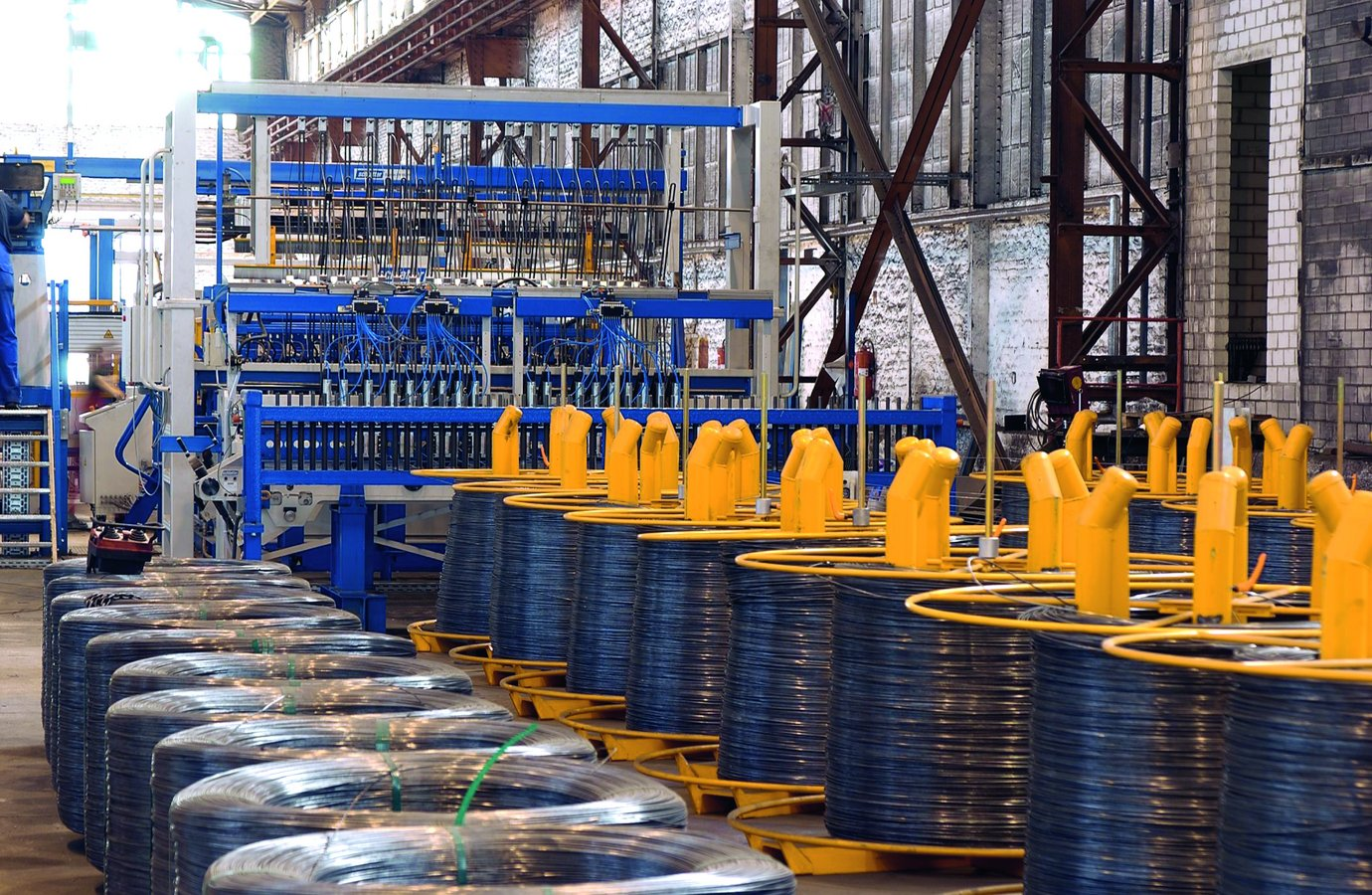
An effective C-hook selection process considers the interplay between the load characteristics, the operating environment, and the desired performance outcomes. Overlooking any of these aspects can result in suboptimal equipment, leading to compromised safety, decreased efficiency, and potential damage to valuable steel coils. A systematic approach ensures the chosen C-hook is robust enough, correctly sized, and equipped with any necessary features for your specific operational demands.
Matching the C-Hook to Your Specific Coil Handling Requirements
The capacity of the C-hook is arguably the most critical factor. It must be rated to safely lift the heaviest coil anticipated. Overloading a C-hook is extremely dangerous and can lead to catastrophic failure. Therefore, accurately determining the maximum coil weight is the first step.
Equally important are the coil dimensions – specifically the inner diameter and outer diameter, as well as the width. The C-hook’s arm profile must fit comfortably and securely within the inner diameter, and the overall length of the hook’s lower member should be appropriate for the coil width to ensure stable cradling without excessive protrusion that could cause interference. Customizable designs are often necessary to perfectly match varying coil sizes handled within a facility.
The operational environment plays a significant role. Steel mills often require mill-duty hooks designed to withstand harsh conditions, high temperatures, and continuous use. Warehouses or distribution centers might have different needs, perhaps prioritizing close stacking capability if space is limited. The layout of your facility and the presence of obstacles should influence the hook’s dimensions and design, such as requiring a recessed counterweight to minimize interference.
Consider the desired level of efficiency and control. For high-volume operations, features like motorized rotation or integrated guide handles can speed up the process and improve placement accuracy. While magnetic lifters offer automation and damage reduction, their significantly higher cost and power requirements make C-hooks a more cost-effective solution for many standard horizontal lifting applications.
| Selection Factor | Consideration for C-Hooks | Why it Matters for Safety & Efficiency |
|---|---|---|
| Coil Capacity | Determine maximum weight; select hook with sufficient Safe Working Load (SWL). | Prevents overloading and catastrophic failure; ensures safe lifting within design limits. |
| Coil Dimensions | Match hook inner dimensions to coil ID; ensure appropriate arm length for coil width. | Provides secure cradling, prevents slippage, minimizes contact stress, optimizes handling speed. |
| Operating Environment | Assess temperature, corrosives, space constraints (e.g., narrow aisles). | Ensures hook durability in specific conditions; allows efficient maneuvering in tight spaces (close stacking). |
| Lifting Orientation | Primarily horizontal; requires specific eye-vertical hooks for vertical lifting needs. | Guarantees proper engagement and stability based on how the coil is positioned. |
| Automation Needs | Manual vs. Motorized rotation, remote control options. | Improves precision, speed, and reduces operator proximity to load in complex movements. |
| Coil Surface Sensitivity | Consider protective pads or specialized finishes. | Prevents scratches, dents, and surface damage during handling, preserving product quality. |
| Budget | Standard designs vs. customized or automated options. | Balances upfront investment with long-term performance, maintenance, and operational savings. |
Integrating C-Hooks with Overhead Cranes for Peak Performance
The C-hook is just one component of a complete coil handling system. Its full potential for ensuring safe and efficient operations is realized when properly integrated with an appropriate overhead or gantry crane. This synergy between the lifting device and the hoist system is fundamental to smooth, reliable, and secure movement of heavy steel coils throughout a facility. The right crane and C-hook combination can dramatically streamline workflows and enhance safety protocols.
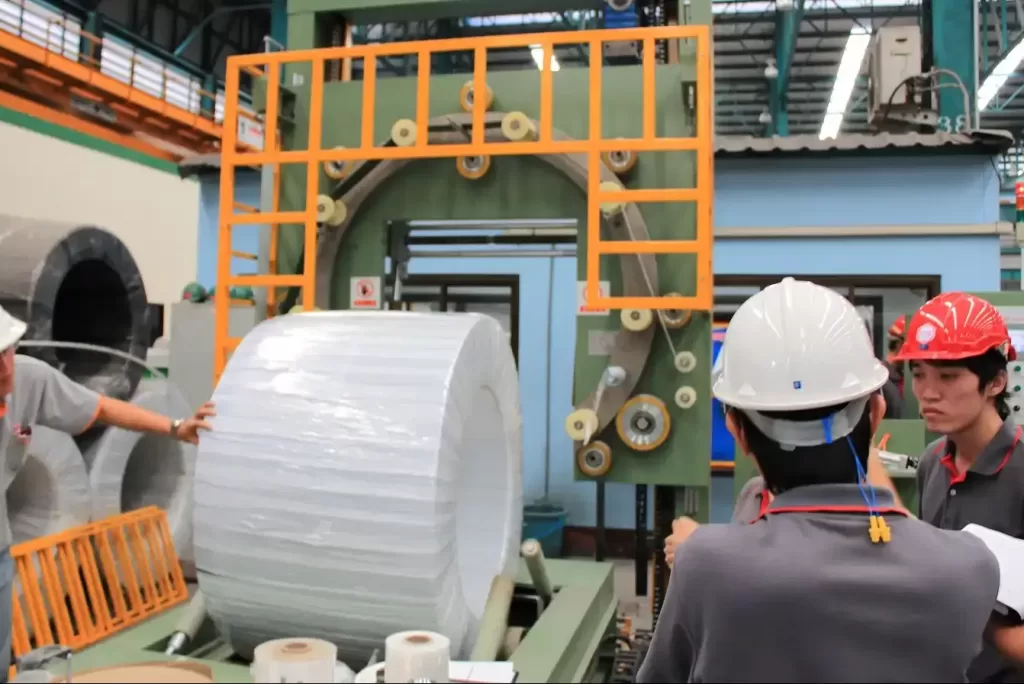
Integrating C-hooks with overhead or gantry cranes provides a comprehensive solution for safe and efficient steel coil handling. The crane provides the lifting power and mobility, while the C-hook offers the specialized interface to securely cradle and transport coils horizontally via their inner diameter. This combination minimizes manual handling, allows for precise placement, and significantly speeds up loading, unloading, and storage processes compared to using slings, thereby enhancing overall productivity and safety in material handling operations.
Effective integration of C-hooks with crane systems involves matching the hook’s capacity and design to the crane’s capabilities and the specific needs of the application. For heavy-duty environments like steel mills, robust mill-duty cranes paired with equally rugged C-hooks designed for continuous use are essential. Features like Variable Frequency Drives (VFDs) on cranes allow for smooth acceleration and deceleration, minimizing load swing when using C-hooks, which is crucial for both safety and preventing coil damage. Anti-sway control systems offer an even higher level of precision and stability, particularly important when placing coils in tight spaces or navigating complex layouts.
Examples from the industry highlight the benefits of such integration. Facilities using heavy-capacity gantry cranes outfitted with custom C-hooks and hydraulic rotating hooks have demonstrated significantly reduced cycle times for loading and unloading railcars, keeping personnel at a safe distance by eliminating ground rigging. This shows how tailored solutions combining crane and hook technology optimize specific, high-throughput tasks.
Beyond selection and integration, routine maintenance and safety inspections are non-negotiable for C-hooks. Regular checks for wear, cracks, deformation, and proper function of safety latches are critical. Adhering to industry standards like ASME B30.20 for below-the-hook devices ensures compliance and safe operation. Properly maintained and inspected C-hooks, used with well-maintained cranes, form the backbone of a safe and efficient steel coil handling system. Operator training on the specific crane and C-hook combination is also vital to ensure proper usage and recognition of potential issues.
Conclusion
Ensuring safe and efficient handling of heavy steel coils is paramount in industrial operations. C-hooks provide a specialized, reliable, and cost-effective solution designed specifically for this challenging task, offering significant advantages in safety and speed over traditional methods. By understanding the different types, selecting the right hook based on coil specifications and environment, and integrating it properly with appropriate crane systems, businesses can vastly improve their material handling workflows. Investing in quality C-hooks and prioritizing regular maintenance and operator training is key to maximizing productivity and minimizing risk in steel coil handling. For integrated coil handling solutions, consider optimizing your coil handling processes.








