
Solutions to Preventing Edge Defects in Slit Steel Coils
Facing frustrating defects in your slit steel coils? Problems like edge wave, camber, and crossbow disrupt downstream processes and inflate costs. These common flaws compromise product quality and manufacturing efficiency. Discover proven strategies to prevent these issues and boost your production line’s performance.
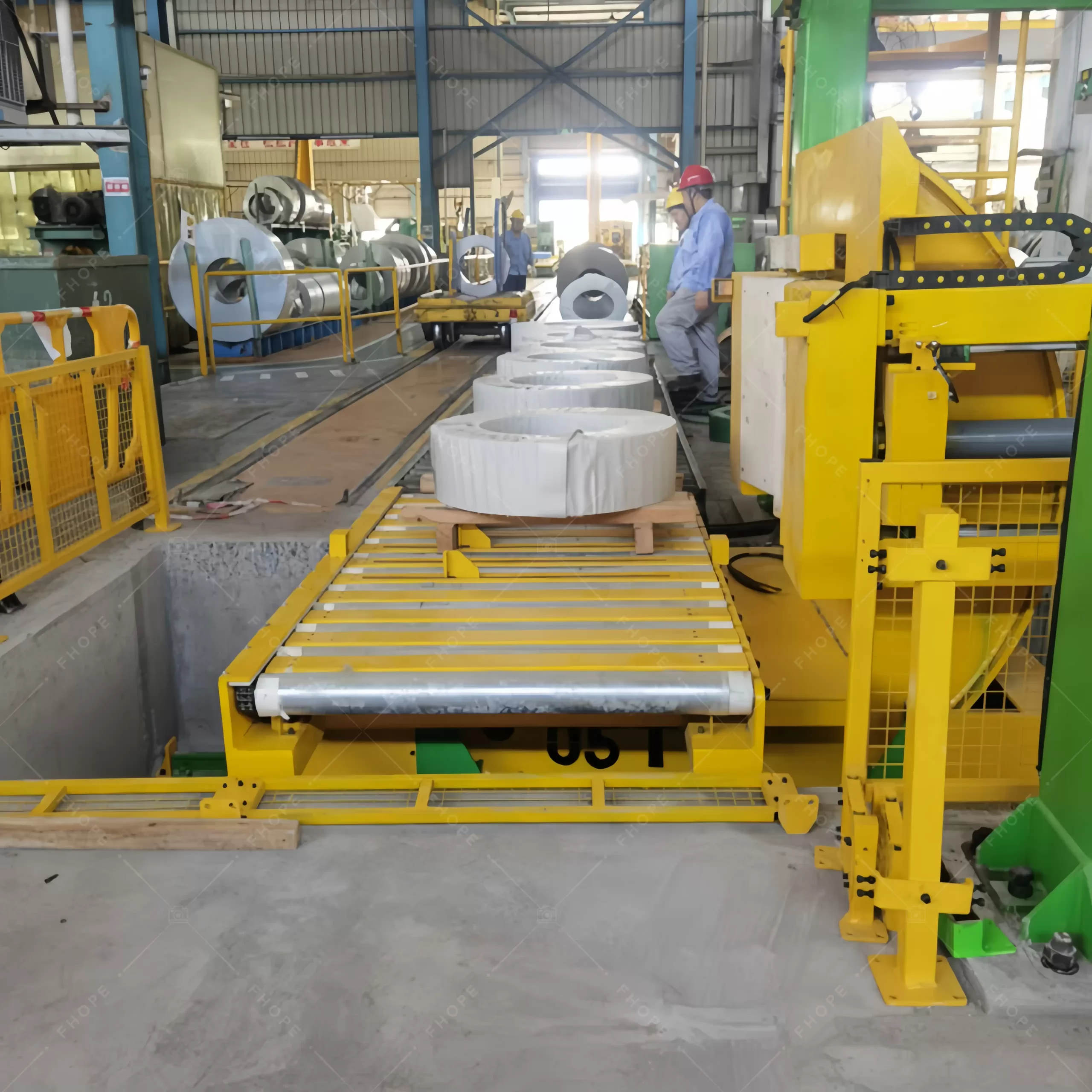
Preventing edge defects in slit steel coils hinges on rigorous quality control across the entire process, from master coil inspection to slitting, handling, and storage. Key strategies include verifying master coil quality, ensuring precise slitter setup and sharp tooling, meticulously controlling tension, managing residual stress, and implementing proper material handling and storage to prevent distortion and damage.
Achieving defect-free slit coils is a multifaceted challenge that requires a holistic approach. By understanding the root causes at each stage, manufacturers can implement targeted solutions to minimize flaws and maximize yield and quality in subsequent processes like roll forming. Let’s delve into the specific strategies.
Mastering Quality Before and During Slitting
Slitting steel coils is a critical manufacturing step, but it inherently introduces opportunities for defects that can plague downstream operations. Understanding where these flaws originate during the slitting process is the foundational step toward their prevention.
Avoiding common defects in slit steel coils requires meticulous attention during the slitting process itself, building upon the foundation of quality incoming material. Key factors include precise slitter knife alignment and sharpness, maintaining correct horizontal and vertical knife clearance based on material properties, and controlling tension uniformly across the strip width. Implementing strict setup procedures, including machine alignment checks and material gauging, is essential to produce high-quality mults.

Identifying and Addressing Slitting Process Variables
Achieving a good slit edge is often perceived as an art, but it is increasingly becoming recognized as a science. Success relies on controlling numerous variables during the slitting operation. Poor edge quality, burr, edge wave, camber, and crossbow are common defects generated or exacerbated at this stage. Inspecting the edge itself provides crucial clues. A good edge typically shows a clean fracture line between the shiny “nick” area and the dull “break” area under magnification.
Knife Clearance: This is perhaps the most significant controllable variable affecting edge quality. Horizontal knife clearance, the gap between knives, is critical. Historical reliance on a simple 10% of material thickness rule is often insufficient for modern metals with diverse mechanical properties. Each metal type, and even different thicknesses or sources of the same metal, requires optimal clearance determined by testing results. Too little clearance requires excessive force, leading to burr, while too much causes material stretching and tearing. Vertical knife clearance (overlap) also significantly impacts defects like edge wave, crossbow, camber, and knife marks. Excessive overlap can even damage tooling and the slitter machine itself.
Tooling Condition and Setup: The condition and proper setup of slitting tooling (knives, spacers, stripper rings) are paramount. Worn, damaged, or improperly manufactured tooling directly compromises edge quality and can lead to clearance inaccuracies, knife wobble, clashing, and premature knife dulling (Figure 3 from source material). Using damaged spacers (nicks, dings) prevents knives from seating properly, causing clearance variations. Using non-standard shims when ‘shimless’ tooling is intended indicates a setup or tooling issue. Proper stripper ring selection (size, hardness) and practice are vital to control material movement and prevent defects like edge wave and knife marks. Incorrect stripper rings, or outdated practices like wrapping tape around knives, introduce significant issues and safety risks.
Slitting Machine Condition: Even with perfect tooling and setup, a poorly maintained machine will yield poor results. Loose bearings, damaged shaft shoulders, and general misalignment propagate errors to the final product. Regular maintenance, inspection, and calibration by trained personnel are essential.
Defect Origins and Slitting Variables
| Defect | Description | Primary Cause (Slitting) | Downstream Impact | Key Slitting Variables |
|---|---|---|---|---|
| Burr | Rough, raised edge material | Incorrect Horizontal/Vertical Clearance | Scoring, Interferes with Forming | Horizontal/Vertical Clearance, Knives |
| Edge Wave | Ripples along the strip edge | Excessive Vertical Clearance, Stripper Rings | Perpetuates into formed profiles | Vertical Clearance, Stripper Rings |
| Camber | Edgewise curvature | Uneven Tension/Pressure, Dull Knives | Bow, Twist, Curve in formed profiles | Tension, Knife Sharpness, Clearance |
| Crossbow | Cross-sectional curvature, unequal lengths | Incorrect Slitter Setup, Uneven Tension | Oil Canning, Edge wave (in forming) | Slitter Setup, Vertical Clearance, Stripper Rings, Tension |
| Poor Edge | Ragged edges, uneven fracture | Dull/Damaged Knives, Improper Clearance | Scoring, Interferes with Forming | Knife Sharpness, Clearance, Tooling |
Monitoring results for each specific material and setup combination is crucial for continuous improvement. Documenting optimal knife clearances, stripper ring configurations, and tension settings allows operators to reproduce successful setups and troubleshoot issues effectively. Consultation with tooling manufacturers regarding knife grade selection and proper clearance/stripper ring practices further enhances control over the slitting process.
Managing Residual Stress
Working with steel inherently involves managing residual stresses trapped within the material from previous manufacturing processes. The unpredictable release of these stresses during slitting and downstream operations like roll forming poses a significant challenge to achieving consistent quality and defect-free production.
Residual stress in steel coils, originating from cold or hot rolling processes, is a significant contributor to defects like twist, bow, and camber after slitting. This trapped energy, when unevenly released during slitting or subsequent forming, causes unpredictable distortion. Effective solutions involve understanding material history, performing simple material tests, anticipating potential issues, and making tooling adjustments in downstream processes to mitigate the effects of this inherent material characteristic.

Residual stresses are locked into the metal during thickness reduction processes like full-hard rolling (~50% reduction) or even skin rolling (<1% reduction). These internal forces seek equilibrium when the material is cut (slitting) or bent (roll forming), leading to distortion. An unbalanced release of stress is a primary reason seemingly identical coils can behave differently during processing. While mill tension leveling helps, it doesn't eliminate all residual stress, especially transverse stresses. Other material properties, such as high yield stress (increasing susceptibility to buckling/oil canning) and uneven substrate properties, also contribute to unpredictable behavior. Experienced operators recognize the impact of these inherent material characteristics and may perform simple bend tests to gauge material springiness. They also build knowledge over time to anticipate how different materials might react and are prepared to make tooling adjustments in roll forming to counteract stress-induced defects like twist and bow. Quantifying residual stress precisely without specialized equipment is difficult, but acknowledging its presence and potential impact is vital for effective defect prevention. This underscores the interdependence between the quality of the incoming slit coil and the ability of downstream processes to produce a quality final product.
Ensuring Machine Alignment and Tooling Precision
Inconsistent quality and frustrating defects in slit steel coils’ downstream processing, particularly roll forming, are often silent culprits stemming from misaligned machinery and improper tooling setup. Achieving precision here is paramount for eliminating common profile defects and unlocking efficient production.
Are you battling inconsistent quality and frustrating defects in your slit steel coils’ downstream processing? Misaligned machinery and improper tooling setup are often the silent culprits causing costly errors. Learn how to ensure your roll forming line’s alignment is perfect to unlock precision and eliminate common profile defects.
Achieving defect-free processing of slit steel coils, especially in roll forming, critically relies on precision machine alignment and tooling setup. This includes proper leveling of the line base, alignment of driven shafts and bearings, accurate horizontal and vertical tooling alignment with the material present, and meticulous cleanliness. Rigorous checks of entry guides, stands, and the overall line footprint ensure material flows correctly, preventing defects like camber, twist, bow, and rolling marks.
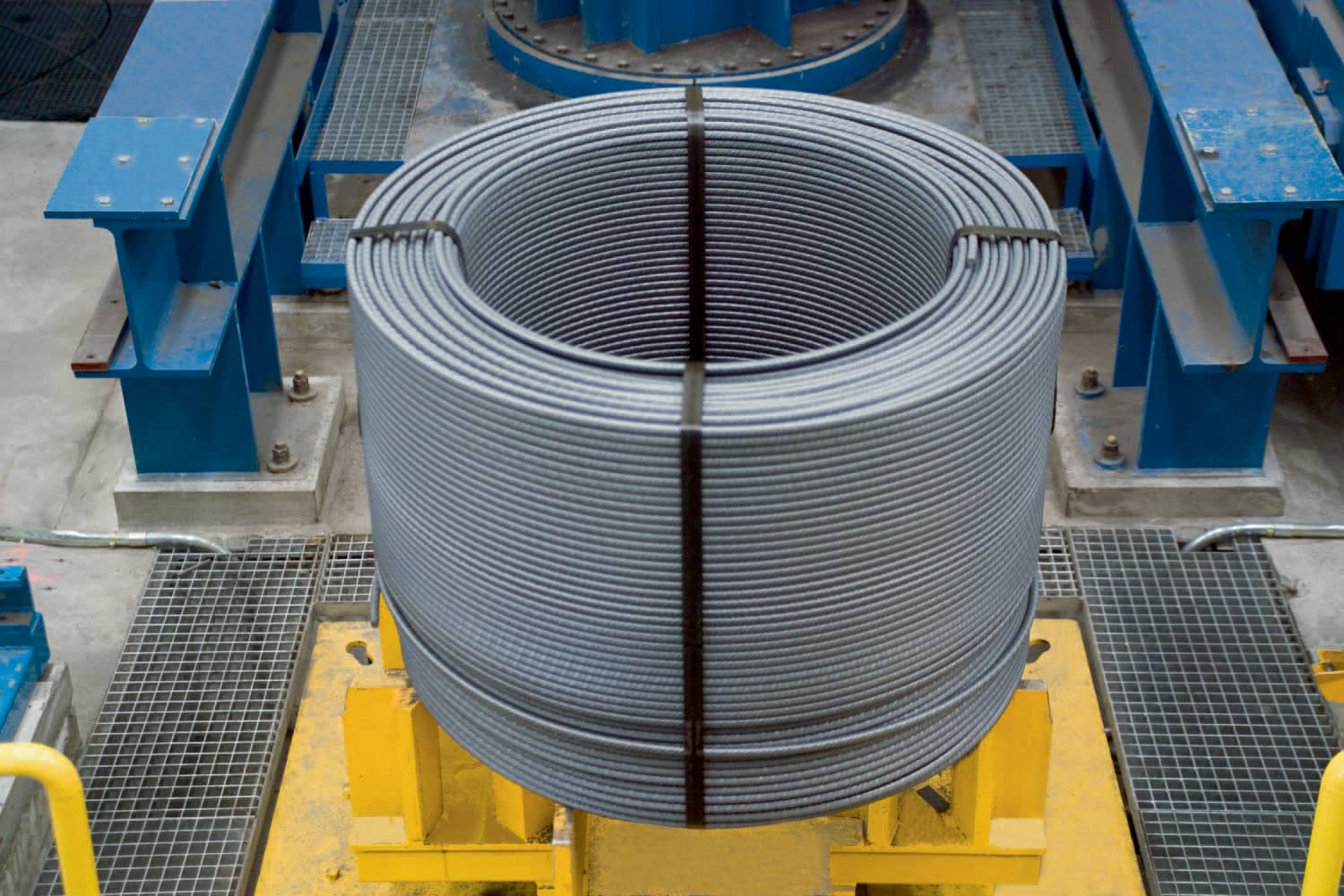
Precision in Downstream Processing Equipment
Once high-quality slit coils are produced, the next major hurdle lies in the precision of the processing machinery, particularly in roll forming lines. Alignment is not merely about the forming rolls; it’s a systemic requirement involving all components interacting with the material.
Equipment and Base Alignment: The foundation of consistent roll forming is a properly aligned and leveled line base, encompassing the mill and auxiliary equipment like entry guides, weld boxes, and ironing passes. A non-level base introduces stresses and misalignments. The condition of driven shafts is also critical; wear (worn spots, rings, grooves) causes rolls to run out-of-round, leading to line surge, chatter, or surface ripples. Bearings must be in good condition to prevent vibration and misalignment. Correct back shoulder alignment ensures repeatable roll positioning stand-to-stand and top-to-bottom.
Tooling Setup Procedures: Incorrect tooling (rolls) alignment is a leading cause of defects. Precise horizontal and vertical alignment is required. A common error is setting roll gaps without the actual coil material in place; this often leads to twist and bow. The correct method involves setting approximate gaps, running the material through the first pass, then re-gauging rolls with the material, and setting final gaps based on actual coil thickness and observed forming. A test run is essential before mass production. Proper lubrication is vital to reduce friction and wear, preventing rolling marks and premature tool damage. Cleanliness is paramount; tooling, shafts, and spacers must be free of grit or debris that can alter alignment or damage the material surface. Visual checks with mirrors/flashlights and passing gauges through passes help identify setup errors.
Line-Wide Alignment Checks: Precision must extend across the entire line. Machine face alignment ensures all stands are squared relative to the material flow line. Entry guide roll integrity is crucial; if the slit coil can move laterally before entering the first pass, camber or twist are highly likely. Driven stands and shafts must be parallel and aligned in all planes. A systematic “footprint” analysis, mapping the entire line from decoiler to final profile against a centerline, is the most effective way to detect systemic misalignments. Deviations create pressure, causing feeding and forming defects. Standard Operating Procedures (SOPs) for tooling setup and alignment ensure systematic checks, addressing root causes rather than just symptoms.
Key Alignment and Setup Checks
| Aspect | Key Check | Importance | Potential Defect (if incorrect) |
|---|---|---|---|
| Line Base | Levelness throughout length | Foundation for overall line alignment | Misalignment propagation, stress intro |
| Driven Shafts | Condition (wear), Parallelism | Prevents roll damage, ensures smooth feeding | Line surge, chatter, surface defects |
| Bearings | Condition, Integrity | Reduces vibration, maintains accuracy | Vibration, misalignment |
| Tooling Alignment | Horizontal, Vertical, Gap with Material | Direct impact on formed profile shape | Camber, Bow, Twist, Incorrect Profile |
| Tooling Cleanliness | Free of grit/debris | Prevents surface marks, maintains alignment | Surface marks, Alignment errors |
| Entry Guides | Mechanically tight, Perpendicular to flow | Controls material entry, prevents twist/camber | Camber, Twist |
| Driven Stands | Horizontal, Vertical, Diagonal alignment | Ensures consistent forming across passes | Uneven forming, Defects across length |
| Machine Face | Squareness relative to material flow line | Holistic line accuracy | Systemic misalignment issues |
| Line Footprint | Centerline, Squareness, Parallelism of comps | Identifies systemic misalignment issues | Varied defects, feeding issues |
Implementing robust SOPs for these checks empowers operators to maintain the precision required for high-quality formed products from slit steel coils.
The Impact of Handling and Storage Practices
The journey of a slit steel coil doesn’t end after cutting. How these coils are handled, stored, and transported significantly impacts their final quality before they reach the next stage of production, contributing to or preventing potential defects.
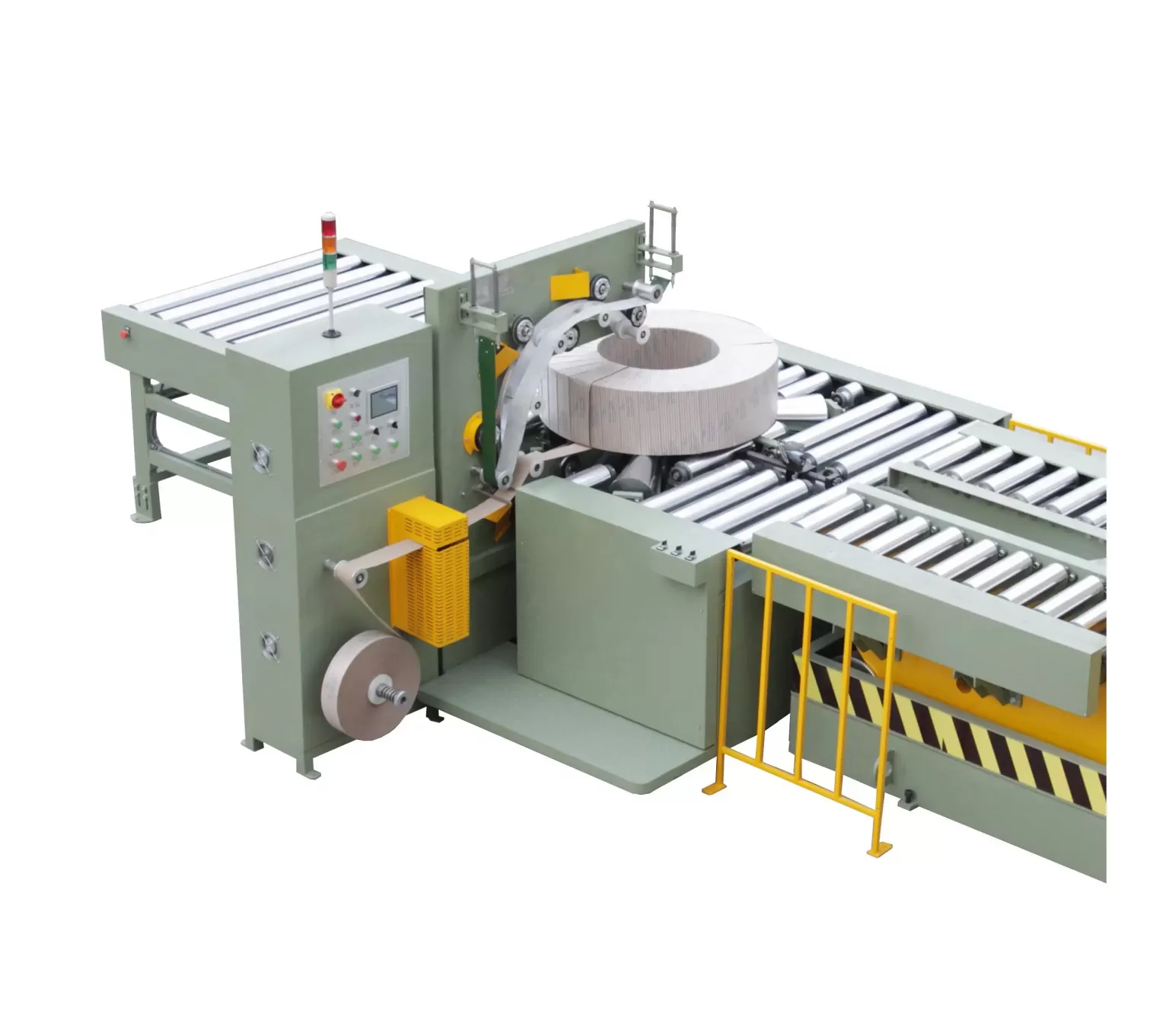
Proper handling and storage are critical to avoid damage that can manifest as defects in slit steel coils during downstream processing. Using appropriate, weight-rated equipment like coil tippers and specialized forklifts, minimizing double-handling, and implementing correct storage strategies (“eye to the sky” vs. “eye to the side”) prevent physical damage, distortion, and maintain coil integrity, safeguarding product quality and ensuring worker safety.
Handling coil, whether moving or storing, requires precision due to the extreme weight and size of steel coils. Using the wrong equipment or using proper equipment incorrectly can severely impact coil quality and pose significant safety risks. Coils often arrive “eye to the sky” on pallets and need to be reoriented “eye to the side” for decoiling in roll forming lines, requiring specialized equipment like coil tippers. Using specialized coil pallets and racking systems, especially for “eye to the side” storage, maintains coil integrity and optimizes space. Specialized coil handlers or multidirectional forklifts are highly recommended over standard forklifts for line loading due to their ability to retract the heavy coil weight (often 4-10 tons or more) between the legs, providing far greater stability and safety.
Storage strategy depends on the coil’s status. Finished goods might be stored “eye to the sky” to protect surfaces and maximize density, while work-in-progress (WIP) for immediate use is typically “eye to the side” for quick loading. Minimizing “double-handling” – reducing the number of times a coil is moved – is a key defect prevention strategy, as each move is a potential point of damage. Common hazards include using equipment not rated for the coil weight, which can lead to equipment failure and dropped coils, posing fatal risks. Fire safety regarding stacked pallets is also critical. Even seemingly minor nicks or dents from improper handling can damage significant lengths of material, potentially rendering the coil unusable. Therefore, quality control must extend explicitly to material handling processes. Ongoing training for operators, particularly forklift drivers, is essential to reinforce safe, precise, and defect-preventing handling techniques, ensuring coils arrive at the production line in optimal condition.
Conclusion
Avoiding common defects in slit steel coils, such as camber, edge wave, and crossbow, necessitates a comprehensive approach spanning the entire process. From initial master coil quality assessment and rigorous slitting operations to effectively managing residual stresses, ensuring precise machine and tooling alignment, and implementing careful handling and storage protocols, every step is critical. By focusing on these areas and adopting systematic quality control measures, manufacturers can significantly reduce defects, leading to improved productivity, less waste, and higher final product quality. Incorporating advanced processes and technologies, such as those found in automated steel coils processing and packing line solutions, further enhances reliability and operational efficiency.








