
How to Enhance Steel Wire Coiling Machine Security in Unattended Operations?
Steel wire coiling machines are essential for efficient production. However, leaving them unattended introduces security and safety risks. This article explores methods to improve security for such operations.
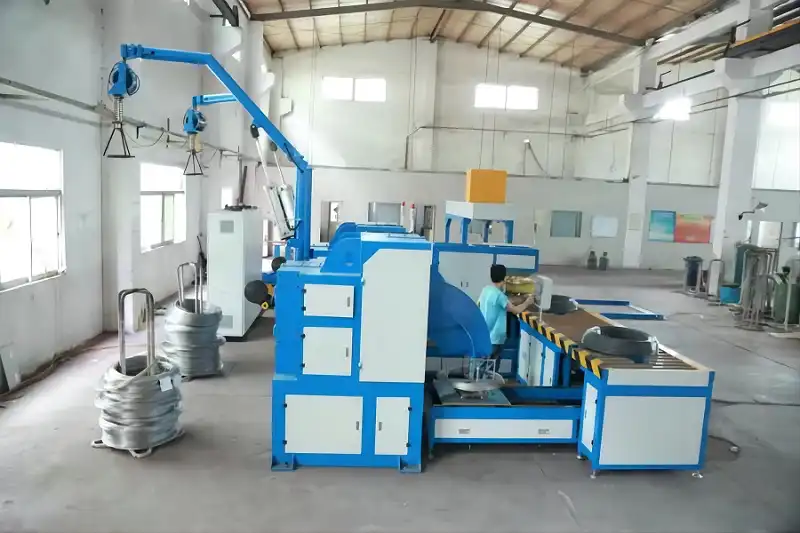
To enhance steel wire coiling machine security during unattended operations, implement comprehensive safety measures. This includes installing safety barriers, employing advanced sensors for anomaly detection, integrating automated emergency stops, and ensuring regular maintenance checks. Training personnel and establishing clear safety protocols are also vital.
Leaving a steel wire coiling machine unattended presents significant challenges. Securing these operations involves a multi-faceted approach. Let’s delve into how you can minimize risks and enhance overall safety.
1: Implementing Robust Safety Measures
To enhance the security of unattended steel wire coiling machine operations, the first and foremost step is the implementation of robust safety measures. These measures are designed to protect both the equipment and the surrounding environment, minimizing the potential for accidents.
Implementing robust safety measures is crucial. Install physical barriers, emergency stop systems, and regular maintenance protocols. Utilize sensors to detect anomalies, ensuring immediate shutdown in hazardous situations. This comprehensive approach significantly reduces potential accidents.

副标题:Evaluating and Upgrading Existing Safety Protocols
Critically evaluating current safety protocols is essential. Are existing measures adequate? Are there gaps in safety coverage? Upgrading safety features might be needed.
Comprehensive Risk Assessment
Begin with a detailed risk assessment. Identify potential hazards associated with unattended operations. These could include mechanical failures, electrical issues, or material defects. A comprehensive assessment highlights vulnerabilities to address proactively.
Safety Barrier Enhancement
Physical barriers protect personnel from moving parts. These barriers should fully enclose hazardous areas and be constructed of durable materials. Upgrading existing barriers ensures they meet current safety standards and provide adequate protection.
Emergency Stop Systems
Emergency stop systems are vital for halting operations quickly. These systems should be easily accessible and regularly tested. Consider installing multiple emergency stops at different locations around the machine.
Sensor Integration
Advanced sensors detect anomalies such as overheating or material jams. Integrating these sensors into the machine’s control system allows for automated shutdowns, preventing potential damage or injury.
Maintenance and Inspection Protocols
Regular maintenance and inspections are essential for identifying and addressing potential issues. Implement a schedule for routine checks and repairs, ensuring all safety components function correctly. Documenting these checks provides accountability and helps track performance over time.
To illustrate the importance of these upgrades, consider the following comparative analysis:
| Safety Measure | Current State | Proposed Upgrade | Benefit |
|---|---|---|---|
| Physical Barriers | Partial enclosure, standard steel | Full enclosure, reinforced steel | Increased protection from moving parts |
| Emergency Stop Systems | Single location, manual operation | Multiple locations, automated response | Faster shutdown in emergency situations |
| Sensor Integration | Limited sensors, basic monitoring | Comprehensive sensors, real-time monitoring | Early detection of anomalies, preventing damage and injury |
| Maintenance Protocols | Irregular checks, limited documentation | Scheduled checks, detailed documentation | Improved equipment reliability, reduced risk of failures |
| Personnel Training | Basic operational training | Comprehensive safety and emergency response training | Enhanced awareness of potential hazards, improved response to emergency situations |
The costs associated with these upgrades must be weighed against the potential costs of accidents, downtime, and regulatory fines. Investing in safety provides a strong return in terms of reduced risks and improved operational efficiency.
2: Leveraging Technology for Remote Monitoring
Leveraging technology for remote monitoring enhances the Steel wire coiling machine security in unattended operations through real-time data and analytics. Remote monitoring allows continuous oversight.
Employ remote monitoring using sensors and data analytics. Real-time data alerts operators to anomalies, enabling immediate action. Integrated camera systems provide visual confirmation. This technology minimizes downtime and enhances overall safety.

Implementing an Advanced Monitoring System
Implementing an advanced monitoring system enhances the security and efficiency of unattended steel wire coiling machine operations through data-driven insights and immediate response capabilities.
Remote monitoring systems provide real-time data on machine performance, environmental conditions, and potential safety issues. These systems can be configured to send alerts when anomalies are detected, allowing operators to take immediate action, even when they are not physically present.
Here’s a deeper dive into the key components:
- Sensor Technology: Employ a variety of sensors to monitor critical parameters.
- Data Analytics: Use data analytics to identify patterns and anomalies.
- Remote Access and Control: Ensure secure remote access to the system.
- Alarm Systems: Implement a reliable alarm system.
- Cybersecurity Measures: Protect the system from cyber threats.
By integrating these elements, a comprehensive remote monitoring system can significantly enhance the security and efficiency of unattended steel wire coiling machine operations.
3: Developing Comprehensive Training Programs
Developing comprehensive training programs is crucial for enhancing the security of steel wire coiling machines in unattended operations. Training ensures personnel understand the risks.
Comprehensive training programs are essential for all personnel involved with steel wire coiling machines. Training should cover safety protocols, emergency procedures, and equipment operation. This ensures everyone understands their role in maintaining a safe and secure operating environment.

Enhancing Operational Safety Through Skilled Personnel
Comprehensive training programs are essential to enhance the security of steel wire coiling machines in unattended operations, ensuring that personnel are well-versed in safety protocols and emergency procedures.
A well-structured training program should encompass several critical areas. Understanding these areas will ensure your personnel can operate these machines safely.
Key Training Areas
- Equipment Operation: In-depth training on the machine’s functions.
- Safety Protocols: Detailed instruction on safety procedures.
- Emergency Procedures: Clear steps for handling emergencies.
Training Program Structure
To effectively deliver this knowledge, consider the following structure for your training program:
| Module | Content | Duration |
|---|---|---|
| Introduction to Safety | Overview of potential hazards, safety regulations, and the importance of safety measures. | 2 hours |
| Equipment Operation | Detailed explanation of machine components, operation, and maintenance procedures. | 4 hours |
| Emergency Procedures | Hands-on training for responding to emergencies, including shutdowns and evacuations. | 3 hours |
| Assessment and Review | Testing knowledge, addressing questions, and reinforcing key concepts. | 1 hour |
Benefits of Comprehensive Training
By investing in comprehensive training, organizations can significantly reduce the risk of accidents and downtime. This contributes to a safer and more efficient operating environment.
4: Establishing Strict Access Control

To enhance the security of unattended steel wire coiling machines, establishing strict access control is crucial. Access control minimizes unauthorized interference.
Establishing strict access control is paramount. Implement keycard systems, biometric scanners, and surveillance cameras. Regular audits of access logs ensure accountability. These measures prevent unauthorized access and protect the machines.
Implementing Multi-Layered Access Control Measures
- Physical Barriers: Install sturdy fences and gates around the coiling machine area to deter unauthorized entry.
- Keycard or Biometric Systems: Implement keycard access or biometric scanners to restrict access only to authorized personnel.
- Surveillance Cameras: Install strategically placed surveillance cameras to monitor the coiling machine area.
- Access Logs: Maintain detailed access logs that record every entry and exit to the coiling machine area.
- Regular Audits: Conduct regular audits of access logs and security systems to identify vulnerabilities. By combining these measures, steel wire coiling machine security can be elevated, ensuring only authorized personnel can interact with the equipment, and their actions are monitored and documented.
Conclusion
Enhancing steel wire coiling machine security in unattended operations requires a comprehensive strategy. Prioritizing safety, technology, training, and access control creates a safer, more efficient work environment. Implementing these strategies minimizes risks, protects equipment, and ensures operational success.








