
How to Enhance Steel Wire Coiling Machine Security in Multi-Shift Warehouse Operations?
Steel wire coiling machines are vital in warehouses, especially those operating multiple shifts. Ensuring their security is paramount to protect workers, prevent accidents, and maintain operational efficiency. This involves a multifaceted approach.
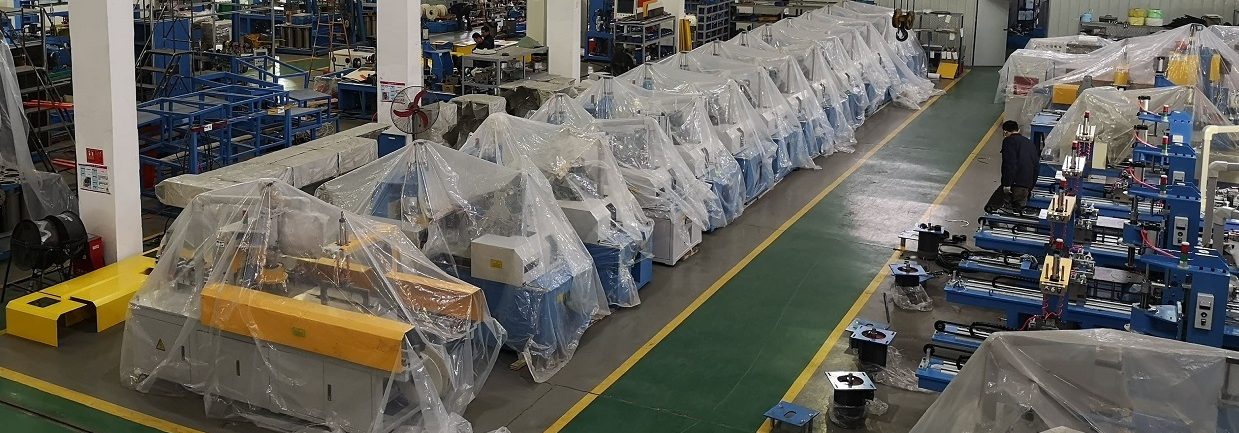
Enhancing security in multi-shift warehouse operations with steel wire coiling machines requires a focus on risk assessment, safety protocols, and technological upgrades. Regular inspections, comprehensive training, and the implementation of safety devices are crucial for minimizing accidents and ensuring a safe working environment for all employees.
Ready to delve into the specific strategies to keep your warehouse operations safe and efficient while using steel wire coiling machines? Keep reading to discover practical steps and valuable insights.
Enhancing Safety through Comprehensive Risk Assessment
Performing a thorough risk assessment is the first step in enhancing the safety of steel wire coiling machine operations. Identify potential hazards and evaluate the likelihood and severity of potential accidents.
Risk assessment is crucial because it identifies potential hazards associated with steel wire coiling machines. By systematically evaluating risks like entanglement, crushing, and cutting, warehouses can implement targeted safety measures, reducing the likelihood of accidents and creating a safer working environment for multi-shift operations.
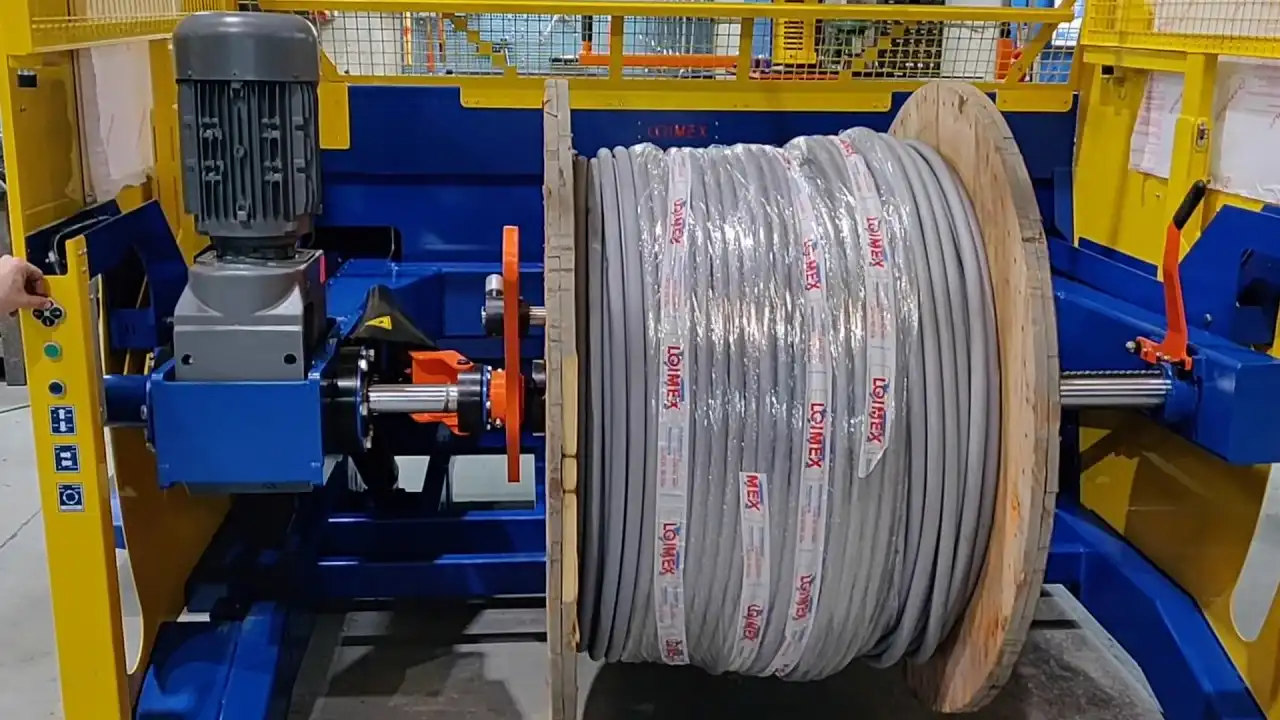
Identifying and Mitigating Specific Hazards
A comprehensive risk assessment should cover all aspects of the coiling machine’s operation, from loading and unloading materials to the coiling process itself and routine maintenance. Specific hazards to consider include:
- Entanglement: Workers can get their clothing, hair, or limbs caught in the rotating parts of the machine.
- Crushing: Body parts can be crushed between the machine’s moving components or between the machine and surrounding structures.
- Cutting: Sharp edges on the wire or machine components can cause cuts and lacerations.
- Impact: Workers can be struck by moving parts or ejected wire.
- Noise: Prolonged exposure to high noise levels can lead to hearing damage.
Once these hazards are identified, appropriate mitigation measures must be implemented. These measures might include:
- Engineering controls: Installing physical guards, interlocks, and emergency stop buttons.
- Administrative controls: Developing safe operating procedures, providing training, and implementing lockout/tagout procedures.
- Personal protective equipment (PPE): Requiring workers to wear appropriate PPE, such as safety glasses, gloves, and hearing protection.
To better illustrate how risk assessments are approached, consider the following table:
| Hazard | Risk Level (High/Medium/Low) | Existing Controls | Recommended Actions |
|---|---|---|---|
| Entanglement | High | Limited guarding, basic training | Install comprehensive guarding, enhanced training with practical exercises, regular inspections of guards. |
| Crushing | Medium | Emergency stop buttons | Improve emergency stop button placement and visibility, conduct drills, ensure proper lighting around the machine. |
| Cutting | Low | Workers wear gloves | Upgrade gloves to cut-resistant models, enforce strict adherence to PPE policies. |
| Impact | Medium | Awareness signage | Install physical barriers, improve workspace layout to prevent collisions, enforce speed limits in the area. |
| Noise | High | Hearing protection provided | Conduct noise level monitoring, implement engineering controls to reduce noise at the source, mandatory hearing protection program. |
This table showcases the potential hazards, their assigned risk levels based on an initial assessment, the controls already in place, and recommended actions to further mitigate these risks. Addressing each hazard with a combination of engineering, administrative, and PPE controls ensures a comprehensive approach to Steel wire coiling machine security.
Implementing Robust Safety Protocols
Developing and enforcing comprehensive safety protocols is crucial for preventing accidents and injuries. This includes clear operating procedures, regular training, and strict adherence to safety guidelines.
Robust safety protocols are essential for mitigating risks associated with steel wire coiling machines. Implementing measures like lockout/tagout procedures, regular inspections, and comprehensive training programs ensures that all personnel are aware of potential hazards and understand how to operate the machinery safely, thereby minimizing accidents.
Key Components of Effective Safety Protocols
- Standard Operating Procedures (SOPs): Develop detailed SOPs for all aspects of the coiling machine’s operation, including startup, shutdown, normal operation, and emergency procedures. These SOPs should be written in clear, concise language and readily accessible to all operators.
- Lockout/Tagout (LOTO) Procedures: Implement strict LOTO procedures to prevent accidental startup of the machine during maintenance or repair. Ensure that all workers are properly trained in LOTO procedures and that the procedures are consistently enforced.
- Regular Inspections: Conduct regular inspections of the coiling machine and its safety devices to ensure that they are in good working order. These inspections should be documented, and any defects should be promptly corrected.
- Training Programs: Provide comprehensive training programs for all workers who operate or maintain the coiling machine. This training should cover the machine’s hazards, safe operating procedures, LOTO procedures, and emergency procedures. Training should be ongoing and regularly refreshed.
- Emergency Procedures: Establish clear emergency procedures for responding to accidents or other incidents involving the coiling machine. These procedures should be communicated to all workers, and regular drills should be conducted to ensure that everyone knows what to do in an emergency.
Leveraging Technology for Enhanced Security
Incorporating technology can significantly enhance the security of steel wire coiling machine operations. This includes using safety devices, automation, and monitoring systems.
Technology offers numerous solutions for enhancing security, such as installing safety light curtains, implementing automated shut-off systems, and utilizing remote monitoring to detect anomalies. By leveraging these technological advancements, warehouses can reduce human error and create a safer environment around steel wire coiling machines.

Implementing Technological Solutions
- Safety Light Curtains: Install safety light curtains around the coiling machine to detect when a worker enters a hazardous area. If the light curtain is broken, the machine will automatically shut down.
- Emergency Stop Buttons: Strategically place emergency stop buttons around the machine so that workers can quickly shut it down in an emergency.
- Interlocks: Use interlocks to prevent the machine from operating if a guard is not in place or a door is open.
- Automated Shut-Off Systems: Implement automated shut-off systems that will automatically shut down the machine if it detects a malfunction or other hazardous condition.
- Remote Monitoring Systems: Use remote monitoring systems to track the machine’s operation and detect anomalies. This can help identify potential problems before they lead to accidents.
- Smart Sensors: Integrate smart sensors that detect abnormal vibrations, temperature spikes, or other indicators of potential mechanical failures. These sensors can trigger alerts, allowing for proactive maintenance and preventing unexpected breakdowns that could lead to unsafe situations.
The integration of these technologies not only enhances safety but also contributes to operational efficiency by minimizing downtime and reducing the risk of equipment damage. Investing in modern safety technology is an investment in the well-being of employees and the long-term productivity of the warehouse. Consider the impact of improved safety on various aspects of operations:
| Feature | Impact on Safety | Impact on Efficiency |
|---|---|---|
| Light Curtains | Prevents accidental entry into hazardous areas, reducing injury risk. | Minimizes downtime due to accidents, allows for quicker restarts after interventions. |
| Emergency Stop Buttons | Enables rapid shutdown during emergencies, preventing severe incidents. | Reduces potential damage to equipment during emergencies, quicker assessment after incidents. |
| Smart Sensors | Detects potential failures before they occur, preventing breakdowns. | Minimizes unexpected downtime, reduces the need for extensive repairs. |
Fostering a Culture of Safety

Creating a culture of safety is vital for ensuring the long-term success of any safety program. This involves promoting open communication, encouraging worker participation, and recognizing and rewarding safe behavior.
A strong safety culture is paramount for sustaining secure operations. Regular safety meetings, feedback mechanisms, and management commitment to safety are crucial for instilling a sense of responsibility among employees, leading to proactive hazard reporting and compliance with safety protocols, ultimately reducing accidents.
Fostering a culture of safety is not just about implementing rules and regulations; it’s about creating an environment where safety is valued and prioritized by everyone in the organization. This requires a multi-faceted approach that includes:
- Management Commitment: Visible and unwavering commitment from management is essential. Managers must actively participate in safety activities, demonstrate a genuine concern for worker safety, and provide the resources necessary to implement and maintain a safe working environment.
- Worker Participation: Workers should be actively involved in the safety program. This includes participating in risk assessments, developing safe operating procedures, and reporting hazards.
- Open Communication: Encourage open communication about safety issues. Workers should feel comfortable reporting hazards or concerns without fear of reprisal.
- Recognition and Rewards: Recognize and reward workers who demonstrate safe behavior and contribute to the safety program. This can include verbal praise, small gifts, or even monetary bonuses.
- Continuous Improvement: Continuously review and improve the safety program based on feedback from workers, incident investigations, and industry best practices.
The Role of Ergonomics
A crucial aspect of worker safety around steel wire coiling machines is ergonomics. These machines often involve repetitive tasks and awkward postures, leading to musculoskeletal disorders (MSDs) such as carpal tunnel syndrome, tendonitis, and back pain. Properly designed workstations and training in correct lifting and bending techniques can significantly reduce the risk of these injuries. Incorporating ergonomic principles into the workplace not only enhances worker comfort and reduces the risk of MSDs but also boosts productivity by minimizing fatigue and discomfort.
Conclusion
Enhancing Steel wire coiling machine security in multi-shift warehouse operations requires a comprehensive approach that includes risk assessment, safety protocols, technology, and a strong safety culture. By implementing these measures, warehouses can create a safer working environment for their employees, prevent accidents, and maintain operational efficiency. Prioritizing safety is not only ethically responsible but also makes good business sense.








