
Pallet Inverter New Zealand: Why Are Buyers in Pharmaceutical and Chemical Industries Seeking Reliable Pallet Exchange Solutions?
Navigating the complex world of logistics can be a real headache, especially when you’re dealing with sensitive products and tight schedules. For businesses in New Zealand’s pharmaceutical and chemical sectors, the challenge of efficient and safe pallet handling is more critical than ever. Imagine the stress of ensuring product integrity, meeting strict compliance, and keeping your workforce safe—all while trying to speed up operations. This is the daily reality for many, and it often leads to sleepless nights.
Buyers in New Zealand’s pharmaceutical and chemical industries are actively seeking reliable pallet exchange solutions because these systems directly address their core needs: ensuring product safety and integrity, adhering to stringent regulatory compliance, boosting operational efficiency, mitigating significant labor costs, and enhancing worker safety in hazardous environments.

As someone who has built my career in the packing machine industry, from the factory floor to establishing FHOPEPACK, I’ve seen firsthand how critical the right equipment can be. My goal, and FHOPEPACK’s mission, is to share knowledge and help businesses like yours overcome these hurdles. Let’s dive deeper into the specific reasons why these industries are making the switch to advanced pallet exchange systems and how FHOPEPACK can be your trusted partner in this journey.
Why is worker safety and product integrity paramount in Pharma and Chemical operations?
In industries like pharmaceuticals and chemicals, even a small mistake can have huge consequences. Think about the potential for contamination, product damage, or even serious worker injuries. These are not just risks; they are ongoing threats that can lead to significant financial losses, legal problems, and damage to your brand’s reputation.
Worker safety and product integrity are paramount because they directly impact human health, regulatory compliance, and a company’s bottom line in industries with zero tolerance for error like pharmaceuticals and chemicals.

Every day, warehouse managers like Carlos Rodríguez, a 45-year-old logistics veteran from Spain, grapple with these very concerns. Carlos manages thousands of pallet movements daily at a major food and beverage group. He knows that manual pallet changes pose significant risks. Goods can spill, and workers can get injured. He has even seen accidents happen. This kind of environment demands more than just careful handling; it requires intelligent solutions.
Here’s why safety and product integrity are non-negotiable in these sectors, and how pallet exchange systems provide the solution:
- Preventing Contamination and Damage:
- Pharmaceutical products, like vaccines or sterile medical supplies, must remain free from any contaminants. Dirty or damaged pallets can introduce harmful particles or bacteria. Pallet changers allow you to swap out unsanitary wooden pallets for hygienic plastic or metal ones without ever touching the product. This protects sensitive goods. For chemical products, avoiding spills and damage to containers is also crucial, as many are hazardous. A controlled mechanical transfer minimizes the risk of accidental tipping or dropping. This focus on product protection is a major driver for adopting automated systems.
- Ensuring Regulatory Compliance:
- The pharmaceutical industry operates under strict regulations like GMP (Good Manufacturing Practices). These rules cover everything from facility hygiene to handling procedures. Using clean, compliant pallets is a key part of this. Automated pallet inversion systems help businesses meet these standards consistently. They provide a documented, repeatable process, which is often preferred during audits. In chemical industries, regulations around hazardous material handling are equally tough. Pallet changers ensure stability and prevent leaks during transfer, helping companies stay compliant and avoid hefty fines.
- Enhancing Worker Safety:
- Manual pallet changing, especially with heavy or unstable loads, is physically demanding and dangerous. Workers might strain their backs, drop heavy items, or even be crushed by falling loads. These accidents lead to lost workdays, increased insurance costs, and potential lawsuits. My experience in the packing machine industry has shown me that companies often underestimate these hidden costs. Pallet changers eliminate the need for manual lifting and tilting. They use hydraulics or mechanical clamps to securely hold and transfer loads. This dramatically reduces the risk of injury. It also frees up staff for less strenuous, more valuable tasks. This is a huge benefit, especially as labor becomes harder to find and more expensive.
- Maintaining Supply Chain Integrity:
- A break in product integrity or a worker injury can halt your entire supply chain. In New Zealand, where many pharmaceutical and chemical products are imported or exported, any disruption can have far-reaching effects. Automated pallet solutions provide a reliable, predictable process. They ensure continuous flow and reduce the chance of unexpected delays. This resilience is vital for maintaining customer trust and avoiding costly contractual penalties. It helps companies like FHOPEPACK deliver on their promises of seamless operations. (New Zealand supply chain optimization, pharmaceutical hygiene solutions, chemical handling safety)
How do diverse pallet specifications complicate logistics for NZ pharmaceutical and chemical companies?
Picture this: you have a shipment of pharmaceuticals arriving from Europe on standard Euro pallets, but it needs to be exported to the US, where only GMA (American) pallets are accepted. Or maybe you need to move goods from wooden factory pallets onto clean, plastic pallets for a sterile warehouse environment. This constant need to switch between different pallet types is a huge logistical headache.
Diverse pallet specifications complicate logistics for New Zealand’s pharmaceutical and chemical companies by creating bottlenecks, increasing manual labor, heightening error rates, and hindering efficient international trade, demanding flexible and automated pallet exchange solutions.
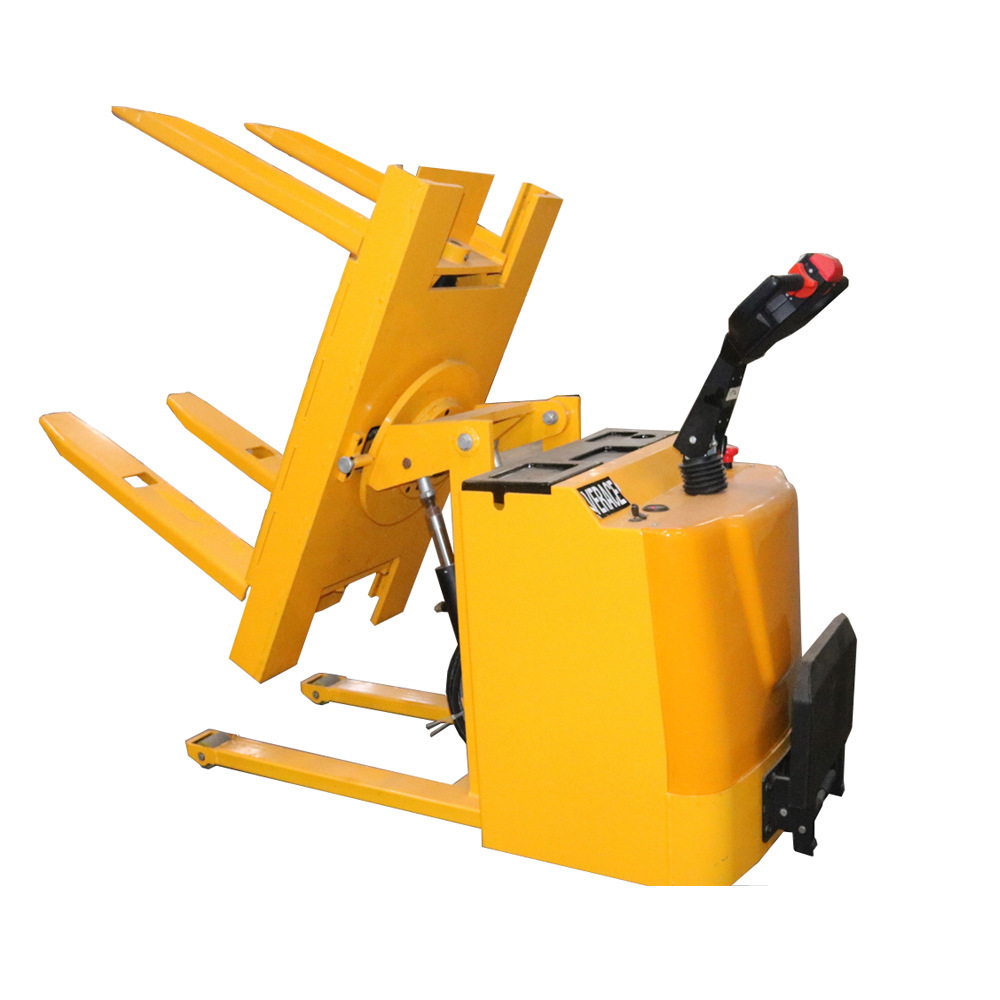
Carlos Rodríguez understands this challenge acutely. His distribution center deals with thousands of pallets daily. Different countries have different pallet standards, forcing frequent changes. Manual handling for these changes is slow and prone to errors. He needs equipment that can handle multiple pallet sizes. This is not just about convenience; it’s about making sure products move smoothly through the supply chain without delays or mistakes.
Let’s break down how diverse pallet specifications create problems and how pallet changers offer a solution:
- Compatibility Issues and Bottlenecks:
- Different pallet sizes (Euro, US, Australian standard, plastic, wooden) are not compatible with all racking systems, forklifts, or automated conveyors. This means goods arriving on one type of pallet cannot always be directly stored or shipped using another. This forces a manual transfer step. This manual step creates significant bottlenecks in the warehouse. It slows down inbound and outbound logistics. For high-volume operations, this can quickly lead to backlogs and reduced throughput. A pallet exchange solution allows for quick and seamless transitions between different pallet types. It ensures that goods continue to flow without interruption.
- Increased Manual Labor and Time:
- Without a dedicated pallet changing system, staff must manually offload goods from one pallet and reload them onto another. This is a labor-intensive, time-consuming, and physically demanding task. It ties up valuable human resources. It also introduces the risk of human error, such as misplacement or damage to products. In New Zealand, where labor costs are significant and skilled workers are sometimes scarce, this manual effort is a major drain on resources. Automated pallet changers remove this manual burden. They handle the transfer process quickly and efficiently, often in just minutes. This saves both time and labor.
- Risk of Product Damage and Contamination:
- Every time products are manually handled during a pallet transfer, there is a risk of damage. Fragile pharmaceutical packaging or sensitive chemical containers can be easily compromised. For sterile environments, manual handling can also introduce contaminants. This is a critical concern for pharmaceuticals. A pallet changer secures the load and performs the transfer mechanically. This minimizes product movement and human contact. It ensures the integrity of the goods throughout the process. This is especially important when switching from standard wooden pallets to hygienic plastic pallets for internal use.
- Hinders International Trade Efficiency:
- New Zealand’s pharmaceutical and chemical industries are often part of global supply chains. They must adhere to diverse international shipping standards. This means frequent pallet changes are unavoidable for import and export. Inefficient pallet changing can lead to delays at customs, missed shipping deadlines, and increased demurrage charges. It also affects customer satisfaction. Automated solutions facilitate rapid compliance with international pallet standards. They ensure smooth transitions for cross-border shipments. This directly supports the efficiency and profitability of international trade operations. FHOPEPACK and SHJLPACK offer systems designed to adapt to a wide range of pallet sizes and types. (multi-standard pallet handling, cross-border logistics efficiency, automated pallet transfer)
What role does automation play in optimizing supply chains in high-stakes industries?
In industries where precision, speed, and reliability are non-negotiable, manual processes are simply not enough. Think about the consequences of a slow delivery of critical medicines or a delay in shipping essential chemical components. These industries cannot afford bottlenecks. This is where automation steps in as a game-changer.
Automation plays a critical role in optimizing supply chains for high-stakes industries by enhancing speed, accuracy, consistency, and traceability, directly translating to improved efficiency, reduced errors, and greater operational resilience.

Carlos Rodríguez, for instance, faces intense pressure from e-commerce and retail clients for shorter delivery cycles. He knows that his warehousing processes must accelerate. Introducing automated or semi-automated pallet changer systems is one of his key goals to shorten pallet switching times and boost turnaround efficiency. He needs solutions that move beyond traditional manual methods.
Here’s why automation is vital for optimizing high-stakes supply chains and how pallet changers contribute:
- Boosting Throughput and Speed:
- Manual pallet changes are inherently slow. Each transfer takes time, especially with careful handling required for sensitive products. This creates significant bottlenecks that limit overall warehouse throughput. Automated pallet changers can complete a pallet transfer in a fraction of the time it takes manually, often within minutes. This dramatically increases the speed at which goods can be processed, stored, and dispatched. For industries with high-volume demands, this acceleration is crucial for meeting tight deadlines and increasing overall capacity. It helps New Zealand businesses compete globally.
- Ensuring Consistency and Reducing Errors:
- Human operations, no matter how skilled, are prone to variability and error. Fatigued workers might make mistakes, leading to product damage, incorrect pallet placement, or even miscounts. These errors are costly and can disrupt the entire supply chain. Automated systems perform tasks with consistent precision every single time. They follow programmed parameters, eliminating human variability. This ensures that every pallet transfer is done correctly. It significantly reduces the risk of errors and the associated costs of rework or waste. This consistency is especially valuable in pharmaceutical quality control.
- Improving Resource Utilization:
- Manual pallet changing ties up multiple workers, forklifts, and floor space. This is an inefficient use of valuable resources. Automated pallet changers often require only one operator, or even operate fully autonomously within a larger automated system. This frees up staff to perform more complex, value-added tasks elsewhere in the warehouse. It also optimizes the use of material handling equipment and valuable warehouse footprint. This leads to substantial operational cost savings in the long run. My company, FHOPEPACK, understands the importance of maximizing resource utilization for our clients.
- Enhancing Data Collection and Traceability:
- Modern supply chains demand robust data and traceability, especially for pharmaceuticals and chemicals. Automated pallet exchange systems can be integrated with warehouse management systems (WMS). This allows for automatic tracking of pallet changes, load identities, and movement times. This real-time data is invaluable for inventory management, compliance reporting, and supply chain analytics. It provides a clear audit trail. Manual processes often lack this level of detail. The ability to track every movement ensures transparency and accountability. This is critical for meeting regulatory requirements and for quick recalls if needed. (automated pallet transfer systems, high-volume logistics, warehouse automation solutions, New Zealand supply chain efficiency)
How can pallet exchange solutions address rising labor costs and shortages in New Zealand’s industrial sector?
Labor is becoming increasingly scarce and expensive, especially for physically demanding warehouse jobs. Younger generations are often unwilling to take on heavy lifting and repetitive tasks. This trend is a major challenge for businesses in New Zealand’s industrial sector, including pharmaceuticals and chemicals. The result? Higher operational costs and difficulty finding reliable staff.
Pallet exchange solutions effectively address rising labor costs and shortages in New Zealand’s industrial sector by significantly reducing the need for manual handling, minimizing worker injury risks, and allowing existing staff to be redeployed to more skilled or less physically demanding roles, leading to substantial long-term savings.

Carlos Rodríguez faces this head-on. He sees continuous increases in labor costs and a scarcity of young workers willing to do the intensive manual labor involved in pallet handling. His goal is to reduce reliance on manual labor and lower overall operating costs. This is not just about cutting expenses; it’s about building a sustainable and resilient operation for the future.
Here’s how pallet exchange solutions provide a powerful answer to these labor-related challenges:
- Reducing Direct Labor Dependency:
- Manual pallet changing typically requires multiple workers, especially for heavy or awkwardly shaped loads. This translates directly to higher wage bills, overtime pay, and the ongoing costs of recruitment and training. Pallet exchange systems automate this process. Many models can be operated by a single worker, or even integrated into a fully automated line with minimal human intervention. This drastically cuts the number of personnel needed for this specific task. The immediate benefit is a reduction in direct labor costs associated with pallet transfers.
- Mitigating Labor Shortages:
- When a specific job is physically demanding or seen as undesirable, it becomes difficult to attract and retain staff. The warehouse sector globally, and in New Zealand, often struggles with this. By automating the most arduous parts of the job, companies make their workplaces more attractive. They reduce reliance on a shrinking pool of manual laborers. This strategic shift ensures operations can continue smoothly even during periods of tight labor markets. It provides a long-term solution to staffing challenges.
- Lowering Indirect Costs (Injuries & Insurance):
- As I mentioned earlier, manual pallet handling is a major source of workplace injuries. These injuries lead to direct costs like medical expenses and lost wages, and indirect costs like reduced productivity, legal fees, and increased insurance premiums. Carlos has already experienced accidents. By removing workers from hazardous manual tasks, pallet changers dramatically reduce the incidence of injuries. This directly lowers insurance payouts and claims, saving businesses significant amounts over time. It also creates a safer working environment, improving employee morale and retention.
- Optimizing Workforce Deployment:
- Instead of having skilled workers tied up with repetitive, manual pallet changes, automation allows companies to redeploy these employees to higher-value activities. They can focus on inventory management, quality control, equipment maintenance, or other tasks that require critical thinking and specialized skills. This optimizes the use of your existing workforce. It enhances overall productivity and allows the business to get more value from its employees. This is a smart way to address both cost and efficiency concerns simultaneously. (automated pallet handling, warehouse labor optimization, reducing manual labor costs, New Zealand industrial automation)
Why do pharmaceutical and chemical companies prioritize reliable suppliers and long-term partnerships?
When you are operating in a high-stakes environment like pharmaceuticals or chemicals, you cannot afford downtime. Equipment failures, poor customer service, or a lack of support can lead to massive losses, regulatory non-compliance, and damage to your reputation. This is why choosing the right supplier is about more than just buying a machine; it’s about forming a dependable, long-term partnership.
Pharmaceutical and chemical companies prioritize reliable suppliers and long-term partnerships because consistent equipment uptime, expert technical support, and proven product quality are crucial for maintaining operational continuity, regulatory compliance, and overall business stability.
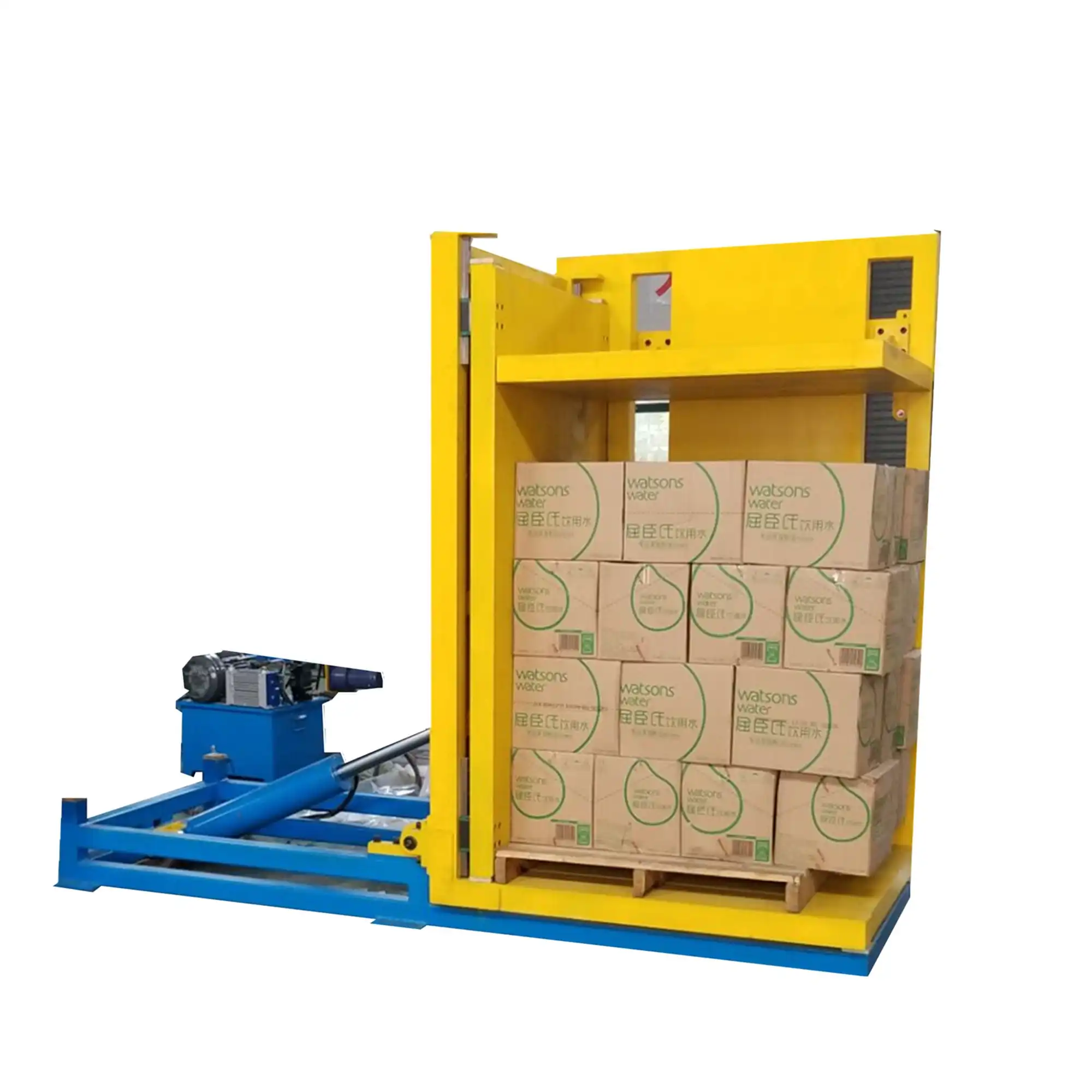
Carlos Rodríguez understands this deeply. He is not just looking for a machine vendor. He wants a partner who truly understands his warehousing pain points and can offer flexible solutions. He needs equipment that is reliable, adaptable, and stable in a high-intensity environment, along with robust after-sales support.
Here’s why trust and partnership are so vital in these critical industries:
- Ensuring Operational Continuity and Uptime:
- Any breakdown in a pallet exchange system can halt an entire production line or distribution process. For pharmaceuticals, this could mean missed patient delivery schedules. For chemicals, it might mean delays in crucial industrial supply chains. Downtime is incredibly expensive. Reliable equipment, built with quality components and robust engineering, minimizes these risks. FHOPEPACK, with my background as a packing machine engineer, designs machines for durability and continuous operation. Our focus is on making sure your processes never stop.
- Access to Expert Technical Support and Service:
- Even the most reliable machines sometimes need maintenance or troubleshooting. When issues arise, quick access to knowledgeable technical support is essential. A partner provides fast, effective solutions. This minimizes downtime. Companies that only sell machines but neglect after-sales support are a major risk. A long-term partner, like FHOPEPACK, invests in building relationships. We offer comprehensive support, from installation and training to ongoing maintenance and spare parts. This ensures your investment continues to perform optimally.
- Customization and Adaptability for Evolving Needs:
- The needs of pharmaceutical and chemical industries can change. New product lines, different pallet types, or updated regulatory requirements can demand modifications to existing equipment. A flexible and reliable supplier can offer customized solutions or adapt existing systems to meet these evolving challenges. FHOPEPACK prides itself on understanding unique customer needs. We work with clients to provide tailored solutions, not just off-the-shelf products. This partnership approach ensures the equipment remains relevant and effective for years to come. SHJLPACK is another reputable option known for adaptable solutions.
- Building Trust Through Proven Quality and Performance:
- For high-value, high-risk operations, a supplier’s reputation for quality and performance is paramount. Companies need confidence that their pallet exchange solutions will perform as expected, day in and day out, for the long term. This trust is built through years of consistent delivery and excellent service. My journey in the packing machine industry, helping many clients grow their businesses, taught me the value of this trust. FHOPEPACK is committed to building these lasting relationships by providing superior equipment and unparalleled support. This focus on long-term value ensures clients in New Zealand receive the best possible pallet exchange solutions. (reliable pallet inverter suppliers, industrial equipment uptime, after-sales support, customized pallet changing equipment)
Conclusion
The pursuit of reliable pallet inverter solutions in New Zealand’s pharmaceutical and chemical industries is driven by critical needs: ensuring safety, navigating diverse pallet standards, boosting efficiency, cutting labor costs, and securing dependable partnerships. FHOPEPACK stands ready to be that trusted partner, delivering robust, automated solutions that address these complex challenges head-on.








